Navigating the world of bag packaging machinery is essential for businesses aiming to enhance efficiency, ensure product integrity, and scale operations. This comprehensive guide delves into the various types of machines, their specific applications, and crucial factors to consider before making an investment.
Understanding Bag Packaging Machinery
Bag packaging machinery automates the process of filling and sealing products into bags or pouches. This technology is pivotal across numerous industries, including food, pharmaceuticals, and health products, where precision, speed, and hygiene are non-negotiable. By automating these tasks, companies can achieve consistent packaging quality, reduce labor costs, and significantly increase output.
Key Benefit: The primary advantage of using automated bag packaging systems is the remarkable improvement in production speed and consistency, directly impacting your bottom line and market competitiveness.
Primary Types of Bag Packaging Machines
The market offers a diverse range of machinery, each designed for specific formats and production volumes. Understanding these types is the first step in selecting the right equipment for your needs.
Vertical Form-Fill-Seal (VFFS) Machines
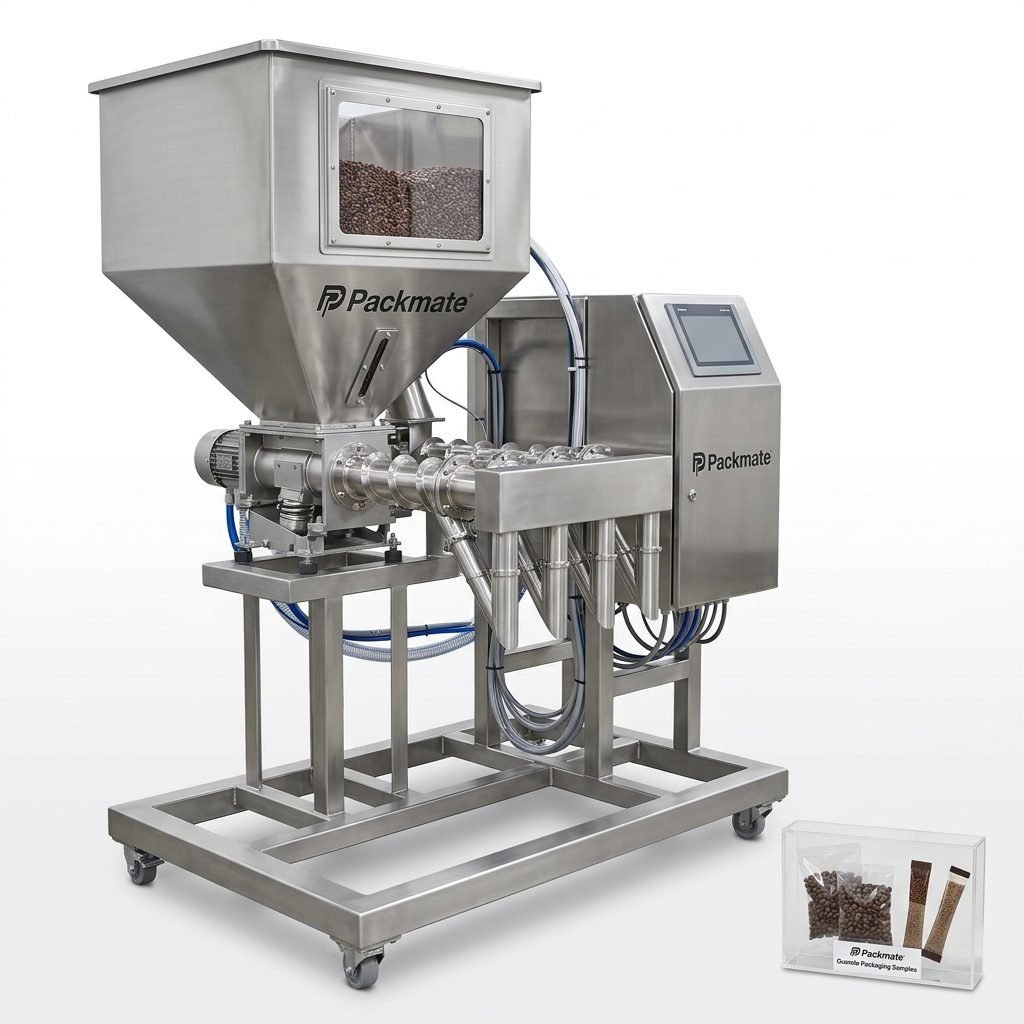
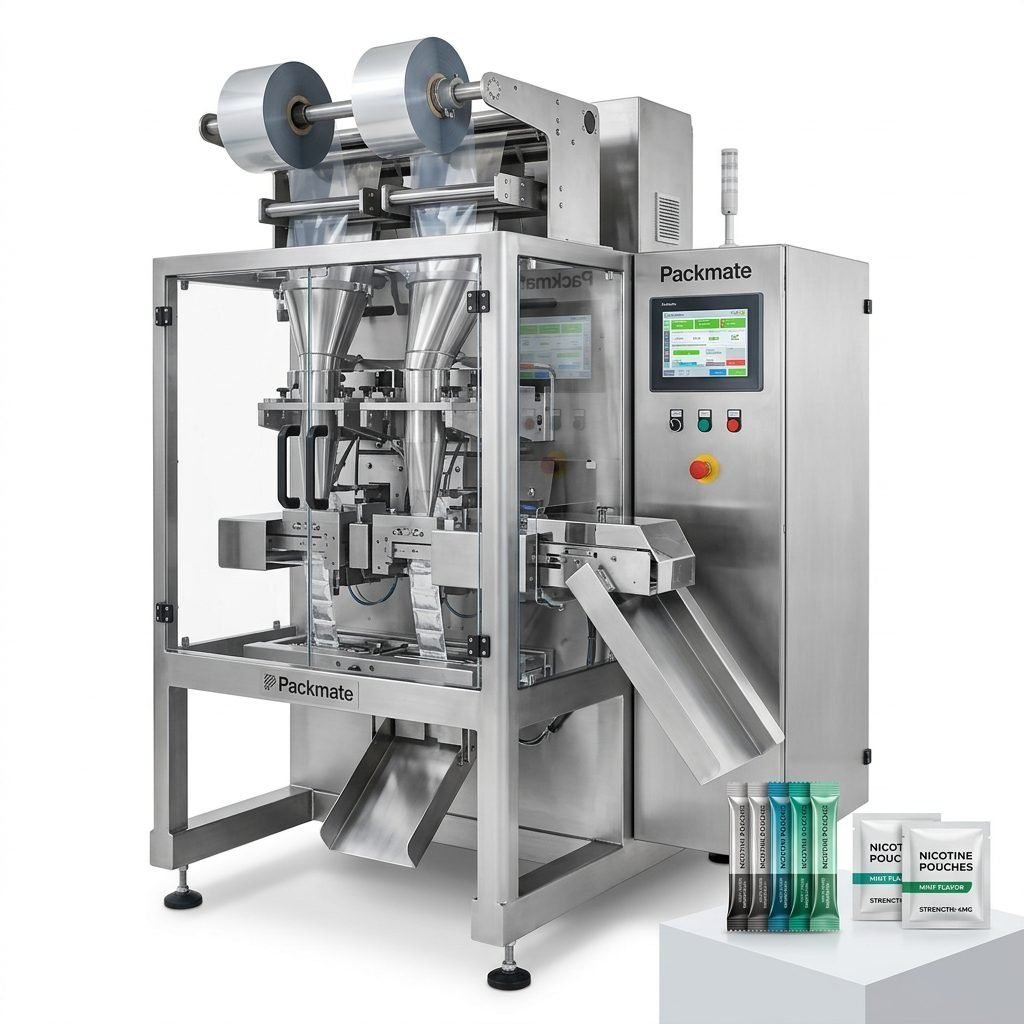
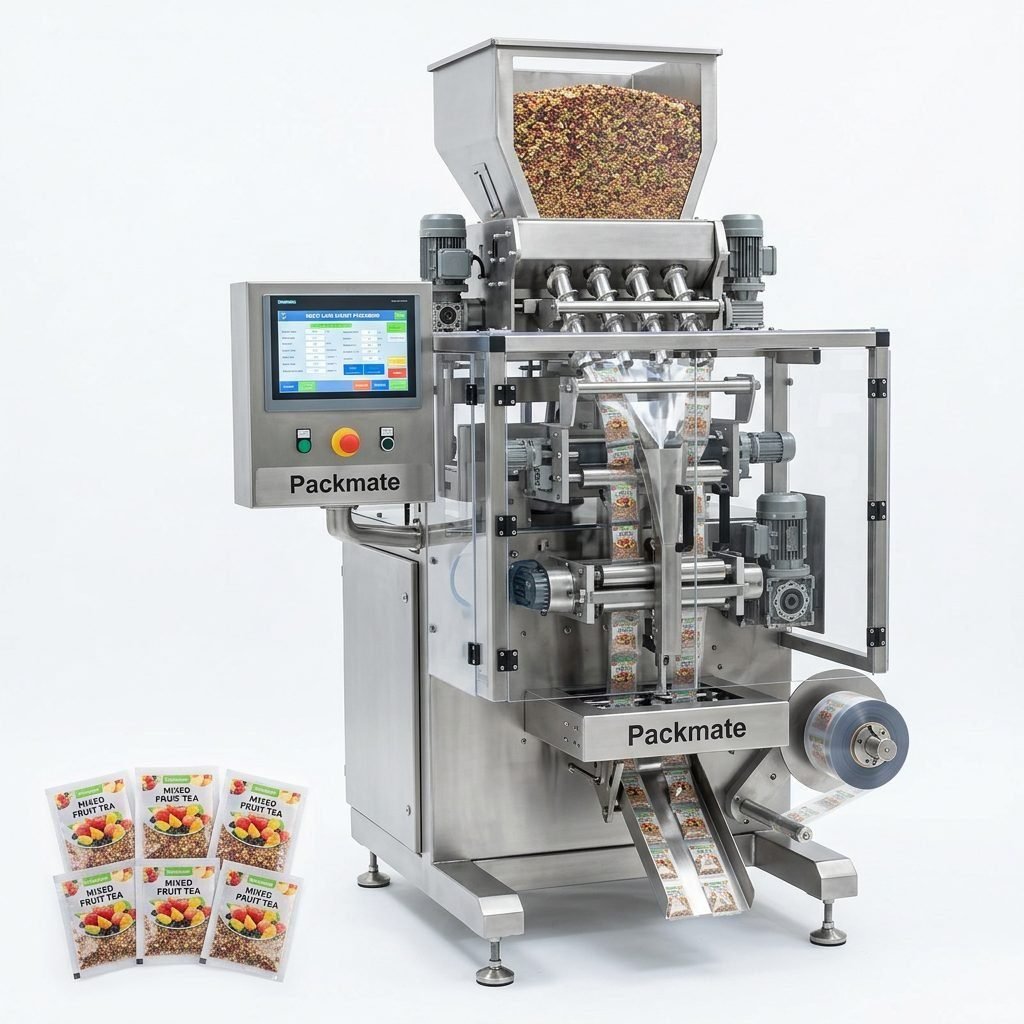
These are among the most common and versatile machines. They form bags from a roll of film, fill them with product, and then seal them—all in a continuous vertical process. Ideal for packaging granules, powders, seeds, and snacks.
Horizontal Form-Fill-Seal (HFFS) Machines
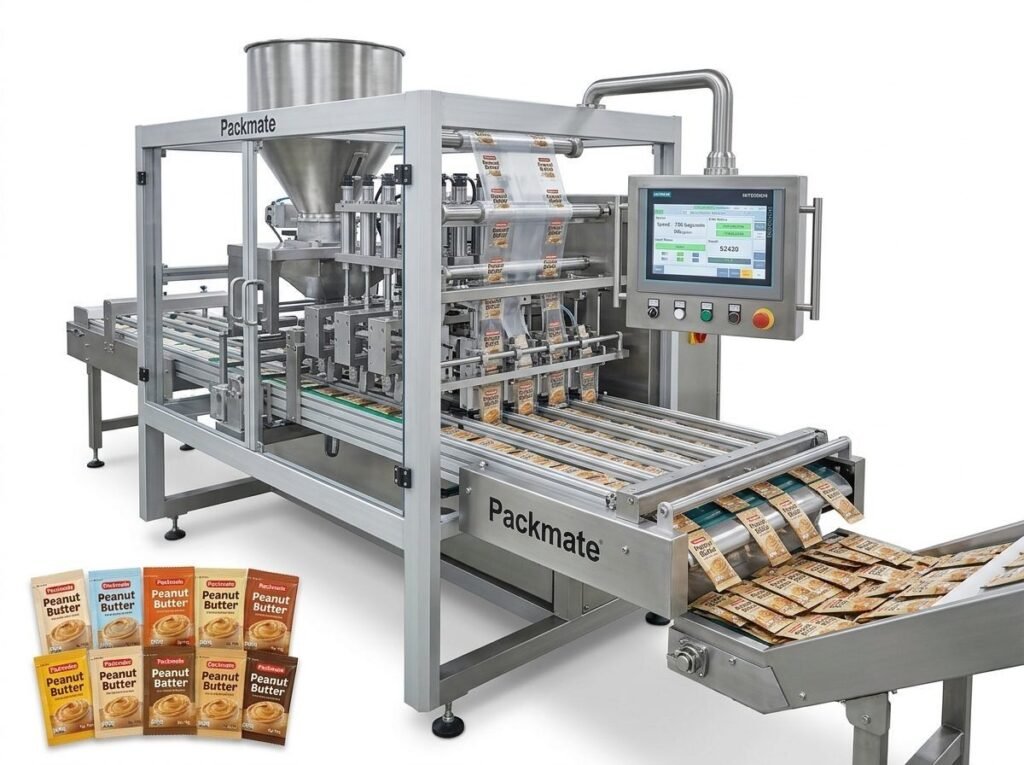
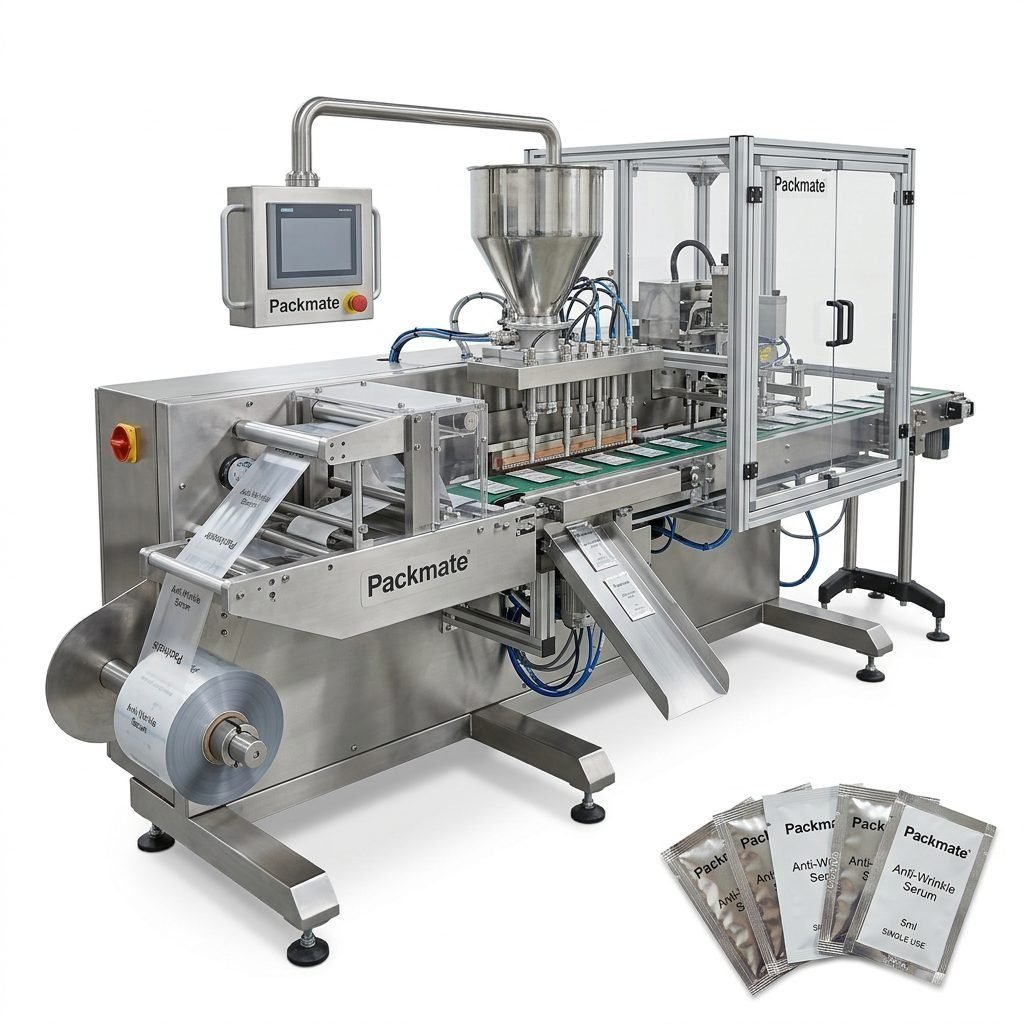
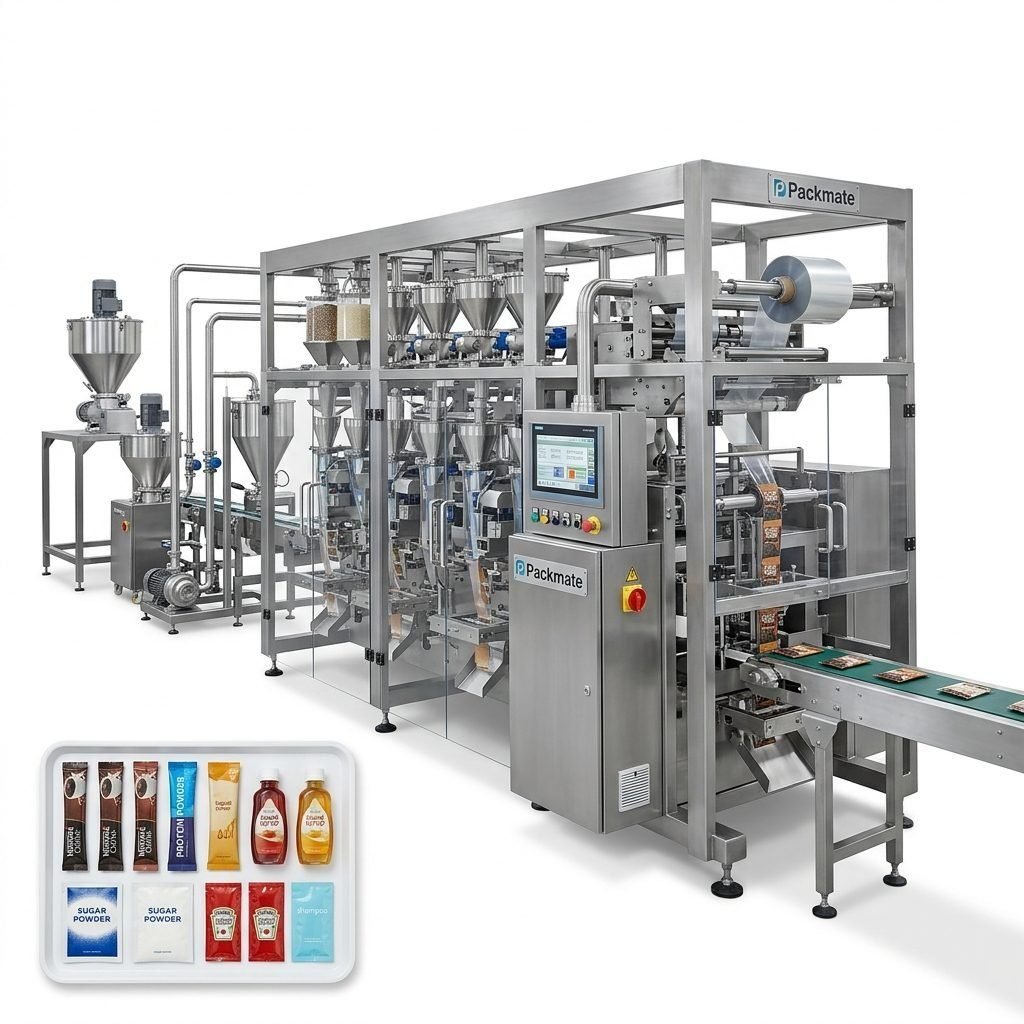
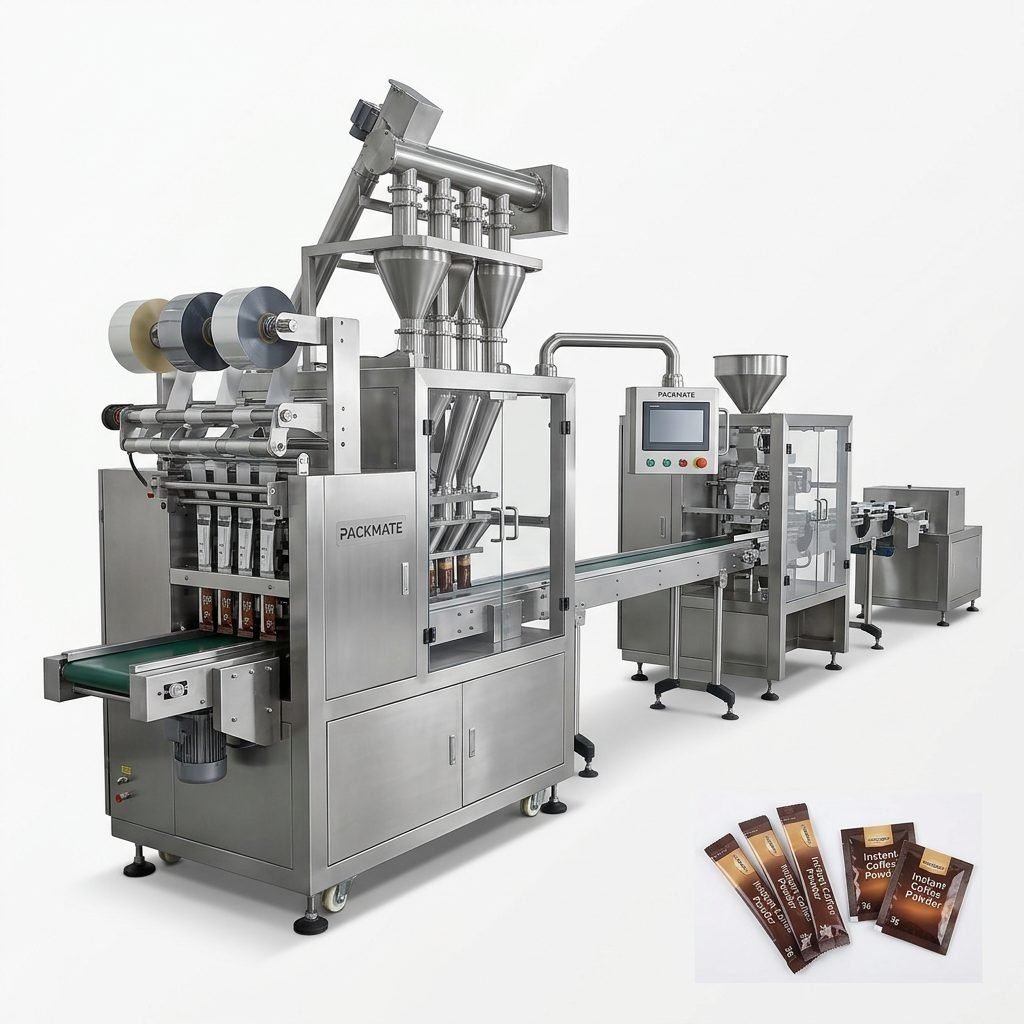
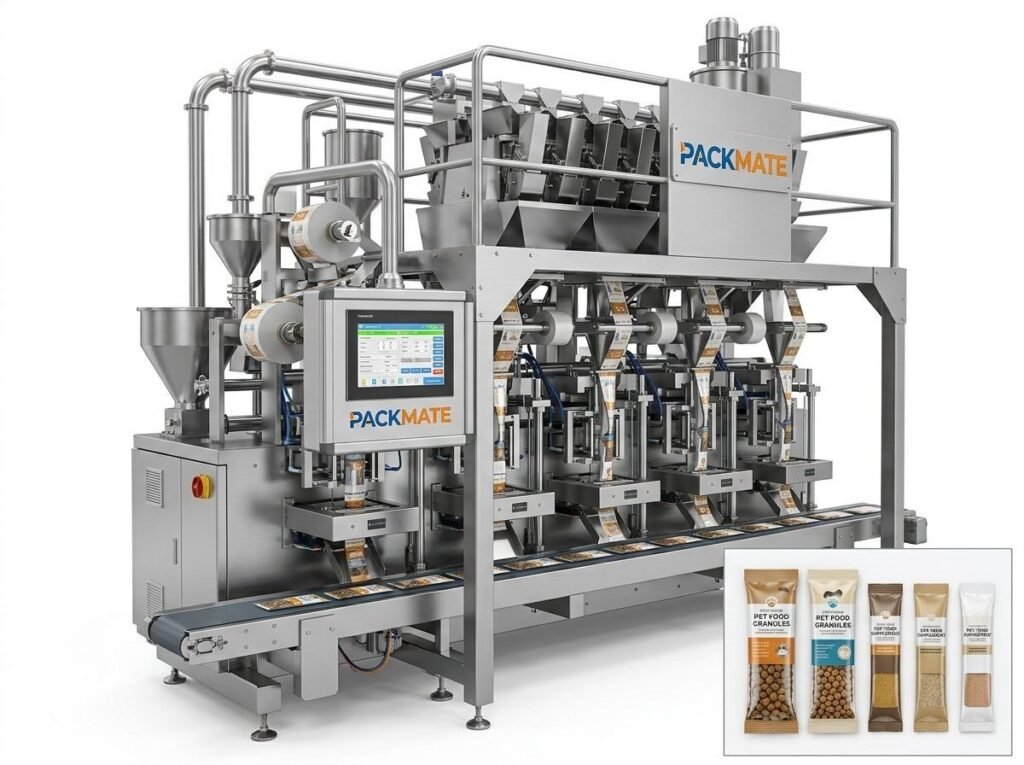
HFFS machines are typically used for more complex packaging shapes and multi-lane production. They are excellent for creating stick packs, sachets, and pillow bags, often used for single-serve portions of coffee, sugar, or pharmaceutical powders.
Pre-Made Bag Fillers
This system uses bags that are already formed (pre-made pouches). The machine opens, fills, and then seals them. It’s perfect for products requiring unique bag shapes, high-quality graphics, or stand-up pouches, commonly seen in premium food items and pet treats.
Choosing Between VFFS and HFFS
Your choice largely depends on product characteristics and desired bag style. VFFS is generally more cost-effective for simple, free-flowing products. HFFS offers greater flexibility for intricate, multi-lane packaging of smaller portions. For a detailed comparison of specific models, explore our range of Bag & Pouch Packaging Machines.
Core Applications and Industry Uses
Bag packaging machines serve a vast array of sectors. Their adaptability makes them indispensable in modern manufacturing.
Food & Beverage: Packaging for snacks, pasta, coffee, spices, and liquid condiments. Machines must often handle different consistencies and meet strict food safety standards.
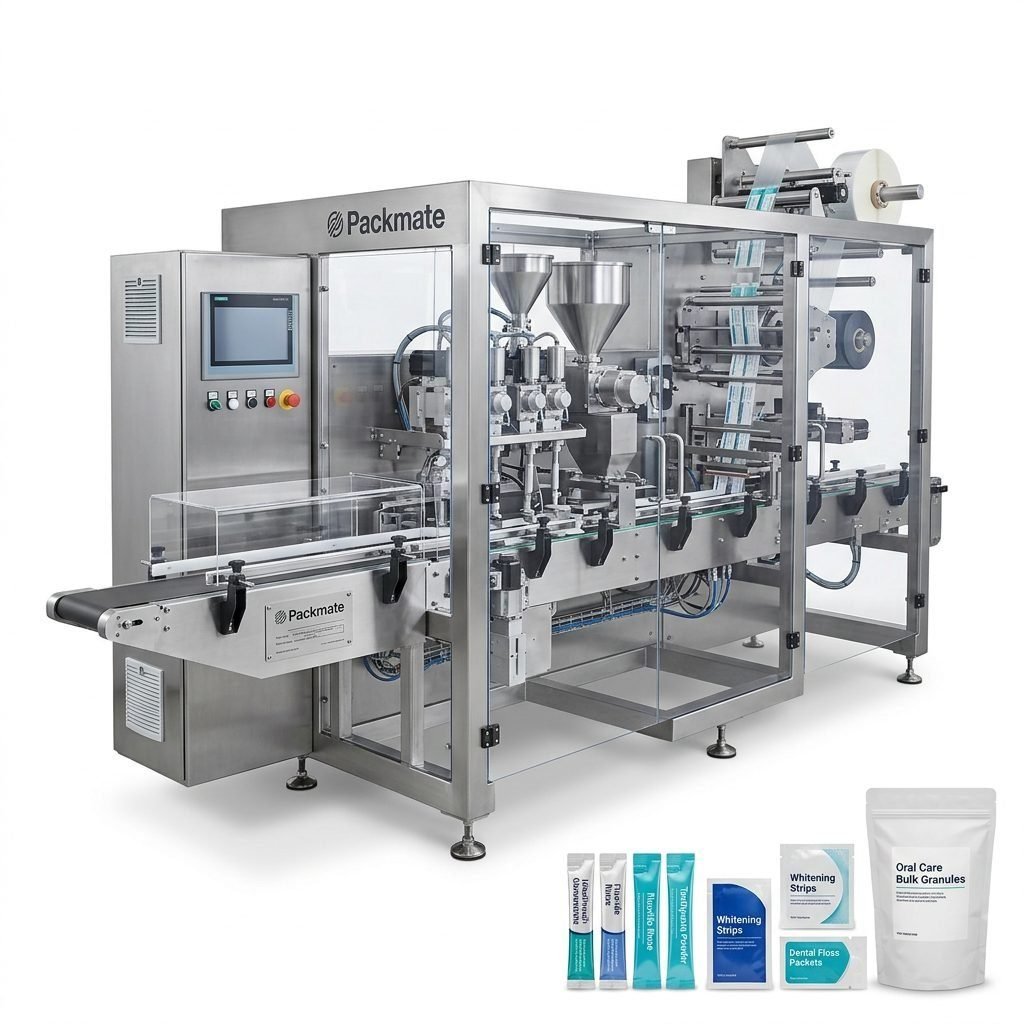
Pharmaceutical & Healthcare: Precision is critical here. Machines package powders, granules, and herbal medicines into sterile, tamper-evident sachets or stick packs. Specialized machines, like those for snus and nicotine pouches, are also part of this niche.
Chemical & Agricultural: Packaging fertilizers, seeds, and industrial powders, often requiring robust machines that can handle abrasive or dusty materials.
Essential Buying Tips for Your Investment
Purchasing packaging machinery is a significant capital decision. Here are critical factors to evaluate to ensure you select a machine that delivers long-term value.
1. Define Your Product and Output Requirements
Clearly outline your product’s physical properties (size, weight, flowability) and your required production speed (bags per minute). This will narrow down the machine type and capacity needed. Consider future growth to avoid outgrowing your equipment too quickly.
2. Prioritize Machine Flexibility and Changeover Ease
If you plan to run multiple products or bag sizes, look for machines with quick-change parts and user-friendly controls. Easy changeover minimizes downtime and maximizes productivity. Our Sachet & Stick Pack Machines are engineered with this operational efficiency in mind.
3. Evaluate Build Quality and Supplier Reputation
The machine’s construction determines its durability and reliability. Opt for manufacturers with a proven track record. For instance, Packmate Machinery leverages over 30 years of expertise, operating from a 20,000㎡ facility with rigorous quality control, ensuring every machine is built to last.
The Importance of After-Sales Support
Technical support, availability of spare parts, and comprehensive training are as important as the machine itself. A reliable supplier offers robust service to keep your line running smoothly. Review the supplier’s service and support offerings before purchasing.
4. Consider Integration with Upstream/Downstream Lines
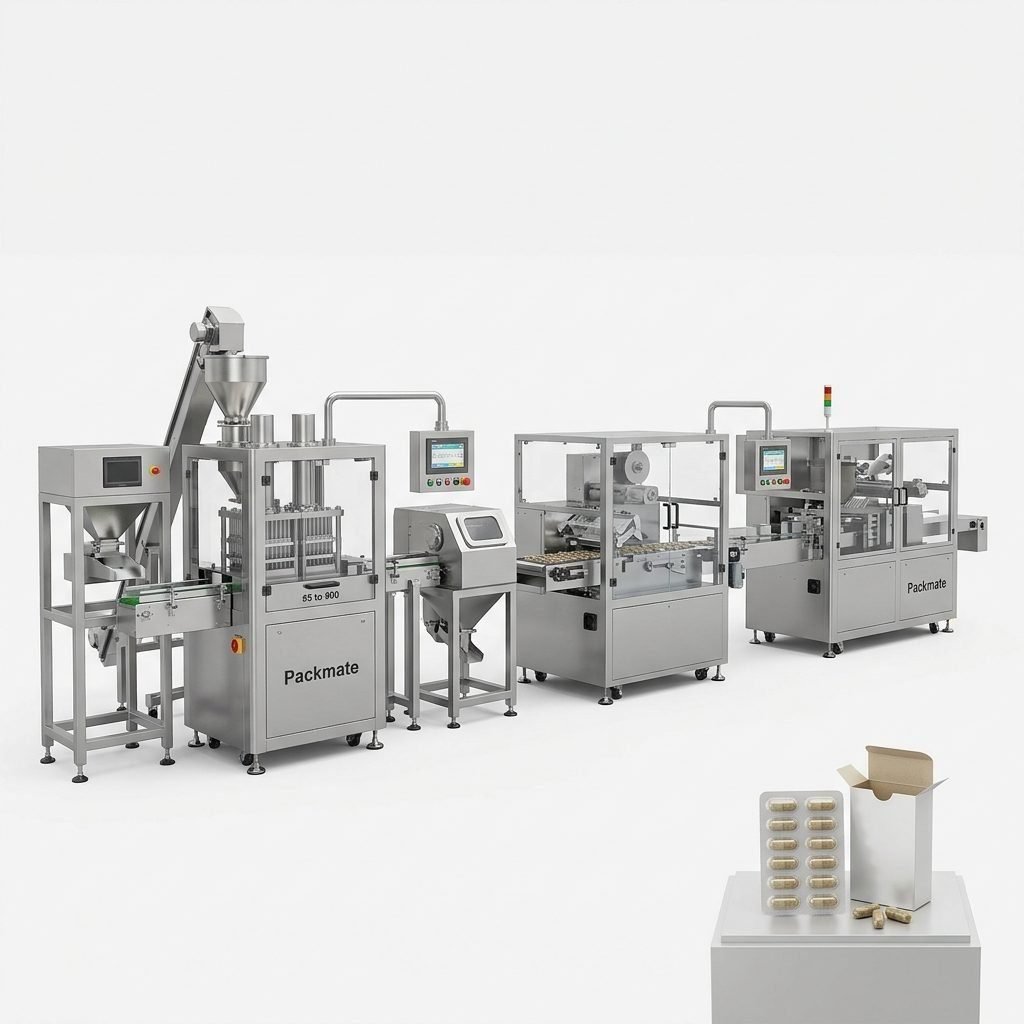
Your new bagger should seamlessly integrate with existing equipment like weigh fillers, conveyors, or cartoners. Discuss your complete line setup with the supplier to ensure compatibility. For complex projects, consider a turnkey solution from a provider capable of delivering integrated Filling & Packaging Lines.
5. Analyze Total Cost of Ownership (TCO)
Look beyond the initial purchase price. Factor in operational costs (energy consumption, film waste), maintenance expenses, and potential costs associated with downtime. A slightly higher initial investment in a more reliable and efficient machine often results in lower TCO.
Frequently Asked Questions (FAQs)
What is the typical lifespan of a bag packaging machine?
With proper maintenance and operation, a high-quality machine from a reputable manufacturer like Packmate can last 10-15 years or more. Regular servicing and using genuine parts are key to longevity.
Can one machine handle different bag sizes and materials?
Yes, many machines are designed for flexibility. However, the ease and speed of changeover vary. Look for models with tool-less changeovers or quick-change kits if you frequently switch between products.
How do I choose between a stick pack and a sachet machine?
The choice depends on your product and market preference. Stick packs are sleek and ideal for powders consumed directly (like drink mixes). Sachets offer a larger surface area for graphics and are great for creams or liquids. Our specialists can help you decide based on your specific product.
What kind of training is provided with the machine?
Reputable suppliers offer comprehensive training for your operators and maintenance staff, covering operation, routine maintenance, troubleshooting, and safety procedures. This is usually conducted during installation and commissioning.
Where can I see the machines in operation or get a custom quote?
You can view real-world applications in our case studies. For a tailored solution and quote, please visit our contact page to get in touch with our engineering team.