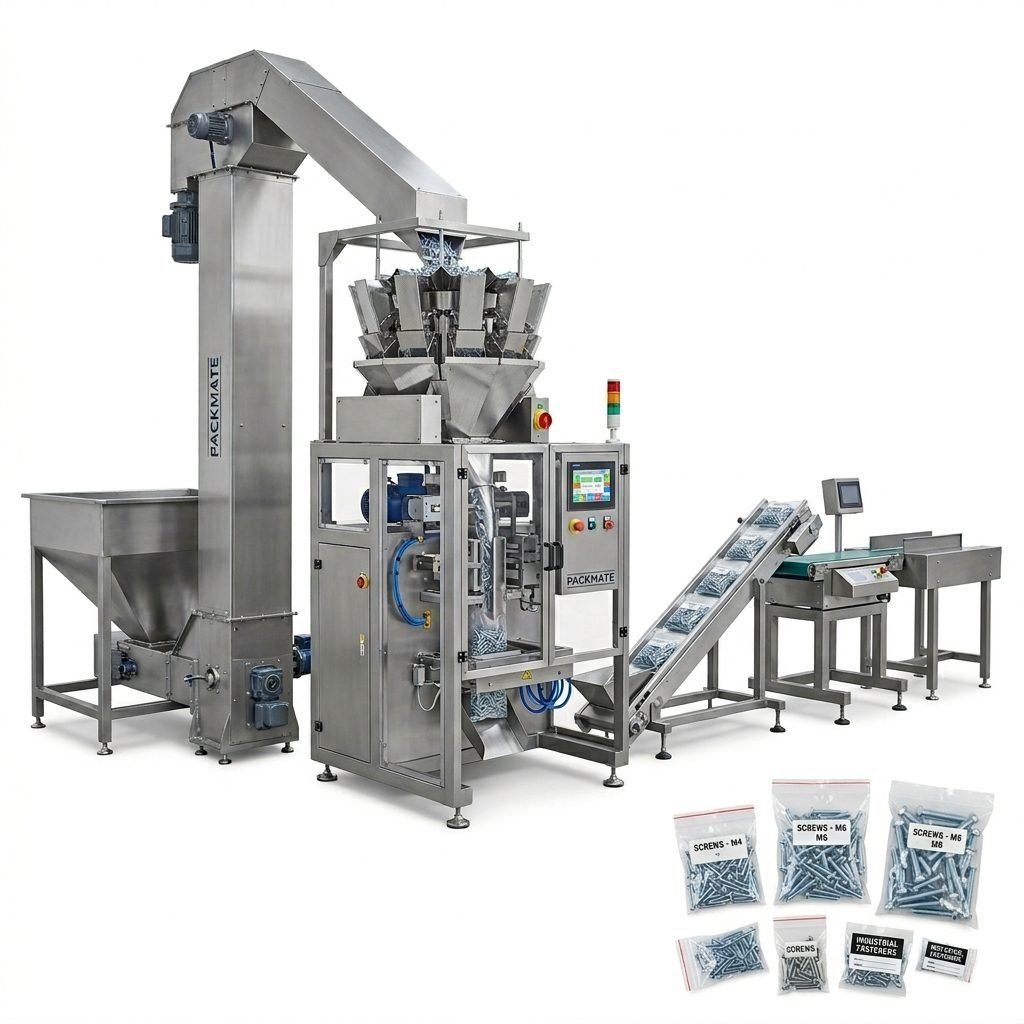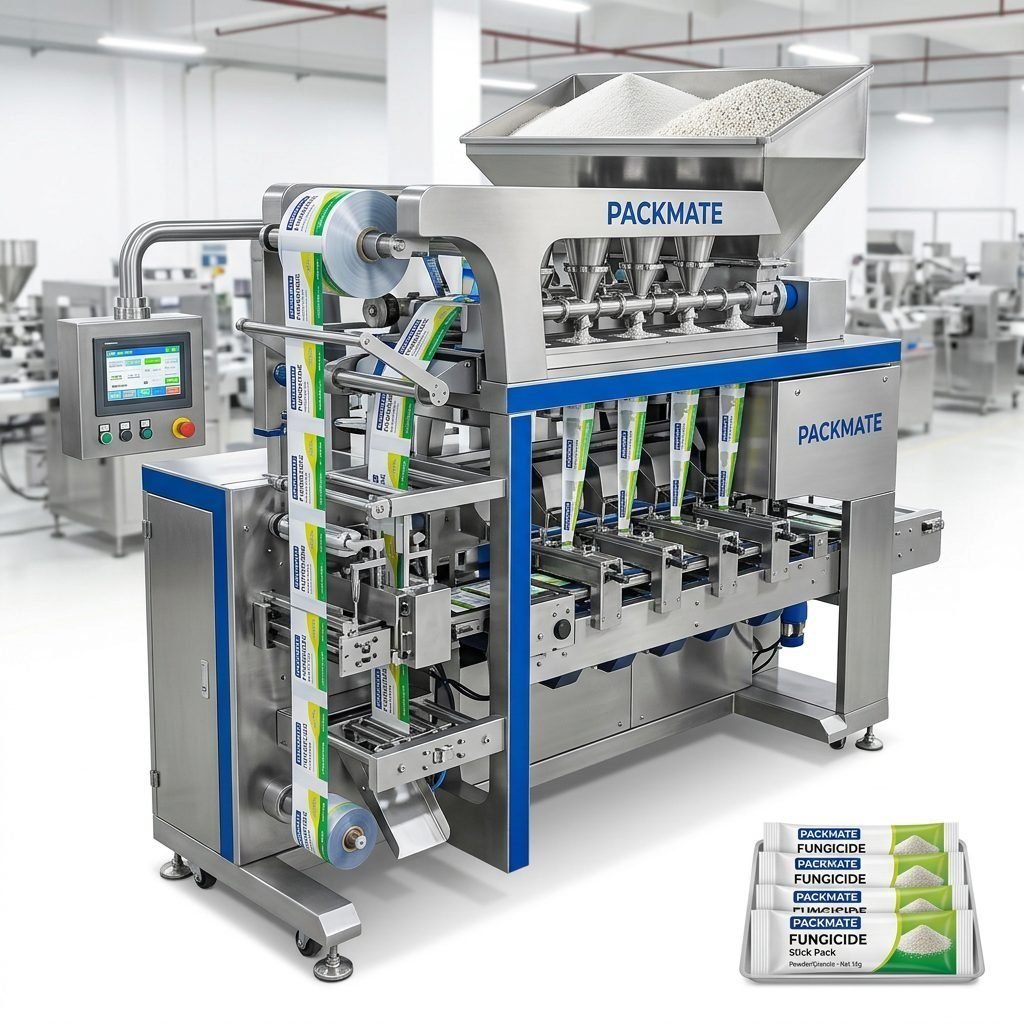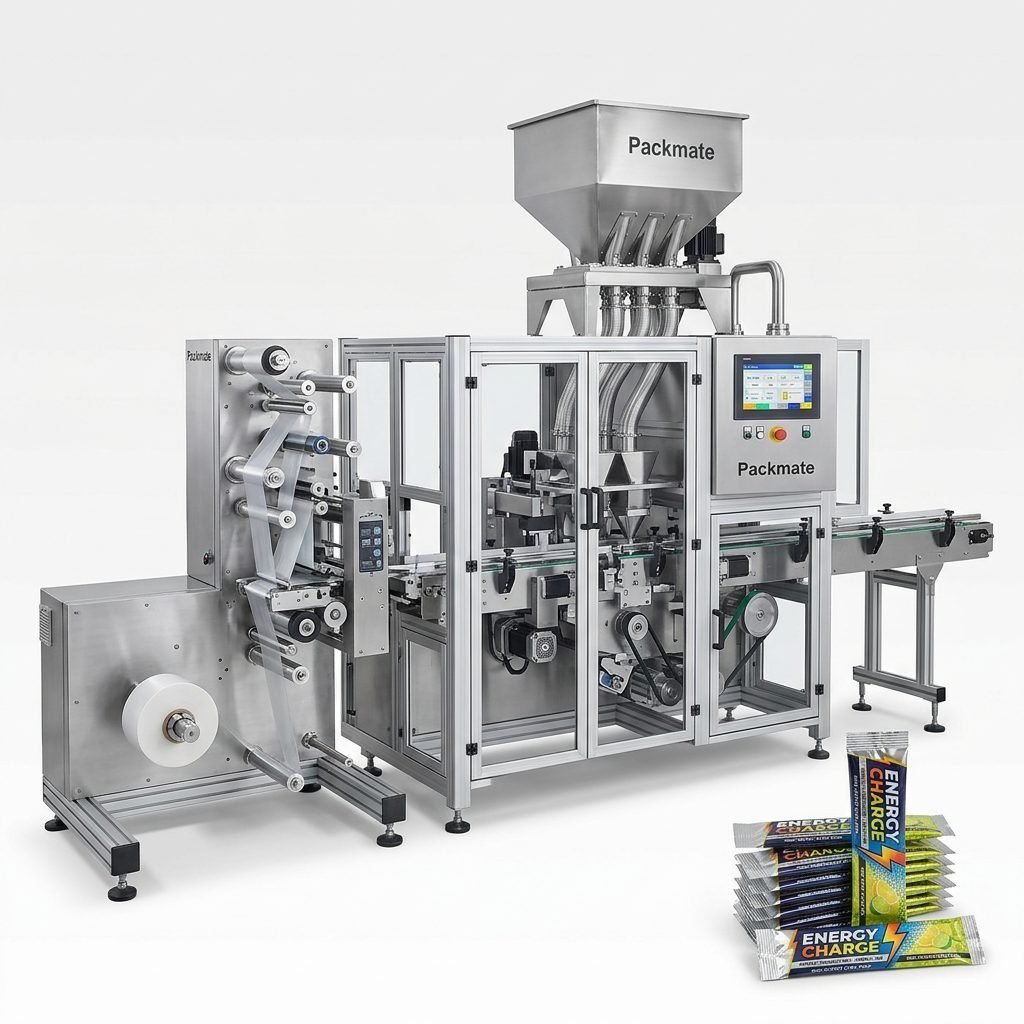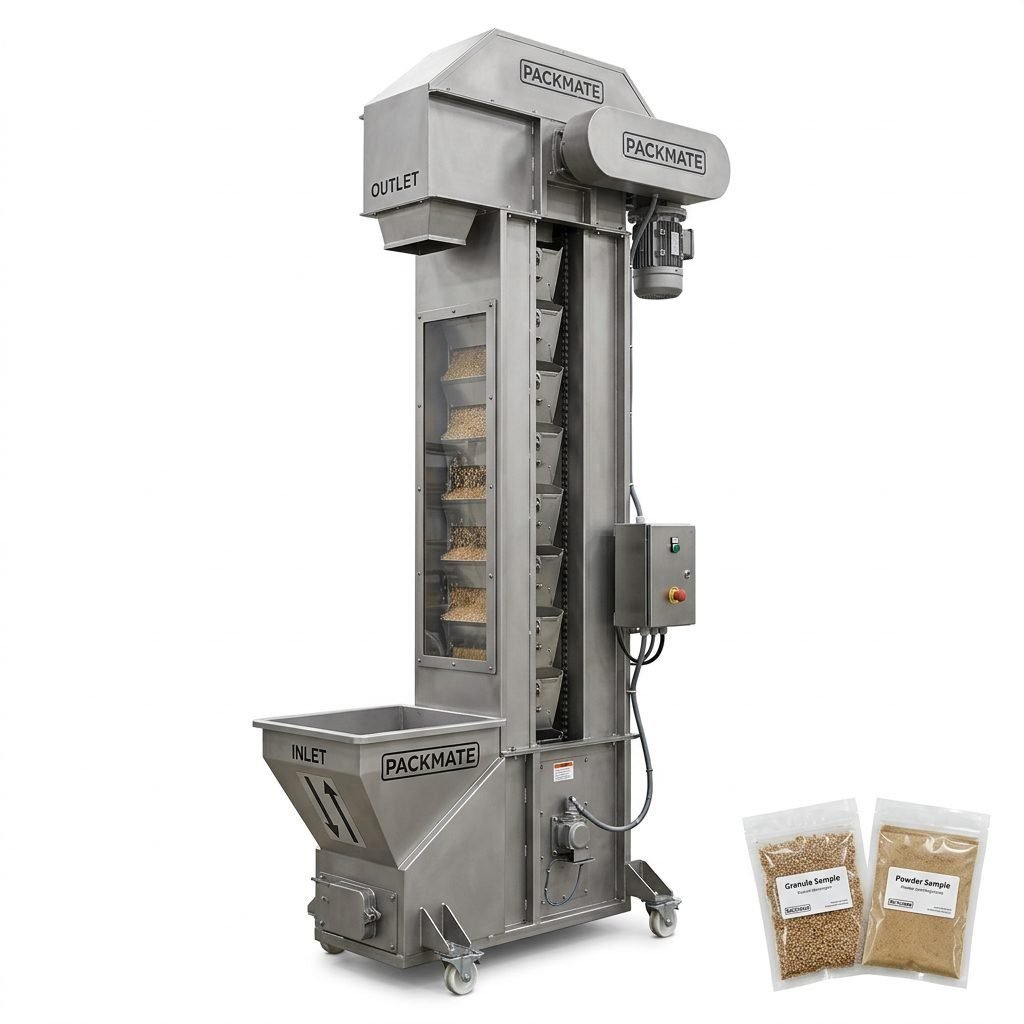
The packaging machinery industry is undergoing a transformative period, driven by technological advancements, evolving consumer demands, and a global push for sustainability. For businesses in the food, pharmaceutical, and health sectors, staying ahead of these trends is not just beneficial—it’s essential for maintaining competitiveness and operational efficiency. This article explores the top trends and innovations shaping the future of packaging machinery solutions.
The Rise of Smart and Connected Packaging Lines
Modern packaging is no longer just about sealing a product. The integration of Industrial Internet of Things (IIoT) technology is creating intelligent, connected production environments. Today’s advanced machinery can collect and analyze real-time data on speed, efficiency, downtime, and maintenance needs. This connectivity allows for predictive maintenance, where machines alert operators to potential issues before they cause a breakdown, significantly reducing unplanned stoppages. For manufacturers, this means higher Overall Equipment Effectiveness (OEE), optimized production schedules, and a substantial boost in productivity. Companies investing in smart filling and packaging lines are building a foundation for the smart factories of tomorrow.
Sustainability: A Core Driver of Innovation
The global emphasis on environmental responsibility is profoundly impacting packaging machinery design. Innovations are focused on enabling the use of sustainable materials—such as biodegradable films, recycled plastics, and paper-based composites—without compromising packaging integrity or machine performance. Machinery is being engineered to handle these often more delicate materials with precision, minimizing waste during the changeover and production processes. Furthermore, energy efficiency is a paramount concern. Newer generations of machines incorporate servo-driven technology, which uses energy only when performing an action, unlike traditional constant-run motors. This shift not only reduces the carbon footprint but also lowers long-term operational costs for businesses. Solutions that support sustainable packaging are quickly becoming a standard request from clients worldwide.
Flexibility and Modularity for Market Agility
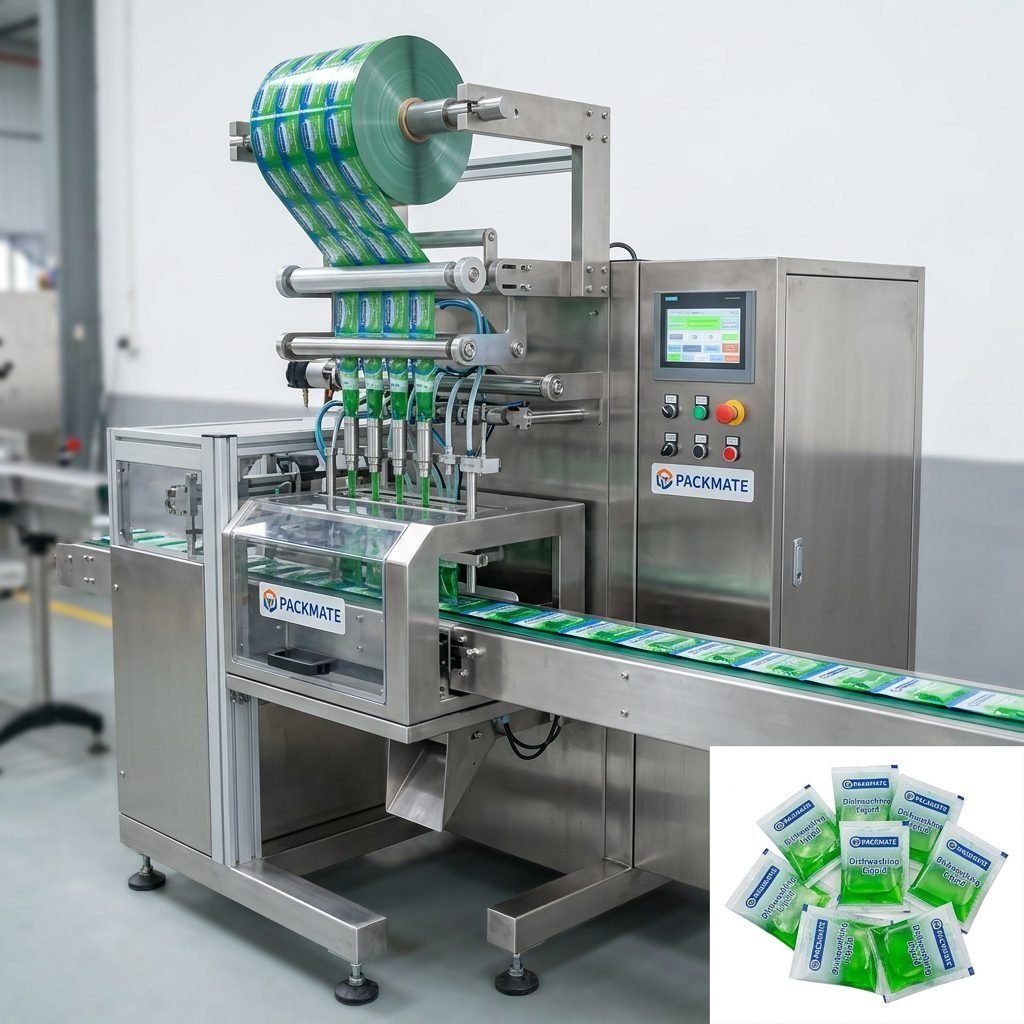
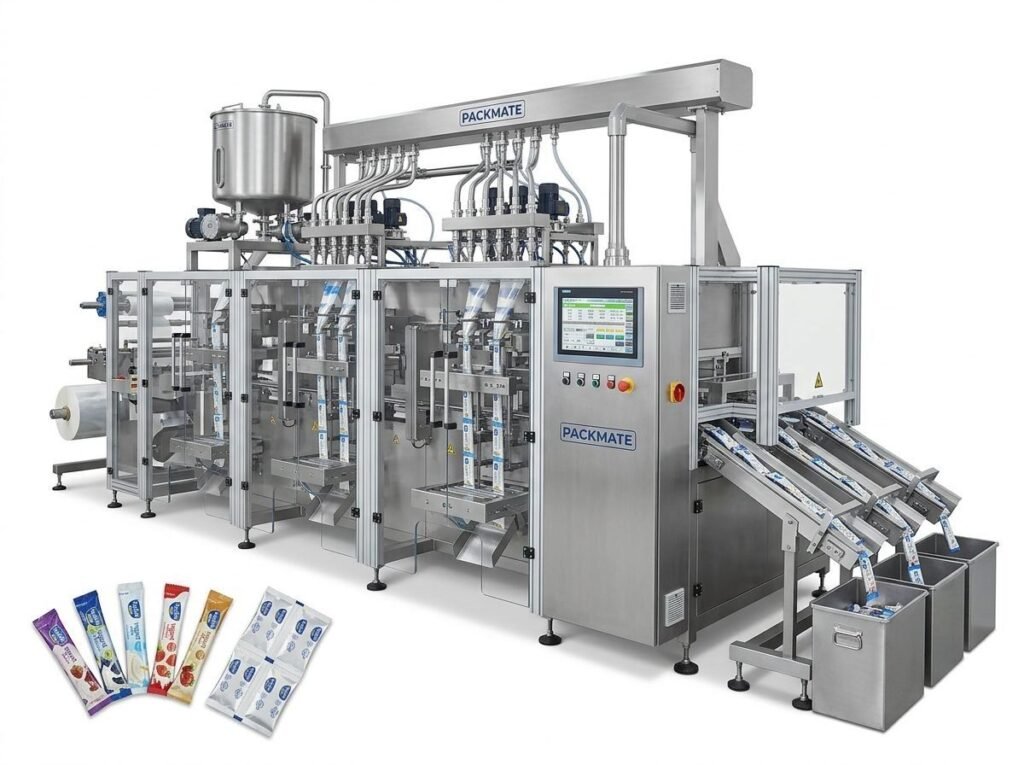
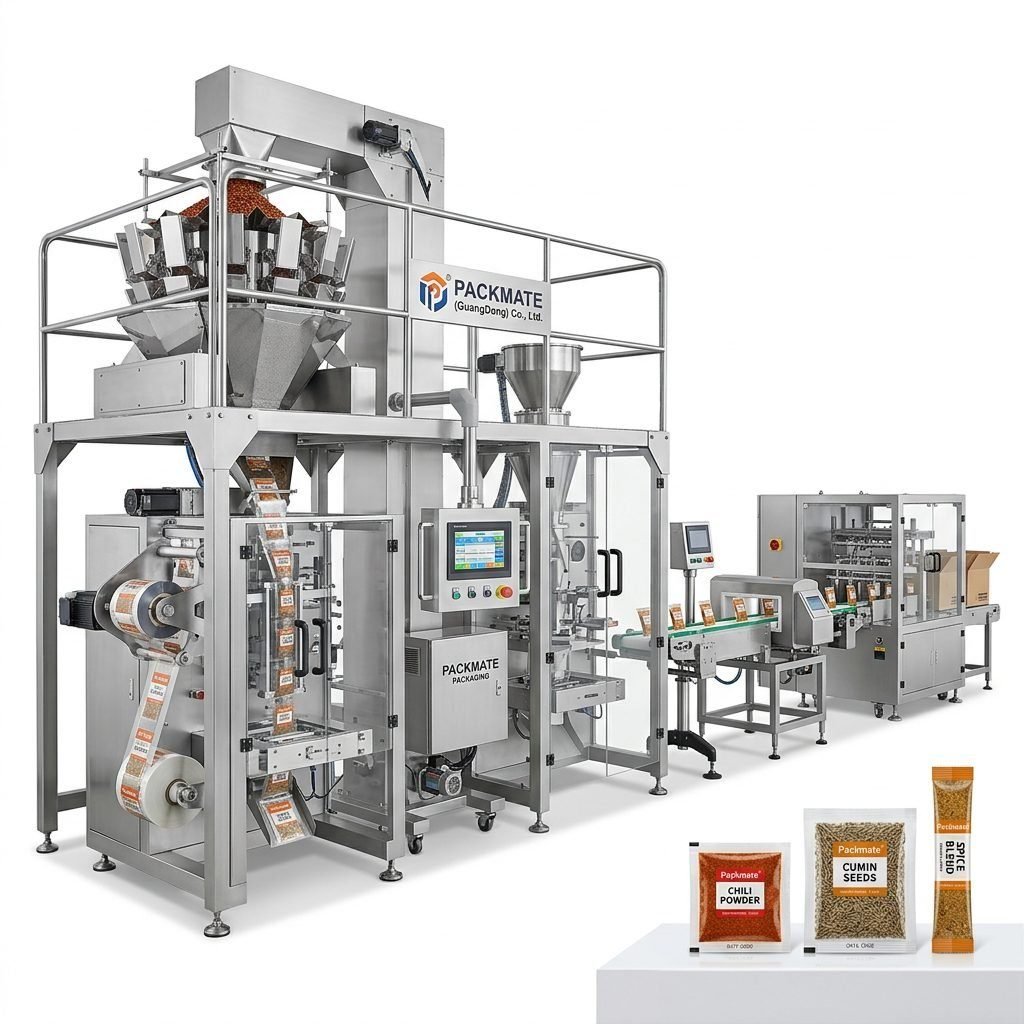
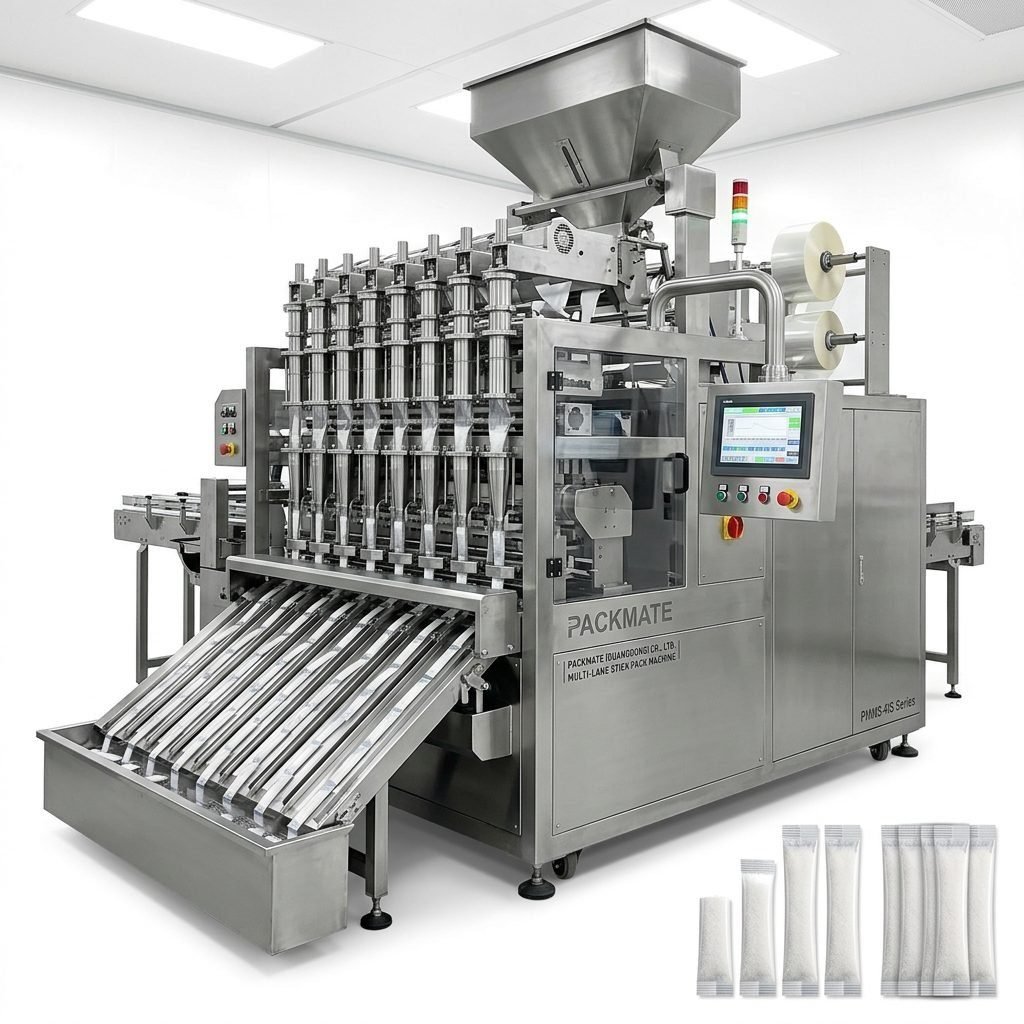
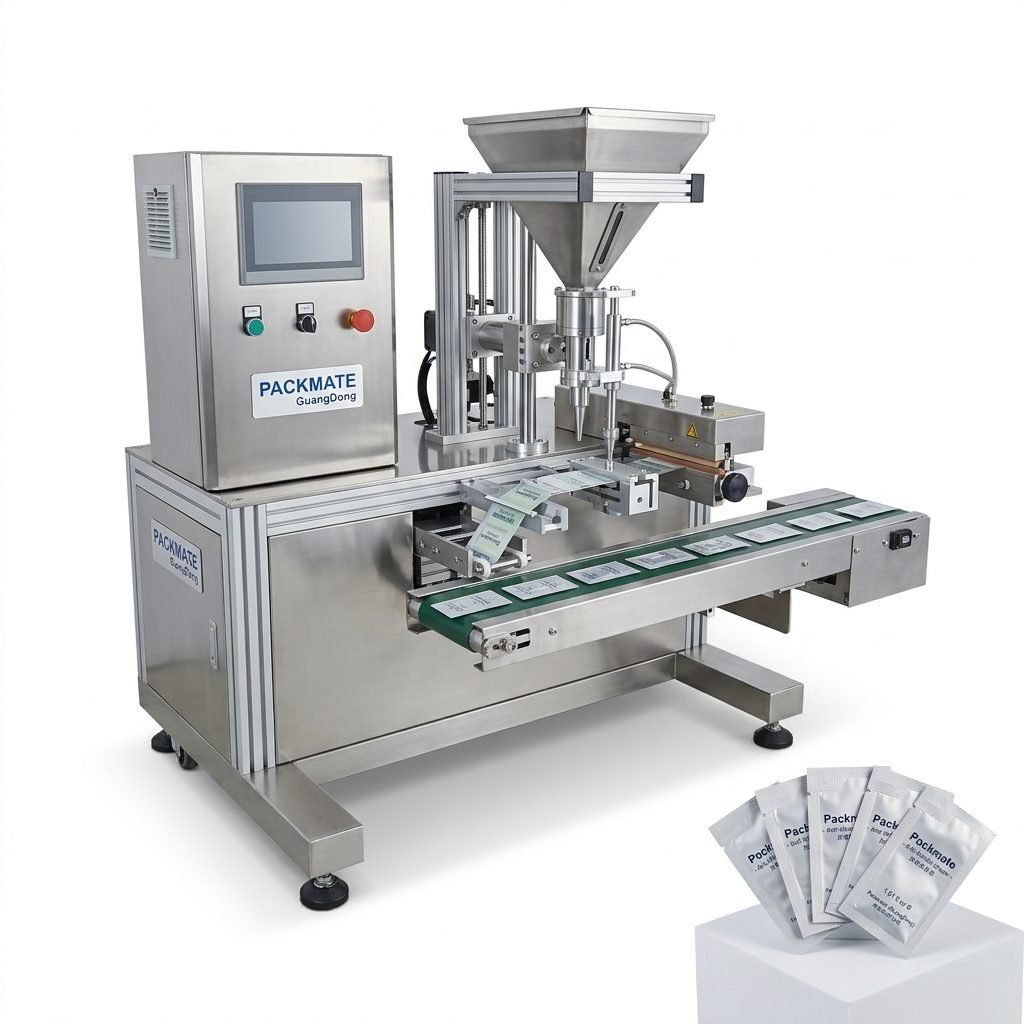
Consumer markets are dynamic, with frequent shifts in product types, sizes, and packaging formats. In response, packaging machinery is becoming increasingly flexible and modular. A single machine can now be quickly reconfigured to handle different pouch styles—from stand-up pouches to flat sachets—or to switch between packaging powders, granules, and liquids. This agility allows manufacturers to respond rapidly to new market opportunities without the capital expense and lead time of purchasing entirely new equipment. Modular systems, where different units like filling, sealing, and cartoning are integrated, offer a scalable approach. Businesses can start with a core system and add modules as their production needs grow. This trend is evident in the versatile designs of modern sachet and stick pack machines.
Advanced Robotics and Cobots in Packaging
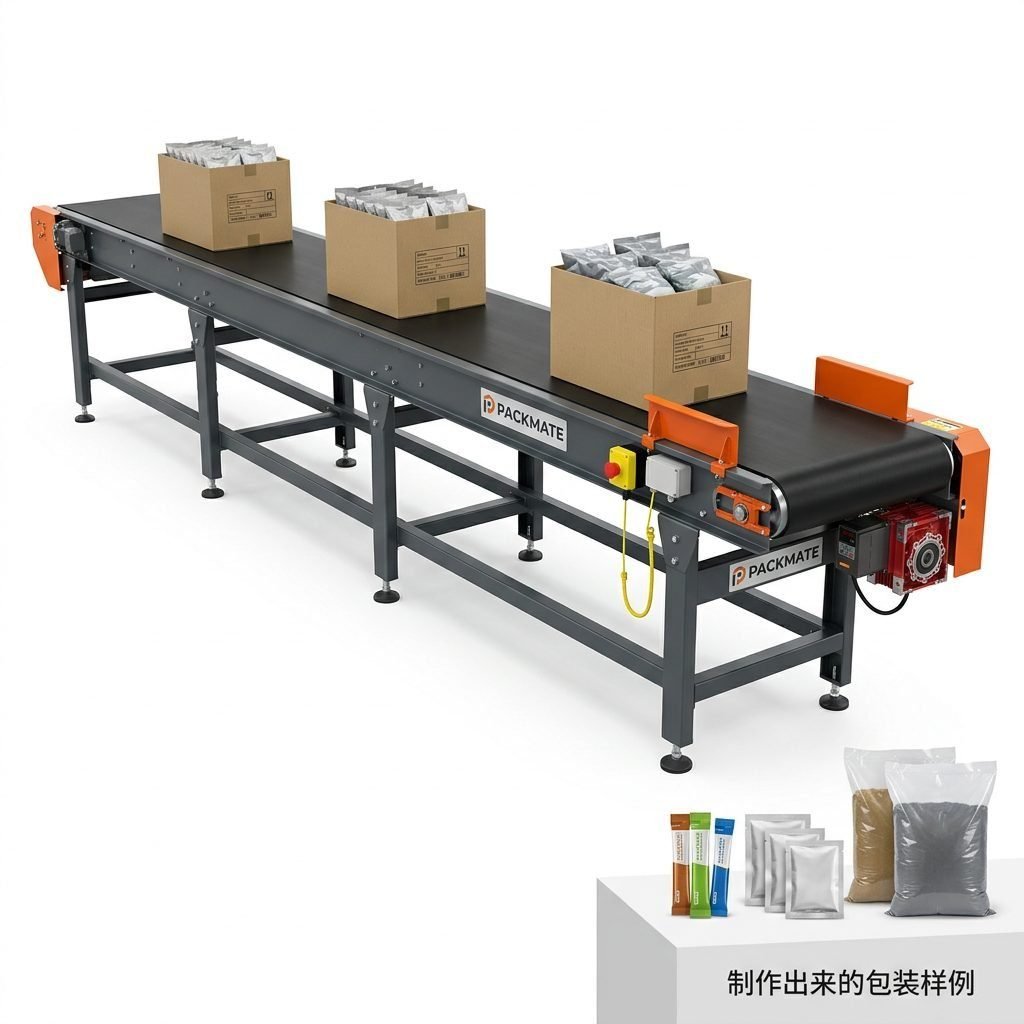
The application of robotics has moved beyond simple pick-and-place tasks. Sophisticated robotic arms are now used for complex operations like precise product loading, intricate secondary packaging, and high-speed palletizing. A significant innovation is the rise of collaborative robots, or cobots. These robots are designed to work safely alongside human operators without the need for extensive safety caging. They are easier to program and can take over repetitive, ergonomically challenging tasks, freeing up human workers for more skilled oversight and quality control. This collaboration enhances overall line efficiency and worker safety. The integration of such advanced auxiliary packaging equipment is redefining the workflow on the factory floor.
Enhanced Hygiene and Aseptic Packaging Standards
Particularly in the food, pharmaceutical, and health industries, hygiene is non-negotiable. Innovations in packaging machinery are raising the bar for cleanability and sterile operation. New designs feature smooth, crevice-free surfaces, easy-disassembly components, and compatibility with clean-in-place (CIP) and steam-in-place (SIP) systems. For sensitive products, aseptic packaging technology creates a sterile environment within the machine itself, allowing products to be filled into pre-sterilized packaging without contamination. This extends shelf life without preservatives and is crucial for medical and nutritional products. Manufacturers with a strong focus on these sectors must prioritize machinery that meets the highest hygiene protocols, a commitment reflected in the engineering philosophy of specialized suppliers.
Artificial Intelligence and Machine Vision for Quality Assurance
Artificial Intelligence (AI) and advanced machine vision systems are setting new standards for quality control. High-resolution cameras, powered by AI algorithms, can now inspect every package on the line at incredible speeds. They check for defects like incorrect fill levels, misaligned seals, printing errors, or even the presence of foreign particles. The system can automatically reject faulty packages and provide operators with detailed analytics on defect types and rates. This moves quality control from a sample-based, reactive process to a 100% inline, proactive one. The result is a dramatic reduction in waste, customer complaints, and recall risks, while ensuring consistent brand quality. This level of precision is becoming integral to reliable weighing and packaging systems.
User-Centric Design and Operator Experience
Innovation isn’t only about what the machine does, but also how people interact with it. The latest packaging machinery prioritizes the operator experience through intuitive Human-Machine Interfaces (HMIs). These often feature large, color touchscreens with graphical workflows, multi-language support, and step-by-step guidance for changeovers and troubleshooting. Ergonomic design reduces physical strain, and enhanced safety features protect the workforce. Remote access capabilities allow technicians to diagnose issues or update software from anywhere in the world, minimizing downtime. By making machines easier and safer to operate, manufacturers improve line efficiency and reduce the training burden on their staff.
The landscape of packaging machinery is evolving at an unprecedented pace. From smart, data-driven systems and sustainable engineering to robotic collaboration and AI-powered quality control, these innovations are creating more efficient, flexible, and intelligent production environments. For businesses looking to modernize their operations, partnering with an experienced manufacturer that embodies these trends is key. A company like Packmate Machinery, with its decades of expertise and commitment to innovation, is well-positioned to provide the turnkey solutions needed to thrive in this new era of packaging.
Frequently Asked Questions (FAQs)
What are the main benefits of switching to smart, connected packaging machinery?
The primary benefits include predictive maintenance to prevent breakdowns, real-time production data for optimizing efficiency (OEE), reduced downtime, and lower long-term operational costs through better resource management.
How can packaging machinery help my company meet sustainability goals?
Modern machines are designed to efficiently run eco-friendly, recyclable, or biodegradable packaging materials with minimal waste. They also consume less energy through servo-motor technology, directly reducing your production line’s carbon footprint and utility expenses.
Is flexible packaging machinery suitable for small-batch or custom production runs?
Yes, absolutely. The trend towards modular and flexible machinery is ideal for smaller batches. Quick-change features allow for fast format switching between products, making it cost-effective to run limited editions or customized packaging without lengthy downtime.
What industries benefit most from aseptic packaging technology?
Aseptic packaging is critical in the pharmaceutical, dairy, liquid nutrition, and certain food sectors where product sterility and extended ambient shelf life are required. It allows packaging without preservatives under sterile conditions.
How does AI and machine vision improve packaging line output?
It enables 100% inline inspection at high speeds, automatically rejecting defective packages. This ensures consistent, high-quality output, reduces waste from errors, minimizes the risk of recalls, and frees human operators for more complex tasks.