The pharmaceutical industry operates under some of the most stringent quality and safety regulations globally. This makes the selection of packaging machinery not just a matter of efficiency, but one of compliance, product integrity, and patient safety. Choosing the right partner among the top pharma packaging machinery manufacturers & suppliers is a critical decision that impacts every stage of the supply chain.
The Critical Role of Packaging in Pharma
Pharmaceutical packaging serves far beyond mere containment. It is the first line of defense in a complex system designed to protect sensitive products from moisture, light, contamination, and physical damage throughout their shelf life. More than that, it ensures accurate dosing, provides critical patient information, and incorporates anti-counterfeiting measures like serialization. The machinery that creates this packaging must therefore be engineered with uncompromising precision, reliability, and hygienic design. A single malfunction can lead to costly product recalls, regulatory penalties, and, most importantly, a breach in patient trust.
Key Attributes of Top-Tier Pharma Packaging Machinery
Leading manufacturers distinguish themselves through a core set of capabilities that align with the industry’s non-negotiable demands:
GMP Compliance & Hygienic Design: Equipment must be constructed with easy-to-clean, non-shedding materials (like 316L stainless steel), feature smooth, crevice-free surfaces, and be designed for rapid changeover to prevent cross-contamination. Compliance with Good Manufacturing Practices (GMP) is foundational, not optional.
High Precision & Accuracy: Whether filling potent active pharmaceutical ingredients (APIs) or over-the-counter tablets, dosing accuracy is paramount. Top machinery utilizes advanced servo technology and precision weighing systems to ensure every unit dose is exact.
Data Integrity & Traceability: Modern pharma lines are data hubs. Leading suppliers integrate machinery with Manufacturing Execution Systems (MES) and provide capabilities for track-and-trace, serialization, and aggregation to meet global regulatory requirements like the U.S. Drug Supply Chain Security Act (DSCSA).
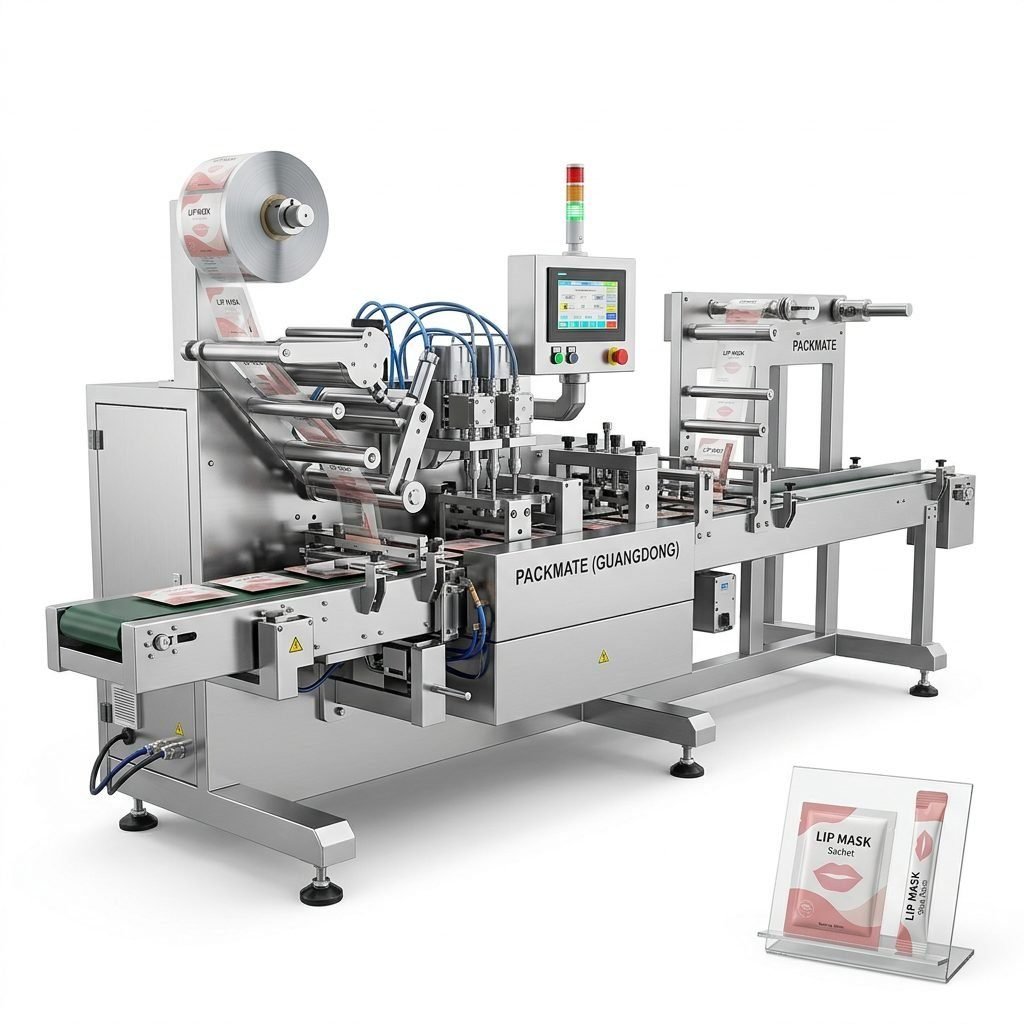
Flexibility & Scalability: The ability to handle a variety of primary packaging formats—blister packs, sachets, bottles, vials, stick packs—and scale from R&D batches to full commercial production is a key advantage offered by innovative manufacturers.
Innovations Driving the Sector Forward
The landscape of pharma packaging is being reshaped by technological advancements. Continuous motion technology is replacing intermittent motion for higher speeds and reduced product stress. Integrated vision inspection systems now perform 100% in-line checks for fill level, cap placement, label accuracy, and particulate matter, rejecting any non-conforming package automatically. Furthermore, the rise of personalized medicine and small batch production has spurred demand for highly flexible, modular machinery that can quickly adapt to different product runs without extensive downtime.
Another significant trend is sustainability. While sterility and barrier properties remain top priorities, there is growing pressure to reduce packaging waste. Forward-thinking manufacturers are developing machinery that can efficiently run with mono-material films or recycled-content materials, supporting the industry’s environmental goals without compromising protection.
Spotlight on a Leading Innovator: Packmate Machinery
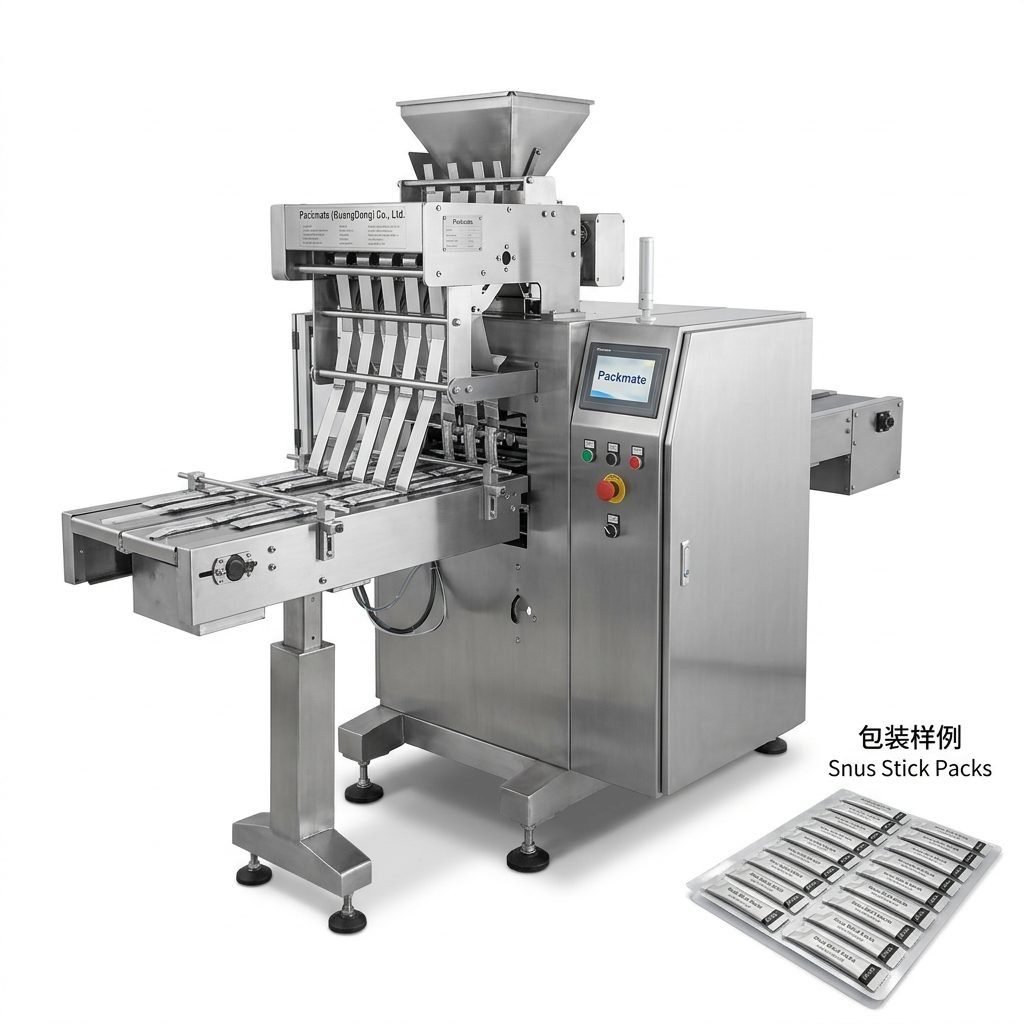
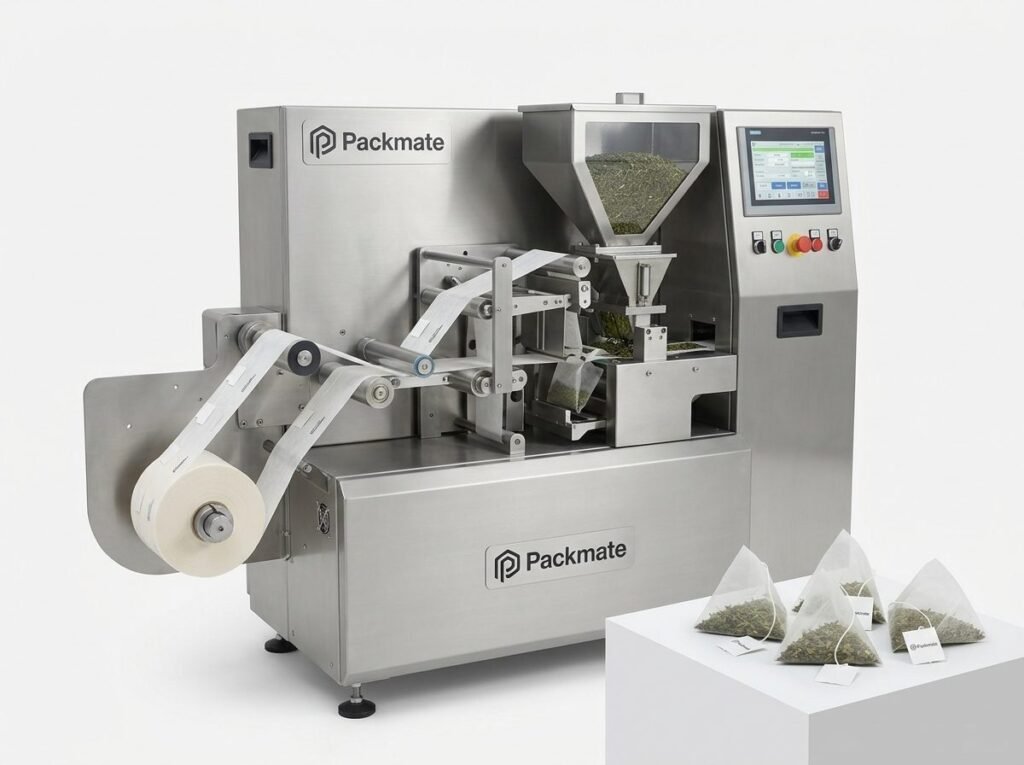
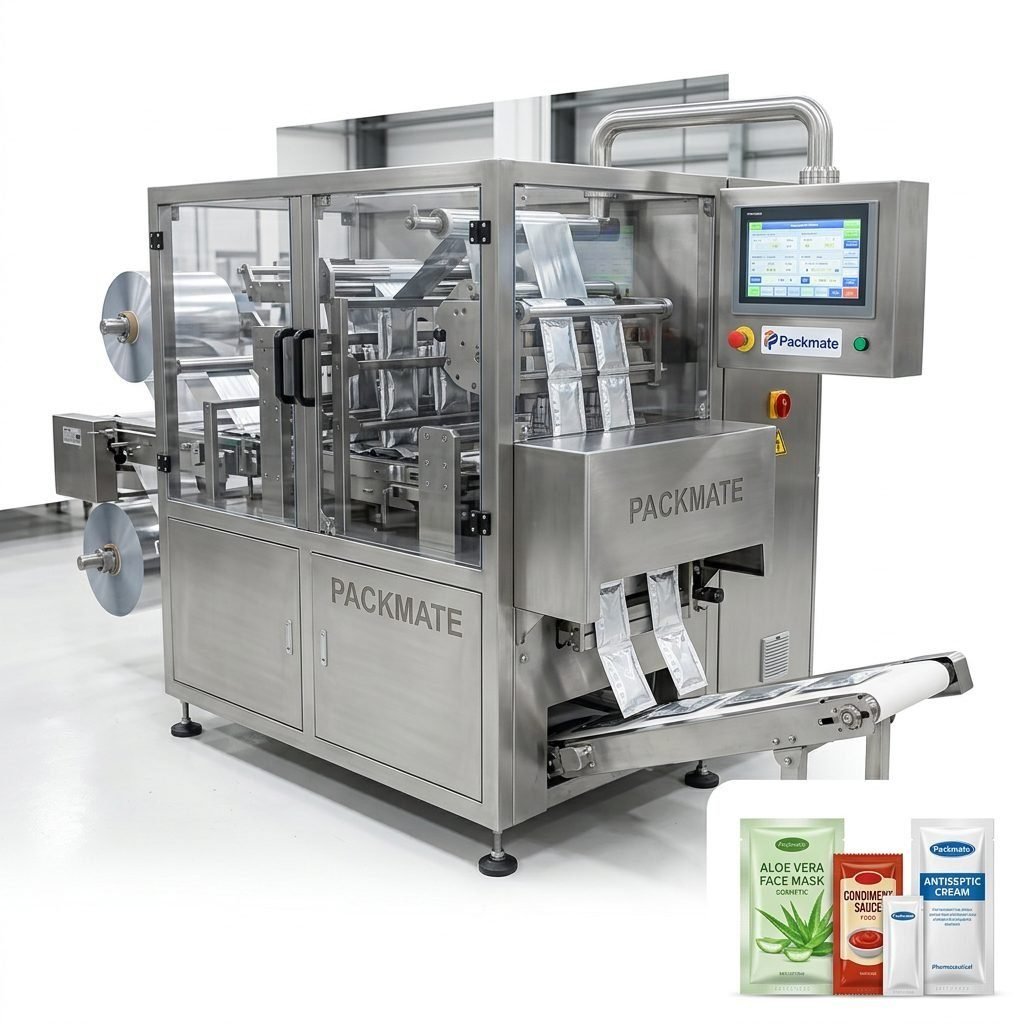
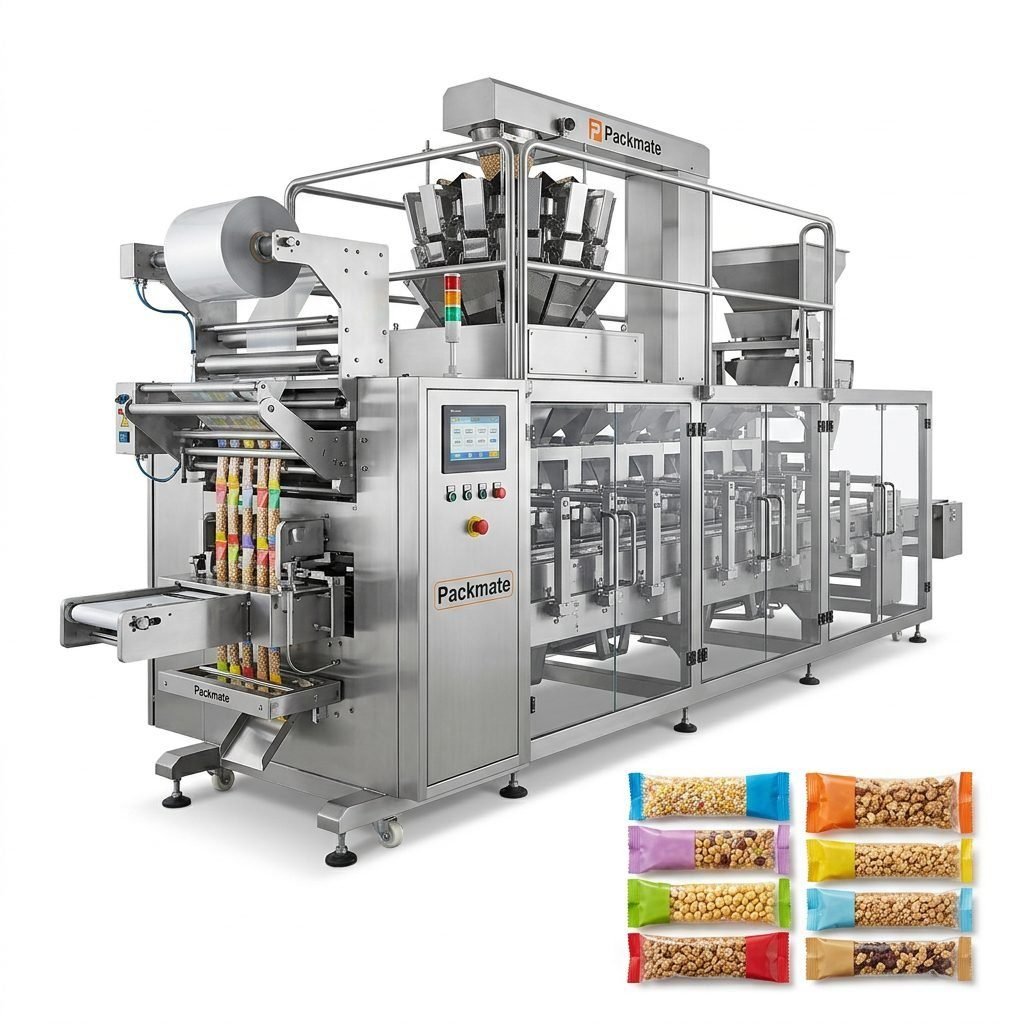
Among the top suppliers making a global impact is Packmate Machinery. With a foundation built over 30 years of deep engineering expertise, Packmate has carved a significant niche in intelligent packaging solutions, particularly for formats like stick packs and sachets which are increasingly popular for unit-dose pharmaceuticals, nutraceuticals, and powdered supplements.
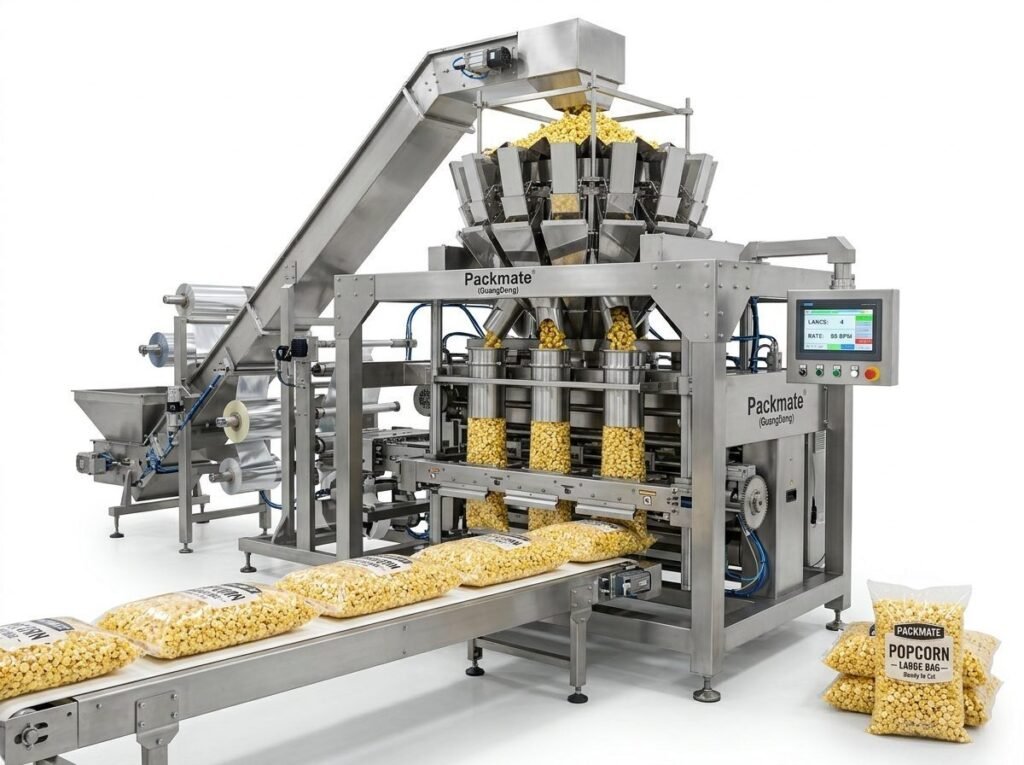
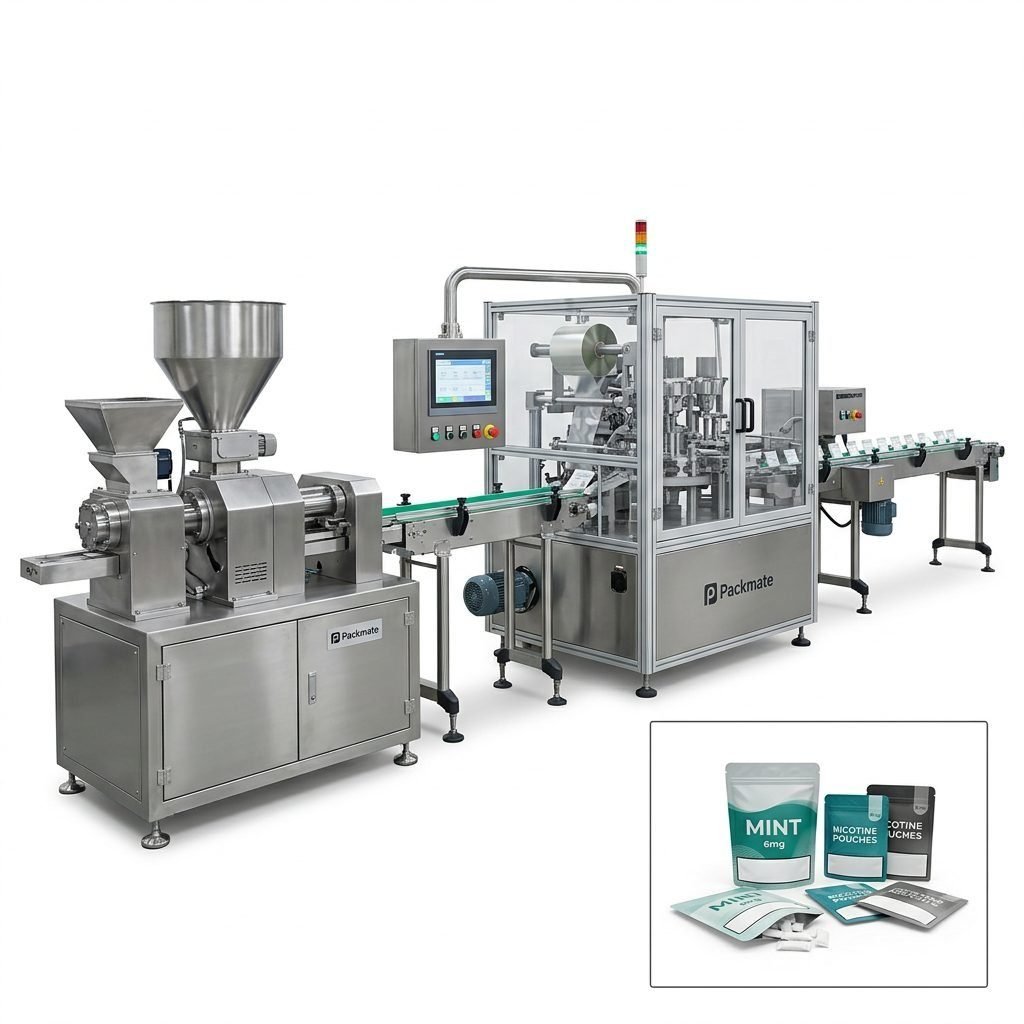
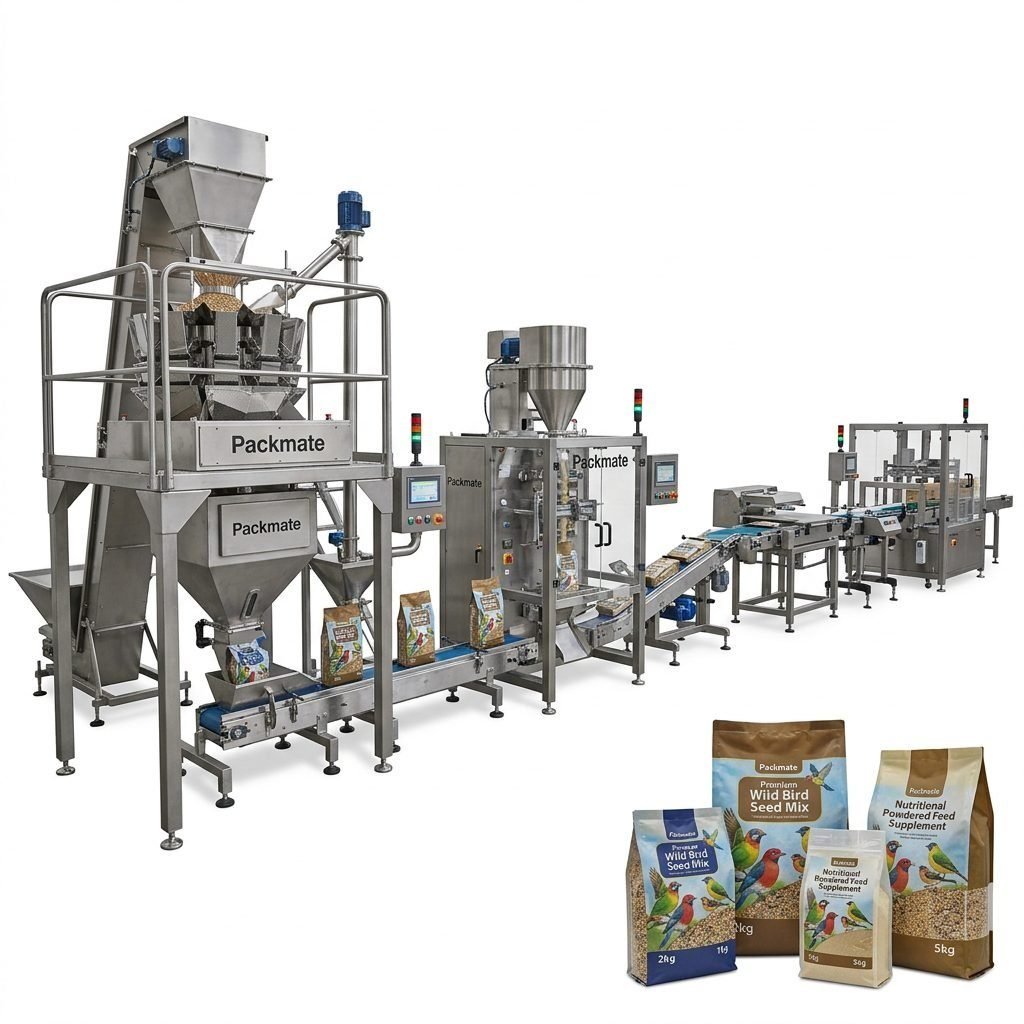
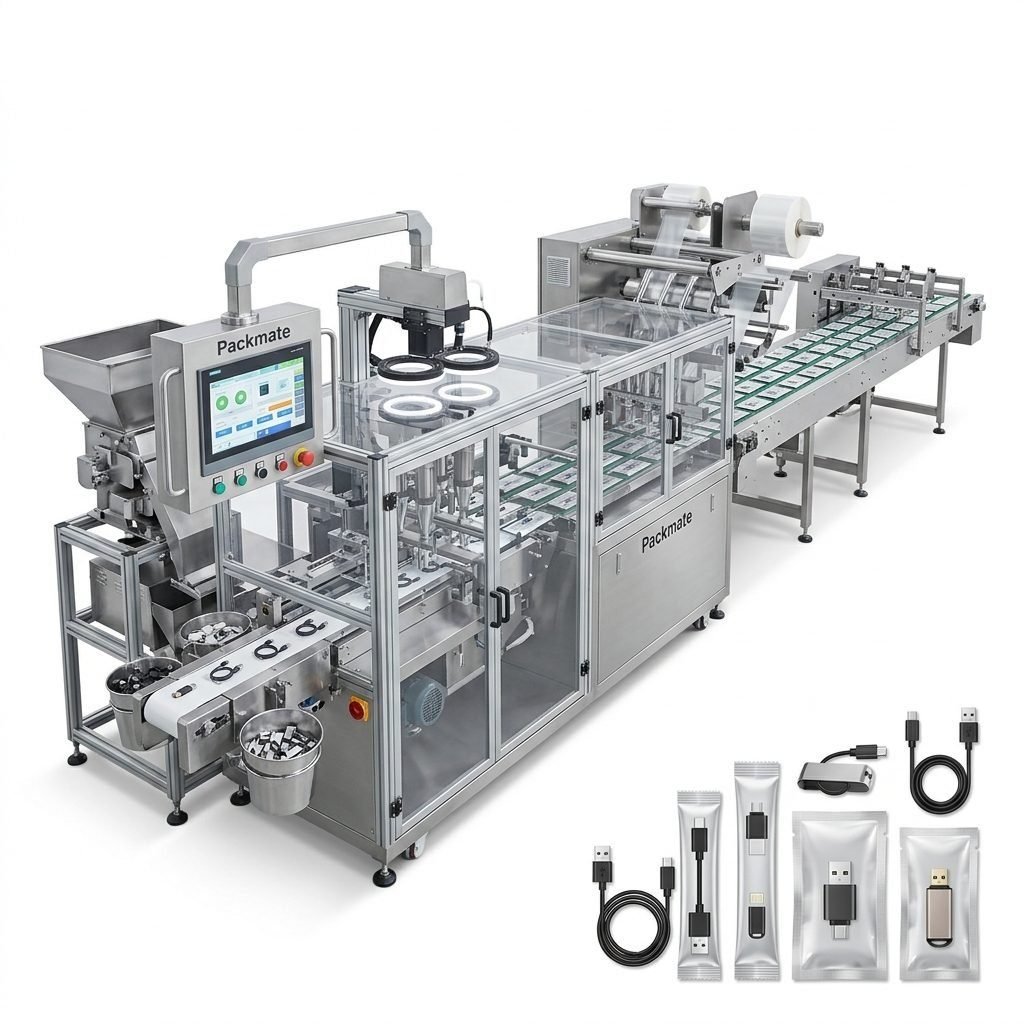
The company’s journey, from a focused workshop to the established Packmate (GuangDong) Co., Ltd., mirrors the evolution of the industry’s needs. Their 20,000㎡ modern facility is a testament to their scale and commitment to controlled manufacturing. For pharmaceutical and health product clients, Packmate’s value proposition lies in its turnkey approach. They don’t just sell a machine; they provide integrated production lines for weighing, filling, and sealing that are designed for clean operation and consistent output.
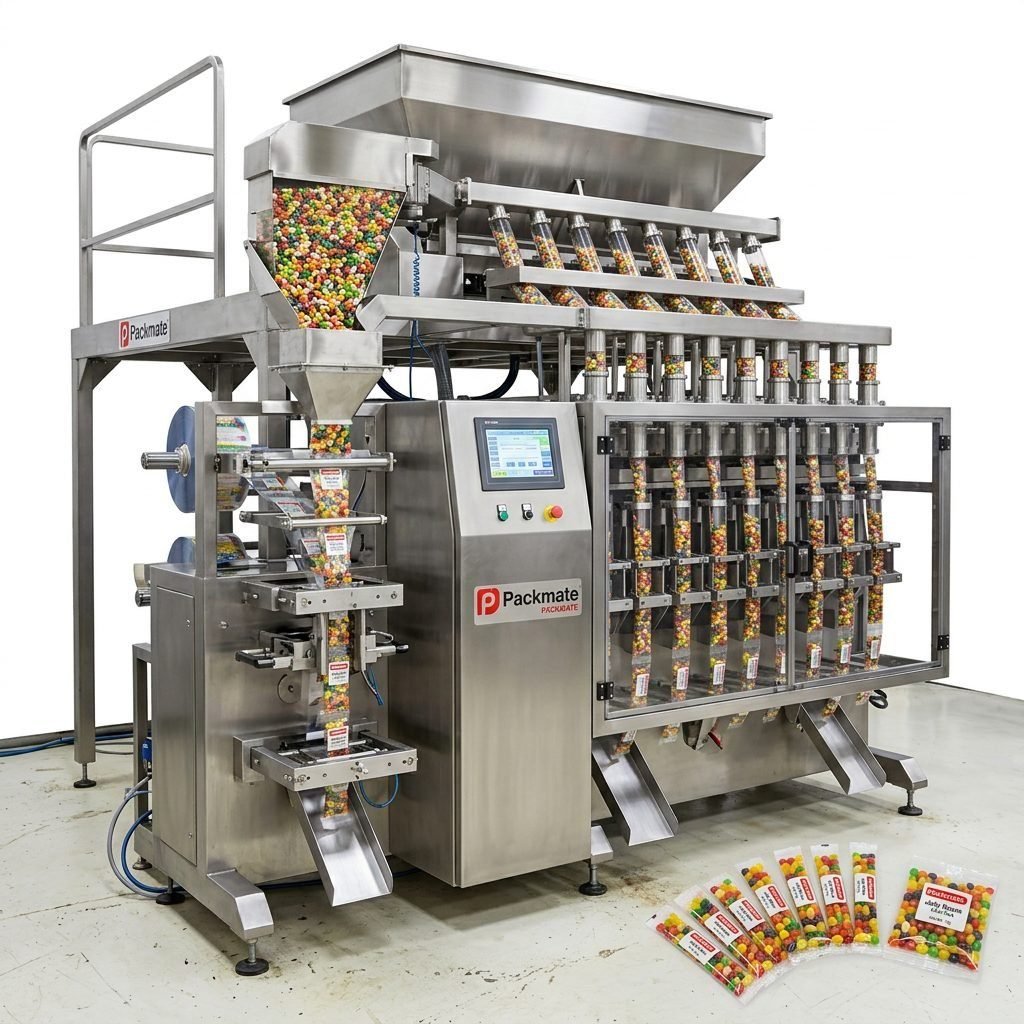
Their specialized equipment, such as advanced sachet & stick pack machines, is engineered with the precision required for sensitive powders and granules. The ability to offer multi-lane, high-speed configurations makes them a compelling partner for companies looking to scale production efficiently. This focus on providing complete, reliable solutions from a single source simplifies the complex process of setting up a compliant packaging operation.
Selecting Your Manufacturing Partner: A Strategic Guide
Choosing a machinery supplier is a long-term strategic partnership. Here are essential factors to evaluate beyond the initial quote:
Proven Regulatory Experience: Can the supplier demonstrate a history of serving regulated markets? Request case studies or references from existing pharmaceutical clients.
Technical Support & Service: Pharma production cannot afford extended downtime. Assess the supplier’s global service network, availability of spare parts, and technical support responsiveness. A strong partner will offer comprehensive after-sales service and training.
Customization Capability: Off-the-shelf solutions are rare in pharma. The manufacturer should have a strong R&D team capable of customizing machinery to handle your specific product characteristics and packaging format.
Quality Management System: The supplier should operate under a certified Quality Management System (e.g., ISO 9001), which governs their design, manufacturing, and testing processes, ensuring consistency and traceability.
Final Insight: The true cost of packaging machinery is not its purchase price, but its Total Cost of Ownership (TCO). This includes operational efficiency, yield rates, maintenance costs, and the machine’s lifespan. Investing in robust, innovative equipment from a reputable manufacturer like those among the industry’s top tier minimizes hidden costs and safeguards your production integrity for years to come.
Frequently Asked Questions (FAQs)
What are the most important certifications to look for in a pharma packaging machinery supplier?
Key certifications include ISO 9001 for quality management, CE marking for compliance with European health and safety standards, and evidence that their equipment is designed and built in accordance with GMP guidelines. Some suppliers may also have specific hygiene or safety certifications relevant to their region or specialty.
How can I ensure the machinery will be compatible with my existing production line?
This requires detailed upfront communication. Share your line layout, desired speeds, upstream/downstream equipment interfaces (e.g., PLC communication protocols), and facility constraints (power, space, cleanroom class). Reputable suppliers will conduct a thorough feasibility study and can often provide modular machinery designed for integration.
What is the typical lead time for a custom pharmaceutical packaging line?
Lead times vary significantly based on complexity and customization. For standard models, it may be 3-6 months. For fully custom, integrated turnkey lines involving multiple machines and software integration, the timeline can extend from 8 to 18 months, including design, manufacturing, Factory Acceptance Testing (FAT), and delivery.
What kind of after-sales support should I expect?
Comprehensive support includes on-site installation supervision and commissioning, detailed operational and maintenance training for your staff, a readily available inventory of critical spare parts, remote diagnostic support, and scheduled preventive maintenance services. Clear service level agreements (SLAs) are crucial.
Are there sustainable packaging options that still meet pharma-grade requirements?
Yes, this is a growing focus area. Options include machinery capable of running recyclable mono-material plastic films, using reduced material thickness without compromising barrier properties, and handling paper-based or bio-polymer alternatives where product compatibility and regulatory approval allow. Discuss sustainability goals with your supplier early in the design process.