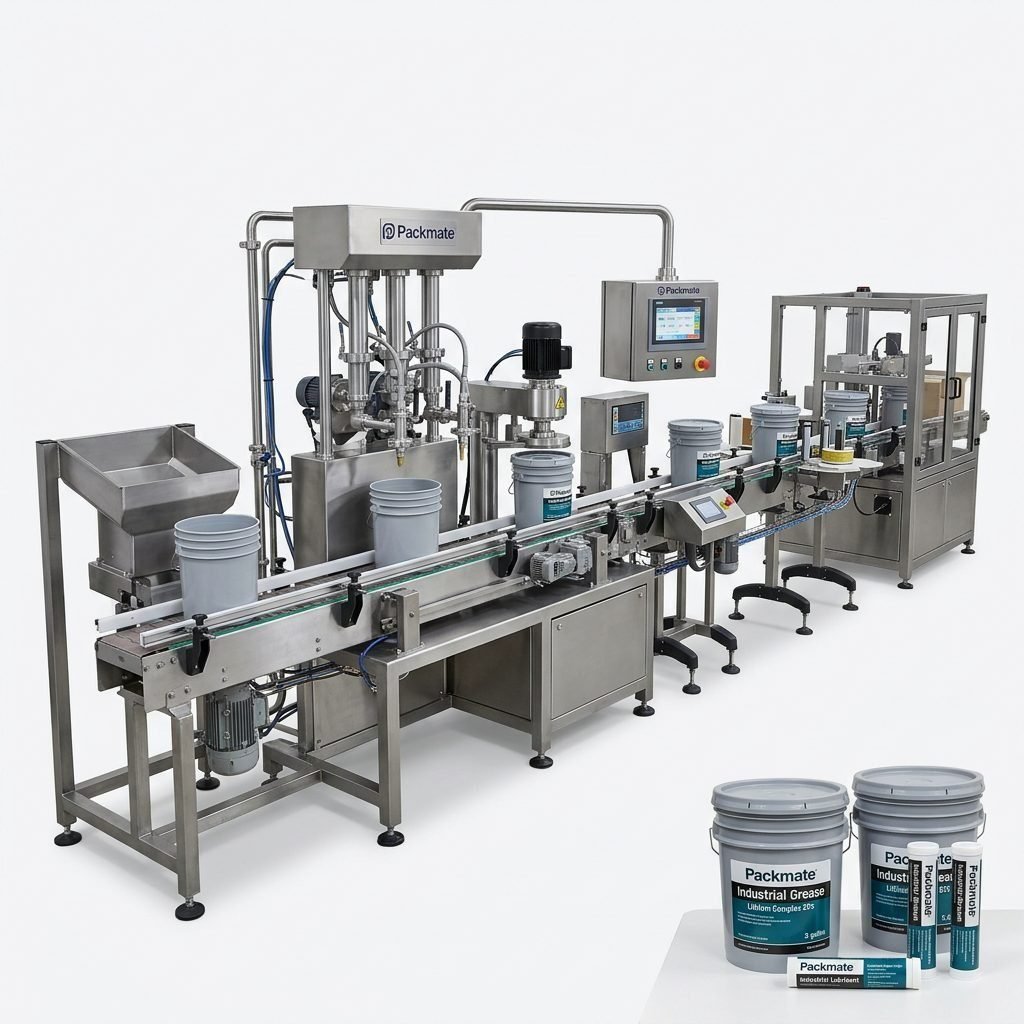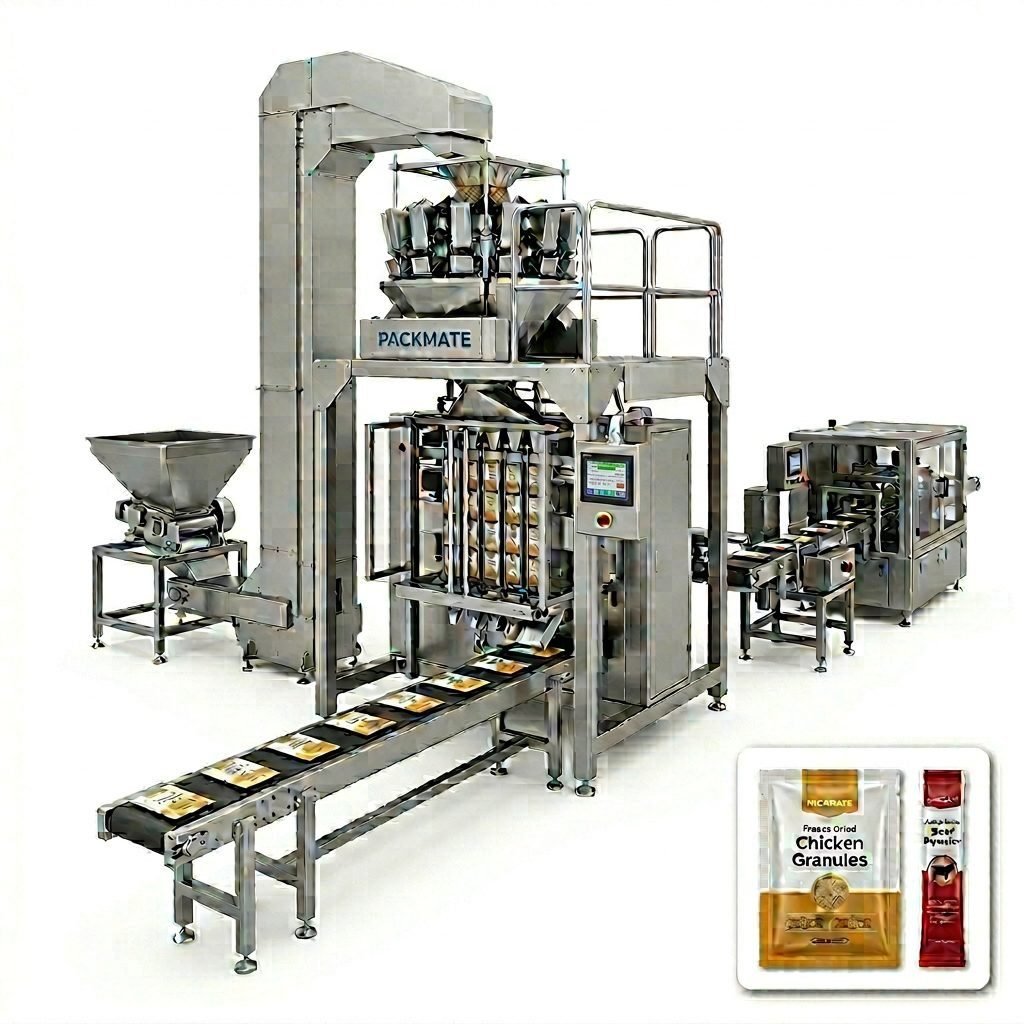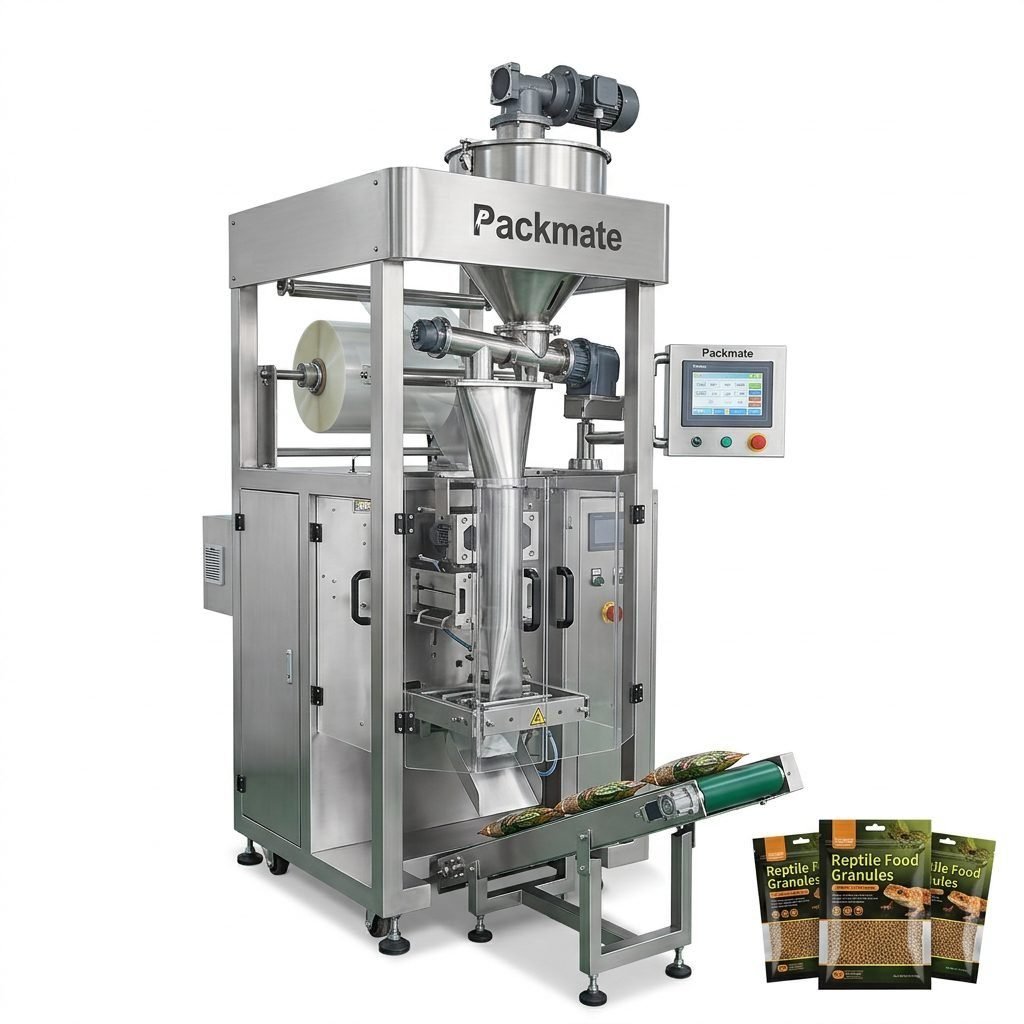
In the fast-paced world of manufacturing and product distribution, efficiency, consistency, and product protection are paramount. Roll stock packaging machines are the unsung heroes behind countless products on shelves worldwide. These automated systems form, fill, and seal packaging from a continuous roll of flexible film, creating pouches, sachets, and stick packs at remarkable speeds. This guide delves into the types of roll stock packaging machines, their diverse applications, and crucial tips for making an informed purchase decision.
Understanding Roll Stock Packaging Machines
At its core, a roll stock packaging machine automates the process of creating individual packages from a continuous web of packaging material—the “roll stock.” This material is typically a laminated film, foil, or paper composite chosen for its barrier properties, strength, and printability. The machine performs a continuous cycle: it draws the film, forms it into a pouch shape, fills it with the precise amount of product, and then seals it before cutting it into individual units. This method offers significant advantages over pre-made bags, including higher speeds, reduced material waste, and a more compact packaging footprint.
Key Components of a Roll Stock System
A standard machine integrates several critical subsystems. The unwind unit holds and feeds the roll stock with controlled tension. The forming section uses a forming shoulder or collar to shape the flat film into a tube. The filling system, which varies greatly by product type, accurately doses the product into the formed pouch. Finally, the sealing and cutting mechanism creates the longitudinal and transverse seals and separates the finished packs.
Primary Types of Roll Stock Packaging Machines
The market offers various configurations tailored to different production needs, package styles, and product characteristics.
Vertical Form-Fill-Seal (VFFS) Machines
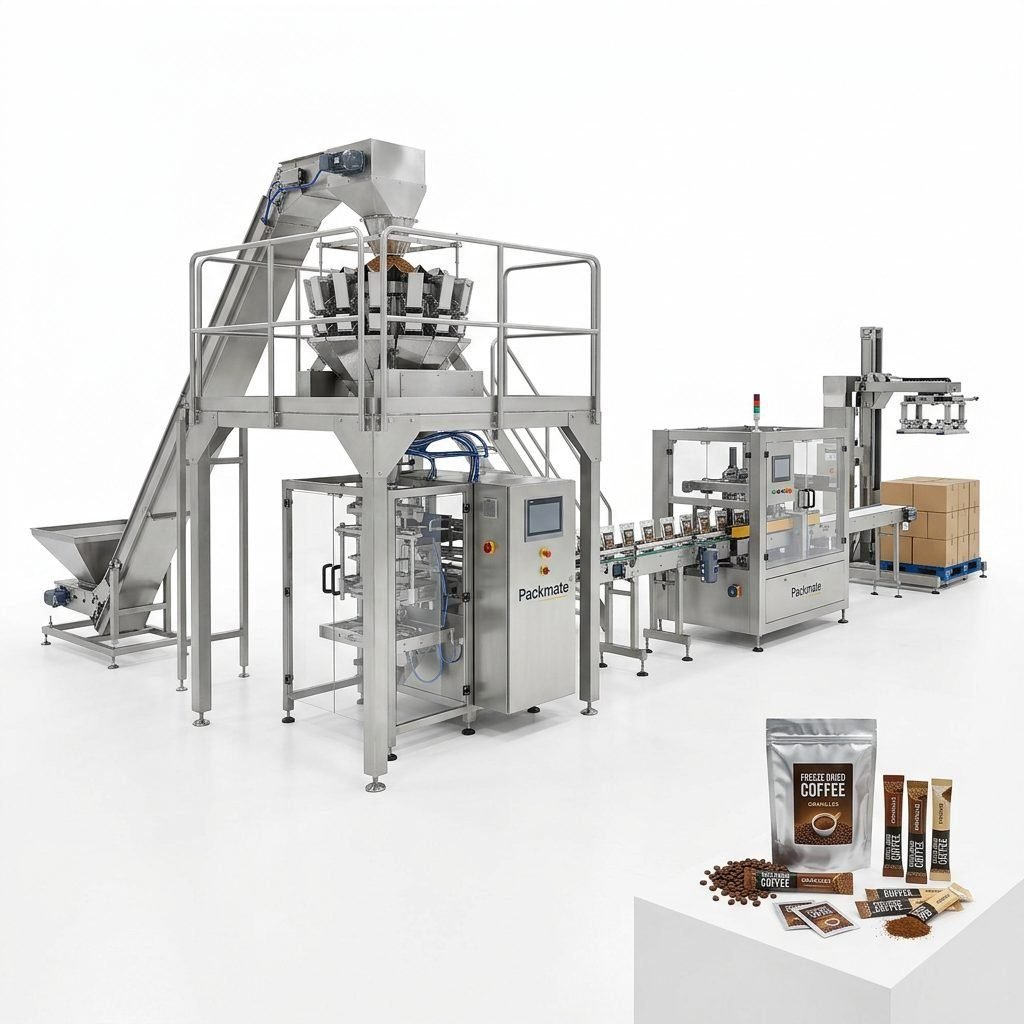
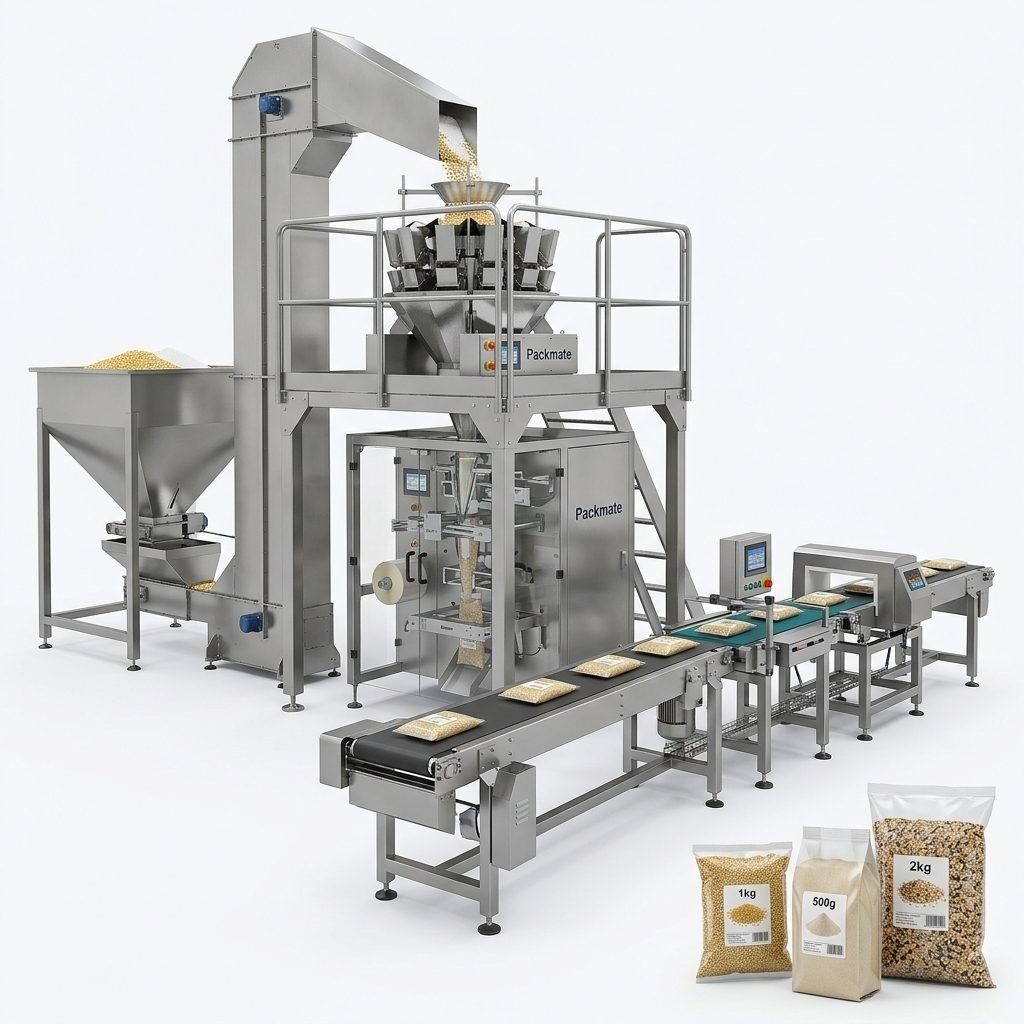
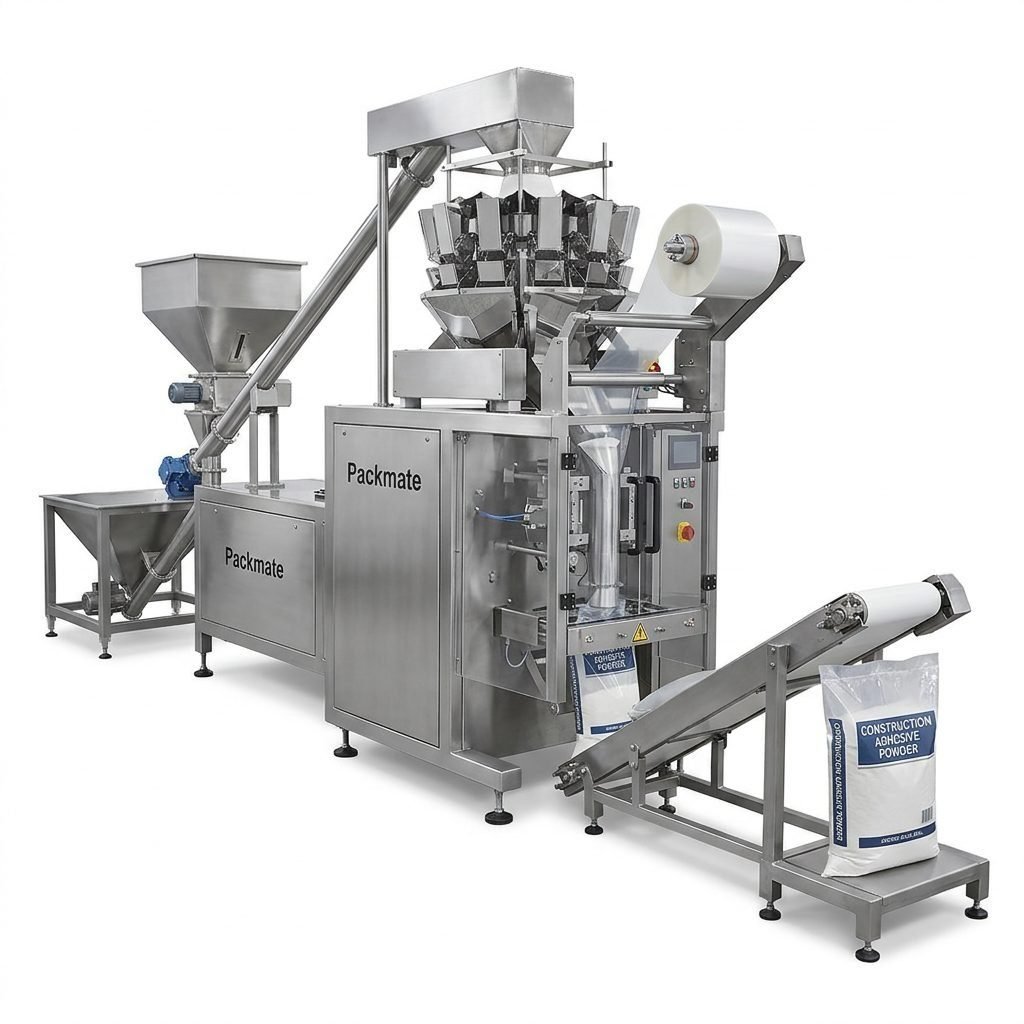
These are the most common type. The film travels vertically, and pouches are formed around a filling tube. They are exceptionally versatile and ideal for packaging free-flowing products like snacks, powders, granules, and hardware items. VFFS machines are known for their high-speed operation and space efficiency, making them a staple in food and non-food industries alike. For a closer look at our advanced VFFS solutions, explore our range of Bag & Pouch Packaging Machines.
Horizontal Form-Fill-Seal (HFFS) Machines
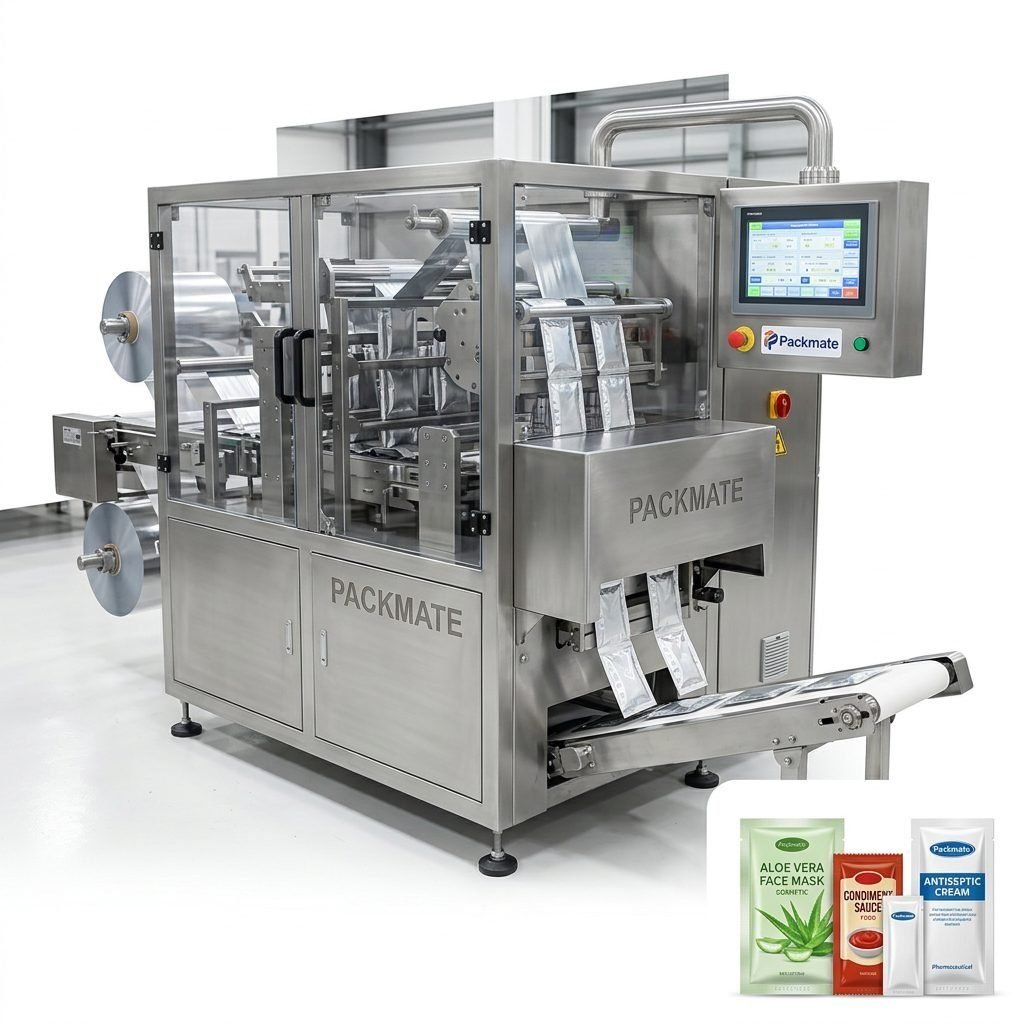
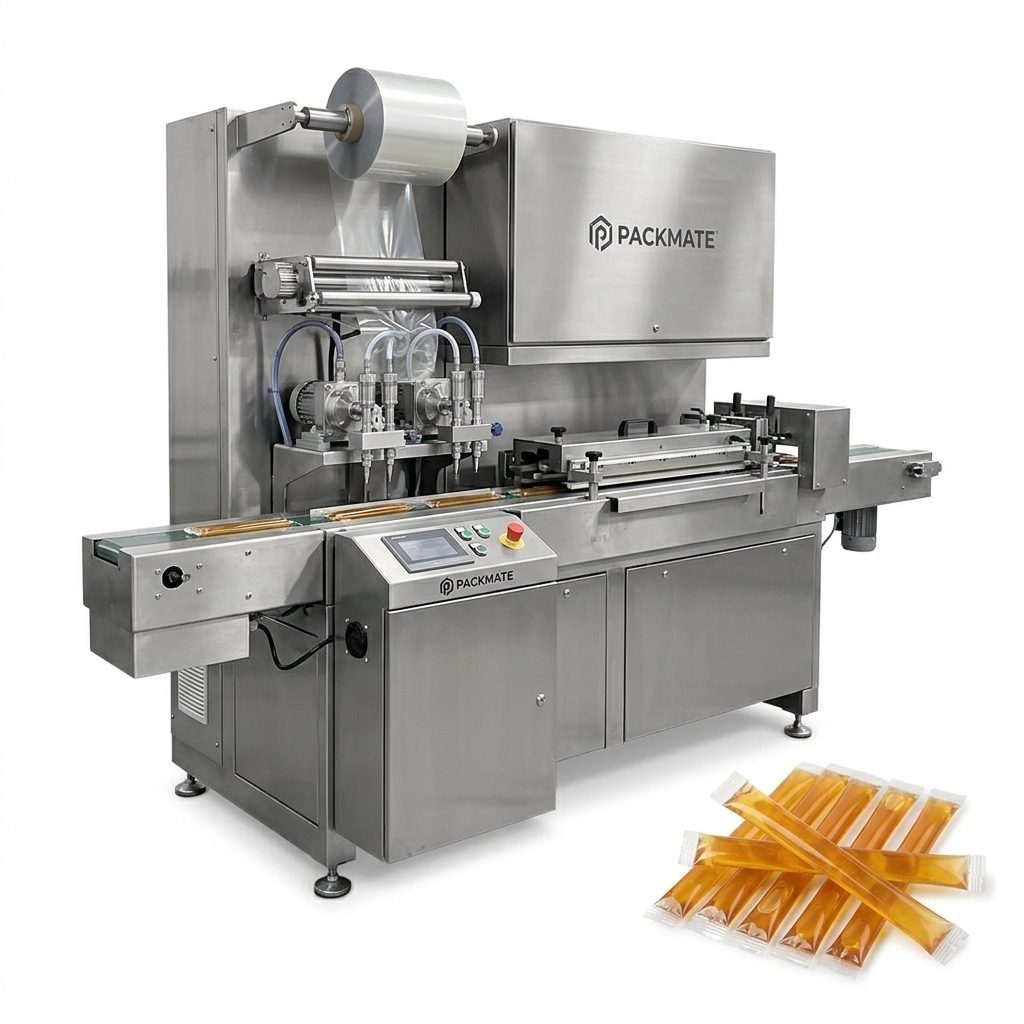
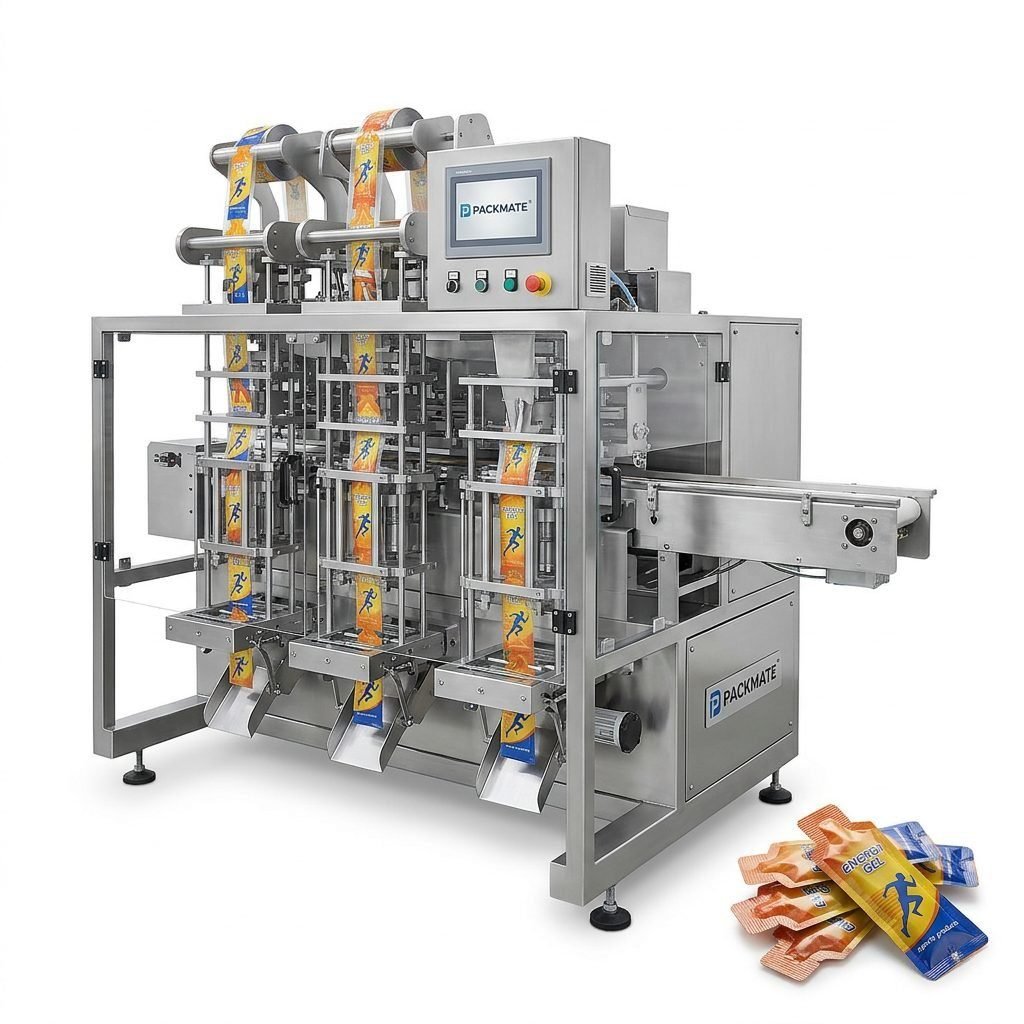
In HFFS machines, the film runs horizontally. They are typically used for more complex packaging formats, such as stick packs, sachets, and four-side-seal pouches. This orientation allows for precise placement of products that are not free-flowing, like biscuits, bars, or medical devices. HFFS is often the choice for products requiring excellent graphical presentation on a flat surface. Discover our specialized equipment for these formats in our Sachet & Stick Pack Machines category.
Multi-Lane Packaging Machines
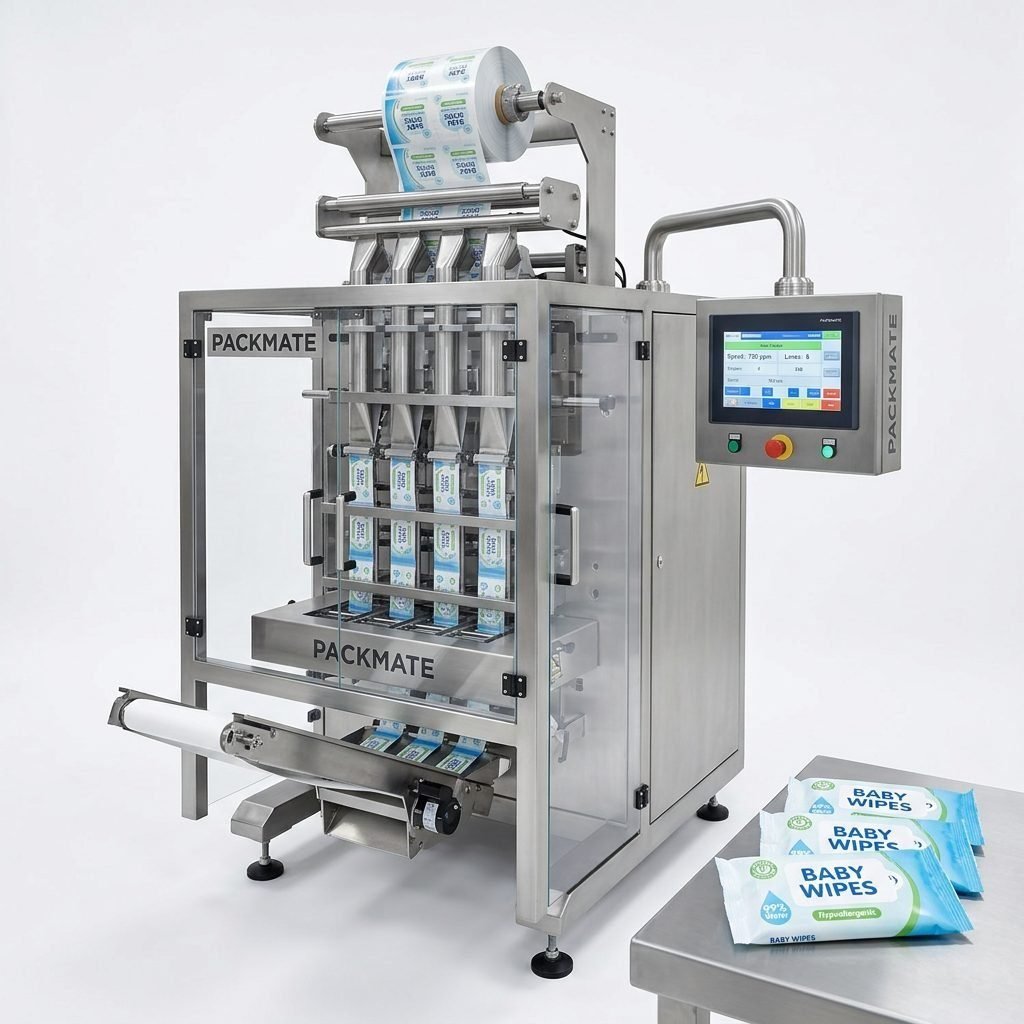
To dramatically increase output, multi-lane machines operate several packaging lanes simultaneously from a single, wider web of film that is later slit into individual lanes. This configuration is highly efficient for high-volume production of small packets, such as condiments, sugar, instant coffee, or pharmaceutical powders. They represent the pinnacle of productivity in roll stock packaging.
Diverse Applications Across Industries
The adaptability of roll stock packaging makes it indispensable across numerous sectors.
Food & Beverage: This is the largest application area. Machines package everything from chips and candy to pasta, spices, and liquid drink mixes. The barrier properties of the film extend shelf life and maintain freshness.
Pharmaceutical & Healthcare: Precision and hygiene are critical. Machines produce sterile sachets for powders, single-dose liquid pouches, and stick packs for supplements or oral rehydration salts, ensuring accurate dosing and patient safety.
Consumer Goods: Items like dishwasher tablets, laundry pods, hardware (screws, nails), and pet treats are efficiently packaged using roll stock systems.
Specialized Niches: The technology also serves niche markets. For instance, the demand for discreet, portable, and hygienic packaging in the tobacco-alternative sector is met by specialized Snus & Nicotine Packaging Machines.
Essential Buying Tips for Your Business
Selecting the right machine is a significant investment. Here are key factors to consider:
1. Define Your Product and Packaging Requirements
Start with the basics. What are you packaging (powder, liquid, solid)? What is your desired pouch size and shape? What film material is required (barrier, print quality)? Your answers will narrow down the machine type (VFFS vs. HFFS) and necessary features like specific fillers or sealing systems.
2. Evaluate Production Speed and Output Needs
Calculate your required output in packs per minute (PPM). Consider both current needs and future growth. A single-lane VFFS machine might suffice for a startup, while a multi-lane HFFS system is better for large-scale consumer goods production. Don’t over-invest in excessive speed you won’t use.
3. Prioritize Precision and Reliability
For food and pharma, filling accuracy is non-negotiable. Look for machines with high-precision weighing or volumetric filling systems. Reliability is equally important; downtime is costly. Research the manufacturer’s reputation, quality of components (like PLCs and servos), and the robustness of the machine frame. Companies with deep expertise, like Packmate Machinery, build reliability into their equipment based on decades of experience.
4. Consider Changeover Flexibility
If you produce multiple products or package sizes, quick changeover is vital. Look for features like tool-less adjustments, digital size change records, and easy-to-swap parts. This minimizes downtime between production runs and increases overall equipment effectiveness (OEE).
5. Assess Integration and Support
Will the machine integrate with your existing upstream (feeding) and downstream (cartoning, case packing) lines? Ensure compatibility. Furthermore, comprehensive after-sales support—including installation, training, spare parts availability, and technical service—is crucial. A supplier’s global support network, as highlighted in Packmate’s Service offerings, can be a decisive factor.
6. Understand the Total Cost of Ownership (TCO)
Look beyond the initial purchase price. Factor in installation, operational costs (energy, film waste), maintenance, and potential future upgrades. A slightly more expensive but more efficient and reliable machine often has a lower TCO over its lifespan.
Frequently Asked Questions (FAQs)
What is the main difference between VFFS and HFFS machines?
The primary difference is the direction of film travel and the resulting package presentation. VFFS machines are generally better for free-flowing products and simpler pouch styles, offering high speed and a smaller footprint. HFFS machines excel at handling solid items and creating complex, flat-lying packages like stick packs with superior graphics.
What type of film can I use with a roll stock machine?
Machines are designed to handle a wide range of flexible materials, including polyethylene (PE), polypropylene (OPP, BOPP), polyester (PET), metallized films, and laminates. The choice depends on your product’s needs for barrier (moisture, oxygen, light), strength, sealability, and print quality. Your machine supplier can advise on compatibility.
How difficult is it to change the package size on a machine?
It varies by machine design. Modern machines often feature “tool-less” or “quick” changeover systems where operators can adjust pouch length and width using hand wheels or digital inputs in minutes. More complex changes involving forming parts may require some tool changeover. Always inquire about the specific changeover process and time.
Can one machine handle both powders and liquids?
While the core forming and sealing mechanisms might be similar, the filling systems are vastly different. Powder fillers are typically auger-based for precision, while liquid fillers use pumps. Some machines are designed as “platforms” where the filler can be swapped, but it’s not a simple, on-the-fly change. It’s more common to have dedicated machines or lines for different product types.
What kind of maintenance do these machines require?
Regular preventive maintenance is essential. Daily tasks include cleaning to prevent product buildup and visual checks. Weekly or monthly tasks involve lubricating moving parts, checking seal bar alignment and temperature, and inspecting wear items like cutting blades. Following the manufacturer’s maintenance schedule is key to ensuring longevity and consistent performance.