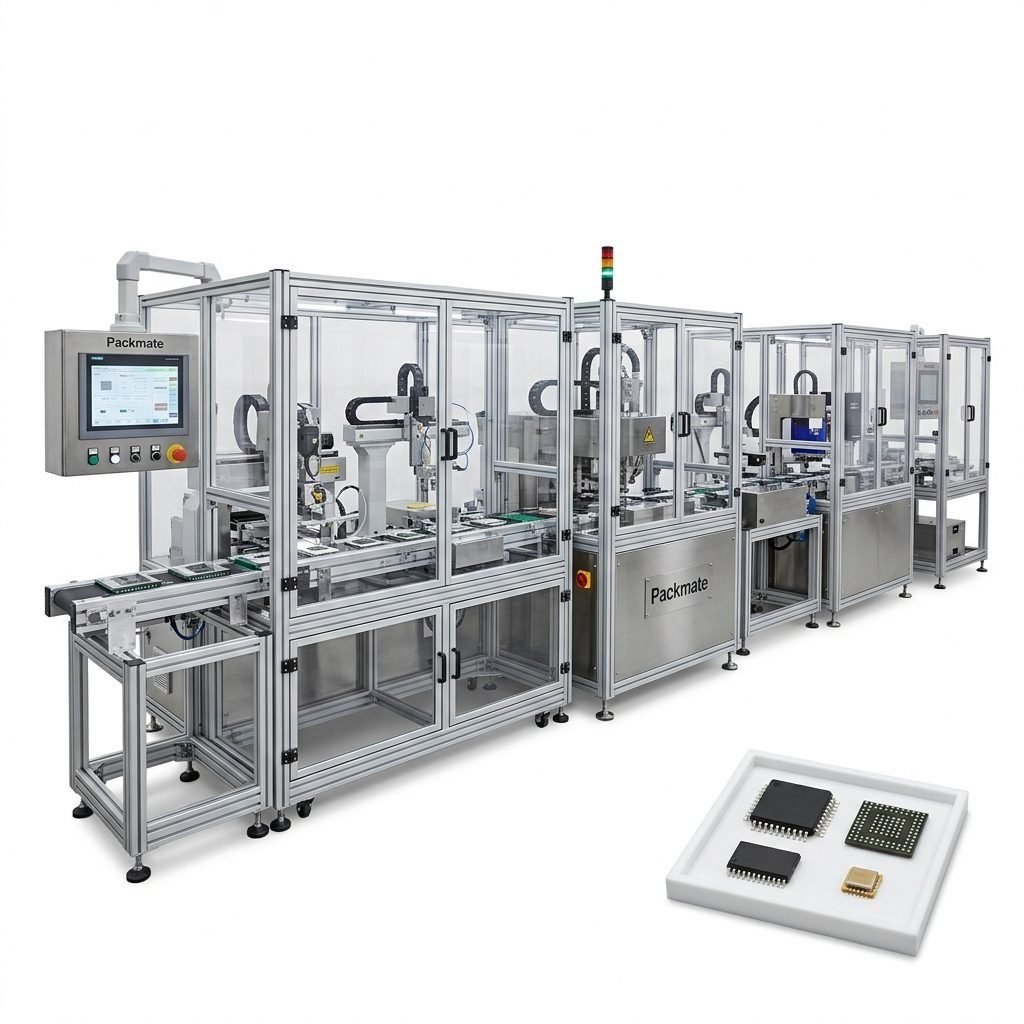
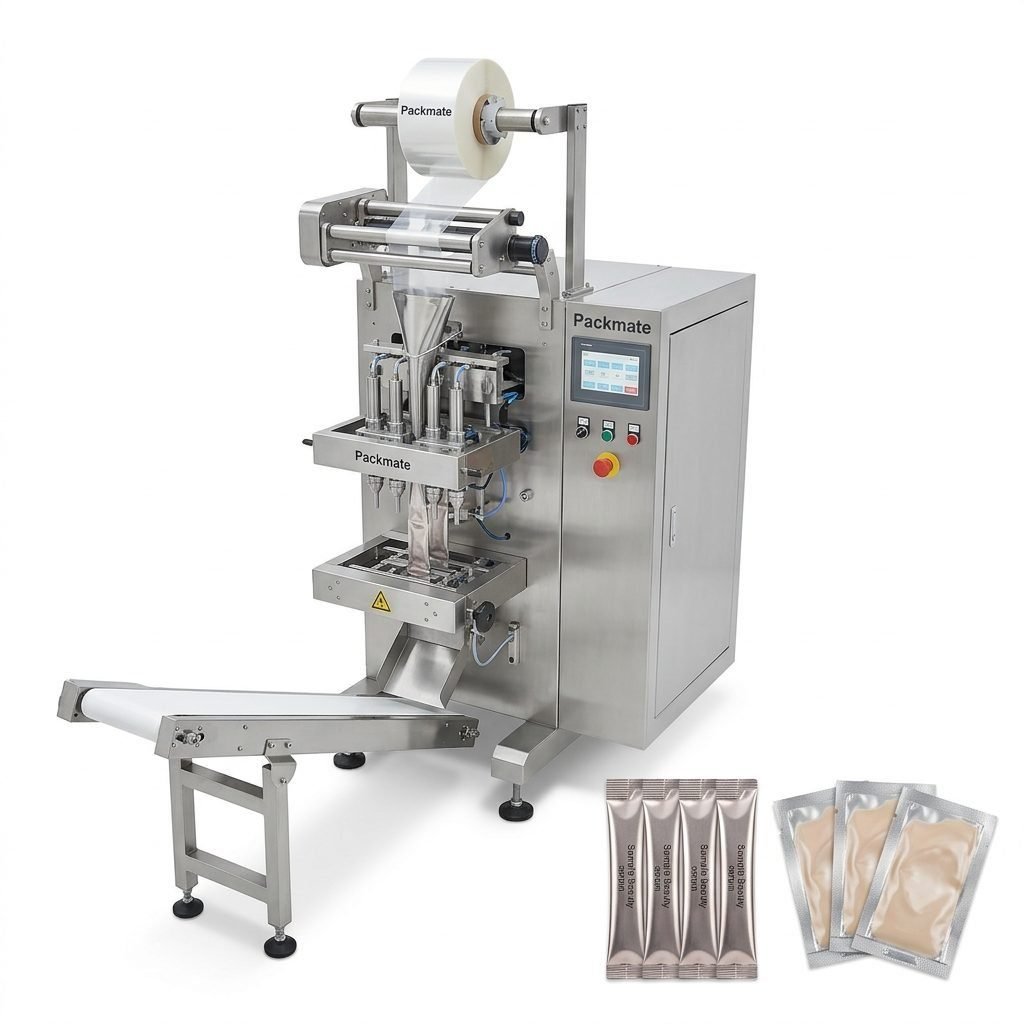
Selecting the right packaging equipment is a critical business decision that directly impacts your production efficiency, product quality, and bottom line. With a vast array of machines available, from sachet and stick pack machines to complete filling and packaging lines, navigating the options can be complex. This guide will walk you through the essential factors to consider, ensuring you invest in machinery that aligns perfectly with your operational goals and growth trajectory.
Understanding Your Core Packaging Requirements
Before exploring specific machines, you must have a clear understanding of your own needs. This foundational step prevents costly mismatches.
Key Questions to Ask:
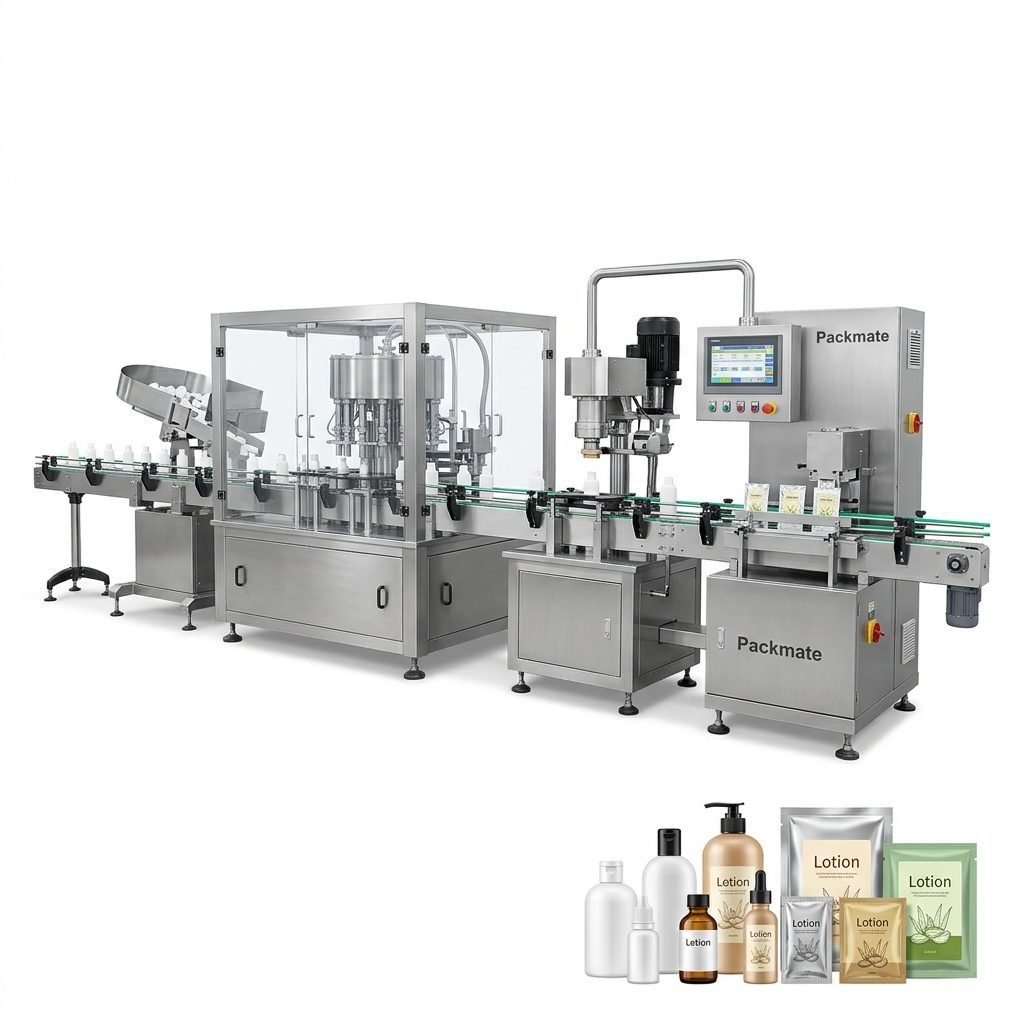
- Product Type: Are you packaging granules, powders, liquids, or solids? The physical characteristics of your product dictate the filling technology (e.g., auger, volumetric, liquid pump).
- Packaging Format: What is your final package? Common formats include stick packs, sachets, pouches, or bags. Your choice influences the type of machine, such as a bag and pouch packaging machine.
- Production Speed & Volume: What are your current output requirements (packs per minute), and what are your projected growth targets? This determines whether you need a single-lane or a high-speed multi-lane system.
- Material Compatibility: What packaging films or laminates will you use? The machine must be capable of handling your chosen material’s thickness and sealing properties.
Evaluating Equipment Types and Technologies
The market offers specialized equipment for every need. Understanding the core technologies helps narrow your search.
1. Primary Packaging Machines
These machines form, fill, and seal the primary package that holds your product.
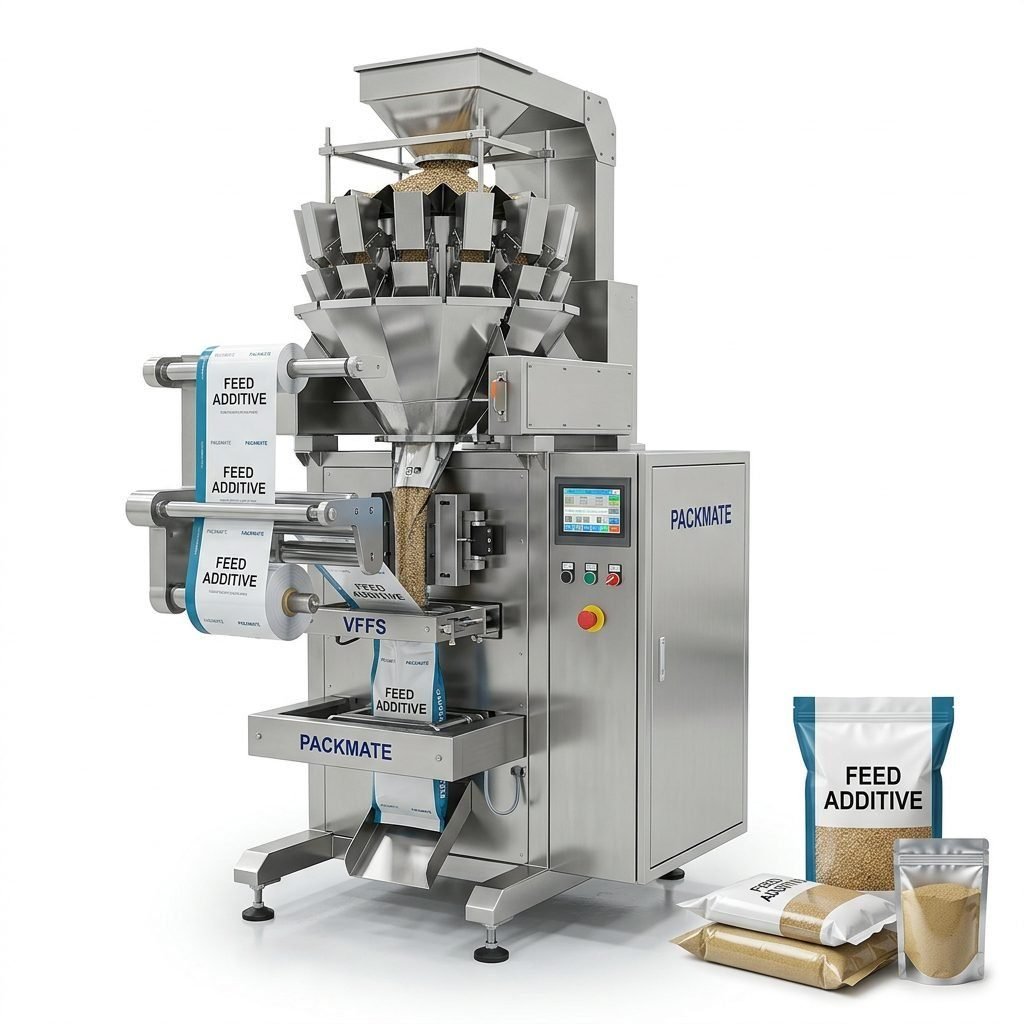
Vertical Form-Fill-Seal (VFFS): Extremely versatile for creating pouches from a roll of film. Ideal for snacks, powders, and granular products.
Horizontal Form-Fill-Seal (HFFS): Often used for more complex shapes, multi-packs, or products that require precise placement, like cookies or medical devices.
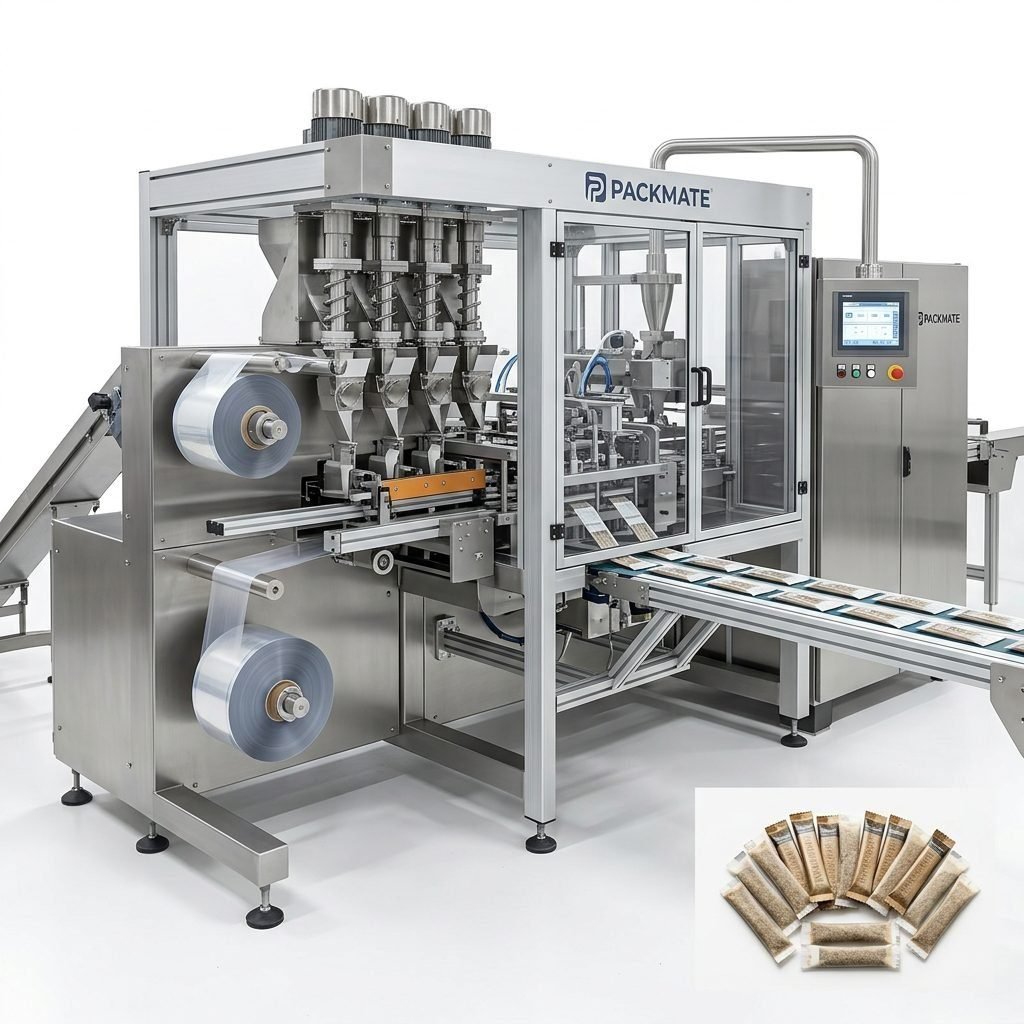
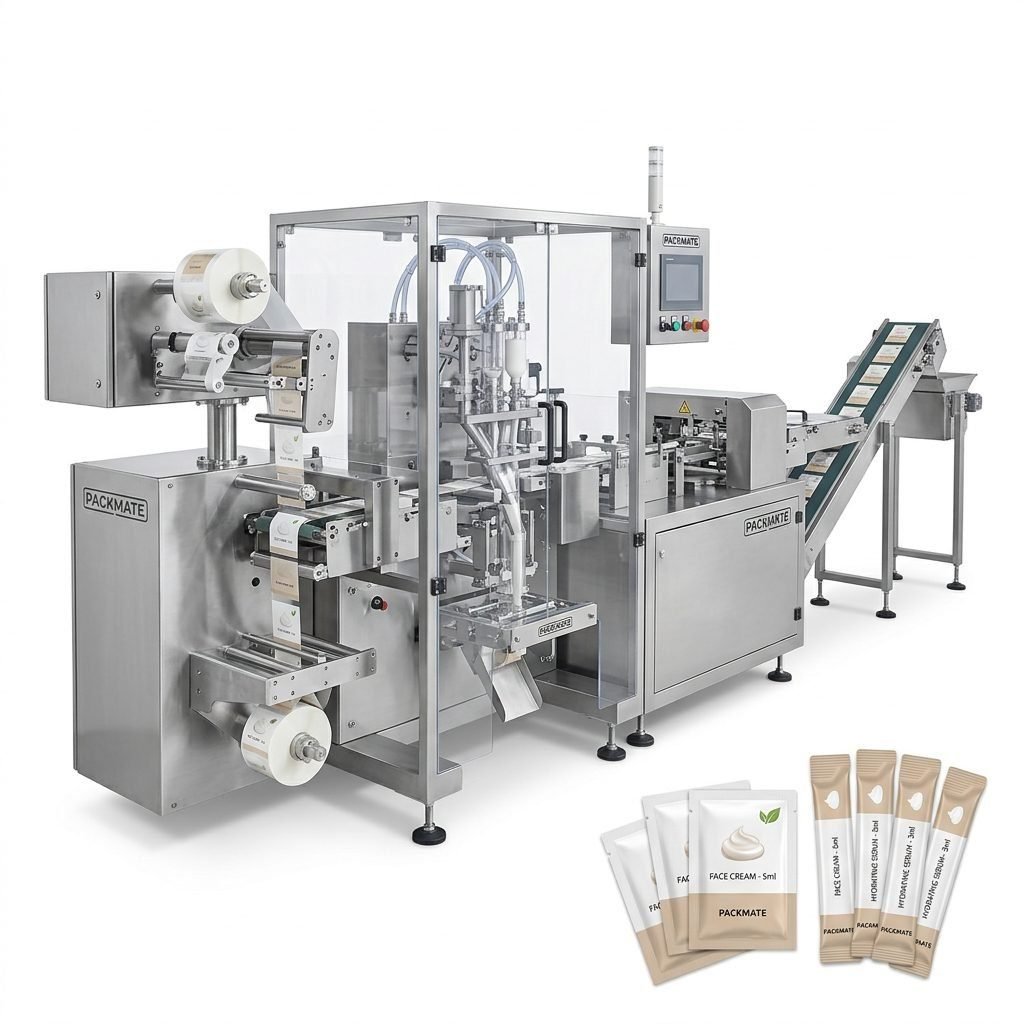
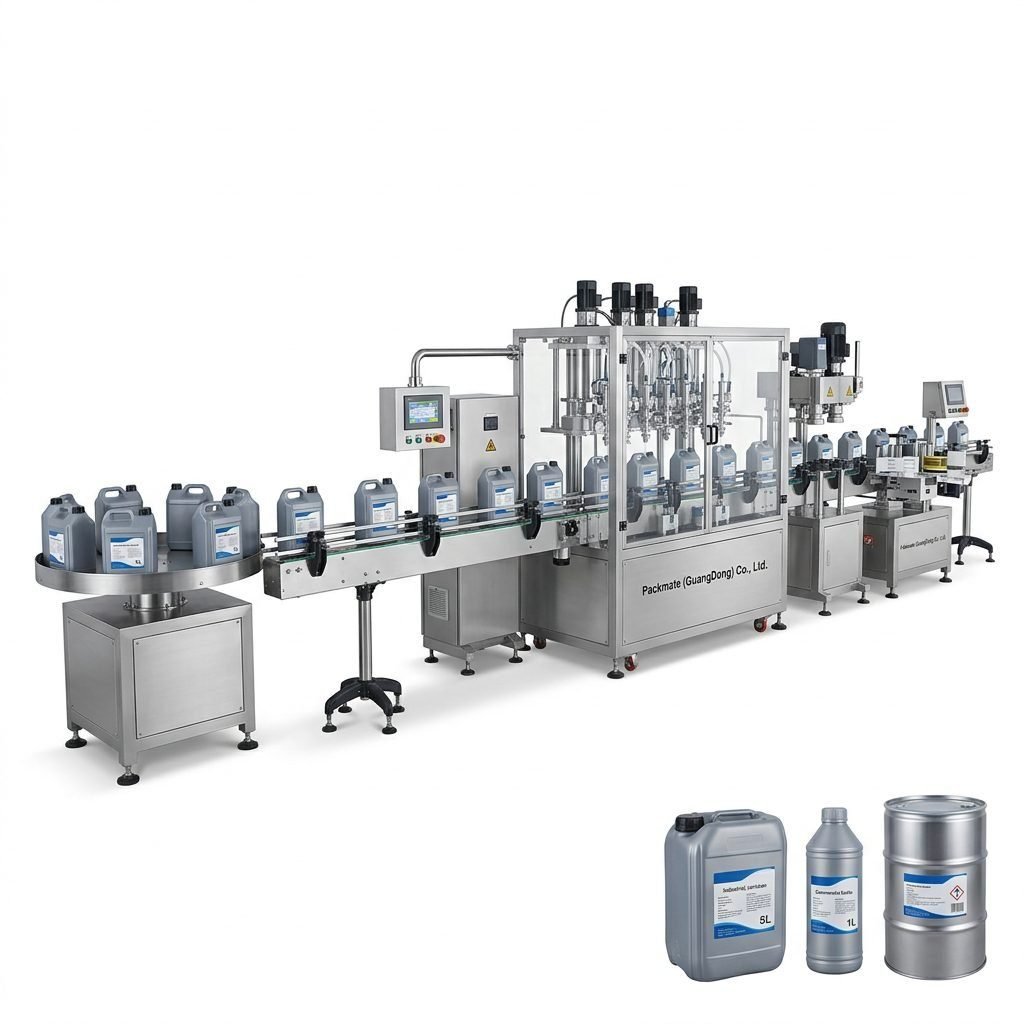
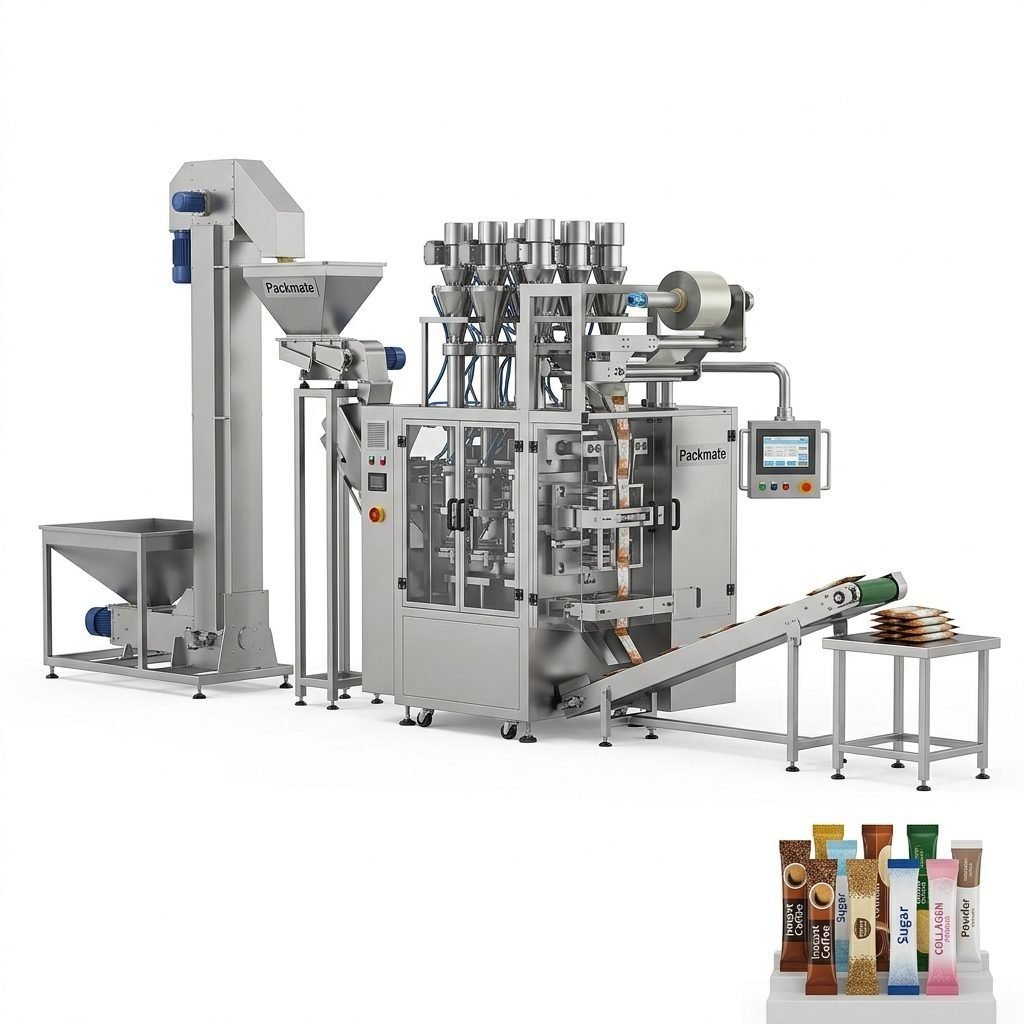
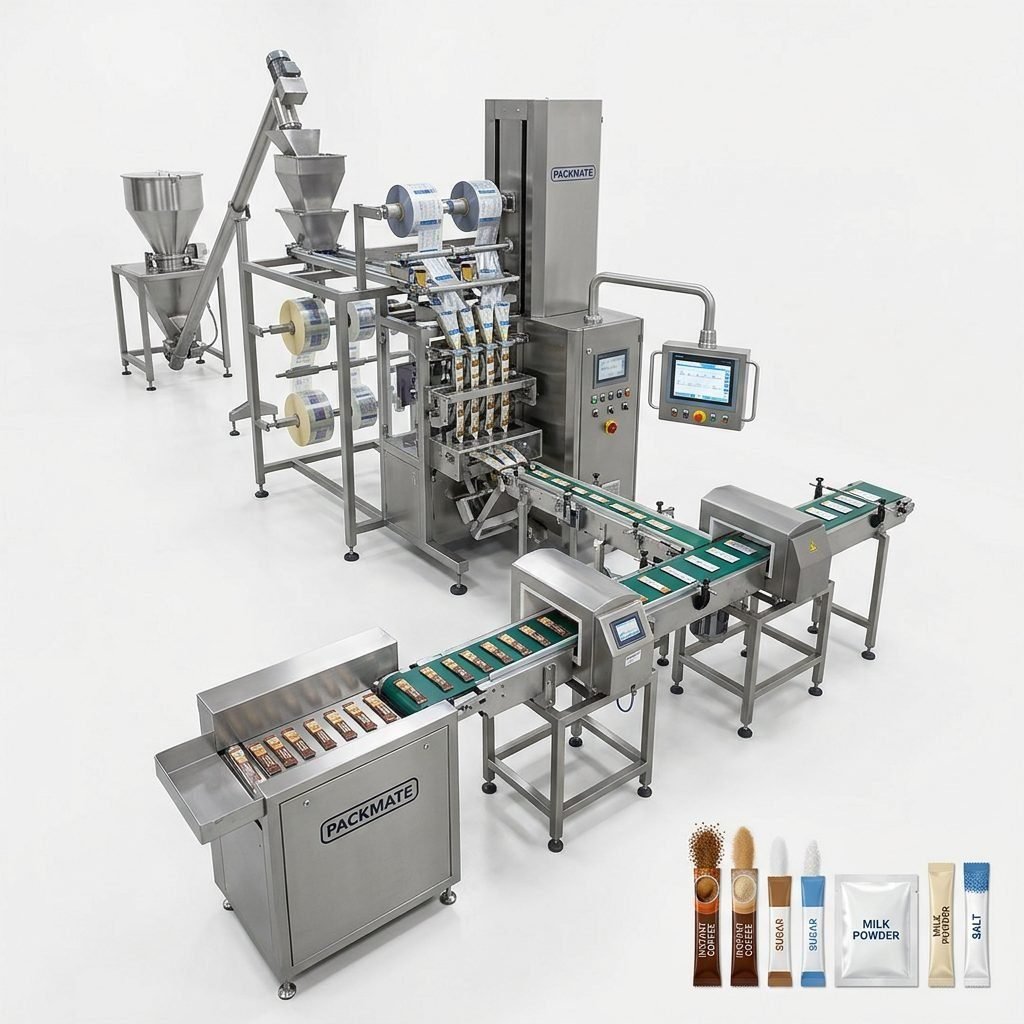
Stick Pack & Sachet Machines: Designed specifically for creating long, slender stick packs or small sachets, perfect for single-serve portions of beverages, supplements, or condiments. For high-volume needs, multi-lane versions are essential.
2. Supporting and Integrated Systems
Standalone efficiency is one thing; system integration is another.
Weighing Systems: Critical for ensuring accurate fill weight, especially for valuable products. Choose between multi-head weighers for speed and linear weighers for simplicity.
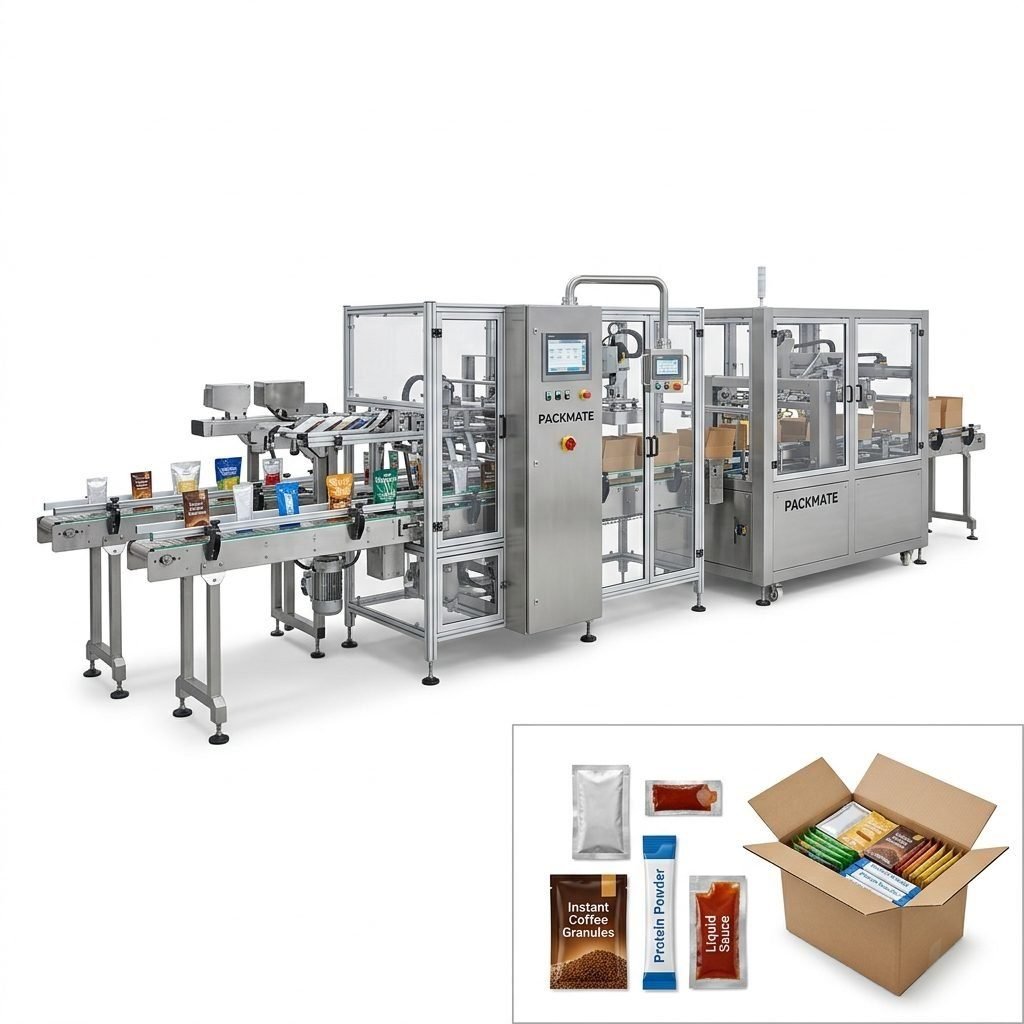
Auxiliary Equipment: This includes cartoners, case packers, labelers, and checkweighers. Consider future automation needs and ensure your primary machine can integrate with these units.
For a comprehensive solution, many businesses opt for a turnkey packaging line from a single supplier, which ensures all components work in harmony and reduces integration headaches.
Critical Selection Criteria Beyond the Machine
The machine’s specifications are just the beginning. These factors often determine long-term success.
Manufacturer Reliability and Support
Your relationship with the equipment manufacturer is paramount. Look for a partner with a proven track record. For instance, a company like Packmate Machinery, with over 30 years of expertise and a 20,000㎡ modern facility, demonstrates a commitment to scale and stability. Evaluate their:
- Technical Support & Training: Availability of installation, on-site training, and remote assistance.
- Spare Parts Availability: How quickly can you get critical replacement parts? Local warehouses are a significant advantage.
- Service Network: The presence of service engineers in your region minimizes downtime.
- Company History & Vision: A company that has evolved from a workshop, like Packmate’s origin story in 1993, to a formalized industry player often retains core values of innovation and customer focus, as outlined in their mission and vision.
Total Cost of Ownership (TCO)
Look beyond the initial purchase price. TCO includes:
- Energy Consumption: Efficient machines lower operational costs.
- Maintenance Costs: Simpler designs with robust components often have lower long-term maintenance needs.
- Changeover Time: How quickly can the machine switch between different products or package sizes? Quick changeovers increase flexibility and reduce waste.
- Material Waste: Precision machines minimize film and product giveaway.
Hygiene, Safety, and Compliance
This is non-negotiable, especially in food, pharmaceutical, and health industries.
Construction Materials: Surfaces in contact with product should be stainless steel (e.g., 304 or 316 grade) and easy to clean.
Design for Cleanability: Machines should have minimal crevices and be designed for easy access and cleaning (CIP/SIP where applicable).
Certifications: Ensure the equipment meets relevant regional and industry safety standards (CE, UL, etc.). Reviewing a manufacturer’s certificates can provide assurance.
Planning for the Future: Scalability and Flexibility
The best investment grows with your business.
Modular Design: Can you add lanes or functions later? A machine that allows for upgrades protects your initial investment.
Technology Roadmap: Does the manufacturer invest in R&D? Partnering with an innovative company means you may have access to future upgrades in automation, data connectivity (Industry 4.0), and smarter controls.
Global Support: If you plan to export or set up facilities in other regions, choose a supplier with a global footprint and experience in international projects, as evidenced by participation in global exhibitions.
Final Steps: Trial and Validation
Never buy packaging equipment blind.
Request a Product Test: Reputable manufacturers will offer to run your actual product and packaging materials on their machine. This is the only way to verify speed, accuracy, and seal quality.
Visit the Factory: If possible, tour the manufacturer’s production facility. Seeing their quality control processes, like those in a 20,000㎡ factory with advanced testing facilities, builds confidence.
Check References: Ask for case studies or contact existing clients, especially those with similar products or volumes. Their firsthand experience is invaluable.
Choosing the best packaging equipment is a strategic process that balances technical specifications with operational pragmatism and partnership potential. By thoroughly assessing your needs, scrutinizing the machine and its maker, and planning for future growth, you can make a decision that enhances your productivity and profitability for years to come. The right machine is not just a piece of hardware; it’s the engine of your packaging operation.
Frequently Asked Questions (FAQs)
1. What is the most important factor when choosing packaging equipment?
While many factors are important, ensuring the machine is perfectly suited to your specific product and packaging material is paramount. A machine that works brilliantly for coffee granules may fail with a sticky powder. Always conduct a product test.
2. Should I buy a standalone machine or a full packaging line?
It depends on your scale and goals. A standalone machine (e.g., a VFFS pouch packer) is sufficient for many businesses. A full, integrated line (including weighing, metal detection, case packing) is necessary for high-volume, automated production with minimal manual handling. Suppliers like Packmate offer complete turnkey solutions for both scenarios.
3. How do I estimate the ROI (Return on Investment) for new packaging equipment?
Calculate ROI by considering: Labor savings from increased automation and speed, reduction in material waste, lower downtime from improved reliability, and increased sales from better package quality. The manufacturer should help you model these savings based on your current data.
4. What kind of training and after-sales support should I expect?
Expect comprehensive on-site installation and operator training. Reliable suppliers offer detailed manuals, video tutorials, and access to technical support via phone or remote connection. Ensure there is a clear service agreement covering response times and spare parts availability.
5. How can I ensure the machine meets hygiene standards for food or pharmaceutical use?
Specify the required hygiene standards upfront (e.g., FDA, EHEDG). Choose equipment with stainless steel construction, polished surfaces, and a design that prevents contamination and allows for easy cleaning. Review the manufacturer’s certifications and ask for design details related to hygiene.