In today’s fast-paced and cost-conscious business environment, the decision to invest in capital equipment requires careful consideration. For many companies, especially those experiencing growth, seasonal demand, or testing new product lines, purchasing packaging equipment outright can represent a significant financial burden and operational risk. This is where packaging equipment rental solutions emerge as a strategic and flexible alternative, perfectly tailored to meet your evolving business needs.
The Strategic Advantages of Renting Packaging Machinery
Opting to rent packaging equipment rather than purchase it offers a multitude of benefits that directly impact your bottom line and operational agility.
Preserve Capital and Improve Cash Flow
The most immediate advantage is financial. Renting requires a much lower upfront investment compared to purchasing, freeing up vital capital for other critical areas of your business such as marketing, R&D, or inventory. Payments are predictable operational expenses, simplifying budgeting and financial forecasting.
Unmatched Flexibility and Scalability
Business needs are not static. Rental solutions provide the flexibility to scale your packaging operations up or down quickly in response to market demand, seasonal peaks, or special projects. You can access the exact machine you need for a specific job duration without long-term commitment, allowing you to experiment with new packaging formats or handle unexpected large orders with confidence.
Access to the Latest Technology
The packaging industry is continuously innovating. Renting allows your business to utilize state-of-the-art equipment without the risk of technological obsolescence. You can benefit from machines with higher speeds, better precision, improved energy efficiency, and advanced features that might be cost-prohibitive to purchase outright, ensuring your products remain competitively packaged.
Minimize Maintenance and Downtime Worries
Reliable rental providers, like established manufacturers, typically include maintenance and service support as part of the rental agreement. This means reduced responsibility for your team and minimized risk of costly, unexpected downtime. The provider ensures the equipment is in optimal working condition, allowing you to focus on production, not repairs.
Ideal Scenarios for Packaging Equipment Rental
Rental is not a one-size-fits-all solution, but it is exceptionally well-suited for several common business situations:
Startups and Small Businesses: Test packaging processes and market viability without a major capital outlay.
Seasonal Production Spikes: Handle holiday rushes or seasonal product lines efficiently.
New Product Launches: Package pilot runs or limited editions before committing to a full production line purchase.
Bridge Equipment Gaps: Maintain production while awaiting delivery of a new machine or during the repair of an existing one.
Specific Short-Term Contracts: Fulfill a contract that requires a packaging format your current machinery cannot handle.
Partnering with the Right Provider: Beyond Just a Machine
The success of a rental arrangement hinges on the provider. Look for a partner with deep industry expertise, such as Packmate Machinery, a company with over 30 years of experience in designing and manufacturing intelligent packaging solutions. A provider with a strong manufacturing foundation offers distinct advantages:
Technical Expertise: They understand the machinery inside and out, ensuring you get the right model for your specific product—be it granules, powders, or liquids.
Quality & Reliability: Equipment from a reputable manufacturer is built to perform consistently, reducing the risk of failures that disrupt your rental period.
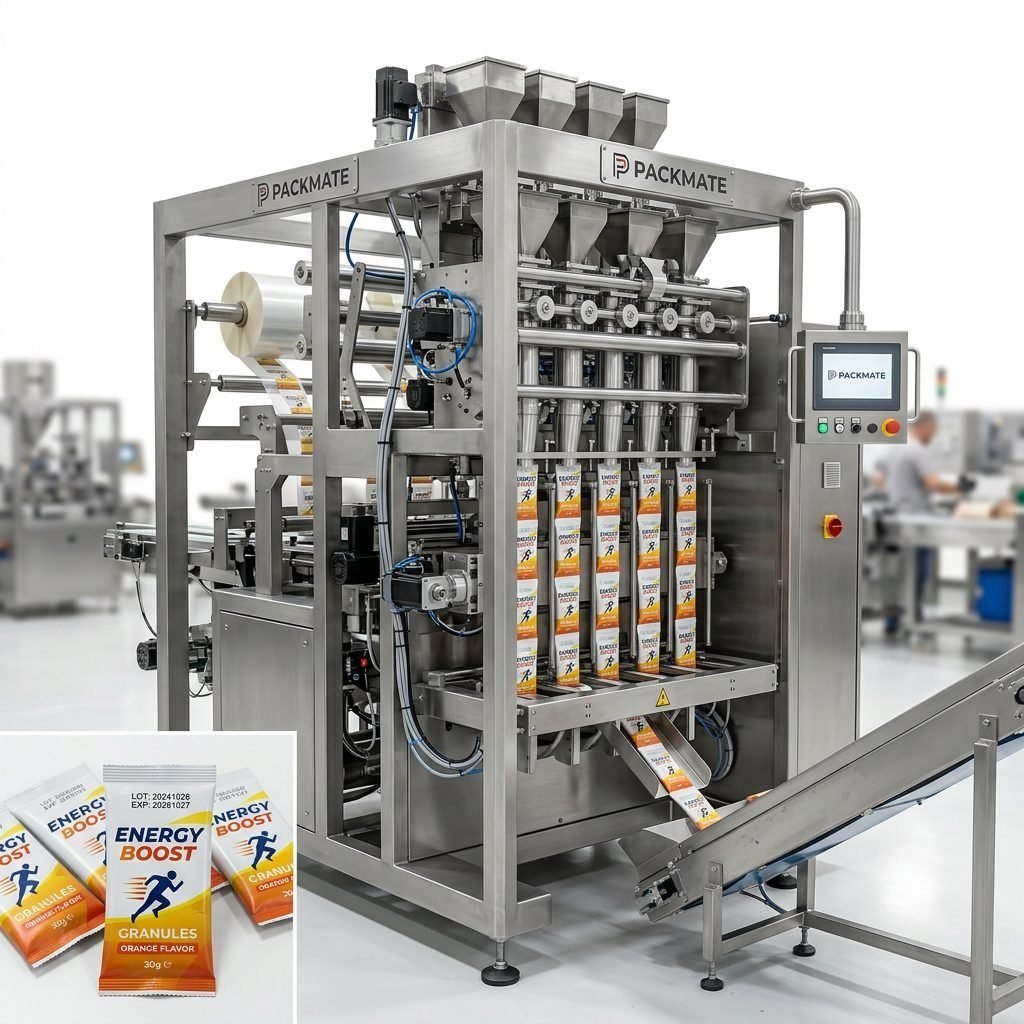
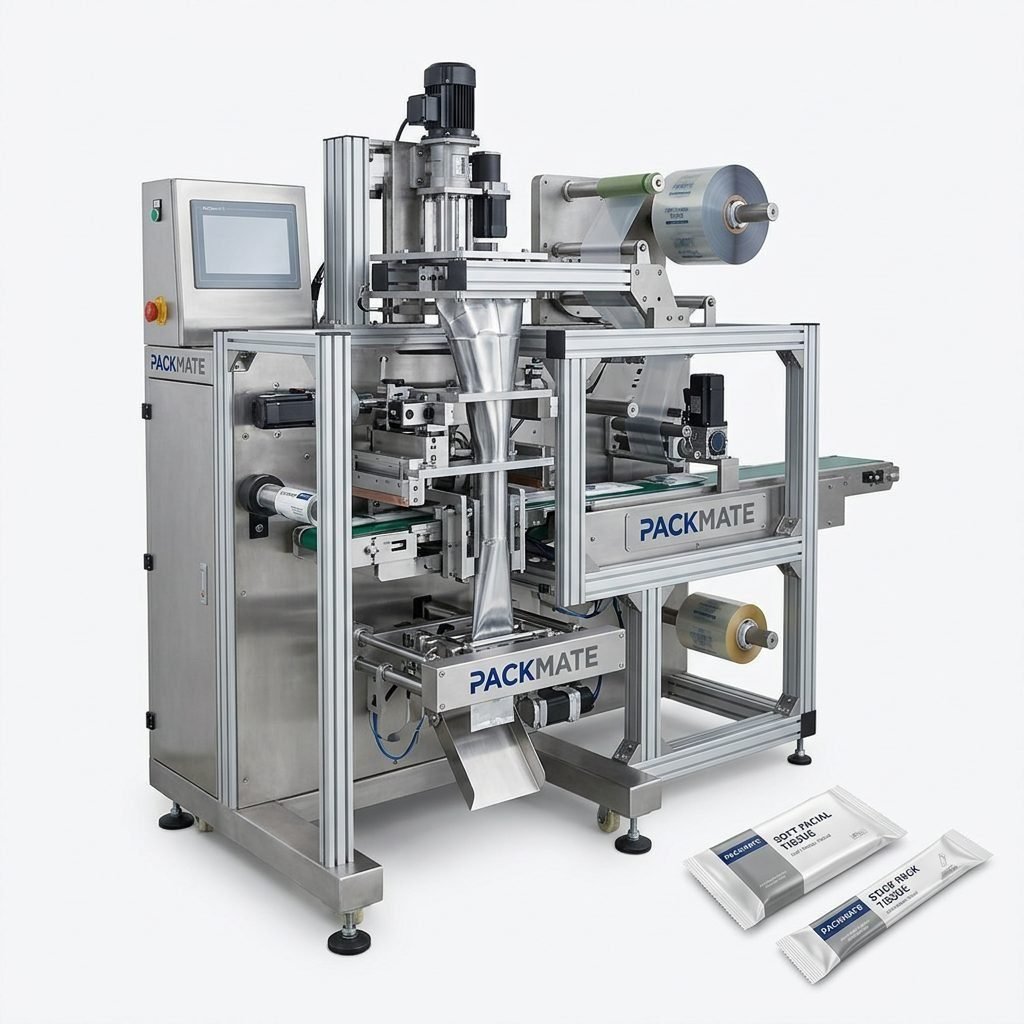
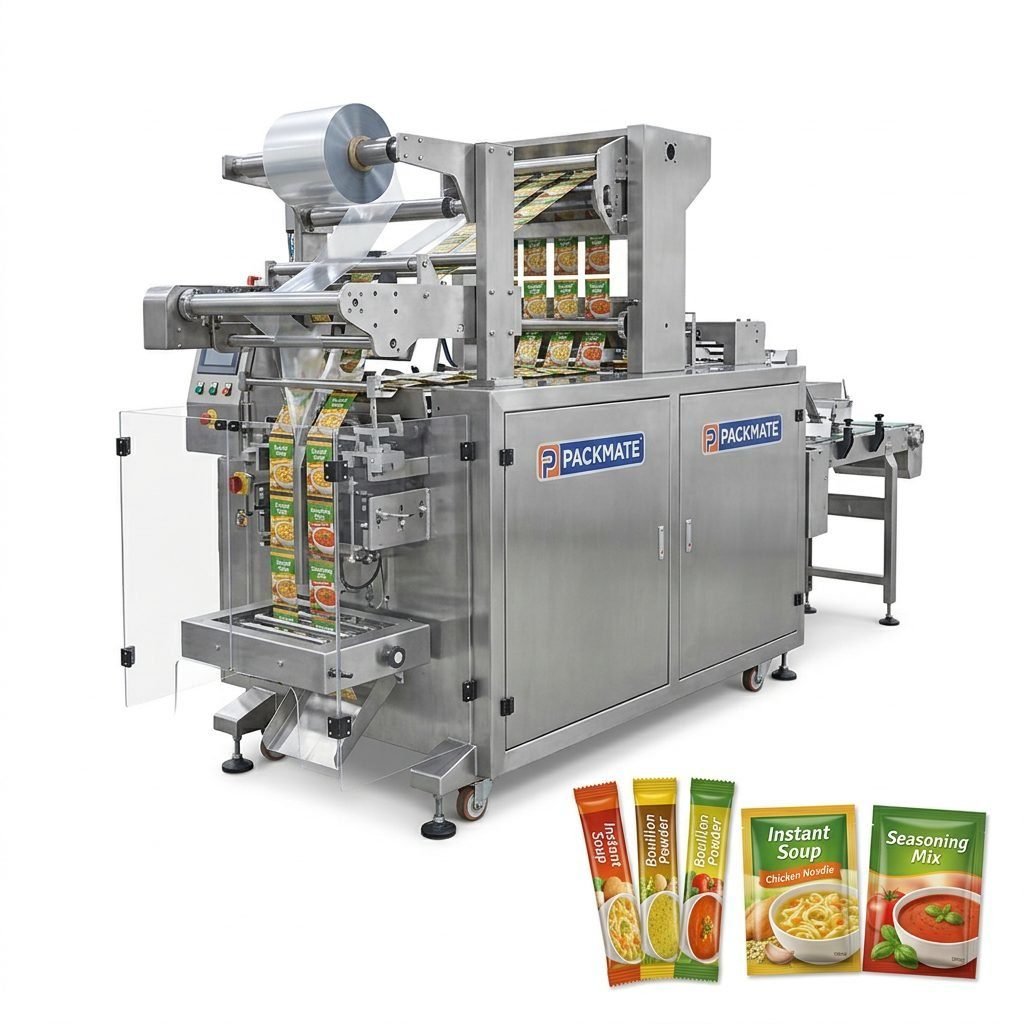
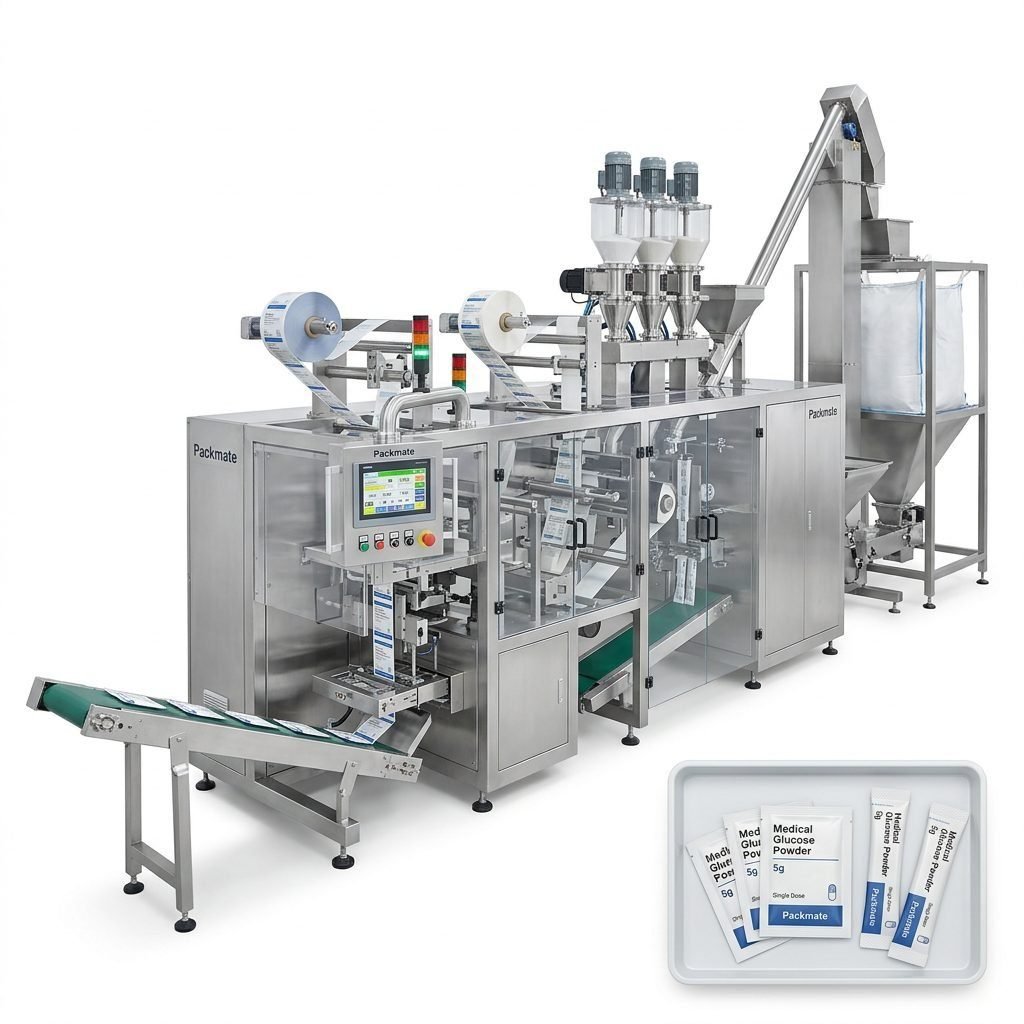
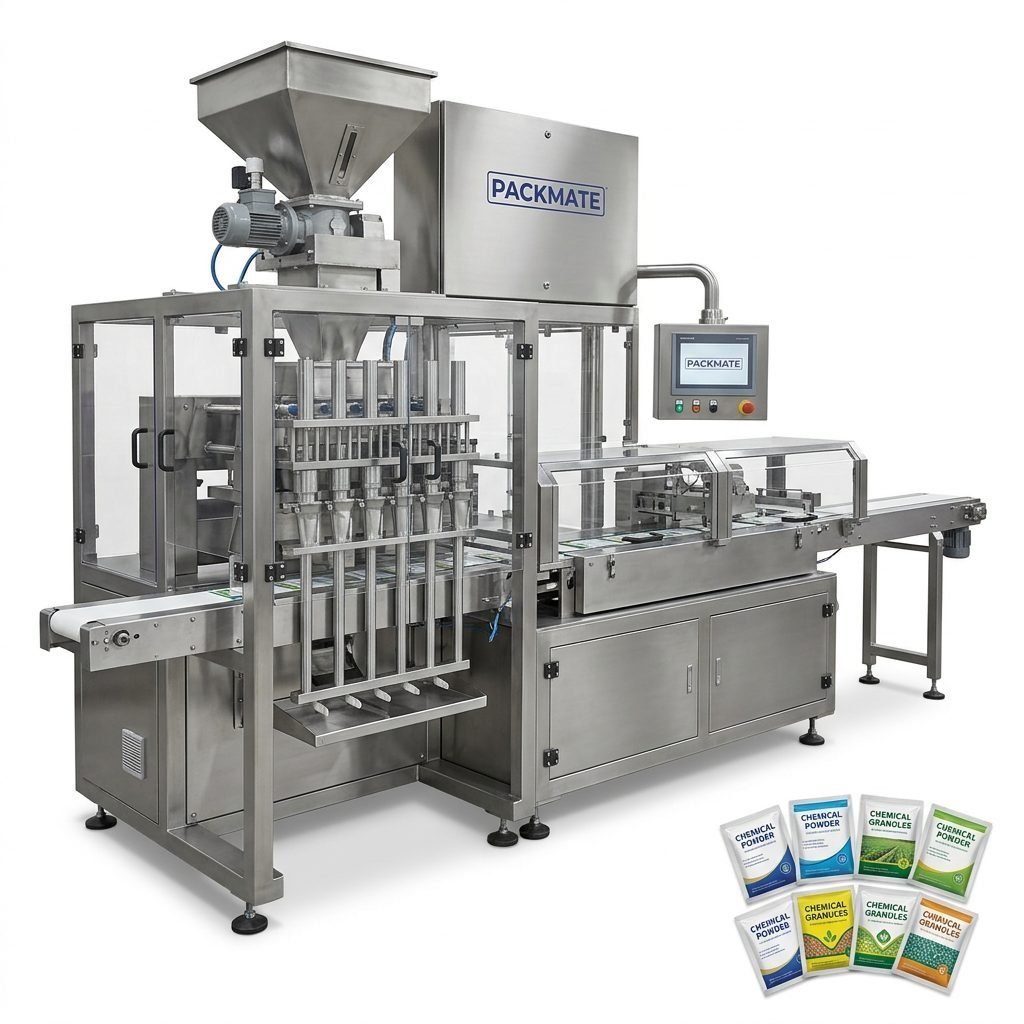
Comprehensive Support: From initial consultation and installation to operational training and technical support, a full-service partner ensures a seamless experience. Explore their range of reliable sachet and stick pack machines which are commonly sought for rental due to their versatility.
Making the Decision: Rent vs. Buy
To determine if renting is right for you, conduct a thorough cost-benefit analysis. Consider the total cost of ownership for purchasing (purchase price, installation, maintenance, potential downtime costs, depreciation) versus the total rental cost over your intended usage period. Factor in the intangible benefits of flexibility and risk mitigation that renting provides. For long-term, high-volume, consistent needs, purchasing may be more economical. For variable, short-term, or experimental needs, renting is often the superior strategic choice.
Conclusion
Packaging equipment rental is a powerful tool for modern businesses seeking efficiency, flexibility, and financial prudence. It empowers you to respond dynamically to market opportunities, manage costs effectively, and leverage advanced technology without long-term risk. By partnering with an experienced and reliable provider, you transform packaging from a fixed capital challenge into a scalable operational asset.
Frequently Asked Questions (FAQs)
1. What types of packaging equipment are typically available for rent?
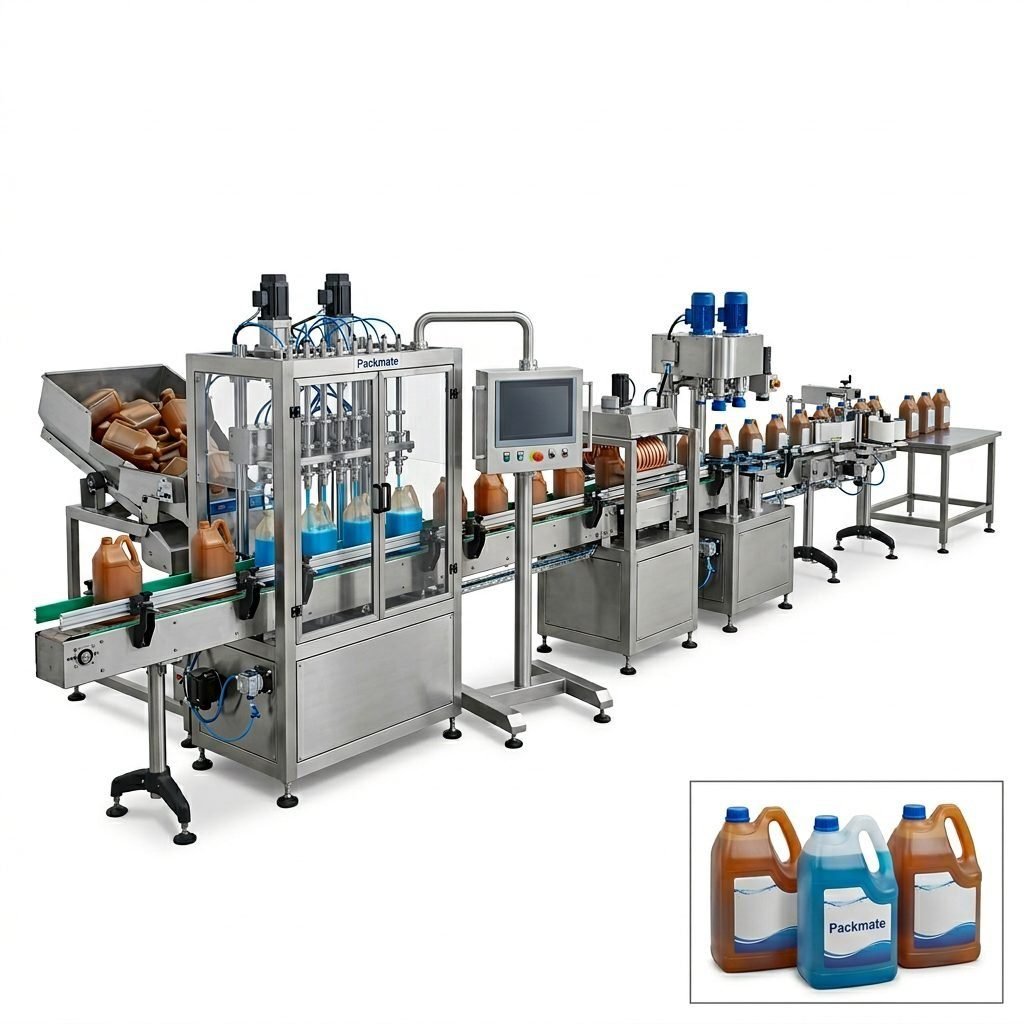
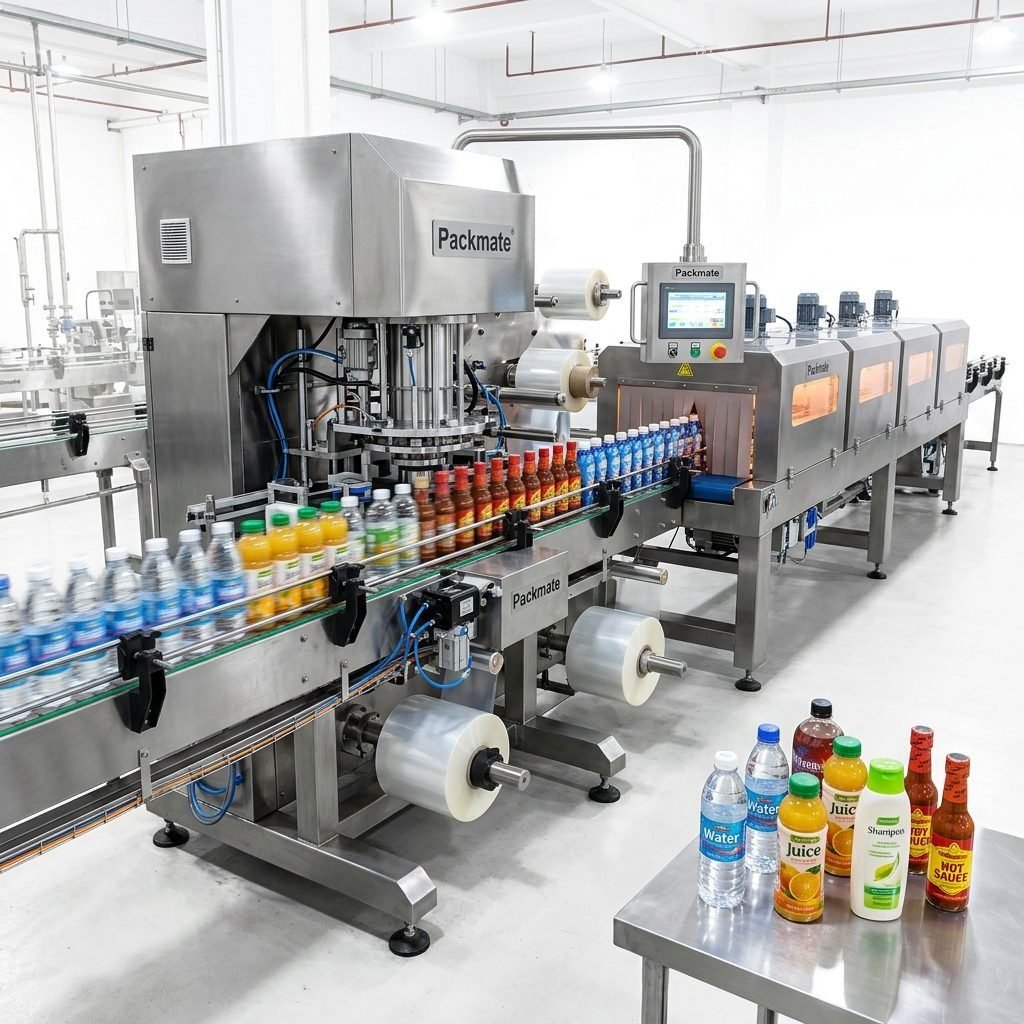
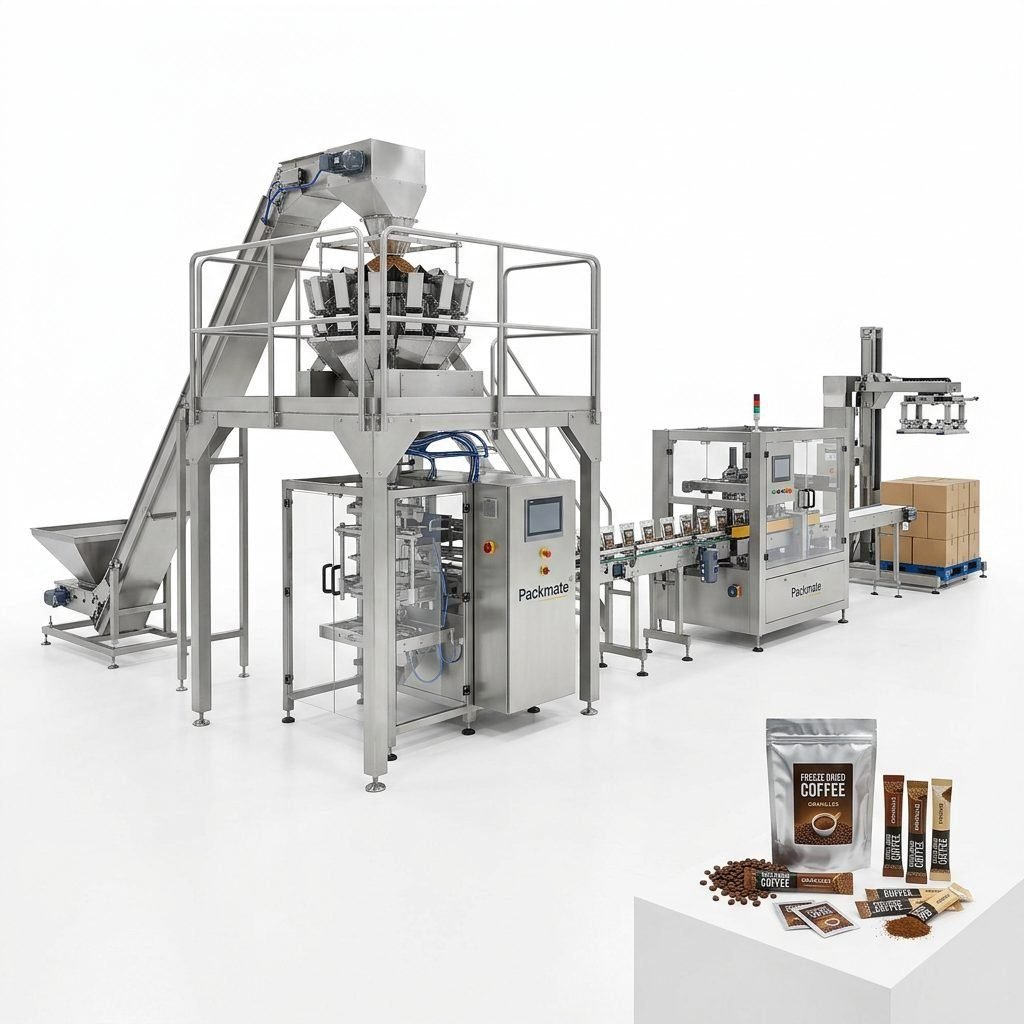
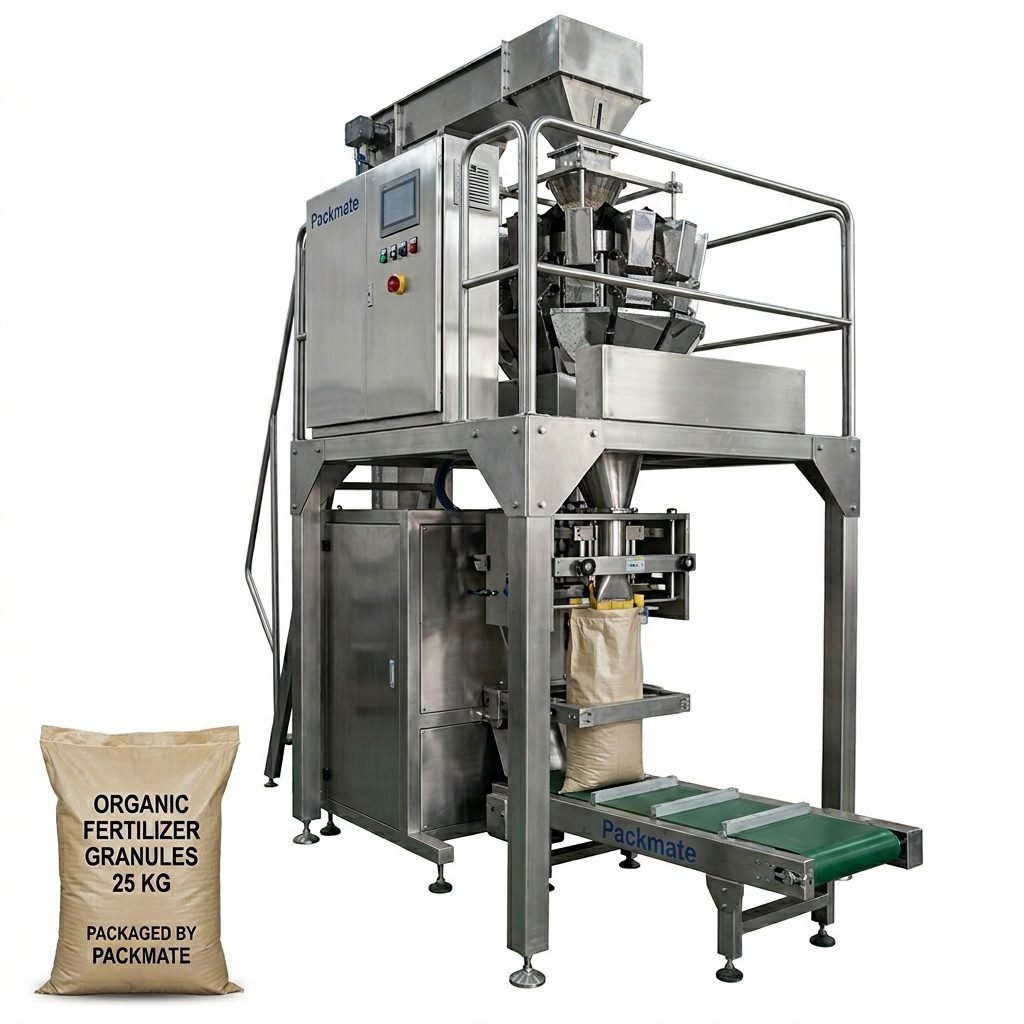
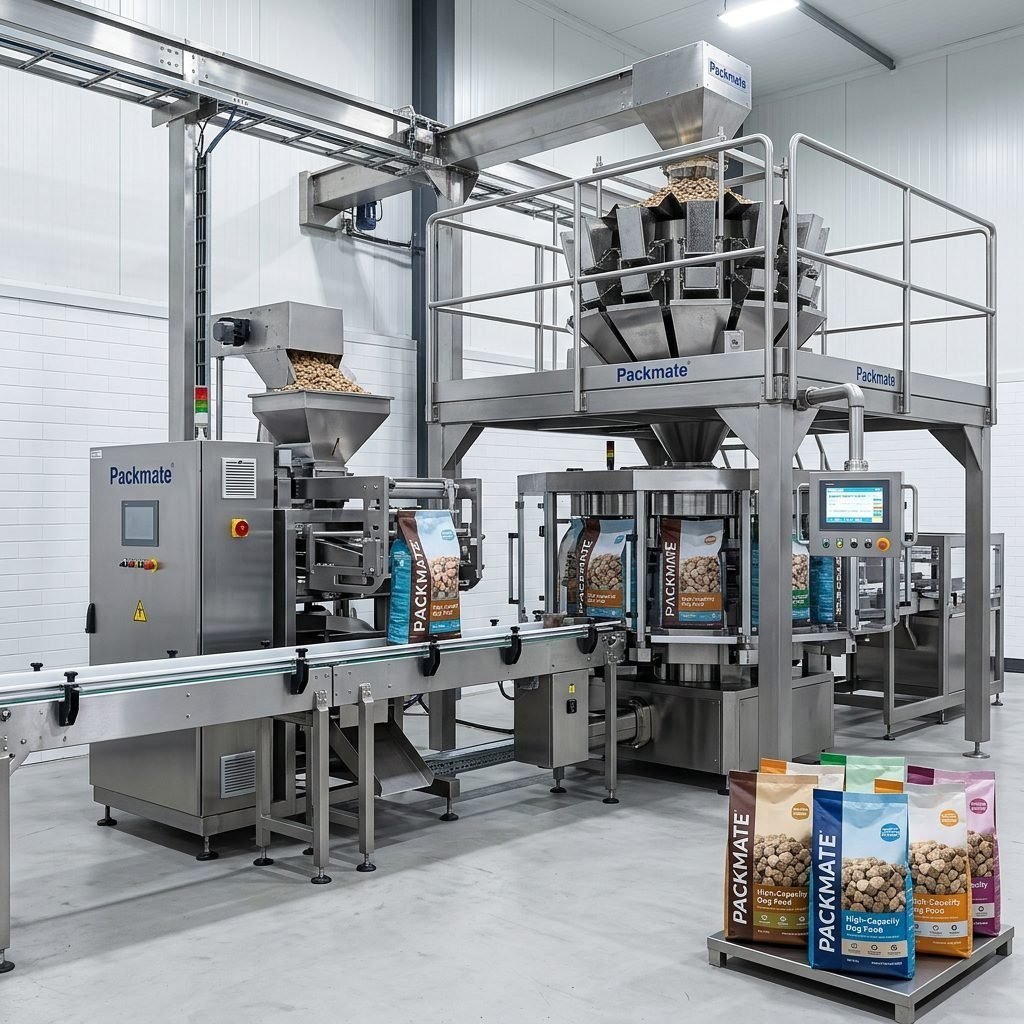
Common rental equipment includes vertical form-fill-seal (VFFS) machines, horizontal flow wrappers, sachet and stick pack machines, cartoners, and sometimes complete filling and packaging lines. The availability depends on the rental provider’s inventory and specialization.
2. Does the rental agreement include installation, training, and maintenance?
This varies by provider. Reputable partners often include basic installation, operational training for your staff, and preventative maintenance within the rental fee. It is crucial to clarify these service details before signing an agreement.
3. How does the cost of renting compare to leasing or buying?
Renting is generally a shorter-term, more flexible commitment with higher periodic costs but no long-term obligation or residual value. Leasing is typically a longer-term financial agreement that may lead to ownership. Buying involves the highest upfront cost but the lowest long-term cost if the equipment is used continuously over its lifespan.
4. Can I rent equipment for a very short period, like a few weeks?
Yes, many providers offer flexible rental terms, from very short periods (weeks or months) to annual contracts. The minimum rental period and pricing structure will depend on the provider and the specific equipment.
5. What happens if the rented machine breaks down?
A key benefit of renting from a quality provider is that they are responsible for repairs and maintenance. You should report any issues immediately, and they will dispatch a technician to fix or replace the unit, minimizing your production downtime at no extra cost if covered under the agreement.