In the world of bakery and confectionery, cupcakes represent a delightful treat that demands equally delightful presentation. The right packaging not only protects these delicate goods but also enhances their appeal and extends shelf life. For businesses scaling up production, a cupcake packaging machine becomes an indispensable asset, automating the process for consistency, speed, and hygiene. This guide delves into the types of machines available, their key features, and crucial buying tips to help you make an informed investment.
Understanding Cupcake Packaging Machine Types
The market offers various cupcake packaging machines, each designed for specific production scales and packaging styles. Understanding these types is the first step toward selecting the right equipment.
Manual & Semi-Automatic Machines
Ideal for small bakeries or startups, manual and semi-automatic machines require some operator involvement. They are cost-effective and perfect for low to medium-volume production. Operators typically place the cupcake and the packaging material (like a clamshell or tray), and the machine seals it. These units offer flexibility for businesses with varied product sizes or those not running continuous batches.
Fully Automatic In-Line Systems
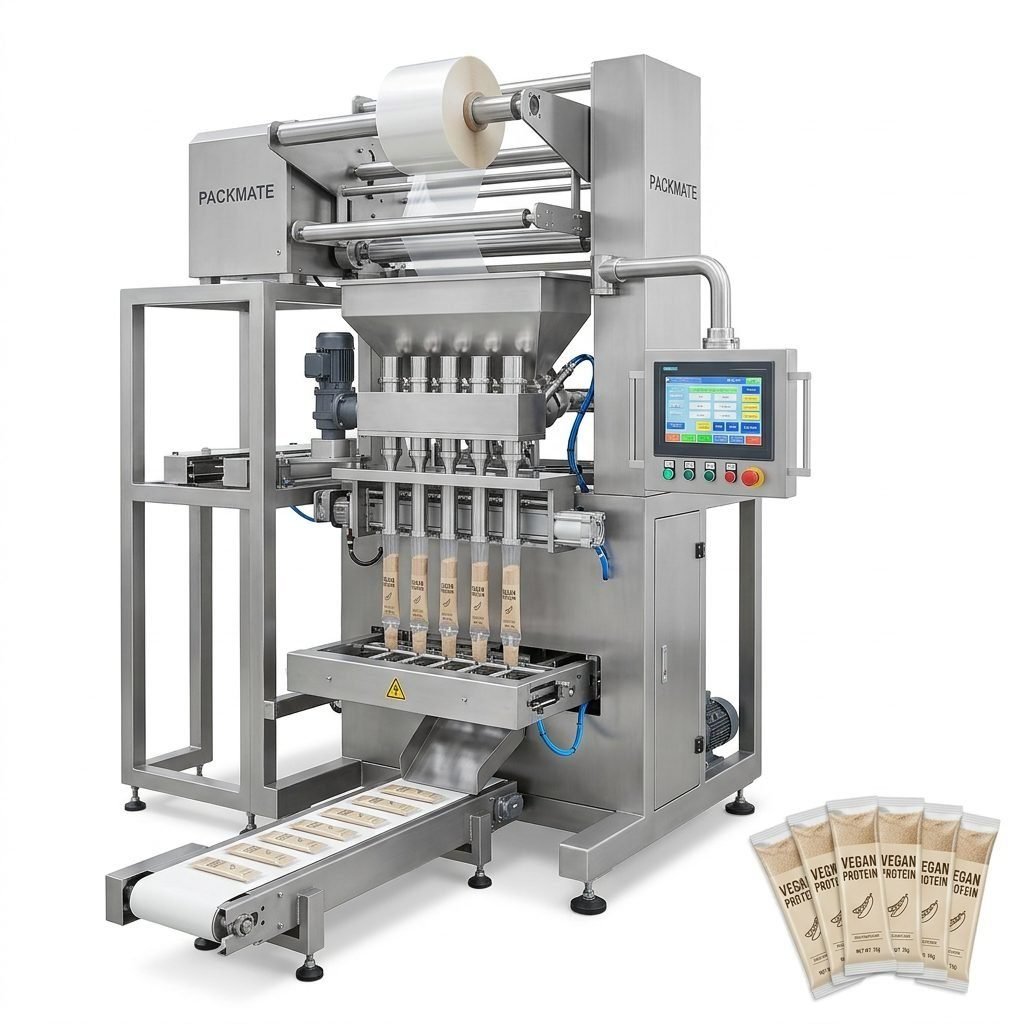
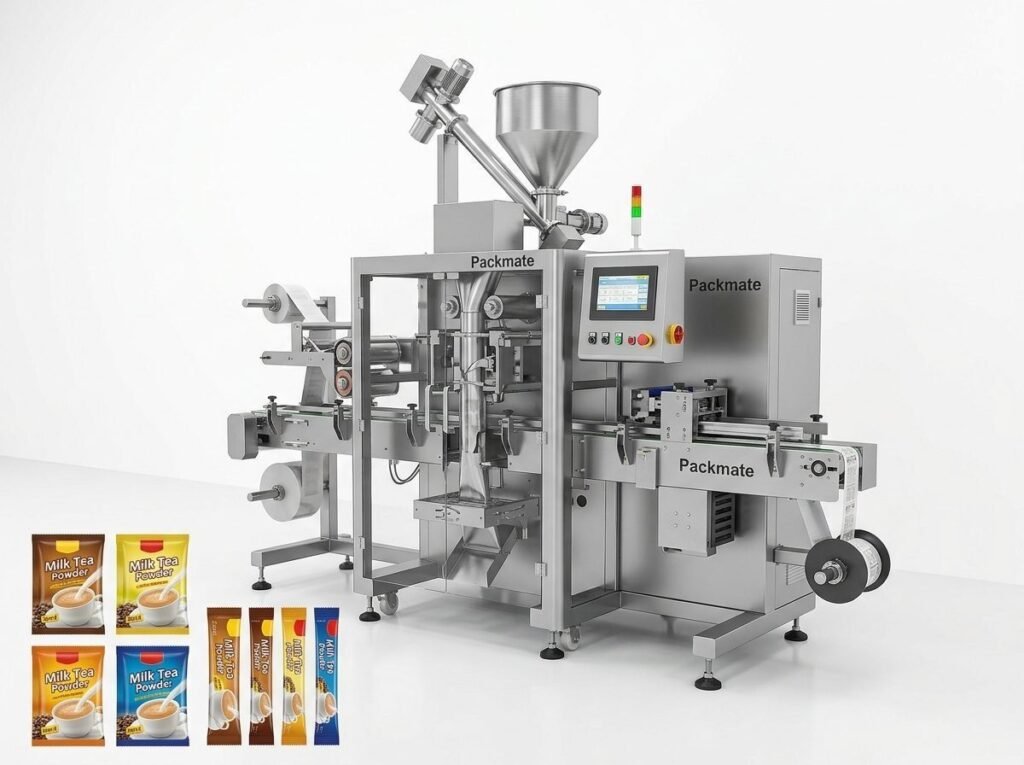
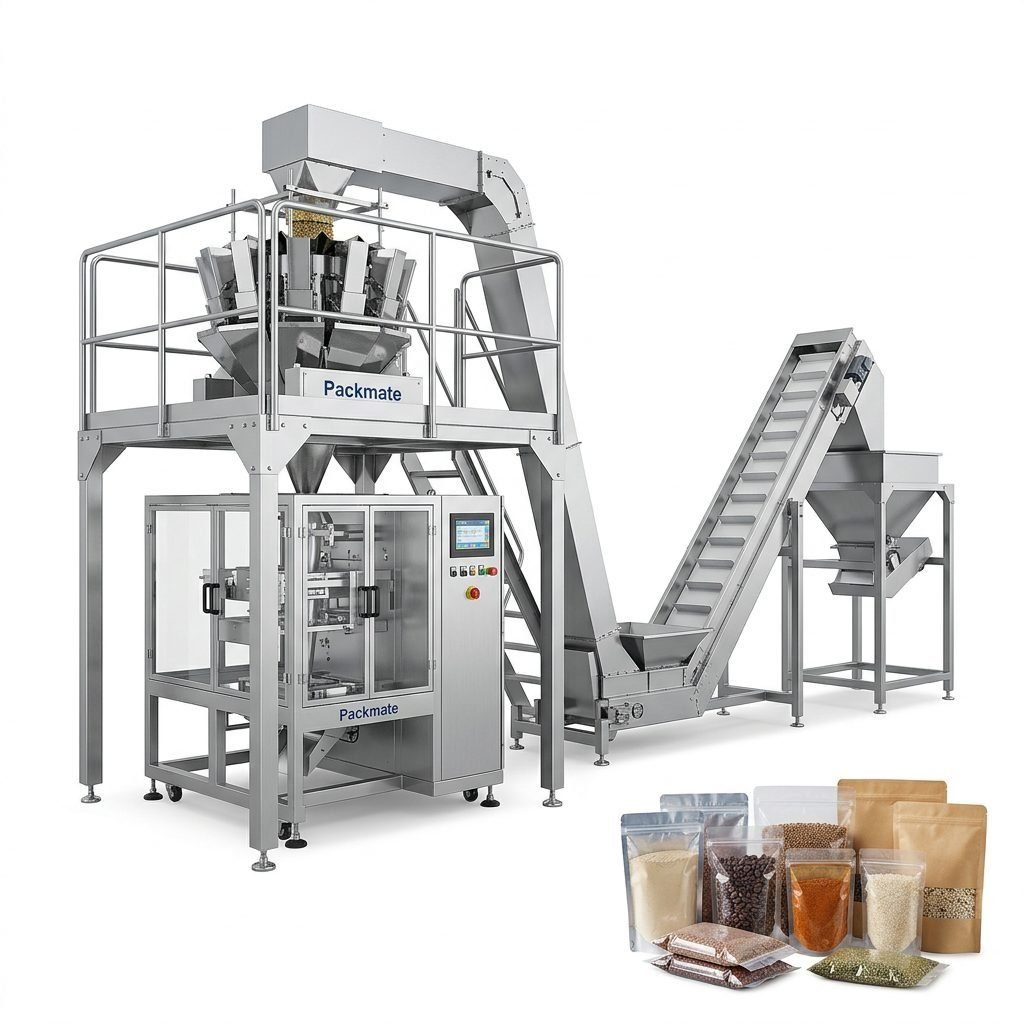
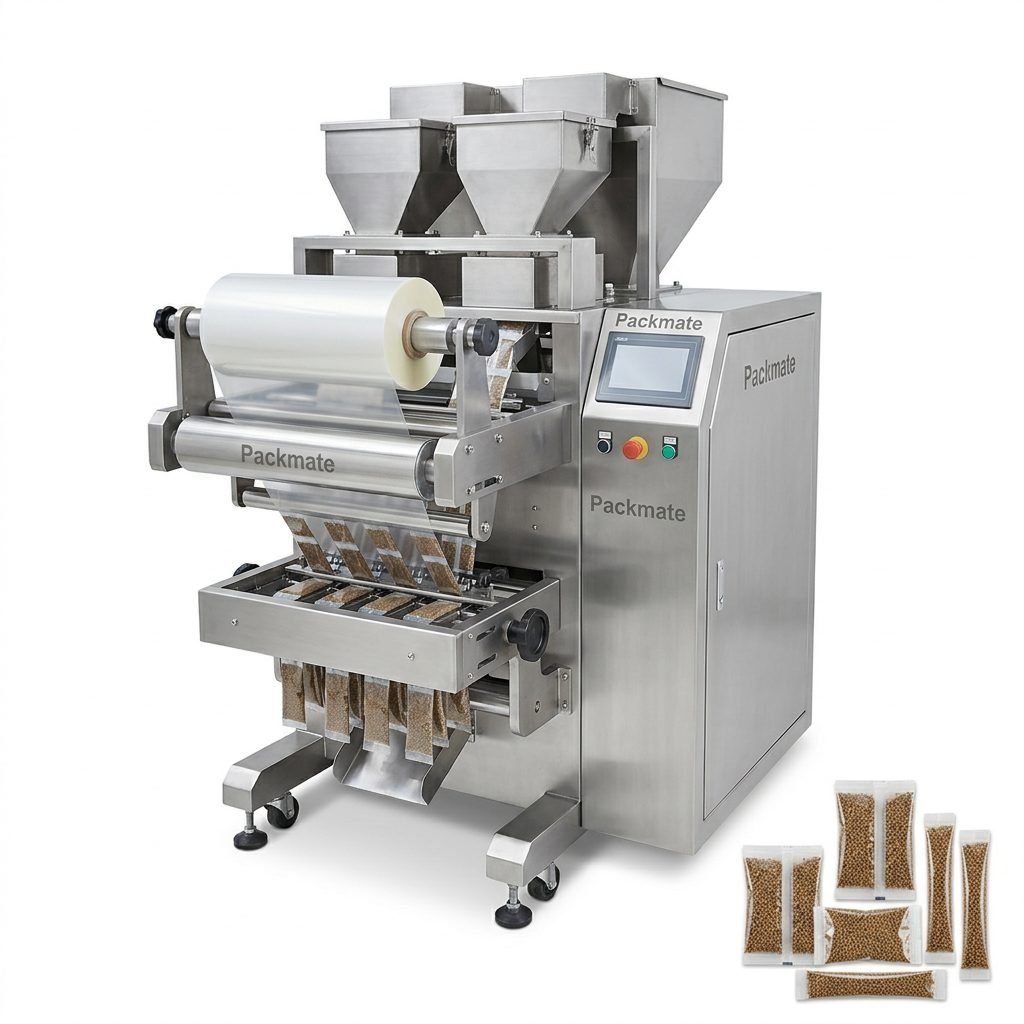
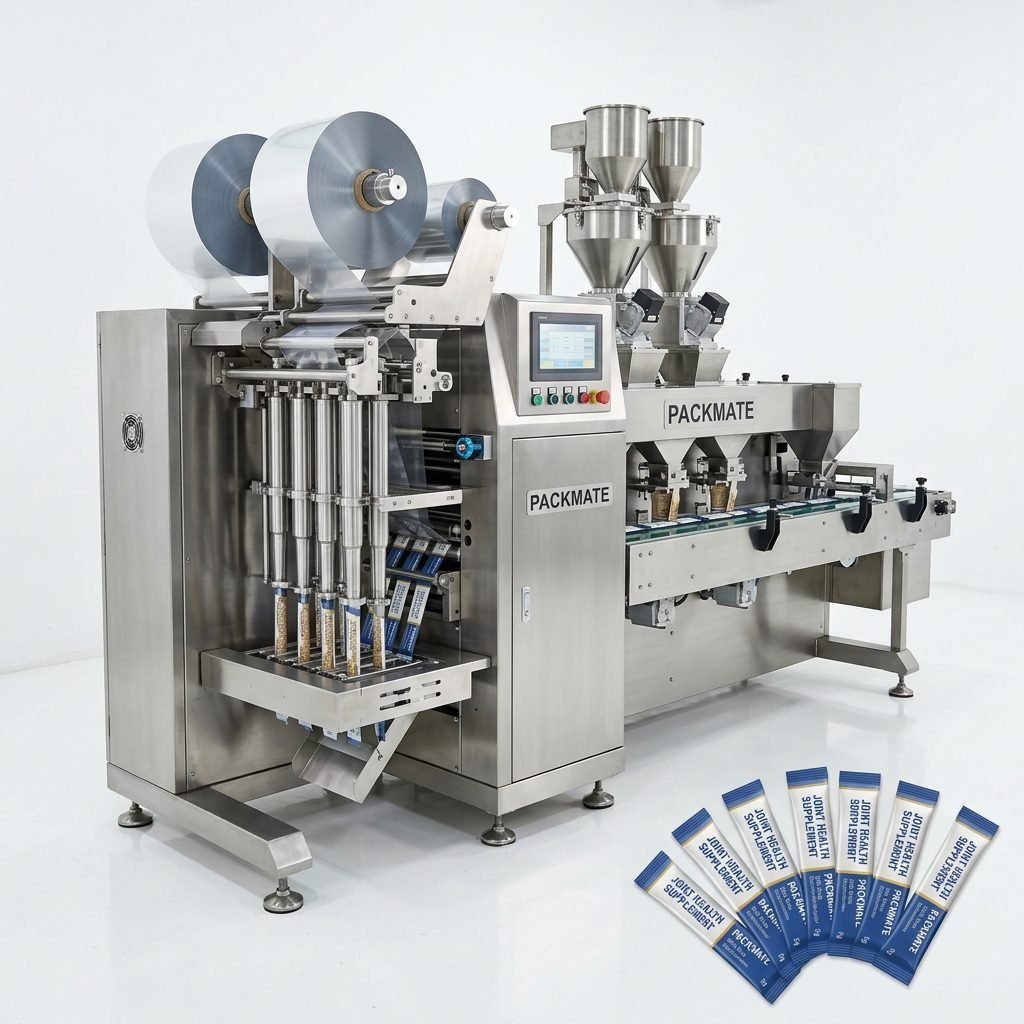
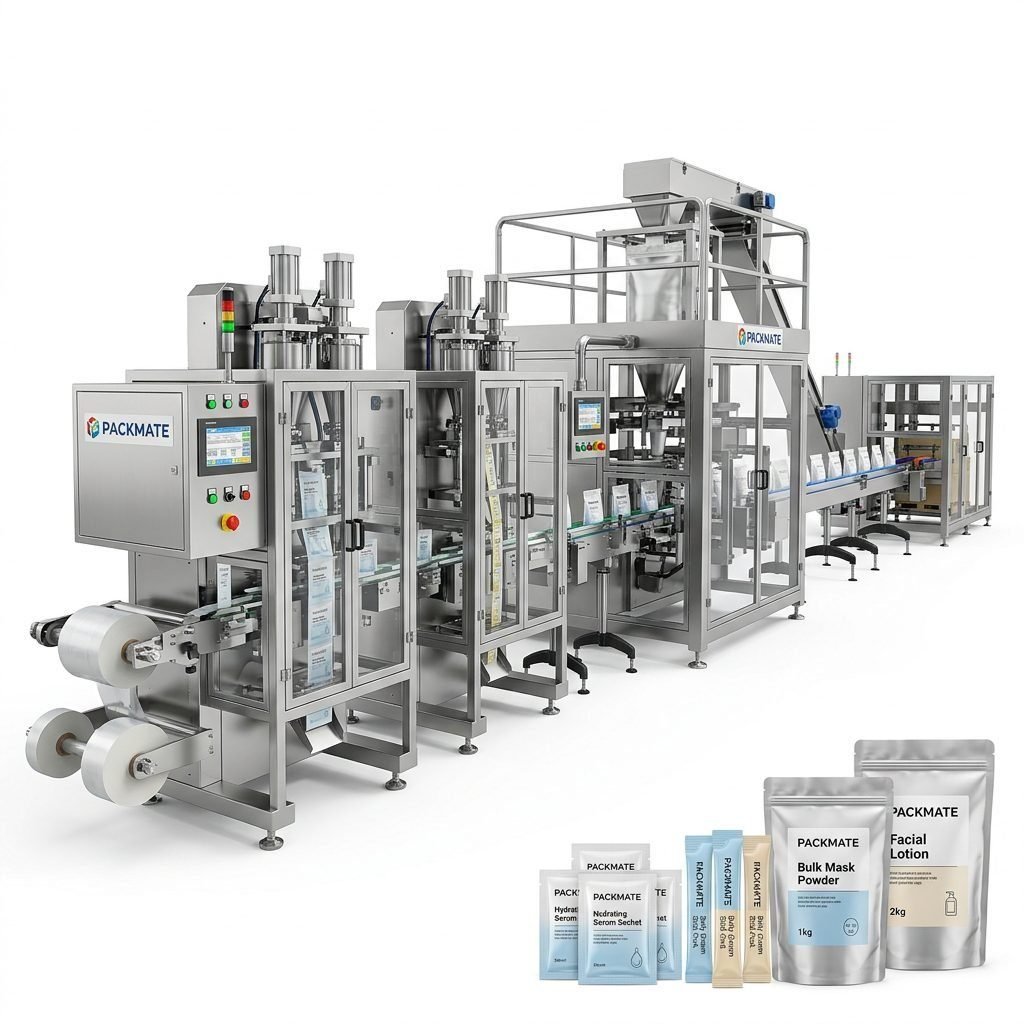
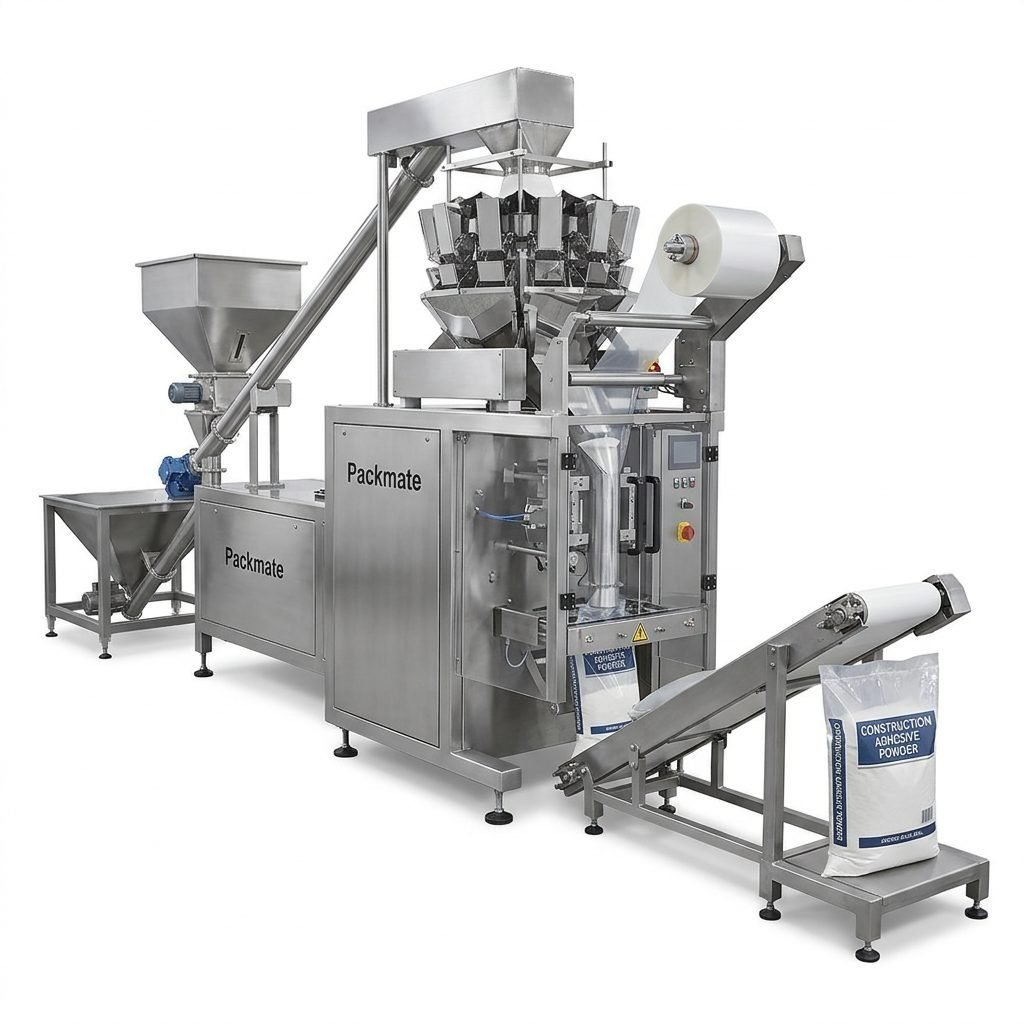
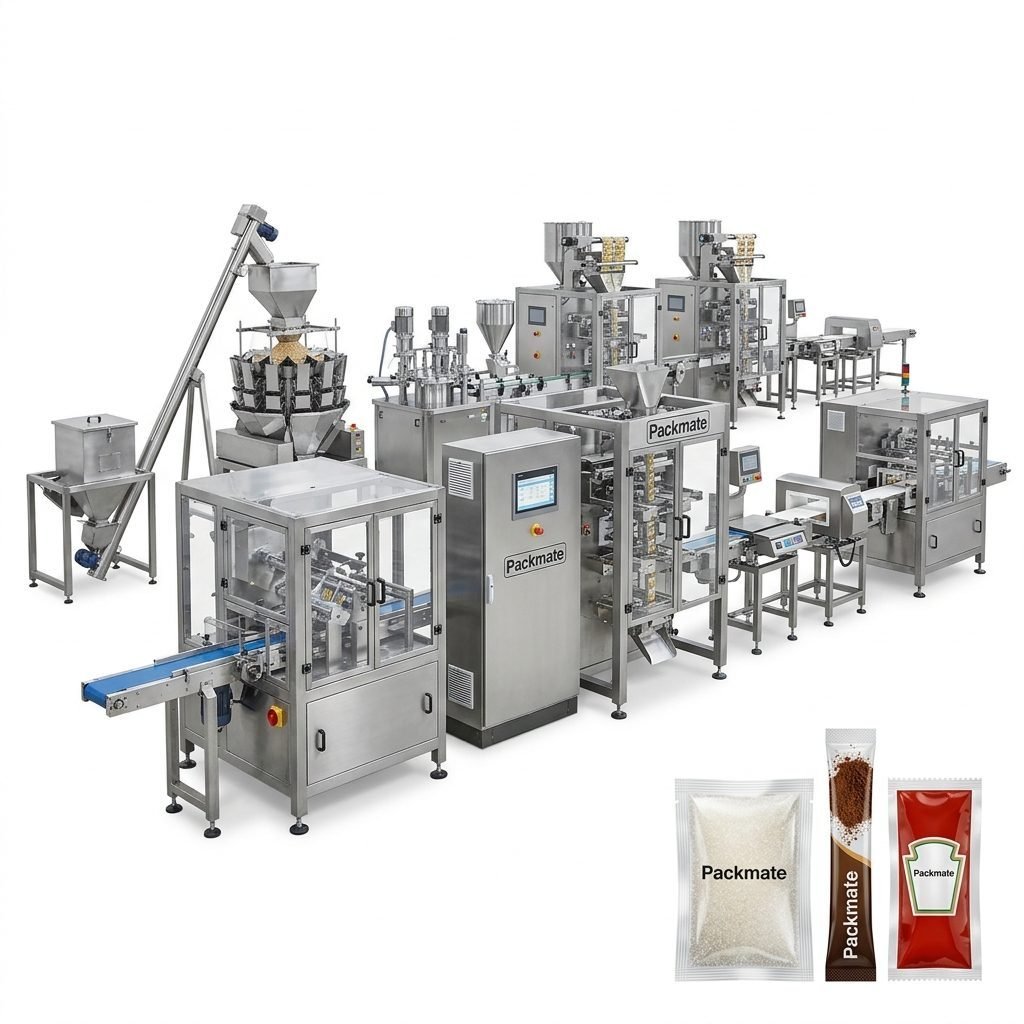
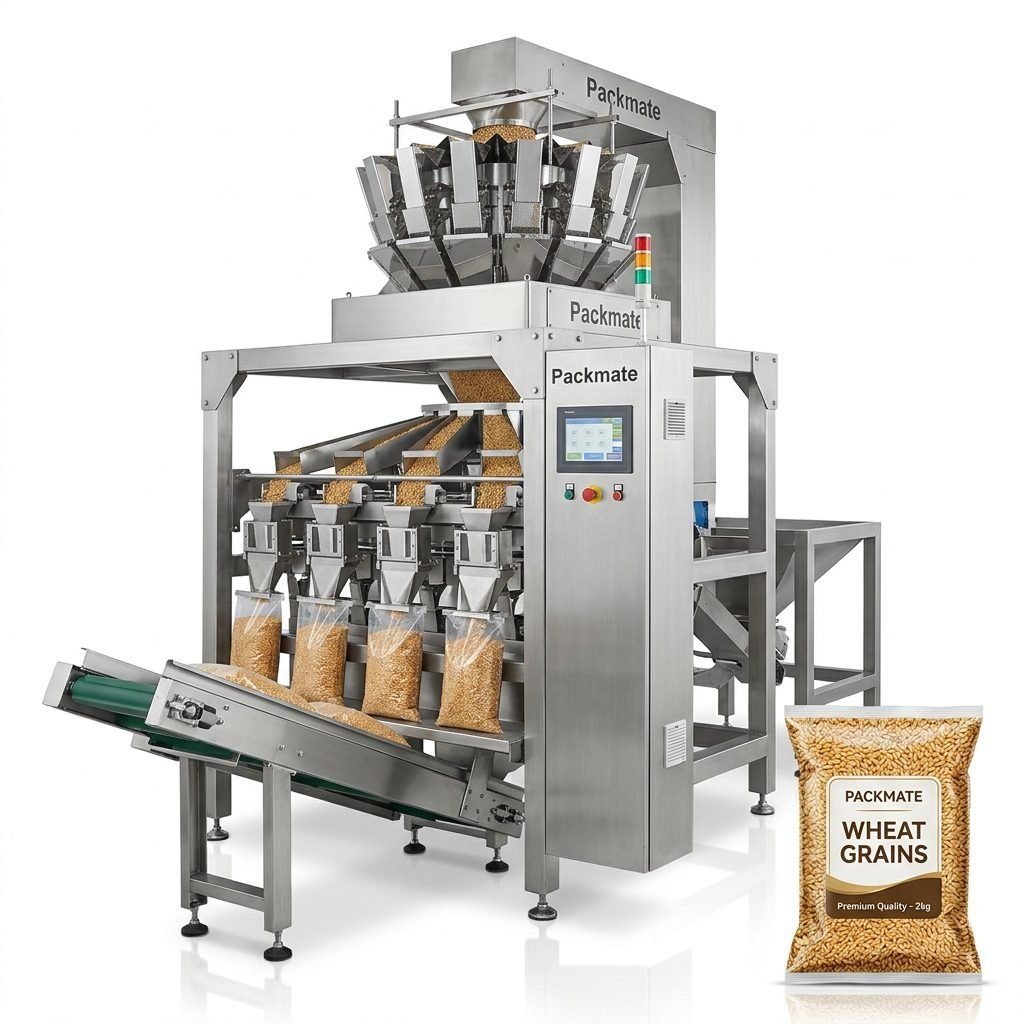
For high-volume commercial bakeries, fully automatic systems are the gold standard. These machines integrate seamlessly into a production line, automatically feeding, placing, and sealing cupcakes into pre-formed trays, clamshells, or flow-wrap packages. They offer remarkable speed, often handling hundreds of units per minute, and significantly reduce labor costs while ensuring uniform packaging quality. Companies like Packmate Machinery specialize in such advanced, intelligent packaging solutions.
Key Takeaway:
Your choice between manual, semi-automatic, and fully automatic machines should be driven by your production volume, budget, and required output speed. Investing in a machine that matches your current and near-future needs is crucial for ROI.
Essential Features to Look For
Beyond the basic type, several features define the efficiency, versatility, and reliability of a cupcake packaging machine.
Versatility in Packaging Formats
A versatile machine can handle different packaging styles, such as clamshells, window boxes, trays with lids, or even flow-wrapping for individual cupcakes. Look for machines with adjustable forming and sealing tools to accommodate various sizes and materials, from clear plastic to cardboard. This adaptability protects your investment as your product line evolves.
Gentle Product Handling
Cupcakes are fragile. A quality machine will have gentle product placement mechanisms—like soft grippers or precise drop systems—to prevent crushing, smearing frosting, or dislodging decorations. This feature is non-negotiable for maintaining product integrity and presentation.
Hygienic Design & Easy Cleaning
Food safety is paramount. Machines designed with stainless steel contact surfaces, smooth edges, and easy-access panels simplify cleaning and sanitization. This is essential for complying with food safety regulations and maintaining a hygienic production environment.
User-Friendly Controls & Connectivity
Modern machines feature intuitive touchscreen interfaces (HMI) for easy operation, recipe storage, and quick changeovers. Advanced models may offer connectivity for Industry 4.0 integration, allowing for production monitoring, data collection, and predictive maintenance, which are hallmarks of suppliers with a strong innovation focus like Packmate.
Critical Buying Tips for Your Investment
Purchasing a cupcake packaging machine is a significant decision. Here are practical tips to guide your selection process.
1. Analyze Your Production Needs Thoroughly
Start by quantifying your current and projected output (cupcakes per hour/day), the range of cupcake sizes and toppings you offer, and your primary packaging material. This analysis will narrow down the machine type and required features.
2. Prioritize Reliability and After-Sales Support
The machine’s uptime is critical for your business. Research the manufacturer’s reputation for build quality and reliability. Ensure they offer comprehensive after-sales service, technical support, and readily available spare parts. A manufacturer with a long history, such as one with over 30 years of expertise, often indicates proven reliability.
3. Request a Live Demonstration or Trial
Never buy based on specifications alone. If possible, visit the manufacturer or arrange for a machine trial using your actual cupcakes and packaging materials. This is the best way to assess performance, gentle handling, and final package quality firsthand.
4. Consider Total Cost of Ownership (TCO)
Look beyond the initial purchase price. Factor in operating costs (energy consumption), maintenance expenses, changeover times (which affect productivity), and the cost of consumables like sealing wires or films. A slightly more expensive but efficient and low-maintenance machine can be more economical in the long run.
5. Evaluate the Manufacturer’s Expertise
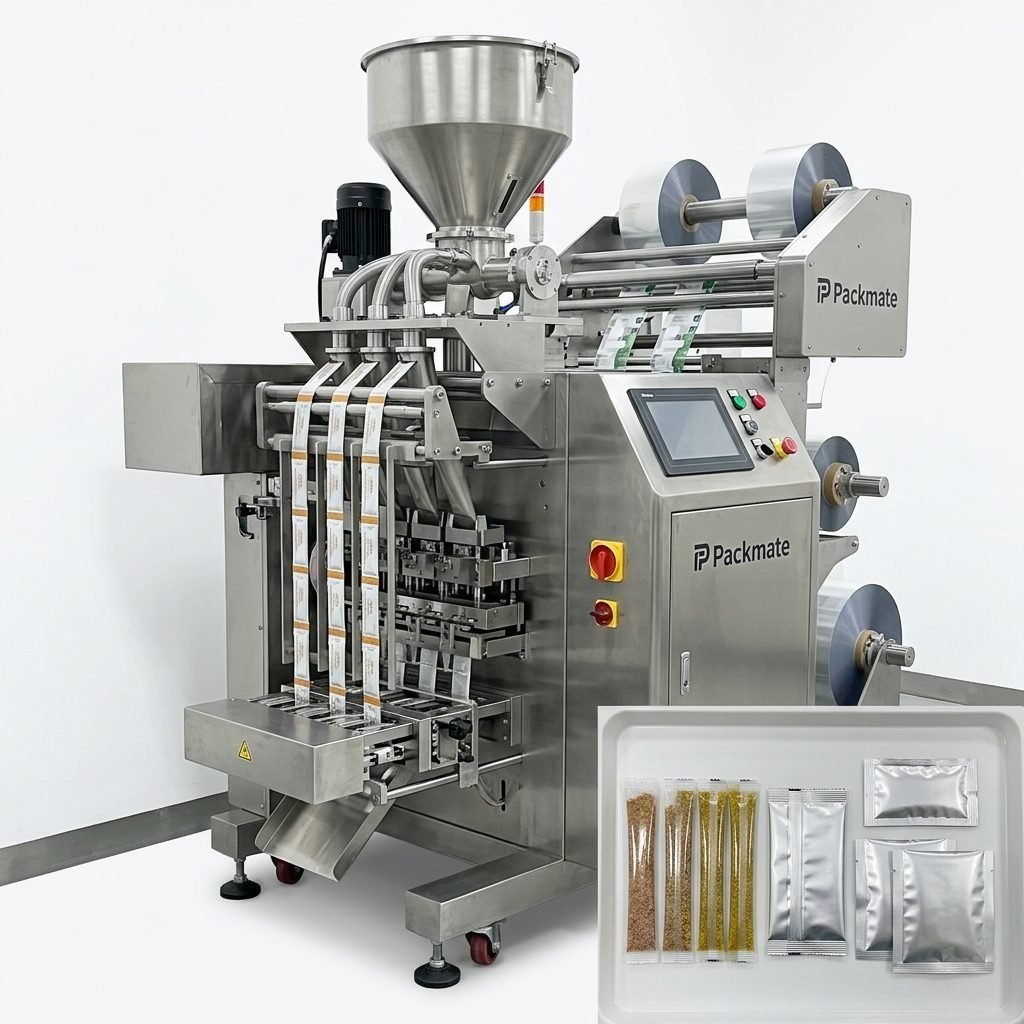
Choose a partner, not just a vendor. A manufacturer with deep experience in food packaging, like one offering sachet and stick pack machines for powders and granules, will understand the nuances of food-grade automation. Their experience can translate into better machine design and valuable application advice.
Integrating the right cupcake packaging machine streamlines your operation, ensures consistent quality, and enhances your brand’s professional image. It allows your team to focus on baking creativity while the machine handles the repetitive packaging tasks with precision. For businesses looking to scale, this automation is a key step toward increased profitability and market competitiveness.
Frequently Asked Questions (FAQs)
What is the average output speed of a fully automatic cupcake packaging machine?
Speeds vary by model and packaging type. Basic automatic tray sealers can handle 30-60 cycles per minute, while high-speed flow-wrappers or dedicated cupcake lines can package 200 to over 400 units per minute. Your required speed should be a primary specification when consulting with manufacturers.
Can one machine handle different sizes of cupcakes and muffins?
Many machines are designed with versatility in mind. Look for models with adjustable pocket sizes, changeable forming molds, and programmable settings. This allows for quick changeovers between different product sizes, from mini cupcakes to jumbo muffins, minimizing downtime.
How important is the machine’s construction material for food safety?
Extremely important. All surfaces that contact food or the packaging zone should be made of grade 304 or 316 stainless steel, which is non-corrosive, non-toxic, and easy to clean. This design is essential for meeting HACCP, FDA, or other local food safety standards.
What kind of maintenance does a cupcake packaging machine require?
Regular maintenance is key to longevity. Daily tasks include cleaning and sanitizing. Weekly or monthly maintenance might involve lubricating moving parts, checking seals and sensors, and inspecting wear parts like cutting blades or heating elements. Always follow the manufacturer’s maintenance schedule provided in the manual.
Where can I find a reliable supplier for such specialized machinery?
Seek established manufacturers with a proven track record in food packaging automation. Companies that offer complete turnkey solutions, from single machines to full production lines, and have a global service network, like Packmate Machinery, are often reliable partners. Attending industry exhibitions or reviewing detailed case studies on their websites can also provide valuable insights.