In the competitive landscape of product manufacturing, efficiency is the cornerstone of profitability and market success. Selecting the right packaging equipment is not merely an operational decision; it is a strategic investment that directly impacts production speed, product quality, and overall cost-effectiveness. This article delves into the top packaging equipment essential for achieving efficient product production, exploring key technologies and solutions that can transform your packaging line.
Understanding the Core of Efficient Packaging Lines
An efficient packaging line is a symphony of synchronized machines, each performing a specific task with precision and speed. The goal is to minimize downtime, reduce waste, and maximize output while maintaining consistent product quality. The foundation of such a system lies in choosing equipment that is reliable, adaptable, and technologically advanced.
Key Consideration: Before investing, assess your product type (granules, powders, liquids), required packaging format (sachets, stick packs, pouches), and desired production speed. A trusted manufacturer with comprehensive solutions can provide invaluable guidance during this phase.
1. Automated Weighing and Filling Systems
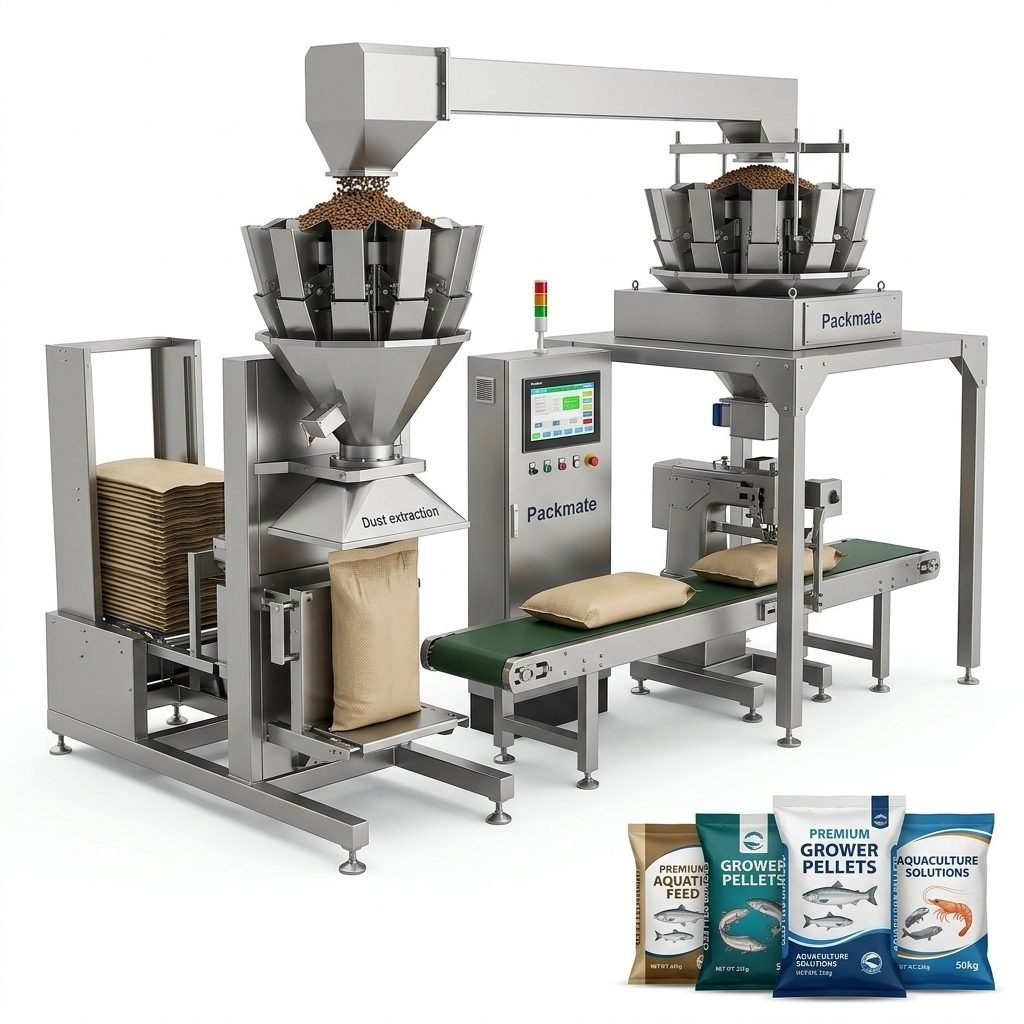
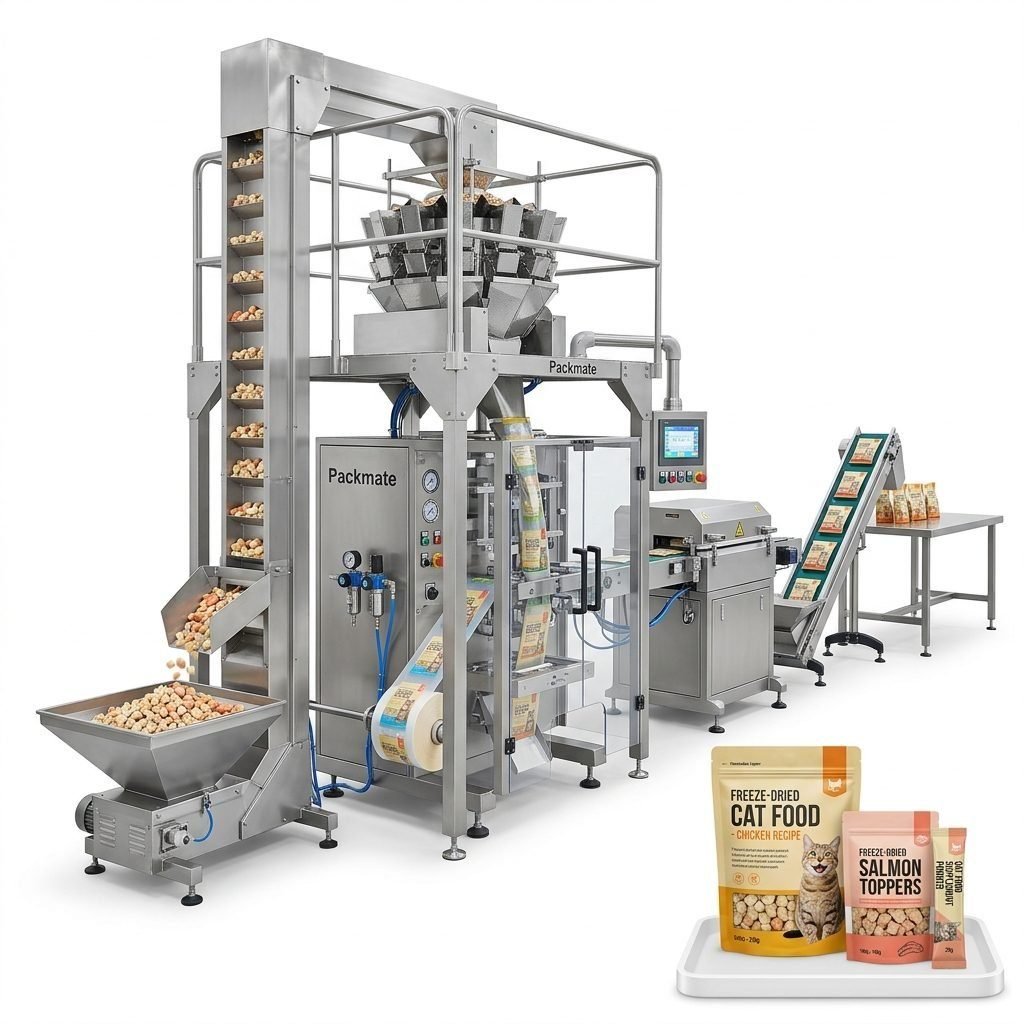
Accuracy is paramount, especially for products sold by weight or volume. Modern weighing and packaging systems utilize multi-head weighers and auger fillers to achieve precise dosing with minimal giveaway. These systems are crucial for food, pharmaceutical, and chemical industries where compliance and cost control are strict.
The integration of servo-driven technology allows for gentle handling of fragile products and consistent filling speeds, directly contributing to line efficiency by reducing product loss and rework.
2. High-Speed Form-Fill-Seal (FFS) Machines
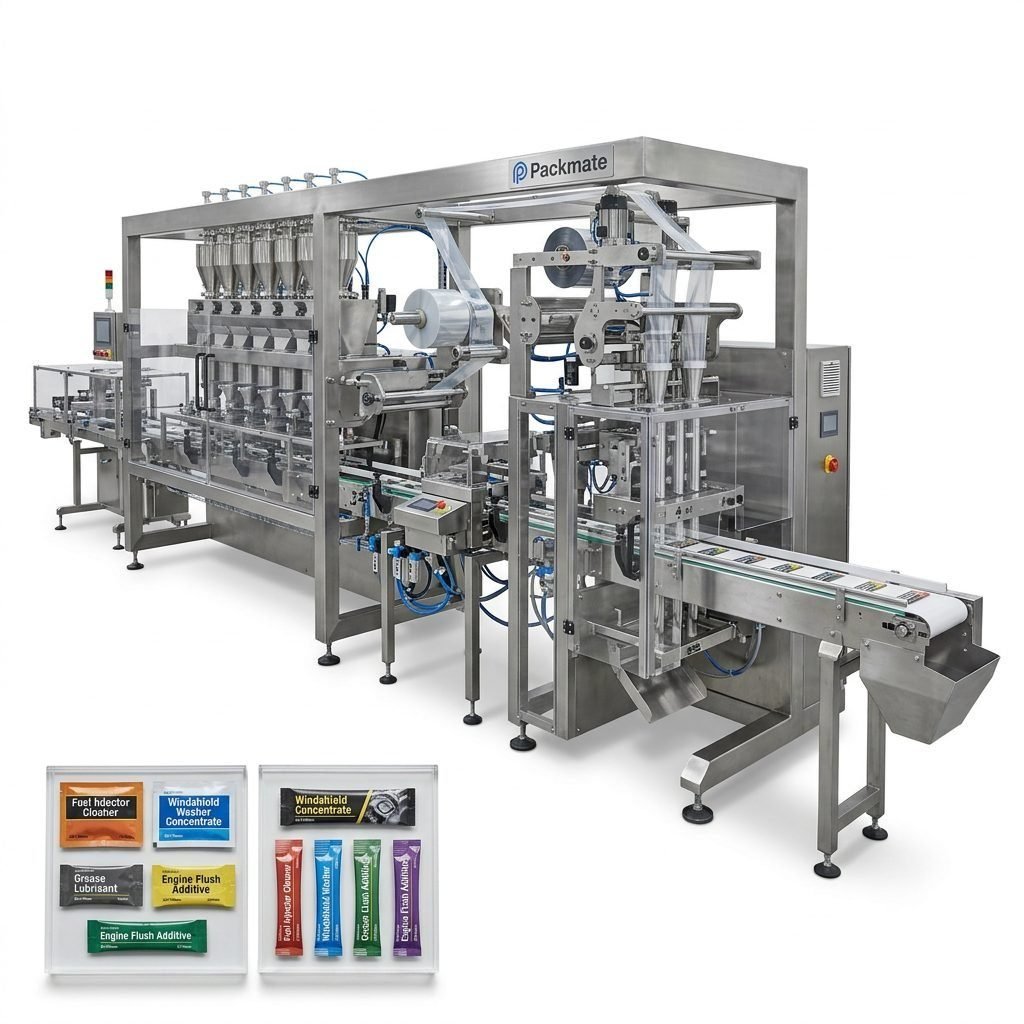
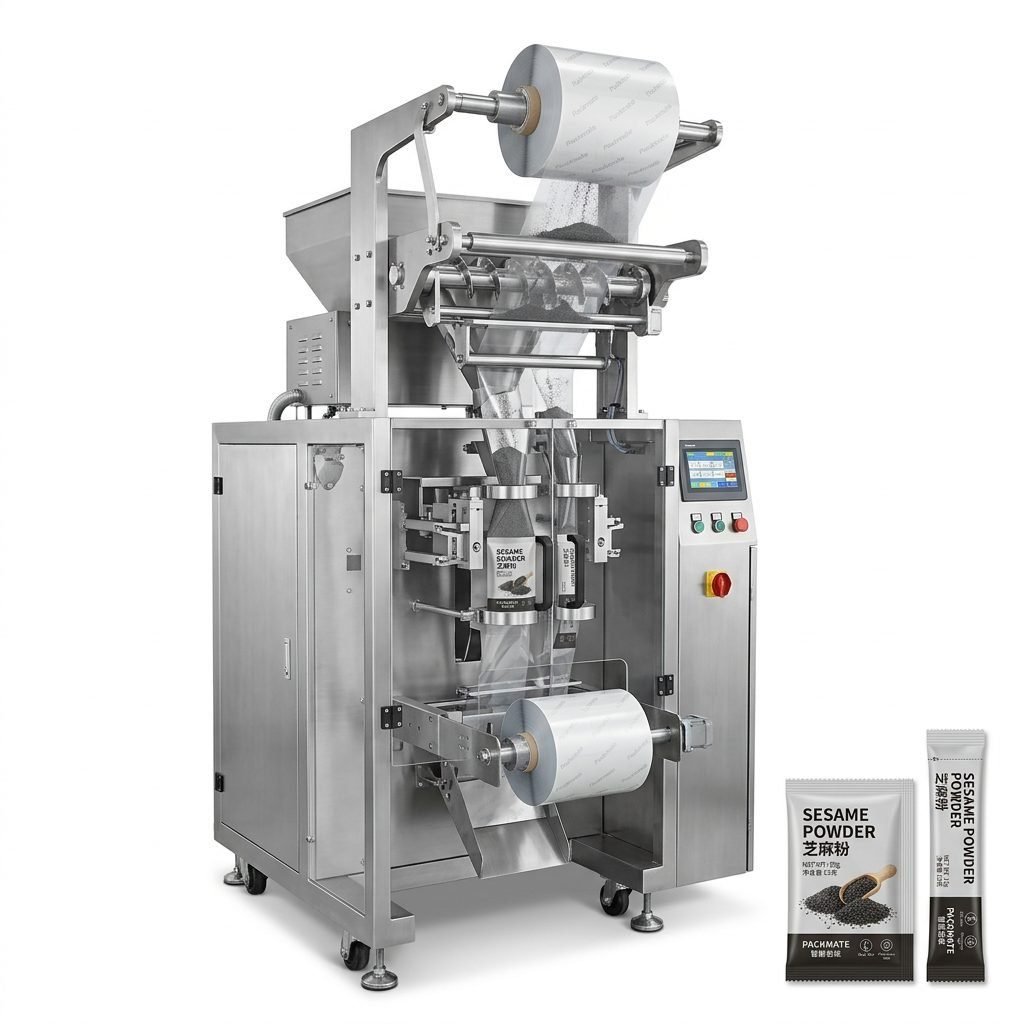
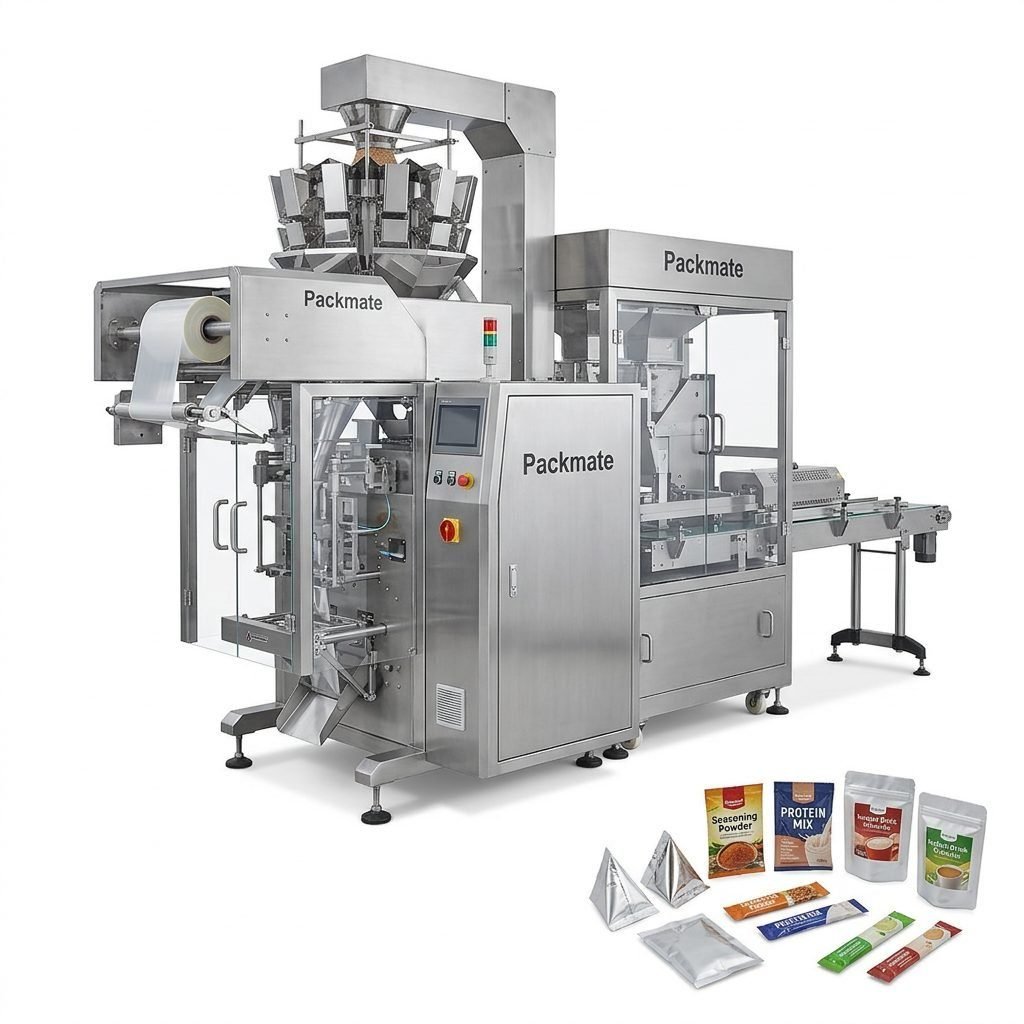
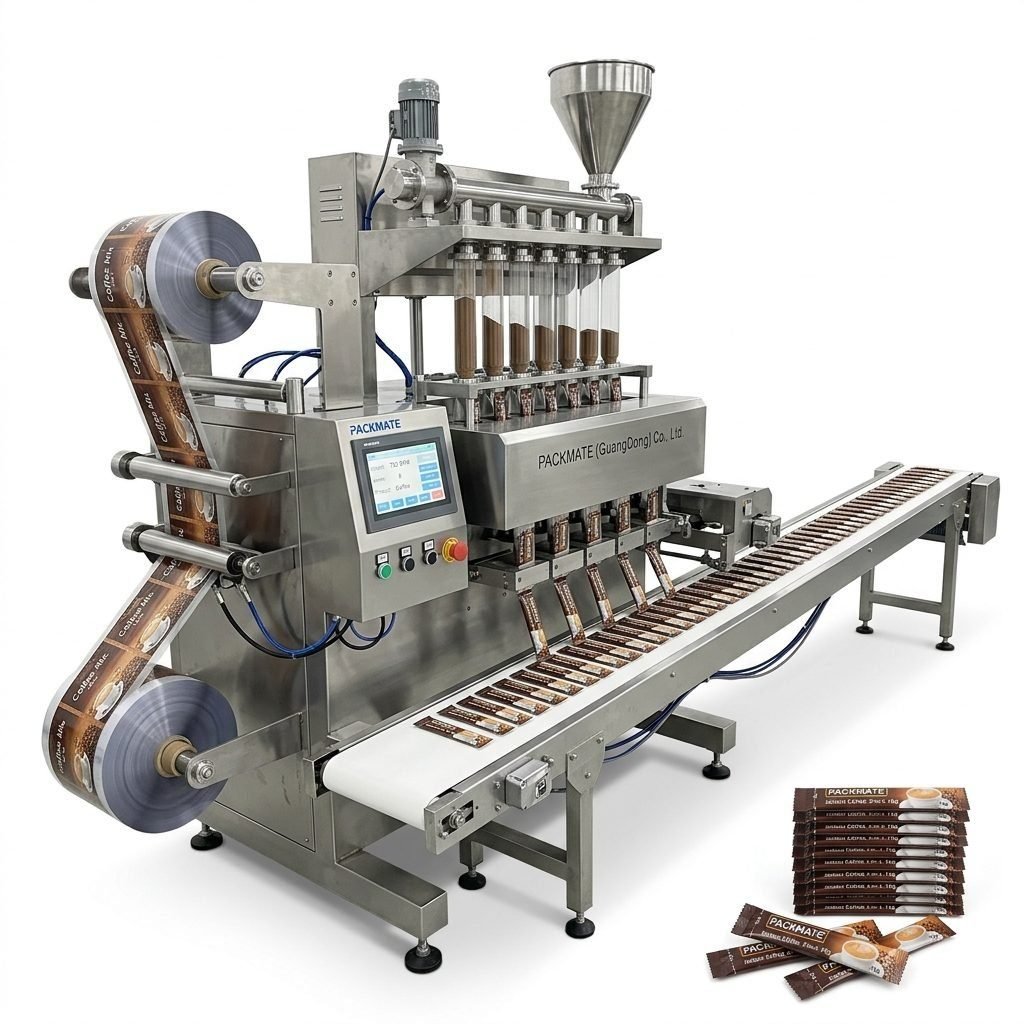
The heart of many packaging operations is the Form-Fill-Seal machine. These versatile units form packaging from a roll of film, fill it with product, and seal it—all in one continuous, automated process. For high-volume production of items like snacks, powders, or single-serve condiments, a multi-lane FFS machine is indispensable.
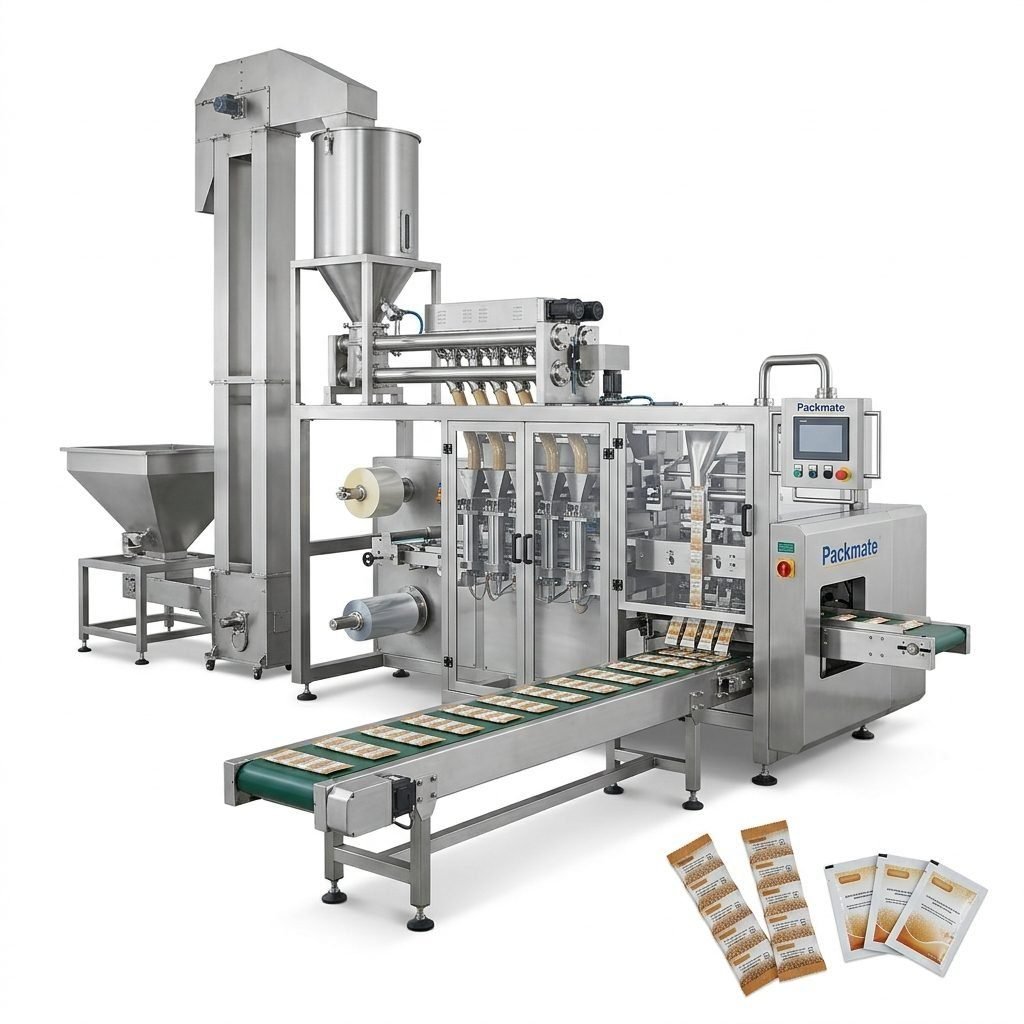
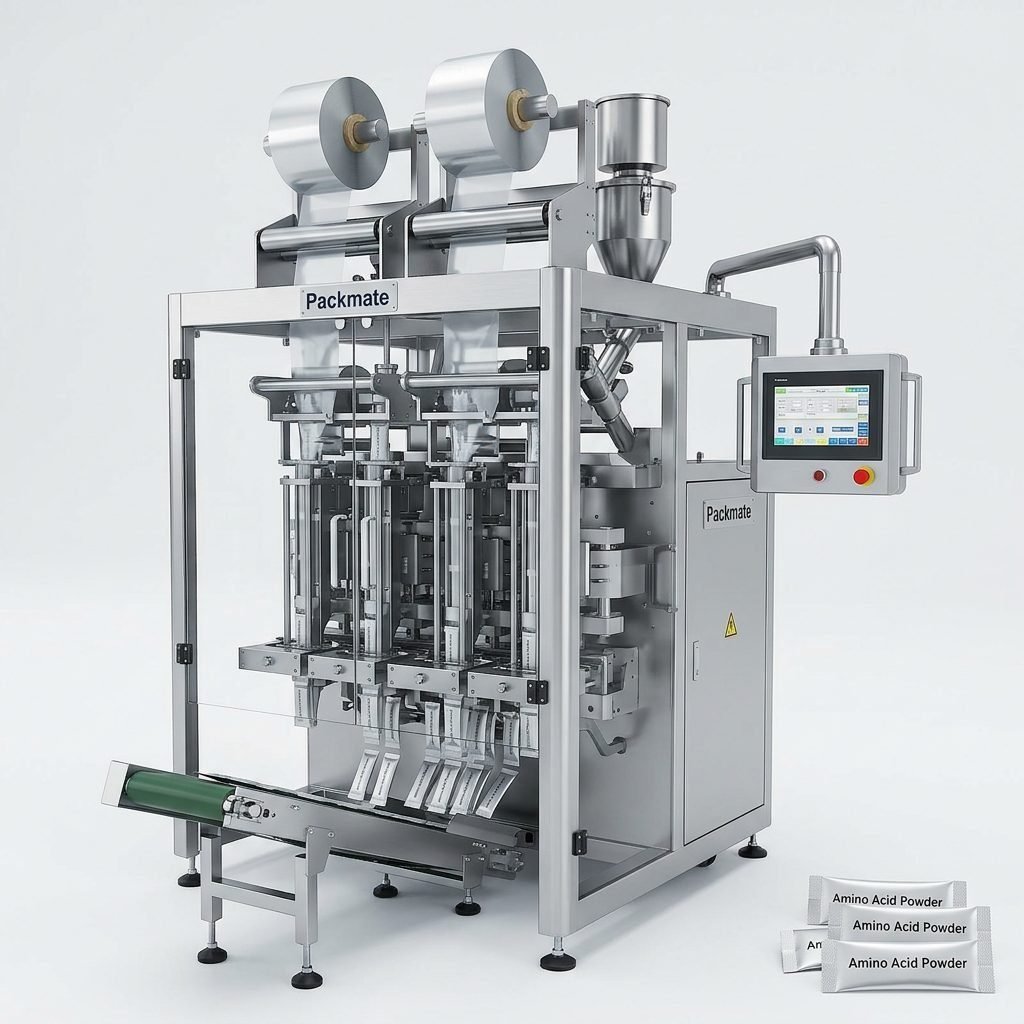
For instance, sachet and stick pack machines represent a specialized category of FFS equipment designed for efficiency in packaging small portions. Their ability to run multiple lanes simultaneously dramatically increases output while maintaining a compact footprint.
Benefits of Advanced FFS Technology:
• Speed & Output: Capable of producing hundreds of packs per minute per lane.
• Flexibility: Quick changeovers between different pack sizes and materials reduce downtime.
• Reduced Waste: Precise film feeding and sealing minimize material usage.
3. Integrated Bag and Pouch Packaging Solutions
For larger formats or more complex packaging like stand-up pouches, flat-bottom bags, or vacuum packs, dedicated bag and pouch packaging machines are required. Efficiency here is achieved through automation of bag feeding, opening, filling, and sealing stages.
An efficient line might combine an automatic bag feeder with a high-accuracy weigh filler and a high-speed sealing station. The synergy between these dedicated units eliminates manual handling bottlenecks, ensuring a smooth, continuous flow from product to ready-to-ship package.
4. End-of-Line and Auxiliary Equipment
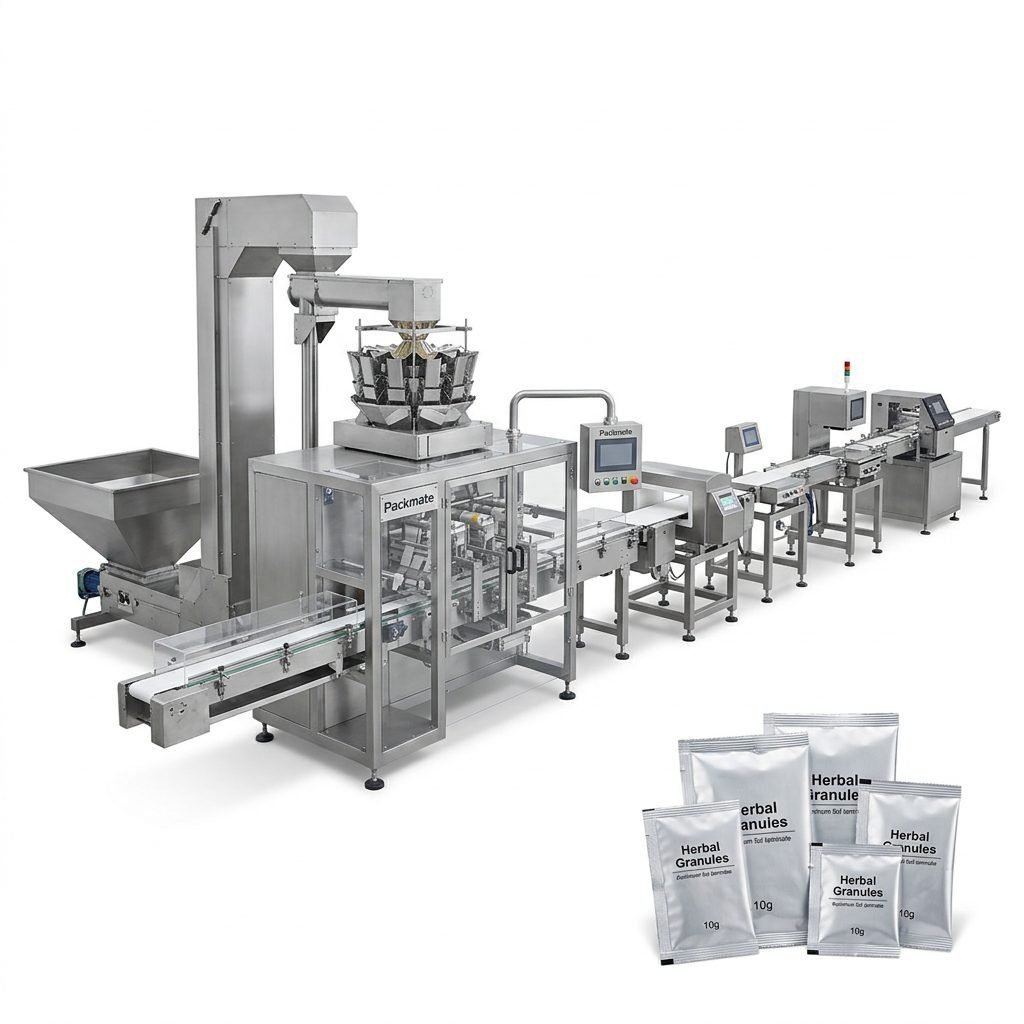
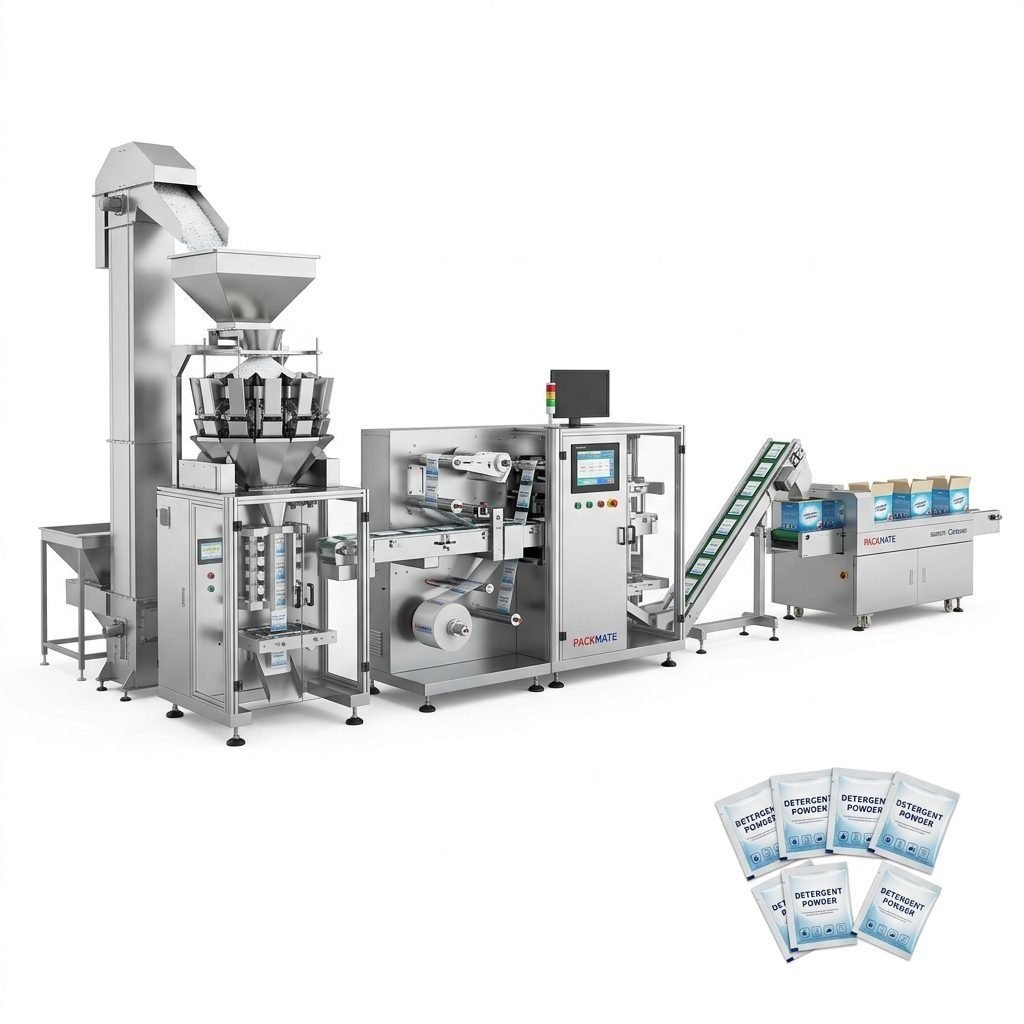
True efficiency extends beyond primary packaging. Equipment like automatic cartoners, case packers, and palletizers complete the automation cycle. While not always the first consideration, they are critical for achieving a fully streamlined, turnkey packaging line that minimizes labor and maximizes throughput from start to finish.
Auxiliary equipment, such as checkweighers, metal detectors, and vision inspection systems, play a vital role in quality assurance. By automatically rejecting non-conforming products, they prevent costly recalls and protect brand reputation, contributing to long-term operational efficiency.
The Role of Innovation and Reliability
Efficiency is sustained by equipment reliability and innovative design. Machines built with robust components and intelligent control systems experience less unplanned downtime. Features like touch-screen HMIs for easy operation, remote monitoring capabilities, and self-diagnostic alerts help maintain peak performance.
Proven Expertise Matters: Choosing a partner with a long track record, like Packmate Machinery with over 30 years of experience, ensures access to equipment refined through real-world application. Their evolution from a small workshop to a manufacturer with a 20,000㎡ modern facility underscores a commitment to delivering durable and efficient solutions.
Conclusion: Building Your Efficient Production Future
Investing in top-tier packaging equipment is the definitive step toward building a highly efficient product production system. By focusing on precision filling, high-speed forming and sealing, complete line integration, and the underlying reliability of the machinery, manufacturers can achieve significant gains in productivity, cost savings, and product consistency. The journey toward optimal efficiency is continuous, driven by technological advancement and partnership with experienced equipment providers.
Frequently Asked Questions (FAQs)
1. What is the most important factor when choosing packaging equipment for efficiency?
The most critical factor is matching the machine’s capabilities to your specific product and output requirements. A machine that is under-powered will be a bottleneck, while an overly complex one may lead to high maintenance and changeover times. A detailed production analysis is essential.
2. How can I improve the efficiency of my existing packaging line?
Conduct a line audit to identify bottlenecks. Often, integrating auxiliary equipment like automated feeders or upgrading key components (e.g., to servo-driven fillers) can yield significant speed and reliability improvements without replacing the entire line.
3. Are multi-lane stick pack machines suitable for small-batch production?
While designed for high volume, modern multi-lane machines often feature quick-change tooling and recipe storage, making them surprisingly adaptable for smaller batches of different products. Their efficiency gain comes from running multiple lanes for a single product at high speed.
4. What kind of after-sales support is crucial for maintaining long-term efficiency?
Comprehensive support is vital. Look for providers offering detailed training, readily available spare parts, and responsive technical service. This minimizes downtime when maintenance is required, ensuring your equipment’s lifecycle efficiency.
5. How does equipment innovation contribute to sustainable efficiency?
Newer machines are designed to be more energy-efficient and generate less waste through precise material usage. Furthermore, their reliability and smarter controls reduce the carbon footprint associated with downtime, repairs, and product waste.