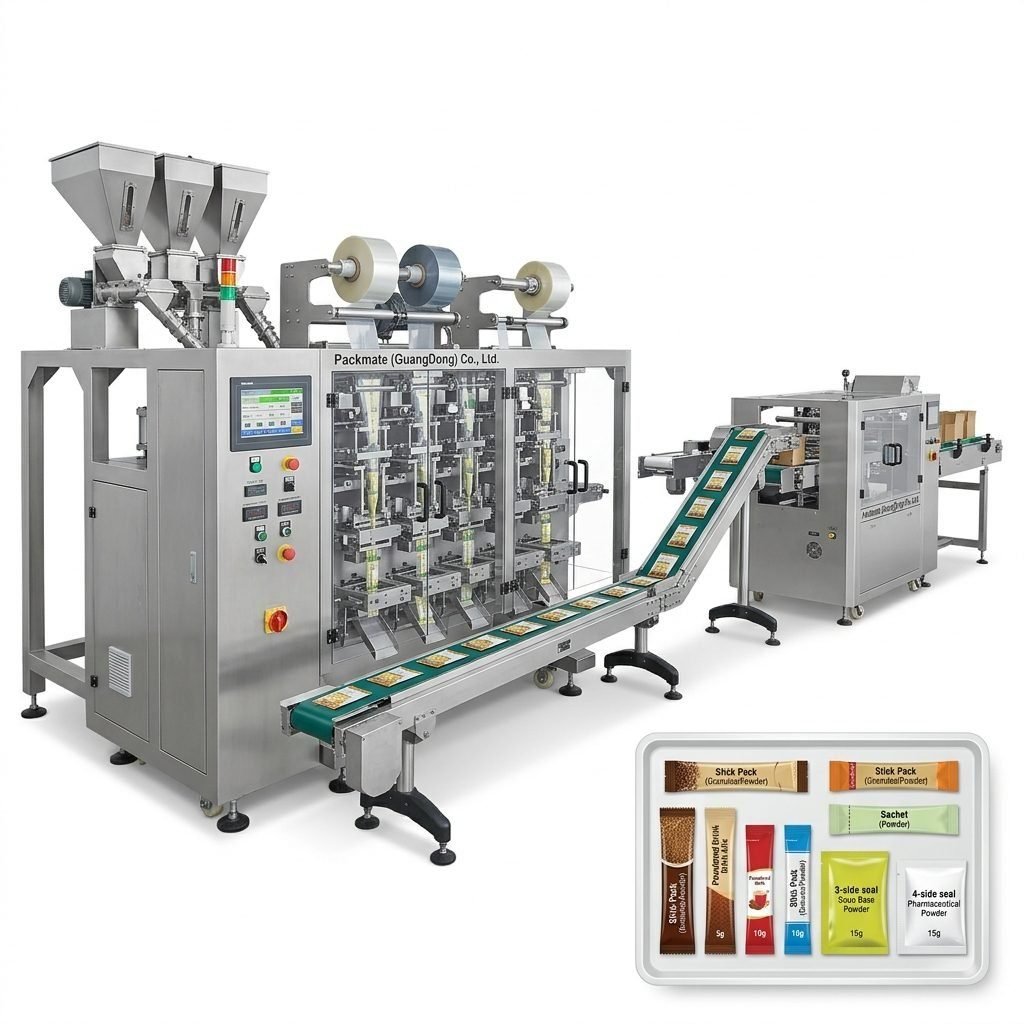
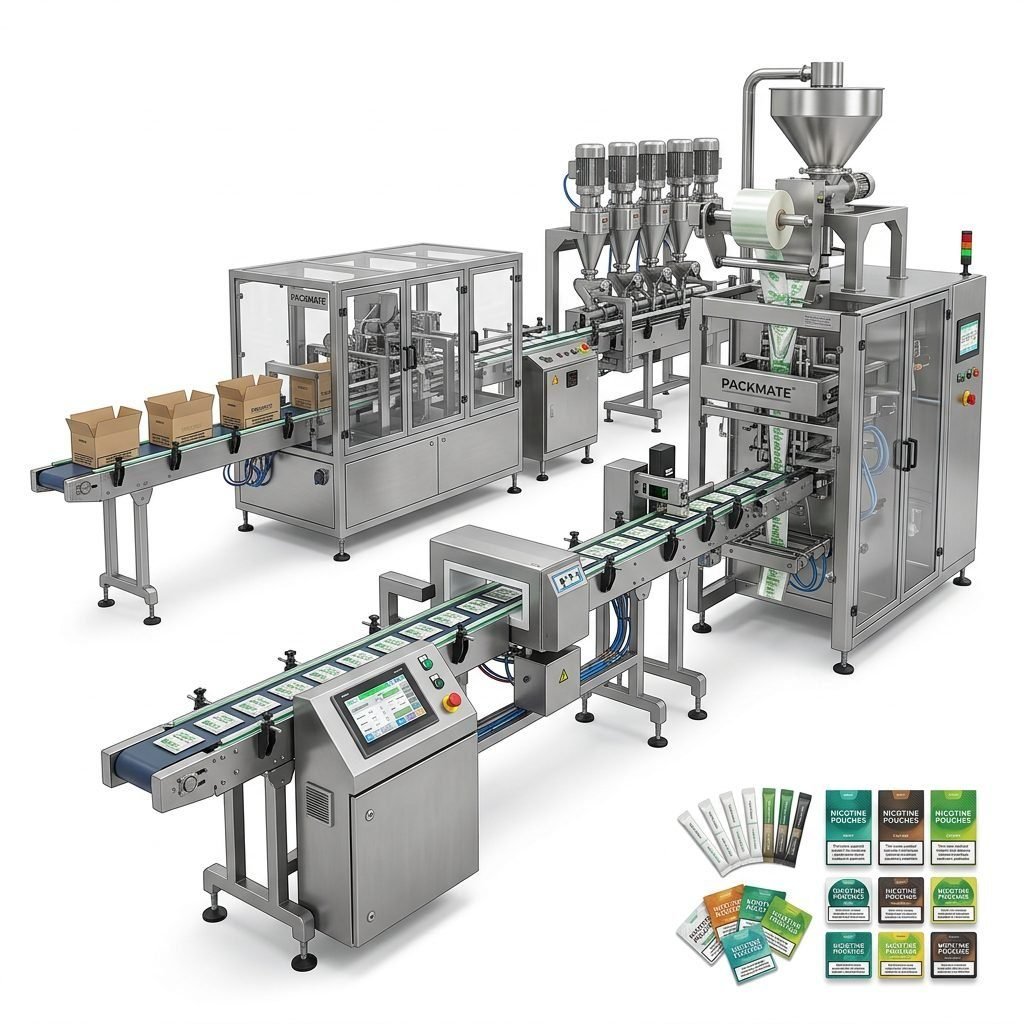
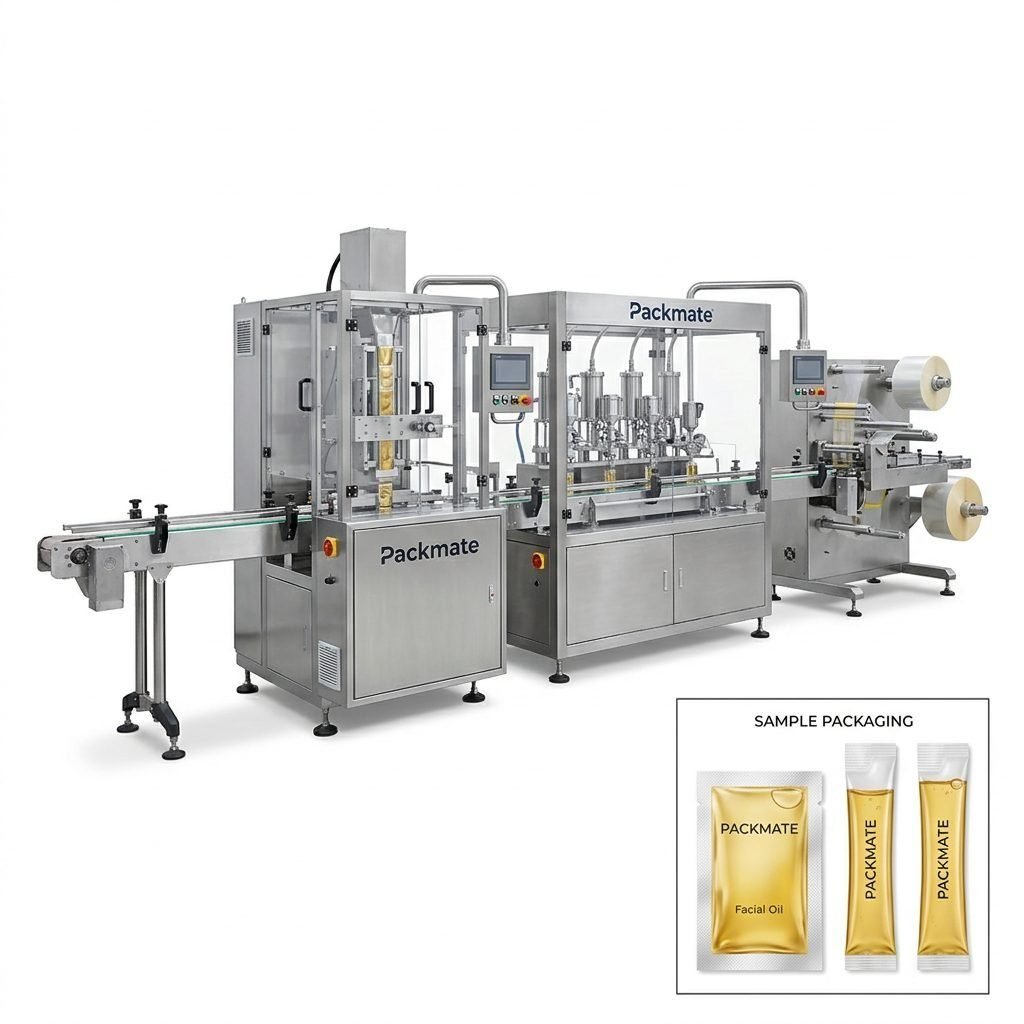
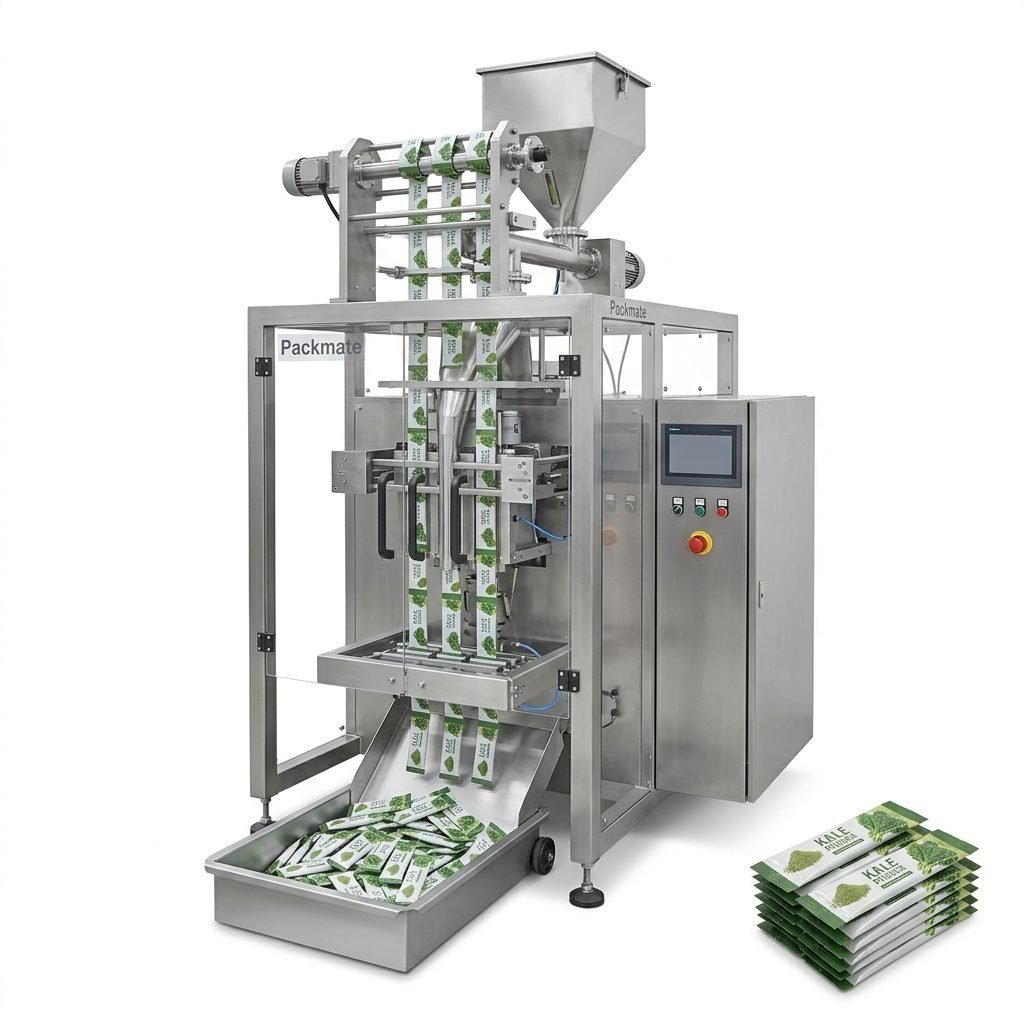
In the dynamic world of modern manufacturing, efficiency and precision are paramount. For industries handling granules, powders, and liquids—from food and pharmaceuticals to health supplements—the right packaging machinery is not just an asset; it’s a critical component of success. At the heart of many advanced packaging lines lies spout packaging machinery, a specialized technology designed for accuracy, speed, and product integrity. This essential guide explores the top solutions in spout packaging, highlighting key features, benefits, and how they integrate into contemporary production environments to drive operational excellence.
Understanding Spout Packaging Machinery
Spout packaging machinery automates the process of filling and sealing containers with a built-in spout, commonly used for liquids, viscous products, or powders that require controlled dispensing. These systems are engineered to handle various container types, from pouches and bags to rigid bottles, ensuring a hermetic seal that preserves product freshness and prevents leaks. The machinery typically integrates several functions: container feeding, spout insertion, precise filling, and final sealing—all performed with high-speed automation to maximize throughput.
Key Insight: Modern spout packaging solutions emphasize versatility, allowing manufacturers to switch between different product types and container sizes with minimal downtime. This adaptability is crucial for businesses responding to market trends and consumer demands.
Core Components and Technological Advancements
The effectiveness of spout packaging machinery hinges on its core components. Advanced models feature servo-driven systems for precise motion control, ensuring accurate filling levels and consistent seal quality. Integrated vision inspection systems can detect defects in real-time, such as misaligned spouts or incomplete seals, automatically rejecting faulty packages to maintain high-quality standards. Additionally, touch-screen HMIs (Human-Machine Interfaces) provide intuitive operation, allowing operators to monitor performance, adjust parameters, and access production data with ease.
Another significant advancement is the integration of IoT (Internet of Things) capabilities. Smart machinery can connect to factory networks, enabling remote monitoring, predictive maintenance alerts, and data analytics for optimizing production efficiency. This connectivity supports Industry 4.0 initiatives, helping manufacturers build smarter, more responsive packaging lines.
Benefits for Modern Production Lines
Investing in top-tier spout packaging machinery delivers tangible benefits across operations. First, it enhances productivity by automating repetitive tasks, reducing labor costs, and increasing output rates—some high-speed systems can handle hundreds of packages per minute. Second, it improves accuracy and consistency, minimizing product waste and ensuring each package meets exact specifications, which is vital for compliance in regulated industries like pharmaceuticals.
Moreover, these machines support sustainability goals by optimizing material usage, reducing overfilling, and enabling the use of eco-friendly packaging materials. They also enhance brand reputation by delivering reliable, leak-proof packaging that protects product quality during transit and storage, ultimately boosting customer satisfaction.
Selecting the Right Spout Packaging Solution
Choosing the appropriate machinery requires careful consideration of several factors. Manufacturers must assess their specific needs, including product characteristics (e.g., viscosity, sensitivity), required output speed, container types, and integration with existing production lines. It’s also essential to evaluate the machine’s flexibility for future product launches or packaging changes.
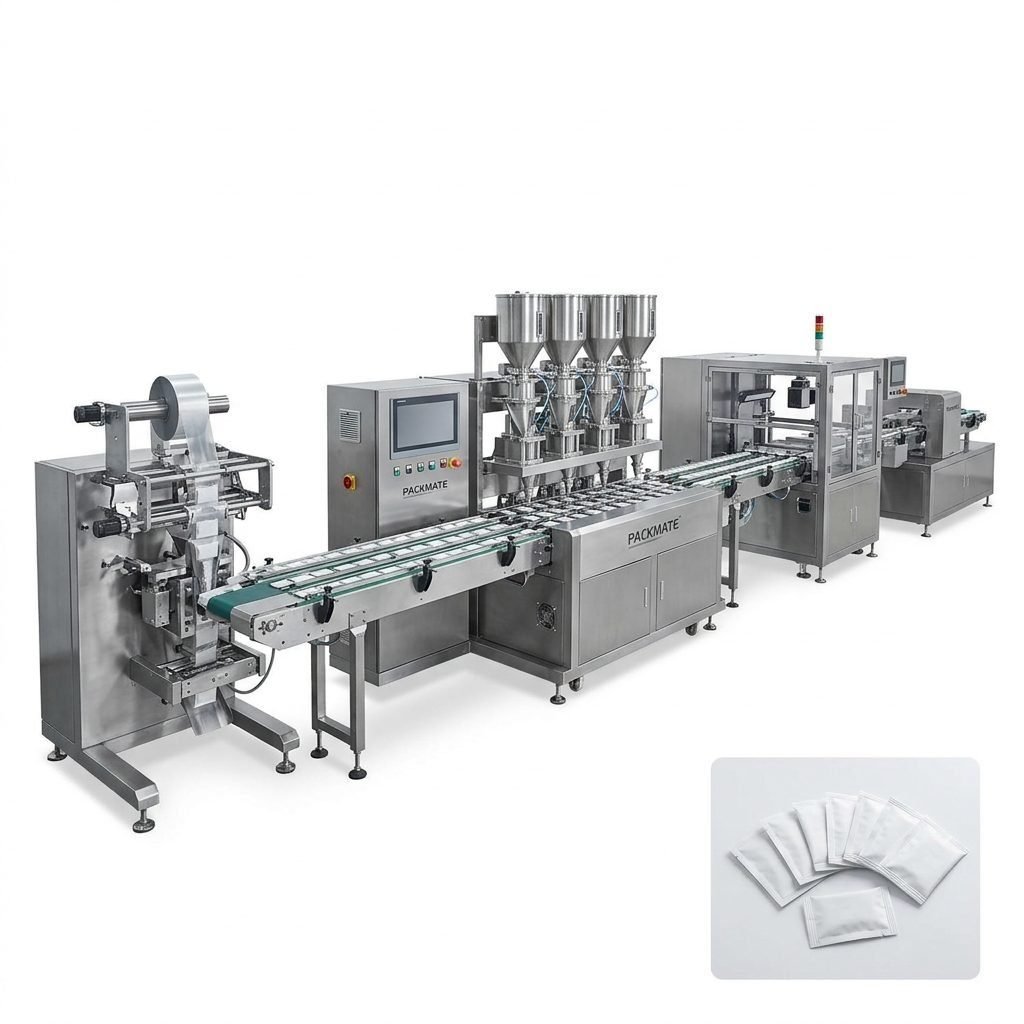
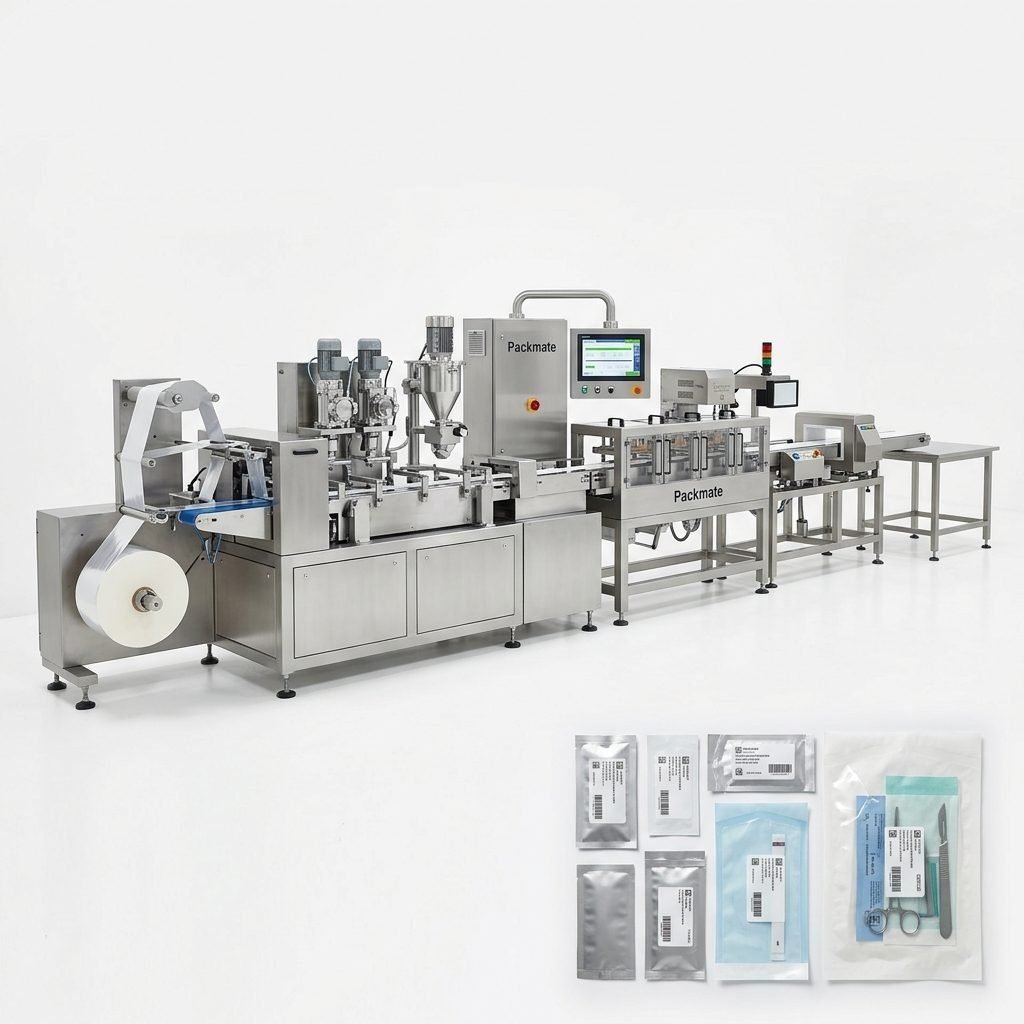
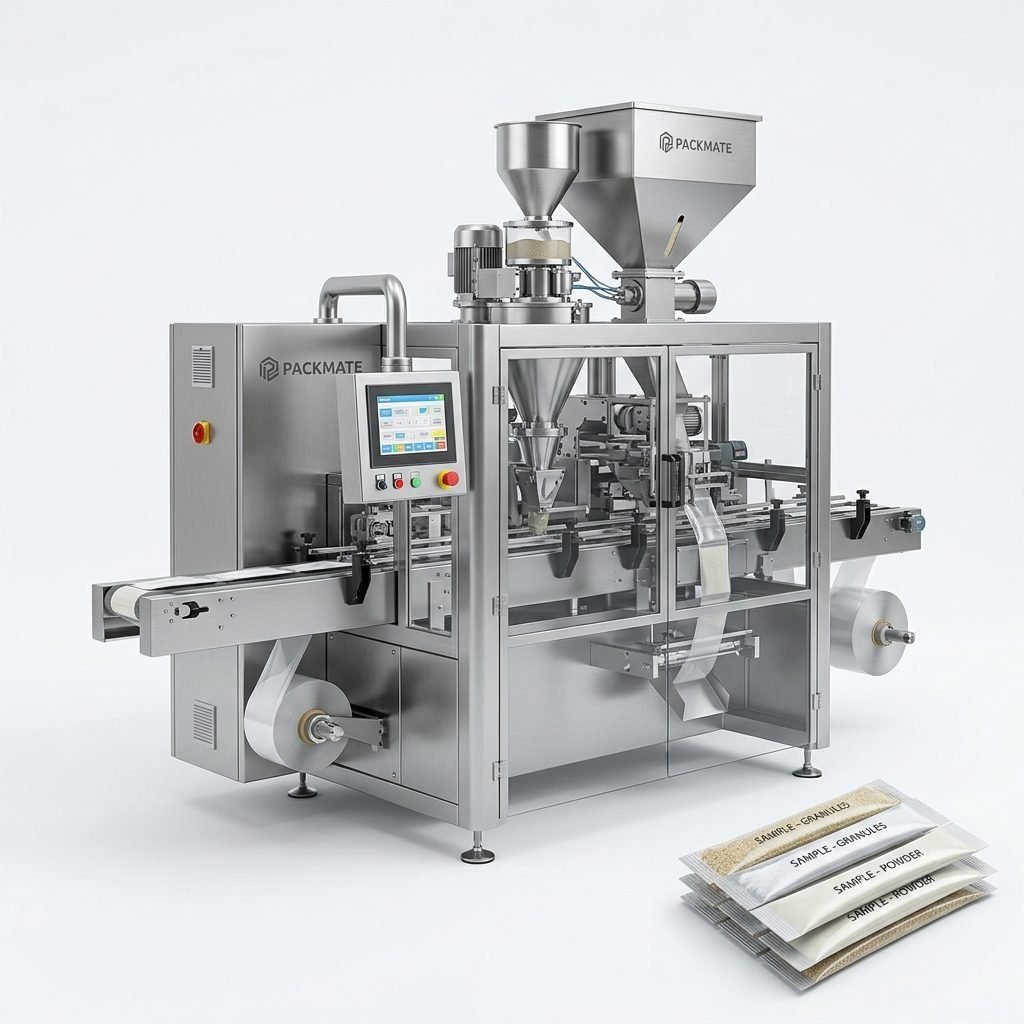
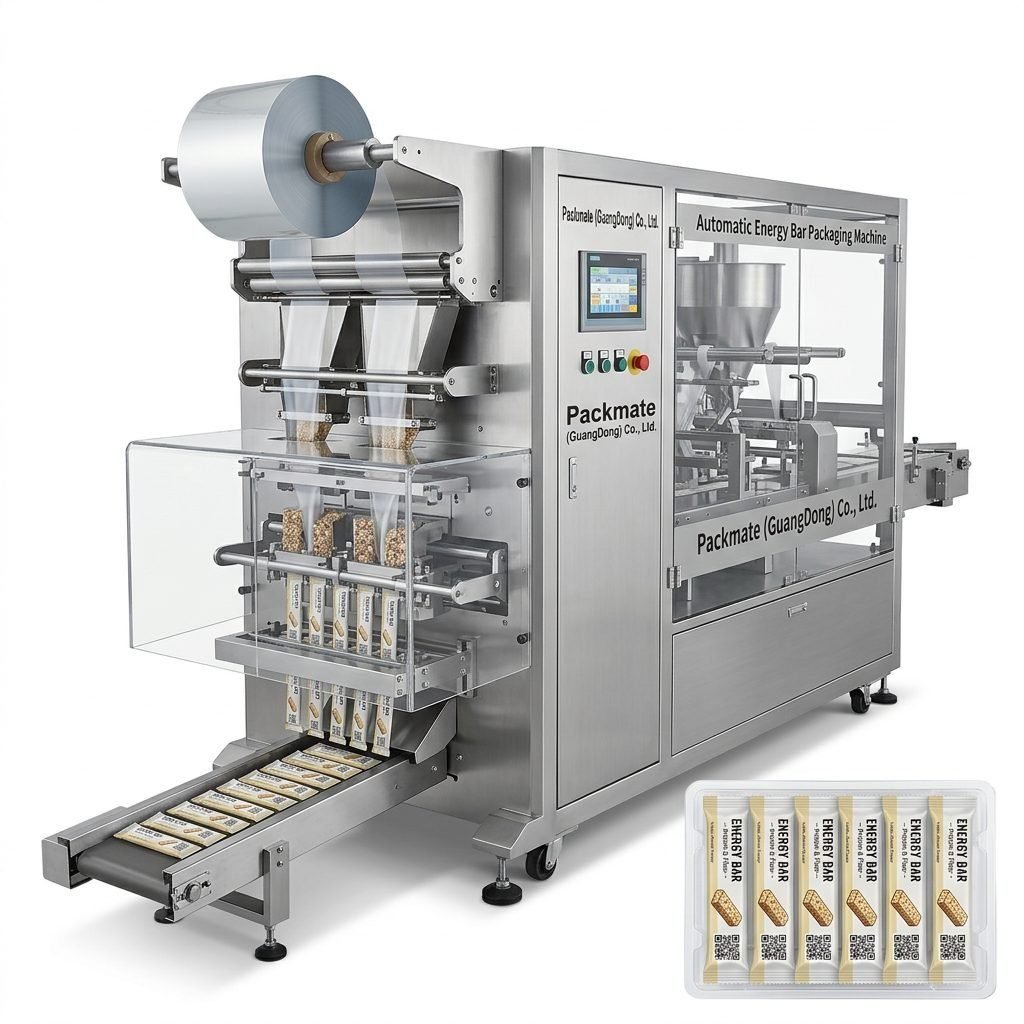
Partnering with an experienced manufacturer can streamline this process. For instance, Packmate Machinery, with over 30 years of expertise, offers a range of intelligent packaging equipment designed for reliability and innovation. Their solutions cater to diverse industries, providing turnkey systems that enhance operational efficiency. Exploring their filling and packaging lines can reveal tailored options for spout applications.
Pro Tip: When selecting machinery, prioritize suppliers with strong after-sales support, including training, maintenance services, and readily available spare parts. This ensures long-term reliability and minimizes production disruptions.
Integration and Customization Options
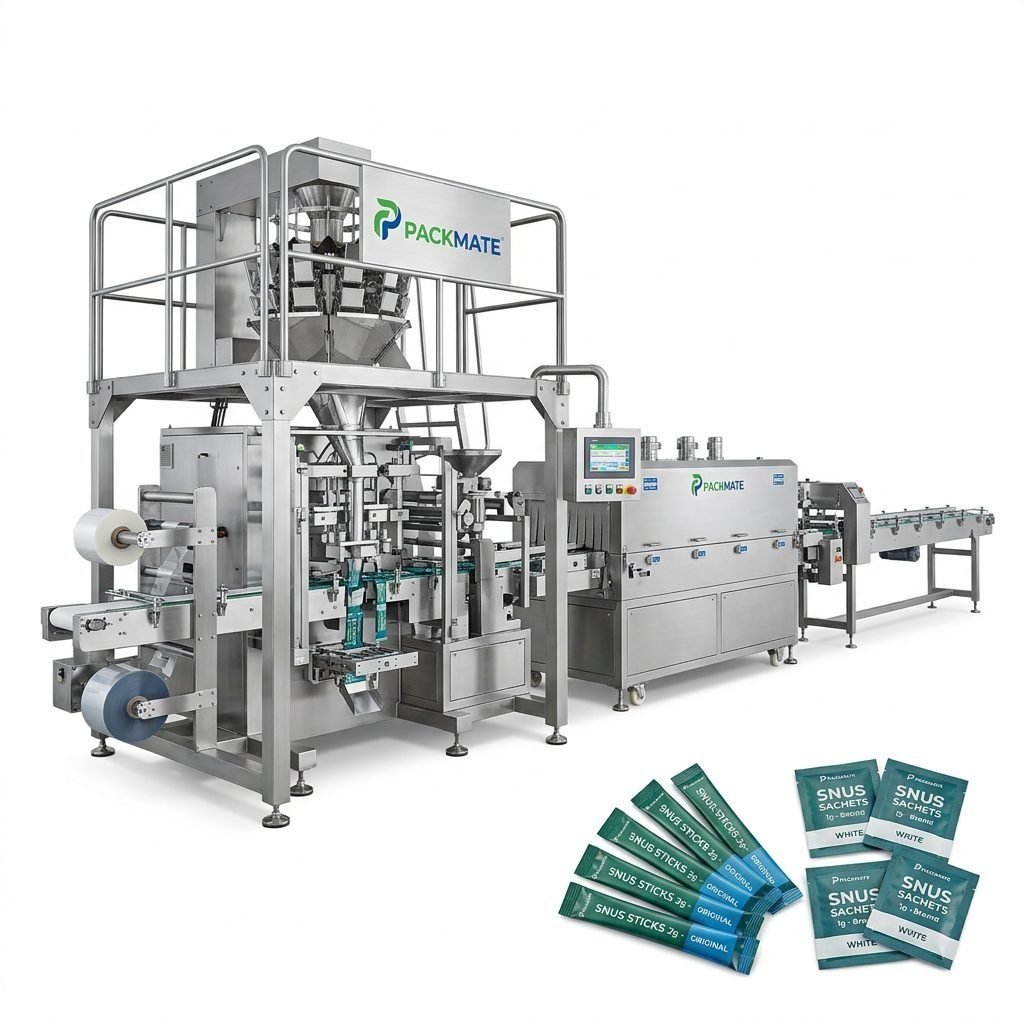
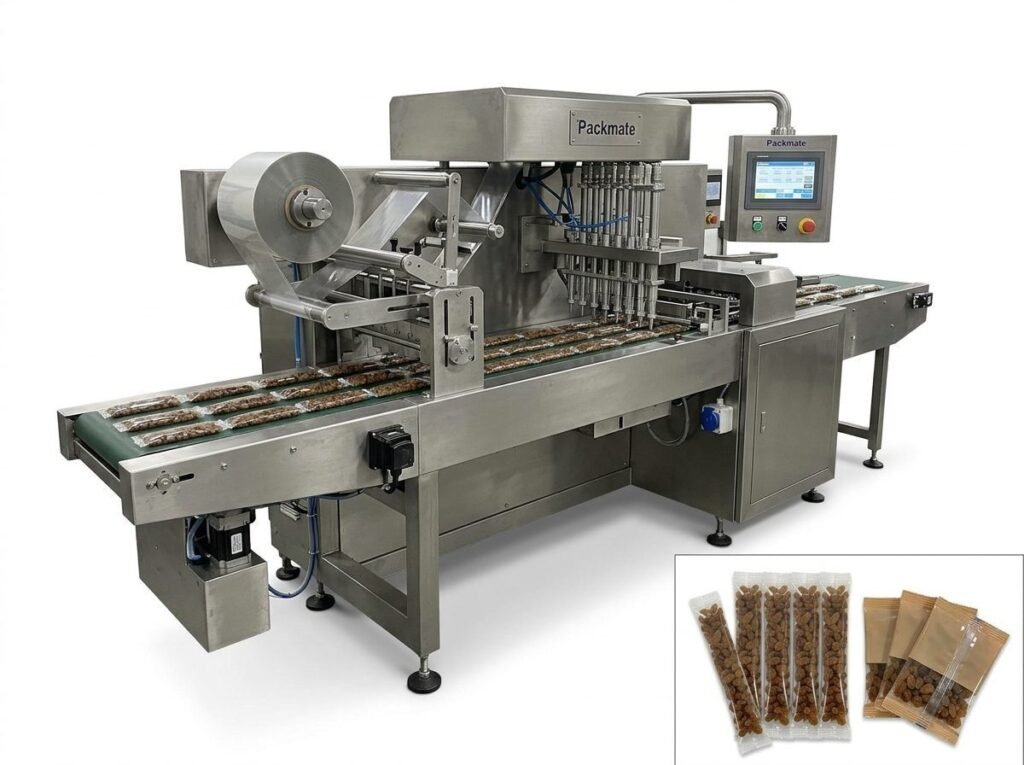
Modern spout packaging machinery is rarely a standalone unit; it’s often part of a comprehensive packaging line. Integration with upstream processes (e.g., mixing, conveying) and downstream systems (e.g., labeling, cartoning) is crucial for seamless workflow. Many manufacturers, like Packmate, provide customized solutions that align with specific production layouts and requirements. Their portfolio includes sachet and stick pack machines that can be adapted for spout applications, demonstrating versatility in packaging design.
Customization may involve modifying filling nozzles for different viscosities, adding anti-drip mechanisms, or incorporating gas flushing for oxygen-sensitive products. By working closely with equipment providers, businesses can develop systems that address unique challenges, such as handling abrasive powders or maintaining sterile conditions in pharmaceutical settings.
The Role of Innovation and Industry Expertise
The evolution of spout packaging machinery is driven by continuous innovation and deep industry knowledge. Leading manufacturers invest in R&D to incorporate cutting-edge technologies, such as AI-driven quality control or energy-efficient drives, that enhance performance and reduce environmental impact. This commitment to advancement is evident in companies with a long-standing presence in the market.
Packmate Machinery, for example, began its journey in 2003 and has since developed over 50 machine models, supported by a 20,000㎡ manufacturing facility. Their focus on quality and collaboration has enabled them to serve global clients with reliable solutions. Learning more about their company profile highlights how expertise translates into practical, innovative packaging systems that meet modern demands.
Future Trends in Spout Packaging
Looking ahead, spout packaging machinery is poised to embrace several trends. Sustainability will remain a key driver, with machines designed to handle biodegradable or recyclable materials and minimize energy consumption. Automation will deepen, with more collaborative robots (cobots) assisting in tasks like loading spouts or inspecting seals. Additionally, digitalization will expand, offering real-time analytics dashboards that provide insights into production efficiency, predictive maintenance needs, and supply chain integration.
As consumer preferences shift toward convenience and premium experiences, spout packaging will continue to evolve, offering features like resealable closures, portion control, and enhanced tamper-evidence. Manufacturers who adopt agile, technology-forward machinery will be best positioned to capitalize on these trends and stay competitive.
Conclusion: Empowering Modern Packaging with Precision
Spout packaging machinery represents a critical investment for industries seeking efficiency, accuracy, and scalability. By understanding the technology’s components, benefits, and selection criteria, businesses can implement solutions that streamline operations, reduce waste, and enhance product quality. With advancements in automation, IoT, and customization, these machines are integral to modern production lines, supporting both current needs and future growth. Partnering with experienced providers ensures access to reliable, innovative equipment that drives long-term success in a fast-paced market.
Frequently Asked Questions (FAQs)
What industries commonly use spout packaging machinery?
Spout packaging machinery is widely used in the food, beverage, pharmaceutical, health supplement, and chemical industries. It’s ideal for packaging liquids (like sauces, oils, and beverages), viscous products (such as lotions or gels), and powders (including detergents or nutritional supplements) that require controlled dispensing and leak-proof seals.
How do I maintain spout packaging machinery for optimal performance?
Regular maintenance includes cleaning components to prevent product buildup, lubricating moving parts as per the manufacturer’s guidelines, and inspecting seals and sensors for wear. It’s also advisable to schedule periodic professional servicing and use genuine spare parts. Many suppliers, like Packmate Machinery, offer comprehensive service and support to ensure machinery longevity.
Can spout packaging machines handle different container sizes and materials?
Yes, most modern machines are designed for flexibility. They can often be adjusted or equipped with change parts to accommodate various container sizes (from small pouches to large bottles) and materials (such as plastic, foil, or biodegradable films). Customization options are available to meet specific production requirements.
What is the typical output speed of these machines?
Output speeds vary based on the machine model and application. Entry-level systems may handle 30-60 packages per minute, while high-speed, multi-lane systems can exceed 200 packages per minute. The exact speed depends on factors like product type, filling accuracy, and container complexity.
How does spout packaging contribute to sustainability?
These machines support sustainability by optimizing material usage through precise filling, reducing product waste from overfilling or leaks, and enabling the use of eco-friendly packaging materials. Advanced models may also feature energy-efficient drives and systems that minimize power consumption, aligning with green manufacturing initiatives.