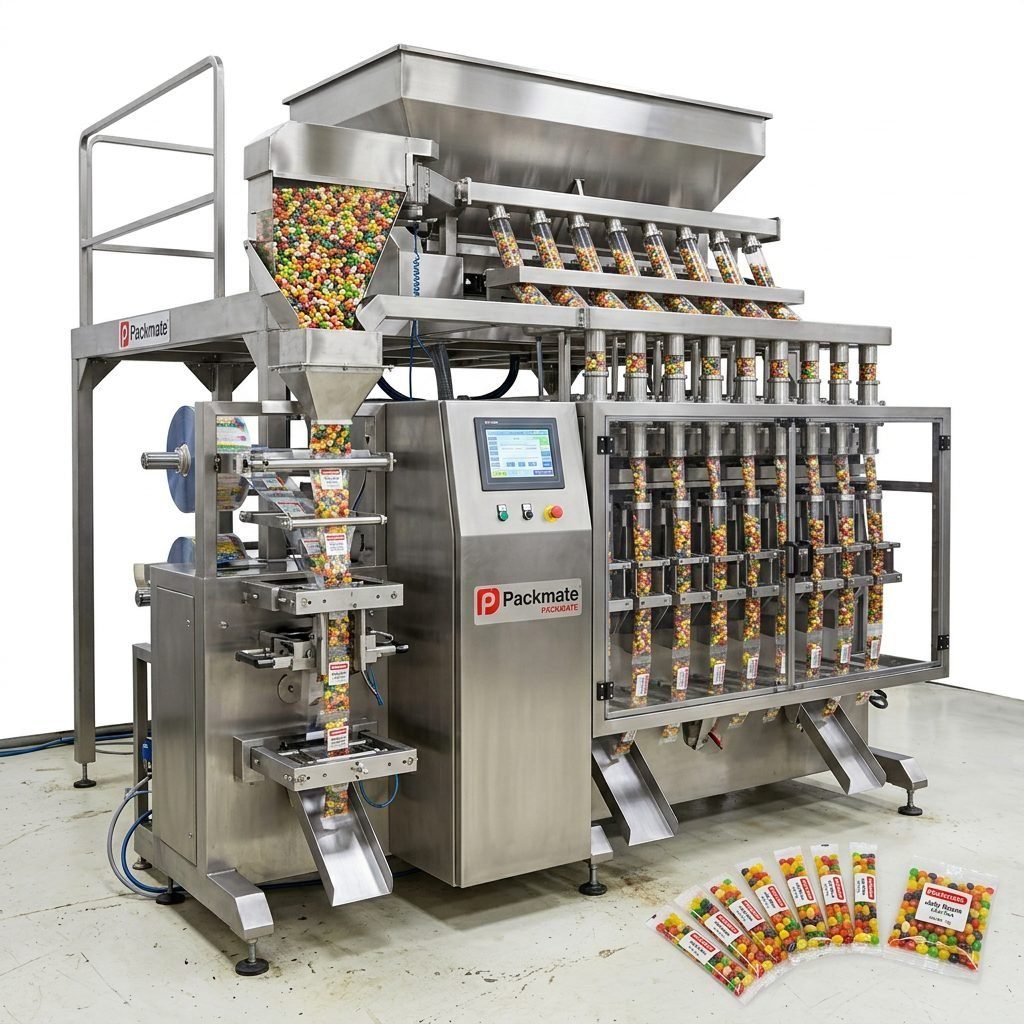
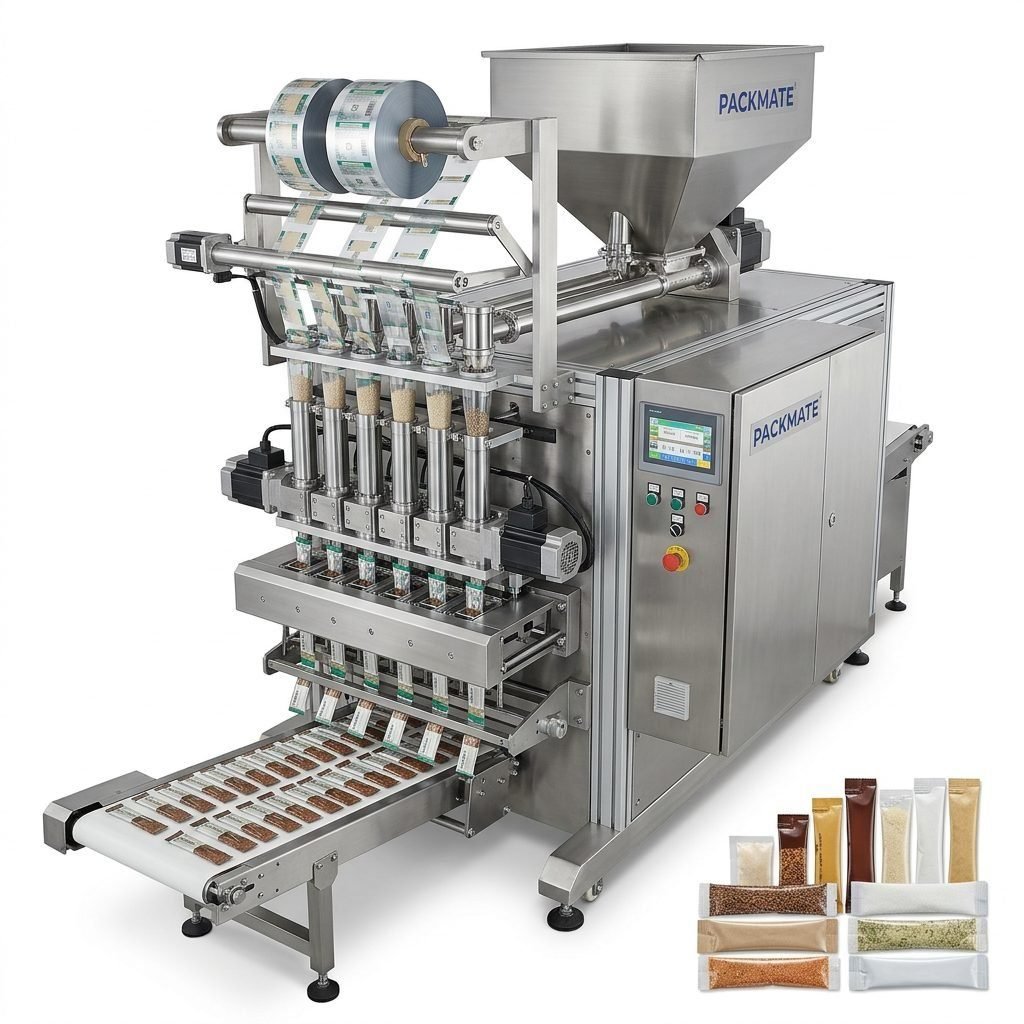
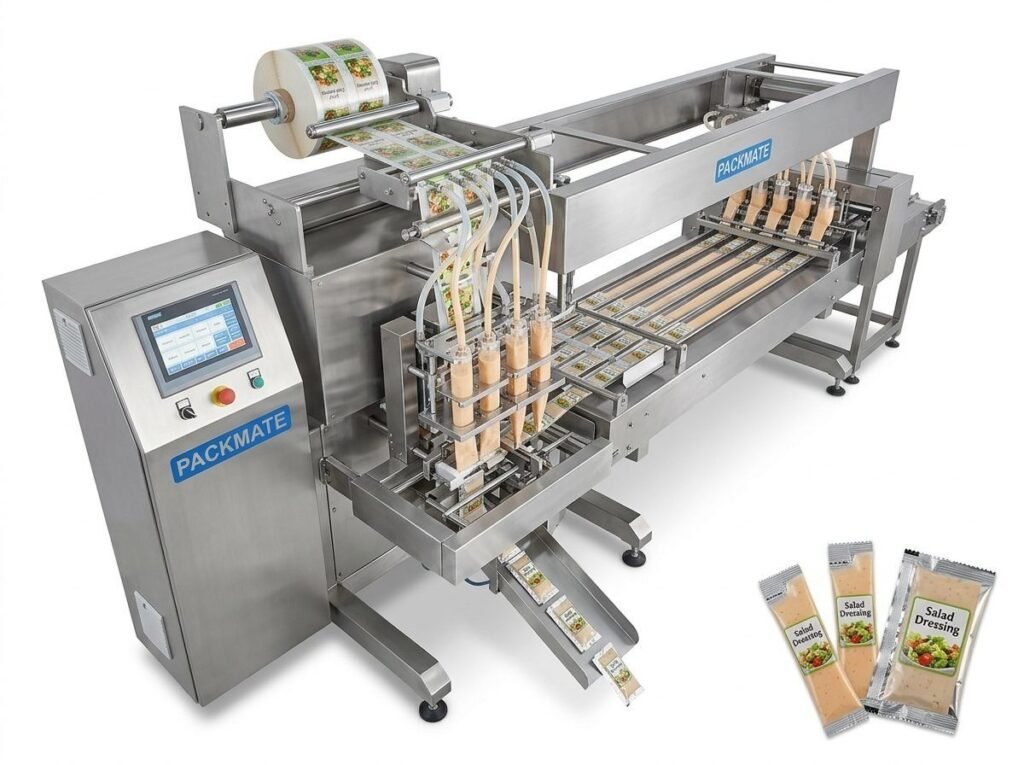
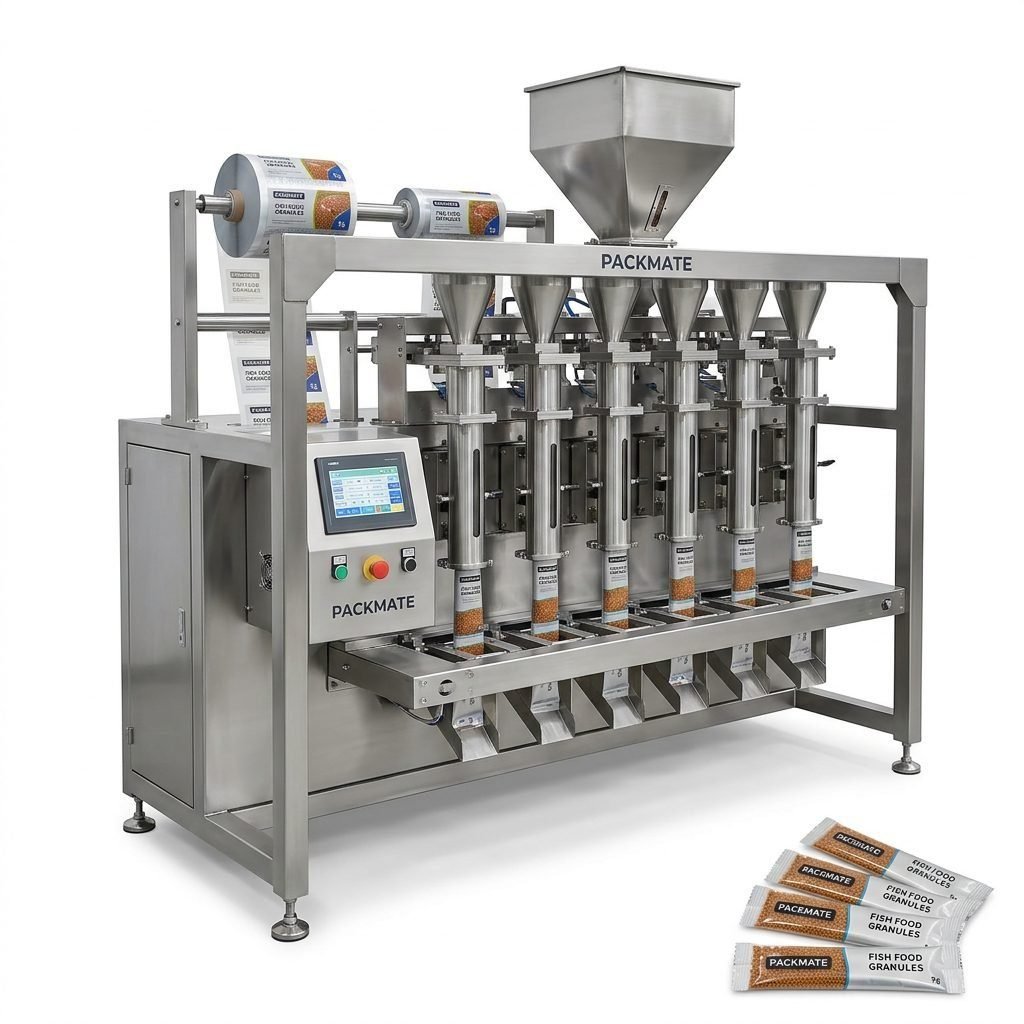
In the dynamic world of manufacturing and product distribution, efficient packaging is not just a final step—it’s a critical component of brand success, product protection, and operational profitability. For businesses dealing with granules, powders, and liquids, choosing the right chub packaging equipment can transform production lines. This guide delves into the machines and solutions that drive efficient packaging, helping you make informed decisions for your business needs.
Understanding Chub Packaging and Its Core Advantages
Chub packaging, often recognized by its tubular, sausage-like shape sealed at both ends, is a versatile solution for a wide range of products. This method is particularly dominant in food sectors for items like ground meat, cheese, and processed foods, as well as in industries handling chemicals, pharmaceuticals, and viscous liquids. The primary appeal lies in its excellent product-to-packaging ratio and superior barrier properties, which extend shelf life and reduce material waste.
The efficiency of a chub packaging line hinges on more than just the primary machine. It involves a synchronized system of feeding, forming, filling, and sealing. Modern solutions integrate advanced controls for precise weight measurement, consistent film feeding, and hermetic sealing, ensuring every package meets quality standards while maximizing throughput.
Key Components of a Modern Chub Packaging System
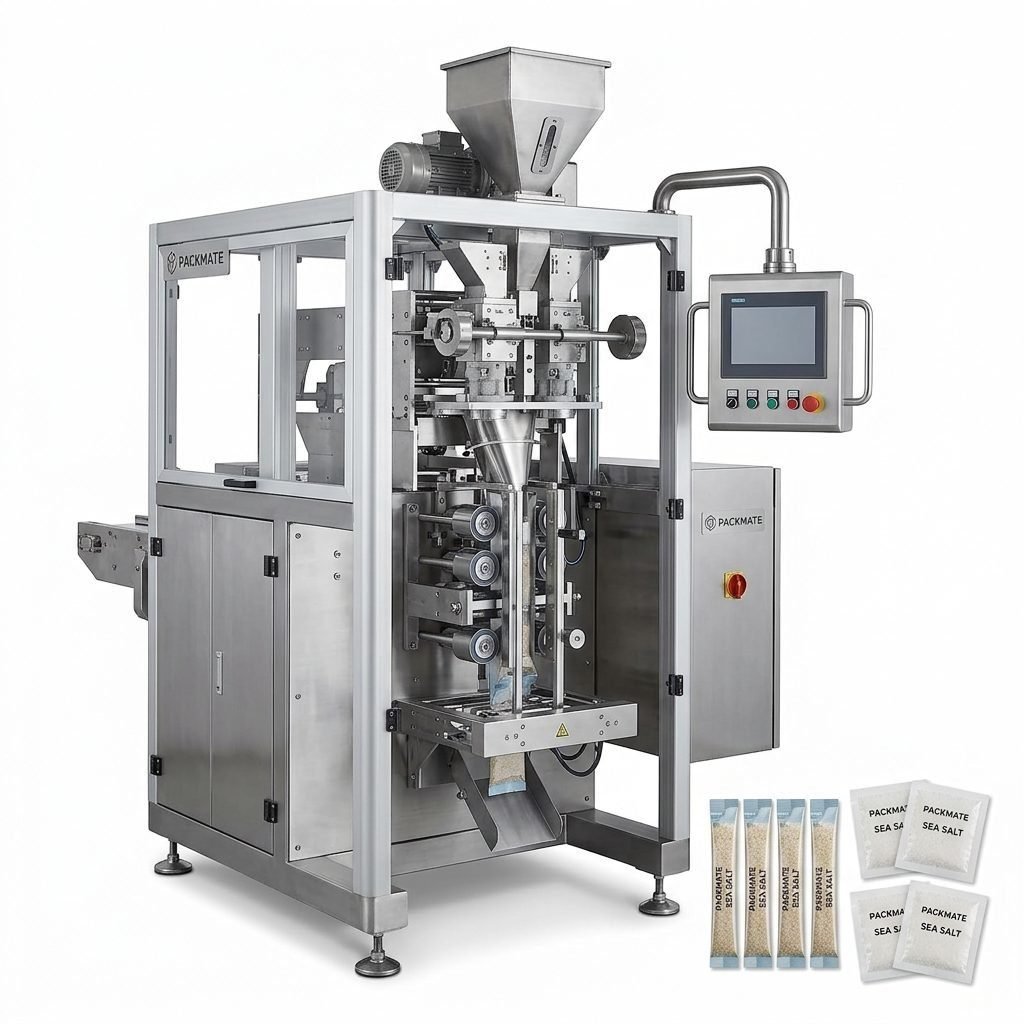
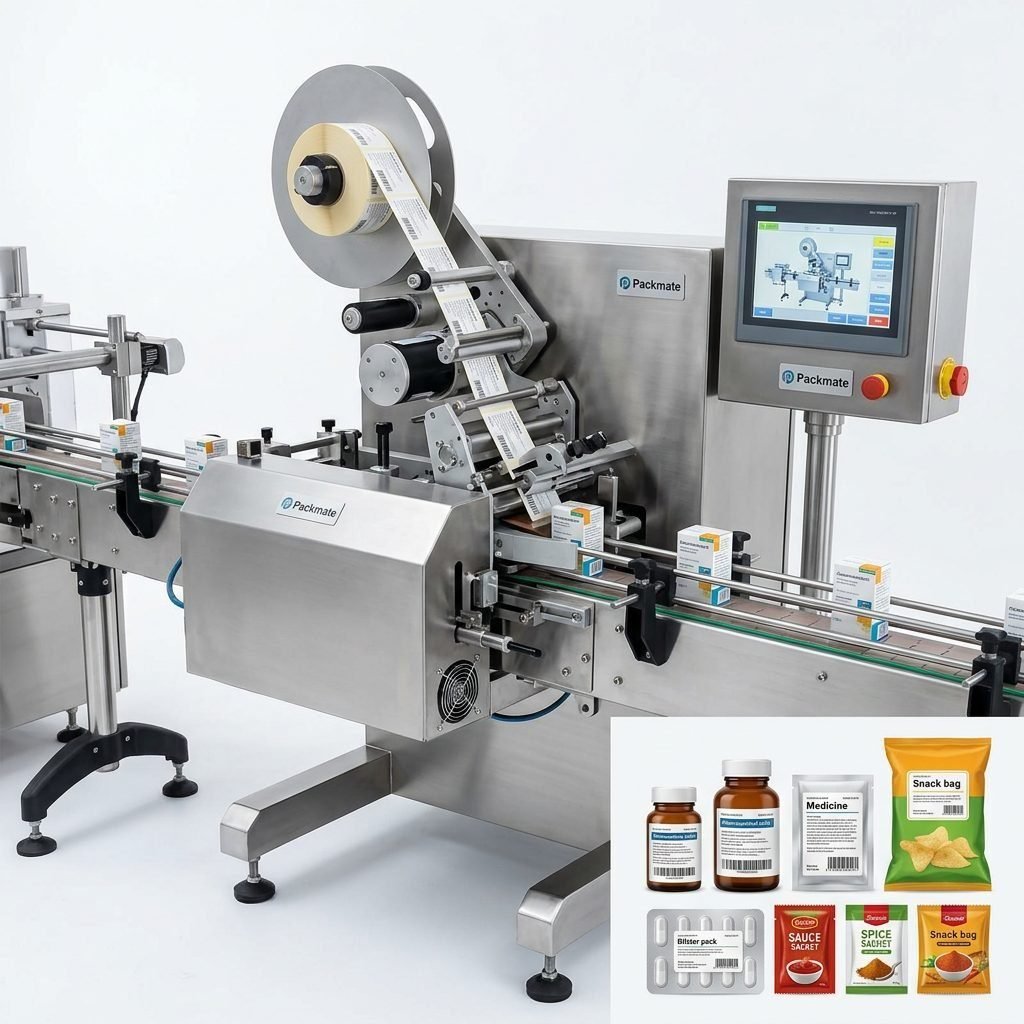
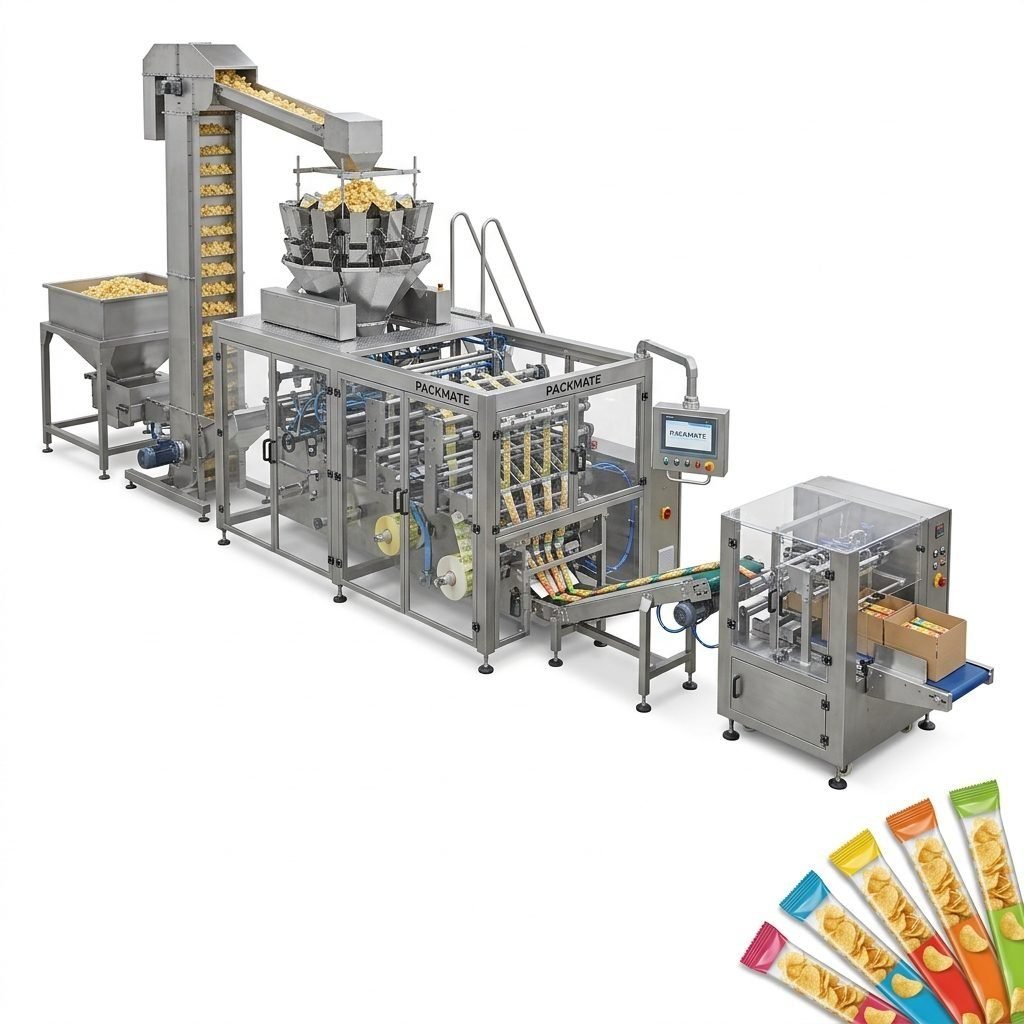
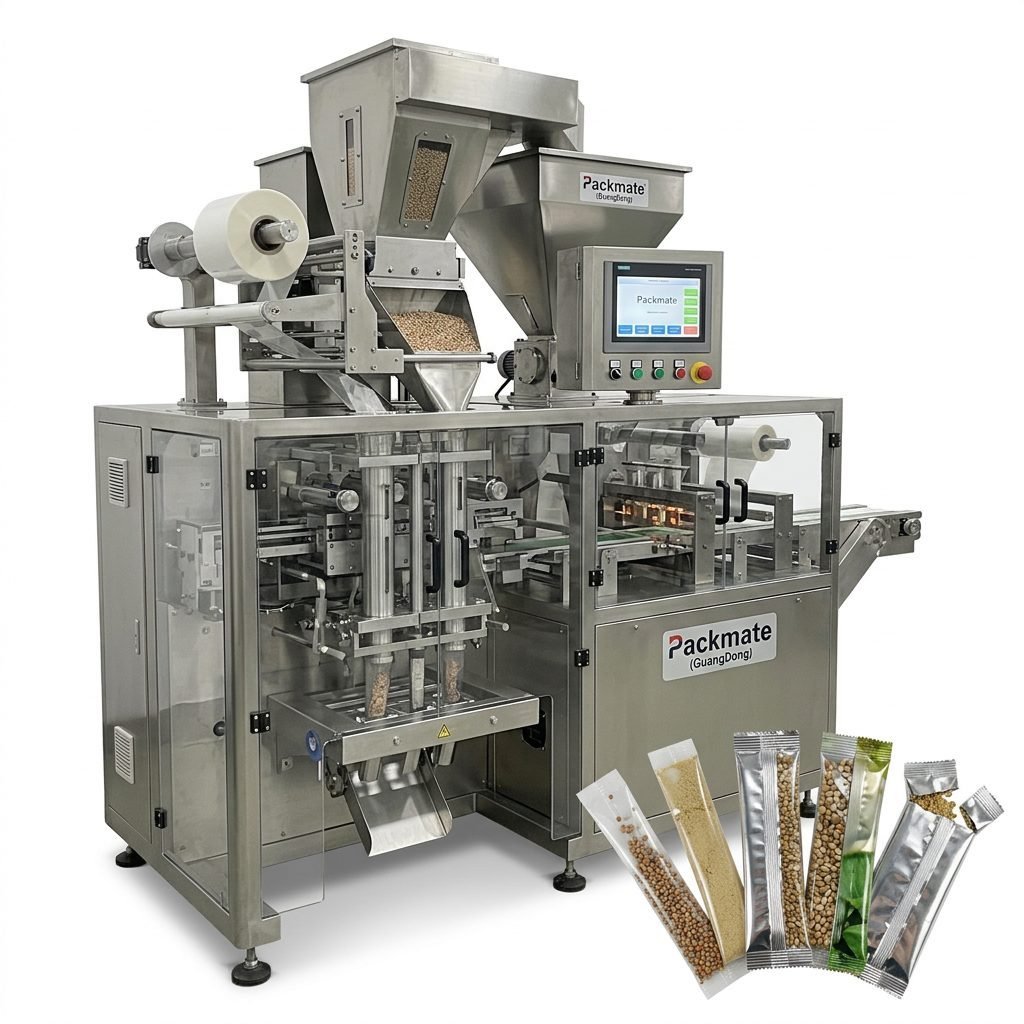
A fully integrated chub packaging line is a symphony of specialized machinery. It typically starts with a product feeding system, such as a volumetric filler or auger system, which ensures accurate and consistent product delivery. The heart of the operation is the chub packaging machine itself, which forms the film into a tube, creates the bottom seal, fills the product, and then seals and cuts the top. Downstream, auxiliary equipment like coders, checkweighers, and cartoners complete the line, adding traceability and preparing products for shipment.
Selecting the Right Chub Packaging Machine for Your Product
Not all chub packaging machines are created equal. The optimal choice depends heavily on your product’s characteristics—its viscosity, particulate size, and sensitivity to air or moisture.
- For Viscous & Semi-Solid Products: Piston fillers or specialized pumps are often required to handle products like ground meat, dough, or sealants without compromising texture or introducing air.
- For Granules & Powders: Auger-based filling systems are ideal for products like coffee, spices, or detergent powders, offering high-speed, precise dosing. Companies like Packmate Machinery excel in engineering such precise systems.
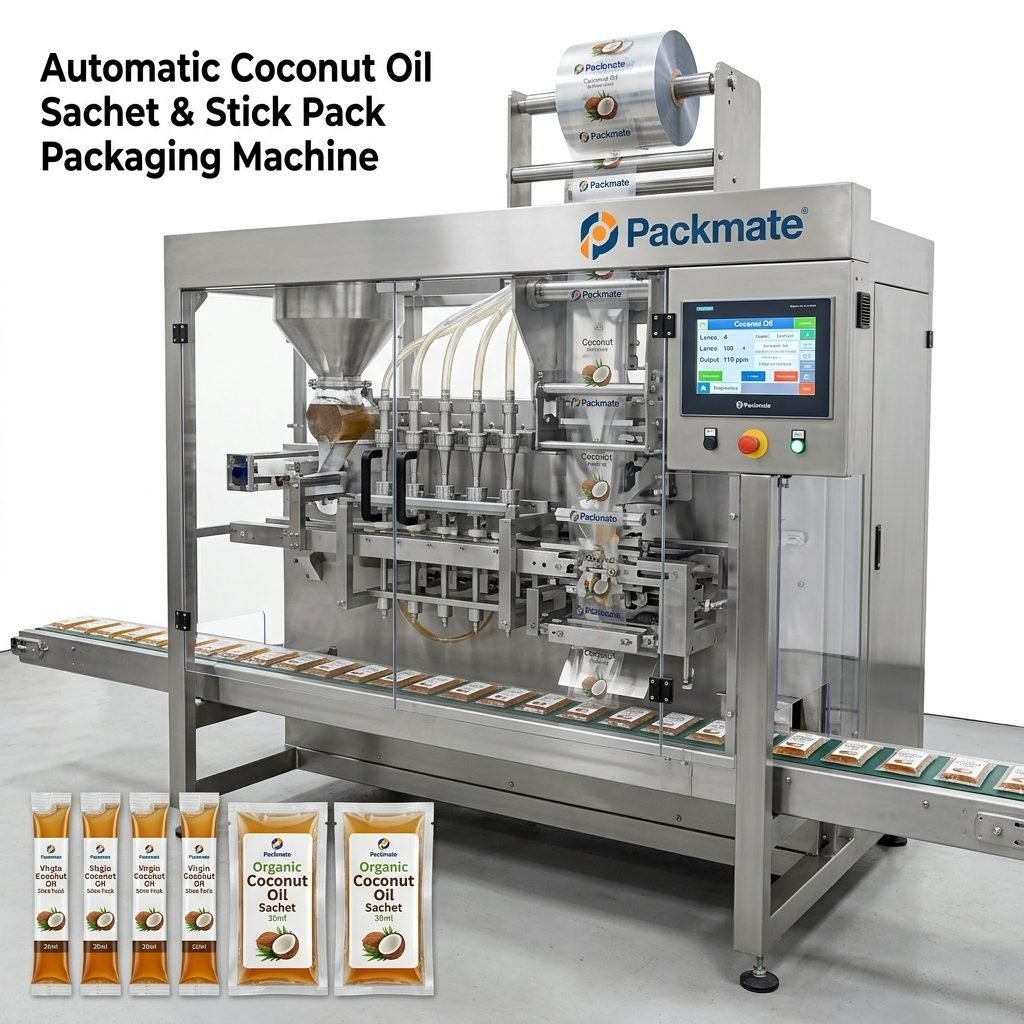
- For Liquids: Liquid fillers with overflow or level-sensing technology ensure clean, accurate fills for sauces, oils, or lubricants, minimizing product giveaway.
Beyond the filler, consider the film material. Multi-layer laminates are common for providing barriers against oxygen and moisture. The machine must be capable of handling your chosen film reliably, with consistent seal integrity being non-negotiable for product safety and shelf life.
The Role of Automation and Smart Controls
The leap from functional to efficient packaging is powered by automation. Modern chub packagers feature Programmable Logic Controllers (PLCs) and Human-Machine Interfaces (HMIs) that allow for quick changeovers between products and package sizes. These systems monitor production speed, seal temperature, and fill weight in real-time, automatically adjusting parameters to maintain quality. This level of control directly reduces downtime, material waste, and the risk of producing off-spec products.
Maximizing Line Efficiency: Beyond the Primary Machine
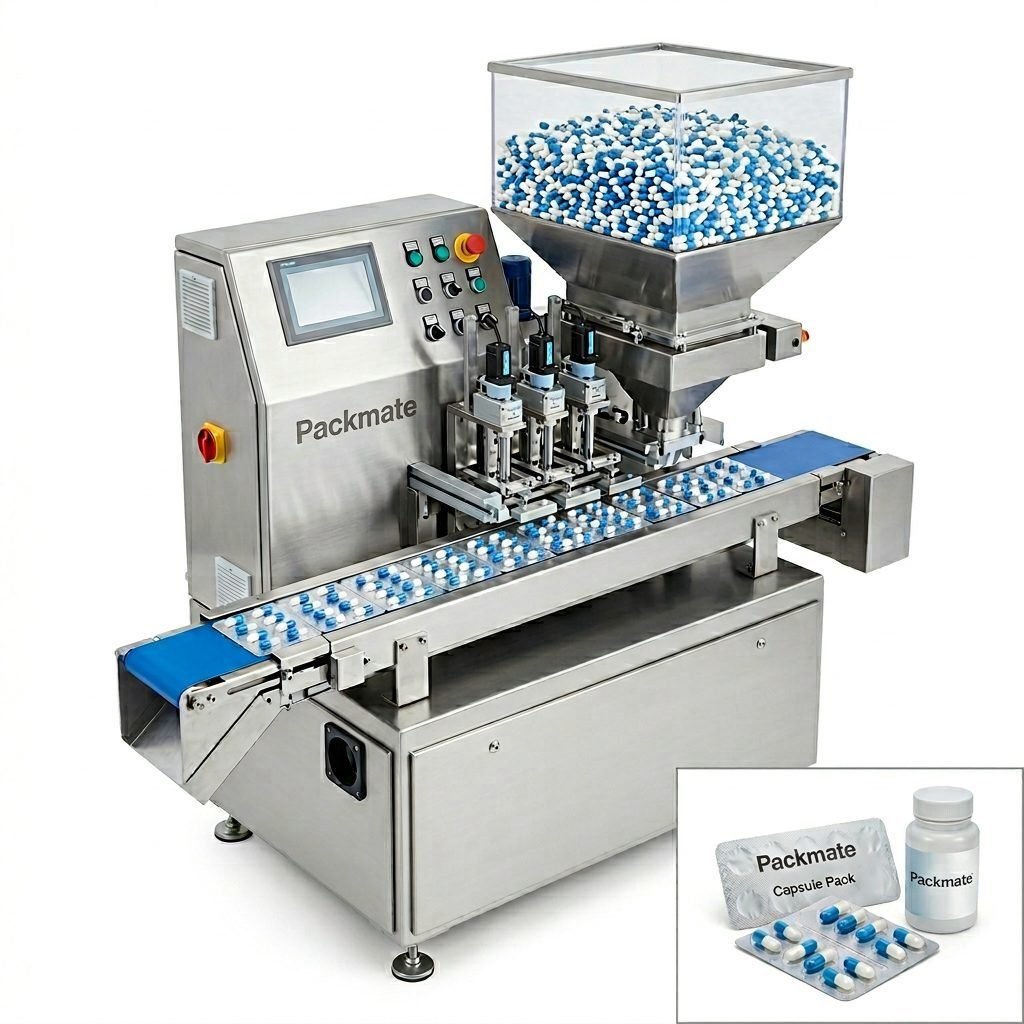
True packaging efficiency is achieved at the line level. Integrating your chub machine with upstream preparation and downstream handling creates a seamless flow. For instance, a weighing and packaging system ensures the exact amount of product enters each package, while automated cartoning or case packing systems dramatically increase the output per labor hour. Investing in a complete, synchronized line from a single provider often yields better long-term reliability and support.
Partnering with an Experienced Manufacturer: The Packmate Example
The complexity of chub packaging technology makes the choice of manufacturer paramount. A partner with deep application knowledge and proven engineering can mean the difference between a line that runs and a line that excels. Packmate (GuangDong) Co., Ltd., with over 30 years of specialization in packaging equipment for food, pharmaceutical, and health products, embodies this principle.
Their journey, from a small workshop in 1993 to a company with a 20,000㎡ modern facility, underscores a commitment to innovation and practical problem-solving. This extensive experience translates into machines that are not only robust but also intelligently designed for real-world production challenges. They offer a range of over 50 machine models, providing scalable solutions from single machines to complete turnkey packaging lines.
Future-Proofing Your Packaging Operation
As sustainability and smart manufacturing become industry imperatives, the next generation of chub packaging equipment is evolving. Look for solutions that facilitate the use of recyclable or mono-material films without sacrificing barrier performance. Furthermore, Industry 4.0 connectivity is becoming standard, allowing machines to communicate data on production output, maintenance schedules, and quality metrics to central systems for predictive analytics and optimized plant management.
Investing in equipment with these capabilities ensures your operation remains competitive, adaptable to new regulations, and aligned with consumer expectations for sustainable and traceable products.
Frequently Asked Questions (FAQs)
What types of products are best suited for chub packaging?
Chub packaging is exceptionally versatile. It is ideal for viscous and semi-solid products (ground meat, dough, pastes), free-flowing granules and powders (coffee, spices, protein powder), and various liquids (sauces, oils, lubricants). Its excellent seal makes it perfect for products requiring extended shelf life.
How do I choose between a single-tube and a multi-tube chub packaging machine?
The choice depends on your required output. Single-tube machines are perfect for lower-volume production, pilot lines, or products with long changeover times. Multi-tube machines, like the advanced multi-lane systems offered by leading manufacturers, can dramatically increase output for high-volume products by packaging multiple units simultaneously.
What are the key maintenance requirements for a chub packaging line?
Regular maintenance is crucial for longevity and consistent seals. Daily cleaning of product contact parts, weekly inspection and lubrication of moving components, and periodic calibration of the weighing or filling system are essential. Always follow the manufacturer’s specific maintenance schedule, which is a key part of the service offered by companies like Packmate.
Can chub packaging machines handle different packaging films?
Yes, most modern machines are designed to handle a range of laminated films. However, it is critical to consult with your machine supplier about the specific film you plan to use. The machine’s sealing jaws, temperature controls, and film feeding system may need to be configured or adjusted to ensure optimal performance with your chosen material.
What does a “turnkey” packaging solution include?
A turnkey solution means the supplier delivers a complete, ready-to-operate production line. This goes beyond just the chub machine to include all necessary components: feeding systems, conveyors, checkweighers, coders, and sometimes even downstream cartoning. The supplier handles the integration, commissioning, and operator training, providing a single point of responsibility for the entire system’s performance.