Choosing the right air pillow packaging machine is a critical decision for any business involved in e-commerce, logistics, or product distribution. This equipment is not just about filling voids in shipping boxes; it’s a strategic investment in operational efficiency, cost reduction, and customer satisfaction. An optimal machine ensures consistent, reliable cushioning while minimizing material waste and labor time. With numerous models and features available, navigating the market can be complex. This comprehensive guide will walk you through the essential factors to consider and present top-tier solutions to meet your specific packaging needs.
Understanding Air Pillow Packaging Technology
At its core, an air pillow packaging machine converts rolls of flat polyethylene film into inflated air pillows on demand. These pillows are used as void fill and protective cushioning in shipping cartons. The process involves sealing the film to create individual chambers and inflating them with air. Modern machines are highly automated, integrating seamlessly with conveyor systems to provide a continuous flow of cushioning material exactly where and when it’s needed.
Key Takeaway: The primary advantage of on-demand systems is the elimination of pre-inflated storage. This saves significant warehouse space, reduces the risk of pillows deflating over time, and ensures every pillow is fresh and at optimal pressure for protection.
Core Components and How They Work
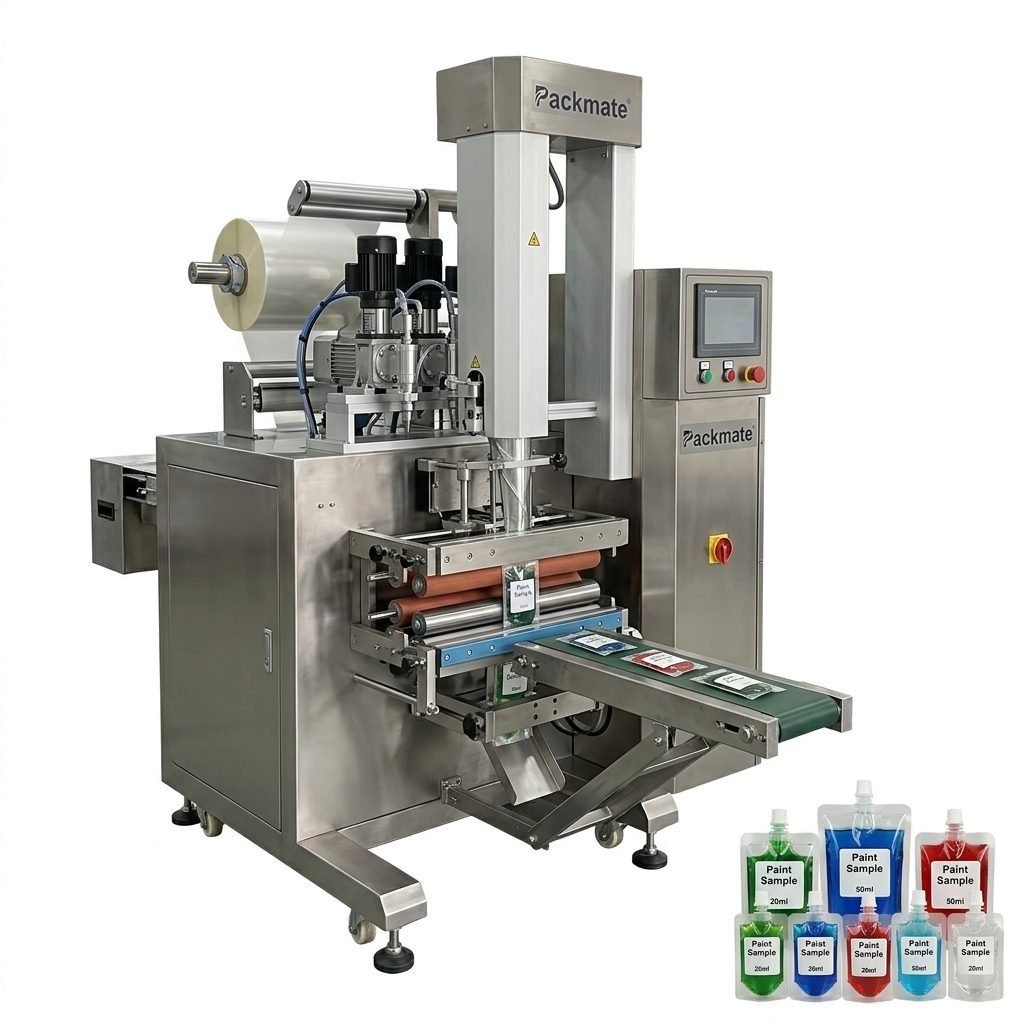
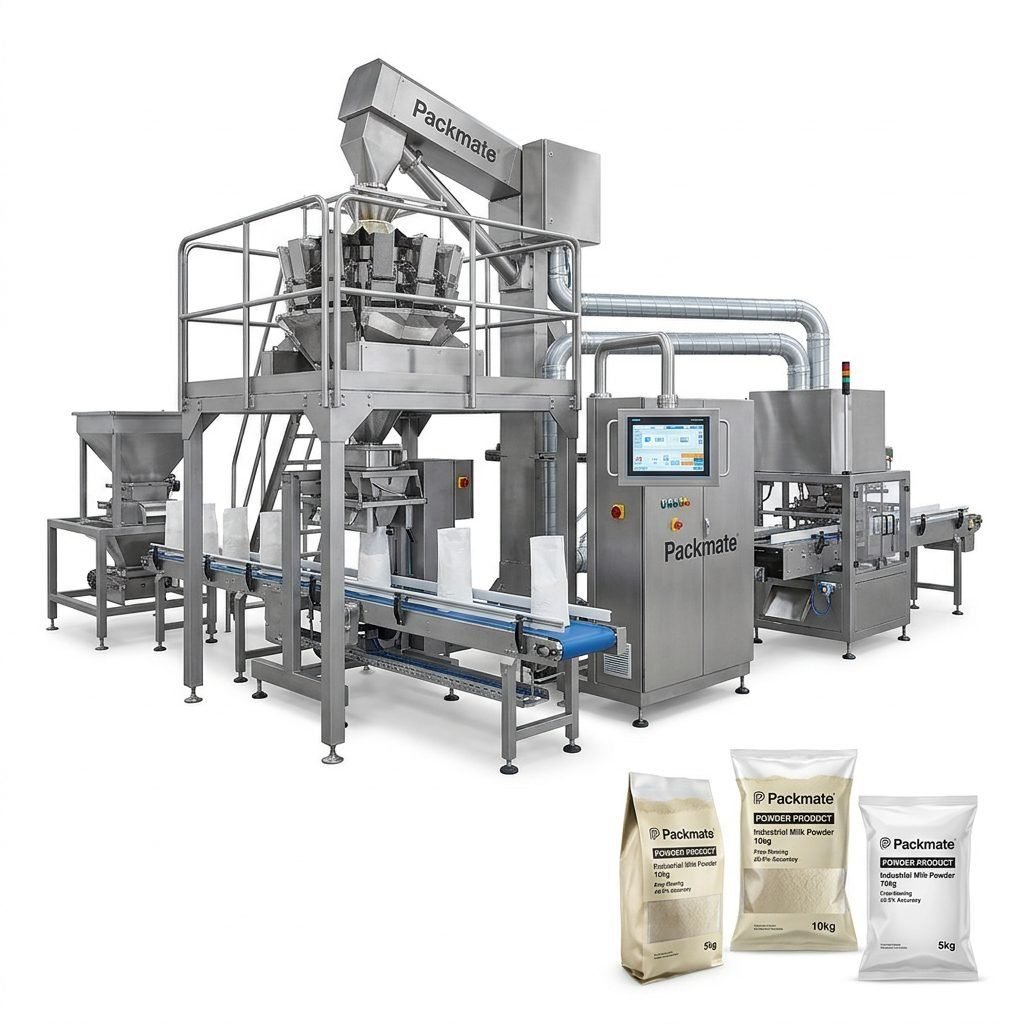
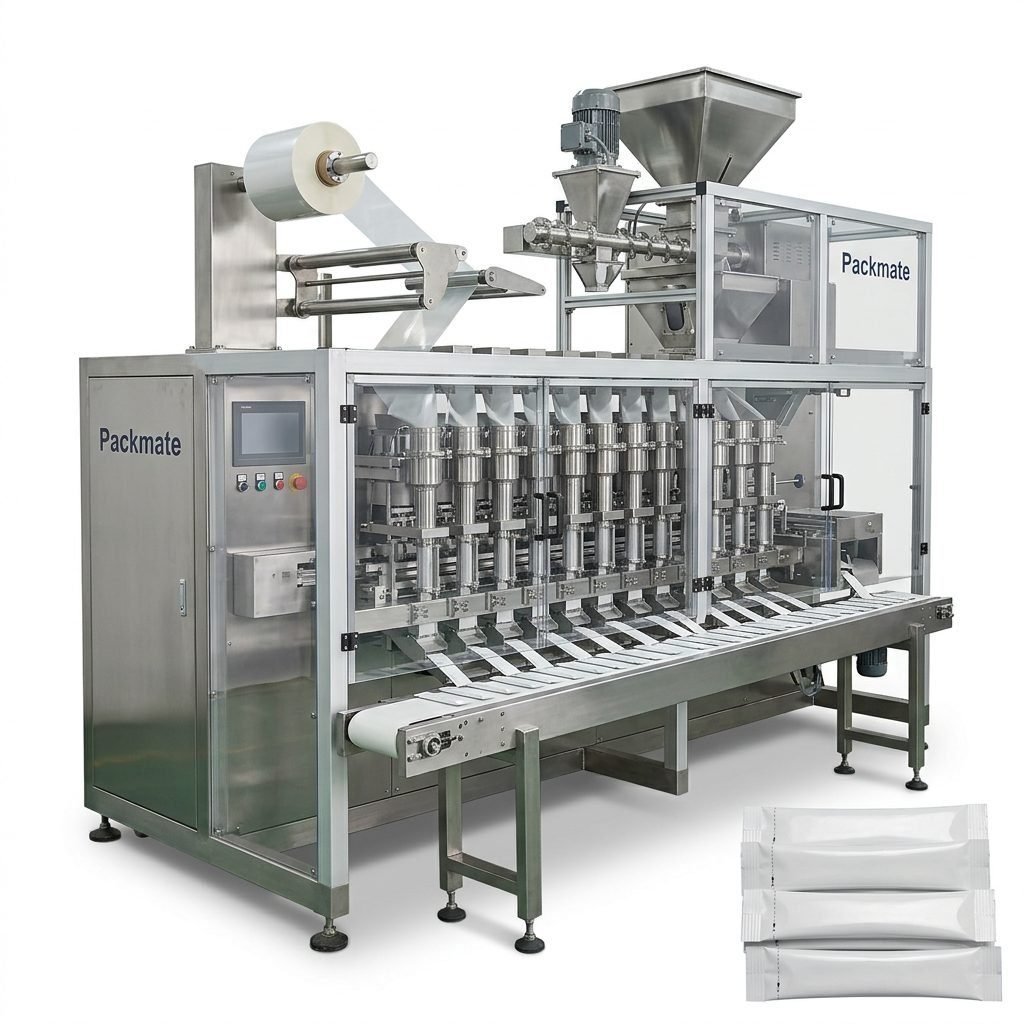
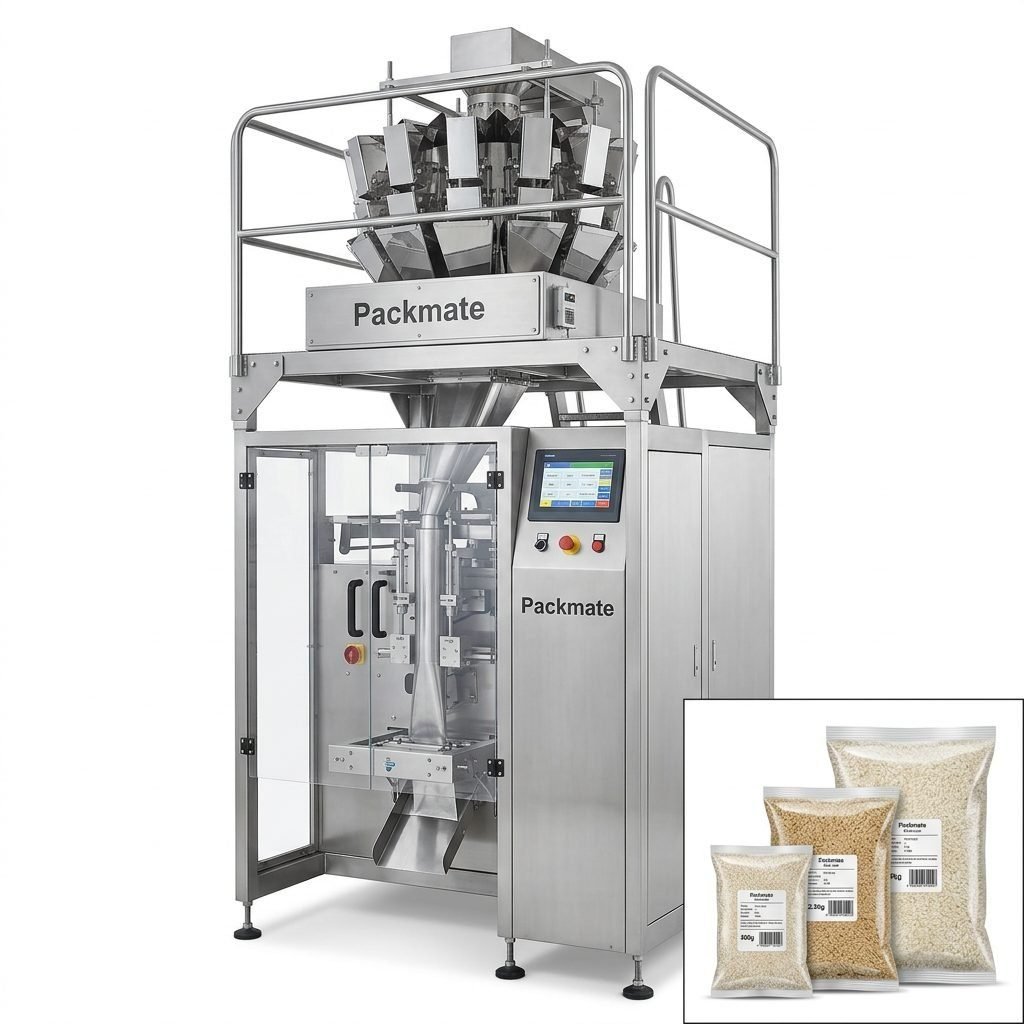
A standard machine consists of a film unwind station, an inflation and sealing mechanism, and a cutting unit. High-quality machines feature precision heat seals to prevent leaks and robust inflation systems for consistent pillow firmness. The best bag and pouch packaging machines share similar principles of precise material handling and sealing, though their end products differ.
Critical Factors for Your Buying Decision
Selecting a machine requires a careful analysis of your operational parameters. A mismatch between the machine’s capacity and your requirements can lead to bottlenecks or underutilized capital.
Production Speed and Volume Requirements
Machine speed is typically measured in pillows per minute (PPM). Assess your average and peak shipping volumes. A low-volume operation might suffice with a 20-30 PPM machine, while a high-volume e-commerce fulfillment center may need equipment capable of 60+ PPM. Consider not just current needs but projected growth over the next 3-5 years.
Pillow Size and Film Compatibility
Different products require different cushioning sizes. Ensure the machine can produce a range of pillow widths and lengths. Also, verify the film type compatibility—most use standard LDPE film, but some advanced models can handle recycled-content film or other specialized materials. The flexibility in material choice can impact your sustainability goals and material costs.
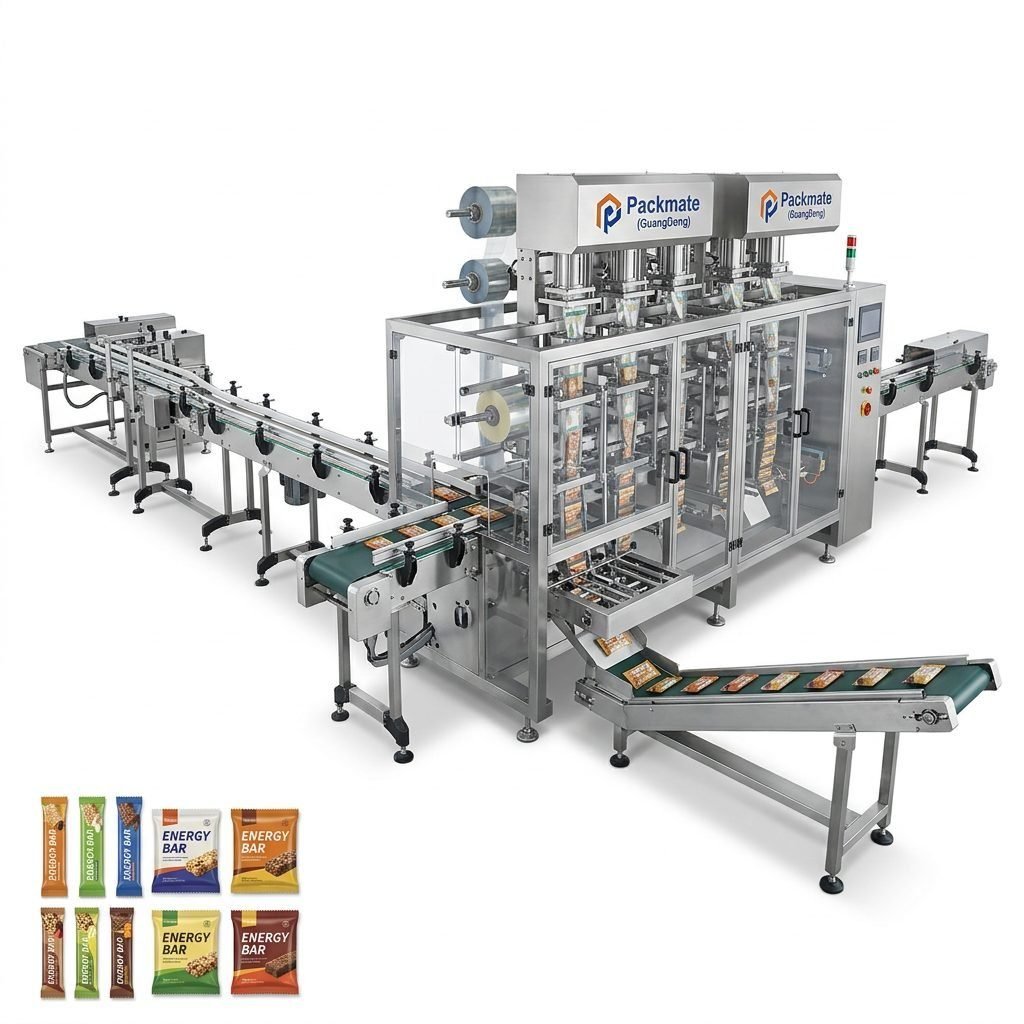
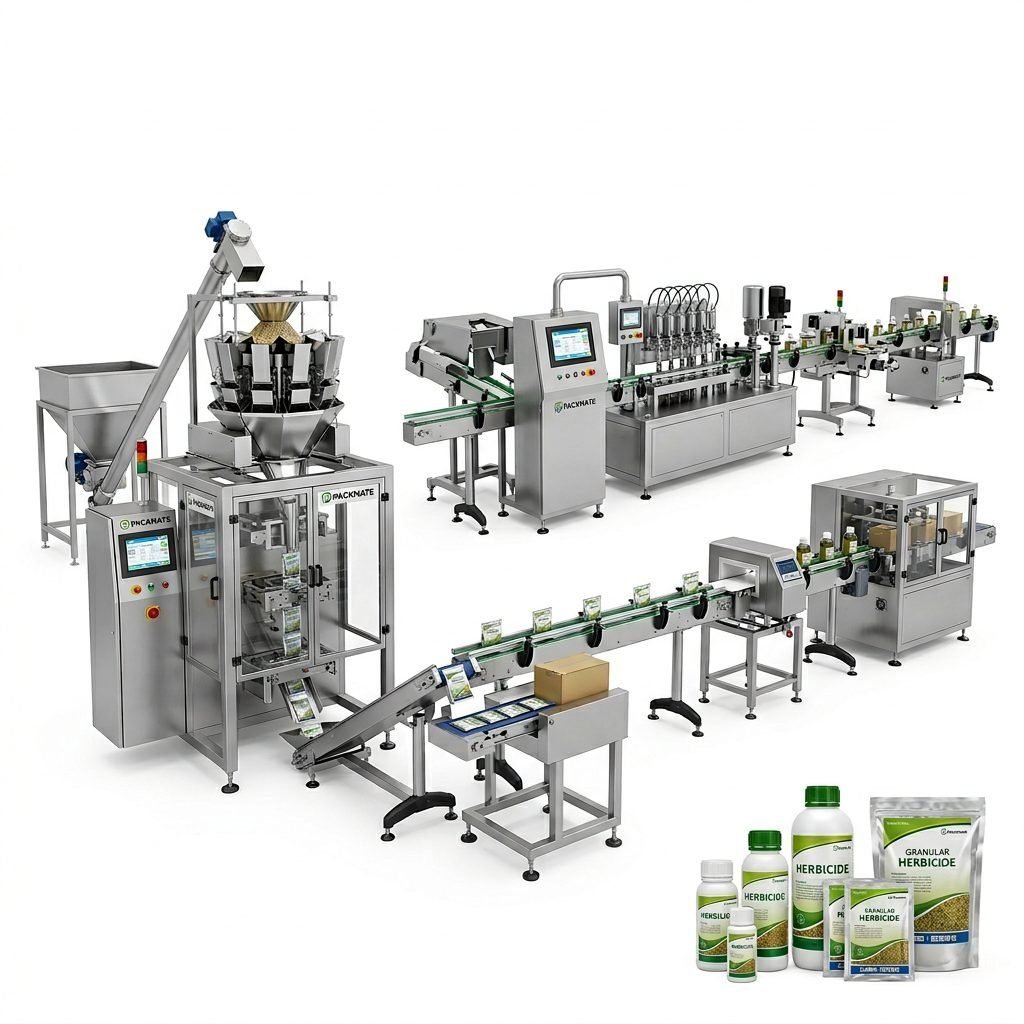
Operational Efficiency Focus: Look for machines with quick-change film rolls and minimal downtime for maintenance. Features like automatic film splicing and user-friendly control panels (often touchscreen) drastically reduce operator intervention and keep your line running smoothly. For integrated solutions, explore our filling and packaging lines which can incorporate cushioning systems.
Integration and Footprint
Will the machine stand alone, or does it need to integrate into an existing packaging line? Measure your available floor space carefully. Some machines are compact for tight spaces, while others are designed as part of a larger automated system. Consider the power requirements (voltage, air supply) and noise levels, especially if operating in an open-plan environment.
Durability, Support, and Total Cost of Ownership
The initial purchase price is just one part of the equation. Investigate the machine’s construction—stainless steel or powder-coated steel frames offer longevity. Perhaps the most critical factor is the manufacturer’s reputation for reliability and after-sales support. Access to timely technical support, availability of spare parts, and comprehensive warranty terms are invaluable. A company with a long history, like Packmate Machinery with over two decades in packaging automation, often provides the stability and expertise that ensures your investment is protected.
Top Solutions and Machine Types
The market offers several categories of air pillow machines, each suited to different applications.
1. Desktop / Standalone Machines
Ideal for small businesses, retail stores, or low-volume shippers. These are compact, often portable, and easy to set up. They typically have lower speeds (10-25 PPM) and are operated manually, feeding boxes next to the machine. They represent an excellent entry point for automating void fill.
2. In-Line Automatic Systems
The workhorses of medium to high-volume operations. These systems are designed to be placed directly within a packaging conveyor line. They automatically dispense a preset number of pillows or a metered length into each carton as it passes by. This hands-free operation is key for achieving high efficiency and labor savings.
3. High-Speed / Industrial Systems
Built for large-scale fulfillment centers and 3PLs (Third-Party Logistics providers). These machines boast very high speeds (70+ PPM), robust construction for 24/7 operation, and advanced features like network connectivity for monitoring and integration with Warehouse Management Systems (WMS). They represent the pinnacle of automated cushioning production.
Why Partner with an Experienced Manufacturer?
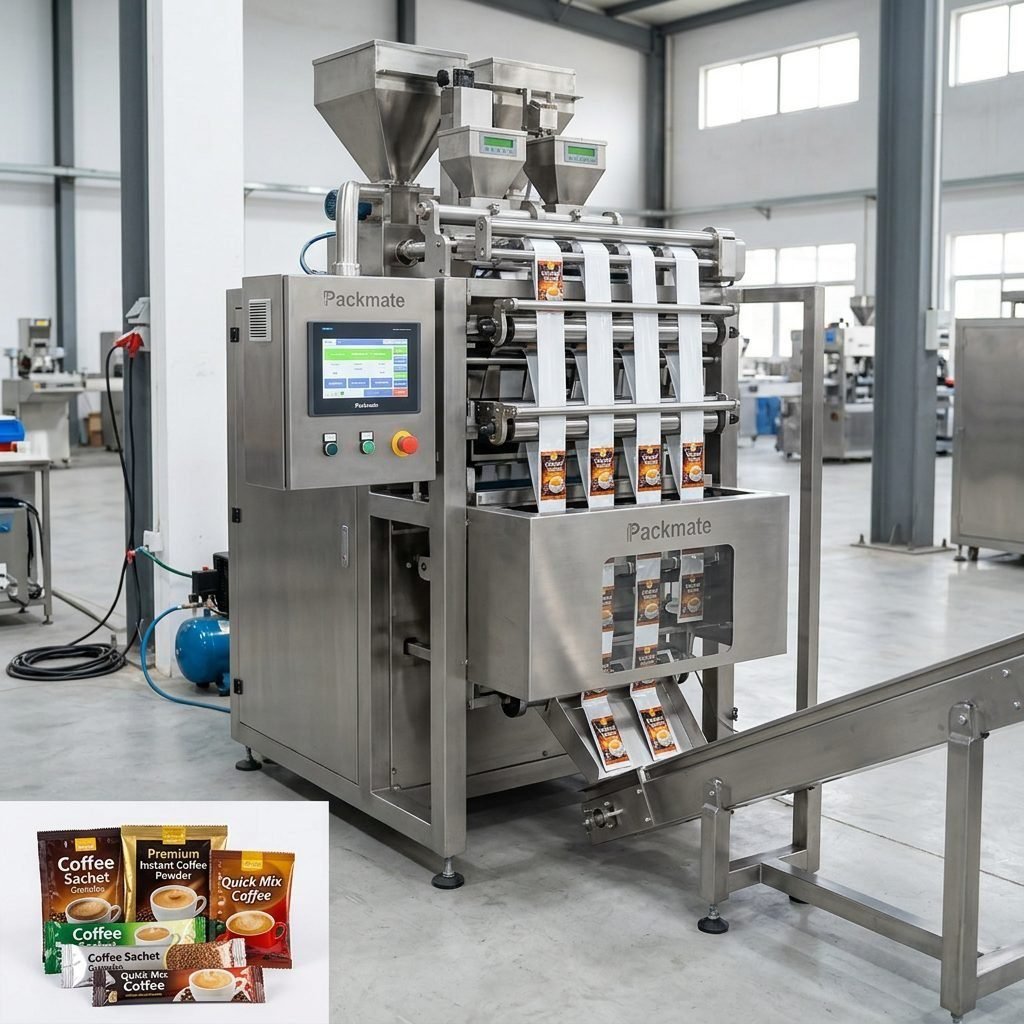
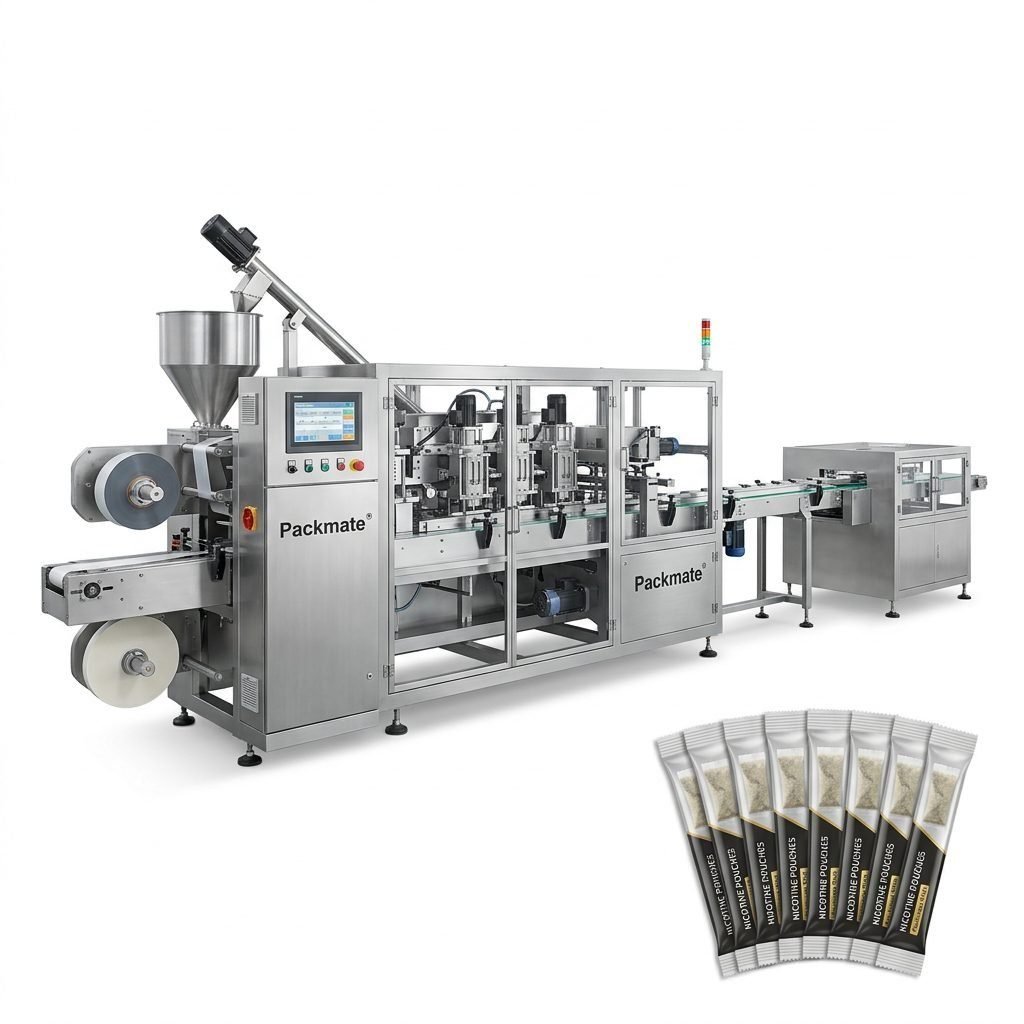
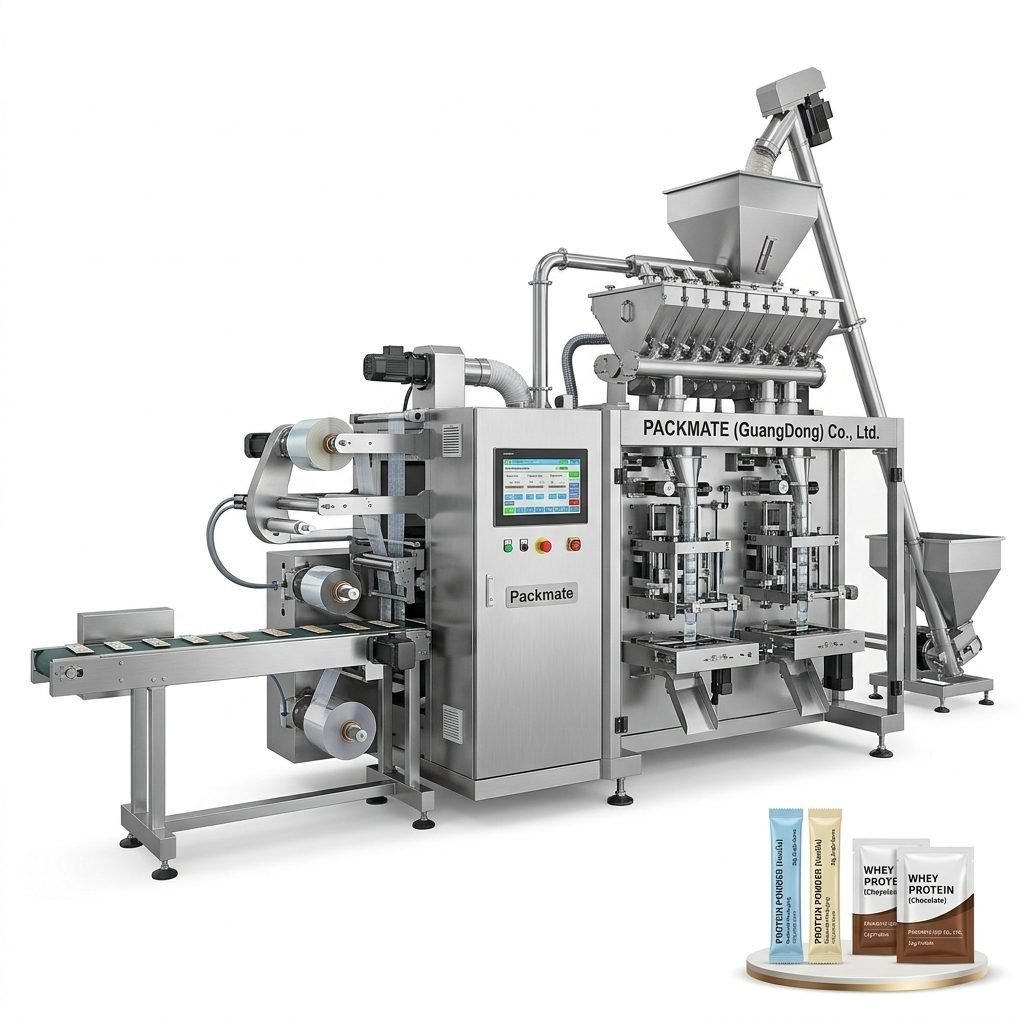
Choosing a supplier with proven expertise, such as a manufacturer of sachet and stick pack machines, ensures you benefit from refined engineering and quality control. An experienced provider doesn’t just sell a machine; they offer a solution. They can conduct a needs analysis, recommend the optimal model, provide installation guidance, and train your staff. Their deep knowledge of packaging challenges across industries is an invaluable resource for optimizing your entire process.
Maximizing Your Investment
Once you’ve selected and installed your machine, focus on optimization. Train operators thoroughly on basic operation, film loading, and routine cleaning. Monitor film usage and pillow consistency to catch issues early. Regularly audit the protective performance of your pillows to ensure they adequately safeguard your products during transit, which is the ultimate measure of success.
Implementing an on-demand air pillow system is a clear step towards a more efficient, cost-effective, and sustainable packaging operation. By carefully considering your speed, volume, integration, and support needs, you can select a machine that becomes a reliable asset for years to come. For businesses looking to expand their capabilities, reviewing a full equipment catalog from a trusted supplier can reveal complementary technologies that further enhance your packaging line’s performance.
Frequently Asked Questions (FAQs)
1. How much warehouse space do I save with an on-demand air pillow machine?
You save a substantial amount. Instead of storing bulky pallets of pre-inflated pillows, you store compact rolls of flat film. This can reduce the storage footprint for cushioning materials by over 90%, freeing up valuable space for inventory or other operations.
2. What is the typical maintenance required for these machines?
Routine maintenance is generally minimal. It primarily involves regular cleaning of dust and debris, checking and cleaning the sealing wires to ensure consistent seals, and lubricating moving parts as specified in the manual. High-quality machines are designed for easy access to key components for this purpose.
3. Can the machine use recycled or biodegradable film?
This depends on the specific machine model. Many modern machines can handle film with a percentage of post-consumer recycled (PCR) content. True biodegradable or compostable films often have different sealing properties and may not be compatible with standard heat-seal systems. Always consult the machine manufacturer for approved film specifications.
4. How do I determine the right pillow size for my products?
A good rule of thumb is that pillows should be large enough to bridge gaps without falling through but not so large that they overfill the box. Many suppliers offer sample kits of different sizes. Test various sizes with your typical cartons and products to find the optimal balance between material use and protection.
5. What happens if the machine malfunctions? How quickly can I get support?
Reputable suppliers offer robust technical support. This can range from online troubleshooting guides and video tutorials to phone and remote desktop support. For critical issues, on-site service from trained technicians is available. Before purchasing, clarify the supplier’s support channels, response time commitments, and warranty coverage to ensure minimal disruption to your business.