In the fast-paced world of manufacturing, efficiency and reliability are paramount. Rotary packaging machines stand as a cornerstone of modern production lines, automating the process of filling, sealing, and packaging products at high speeds. Whether you’re in the food, pharmaceutical, or health industry, understanding these machines is crucial for optimizing your operations. This guide delves into the types, uses, and essential buying tips for rotary packaging machines, helping you make an informed investment.
Understanding Rotary Packaging Machines
A rotary packaging machine is a continuous-motion system where product containers are placed on a rotating carousel or dial. As the dial indexes, each container moves through various stations where operations like filling, capping, sealing, and labeling are performed simultaneously. This design allows for significantly higher output compared to linear machines, making them ideal for medium to high-volume production. The core principle is synchronized, multi-station processing, which minimizes downtime and maximizes throughput.
Key Components and Their Functions
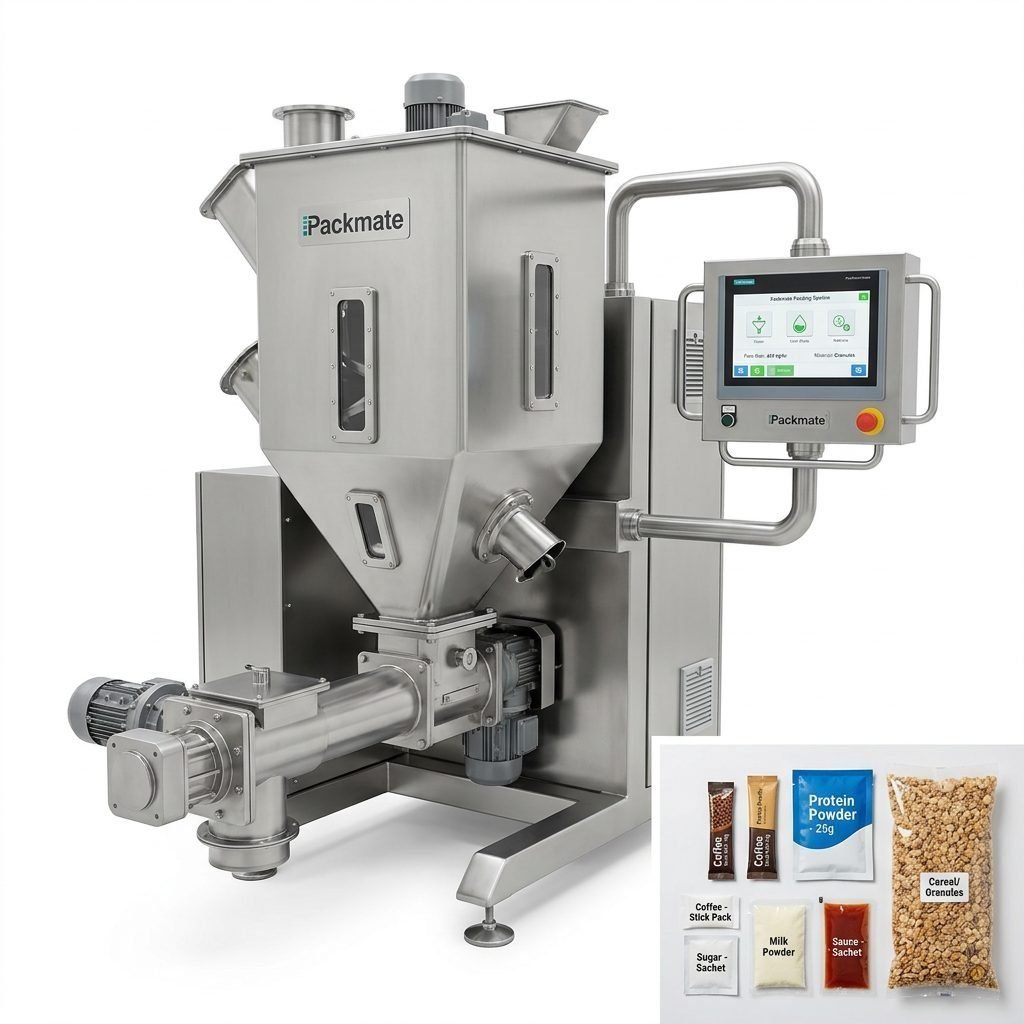
Every rotary machine is built around several critical components. The rotary indexing table or dial is the heart of the system, precisely moving containers. Filling stations can be volumetric, auger, or liquid pumps, depending on the product. Sealing stations apply heat, pressure, or ultrasonic energy to close packages. Additional modules might include cap placers, induction sealers, labelers, and checkweighers. The integration of these components into a seamless, automated line is a specialty of experienced manufacturers like Packmate Machinery, who leverage over 30 years of expertise to build reliable systems.
Primary Types of Rotary Packaging Machines
Rotary machines are categorized based on the packaging format and the specific operations they perform. Selecting the right type is the first step toward a successful packaging solution.
1. Rotary Cup Filling and Sealing Machines
These machines are designed for filling pre-formed cups, tubs, or pots with products like yogurt, pudding, dips, or pharmaceuticals. The cups are automatically fed onto the dial, filled, lidded with foil or plastic film, and then heat-sealed. They are exceptionally fast and hygienic, often used in dairy and ready-to-eat food sectors. For businesses looking into complete filling and packaging lines, integrating a rotary cup filler is a common strategy.
2. Rotary Bottle Capping Machines
Focused on the closure application, these machines automatically place and tighten caps on bottles, vials, or jars. They can handle screw caps, snap caps, pump sprays, and more. Torque control is a critical feature to ensure caps are secure without damaging the container or threads. They are a vital component in lines for beverages, chemicals, and personal care products.
3. Rotary Pouch Packaging Machines
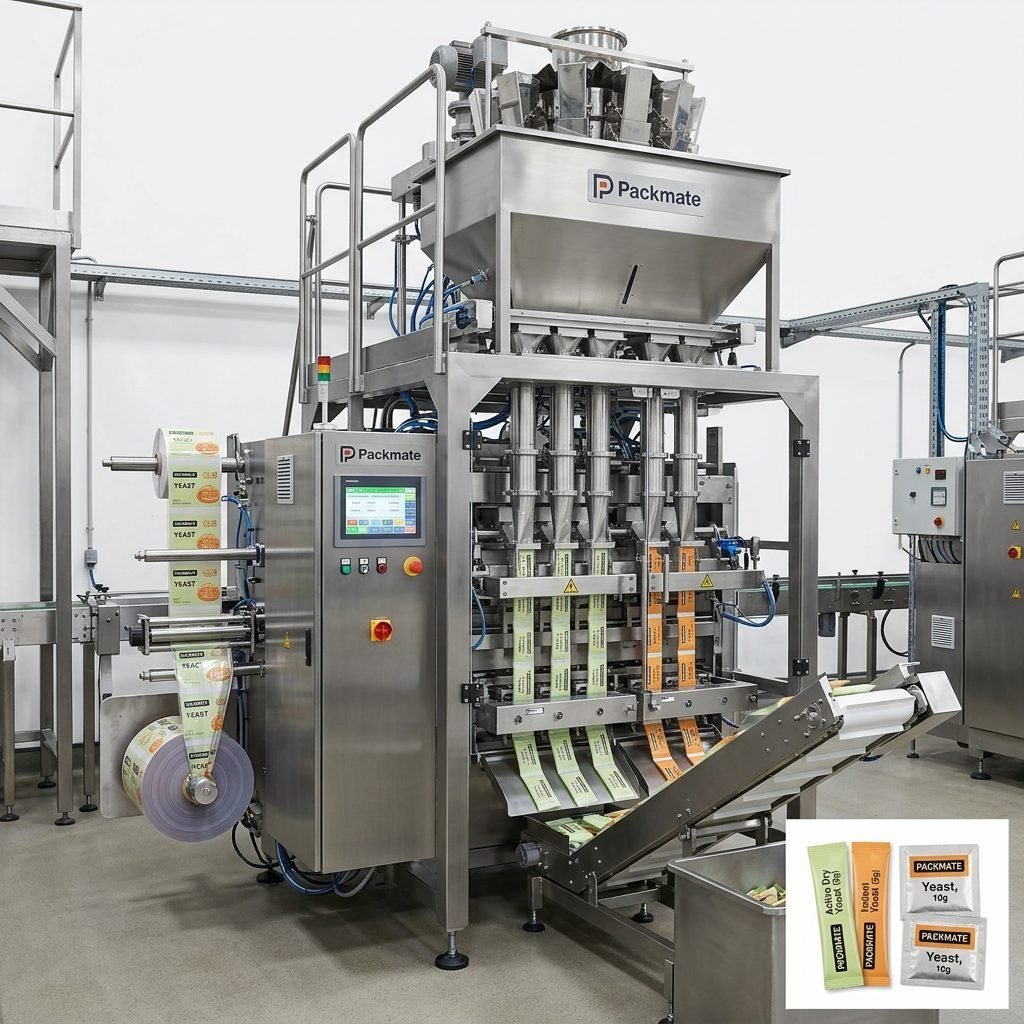
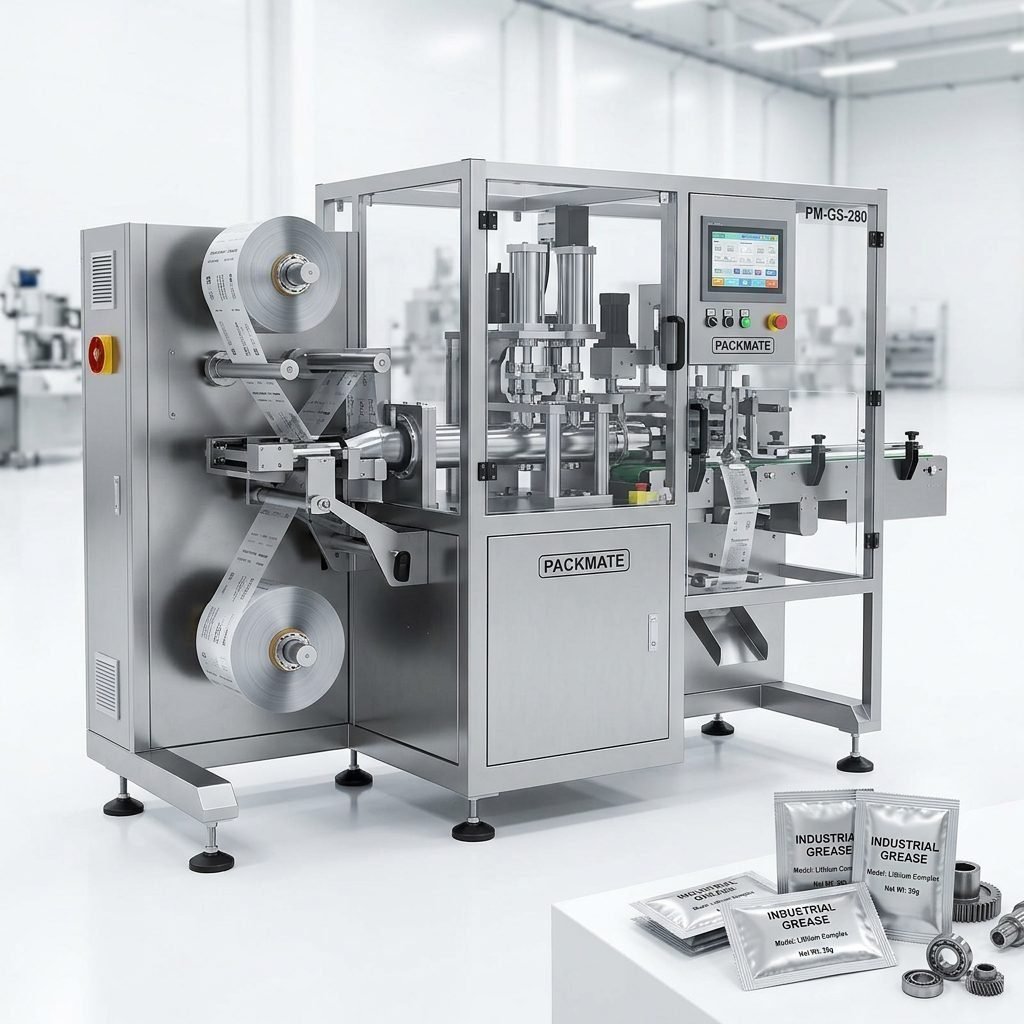
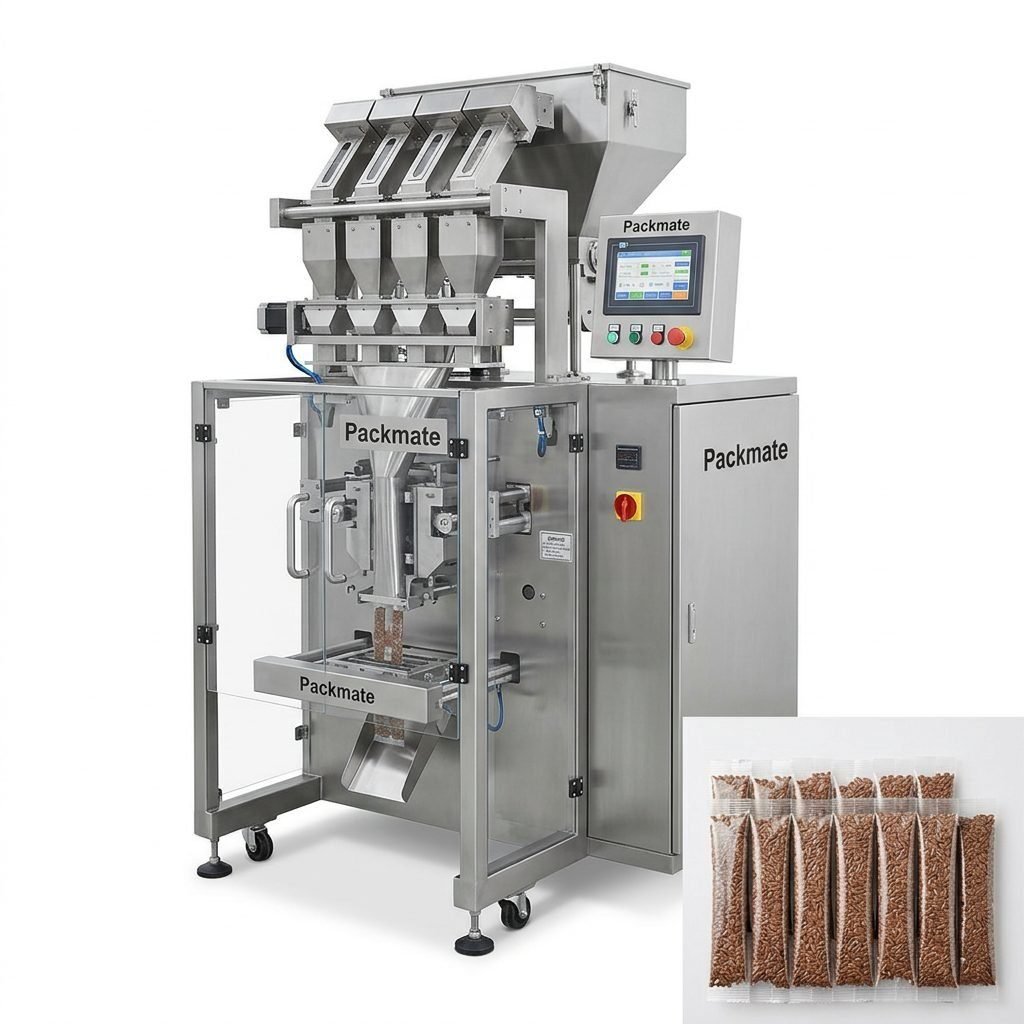
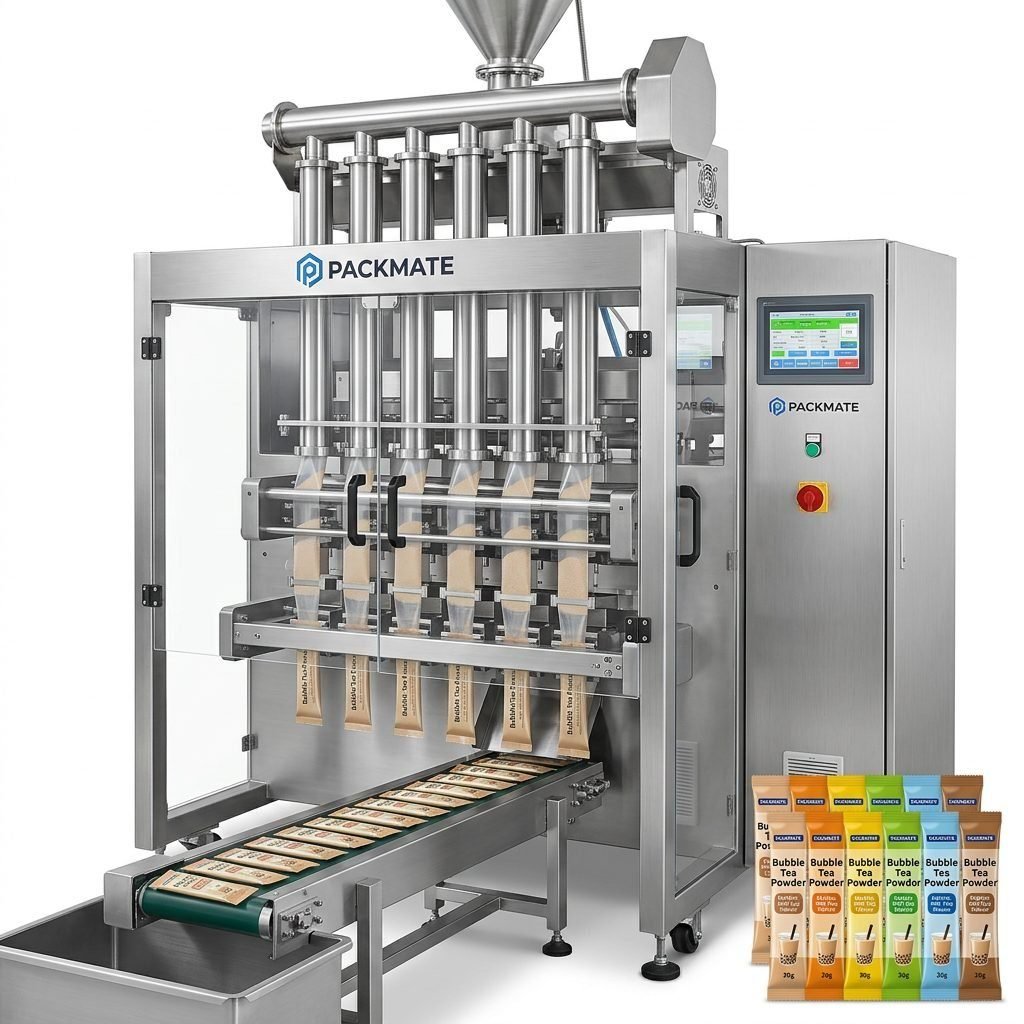
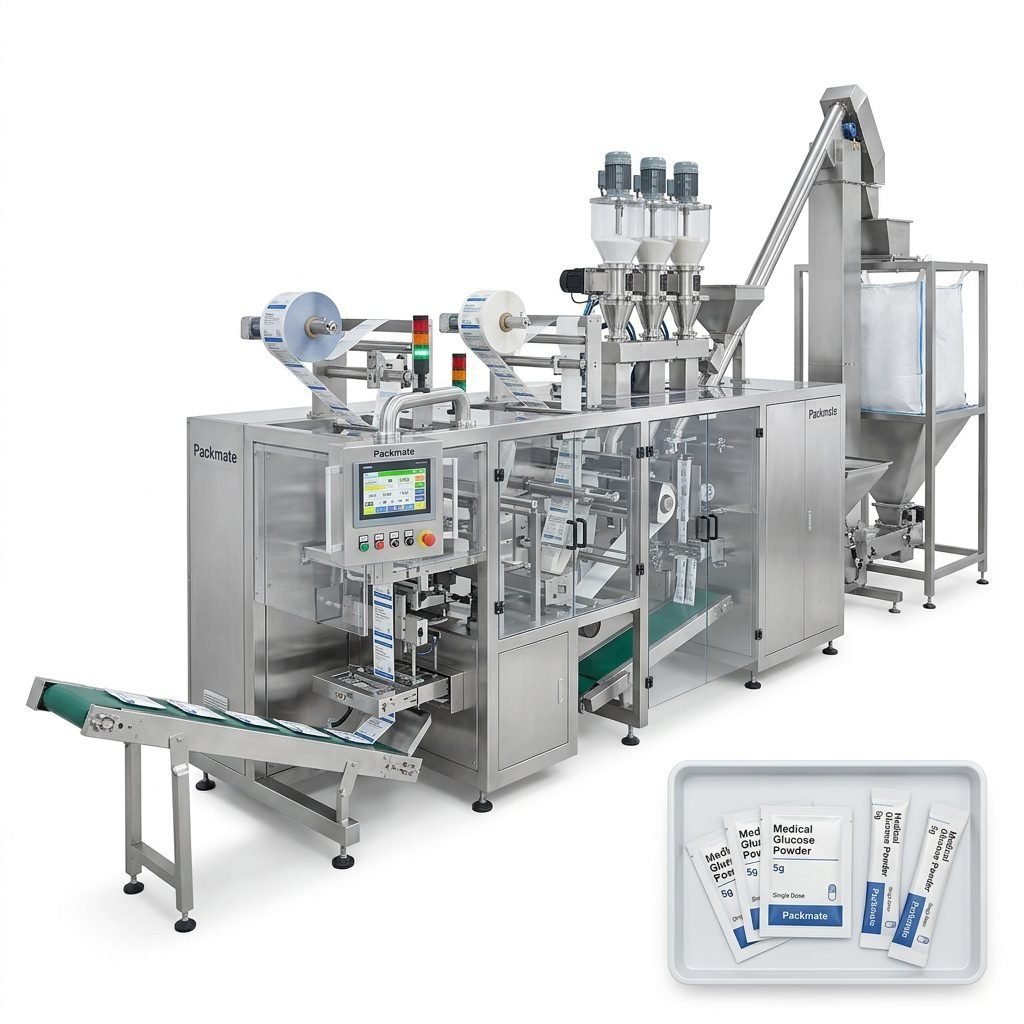
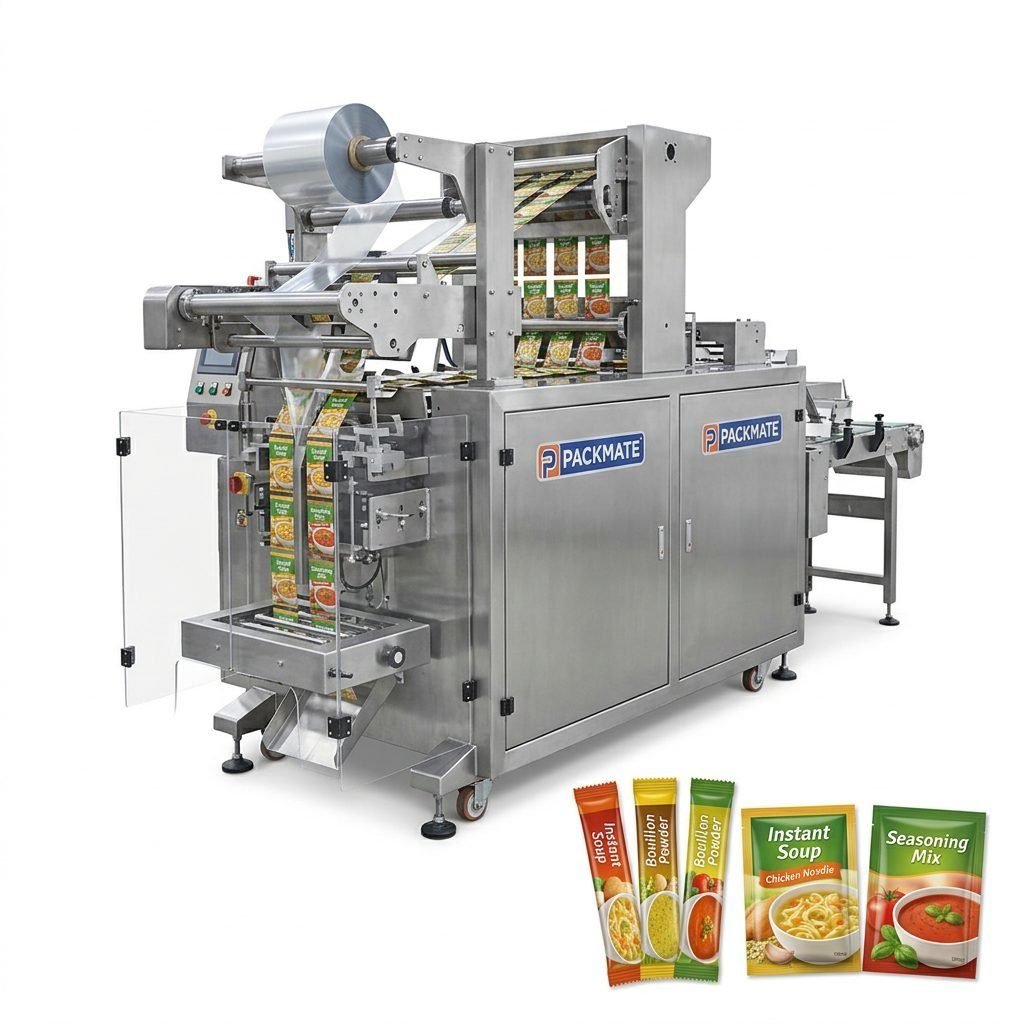
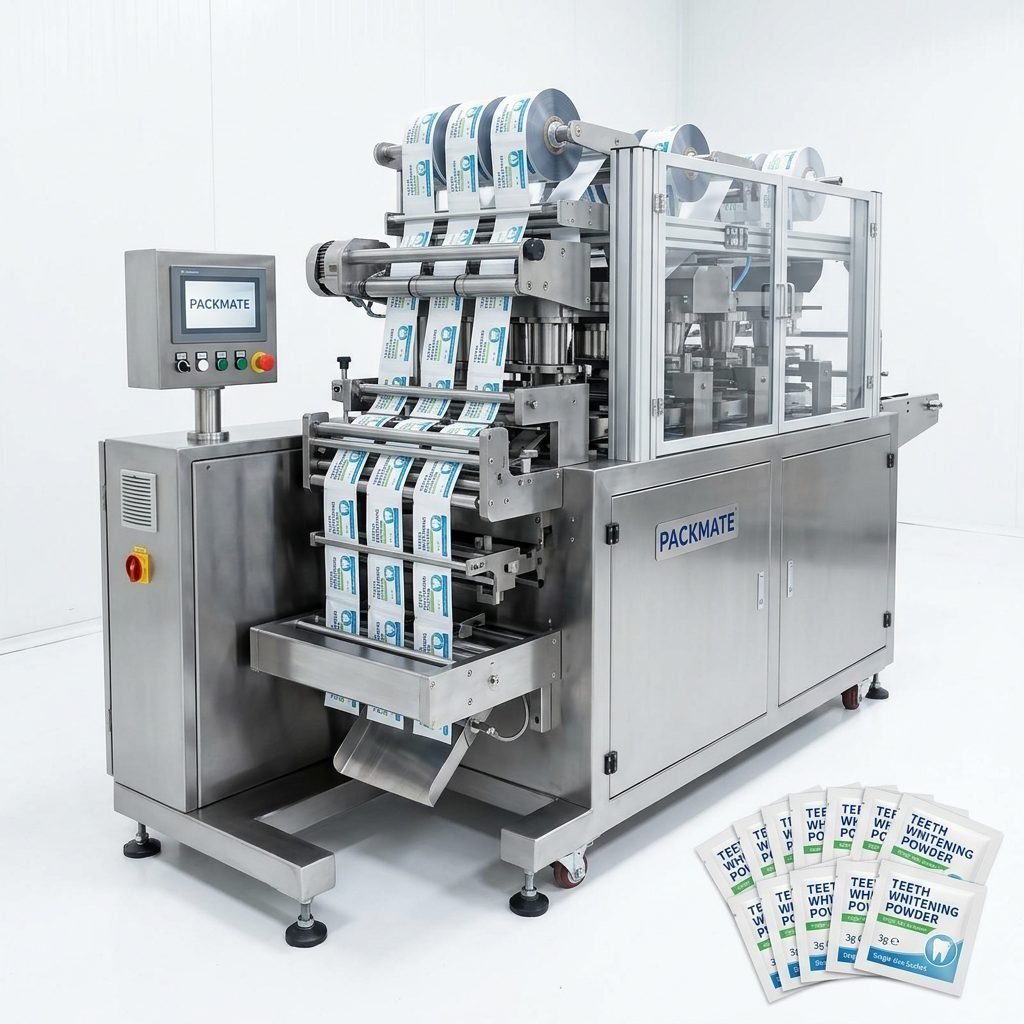
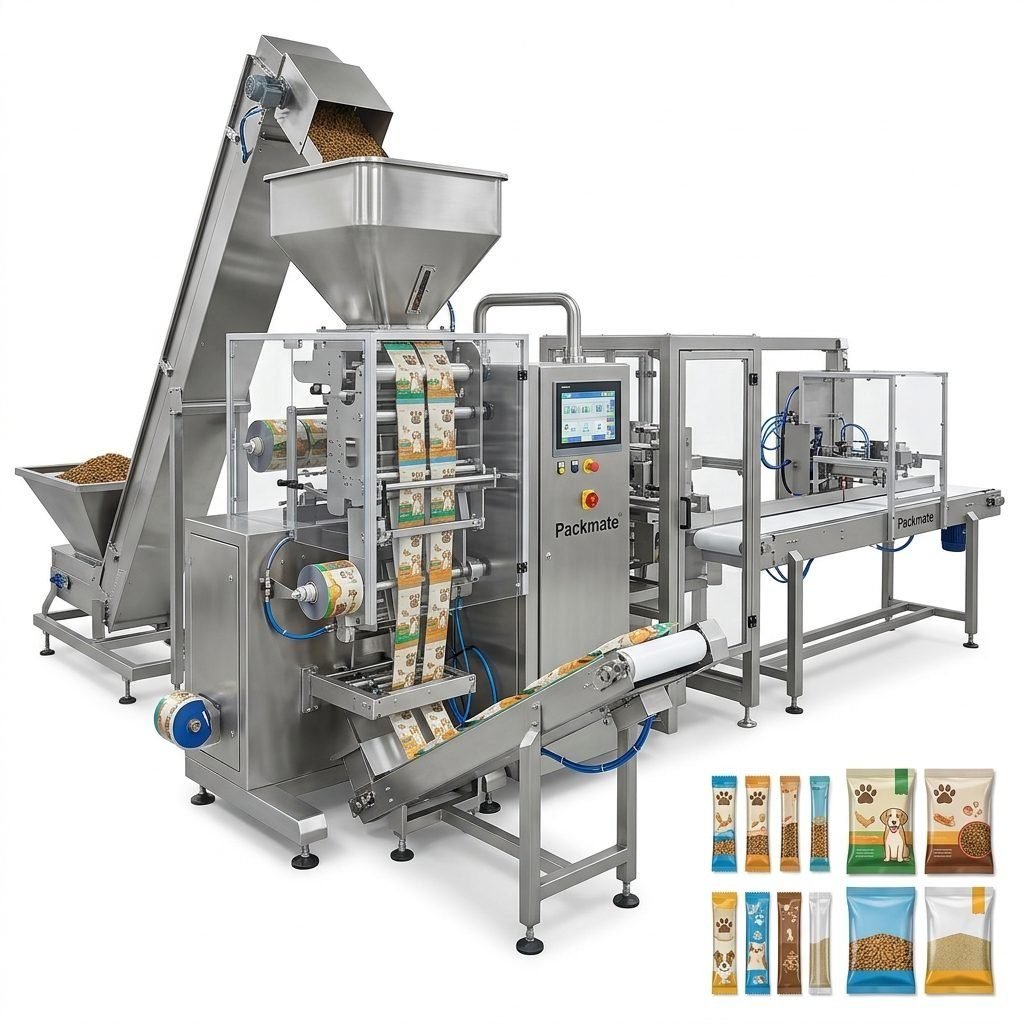
This type forms, fills, and seals pouches from a roll of film. As the dial rotates, the film is formed into pockets, filled with product (such as granules, powders, or liquids), and then sealed. They are incredibly versatile for creating stand-up pouches, flat pouches, or sachet and stick packs. Rotary pouch machines offer excellent speed and are perfect for snacks, coffee, and single-serving condiments.
4. Rotary Thermoforming Machines
These are more complex systems that form plastic cavities from a roll of film, fill them with product, and then seal them with a lidding material. They are used for blister packaging (pharmaceuticals, hardware) or creating portion packs for foods like cheese or sliced meats. The process is highly efficient and provides excellent product presentation and protection.
Common Industrial Applications and Uses
The adaptability of rotary packaging makes it a favorite across diverse industries. Its primary value lies in handling high volumes with consistent quality and minimal labor.
Food and Beverage Industry
This is the largest application sector. Rotary machines package everything from dairy products and sauces to snacks and powdered drinks. Speed and hygiene are non-negotiable here. Machines must be easy to clean (often with CIP/SIP systems) and handle products with varying viscosities and characteristics.
Pharmaceutical and Healthcare
Precision and contamination control are critical. Rotary machines package tablets into blister packs, fill liquid medicines into vials, or create sterile sachets for powders. They operate in controlled environments and often include features like nitrogen flushing to extend product shelf-life. Manufacturers serving this sector, such as Packmate, adhere to strict quality standards, as seen in their company certifications.
Cosmetics and Personal Care
From creams and lotions to shampoo and serums, rotary fillers and cappers ensure elegant and leak-proof packaging. Accuracy in fill volume is crucial for brand consistency and cost control.
Chemicals and Household Products
These machines package detergents, lubricants, and other chemicals into bottles, pouches, or cans. They are built with materials resistant to corrosive substances.
Critical Buying Tips for Your Investment
Purchasing a rotary packaging machine is a significant capital decision. Here are essential factors to consider to ensure you choose the right equipment for your long-term needs.
1. Define Your Product and Packaging Specifications
Start with absolute clarity. What is your product’s physical state (liquid, powder, granule, solid)? What are its characteristics (viscosity, abrasiveness, hygroscopicity)? What is your target output speed (pouches/minute, bottles/hour)? What is the container material and size? Documenting these details is the foundation for machine selection. For exploring specific machine categories, reviewing a manufacturer’s product portfolio is an excellent first step.
2. Prioritize Machine Flexibility and Changeover
Market demands change. A machine that can handle multiple container sizes or different products with quick changeovers (under 30 minutes) adds tremendous value. Look for features like tool-less adjustments, programmable recipes, and easy-access components. Flexibility future-proofs your investment.
3. Evaluate Build Quality and Ease of Maintenance
Inspect the construction. Frame and critical components should be made of stainless steel (grade 304 or 316 for food/pharma) for durability and cleanliness. The design should allow for easy cleaning and routine maintenance. Ask about the availability of spare parts and the manufacturer’s technical support network. A company with a 20,000㎡ modern facility like Packmate’s often has the advanced production and testing capabilities to ensure robust build quality.
4. Consider Integration and Automation Level
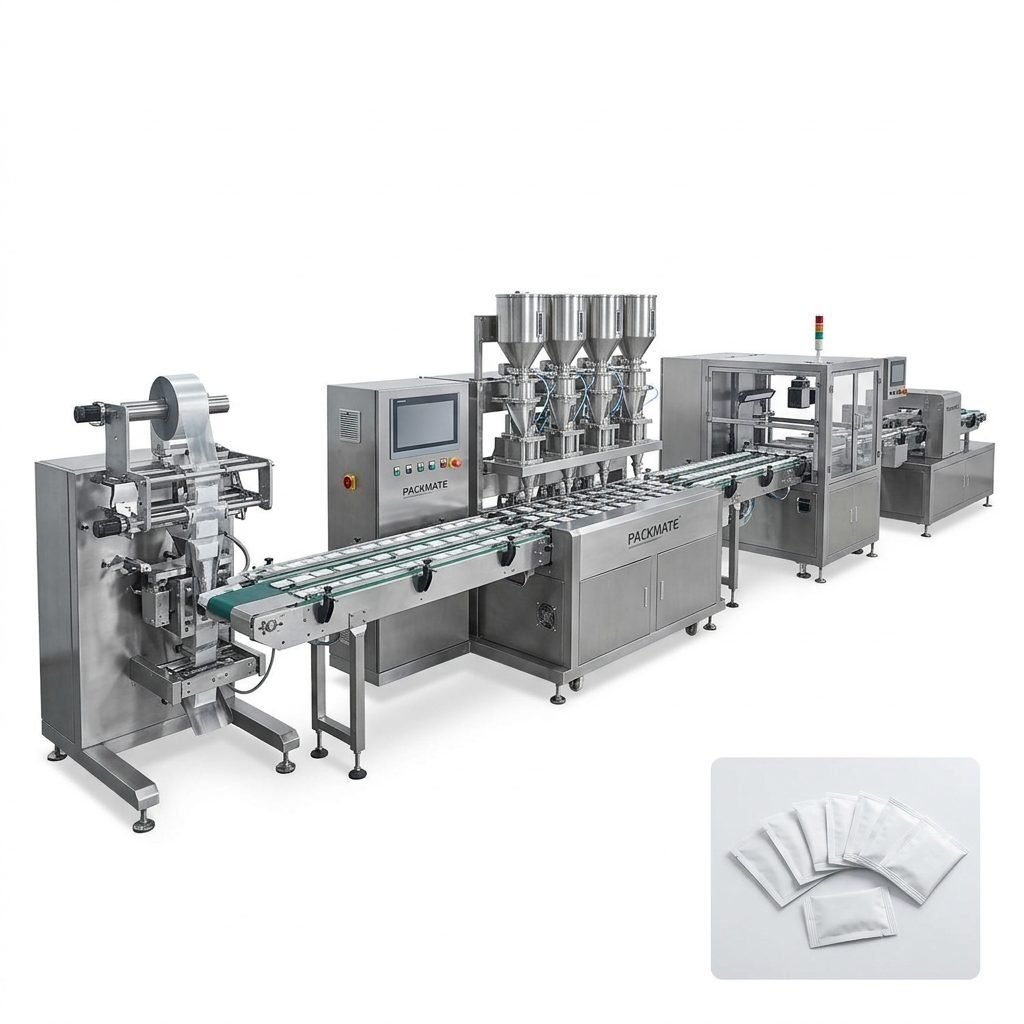
Will the machine stand alone or integrate into a full line with upstream feeders and downstream case packers? Ensure the machine has standard communication protocols (PLC, HMI) for easy integration. Consider adding automation like vision inspection systems or checkweighers for quality control. A supplier offering weighing and packaging systems can provide a more cohesive solution.
5. Scrutinize the Supplier’s Reputation and Support
The machine is only as good as the company behind it. Research the supplier’s history, client testimonials, and after-sales service. Do they offer installation, training, and prompt troubleshooting? A manufacturer with a long-term vision, such as one guided by a clear mission and vision, is more likely to be a reliable partner. Request references and, if possible, visit their factory or see the machine running at a trade show.
6. Analyze Total Cost of Ownership (TCO)
Look beyond the initial purchase price. Calculate the TCO, which includes energy consumption, required manpower, maintenance costs, spare parts, and potential downtime. A slightly more expensive but more reliable and efficient machine often has a lower TCO over 5-10 years.
Frequently Asked Questions (FAQs)
Q1: What is the main advantage of a rotary machine over a linear machine?
The primary advantage is significantly higher speed and output. Because multiple operations happen simultaneously at different stations on the rotating dial, rotary machines have a continuous motion with minimal indexing time, leading to greater production efficiency for high-volume runs.
Q2: Can a rotary machine handle fragile or irregularly shaped products?
Yes, but it requires careful design. Specialized feeding systems, gentle handling grippers, and custom-designed pockets on the dial can be engineered to accommodate fragile items like crackers or irregular shapes. It’s essential to discuss your specific product with the machine manufacturer during the planning phase.
Q3: How difficult is it to change over a rotary machine for a different product or package size?
Changeover complexity varies by machine design. Modern machines aim for quick changeovers (often under 30 minutes) using tool-less adjustments, digital settings, and change parts. The key is to work with your supplier to understand the changeover process and time for your required formats during the purchasing stage.
Q4: What kind of maintenance does a rotary packaging machine require?
Regular preventive maintenance is crucial. This typically includes daily cleaning and lubrication of guide rails and bearings, weekly checks of seals and sensors, and periodic inspection of drives and motors. Following the manufacturer’s maintenance schedule is the best way to ensure longevity and prevent unplanned downtime.
Q5: Are rotary machines suitable for small-batch or start-up production?
While rotary machines excel at high volume, some models offer good flexibility for smaller batches with quick changeovers. However, the initial investment can be high. For very small batches, a semi-automatic or linear machine might be more cost-effective initially. The decision should be based on a thorough analysis of current and projected future production volumes.