The United States, a nation built on a foundation of innovation, mass production, and consumer-driven markets, has a unique relationship with packaging. From the iconic cereal boxes that defined mid-century breakfast tables to the e-commerce parcels that now arrive daily on doorsteps, packaging is deeply woven into the American consumer experience. This demand for efficiency, reliability, and scalability has fueled the growth of a robust domestic industry for packaging machinery. American manufacturers are renowned for their engineering prowess, focus on automation, and ability to create durable, high-speed equipment that meets the rigorous demands of diverse sectors like food & beverage, pharmaceuticals, and consumer goods.
The Hallmarks of American Packaging Machinery
What sets the top U.S. manufacturers apart is a combination of factors that align with the country’s industrial ethos. First and foremost is a relentless focus on automation and integration. In a market with high labor costs, machinery that maximizes output per operator is paramount. This drive has led to sophisticated robotics, seamless line integration, and advanced control systems (PLCs and HMIs) that are standard offerings from leading firms.
Secondly, there is an ingrained culture of durability and after-sales support. American-built machines are often engineered for decades of service, reflecting a value-for-money perspective. This is complemented by strong technical support networks, readily available spare parts, and comprehensive training—a critical consideration for manufacturers who cannot afford extended downtime.
Finally, U.S. manufacturers excel in customization and adaptability. The diverse and fast-changing American market requires equipment that can handle a vast array of product shapes, sizes, and materials. Top companies work closely with clients to tailor solutions, whether it’s for packaging artisan foods in the Northeast or medical devices in California’s tech hubs.
Key Industries Served by U.S. Manufacturers
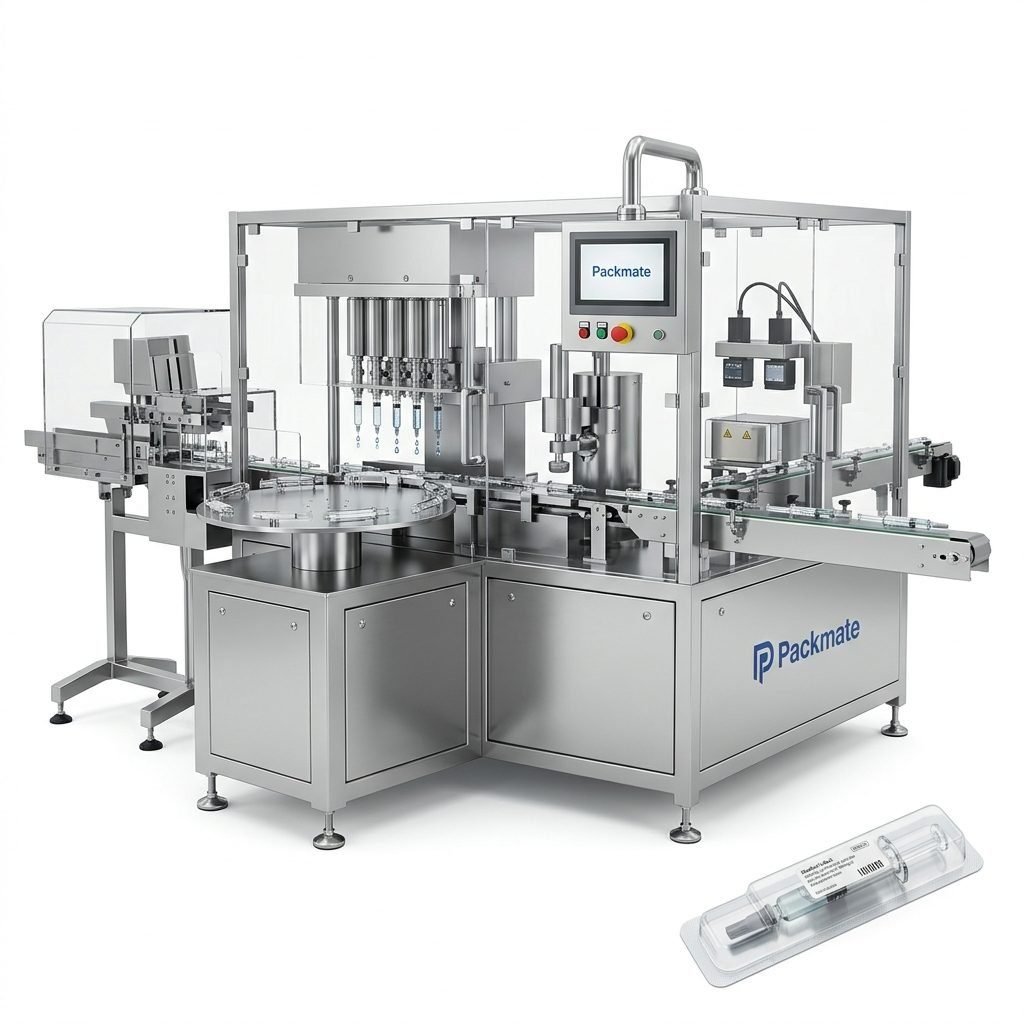
The application of packaging machinery in the USA is vast. The food and beverage sector is the largest consumer, requiring machines for everything from vertical form-fill-seal (VFFS) bagging of snacks to aseptic filling of dairy products. The pharmaceutical and medical industries demand ultra-precise, clean, and validated equipment for blister packing, vial filling, and sterile barrier systems. Furthermore, the explosion of e-commerce has created a massive need for reliable cartoning, case packing, and automated fulfillment systems to handle the relentless flow of online orders.
A Global Perspective: Partnering for Success
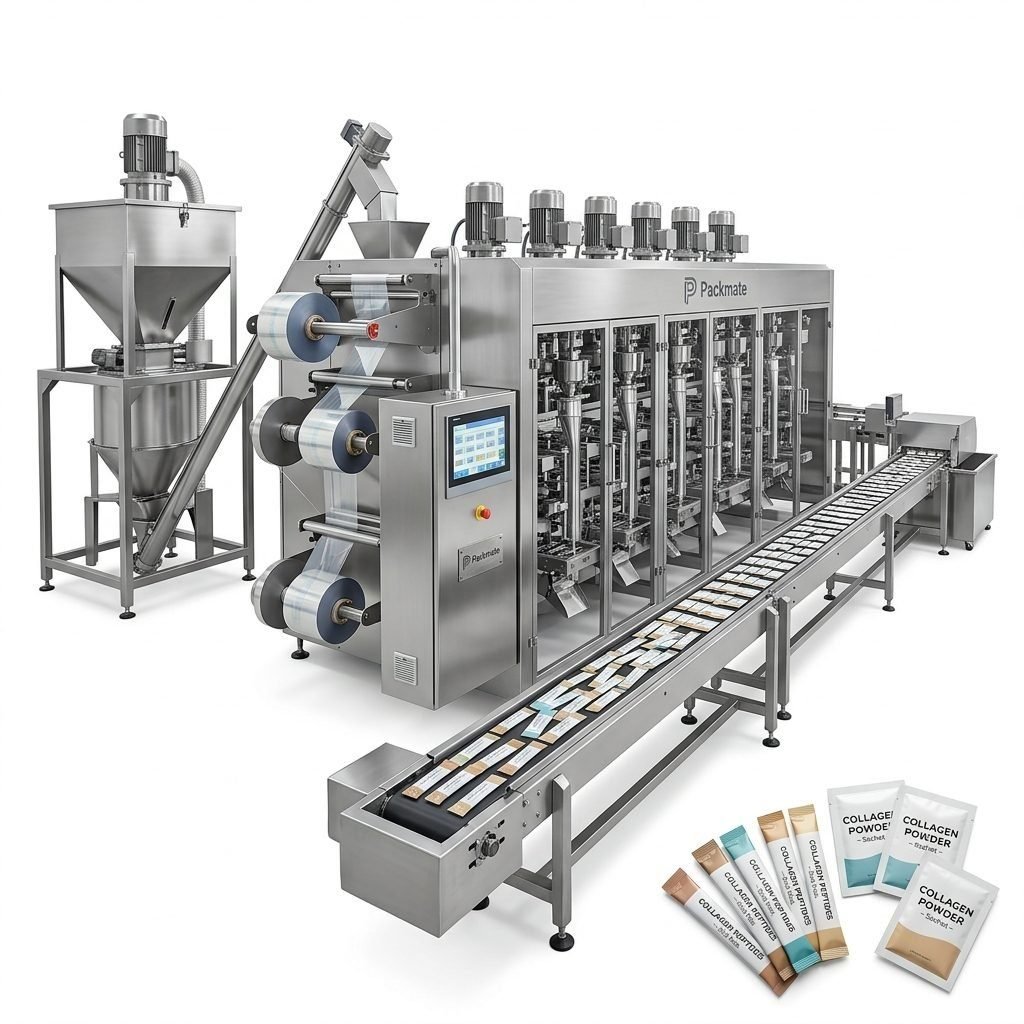
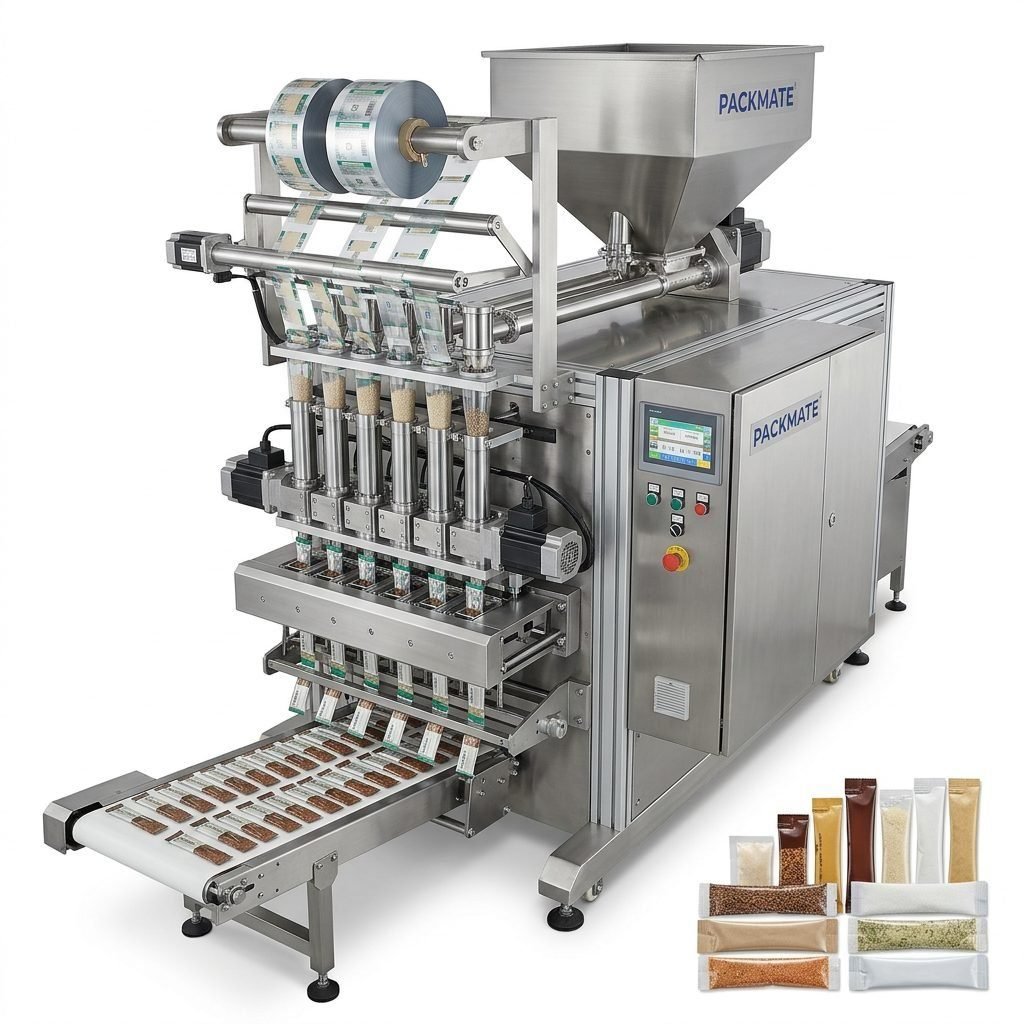
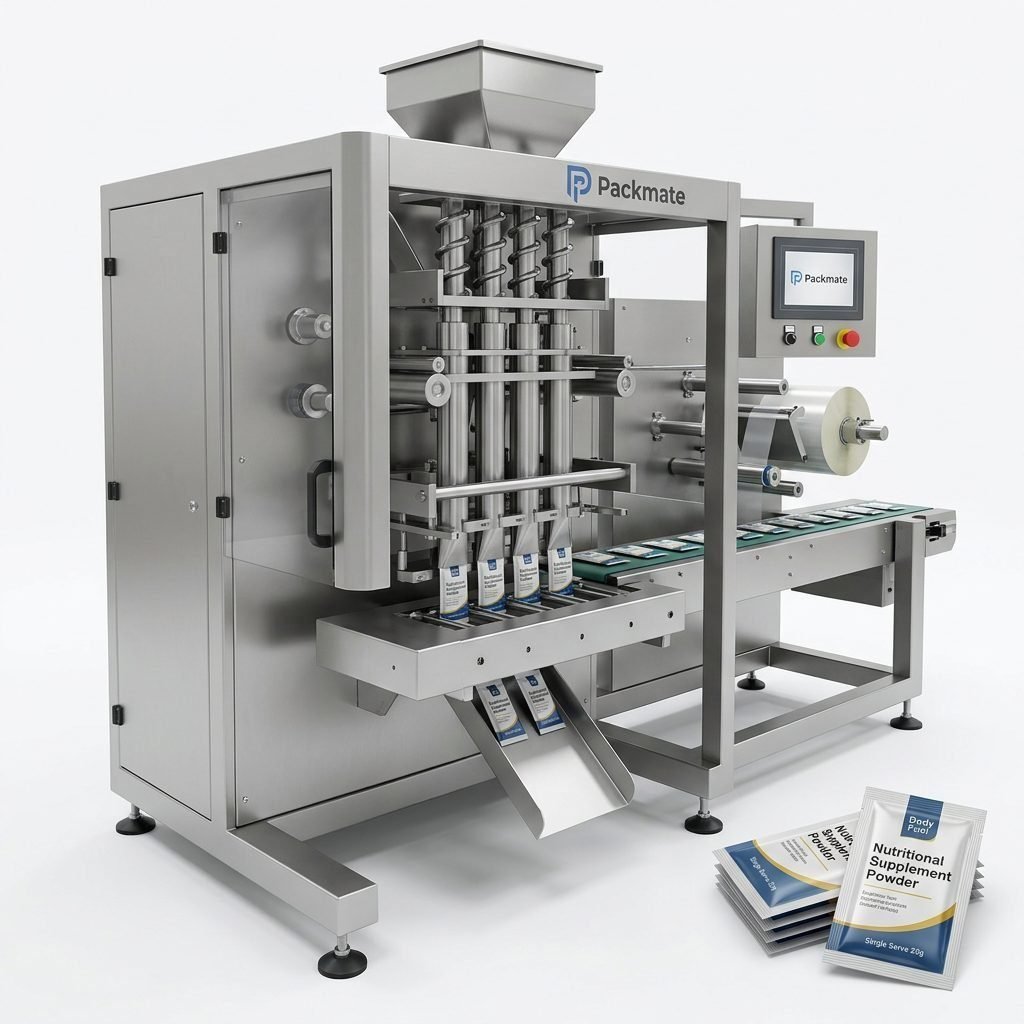
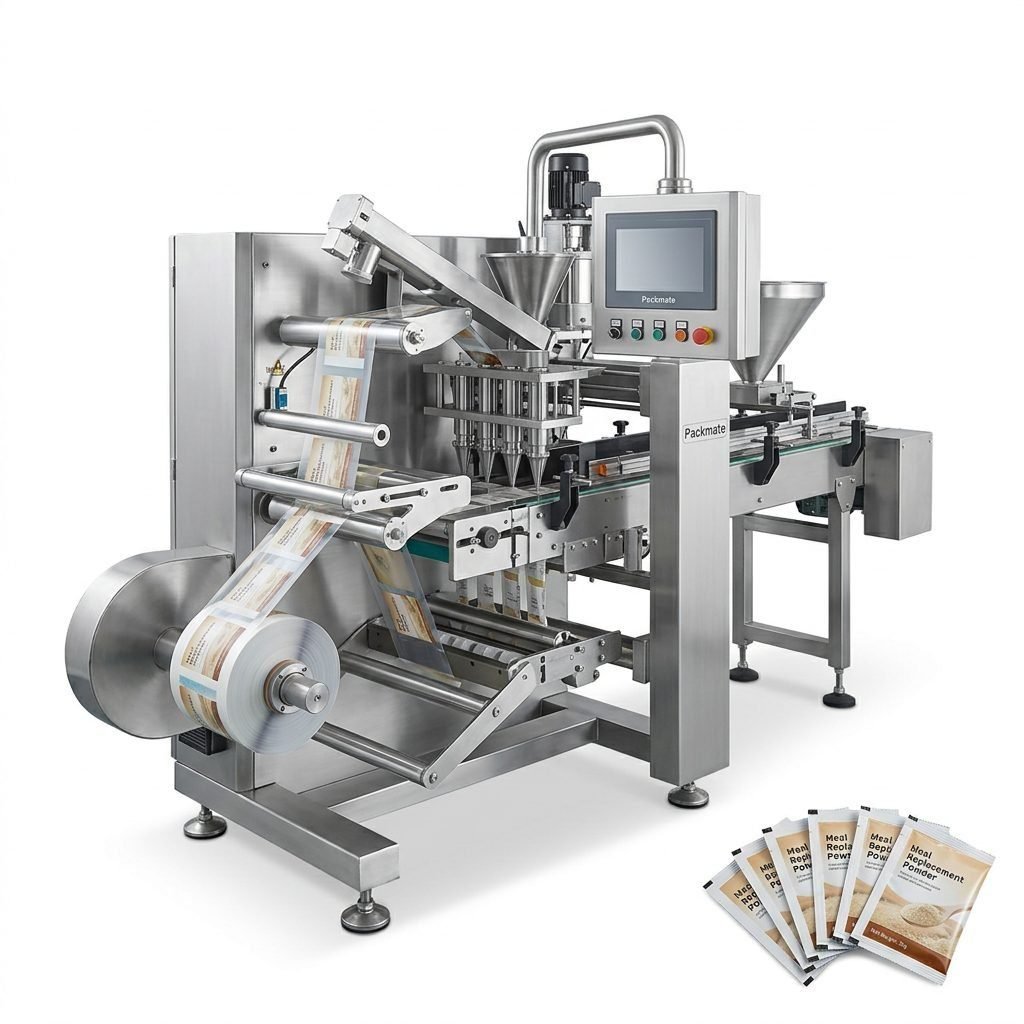
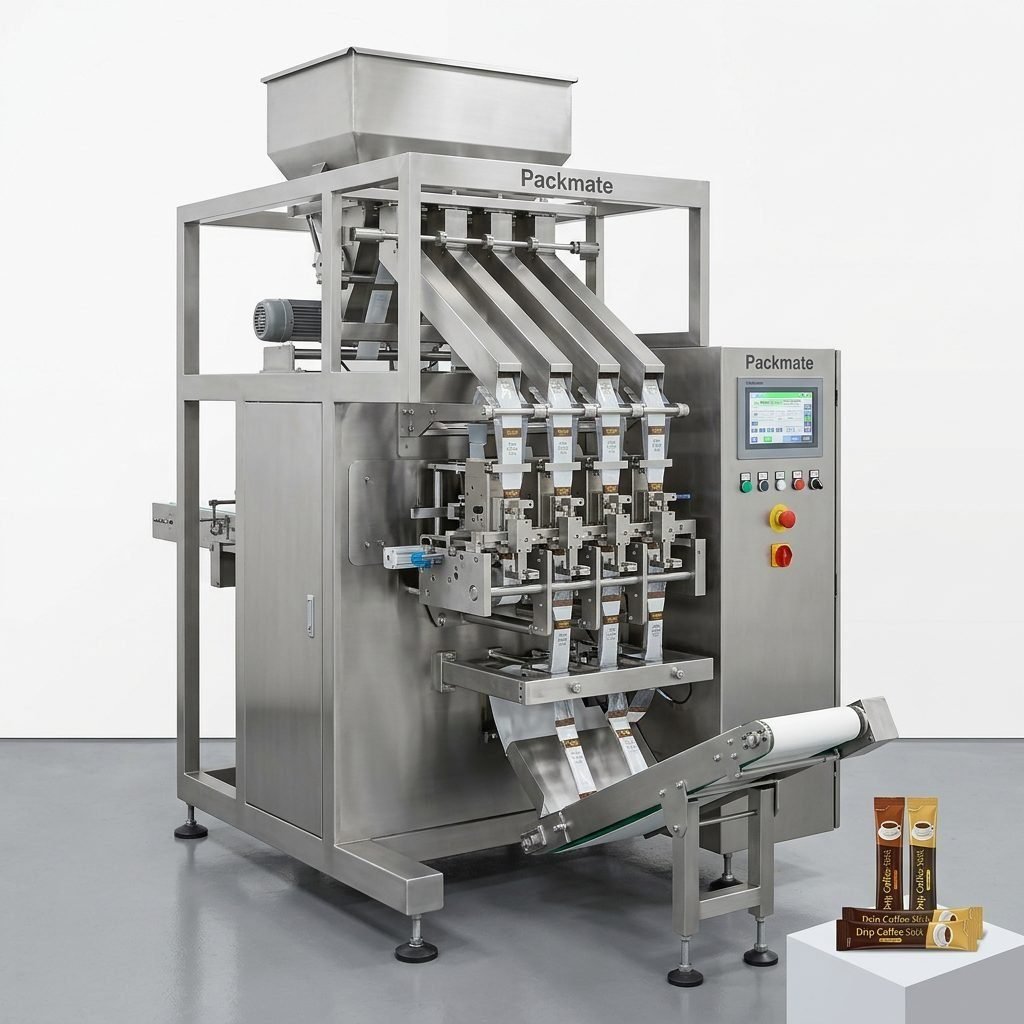
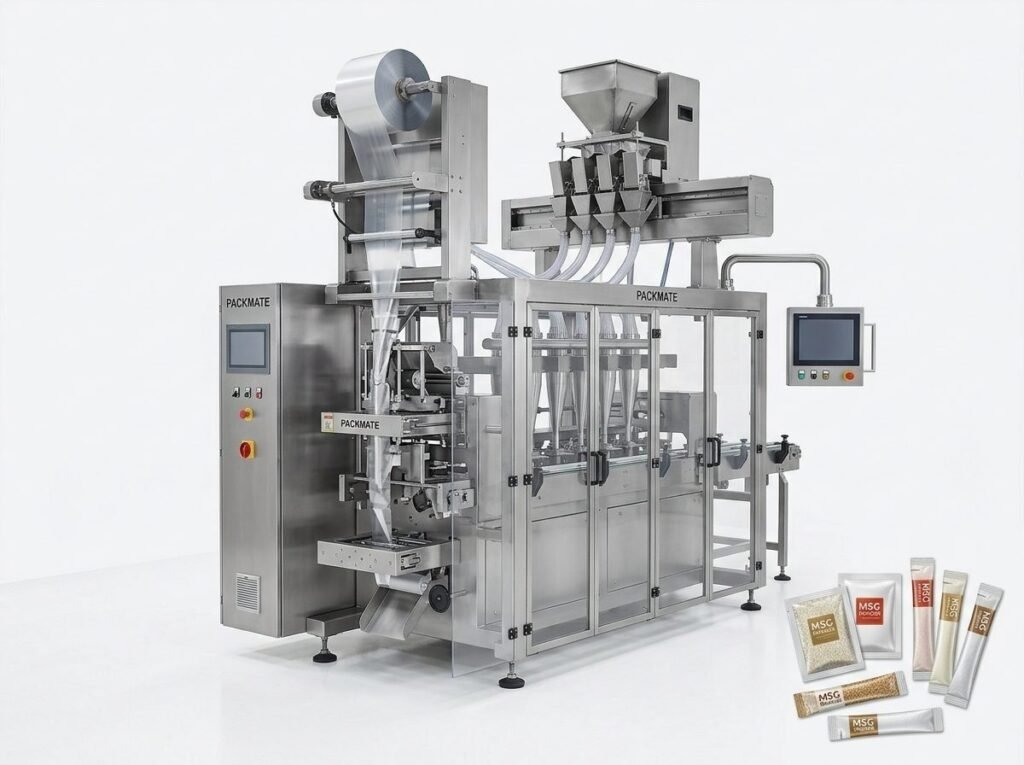
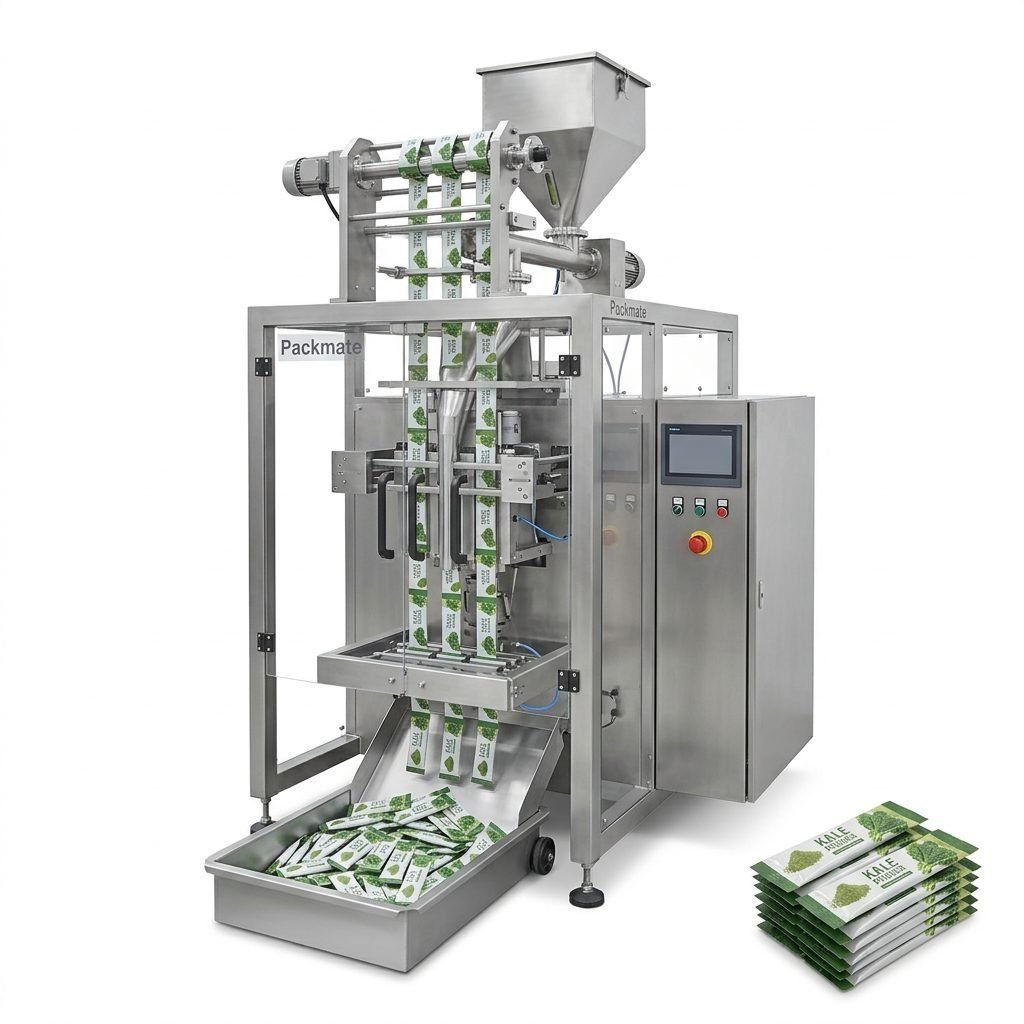
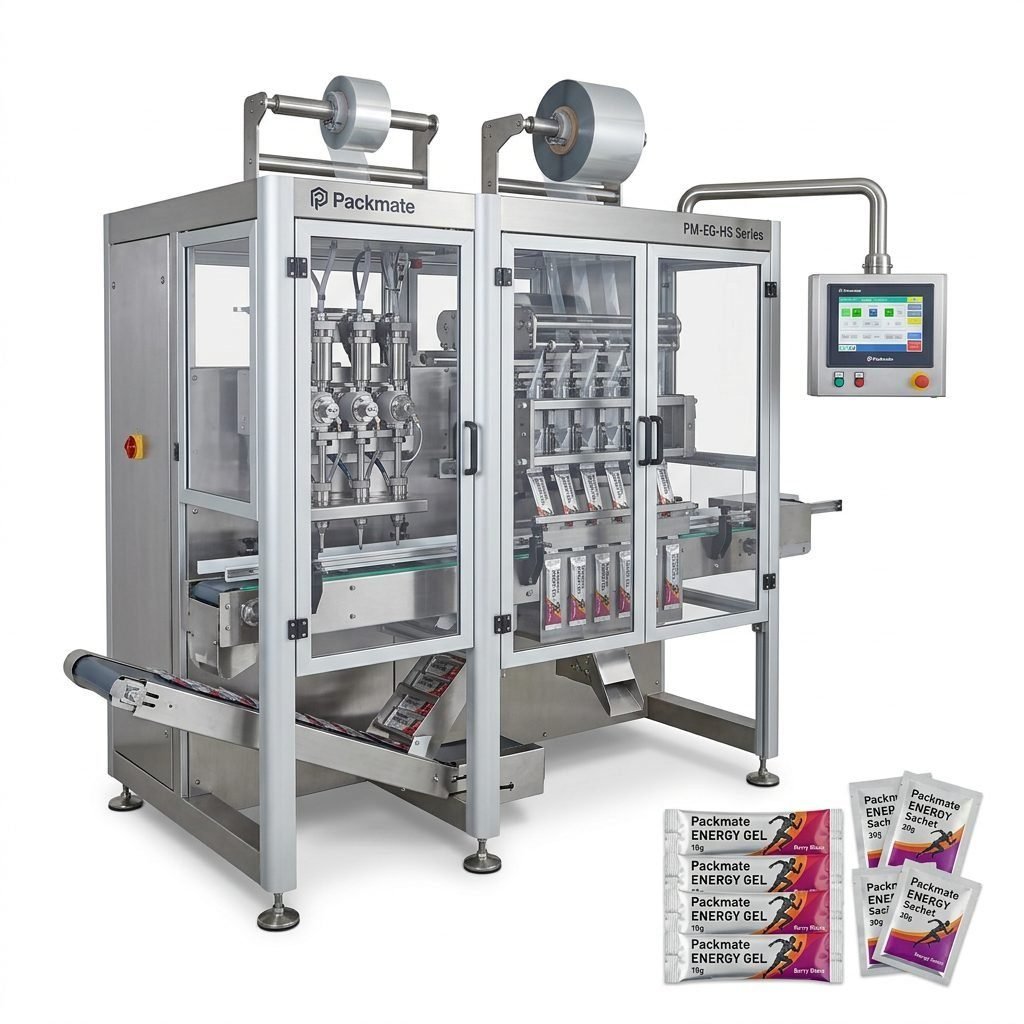
While the USA boasts a strong domestic manufacturing base, global collaboration is a cornerstone of modern industry. American companies often source specialized components worldwide and partner with international firms to offer complete solutions. For businesses seeking advanced, cost-effective technology, partnering with a globally recognized manufacturer like Packmate Machinery can be a strategic advantage. With over 30 years of expertise, Packmate delivers intelligent, reliable packaging solutions for granules, powders, and liquids, complementing the high-speed, heavy-duty focus of many American builders with precision and flexibility for specific applications like sachet and stick pack machines.
Choosing the Right Manufacturing Partner
Selecting a packaging machinery manufacturer is a significant investment. Key considerations include:
- Technical Capability & Customization: Can they engineer a solution for your specific product and throughput needs?
- Service & Support: What is their response time, parts inventory, and training program like?
- Compliance & Standards: Does their equipment meet relevant U.S. and industry standards (e.g., FDA, USDA, NSF)?
- Total Cost of Ownership: Look beyond the purchase price to factors like energy efficiency, maintenance costs, and operational reliability.
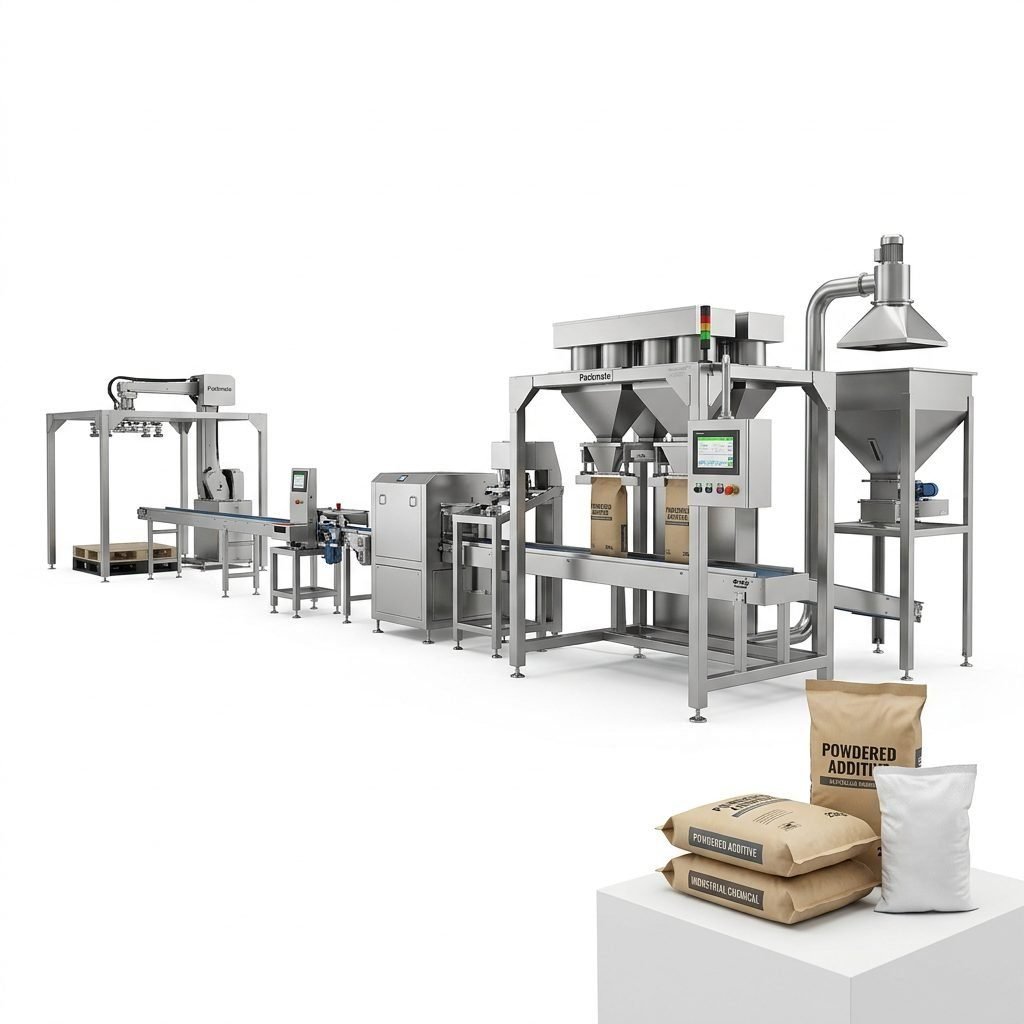
Exploring a manufacturer’s range, such as their complete filling and packaging lines, can provide insight into their system integration capabilities.
The Future: Smart, Sustainable, and Flexible
The future of packaging machinery in the U.S. is being shaped by three major trends. Industry 4.0 and IoT connectivity are making machines smarter, enabling predictive maintenance, real-time monitoring, and data-driven optimization. Sustainability is no longer a niche concern; manufacturers are developing machines that handle recycled materials, reduce film waste, and optimize energy consumption. Finally, the need for flexibility and quick changeover is paramount to cater to shorter product lifecycles and personalized packaging runs.
Frequently Asked Questions (FAQs)
What are the main advantages of buying packaging machinery from a U.S.-based manufacturer?
Primary advantages include easier access to technical service and spare parts, machinery built to comply with U.S. safety and regulatory standards, and a deep understanding of local market demands and production practices. Communication and time zone alignment also facilitate smoother project management.
How important is after-sales support when selecting a manufacturer?
Extremely important. Packaging machinery is a long-term capital investment. Reliable, fast after-sales support minimizes costly downtime. Evaluate the manufacturer’s service network, availability of spare parts, and training programs for your operators and maintenance staff before purchasing.
Can U.S. manufacturers provide complete turnkey packaging lines?
Yes, many leading U.S. manufacturers and system integrators specialize in providing complete turnkey solutions. This includes not just the core packaging machines but also upstream and downstream equipment (like conveyors, checkweighers, and case packers), system integration, installation, and commissioning. For specialized applications, they may partner with global experts to source the best components.
What should I consider for packaging machinery in the food industry?
For the food industry, critical factors include the machine’s cleanability and hygiene design (often requiring stainless steel surfaces), compliance with food safety standards (like FDA and USDA requirements), and the ability to handle your specific food product’s characteristics (e.g., oily, sticky, abrasive, or fragile).
How do I balance cost with quality and features?
Focus on the Total Cost of Ownership (TCO). A machine with a lower initial price but higher maintenance costs and downtime will be more expensive in the long run. Assess the machine’s build quality, energy efficiency, expected lifespan, and the manufacturer’s reputation for reliability. Clearly define your must-have features versus nice-to-have options to make an informed decision.