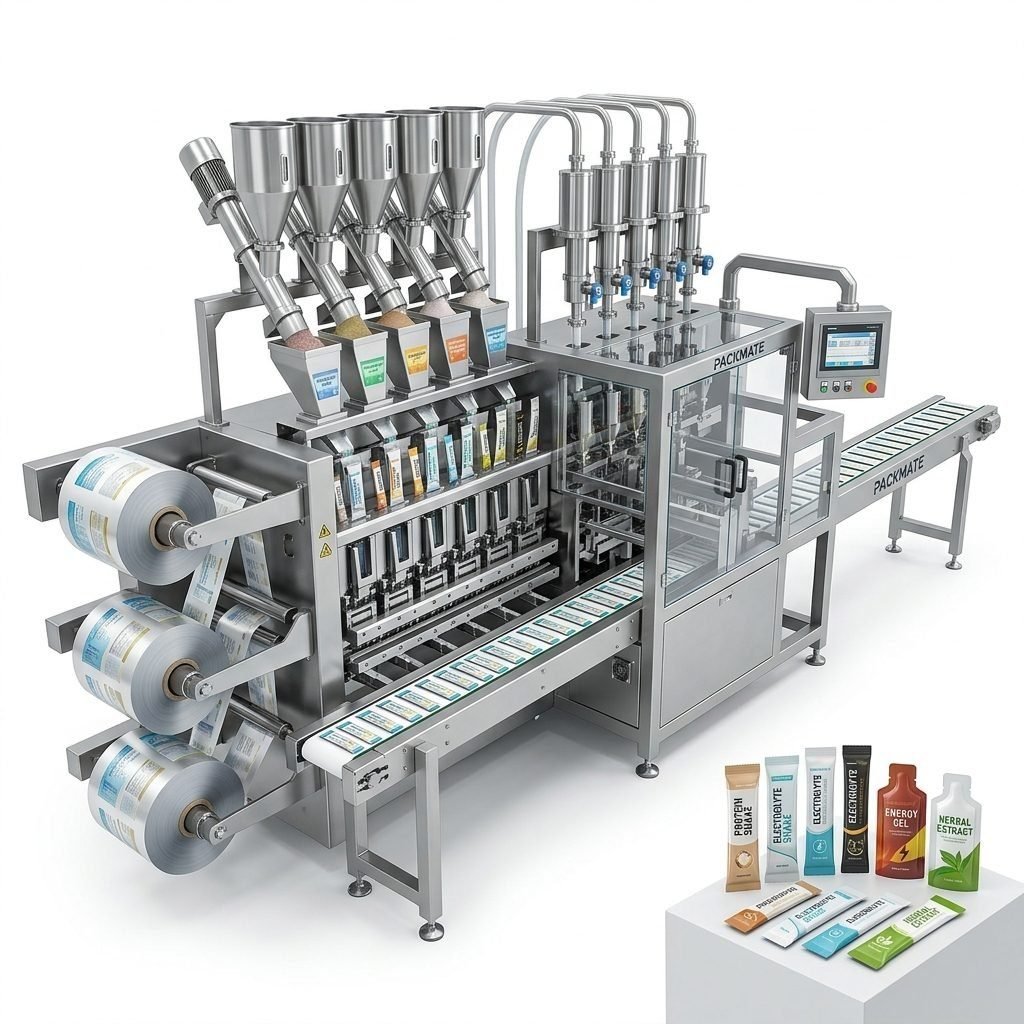
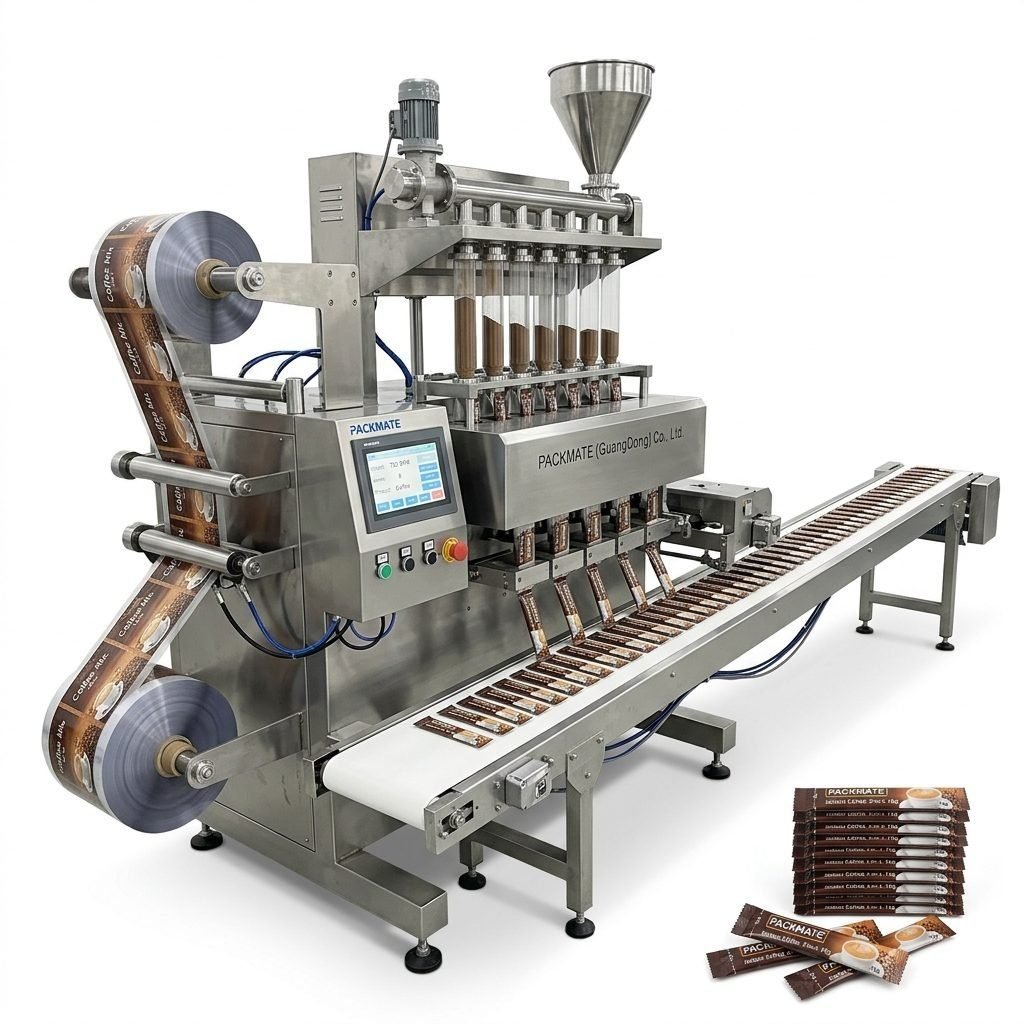
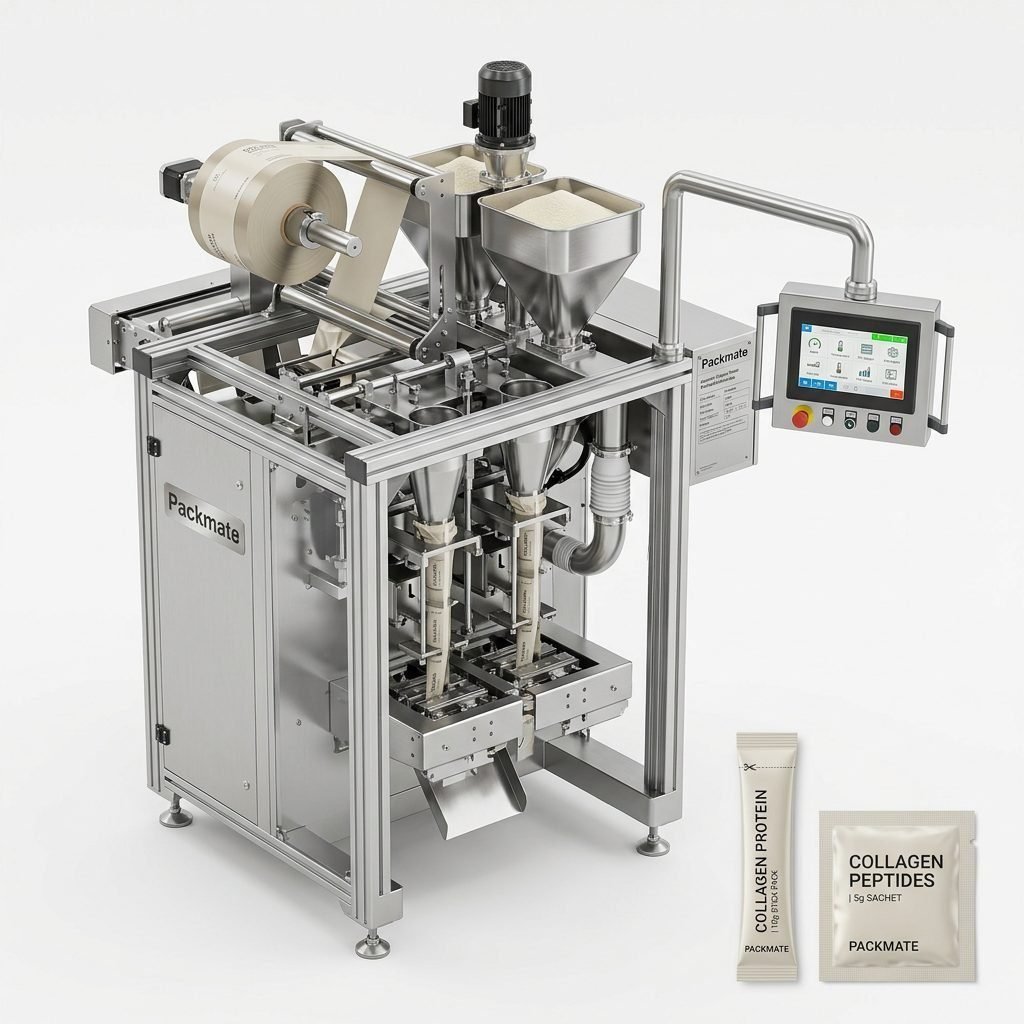
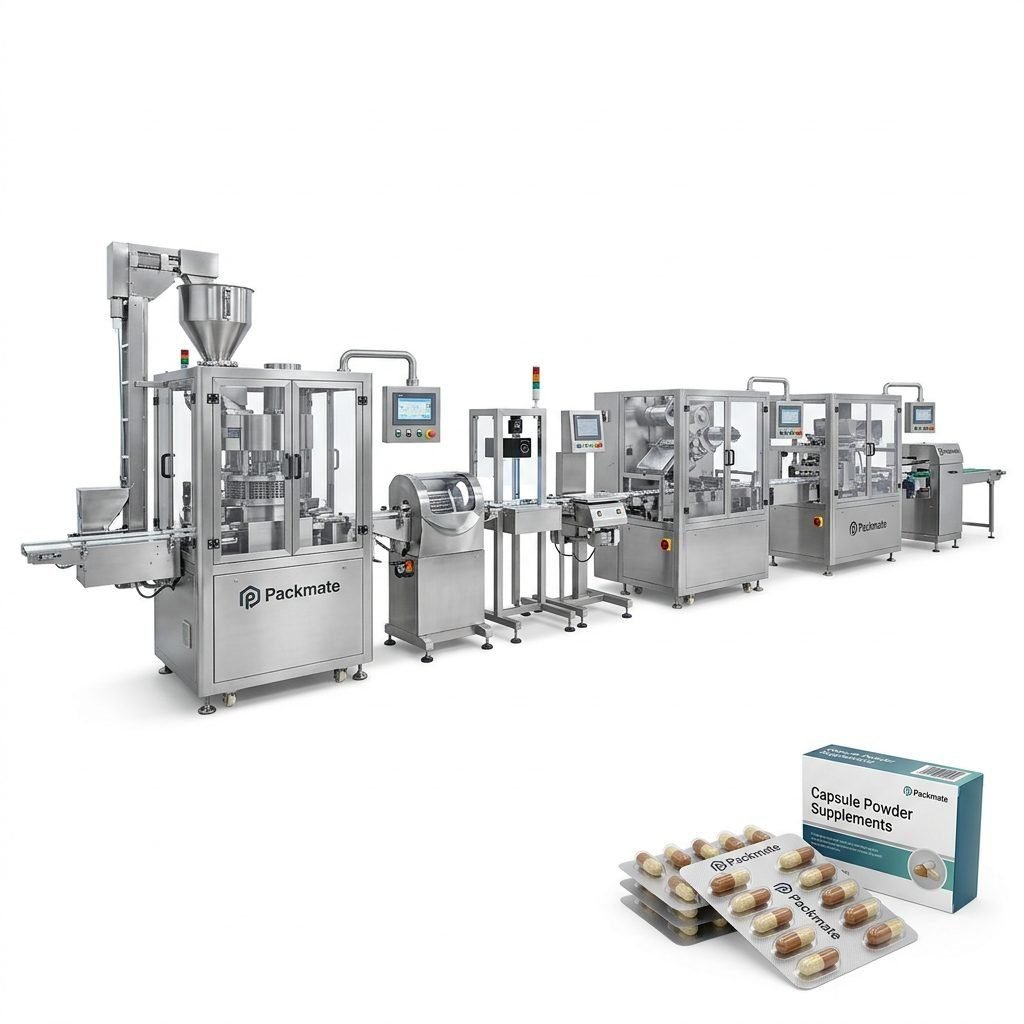
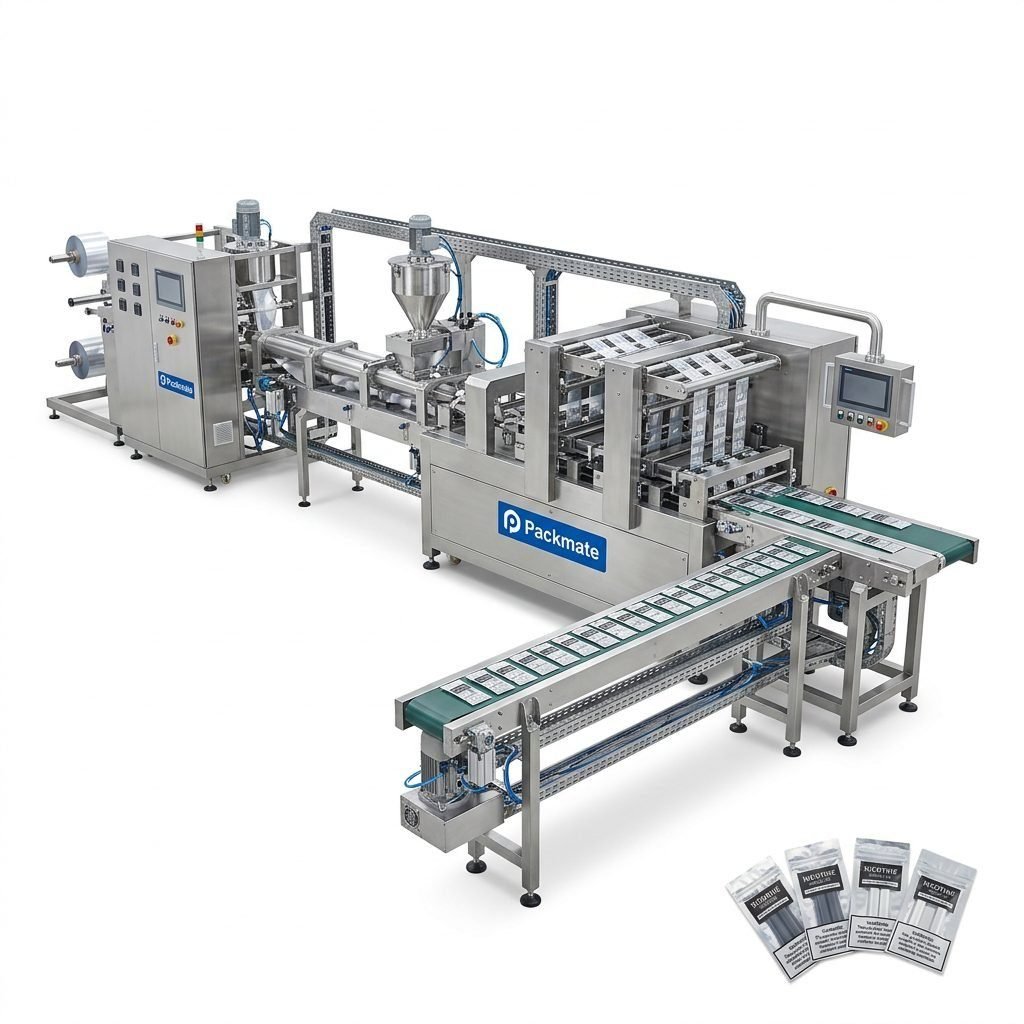
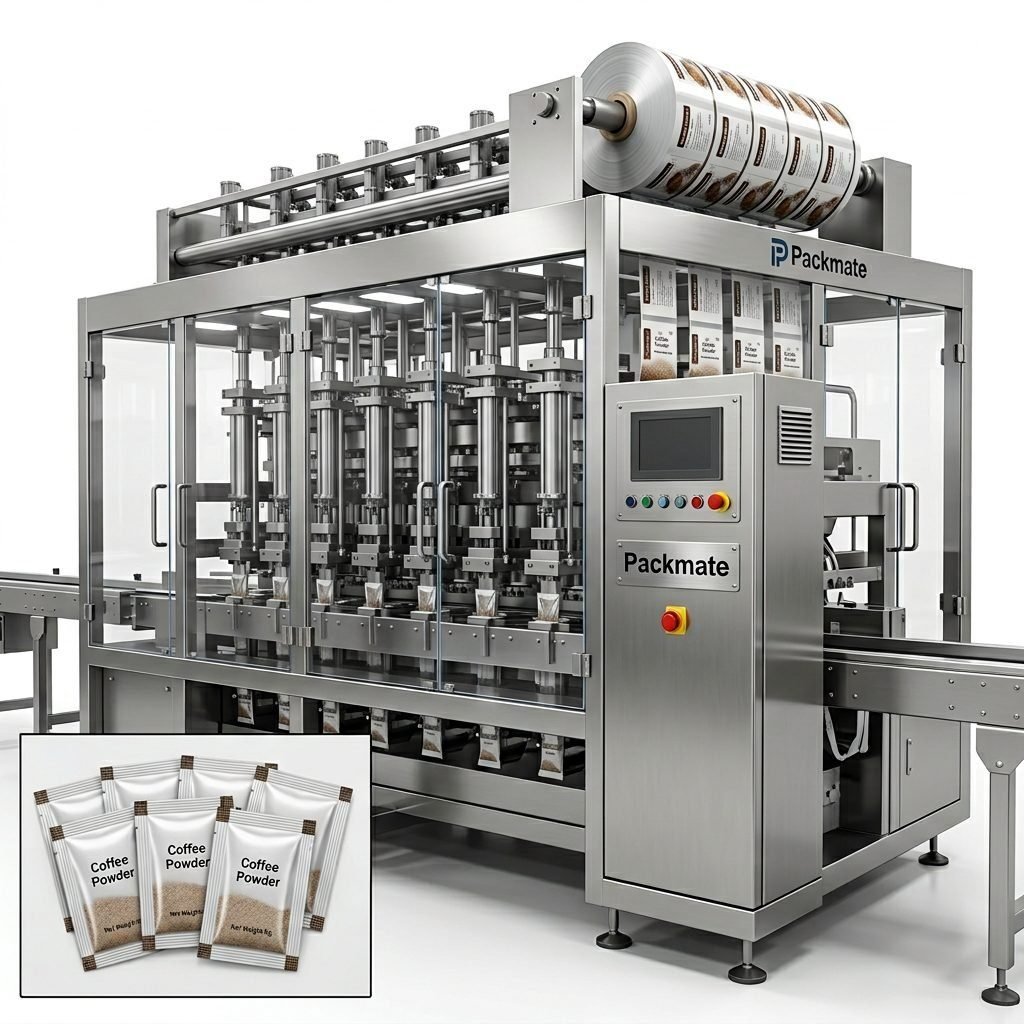
In today’s fast-paced production environments, efficiency is paramount. Small packaging machines have emerged as vital tools for businesses of all sizes, enabling precise, rapid, and cost-effective packaging of products ranging from food items and pharmaceuticals to health supplements and hardware components. This guide delves into the essential aspects of these machines, helping you understand their operation, benefits, and how to select the right one for your specific needs.
What is a Small Packaging Machine?
A small packaging machine is a compact, often automated system designed to measure, fill, and seal products into various pouch formats like sachets, stick packs, or small bags. Unlike large-scale industrial lines, these machines are characterized by their relatively smaller footprint, flexibility, and suitability for lower to medium production volumes. They are the workhorses for businesses that require agility and precision without the massive capital investment of a full-scale plant.
The core function revolves around automating repetitive tasks—weighing a precise amount of product, forming a pouch from roll film, filling it, and sealing it—all with minimal human intervention. This not only speeds up the process but also drastically reduces errors and material waste.
Key Components and How They Work
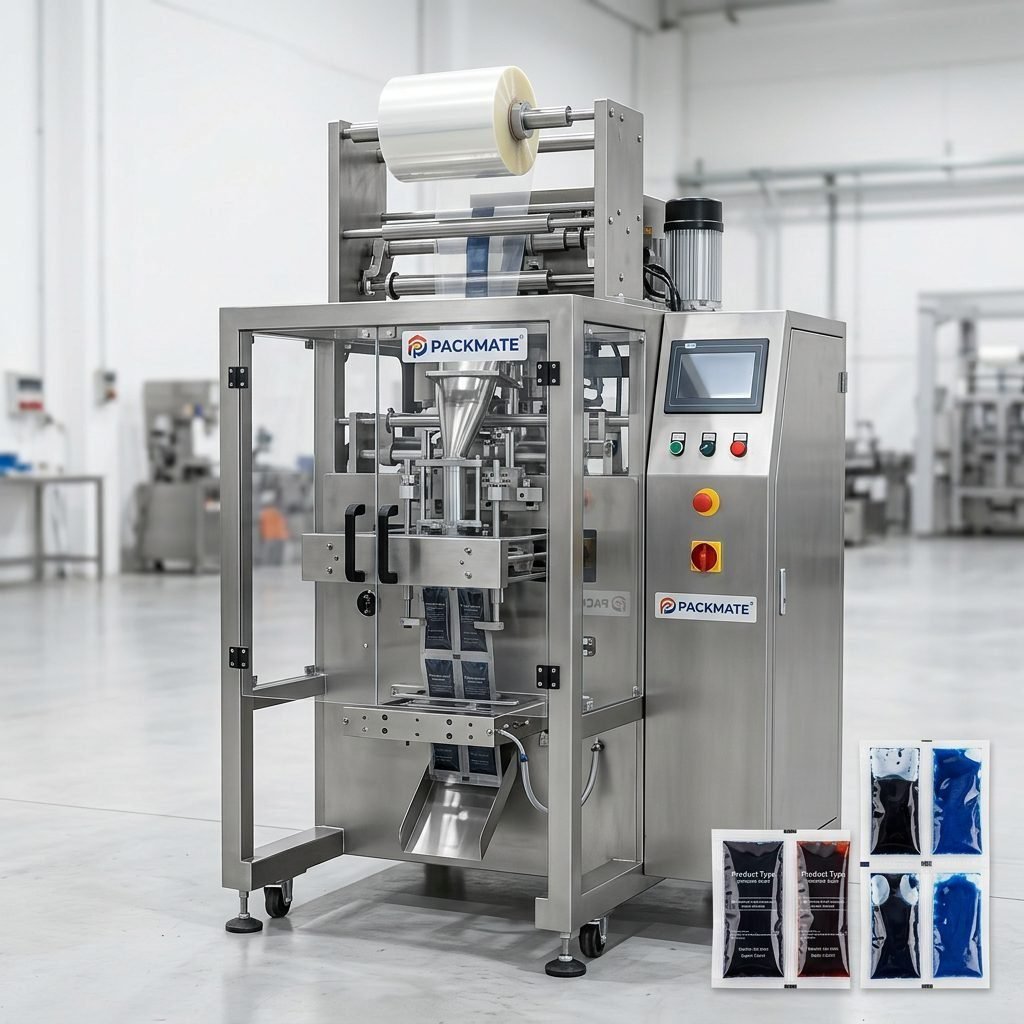
Understanding the basic mechanics demystifies the process. A typical small packaging machine includes a film unwinding system, a forming mechanism (which shapes the flat film into a pouch), a precision filling system (like auger fillers for powders or pumps for liquids), and a sealing and cutting unit. The process is synchronized by a programmable logic controller (PLC), ensuring each step from film feed to final cut is executed with impeccable timing.
Major Benefits for Your Business
Investing in a small packaging machine translates into tangible operational advantages. The most immediate is increased productivity. Machines operate consistently, without breaks, significantly outpacing manual packaging. This leads directly to lower labor costs per unit, allowing staff to be redeployed to more value-added tasks.
Furthermore, automation ensures superior consistency and accuracy in every pack. Each sachet contains the exact weight or volume, enhancing product quality and brand reputation. It also ensures excellent hygiene standards, crucial for food and pharmaceutical sectors, by minimizing direct product contact. Finally, modern machines are designed for quick changeovers, allowing you to switch between different products or package sizes with minimal downtime, thus supporting smaller batch production runs efficiently.
Common Types of Small Packaging Machines
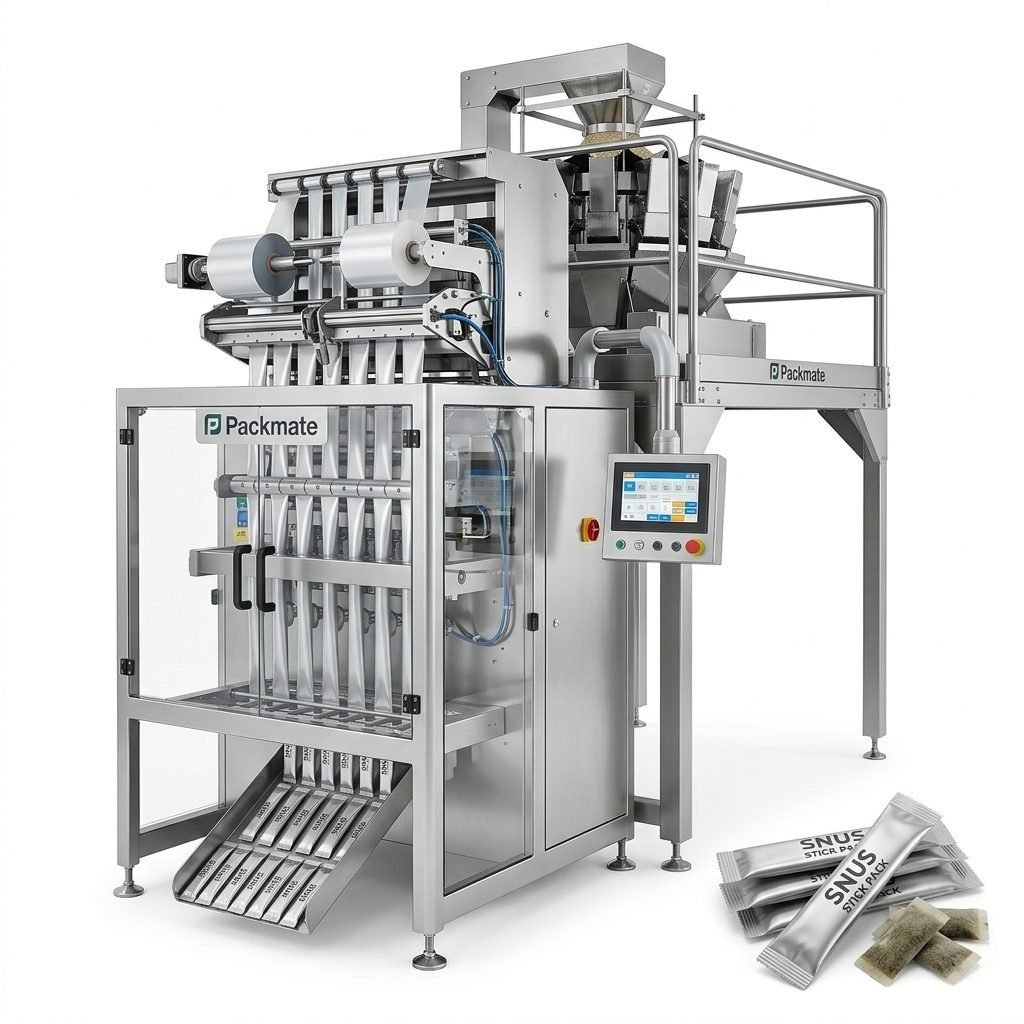
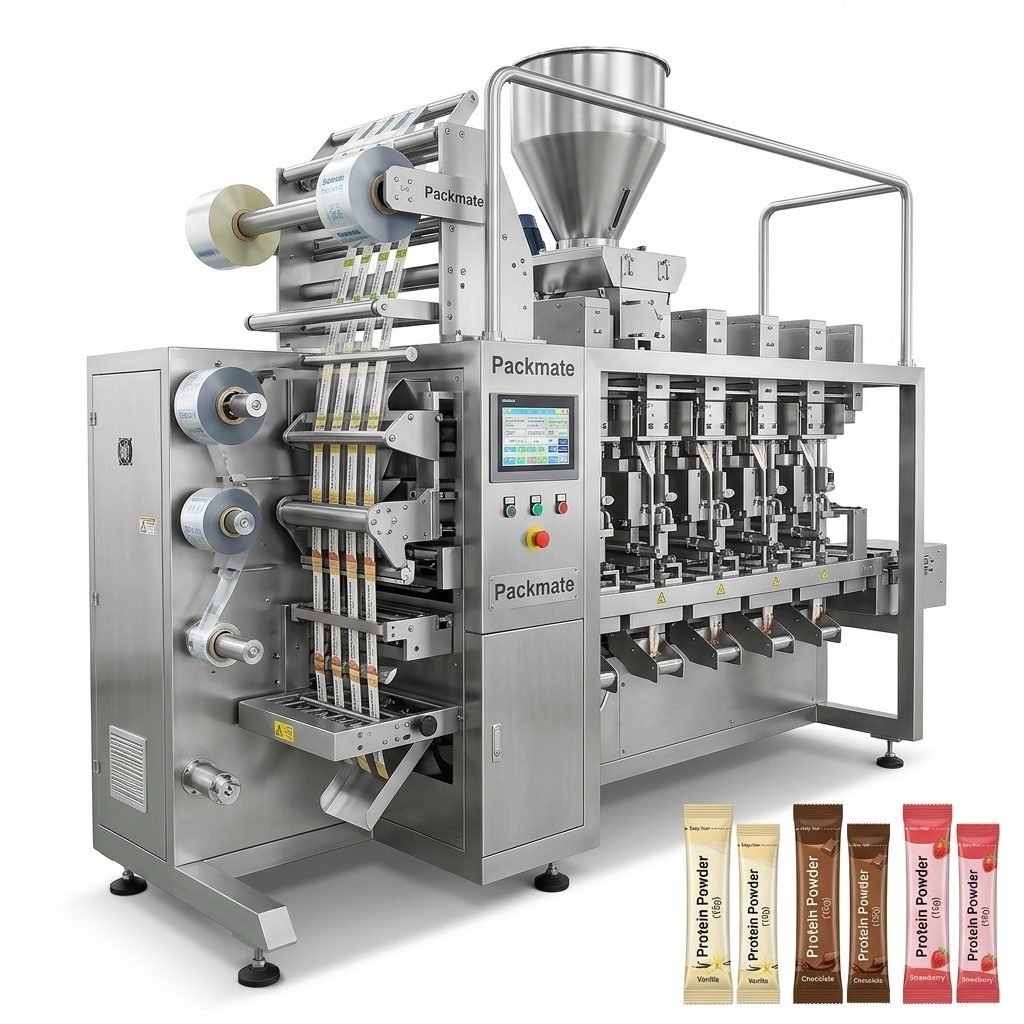
The “small packaging machine” category encompasses several specialized types. Vertical Form-Fill-Seal (VFFS) machines are incredibly versatile, forming bags from a roll of film and filling them with free-flowing products like snacks or granules. For portion-controlled products like sugar, instant coffee, or sauce, sachet packaging machines are ideal. A popular subset is the stick pack machine, which creates long, slender packs perfect for powders, liquids, or gels, often seen in the food and beverage industry.
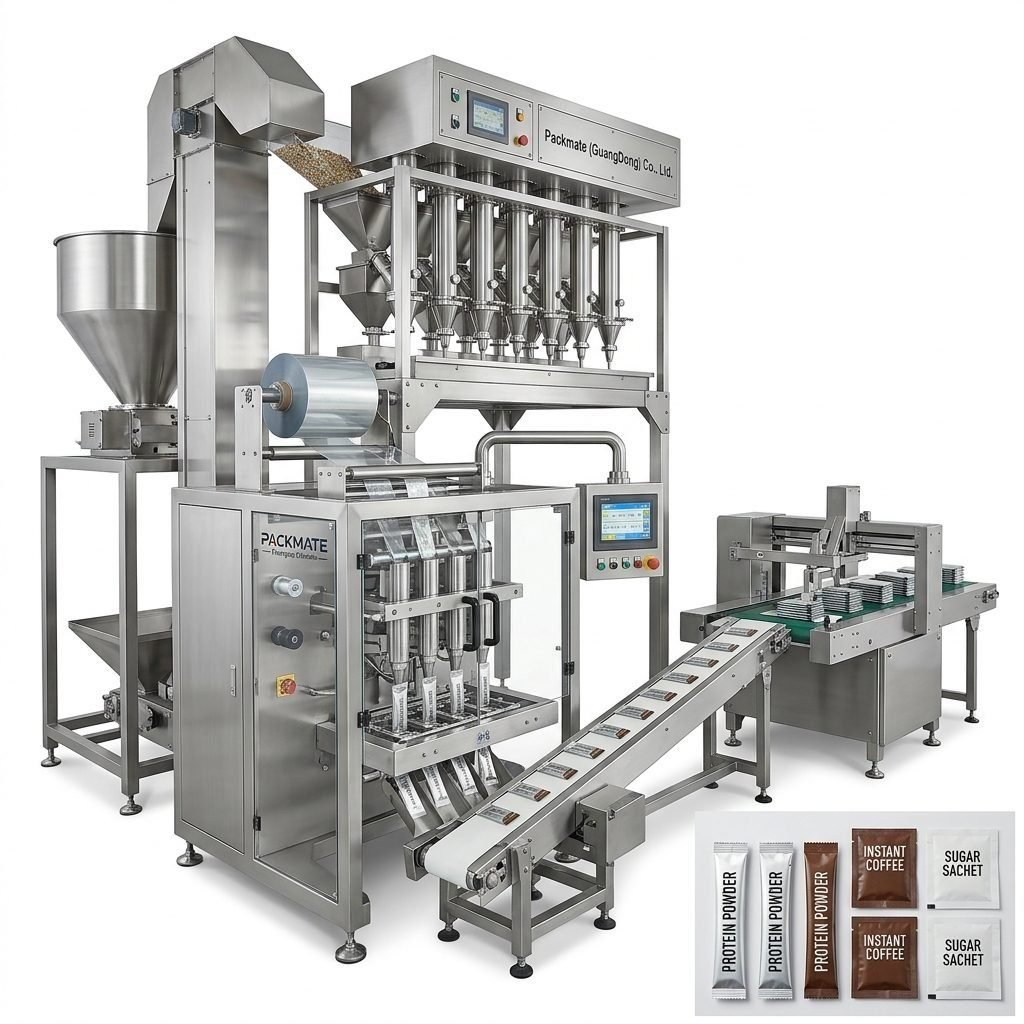
For businesses dealing with powders, granules, or seeds, auger filler packaging machines offer unparalleled precision. When your needs involve combining different product types or packaging into larger bags, integrating a weighing and packaging system or a complete filling and packaging line becomes the solution. Companies like Packmate Machinery, with decades of experience, develop a wide range of these solutions, from single machines to full turnkey packaging lines.
Choosing the Right Machine: A Decision Guide
Selecting the optimal machine requires careful analysis of your specific requirements. Start by clearly defining your product characteristics: Is it a powder, liquid, granule, or solid? What is its flowability and density? Next, consider your production output goals (packs per minute/hour) and the package type and size (sachet, stick pack, pouch dimensions).
Material compatibility is critical. Ensure the machine can handle your chosen packaging film (e.g., PET/AL/PE laminates) and that the sealing system provides strong, airtight seals. Don’t overlook footprint and utility requirements—will it fit in your available space, and do you have the necessary power and compressed air connections? Finally, evaluate the manufacturer’s reputation for after-sales support, training, and spare parts availability. A reliable partner is as important as the machine itself.
Exploring a manufacturer’s case studies can provide real-world insights into how similar businesses have successfully implemented their packaging solutions.
Operational Best Practices and Maintenance
To ensure longevity and peak performance, proper operation and maintenance are non-negotiable. Begin with comprehensive operator training provided by the supplier. Establish a routine cleaning and lubrication schedule as per the machine manual to prevent product contamination and wear. Regularly inspect and replace wear parts like sealing jaws, cutting blades, and filters before they fail and cause downtime.
Keep a detailed log of performance and any minor issues; this data is invaluable for troubleshooting and predictive maintenance. Always use the recommended packaging materials to avoid jams and poor seal quality. Adhering to these practices maximizes uptime, protects your investment, and ensures consistent, high-quality output.
Future Trends in Compact Packaging Technology
The evolution of small packaging machines is driven by the demand for greater intelligence and sustainability. Integration with Industrial IoT (IIoT) is a major trend, allowing for real-time monitoring of production data, predictive maintenance alerts, and remote diagnostics. This connectivity transforms the machine from a standalone unit into a node in a smart factory network.
There is also a strong push towards enhanced sustainability. Machines are being designed to handle mono-material or more easily recyclable films without compromising seal integrity. Furthermore, advancements in motion control and software are leading to machines that are even more energy-efficient and capable of ultra-quick changeovers, supporting the growing market for personalized and on-demand production runs. Staying informed about these trends through industry resources like a manufacturer’s homepage or news sections can help future-proof your packaging operations.
Conclusion
Small packaging machines are indispensable assets for modern businesses seeking efficiency, consistency, and scalability. From understanding the basic types and benefits to making an informed purchase decision and implementing robust maintenance, each step is crucial for unlocking their full potential. By automating the packaging process, companies can reduce costs, improve product quality, and enhance their ability to respond swiftly to market demands, securing a vital competitive edge.
Frequently Asked Questions (FAQs)
What is the typical production speed of a small sachet packaging machine?
Speeds vary by model and product, but modern small sachet machines can typically produce between 40 and 120 packs per minute, depending on the complexity of the fill and the package size.
Can one machine handle different types of products, like powders and liquids?
Many machines are modular. While a core machine might be adaptable, the filling system usually needs to be specific to the product type (e.g., auger for powders, pump for liquids). Quick-change filler heads or interchangeable systems are available from many manufacturers to facilitate product switching.
How much floor space do I need to allocate for a small packaging line?
Space requirements depend on the machine type and any auxiliary equipment (like checkweighers or conveyors). A standalone vertical form-fill-seal machine might require a footprint as small as 2m x 1m, while a full multi-lane stick pack line with feeders will need significantly more. Always consult the machine specifications and layout drawings from your supplier.
What is the most important factor in achieving a good seal on my packages?
Three factors are critical: the correct temperature and pressure settings on the sealing jaws, adequate dwell (sealing) time, and using packaging film that is compatible with the sealing method (e.g., thermal sealing). Contamination of the sealing area with product dust or moisture is a common cause of seal failures.
Are these machines difficult to clean and maintain for food-grade production?
Reputable manufacturers design machines for the industries they serve. For food and pharmaceutical use, machines feature stainless steel contact parts, smooth surfaces without crevices, and designs that allow for easy disassembly and cleaning (CIP/SIP capabilities in some advanced models). Following a structured cleaning protocol is essential.