In the critical world of healthcare manufacturing, the integrity of a product extends far beyond its active ingredients or therapeutic design. The final barrier protecting that product—its sterile medical packaging—is a non-negotiable component of patient safety. Ensuring this packaging is created under the highest standards of sterility and precision requires specialized equipment. This guide delves into the essential aspects of sterile medical packaging equipment, outlining how it safeguards healthcare products from contamination and damage throughout their lifecycle.
Core Principle:
The primary function of sterile medical packaging equipment is to create a hermetically sealed, bioburden-free environment for medical devices and pharmaceuticals, maintaining sterility from the point of manufacture until the moment of use at a healthcare facility.
The Critical Role of Packaging in Healthcare Safety
Medical packaging is not merely a container; it is a sterility assurance system. Compromised packaging can lead to product contamination, resulting in device-related infections, reduced drug efficacy, or patient harm. Regulatory bodies like the FDA and EMA enforce stringent guidelines (e.g., ISO 11607) that govern packaging processes, making the choice of reliable equipment paramount for compliance and market access.
Key Challenges Addressed by Specialized Equipment
Modern sterile packaging equipment is engineered to overcome specific challenges:
- Particulate Control: Preventing the introduction of dust and fibers during the packaging process.
- Maintaining Aseptic Conditions: Operating within controlled environments (like ISO Class 5 cleanrooms) to prevent microbial ingress.
- Seal Integrity: Creating consistent, strong seals that remain intact during sterilization (e.g., Ethylene Oxide, Gamma Radiation) and rough handling during logistics.
- Material Compatibility: Working effectively with specialized medical-grade films, Tyvek®, and paper-plastic combinations without causing stress or degradation.
Types of Sterile Medical Packaging Equipment
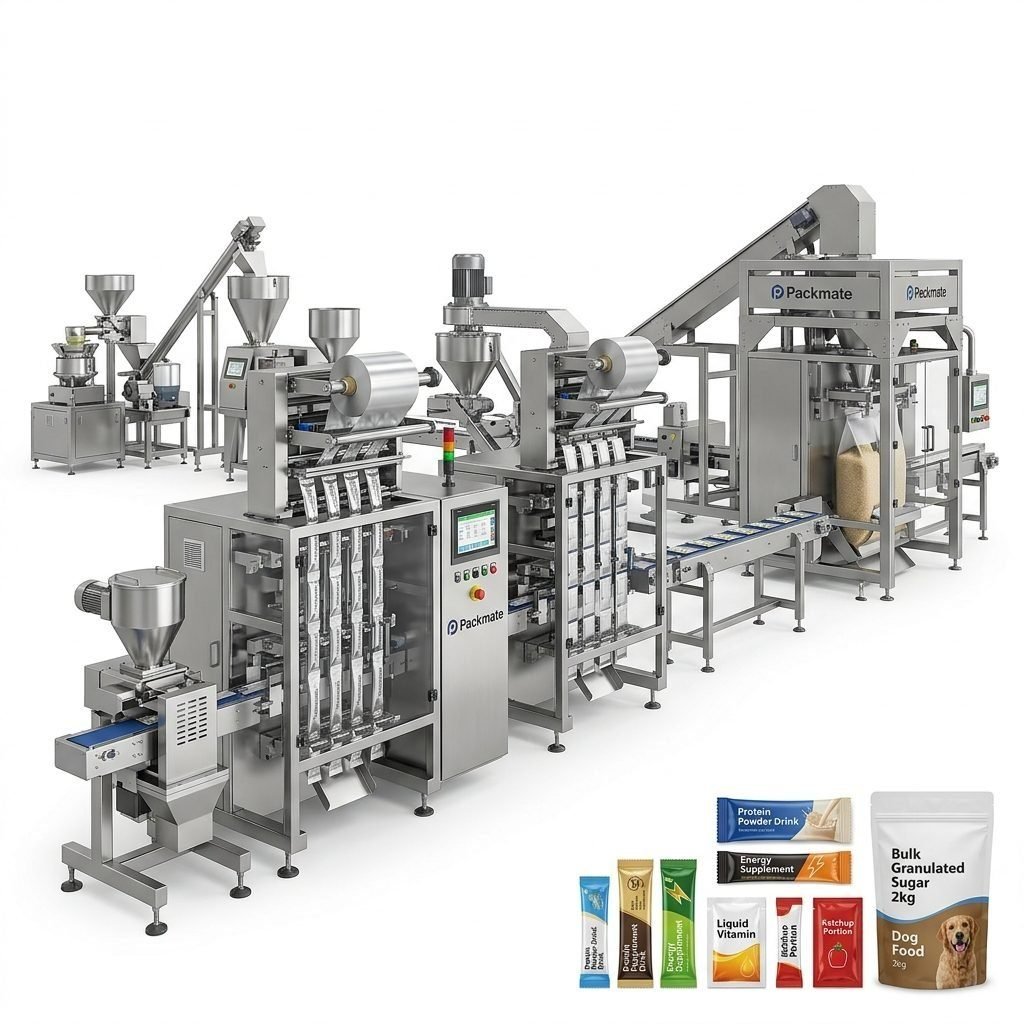
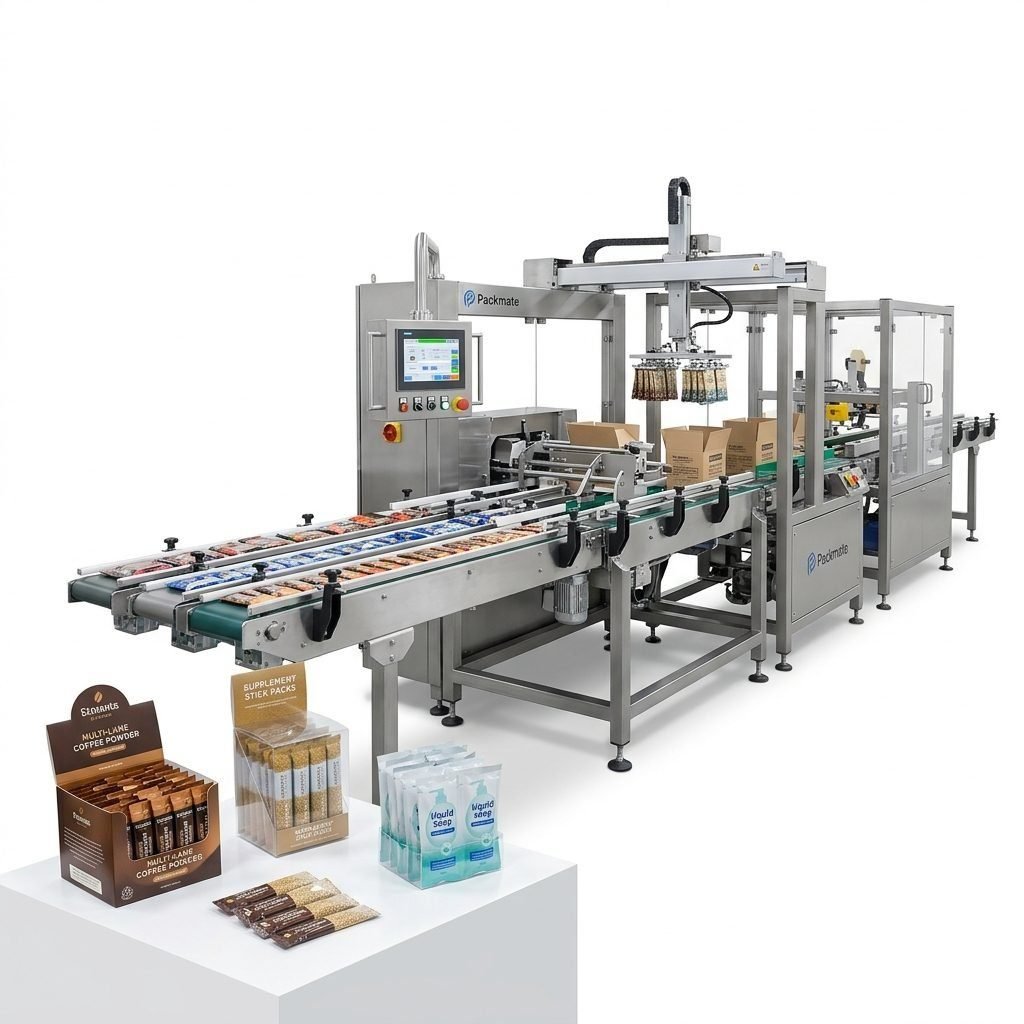
The equipment landscape is diverse, tailored to different product forms and packaging formats. Leading manufacturers, such as Packmate Machinery, develop intelligent solutions that integrate seamlessly into sterile production lines.
1. Thermoform-Fill-Seal (TFFS) Machines
These are workhorses for sterile device packaging. They thermoform a base web into precise cavities, place the product, apply a lidding material, and create a hermetic seal—all in one continuous, automated process. This minimizes human intervention, a critical factor in maintaining asepsis.
2. Blister Packaging Machines
Common for unit-dose pharmaceuticals and small devices, these machines form blisters from a plastic sheet, fill them, and seal with a foil or film lidding. Advanced models feature integrated vision systems to check for fill accuracy and seal defects before release.
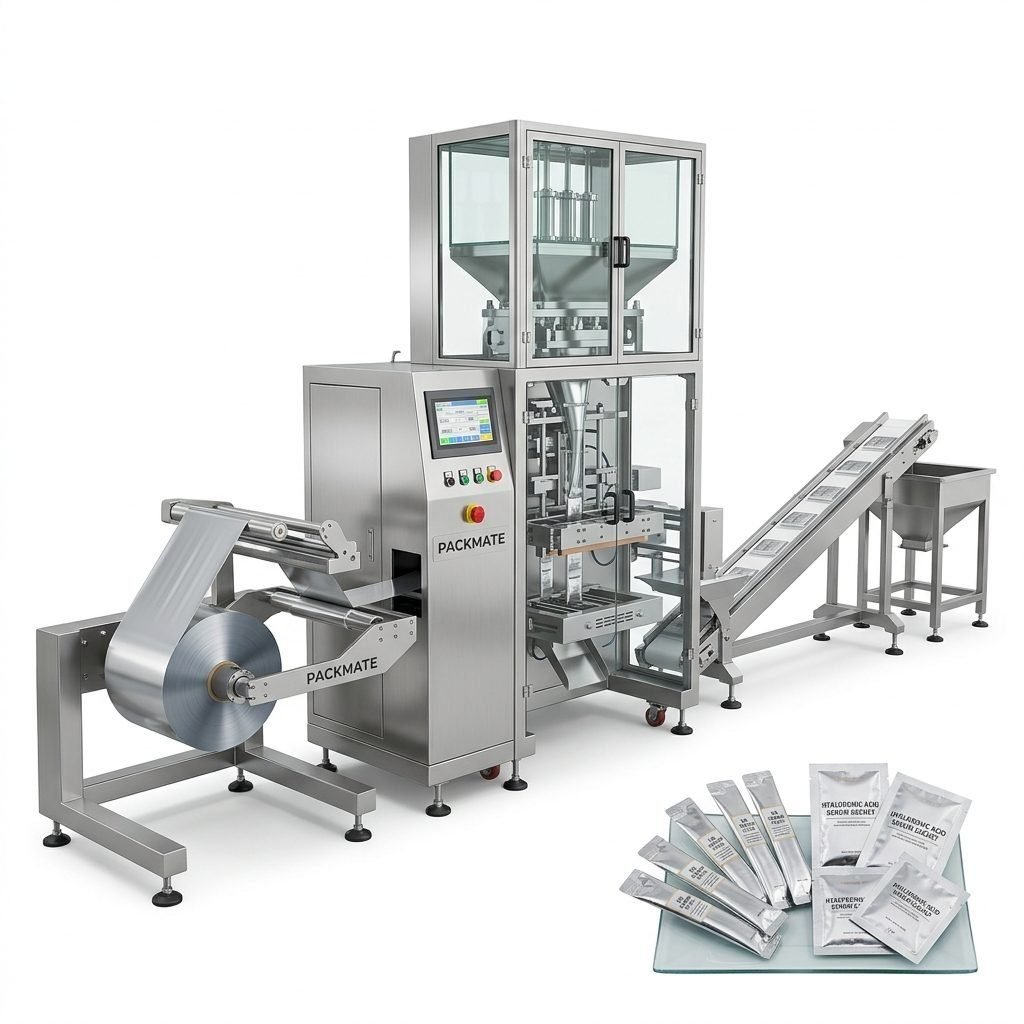
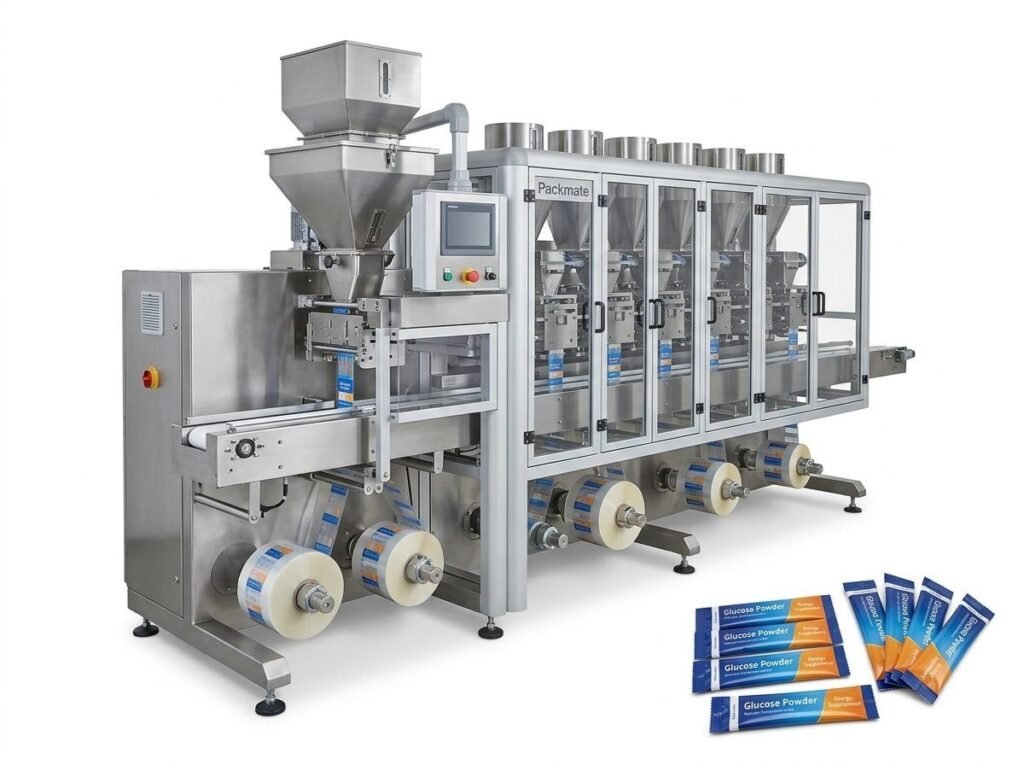
3. Pouch and Sachet Packaging Machines
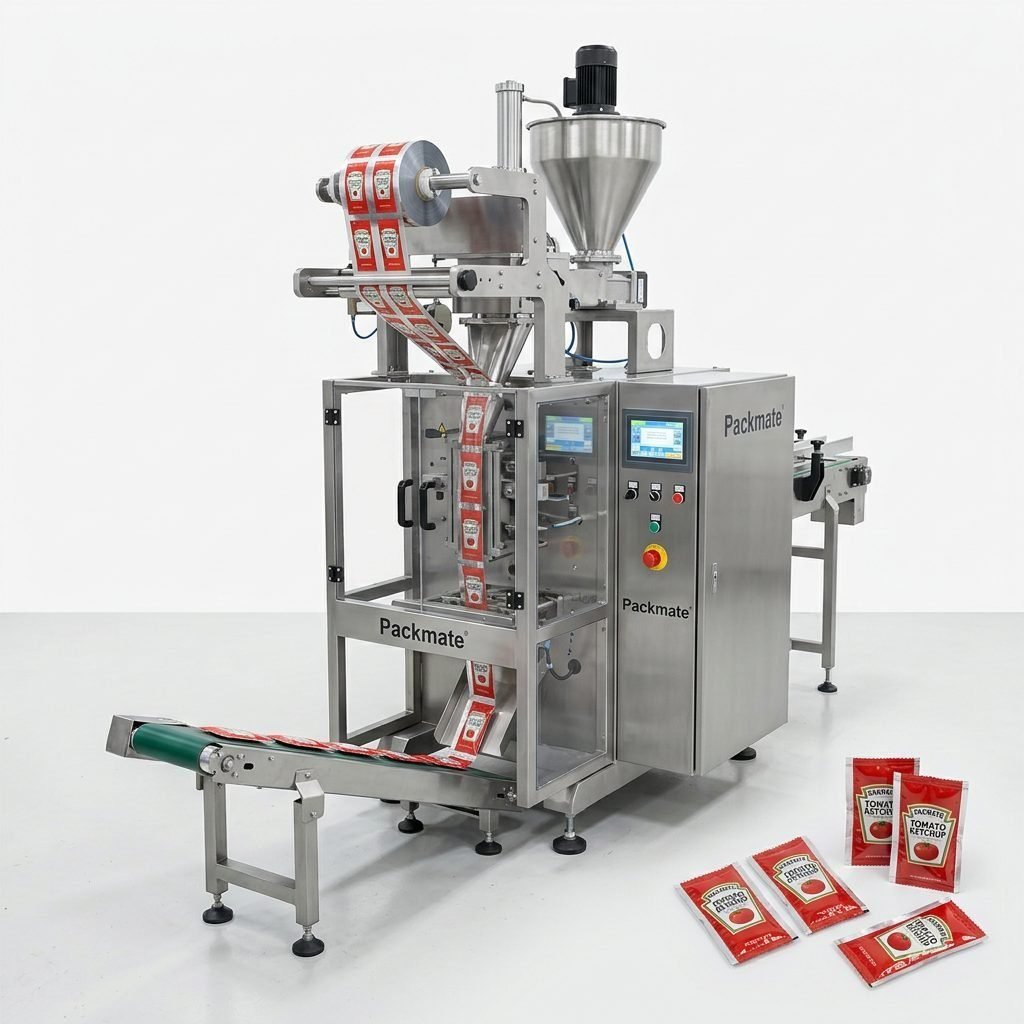
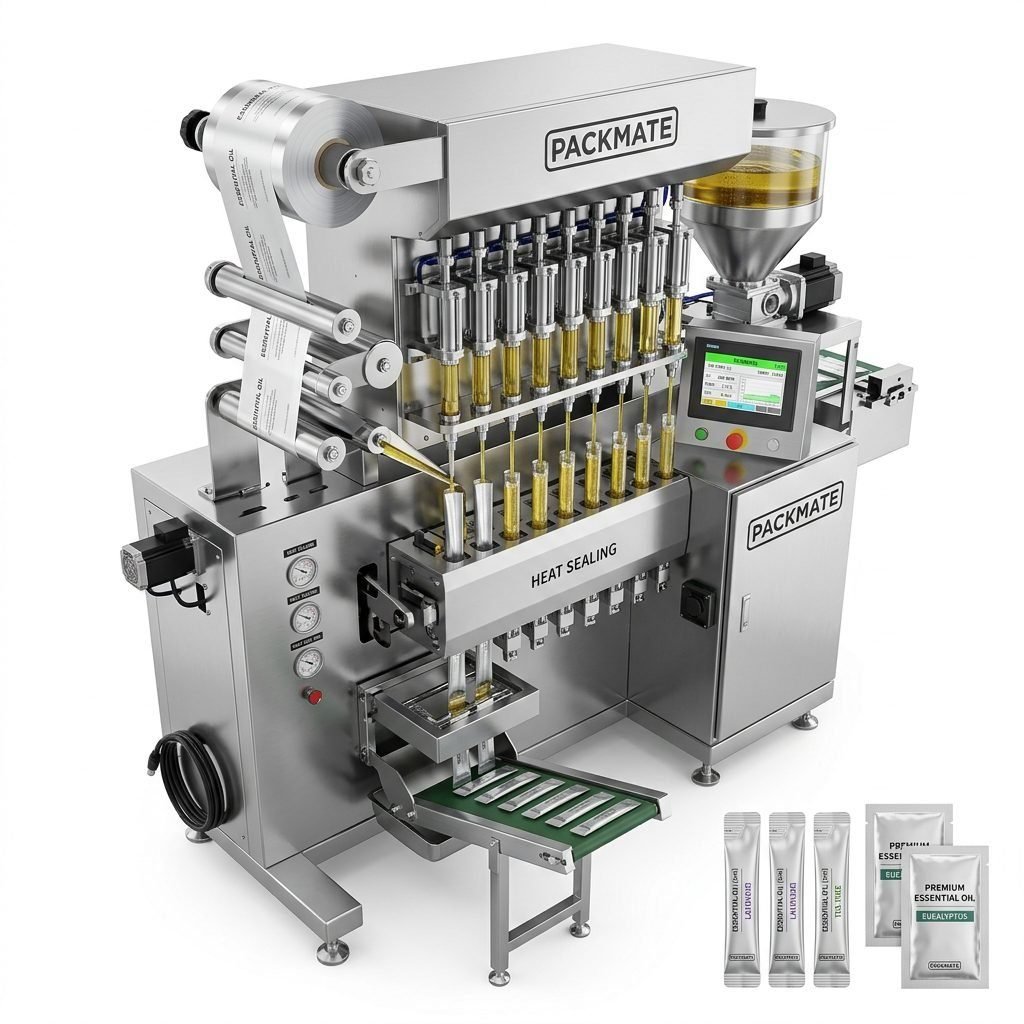
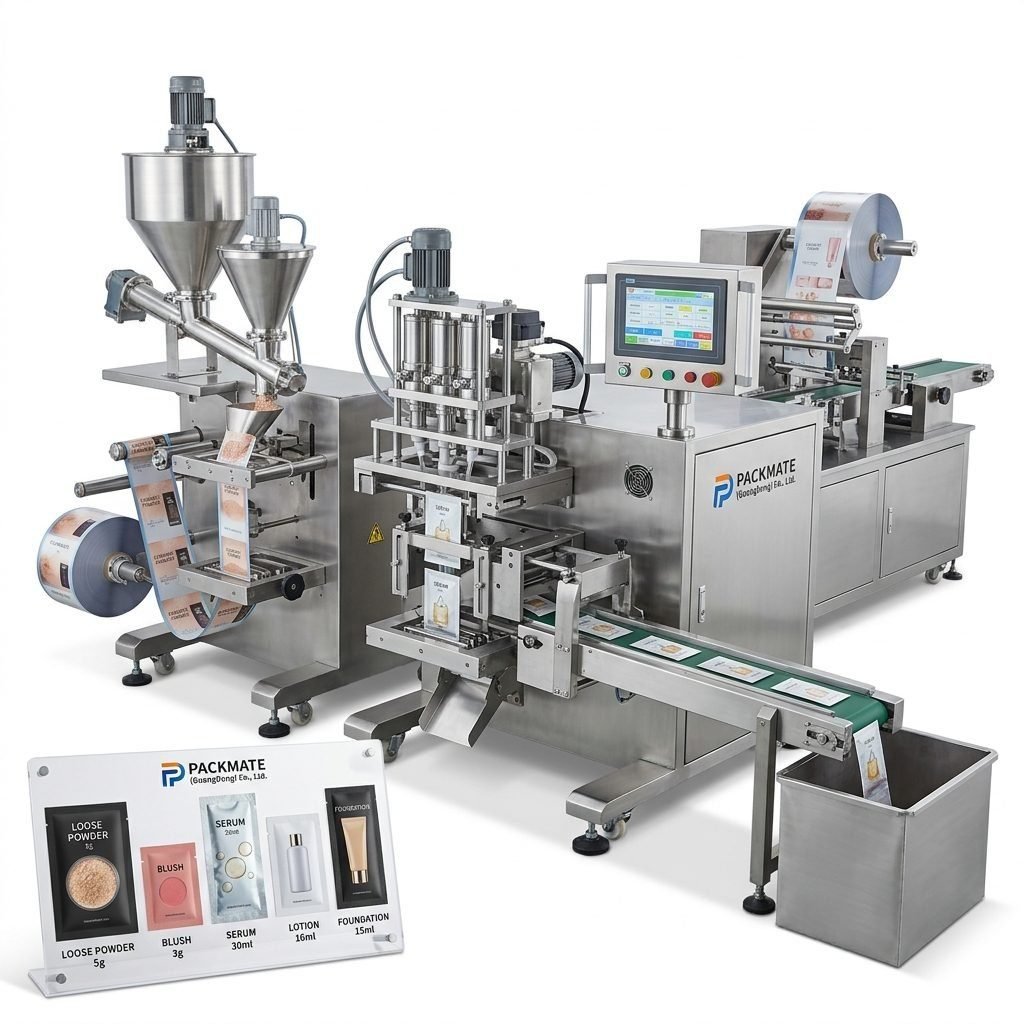
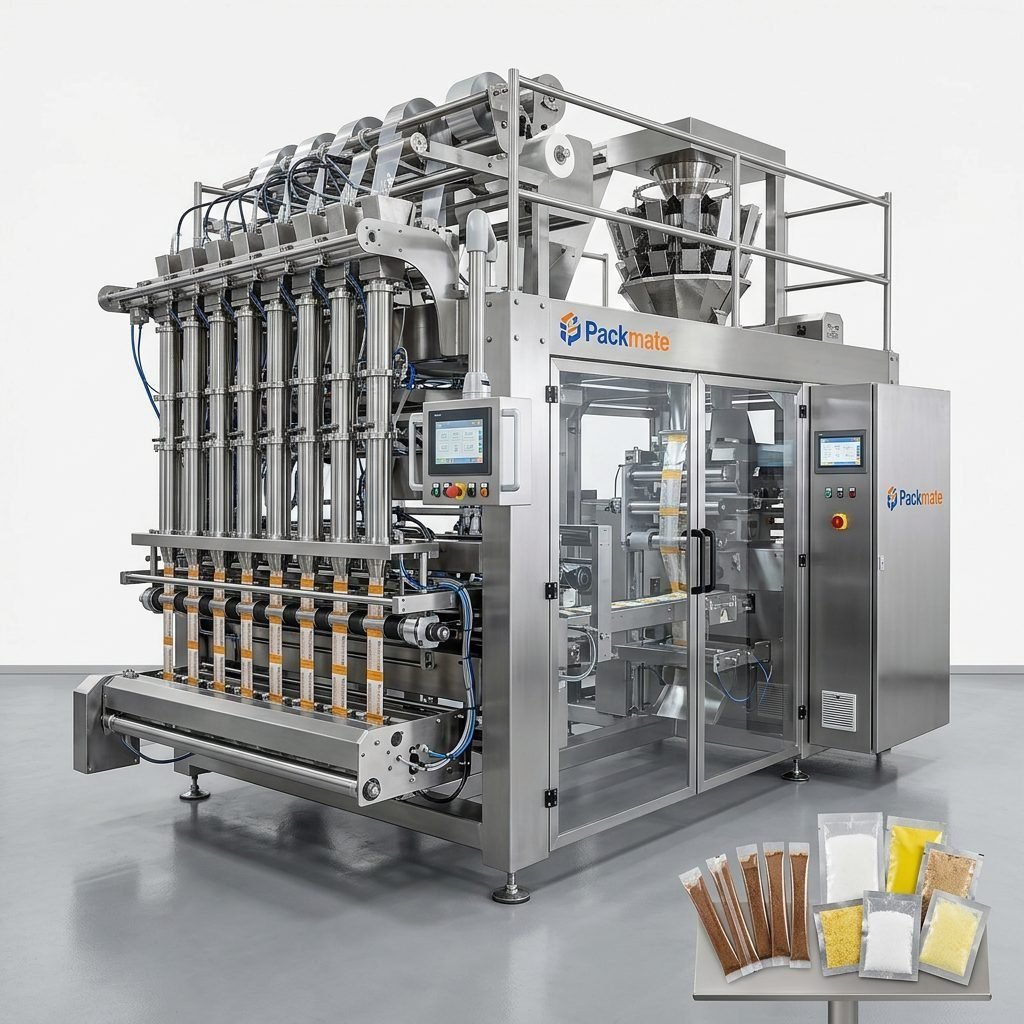
Ideal for kits, gauzes, or liquids, these machines create pouches from roll stock, fill, and seal them. For sterile applications, they often include features like clean air showers and HEPA-filtered zones around the sealing jaws. You can explore advanced sachet and stick pack machine solutions designed for high-precision industries.
Selection Criteria for Equipment
Choosing the right machine involves a thorough assessment:
Sterilization Method Compatibility: The equipment must produce packages that can withstand your chosen sterilization process without seal weakening or material degradation.
Cleanroom Integration: The machine’s design should facilitate easy cleaning, minimize particle generation, and be compatible with cleanroom protocols.
Validation Support: Reputable suppliers provide extensive documentation and support for Installation Qualification (IQ), Operational Qualification (OQ), and Performance Qualification (PQ) – essential for regulatory audits.
Changeover Flexibility: For contract manufacturers or facilities with multiple product lines, quick and tool-less changeovers reduce downtime and cross-contamination risks.
Innovations and Trends in Packaging Technology
The field is rapidly evolving to enhance safety, efficiency, and sustainability. Smart packaging with integrated RFID or NFC tags allows for track-and-trace throughout the supply chain. Furthermore, the use of high-barrier, recyclable materials is pushing equipment manufacturers to innovate sealing technologies that work with these new substrates.
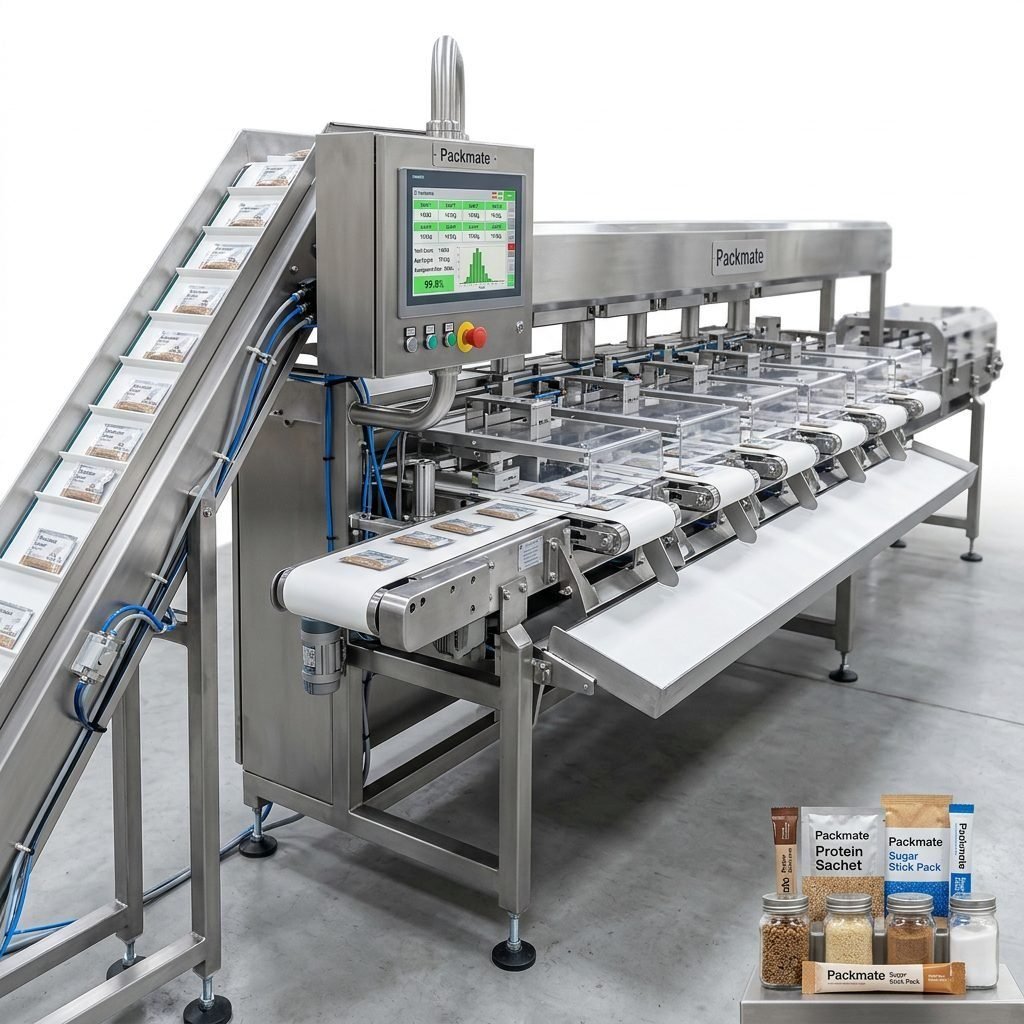
Automation and Industry 4.0 integration are also key. Modern lines feature IoT sensors for real-time monitoring of seal temperature, pressure, and integrity, feeding data to central systems for predictive maintenance and quality assurance. For comprehensive automated systems, consider exploring integrated filling and packaging lines.
The Importance of a Trusted Equipment Partner
Investing in sterile packaging equipment is a long-term commitment to quality. Partnering with an experienced manufacturer with a proven track record in the medical field is crucial. A partner like Packmate Machinery, with over 22 years of development and a 20,000㎡ modern facility, brings not just machinery, but turnkey solutions, regulatory insight, and ongoing technical support. Their journey from a focused workshop to a global provider underscores a deep commitment to innovation and reliability, values essential for the high-stakes medical sector.
Ensuring Ongoing Performance and Compliance
Once installed, a robust program for equipment maintenance and re-validation is essential. Regular calibration of sensors, replacement of wear parts like sealing jaws, and adherence to preventative maintenance schedules ensure consistent performance. Personnel training on proper operation and cleanroom interaction with the machine is equally vital to uphold the sterile barrier.
Frequently Asked Questions (FAQs)
Q1: What is the most critical factor to validate in sterile packaging equipment?
A: Seal integrity and consistency are paramount. Validation must prove that every seal produced by the machine meets the required strength and barrier specifications under normal operating conditions and worst-case scenarios.
Q2: Can standard food or cosmetic packaging machines be used for sterile medical products?
A: Generally, no. Medical-grade machines are built with specific materials (e.g., stainless steel for easy sanitization), designs that minimize particulate generation, and control systems that provide the documentation and precision required for medical device and pharmaceutical regulations.
Q3: How often does sterile packaging equipment need to be re-validated?
A: Re-qualification is typically required annually, or after any significant change to the machine, process, or product. This is defined in your quality system’s change control procedures to ensure ongoing compliance with standards like ISO 13485.
Q4: What type of training do operators of this equipment need?
A: Operators require training in cleanroom behavior, gowning procedures, machine operation, basic troubleshooting, and an understanding of Good Manufacturing Practice (GMP) principles. Training should be documented and refreshed regularly.
Q5: Where can I learn more about specific machine models and capabilities?
A: Reputable manufacturers provide detailed resources. You can review various packing machine models and their specifications, or contact their technical teams for application-specific consultations to find the optimal solution for your sterile packaging needs.