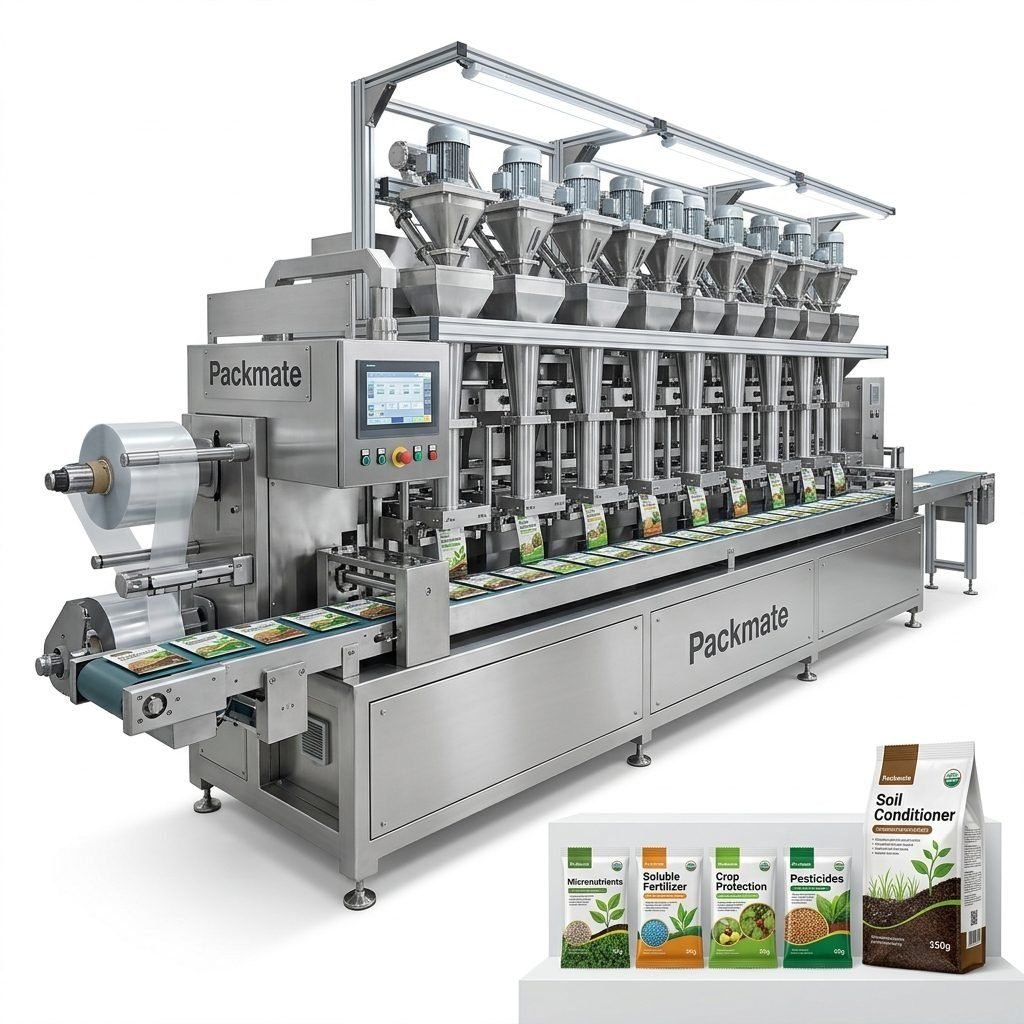
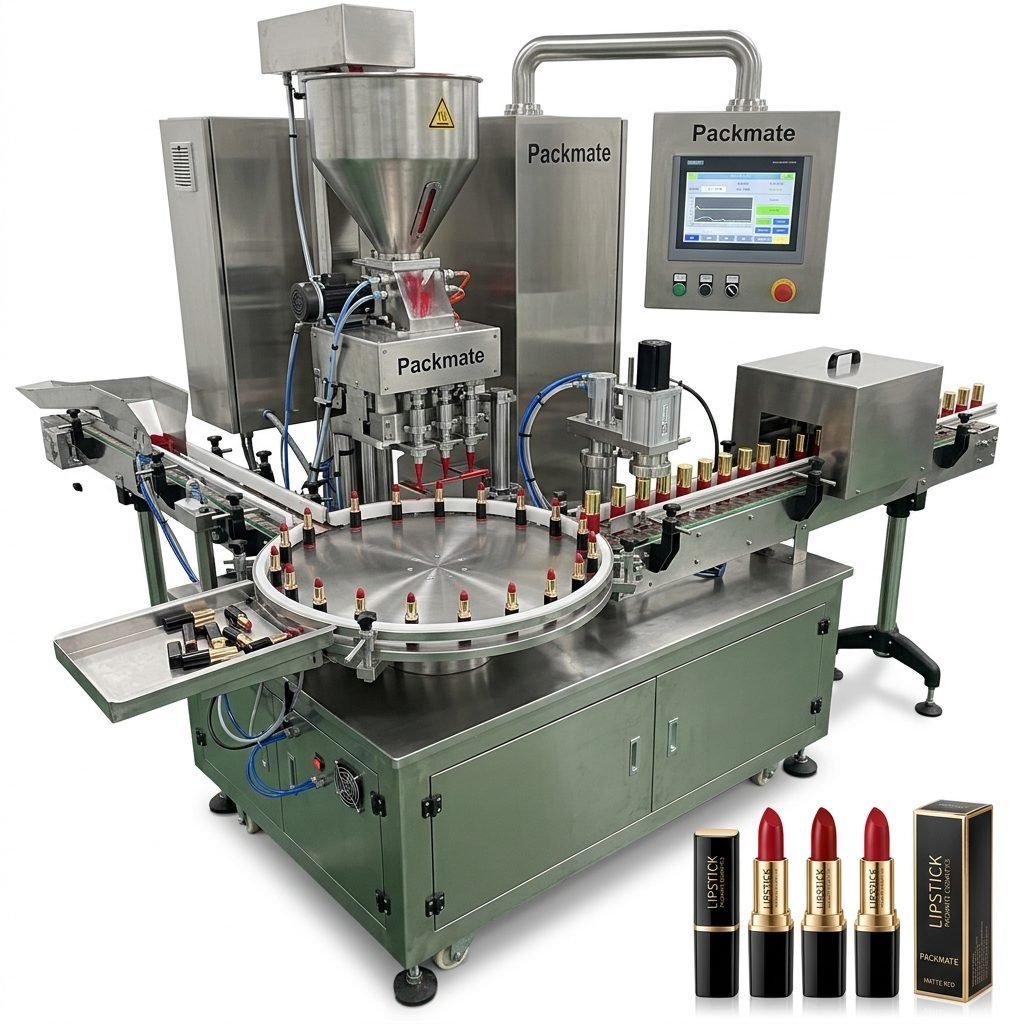
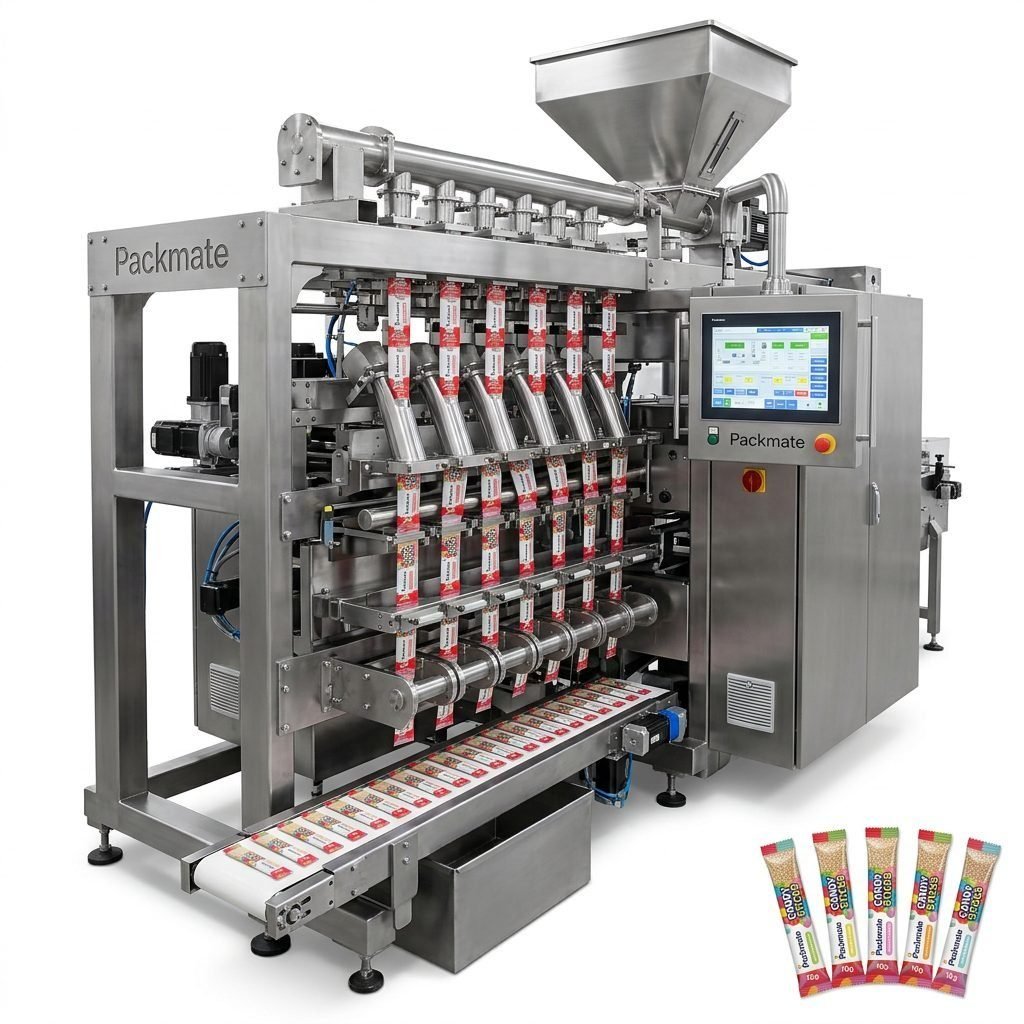
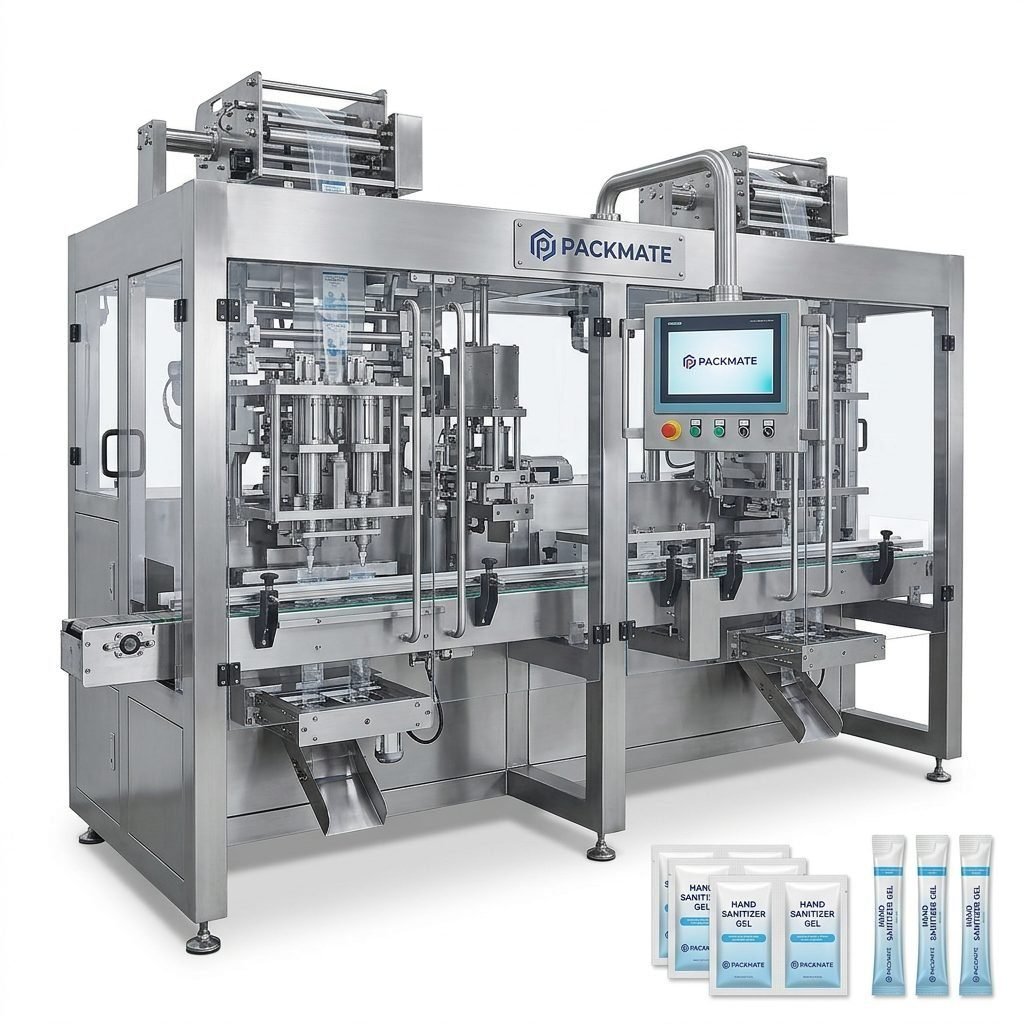
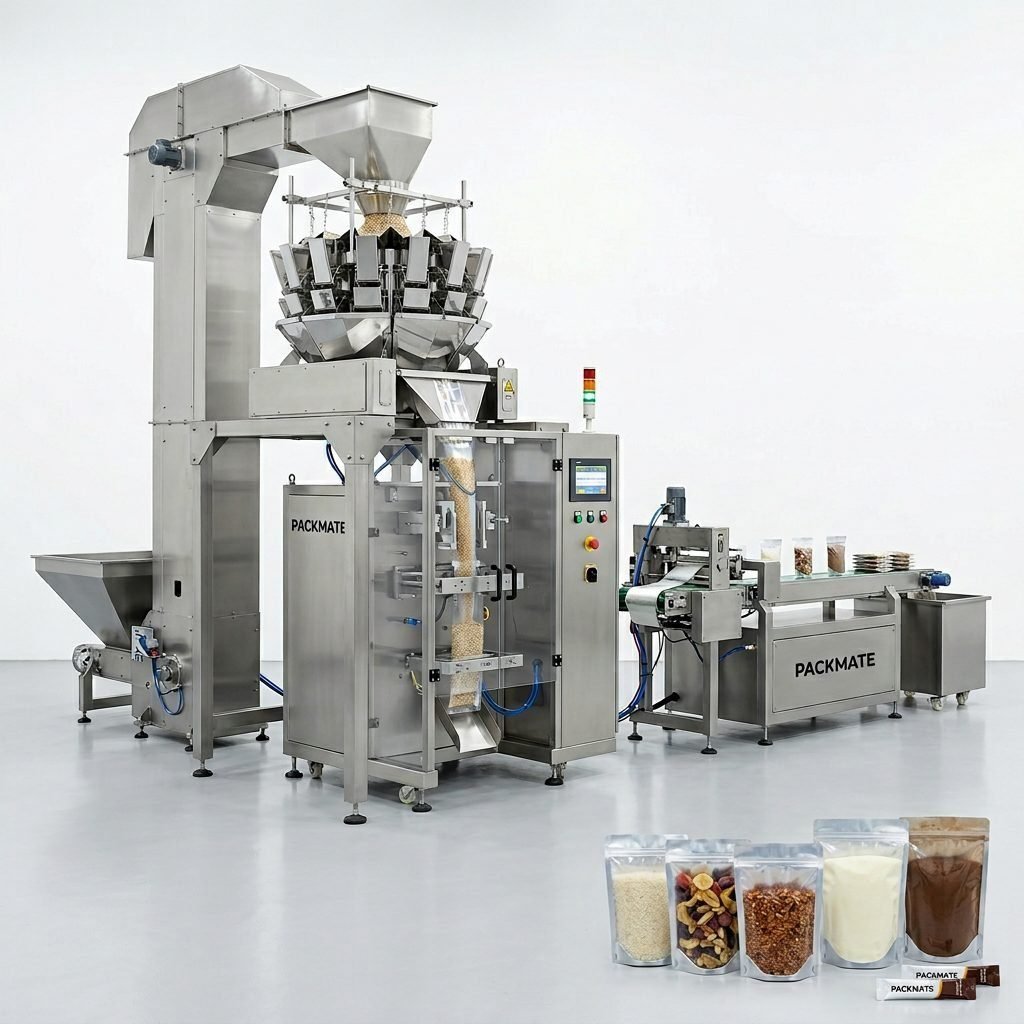
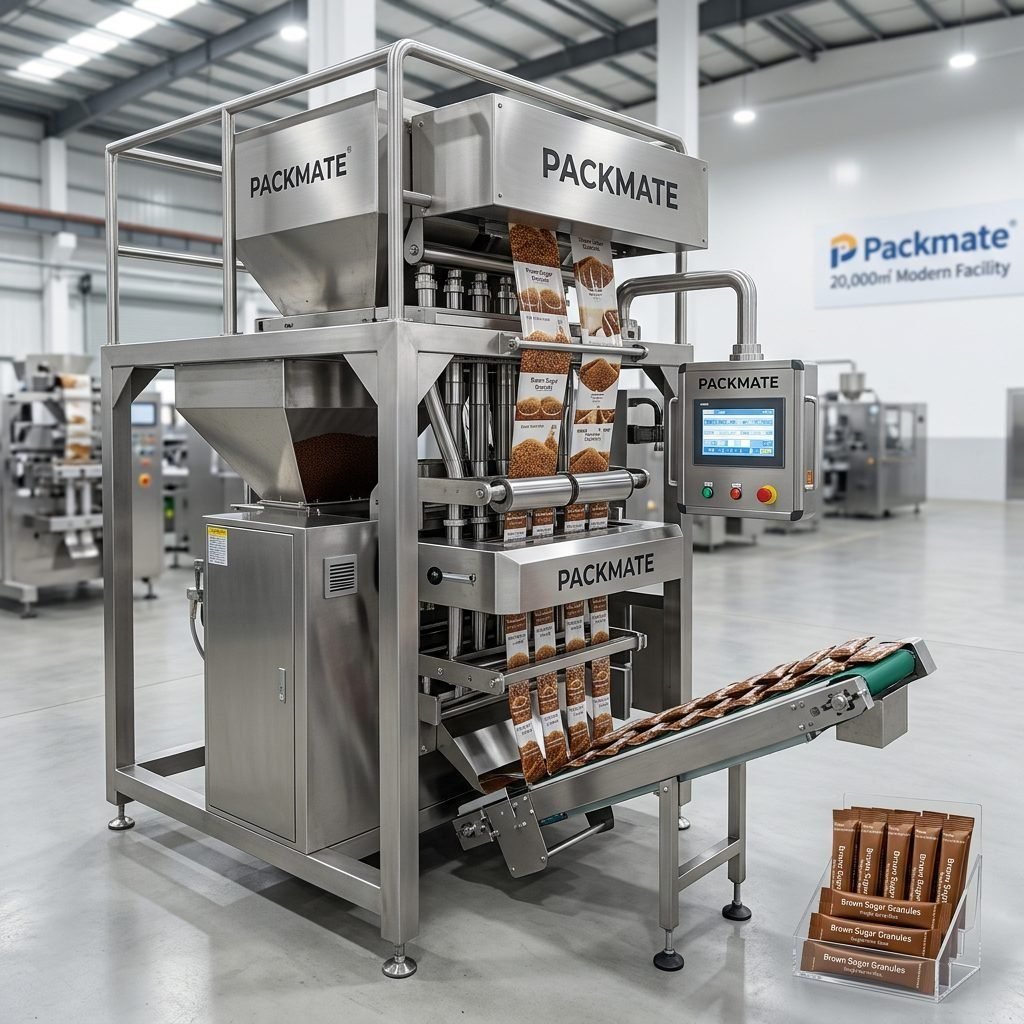
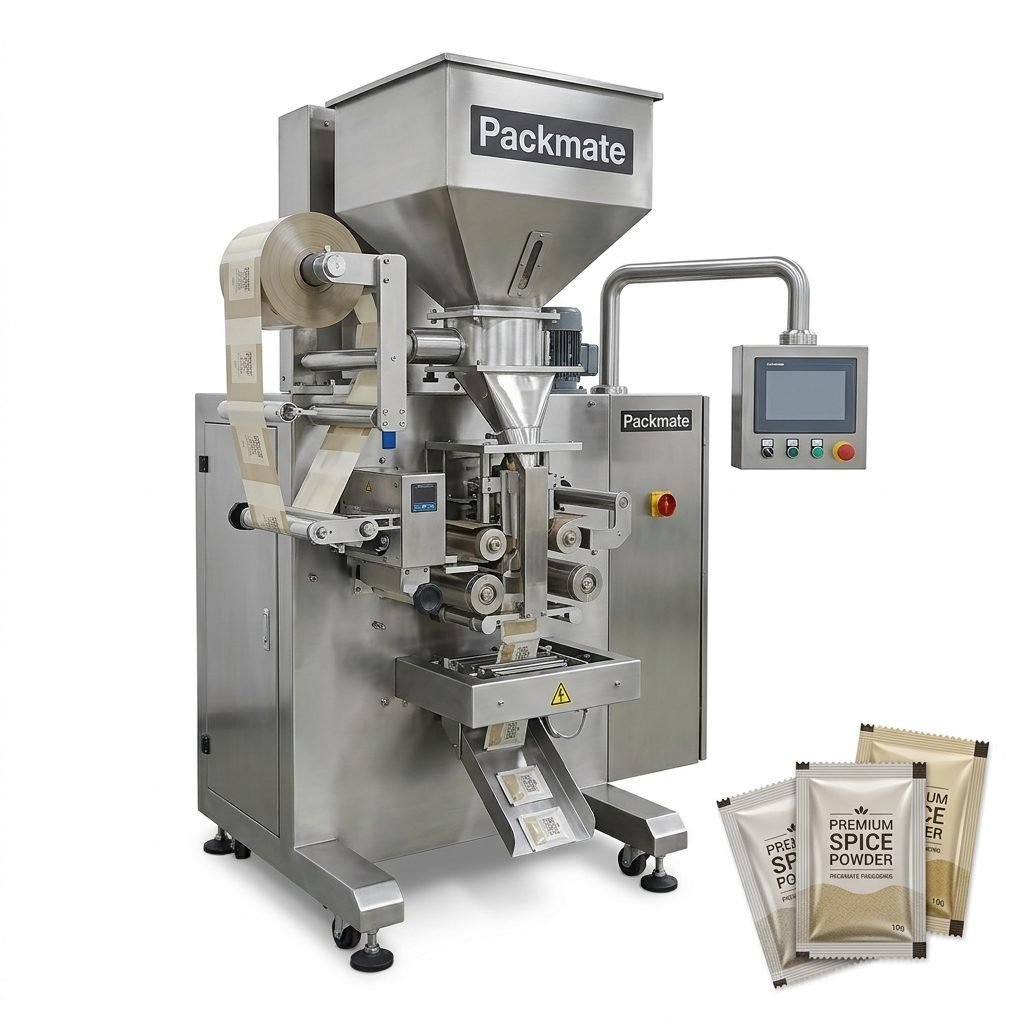
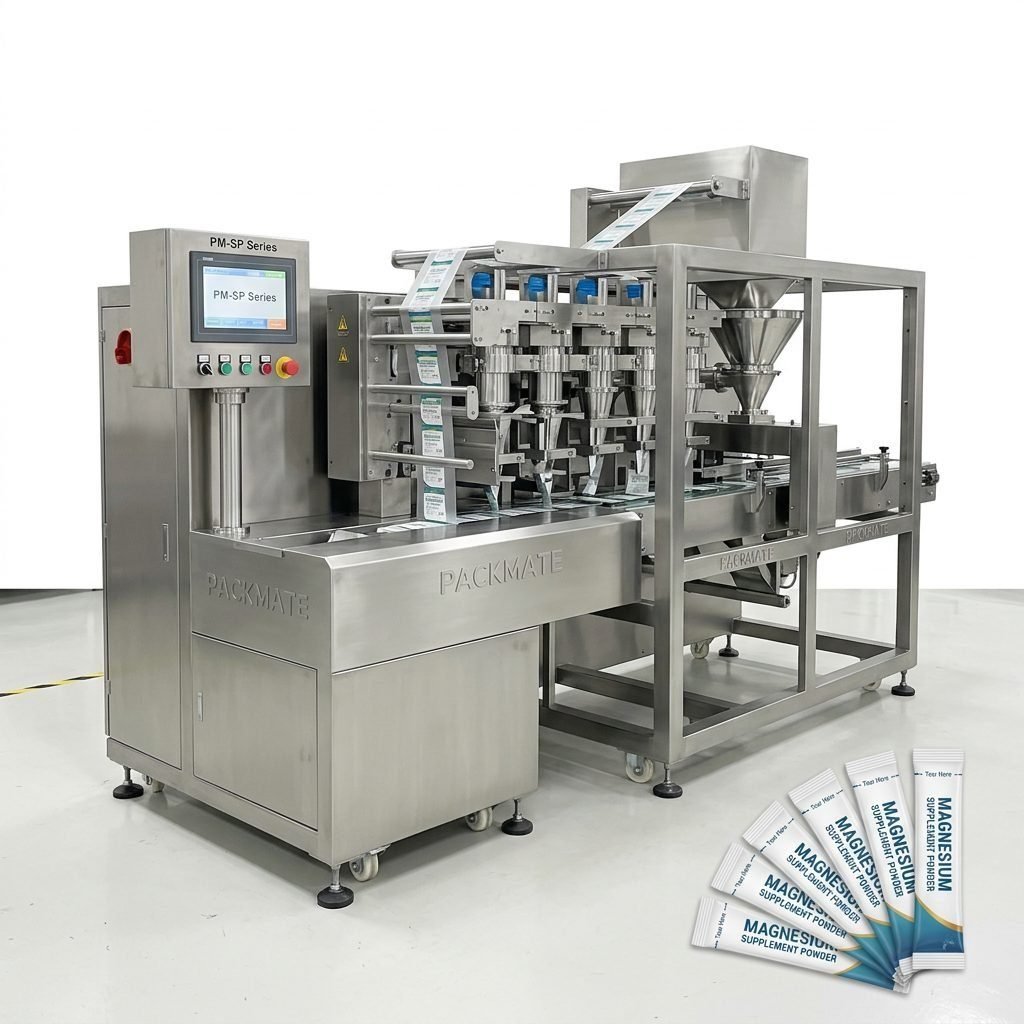
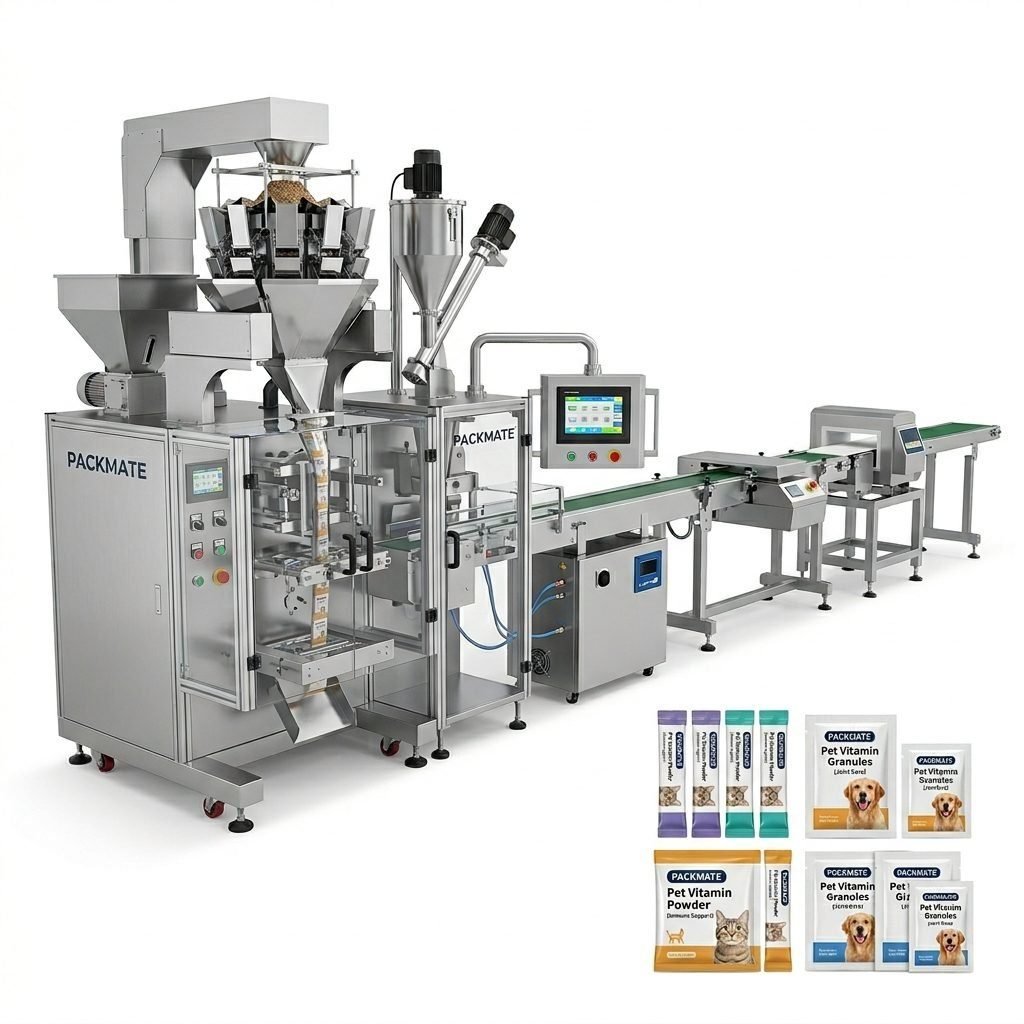
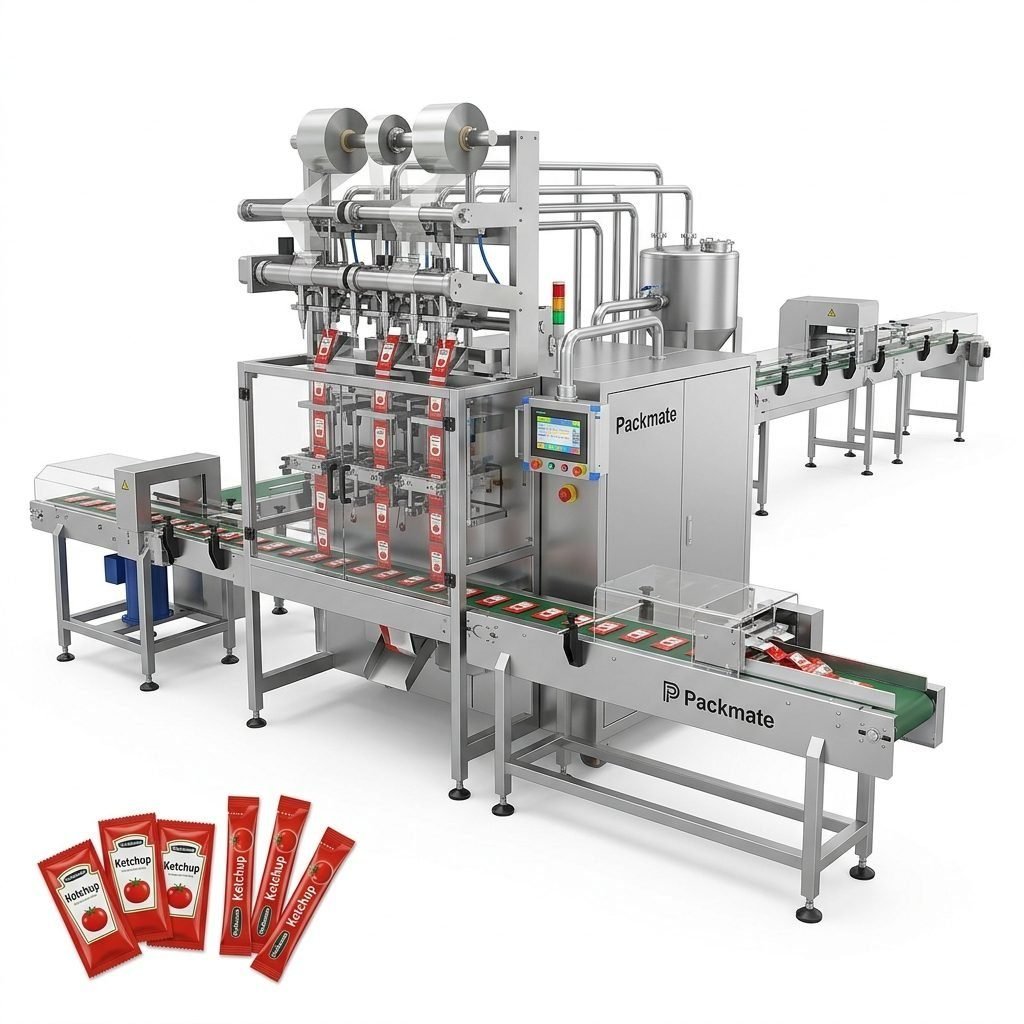
In the competitive landscape of modern manufacturing, efficiency is the cornerstone of profitability. For businesses involved in product bundling, whether for retail, e-commerce, or bulk distribution, selecting the right packaging machinery is a critical decision. A top-tier collection packaging machine streamlines operations, reduces labor costs, minimizes material waste, and ensures consistent, professional presentation of bundled products. This article explores the key features, benefits, and considerations for investing in efficient collection packaging machines, highlighting how they can transform your bundling process from a bottleneck into a strategic advantage.
Core Functions of Collection Packaging Machines
Collection packaging machines, often referred to as bundlers or multipackers, are designed to group multiple individual items into a single, cohesive unit. This process serves several vital functions in the supply chain. Primarily, it creates convenient multi-unit packs for consumers, which is a common retail strategy. It also secures items together for safer and more efficient handling, storage, and transportation. By automating the gathering, aligning, and wrapping or sleeving of products, these machines eliminate the inconsistencies and slow pace of manual bundling.
The automation provided by these systems is their most significant value proposition. An automated bundler can achieve speeds far beyond human capability, handling hundreds of bundles per minute with pinpoint accuracy and repeatability. This not only boosts output but also dramatically reduces the physical strain on workers and the potential for repetitive strain injuries.
Key Technologies Driving Efficiency
Modern collection packaging machines integrate several advanced technologies to maximize efficiency. Servo motor drives offer precise control over motion, allowing for gentle handling of delicate products and significant energy savings compared to traditional mechanical systems. Sophisticated PLC (Programmable Logic Controller) interfaces enable operators to quickly change bundle patterns, counts, and speeds, facilitating rapid changeovers between different product lines.
Vision inspection systems can be integrated to verify product count, orientation, and label placement before the bundling process is completed, ensuring zero-defect bundles leave the production line. Furthermore, connectivity for Industry 4.0 allows these machines to feed real-time production data into factory management systems for predictive maintenance and overall equipment effectiveness (OEE) tracking.
Material Considerations for Bundling
The choice of bundling material is as crucial as the machine itself, impacting cost, sustainability, and product presentation. Common materials include:
- Shrink Film: Clear or printed polyethylene or polyolefin film that contracts when heated, creating a tight, tamper-evident seal. Ideal for bundling cans, bottles, and boxed goods.
- Cardboard Sleeves & Carriers: A more rigid and sustainable option, often used for beverage multipacks. They offer excellent graphic appeal and are fully recyclable.
- Stretch Film: Used for securing larger, heavier bundles on pallets for transport, though less common for consumer retail bundles.
- Adhesive Labels or Bands: A minimal-material solution for holding items like cosmetic boxes or software packages together.
The best packaging machines are versatile and can be adapted to handle multiple material types, giving producers the flexibility to meet varying market and customer demands.
Selecting the Right Machine for Your Line
Choosing a collection packaging machine requires a thorough analysis of your specific needs. Key factors to evaluate include:
Product Type & Size: The machine must accommodate the dimensions, weight, and fragility of your items (e.g., bags, bottles, cans, boxes).
Required Output Speed (Bundles/Minute): This must align with the speed of your upstream filling and packaging lines to avoid creating a bottleneck.
Bundle Configuration: How many items per bundle? (e.g., 2-pack, 4-pack, 6-pack). What is the physical arrangement? (e.g., 2×2, 1×3).
Footprint & Integration: The machine must fit into your existing production floor layout and interface seamlessly with conveyors and other equipment.
Partnering with an experienced manufacturer like Packmate Machinery can be invaluable. With over 30 years of expertise, they understand how to tailor solutions, from stand-alone bundlers to complete integrated lines, ensuring the machine not only works in isolation but optimizes your entire workflow.
The Tangible Return on Investment (ROI)
While the initial capital outlay for an automated bundling system is significant, the ROI is compelling and multifaceted. The most direct savings come from reduced labor costs, as one machine can replace several manual stations. Efficiency gains increase throughput, allowing you to fulfill larger orders faster or reduce overtime.
Material savings are achieved through precise film or cardboard application, eliminating the overuse common in manual processes. Consistency in bundling reduces product damage and customer returns. Furthermore, the professional appearance of machine-made bundles enhances brand perception at the point of sale, potentially driving increased sales. When calculating ROI, consider all these factors—not just the direct labor replacement—to see the full financial picture.
Future-Proofing with Flexibility and Support
The packaging market is dynamic, with frequent changes in consumer preferences, retail requirements, and sustainability regulations. Investing in a machine with built-in flexibility is an investment in the future. Look for systems that allow easy reconfiguration for different bundle sizes and patterns. Modular designs that can be upgraded with new features, like different sealing technologies or inspection systems, extend the machine’s operational life.
Equally important is the manufacturer’s support. Comprehensive after-sales service, readily available spare parts, and operator training are essential for maximizing uptime. A provider with a strong global service network ensures you have support when you need it, minimizing costly production stoppages. Exploring a manufacturer’s range, such as their specialized sachet and stick pack machines, can reveal their depth of engineering capability and commitment to customer success.
In conclusion, a top-collection packaging machine is far more than a simple bundling tool; it is a strategic asset that drives efficiency, reduces costs, ensures quality, and enhances brand value. By carefully evaluating your needs, choosing adaptable technology, and partnering with a reliable supplier, you can implement a bundling solution that delivers sustained competitive advantage and a strong return on investment for years to come.
Frequently Asked Questions (FAQs)
What is the main difference between a collection packaging machine and a standard cartoner?
A collection packaging machine (or bundler) is designed to group multiple already-packaged primary items (like bottles, cans, or sachets) into a secondary multi-pack. A standard cartoner typically loads a single primary product (or a set of loose items) into a pre-formed cardboard carton. The bundler works at a later stage in the packaging line to create retail-ready multi-units.
Can one bundling machine handle products of very different shapes and sizes?
While some machines offer a degree of flexibility, significant changes in product dimensions usually require a changeover involving mechanical adjustments (like changing guide rails, pusher heads, or film sealing jaws). The speed and simplicity of this changeover is a key feature to discuss with the manufacturer. For highly diverse product portfolios, a dedicated machine per product type may be more efficient.
How important is energy efficiency in modern packaging machinery?
Extremely important. Machines equipped with servo-driven technology consume power only when performing an action, unlike constantly running mechanical motors. This can lead to energy savings of 20-50%. Beyond cost savings, it reduces the carbon footprint of your operations, which is increasingly important for corporate sustainability goals and certifications.
What kind of maintenance do these machines require?
Regular preventive maintenance is crucial. This typically includes daily cleaning, lubrication of moving parts as specified by the manufacturer, and inspection of wear components like sealing wires, cutting blades, and guide surfaces. Most reputable suppliers offer comprehensive maintenance schedules and training for your technicians to ensure optimal performance and prevent unplanned downtime.
Are there bundling solutions suitable for small to mid-sized businesses (SMBs)?
Absolutely. The market offers a range of machines, from compact, semi-automatic tabletop bundlers perfect for lower volumes or pilot projects, to fully automated high-speed lines. The key for SMBs is to find a machine that matches their current output needs while offering a clear path for scalability as the business grows, avoiding the need for a complete reinvestment in a few years.