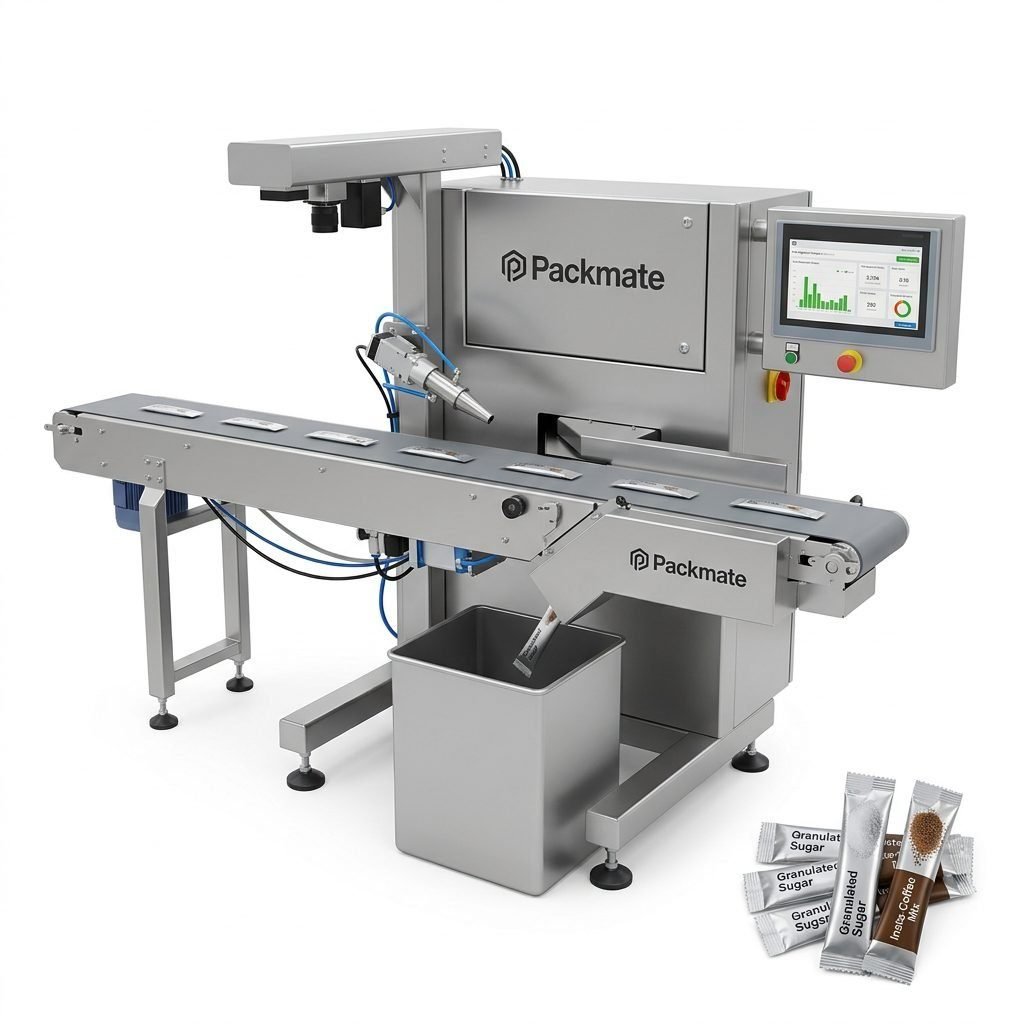
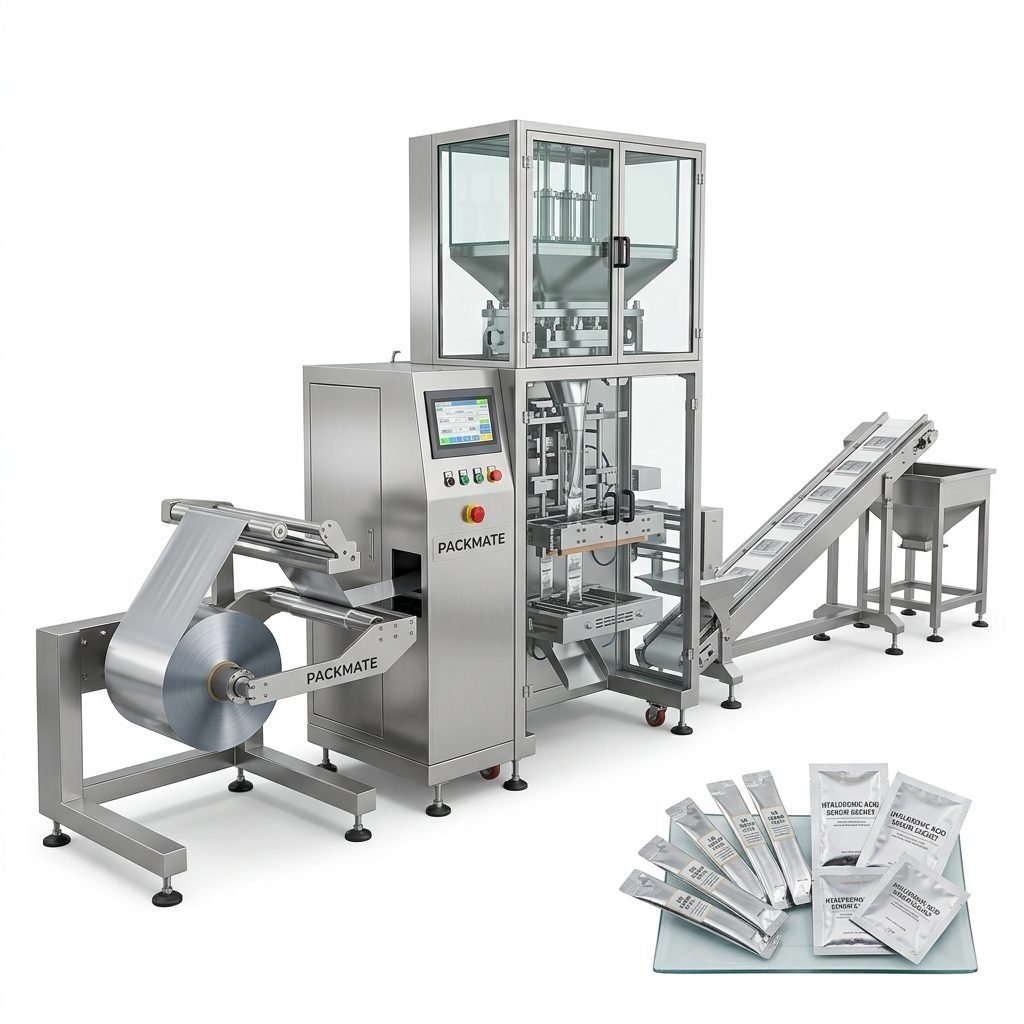
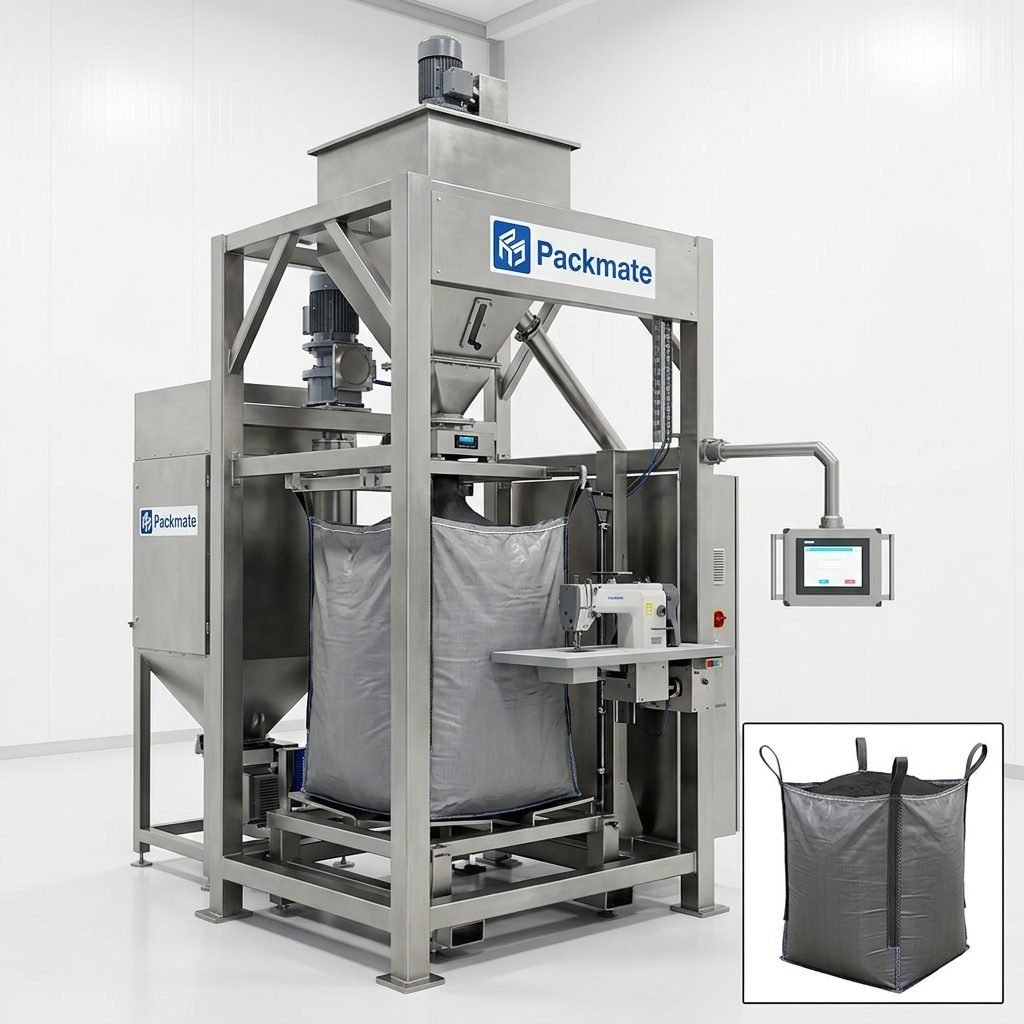
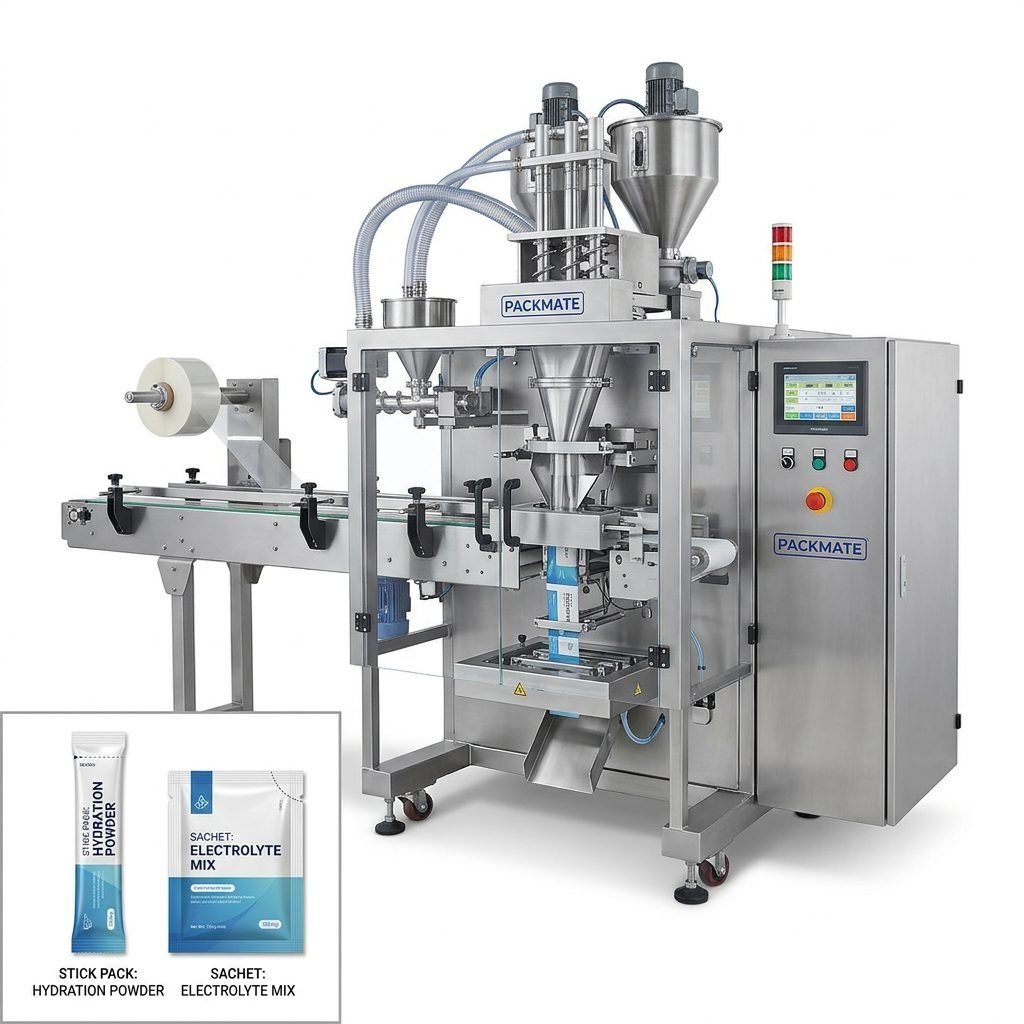
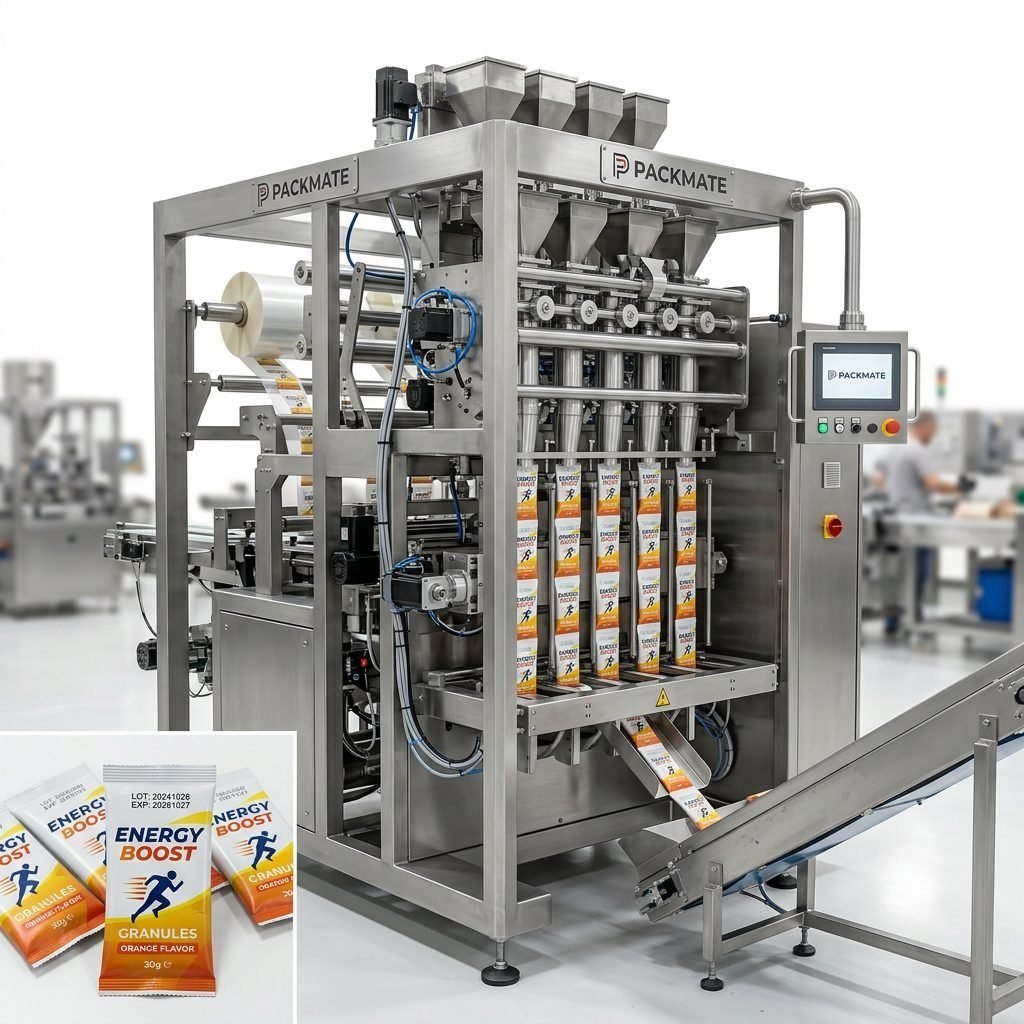
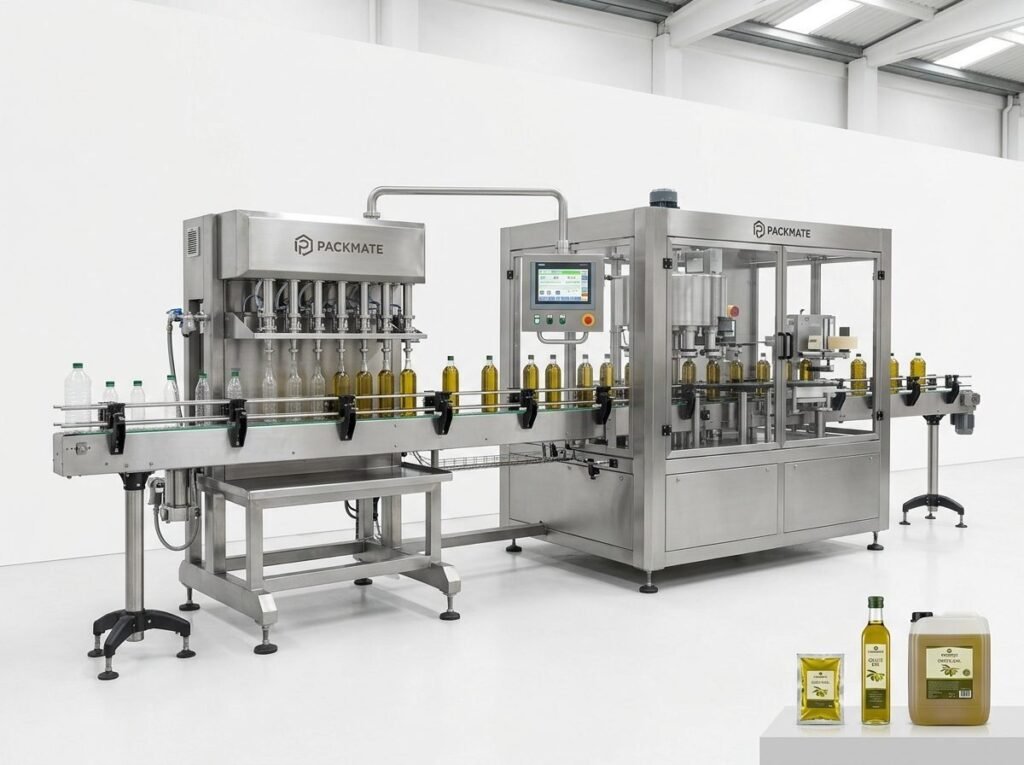
In the high-speed world of modern packaging, maintaining peak operational efficiency is paramount. While the primary focus often lies on the packaging machines themselves, the unsung heroes of this ecosystem are the spare parts and components that keep them running. A deep understanding of these essential parts, coupled with a proactive maintenance strategy, is the key to minimizing downtime, extending equipment lifespan, and protecting your investment. This guide delves into the critical spare parts for common packaging equipment and provides actionable maintenance tips to ensure your production line never skips a beat.
The Heart of the Machine: Essential Spare Parts Categories
Packaging machinery is a symphony of mechanical, electrical, and pneumatic components working in unison. Knowing which parts are most prone to wear and tear allows for better inventory management and faster response times during repairs.
Sealing & Cutting Components
These parts are directly responsible for creating the final package seal and are subject to constant heat, pressure, and friction.
Heater Bars & Bands: Crucial for forming a consistent thermal seal on films and pouches. Failure leads to leaky packages and product waste.
Cutting Knives & Blades: Used for perforating or cutting individual packages from a continuous web. Dull blades cause jagged edges and misfeeds.
Teflon Coating (Non-stick) for Sealers: Protects the heater element and prevents film from sticking. Worn coating results in poor seals and machine jams.
Drive & Conveyance Systems
This system powers the movement of materials through the machine, from film unwinding to package ejection.
Belts & Chains: Timing belts and conveyor chains synchronize machine movements. Stretching or wear causes misalignment and timing errors.
Bearings & Bushings: Found in shafts and rollers, they reduce friction. Worn bearings create noise, vibration, and uneven motion.
Motors & Gearboxes: Provide the primary drive power. Symptoms of failure include overheating, loss of power, or unusual noises.
Electrical & Control Elements
The brain and nervous system of the equipment, controlling every function with precision.
Sensors (Photoelectric, Proximity): Detect product position, film mark, and package presence. Dirty or faulty sensors are a leading cause of machine stoppages.
PLC Modules & Relays: The central control units. While reliable, output relays can fail due to electrical load, and modules can be damaged by power surges.
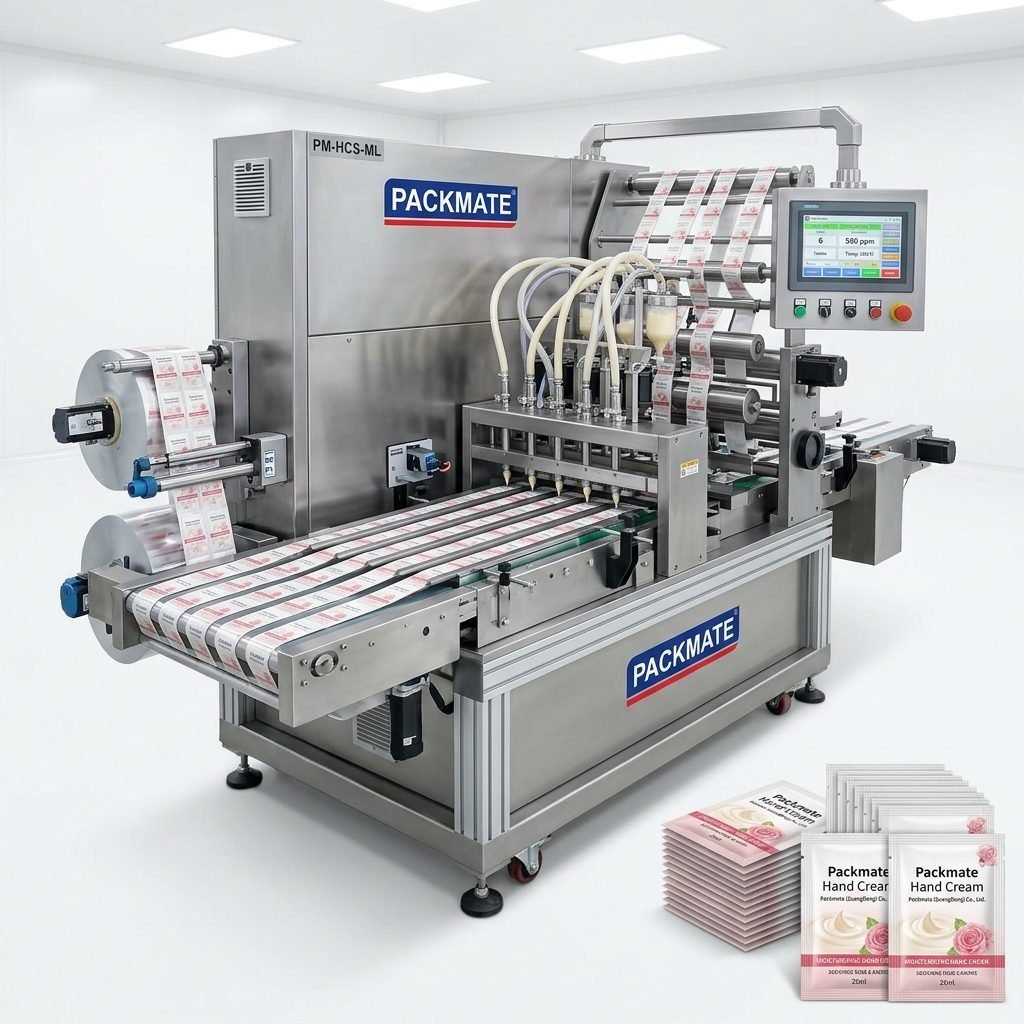
Servo Drives & Encoders: In high-precision machines like multi-lane stick pack machines, these control precise positioning. Their failure typically requires expert diagnosis.
Product Handling & Filling Parts
Components that directly contact your product, making their condition vital for hygiene and accuracy.
Filling Nozzles & Funnels: For granular, powder, or liquid products. Clogging or wear affects fill weight accuracy and causes spillage.
Augers & Pumps: Meter and transfer product. Wear on auger flights or pump seals leads to inconsistent dosing.
Forming Tubes & Collars: Shape the packaging material around the product. Damage here affects package appearance and integrity.
Proactive Maintenance: A Strategy for Reliability
Reactive maintenance—fixing parts only after they break—is costly. A proactive approach, centered on prevention, saves time and money. Companies like Packmate, with decades of experience, emphasize that a robust maintenance plan is integral to their comprehensive service offering.
Daily & Weekly Routines
Visual Inspection: Check for loose bolts, leaks (oil, air), and accumulated debris. Look for signs of wear on belts and chains.
Cleaning: Wipe down sealing jaws, forming tubes, and product contact areas. Use appropriate cleaners to avoid corrosion.
Lubrication: Apply manufacturer-recommended lubricants to designated points. Over-lubrication can attract dust and cause as many problems as under-lubrication.
Sensor Check: Gently clean sensor lenses with a soft, dry cloth to ensure reliable detection.
Monthly & Quarterly Checks
Tighten Mechanical Fasteners: Vibration can loosen screws and bolts over time. Follow a torque specification chart if available.
Inspect Electrical Connections: Ensure terminal blocks are tight and wires are not frayed or pinched.
Calibrate Weighing Systems: For machines with integrated checkweighers or auger fillers, regular calibration is non-negotiable for accuracy.
Test Safety Circuits: Verify that all emergency stops and safety guards function correctly to protect operators.
Annual Overhaul & Professional Service
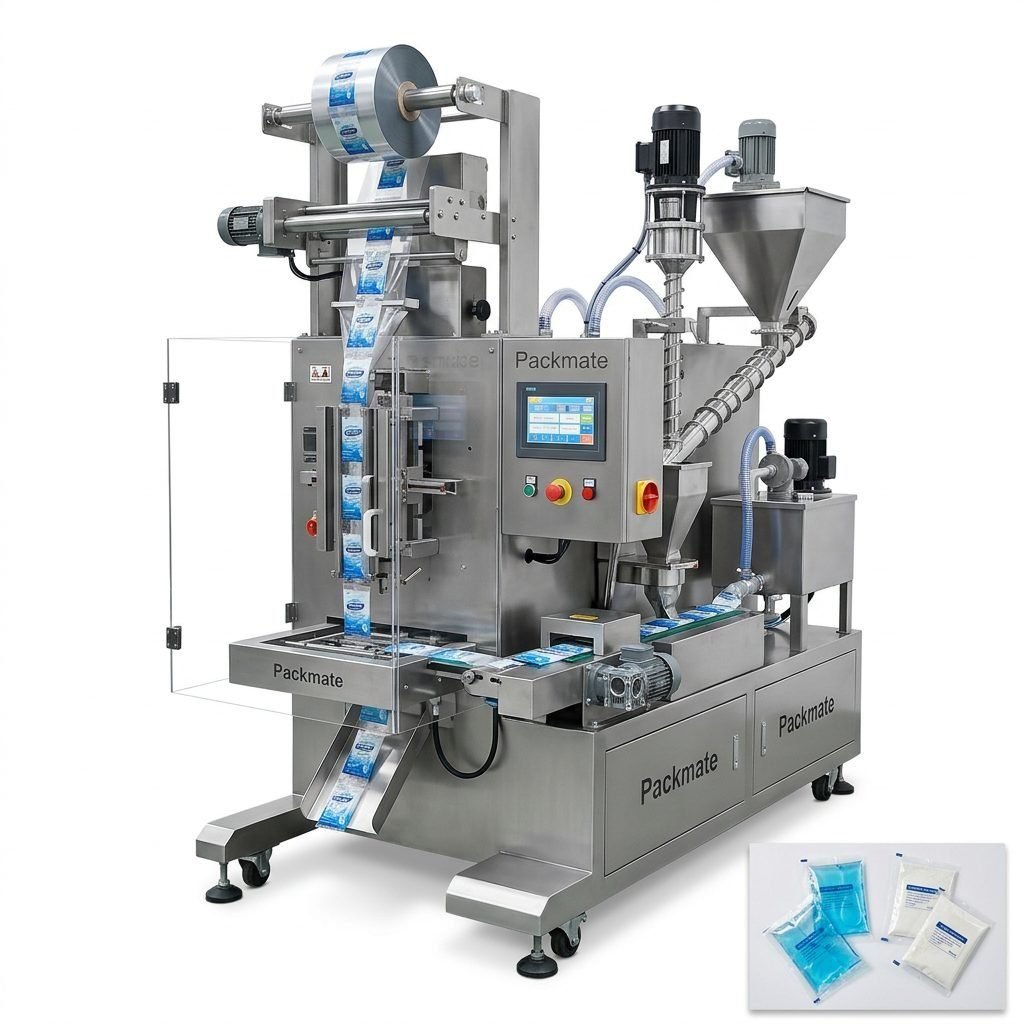
Schedule a comprehensive inspection with a qualified technician annually. This should include deep cleaning, replacement of wear parts before they fail (like seals and gaskets), and software updates. Utilizing genuine spare parts from your OEM, such as those designed for sachet and stick pack machines, ensures compatibility and longevity.
Building a Smart Spare Parts Inventory
Stocking every possible part is impractical, but being caught without a critical component halts production. Implement a tiered inventory system:
Critical (Must Stock):
Parts with high failure rates that stop the machine completely (e.g., main drive belt, specific sensor for the film web, common fuse sizes).
Essential (Plan to Stock):
Parts with moderate wear that can be predicted and scheduled for replacement (e.g., heater bands, cutting blades, Teflon strips).
Specialized (Order as Needed):
Low-failure-rate parts or major assemblies that are costly to stock (e.g., servo motor, main control board). Establish a reliable supply chain for these.
Maintain a log for each machine, recording part replacements and their lifespans. This data is invaluable for predicting future needs and budgeting.
Troubleshooting Common Issues
Quick diagnosis can often get a line running again while waiting for a technician or a spare part.
Poor Seal Quality: First, check temperature settings and heater function. Then, inspect the Teflon coating for damage and ensure sealing pressure is correct and even across the jaw.
Inconsistent Filling: For auger fillers, check for product bridging in the hopper and wear on the auger. For pumps, inspect seals and valves. Always verify product characteristics haven’t changed (e.g., density, flowability).
Machine Misalignment/Misfeeds: This often points to mechanical wear. Check timing between stations, tension on film drives, and the condition of all bearings and guides. A simple mark on film and running the machine one cycle can reveal timing issues.
Frequent Electrical Faults: Check for loose connections first. Persistent faults may indicate a failing sensor, a overloaded circuit, or environmental issues like excessive moisture or dust interfering with components.
Conclusion: An Investment in Uptime
Viewing spare parts management and equipment maintenance not as an expense, but as a strategic investment in continuous production, is the mark of a savvy operations manager. By understanding your machine’s critical components, implementing a disciplined maintenance schedule, and keeping a smart inventory of quality parts, you build resilience into your packaging line. This proactive approach maximizes the return on your equipment investment and ensures you can reliably meet your production commitments, day in and day out.
Frequently Asked Questions (FAQs)
How often should I replace common wear parts like sealing jaws or cutting blades?
There’s no universal interval, as it depends on materials packaged, machine runtime, and maintenance. The best practice is to inspect them weekly for wear and damage. Keep a usage log; once you establish a pattern (e.g., blades last 300 operating hours), you can schedule proactive replacement just before the expected failure point.
Is it okay to use third-party or generic spare parts instead of OEM parts?
While sometimes cheaper upfront, non-OEM parts can be a false economy. They may not meet the original specifications for material hardness, heat tolerance, or dimensional accuracy, leading to poorer performance, more frequent failures, and even damage to other machine components. For critical parts, OEM parts are strongly recommended to ensure warranty compliance and optimal machine life.
What is the most common mistake in packaging machine maintenance?
The most common mistake is neglecting simple daily cleaning and inspection. Allowing product dust, film debris, or old grease to build up is the primary cause of sensor errors, poor seals, and accelerated wear on moving parts. A clean machine is a reliable machine.
Can I perform most maintenance tasks with my in-house team?
Yes, for daily, weekly, and many monthly tasks. Tasks like cleaning, lubrication, visual inspection, and basic sensor cleaning are perfect for in-house staff. However, complex electrical diagnostics, software calibration, and major mechanical overhauls should be left to certified technicians to avoid safety risks or inadvertently causing more damage.
How can I extend the lifespan of my packaging equipment’s most expensive components, like servo motors?
Protect them from their enemies: heat, dust, and moisture. Ensure cabinet cooling fans are working and filters are clean. Keep the environment around the machine as clean as possible. Follow the manufacturer’s guidelines for any specific maintenance, such as bearing lubrication intervals. Using a regulated power supply or surge protector can also prevent damage from electrical spikes.