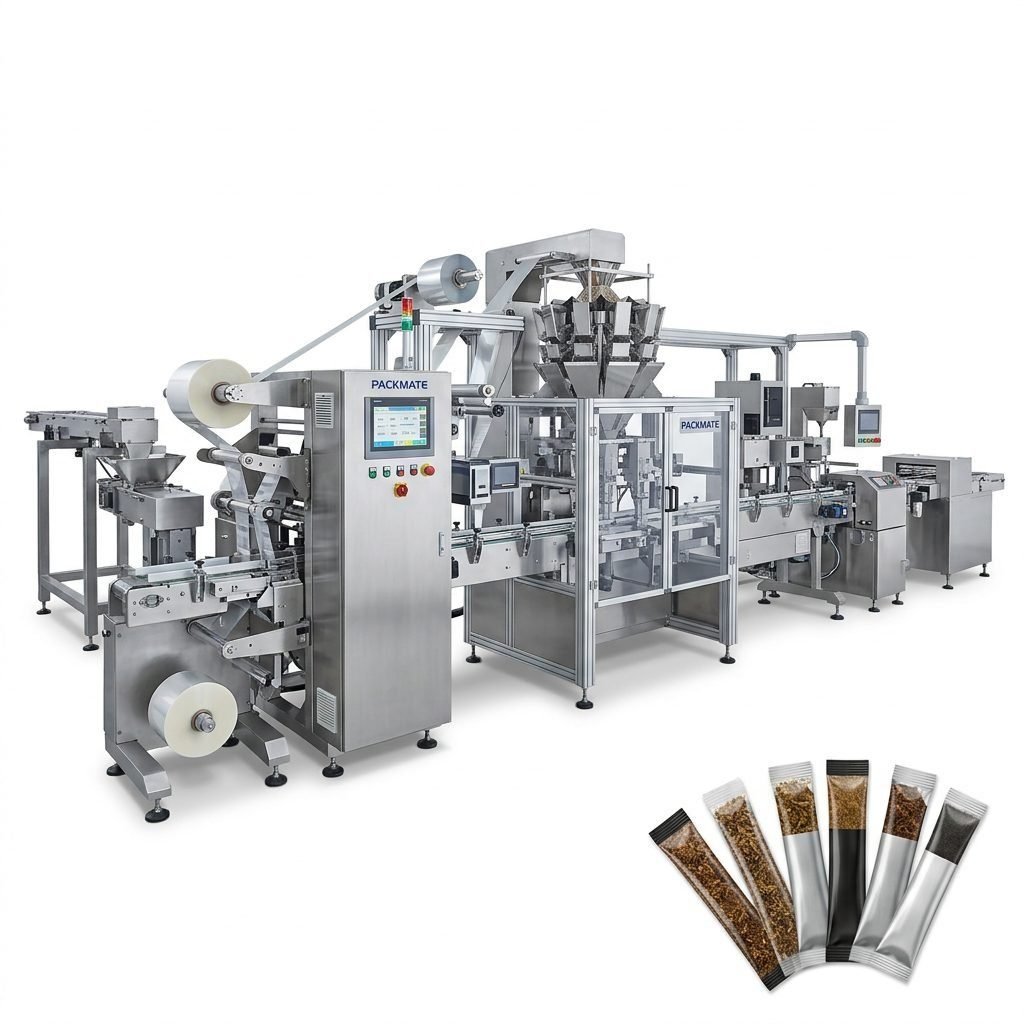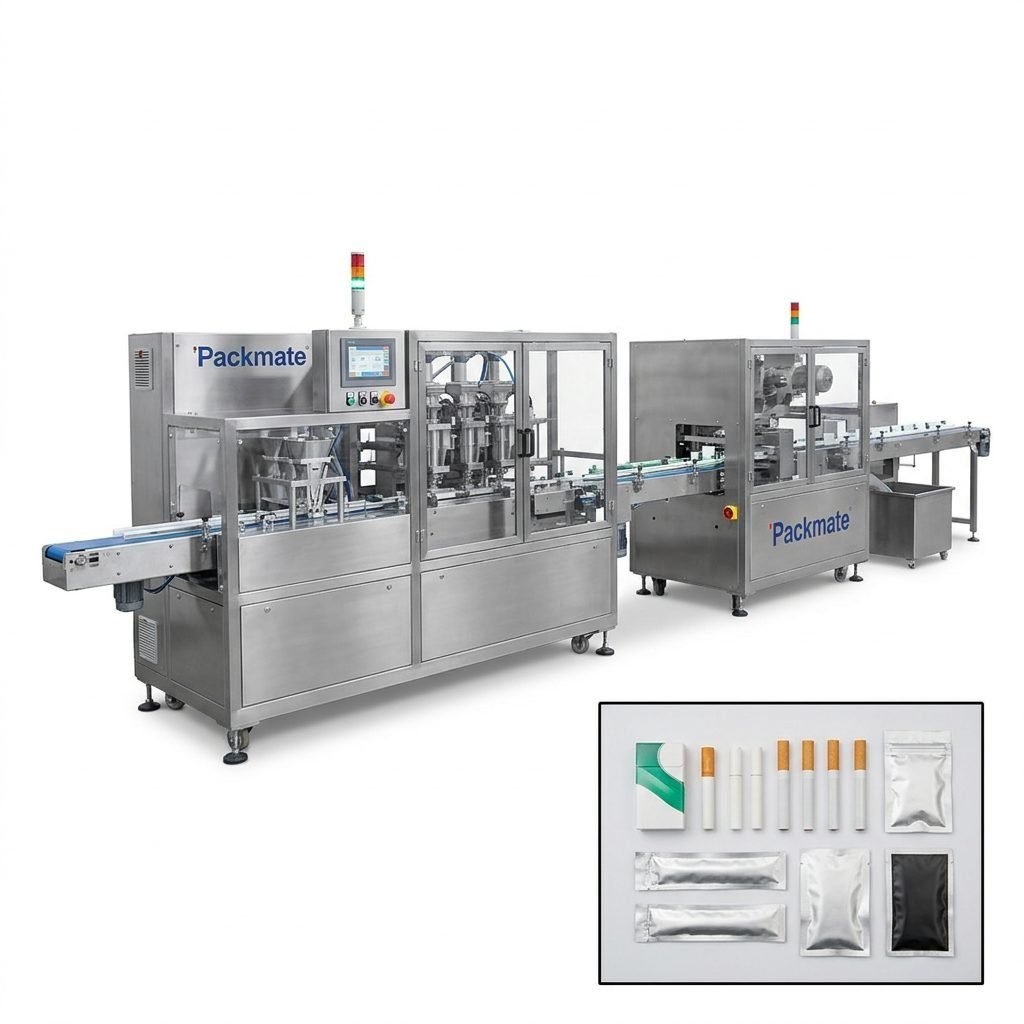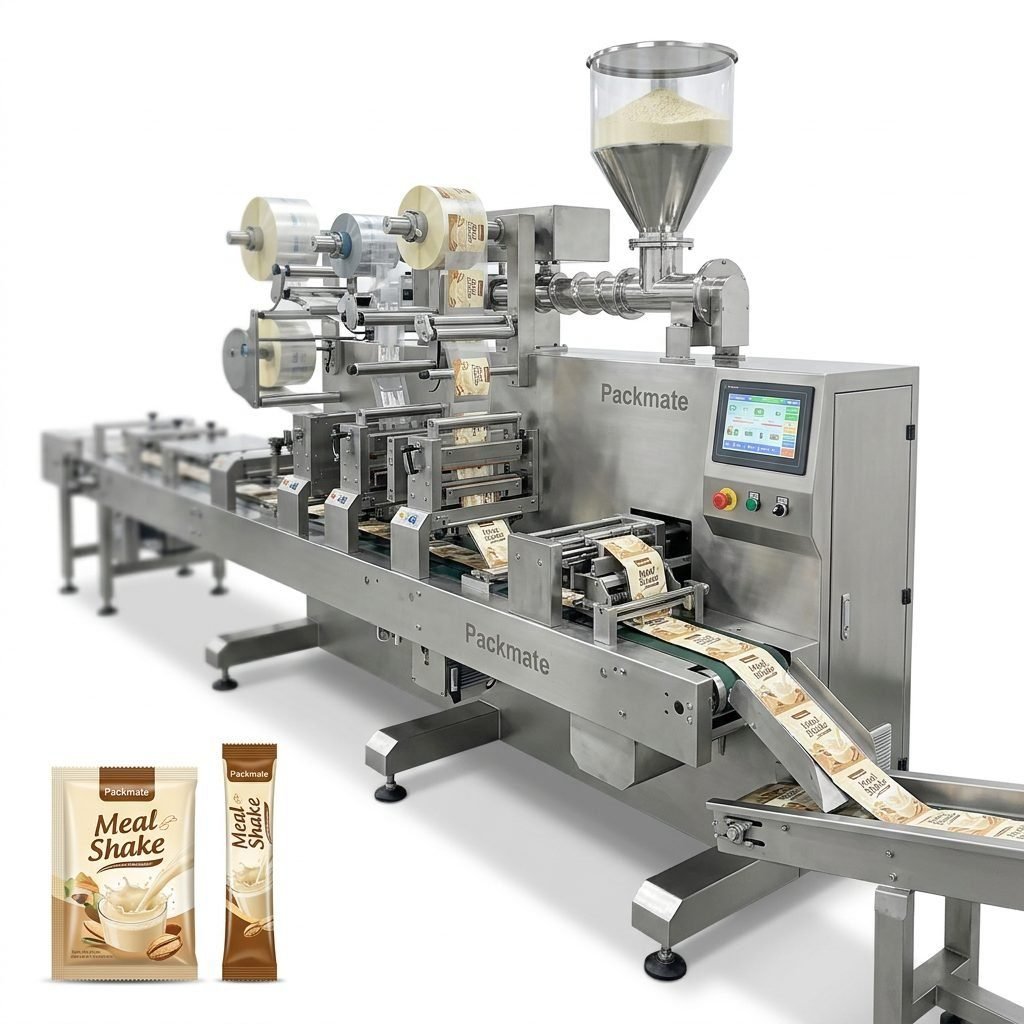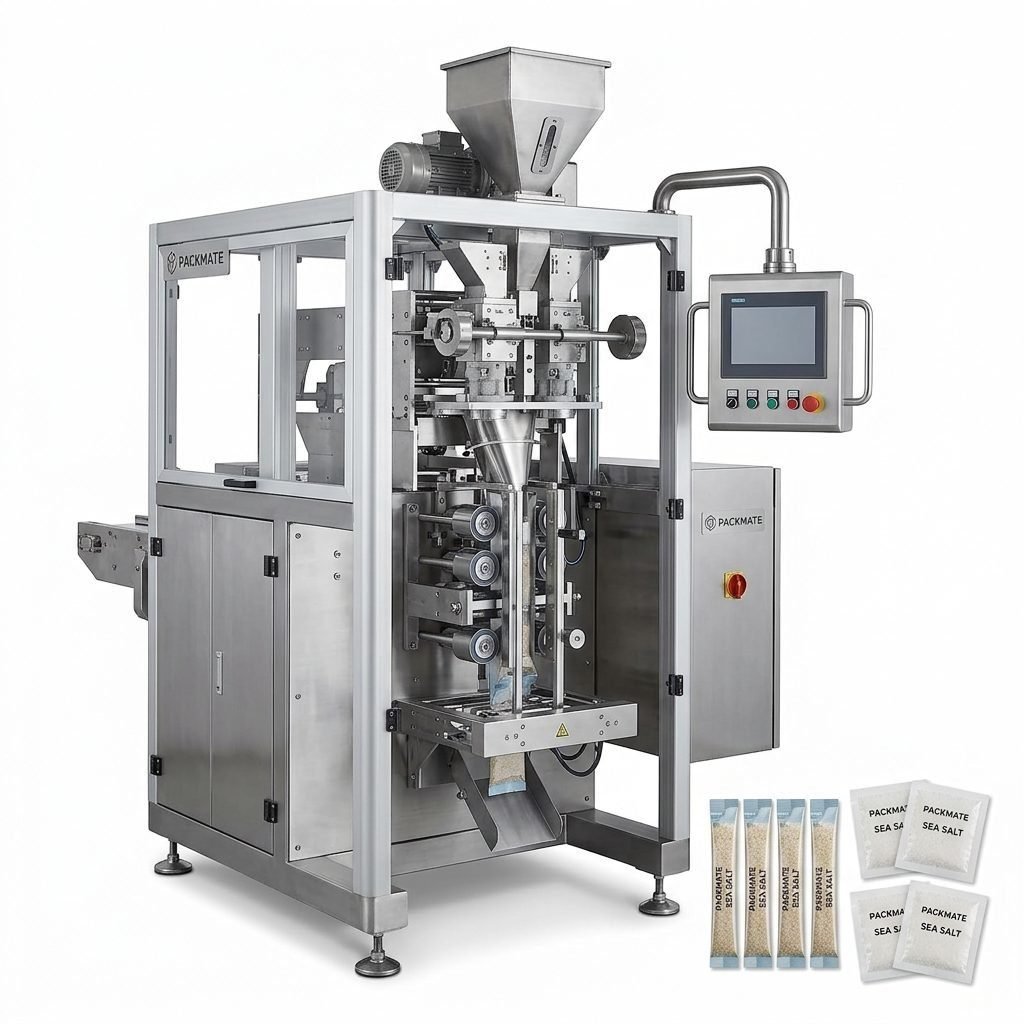
The garri market, particularly in West Africa, is experiencing significant growth, driven by increasing demand for this staple cassava product both locally and in the diaspora. To compete effectively, producers require packaging solutions that ensure product longevity, hygiene, and appeal. This makes the choice of garri packaging machinery a critical investment for any modern production line aiming for efficiency, consistency, and scalability.
Key Features of Top-Tier Garri Packaging Machines
Selecting the right equipment goes beyond basic bagging. The best machines for garri are engineered to handle its specific characteristics—a granular, sometimes slightly coarse texture that can be prone to dust. Here are the essential features to prioritize:
Precision Weighing Systems
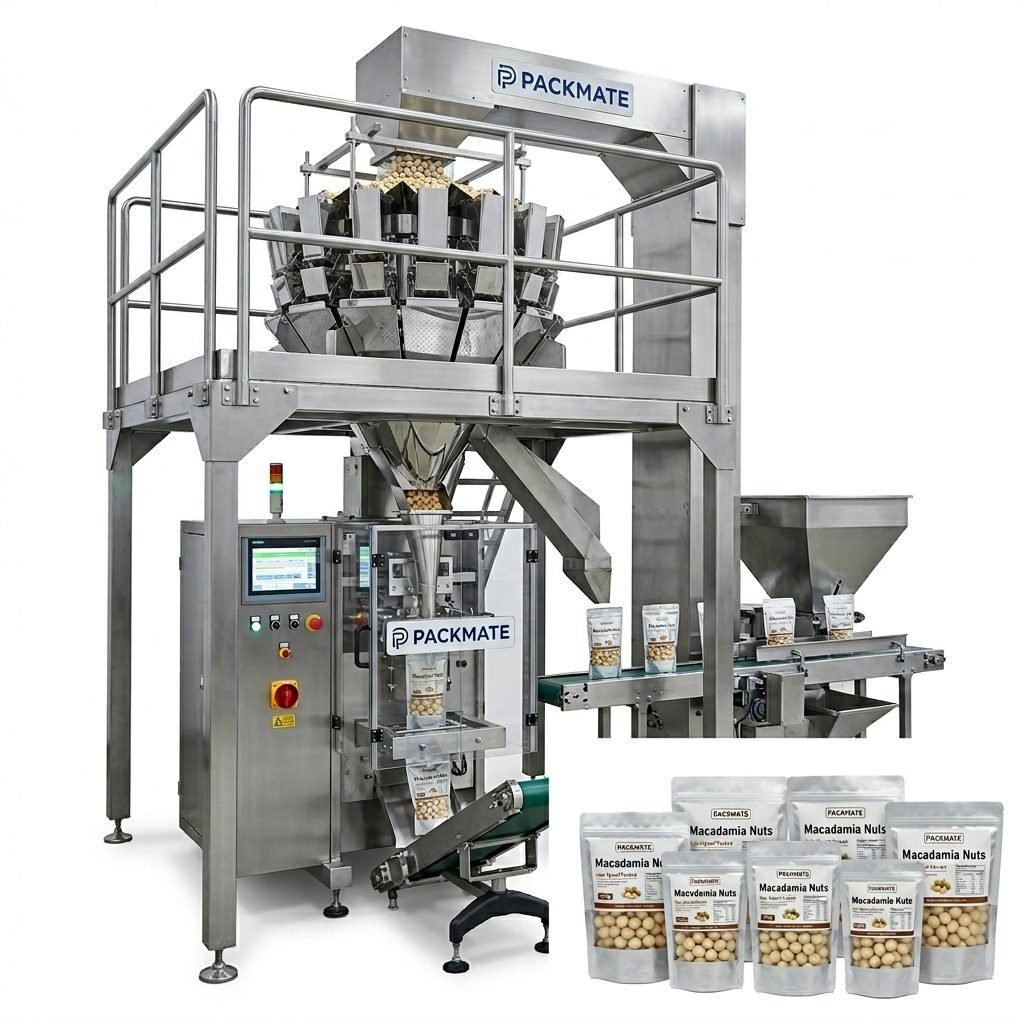
Accuracy is non-negotiable. Advanced multi-head weighers or auger filler systems ensure each packet contains the exact weight of garri, minimizing product giveaway and ensuring compliance with trade standards. This is crucial for maintaining trust, especially in markets where precise measurement is a key consumer expectation.
Dust Extraction and Hygiene Management
High-quality garri packaging lines integrate effective dust collection systems at the filling point. This maintains a clean production environment, protects the machinery’s moving parts, and ensures the final packaged product is free from surface dust, enhancing its visual quality.
Versatile Packaging Formats
The ability to produce various pack styles is a major advantage. Look for machines capable of creating:
• Stand-up pouches with zippers for premium retail.
• Flat or gusseted bags for economical bulk sales.
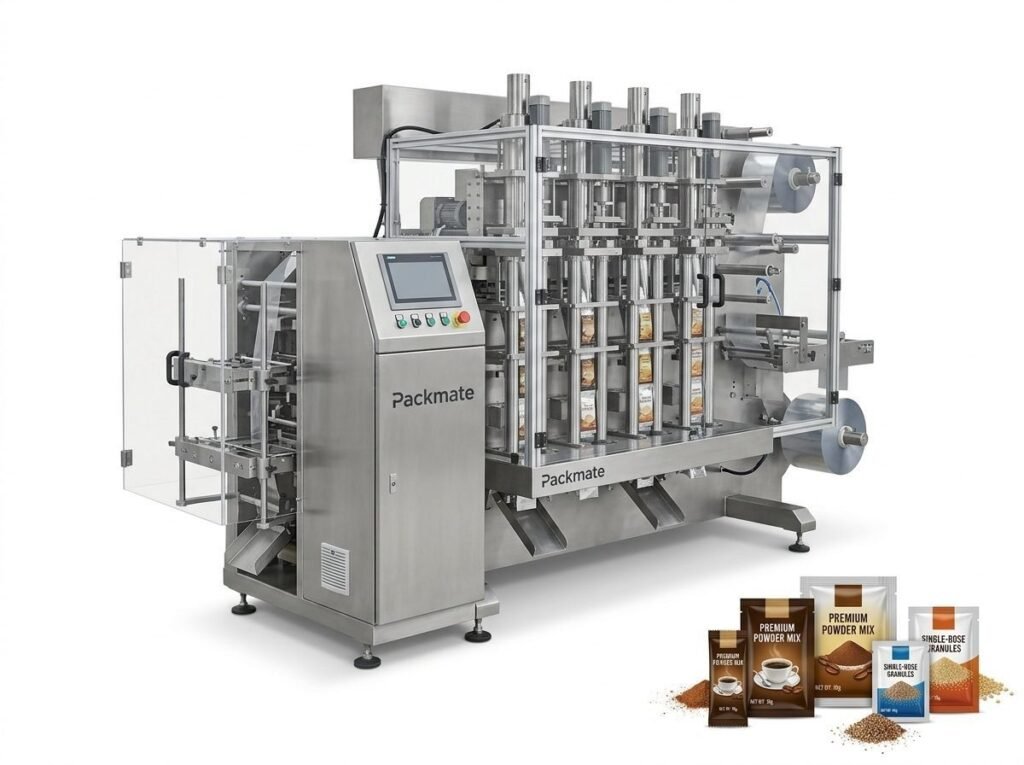
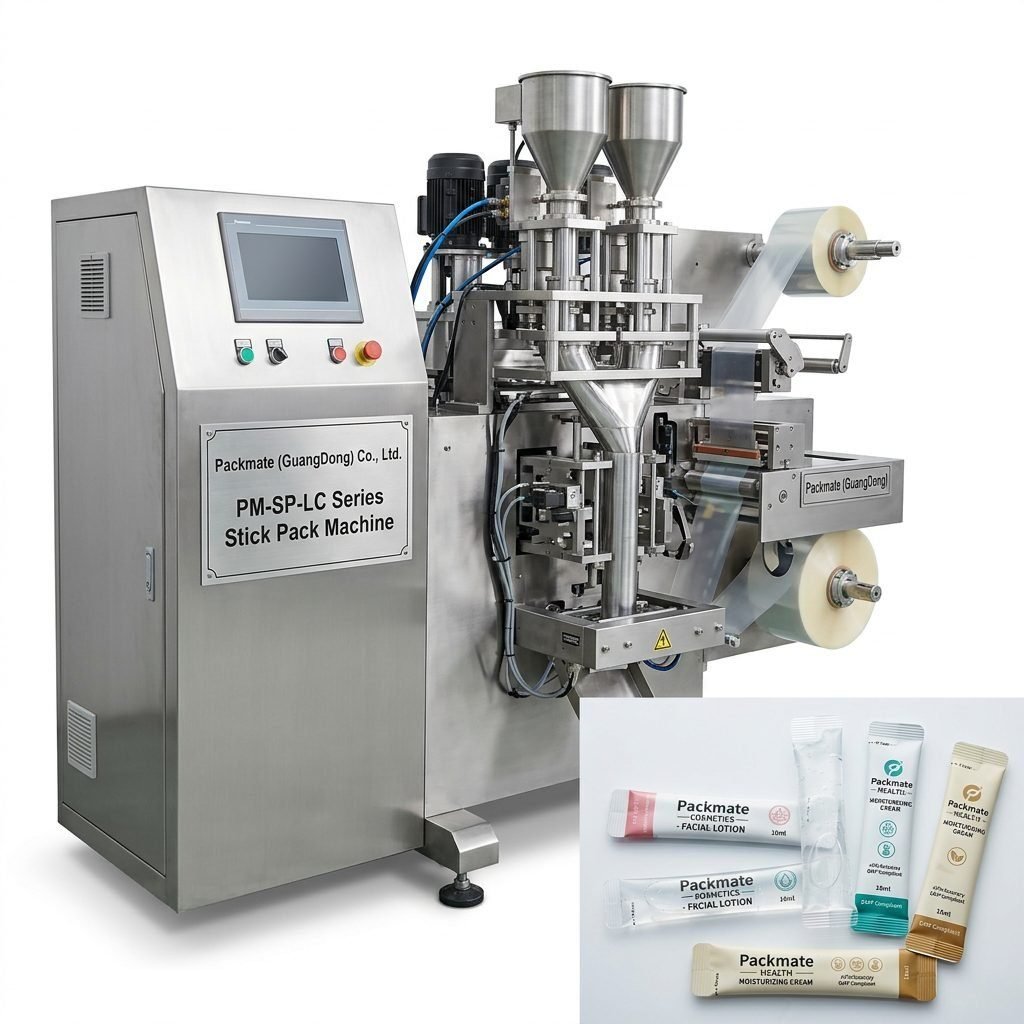
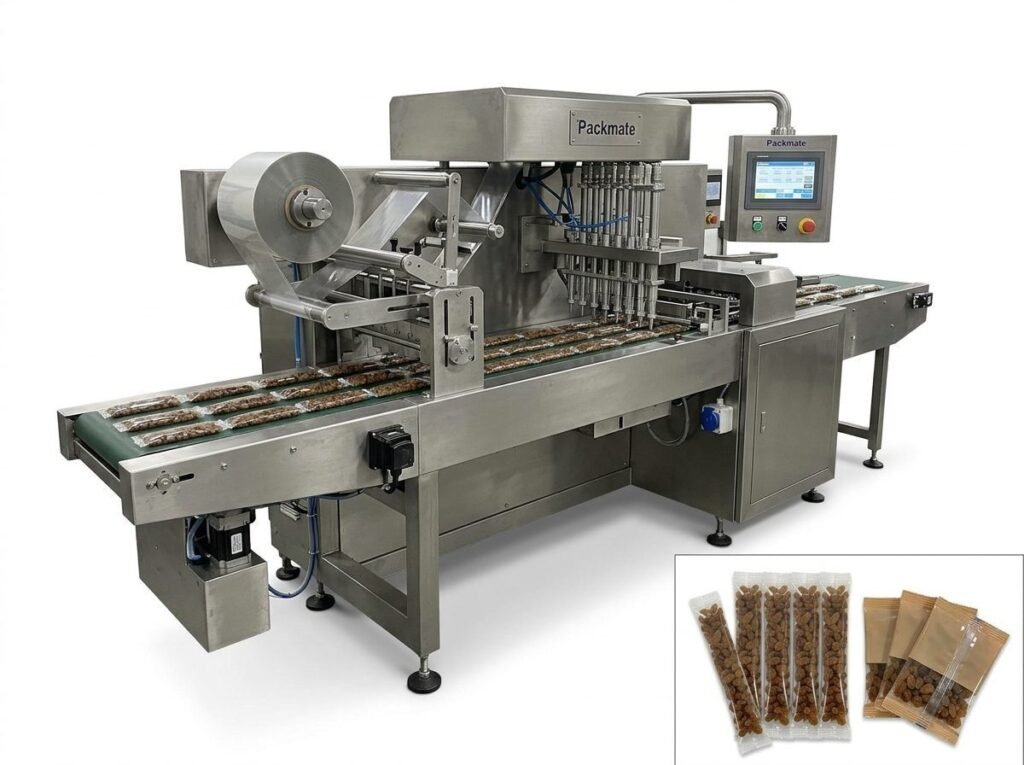
• Small portion sachets for food service or instant sales. Machines that can handle multi-lane sachet packaging significantly boost output for smaller units.
Integrating Machines into a Cohesive Production Line
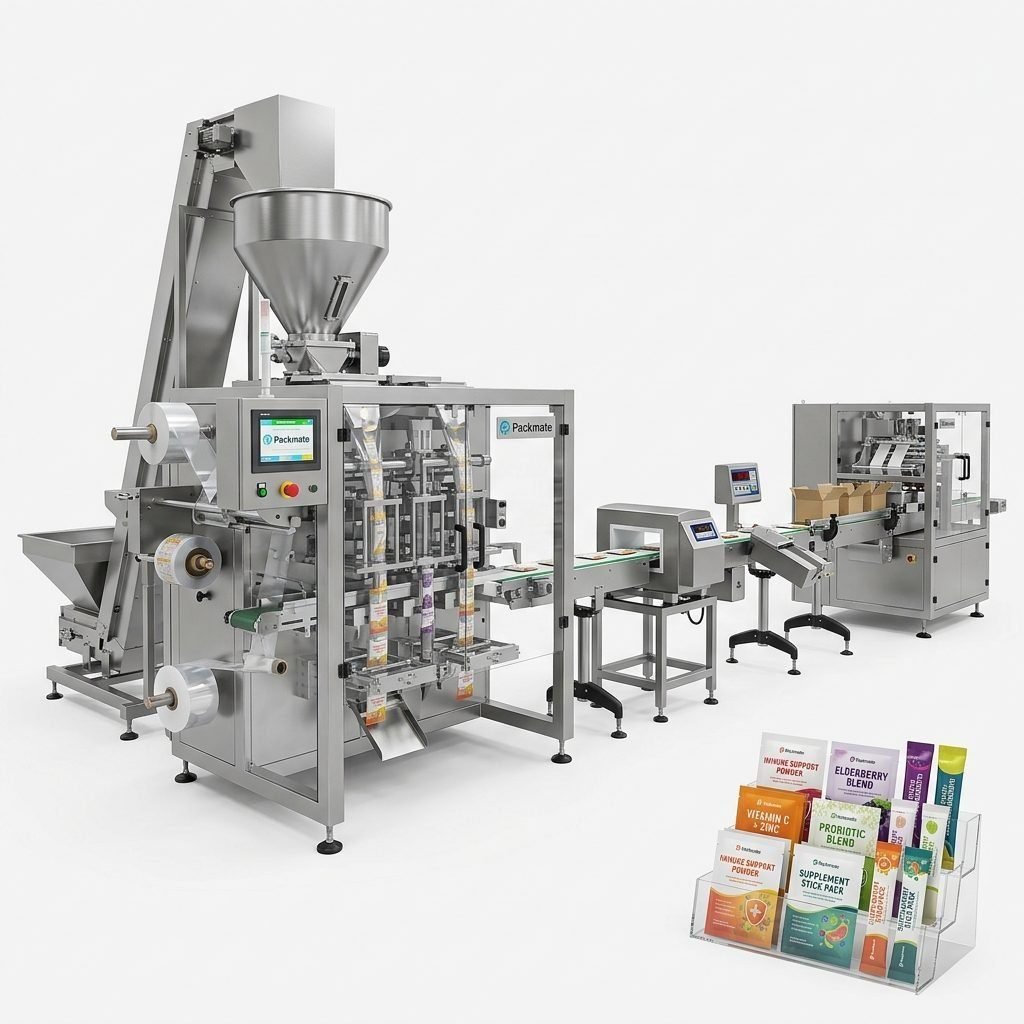
An efficient line is more than a single machine. It’s a synchronized system. A typical high-output garri packaging line might include:
- Pre-mixing & Feeding System: Ensures a consistent blend and steady supply to the packaging machine hopper.
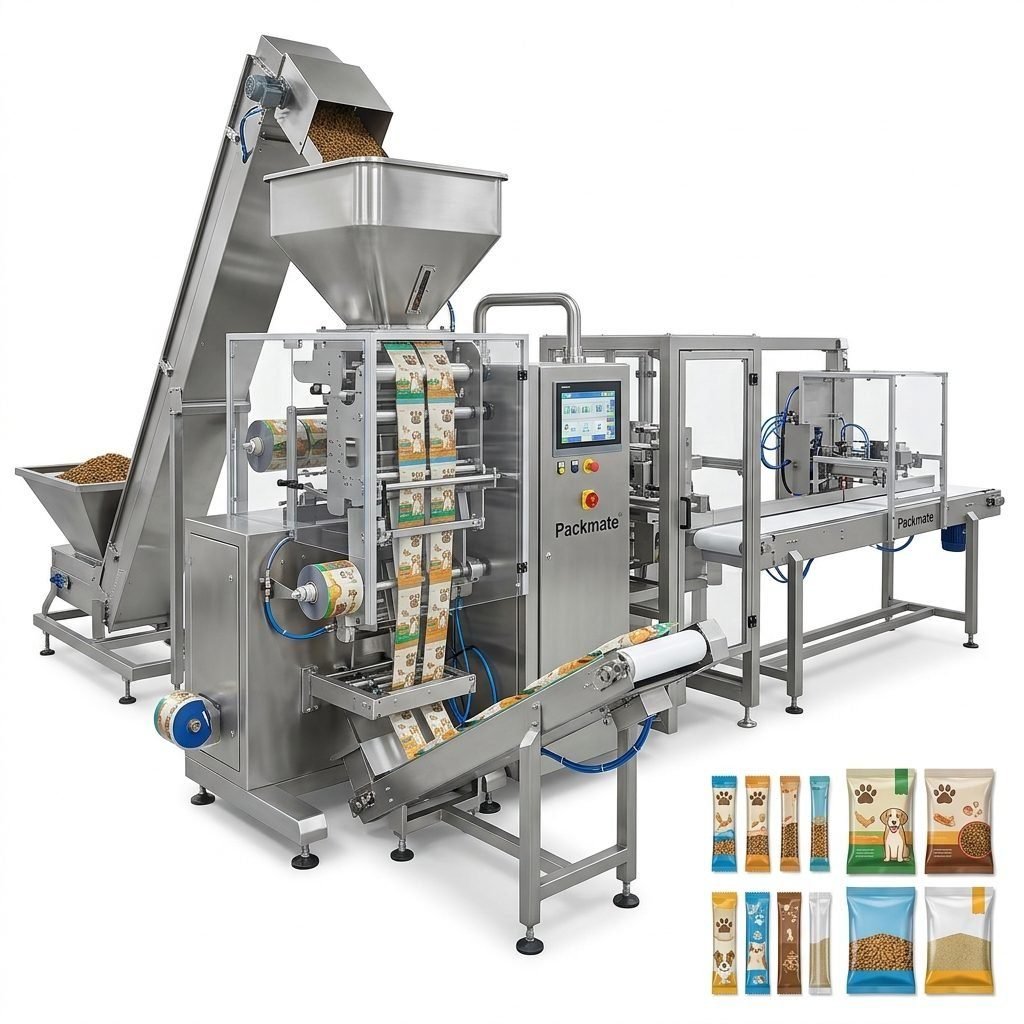
- Core Packaging Machine: Such as an automated vertical form-fill-seal (VFFS) pouch machine.
- Checkweigher: Post-packaging verification of weight accuracy, rejecting any under/overweight packs.
- Metal Detector/X-ray Inspector: Critical for food safety, ensuring no physical contaminants are present.
- Cartoning or Case Packing System: Automates the bundling of individual bags into boxes for shipping.
Companies like Packmate Machinery, with over two decades of experience in building complete packaging lines, understand this integration is key to unlocking true efficiency.
The Impact on Production Efficiency and ROI
Investing in automated packaging technology delivers tangible returns:
Dramatically Increased Output: Machines can run 24/7 at speeds far exceeding manual packing, often producing hundreds of packs per minute.
Consistent Package Quality: Every bag has identical seal strength, appearance, and weight, building a strong, reliable brand image.
Reduced Labor Costs & Dependency: Automation minimizes the need for large manual packing teams, reducing costs and management complexity.
Minimized Product Waste: Precision filling and integrated checkweighing ensure almost all product is sold, not given away or spilled.
Enhanced Scalability: A well-designed line can be incrementally upgraded or run at higher speeds to meet growing demand without a complete overhaul.
Choosing the Right Partner for Your Machinery
The manufacturer’s expertise is as important as the machine’s specs. A partner with deep experience in food-grade packaging, particularly with granular products, will provide invaluable support. Key considerations include:
- Proven Track Record: Request case studies or references from other garri or similar product producers.
- After-Sales Support: Availability of spare parts, technical support, and maintenance training is critical for uptime.
- Customization Ability: Can the machine be adapted to your specific bag size, material, or feeding requirements?
- Compliance Knowledge: The supplier should understand the food safety and regulatory standards relevant to your target markets.
Conclusion: Packaging as a Competitive Edge
In the competitive garri industry, superior packaging is no longer a luxury—it’s a necessity for growth and market penetration. Modern, efficient packaging machines do more than just bag the product; they ensure hygiene, accuracy, and brand consistency while driving down operational costs. By investing in the right garri packaging machinery and integrating it into a seamless production line, manufacturers can secure a significant competitive advantage, meeting today’s demand while being ready for tomorrow’s opportunities.
Frequently Asked Questions (FAQs)
What type of packaging machine is best for garri?
Vertical Form-Fill-Seal (VFFS) machines are generally the most efficient and versatile choice for garri. They can handle a wide range of bag sizes and styles, from small sachets to larger retail bags, and are excellent for granular products. Their integration with precision weighers makes them ideal for the job.
How important is a dust control system on a garri packer?
Extremely important. Garri can generate fine particles during the filling process. An integrated dust extraction system is crucial for maintaining machine cleanliness (preventing jams and wear), ensuring a safe factory environment, and providing a dust-free, visually appealing final product for consumers.
Can one machine package garri in different bag sizes?
Yes, many modern automated machines, especially VFFS models, are designed with quick-change parts for forming tubes and sealing jaws. This allows producers to switch between different bag widths and lengths with minimal downtime, enabling flexible production runs for various market segments.
What is the typical production speed for an automated garri packaging line?
Speeds vary based on bag size and machine configuration. For standard 1kg bags, speeds of 40-60 bags per minute are common. For smaller sachets (e.g., 50g), multi-lane machines can achieve outputs of 200-300 sachets per minute or more. The exact speed should be discussed with your machinery supplier based on your needs.
Where can I see examples of successful garri packaging lines?
Reputable machinery manufacturers often showcase their applications in real-world project case studies. Reviewing these can provide insight into line layouts, machine choices, and the achieved results for similar food granular products.