In today’s competitive food and pharmaceutical industries, preserving product freshness, extending shelf life, and maintaining quality are paramount. Modified Atmosphere Packaging (MAP) has emerged as a critical technology to achieve these goals. This comprehensive guide delves into the world of MAP equipment, exploring its principles, key components, solutions, and how to select the right machinery for your specific needs.
Understanding Modified Atmosphere Packaging (MAP)
Modified Atmosphere Packaging is a technique where the natural air inside a package is replaced with a controlled, protective gas mixture. This mixture typically consists of nitrogen (N₂), carbon dioxide (CO₂), and oxygen (O₂) in precise ratios tailored to the product. The primary objective is to slow down spoilage processes such as oxidation, microbial growth, and enzymatic degradation. By creating an optimal gaseous environment, MAP significantly extends a product’s shelf life while preserving its original taste, texture, color, and nutritional value.
Core Principle: The fundamental principle behind MAP is gas flushing. Ambient air is evacuated from the package, and a pre-determined gas blend is injected before sealing. This creates a stable, protective atmosphere that remains constant throughout the product’s distribution and storage.
Key Components of a MAP System
A complete MAP solution is more than just a single machine; it’s an integrated system. Understanding each component is crucial for evaluating equipment.
1. Gas Mixing System: The heart of the MAP process. This unit precisely blends gases from individual cylinders or a bulk supply to create the exact mixture required for your product. Accuracy here is non-negotiable.
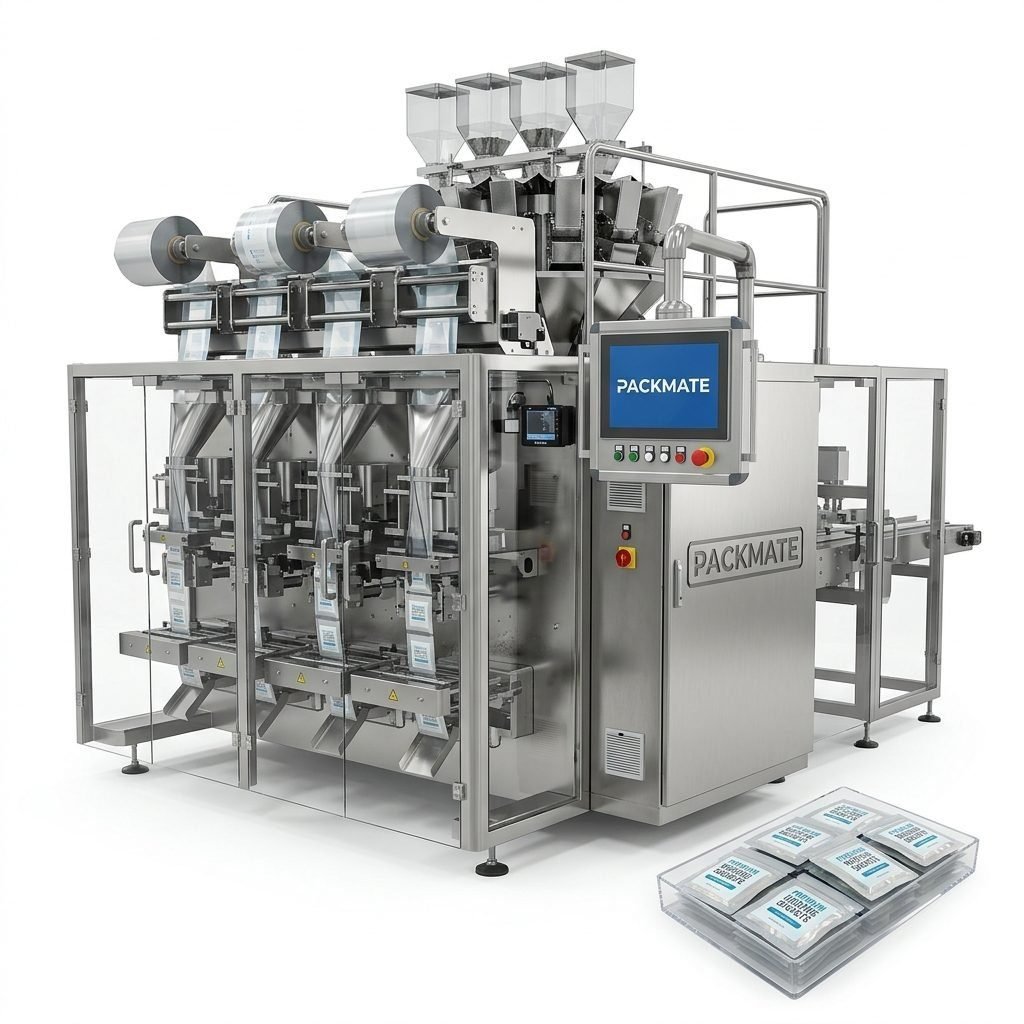
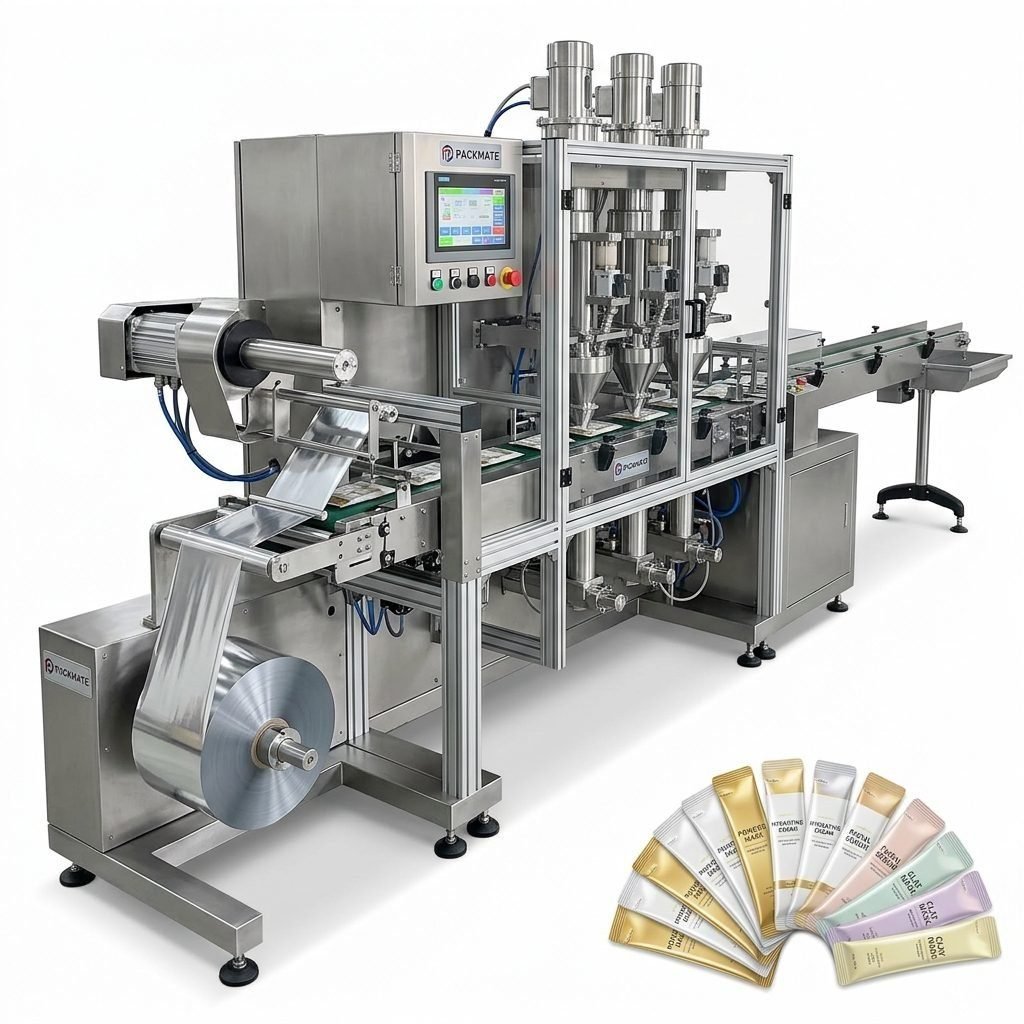
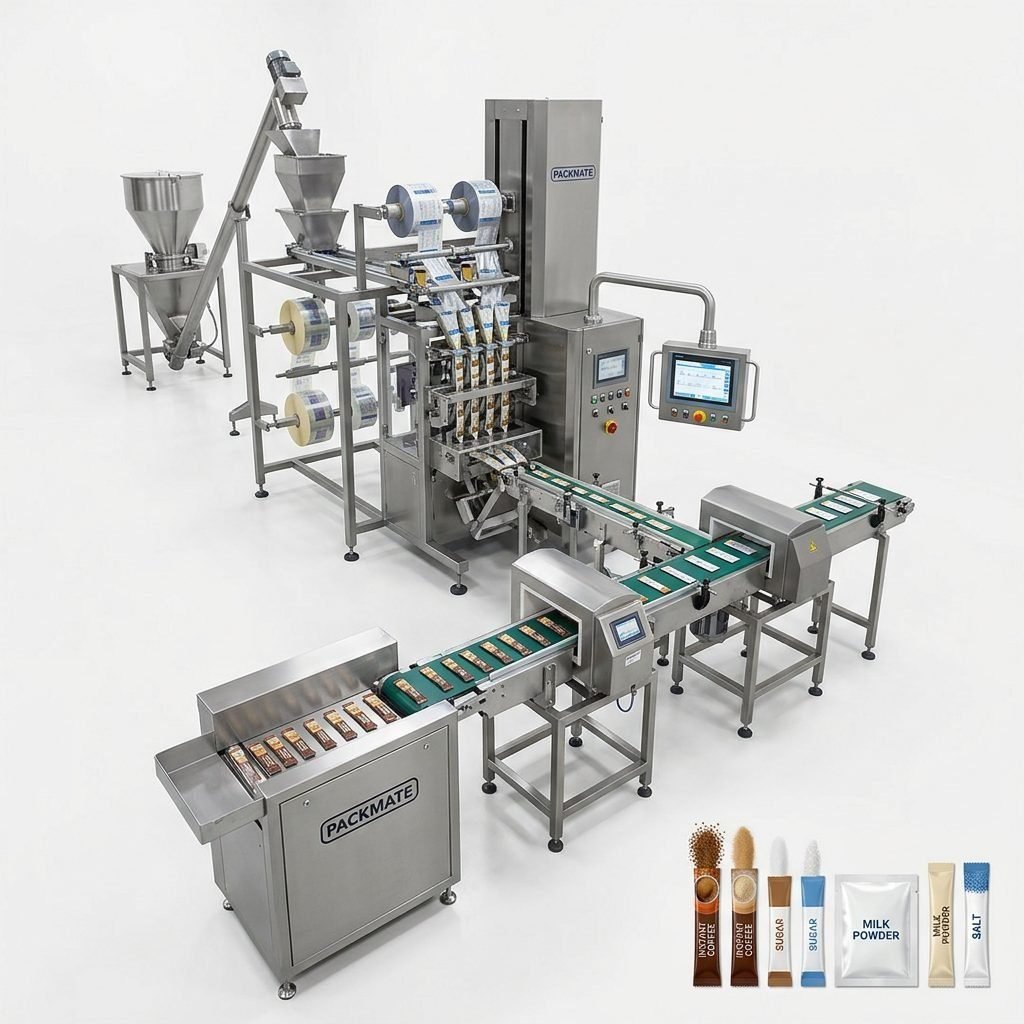
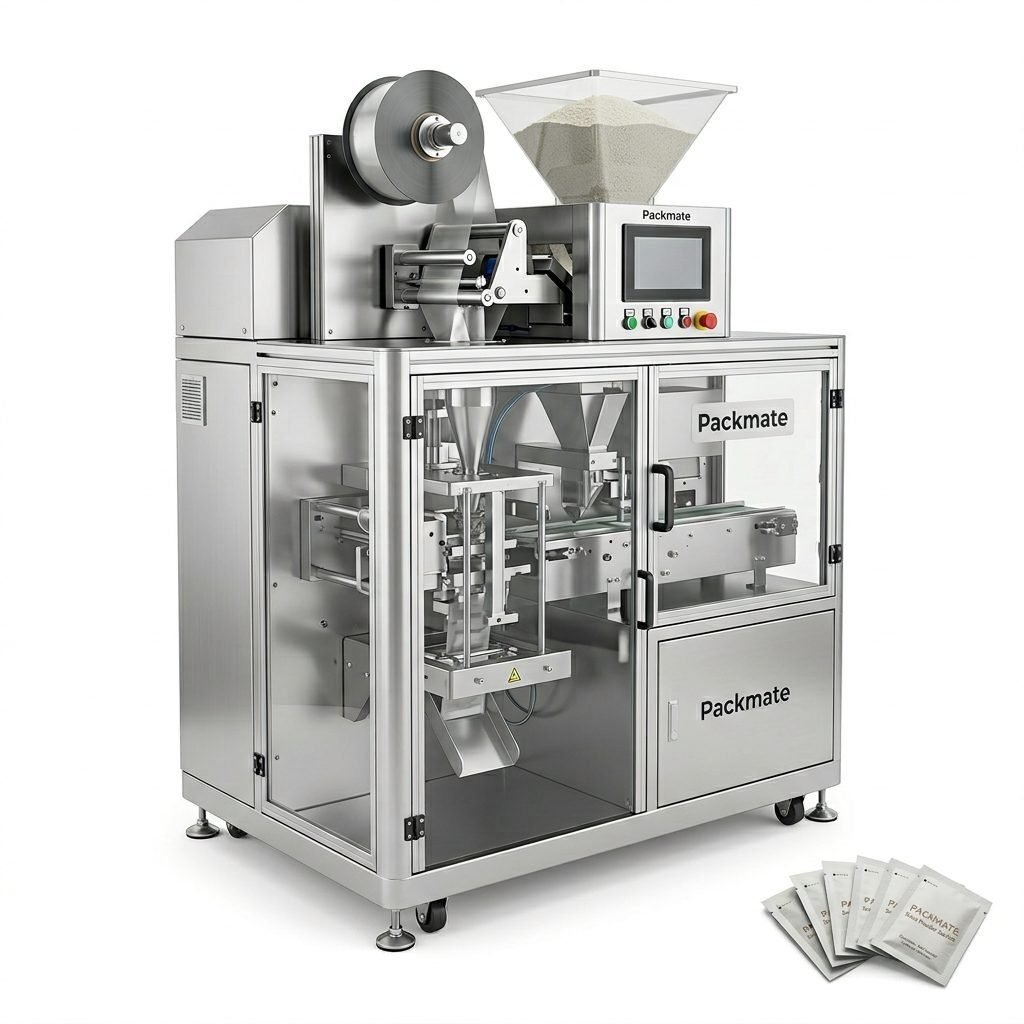
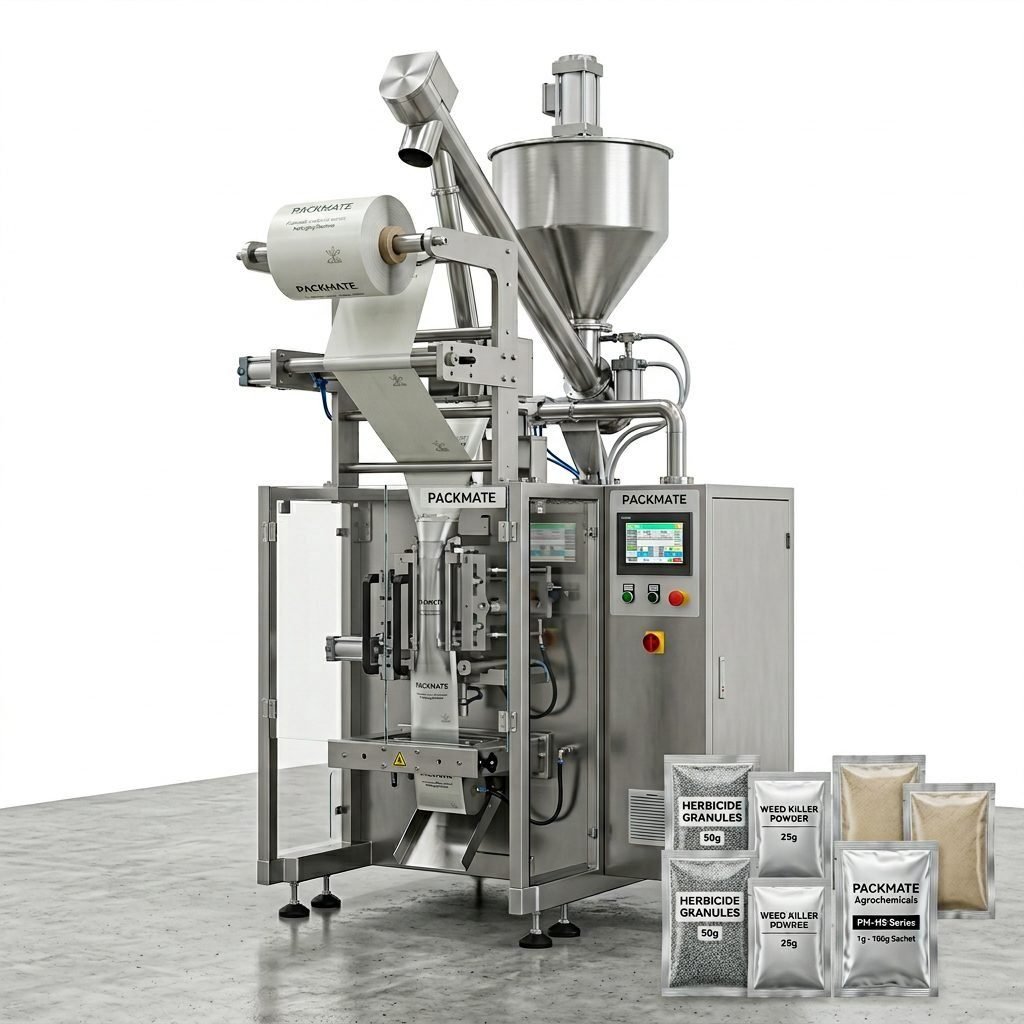
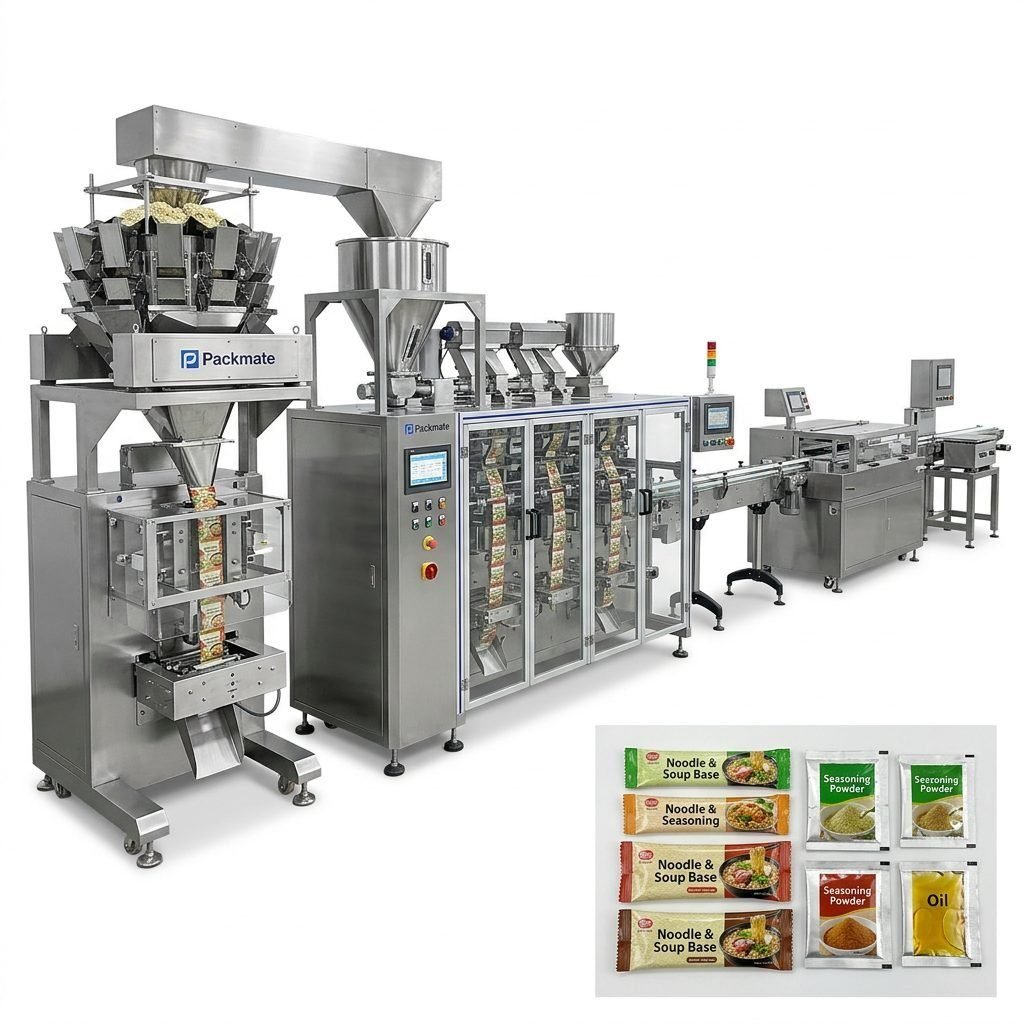
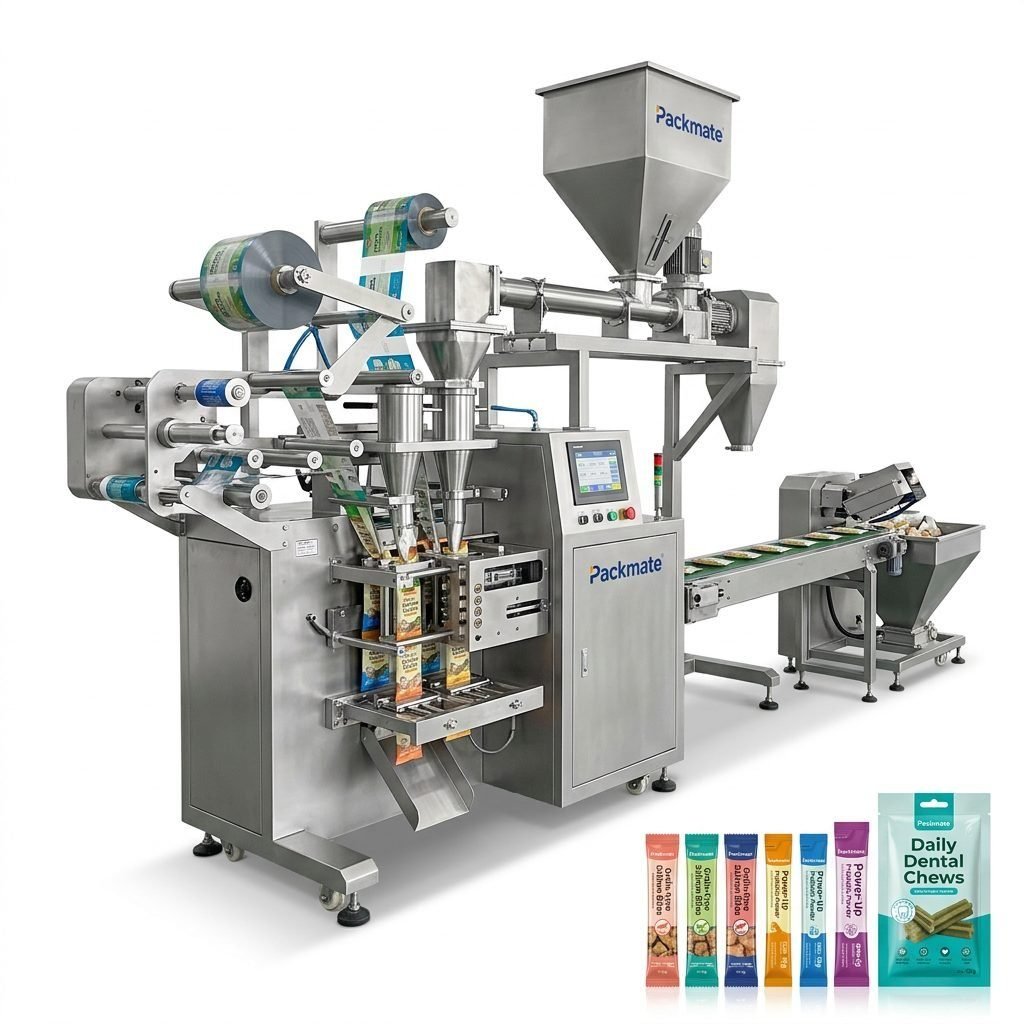
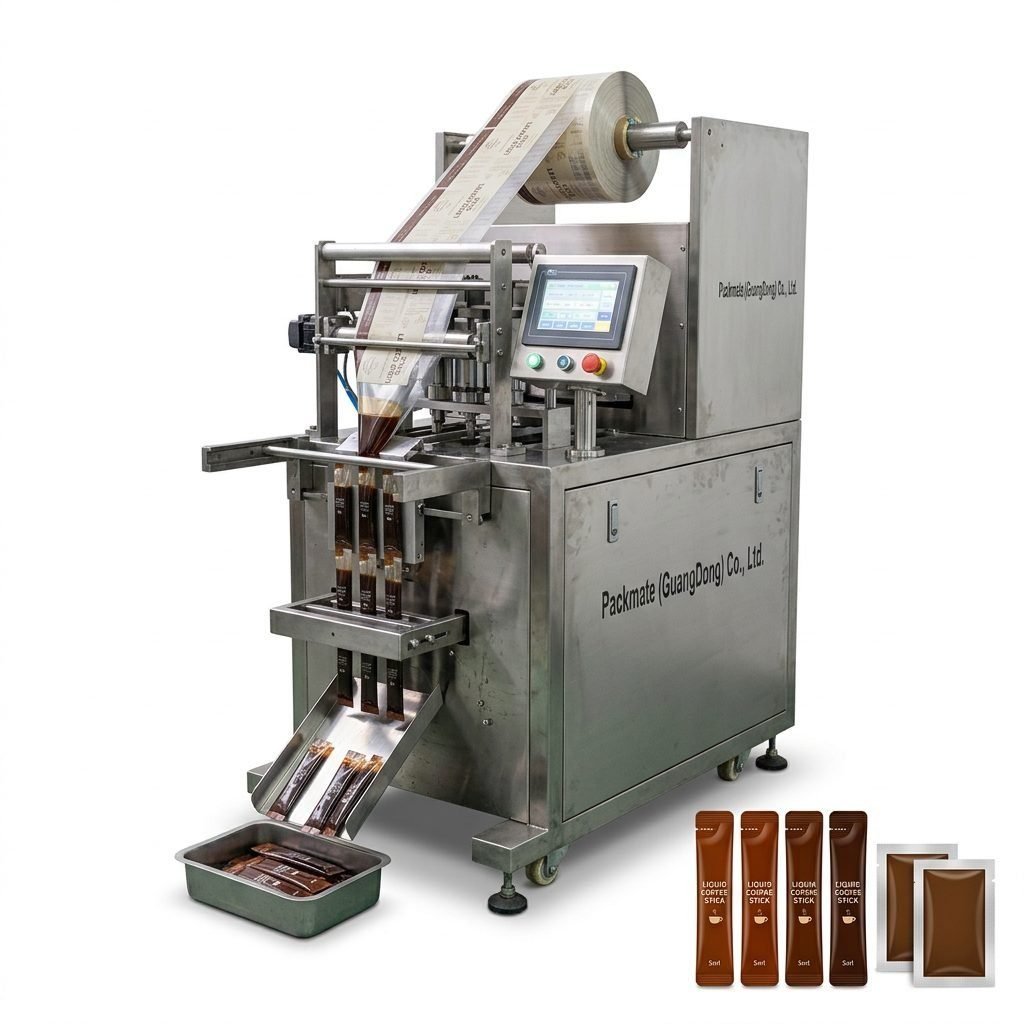
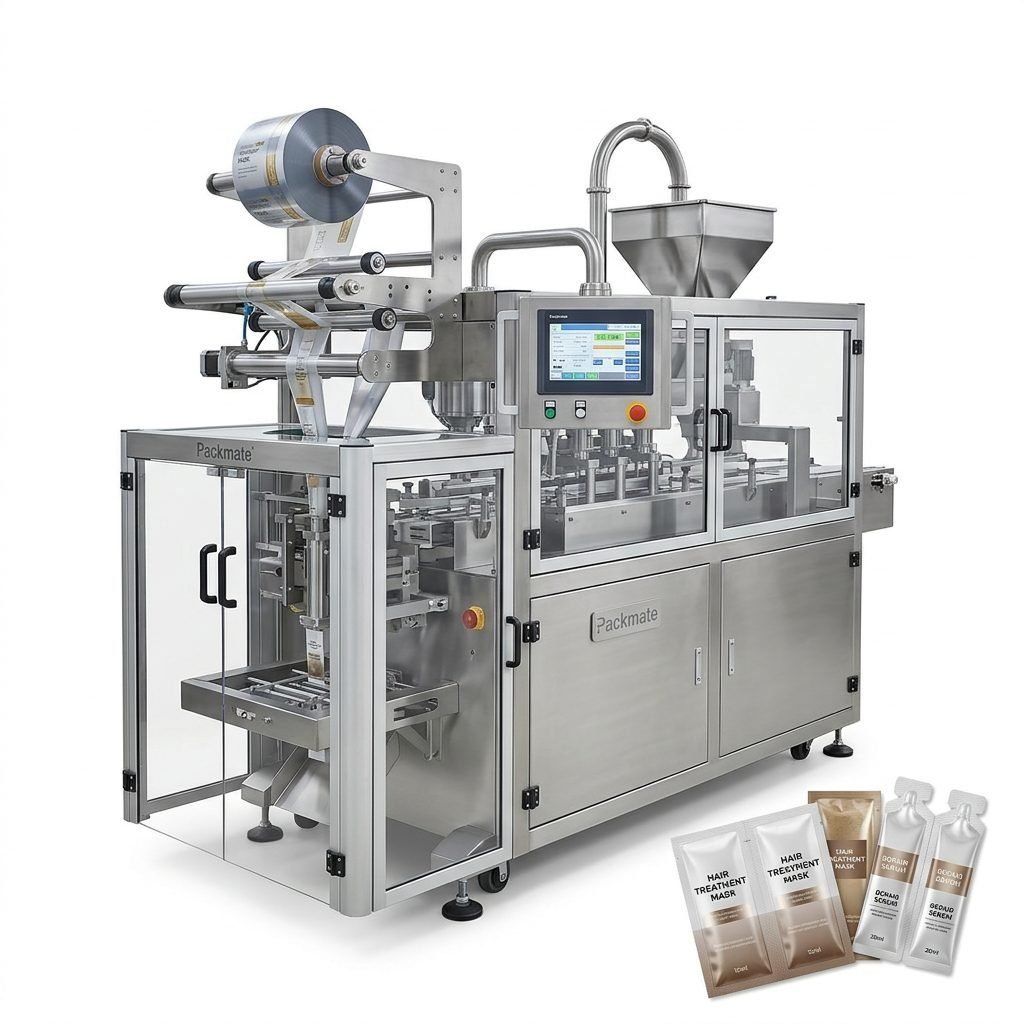
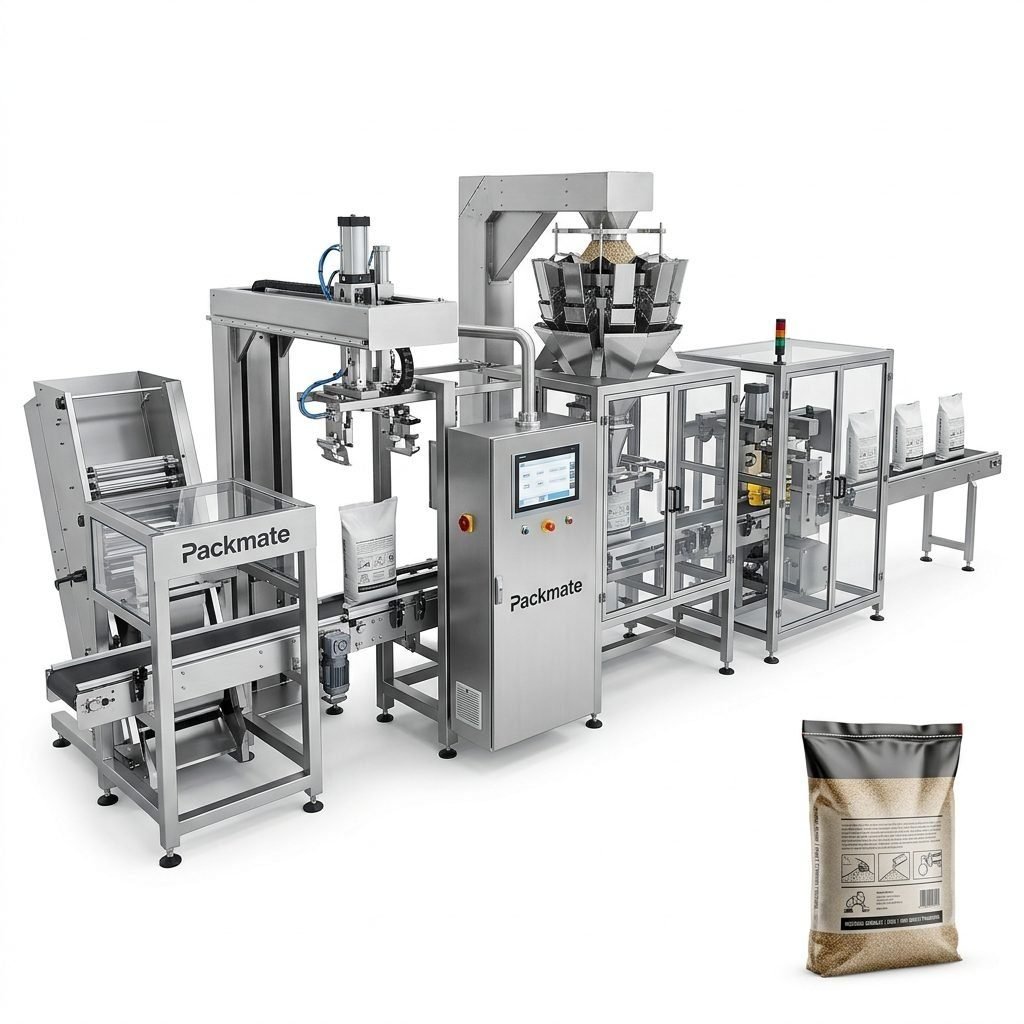
2. Packaging Machine with MAP Capability: This is the core equipment that performs the packaging operation. It must be designed to integrate seamlessly with the gas flushing process. Common types include vertical form-fill-seal (VFFS) machines, horizontal flow wrappers, and thermoforming machines. For specialized needs like sachets, a sachet packaging machine with MAP integration is essential.
3. Gas Flushing / Evacuation Chamber: Integrated into the packaging machine, this chamber is where the magic happens. It removes the existing air and introduces the modified gas mixture before the final seal is applied.
4. Sealing System: A robust, airtight seal is critical to prevent gas leakage and atmospheric re-entry. The system must ensure consistent, high-integrity seals on every package.
5. Control & Monitoring System: Modern MAP equipment features sophisticated PLC controls and HMI interfaces. These systems allow operators to set and monitor gas ratios, flushing times, and seal parameters, ensuring repeatable quality and traceability.
Choosing the Right MAP Equipment: A Strategic Guide
Selecting MAP machinery is a significant investment. Here are the key factors to consider to ensure you choose a solution that delivers long-term value and efficiency.
Product Characteristics: Your product dictates the MAP requirements. Is it fresh meat (high O₂ MAP), baked goods (low O₂, high CO₂/N₂), or cheese (balanced mix)? The equipment must handle your product’s size, shape, and sensitivity.
Production Volume & Speed: Assess your current and projected output. High-speed production lines require robust, automated packaging lines with fast cycle times and minimal downtime.
Packaging Material: The barrier properties of your film (e.g., OTR, WVTR) are as important as the machine itself. Your equipment supplier should advise on material compatibility.
Gas Accuracy and Consistency: Inquire about the precision of the gas mixing and delivery system. Even minor fluctuations can impact shelf life.
Ease of Operation and Changeover: Look for user-friendly controls and quick-change parts to minimize downtime when switching between products or package sizes.
Hygiene and Cleanability: Especially for food and pharma, equipment should be designed with sanitary standards in mind, featuring smooth surfaces and easy access for cleaning.
Industry-Specific MAP Solutions
MAP technology is versatile and adapts to various sectors. Here’s how it applies across key industries.
Fresh Food & Produce: For red meat, a high-oxygen (70-80% O₂) mix maintains the bright red color. For fresh pasta, salads, and cut fruits, a low-oxygen, high-nitrogen atmosphere inhibits microbial growth and enzymatic browning.
Bakery & Snacks: To prevent mold and staleness, bakery products are packaged in an atmosphere rich in CO₂ and N₂, with oxygen levels often below 1%. This is a common application for bag and pouch packaging machines.
Pharmaceutical & Healthcare: Beyond preservation, MAP is used to create inert environments for sensitive drugs, medical devices, and diagnostic kits, protecting them from moisture and oxidative degradation.
Prepared Meals & Dairy: Ready-to-eat meals and cheese products benefit from tailored gas mixes that balance flavor preservation, texture maintenance, and inhibition of specific spoilage organisms.
The Role of a Trusted Equipment Partner
Implementing a successful MAP operation goes beyond buying a machine; it requires a partnership with a knowledgeable and reliable supplier. A partner like Packmate Machinery brings over two decades of expertise in designing and manufacturing intelligent packaging solutions. With a modern 20,000㎡ facility and a portfolio of over 50 machine models, they understand that a turnkey solution—from the right machine to material guidance and after-sales support—is key to your success. Their experience in integrating MAP technology into various packing machine types ensures you get a system tailored to your operational goals.
Benefits Summary: Why Invest in MAP?
Extended Shelf Life: The most significant benefit, reducing food waste and expanding market reach.
Preserved Quality: Maintains the product’s sensory attributes (taste, smell, appearance) from production to consumption.
Enhanced Safety: Inhibits the growth of aerobic bacteria and pathogens, improving product safety.
Market Differentiation: “Packaged in a protective atmosphere” is a strong selling point for quality-conscious consumers.
Supply Chain Flexibility: Allows for longer distribution times and reduced frequency of deliveries.
Frequently Asked Questions (FAQs)
Q1: What is the main difference between MAP and Vacuum Packaging?
A: While both remove oxygen, Vacuum Packaging simply sucks out all air, which can crush delicate products. MAP replaces the air with a beneficial gas mix, protecting product shape and offering a more targeted preservation method based on the product’s biology.
Q2: How long does MAP actually extend shelf life?
A: The extension varies greatly by product. For example, red meat’s shelf life can be extended from 2-4 days to 5-8 days. For certain baked goods, it can extend from days to several weeks. A proper feasibility study with your product is recommended.
Q3: Is MAP equipment expensive to operate?
A: The operational cost primarily involves the gas mixture and energy consumption. However, the return on investment is often realized through drastically reduced product waste, lower logistics costs due to less frequent shipping, and the ability to access new, distant markets.
Q4: Can I retrofit my existing packaging machine with MAP technology?
A: In some cases, yes. Many vertical form-fill-seal and horizontal flow-wrap machines can be upgraded with gas flushing systems. It’s best to consult directly with the original machine manufacturer or a specialist like Packmate to assess your specific machine’s compatibility.
Q5: How do I determine the correct gas mixture for my product?
A: The optimal gas mix is determined through product-specific testing, often in collaboration with food scientists or the equipment supplier. Factors include the product’s respiration rate, fat content, water activity, and the primary spoilage mechanisms you aim to control.