The world of packaging is vast and complex, with machinery standing as its critical backbone. Among the various specialized equipment, map packaging machines represent a pinnacle of efficiency and organization for industries handling multi-component products or kits. This ultimate guide delves into the intricacies of map packaging machines, exploring their types, undeniable benefits, and crucial buying tips to empower your investment decision.
What is a Map Packaging Machine?
A map packaging machine, often referred to as a multi-pack or assortment packaging system, is designed to collate and package multiple different items into a single, cohesive unit—much like folding various elements into a “map.” This is essential for products sold as kits, such as first-aid supplies, tool sets, sample assortments, or promotional gift packs where several distinct items must be presented together securely and attractively.
Core Function: The primary function is to automate the process of gathering different components from multiple feeding lines, arranging them in a predetermined layout (the “map”), and then enclosing them in a single pouch, carton, or tray. This eliminates slow, error-prone manual assembly.
Primary Types of Map Packaging Machines
Choosing the right type depends on your product characteristics, volume, and packaging material. Here are the main categories:
1. Vertical Form-Fill-Seal (VFFS) Map Packers
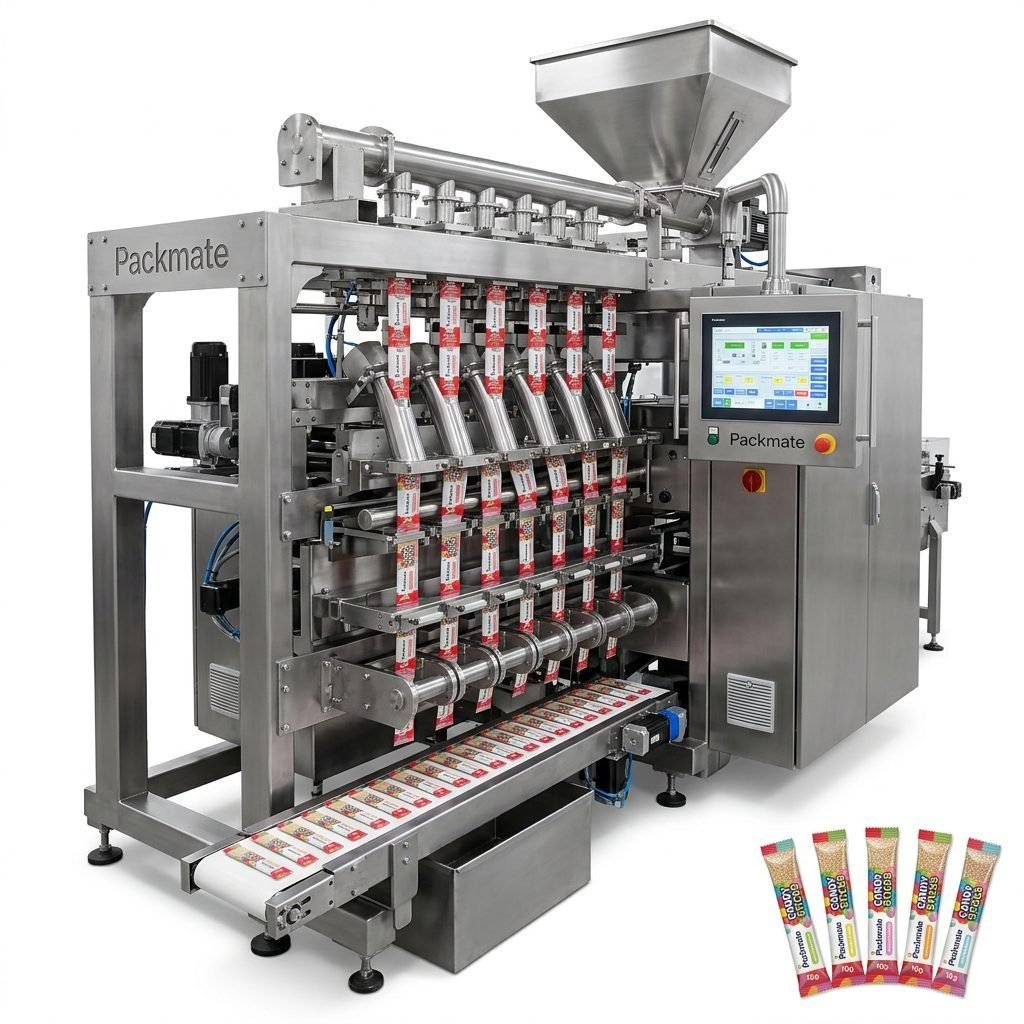
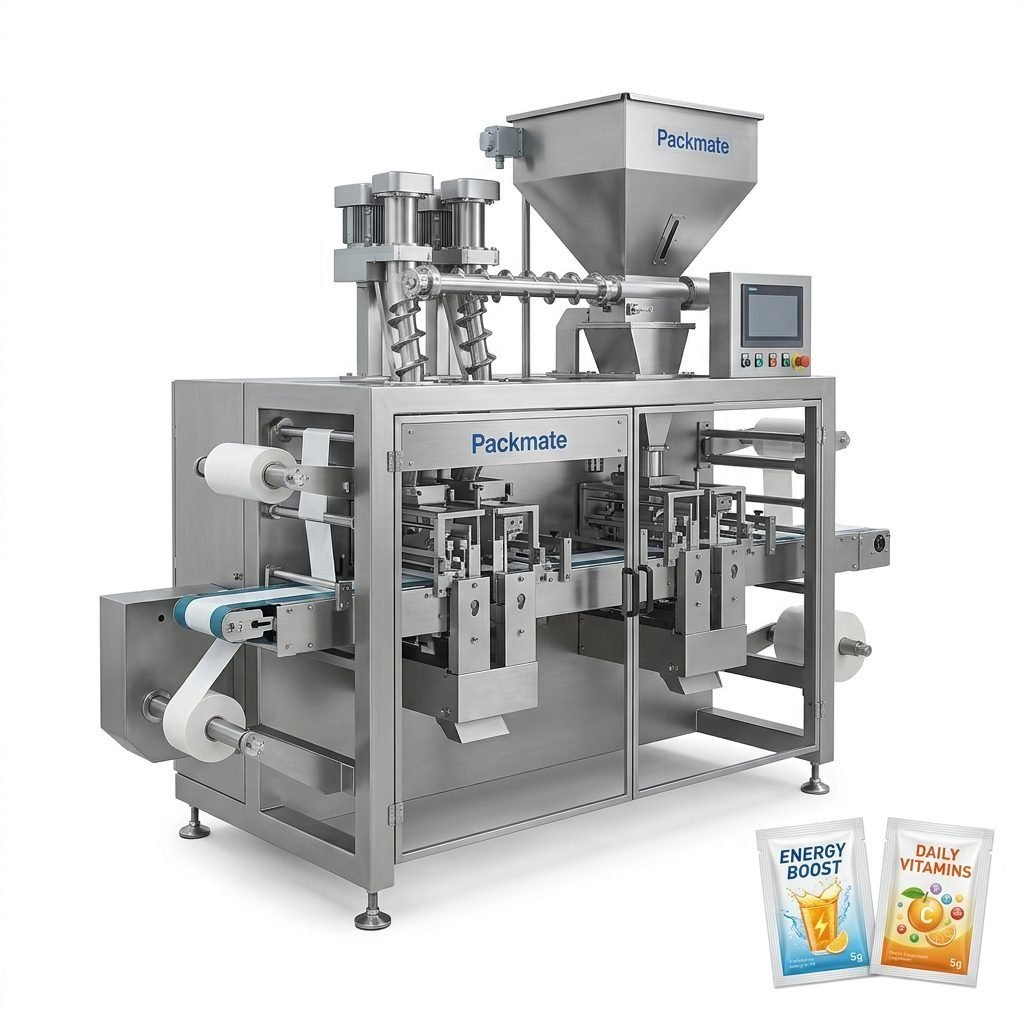
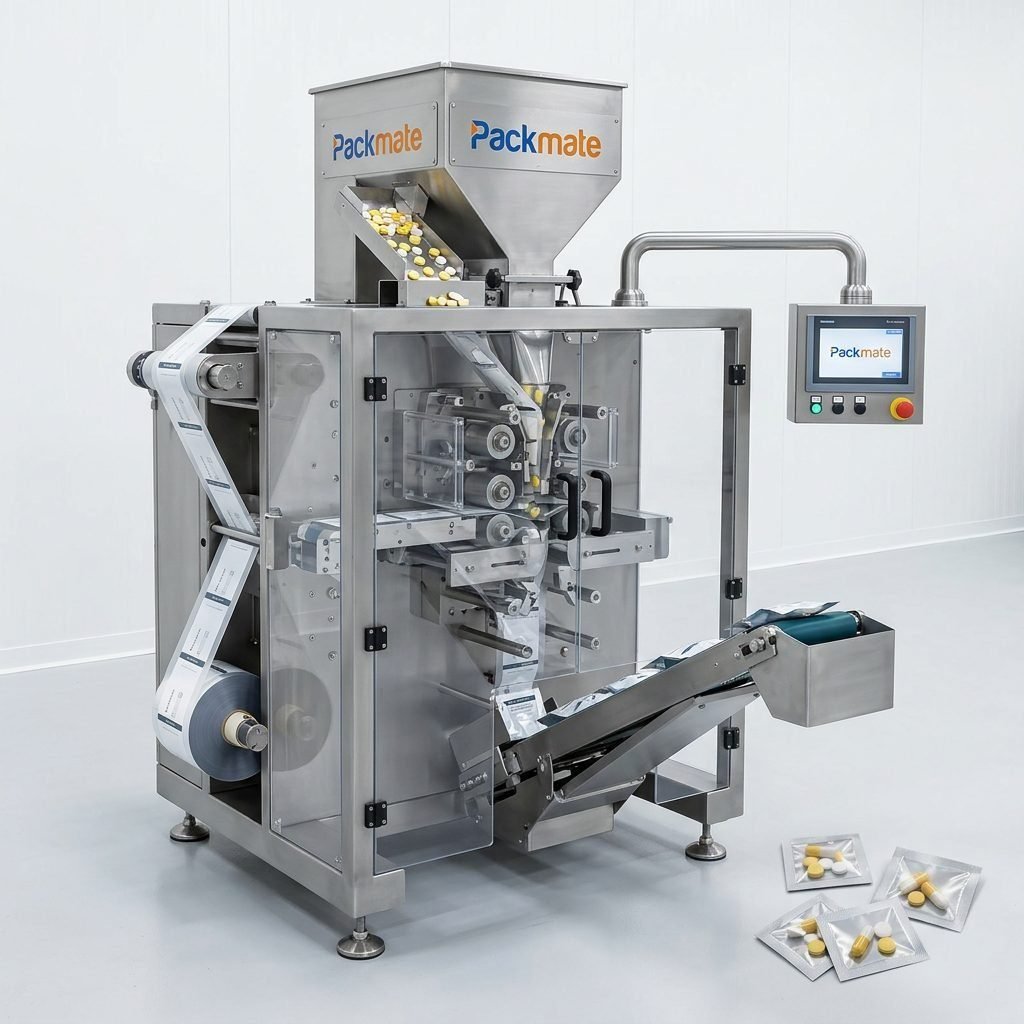
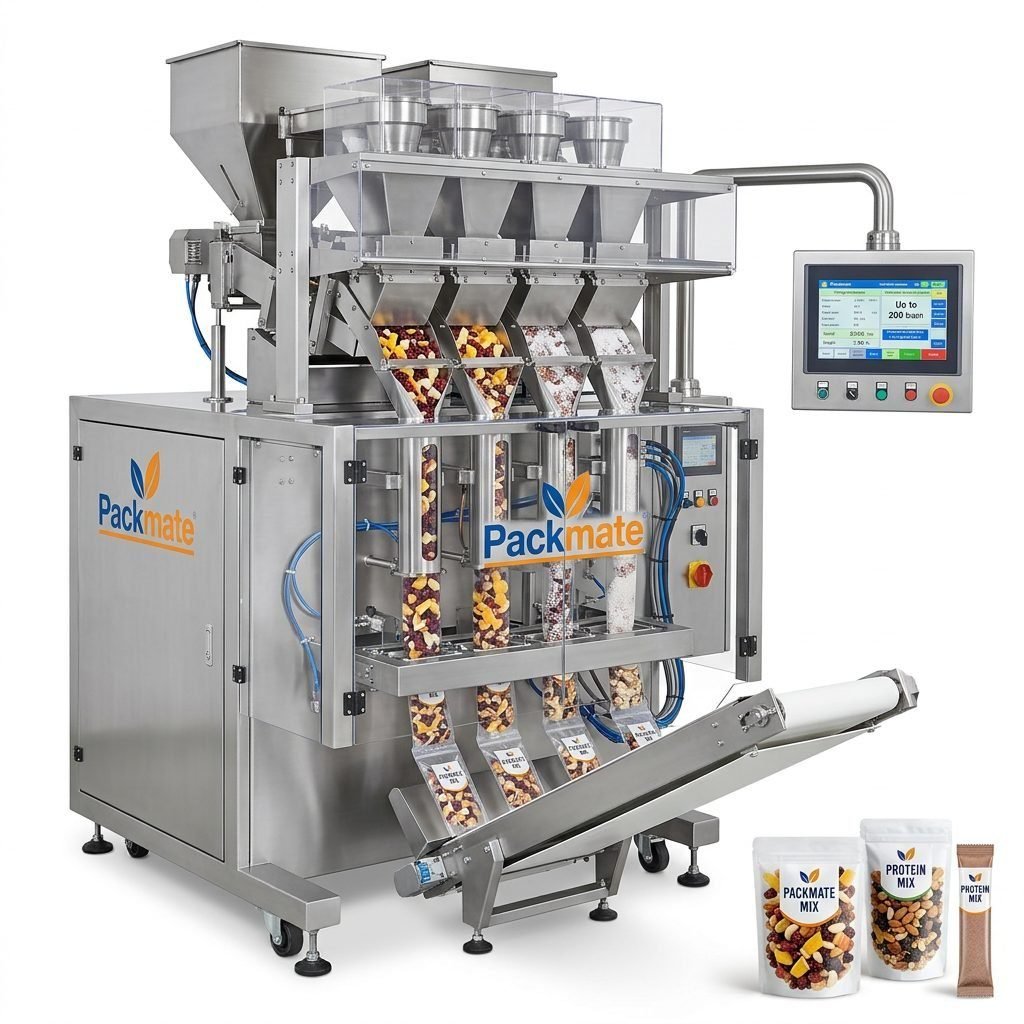
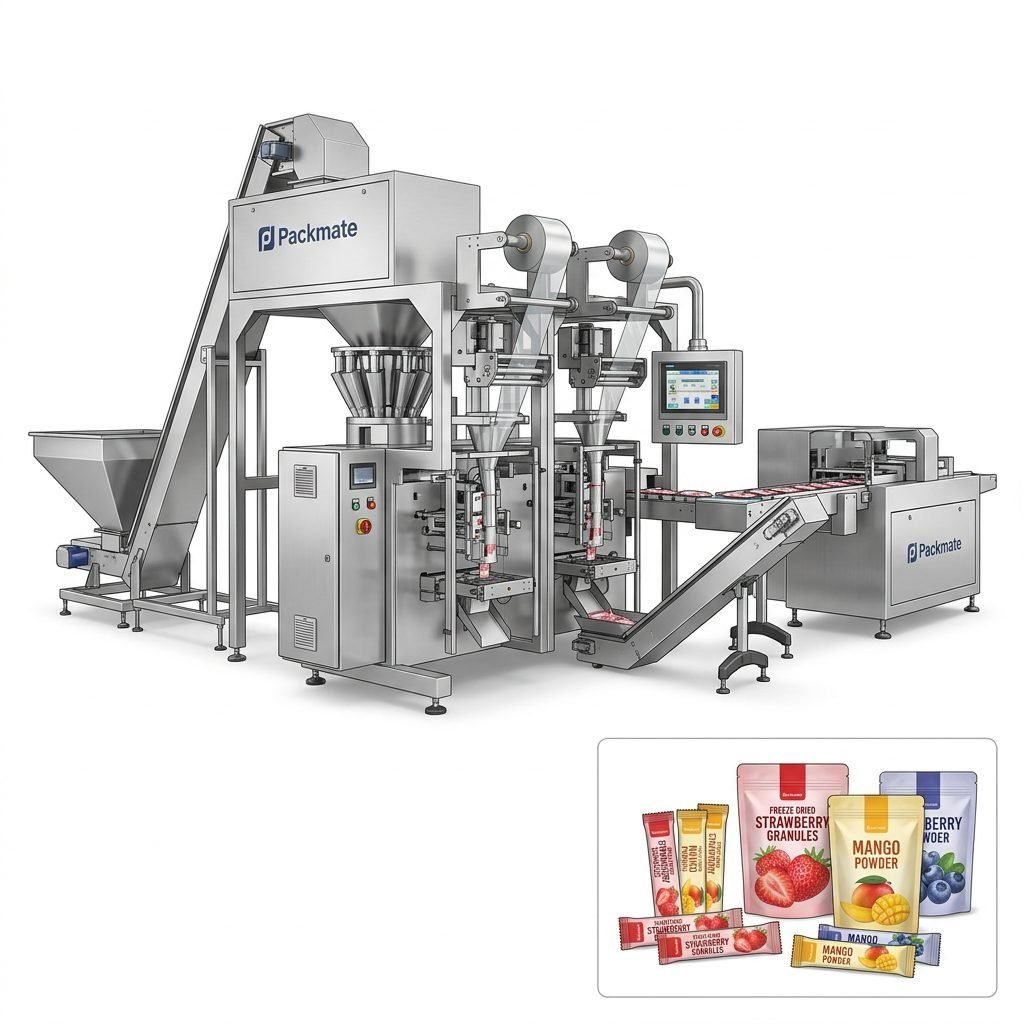
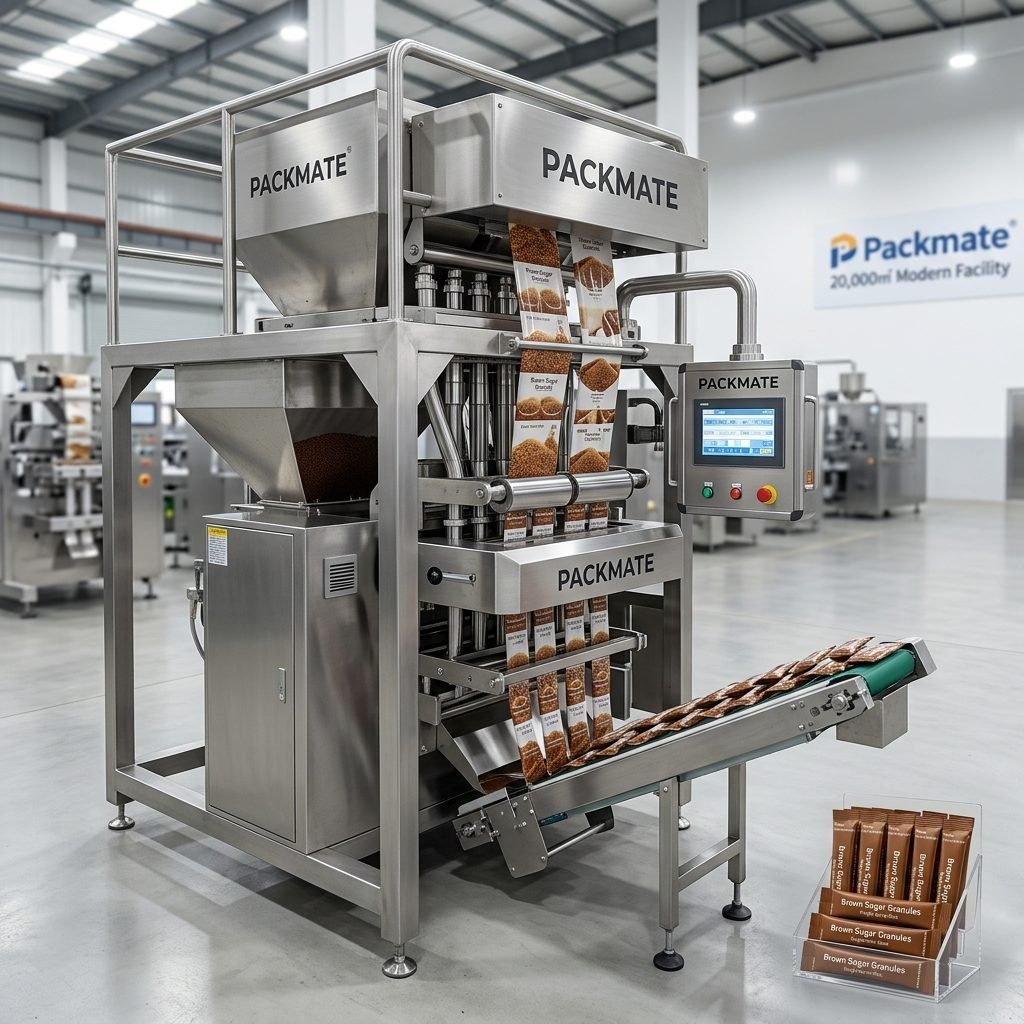
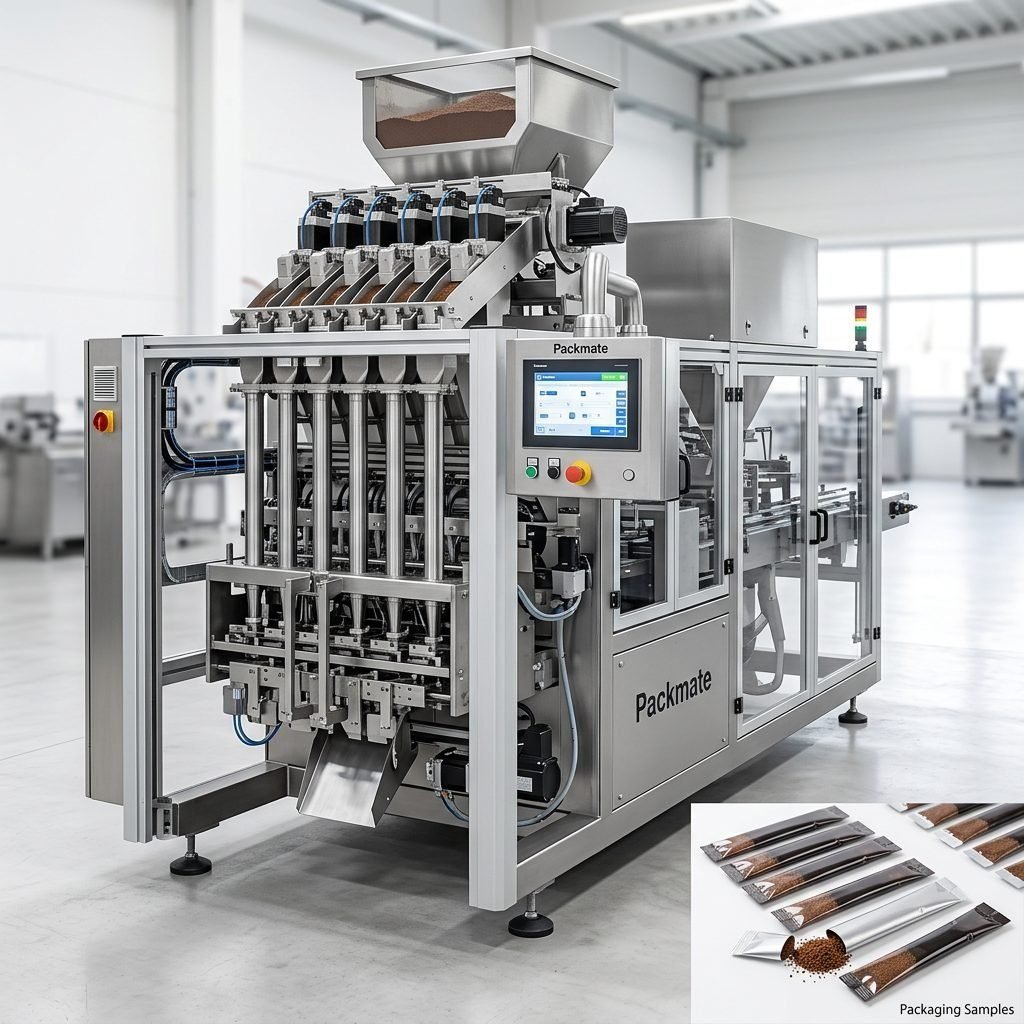
These are among the most common and versatile. They form a bag from a roll of film, sequentially drop different products into the bag in a specific order and location, and then seal it. Ideal for granules, powders, and small solid items like seed packets or drink mixes within a kit.
2. Horizontal Flow-Wrap Map Packers
Perfect for arranging flat or stacked items side-by-side before wrapping them in a single film. Commonly used for packaging bar code cards with products, multi-flavor snack packs, or pharmaceutical sample cards.
3. Cartoning Systems with Multi-Feed Lines
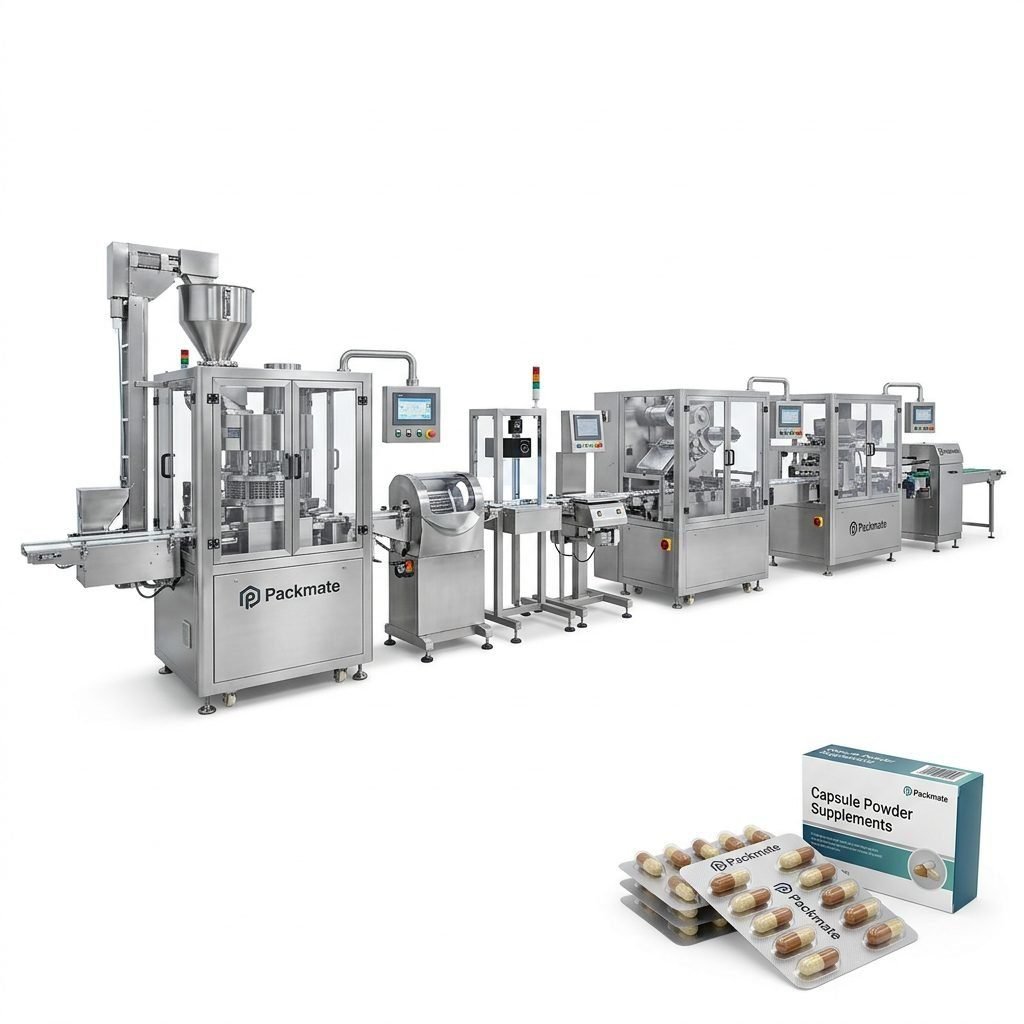
This system uses an automated cartoner that receives components from several feeding tracks (e.g., one for a bottle, one for a dropper, one for an instruction leaflet) and places them all into a single carton in a precise map configuration. Essential for high-value consumer goods and pharmaceuticals.
4. Tray Forming and Loading Systems
These machines form a plastic or paperboard tray, then use robotic arms or pick-and-place units to load different items into specific cavities of the tray before applying a lidding film. Excellent for delicate or irregularly shaped items in kits.
Key Benefits of Automating with Map Packaging
Investing in a map packaging machine transforms your production line. The benefits are substantial and directly impact your bottom line and brand reputation.
Unmatched Efficiency & Speed: Manual kit assembly is slow and scales poorly. Automation increases output exponentially, allowing you to meet large orders and market demand swiftly.
Elimination of Human Error: Automated systems ensure every kit contains the correct items in the correct quantities. This drastically reduces costly mistakes, customer complaints, and product recalls.
Superior Consistency and Presentation: Every single package is identical, with items placed precisely. This enhances brand perception, unboxing experience, and retail shelf appeal.
Significant Labor Cost Reduction: Automating the assembly process frees up skilled workers for more value-added tasks and reduces long-term labor costs associated with manual packing stations.
Enhanced Flexibility: Modern machines, like those from experienced manufacturers, are designed for quick changeovers. This allows you to produce different kit combinations or update packaging layouts without prolonged downtime.
Critical Buying Tips for Your Map Packaging Machine
Selecting the right machine is a strategic decision. Here are essential factors to consider to ensure a successful purchase.
1. Precisely Define Your Product and “Map”
Start with absolute clarity. What are the exact dimensions, weights, and physical states (solid, fragile, powder) of each component? How should they be arranged in the final package? Create detailed samples and specifications for potential suppliers.
2. Evaluate Production Volume and Speed Requirements
Calculate your current and projected output (kits per minute/hour). The machine’s speed (cycles per minute) must align with your production goals. Don’t overpay for excessive speed you won’t use, but ensure there is room for growth.
3. Scrutinize Feeding System Capabilities
The heart of a map packager is its feeding system. Ensure it can reliably handle each of your specific product types—whether via vibratory bowls, conveyor belts, robotic pickers, or precision weighing systems. Request live tests with your products if possible.
4. Prioritize Ease of Changeover and Maintenance
If you run multiple SKUs, quick changeover is vital. Look for features like tool-less adjustments, programmable recipes, and easy-access components. A machine that is simple to clean and maintain will have higher uptime and longer life.
5. Assess Control System and Integration Potential
The machine should have an intuitive, modern HMI (Human-Machine Interface) for operators. Crucially, it must integrate seamlessly with your upstream and downstream equipment (e.g., product feeders, labelers, case packers). Discuss communication protocols (PLC, IoT readiness) with the vendor.
6. Choose a Reputable and Supportive Manufacturer
This may be the most important tip. Look for a manufacturer with a proven track record in packaging automation. Companies like Packmate Machinery, with over 30 years of expertise, offer not just a machine but a partnership. Evaluate their project case studies, service support, training, and availability of spare parts. A reliable partner ensures your investment is protected for the long term.
FAQs: Map Packaging Machines
Q1: Can one map packaging machine handle products of vastly different sizes and shapes?
A: Yes, but it requires a highly customizable feeding system. Each product lane needs to be configured specifically for its item. A reputable manufacturer can design a single machine with multiple, distinct feeding mechanisms (e.g., a vibratory feeder for small parts and a robotic arm for bottles) to create the complete kit.
Q2: How difficult is it to change the packaging layout or “map” on the machine?
A: Difficulty varies by machine design. Modern, servo-driven machines allow for layout changes primarily through software programming on the HMI, making changeovers in minutes. Older or mechanical machines may require physical adjustment of guides and stops, which takes longer. Always prioritize easy changeover in your selection criteria.
Q3: What is the typical lead time for a custom map packaging solution?
A: Lead times can range from 4 to 9 months, depending on the complexity of the system, customization level, and the manufacturer’s current backlog. It involves design, engineering, fabrication, factory testing (FAT), and shipping. Clear communication and detailed specifications upfront help streamline this process.
Q4: What kind of maintenance do these machines require?
A: Regular preventive maintenance is key. This typically includes daily cleaning, lubrication of moving parts as per the manual, inspection of seals and wear parts, and calibration of scales or sensors. Choosing a manufacturer that provides comprehensive training and clear maintenance documentation is crucial for optimal performance.
Q5: Can map packaging machines handle fragile items?
A: Absolutely. For fragile items, gentle handling systems are used. This can include soft-touch robotic grippers, padded conveyors, low-drop-height placement, and custom-designed nests or trays that cradle the product. Be sure to highlight fragility during the machine design phase with your supplier.