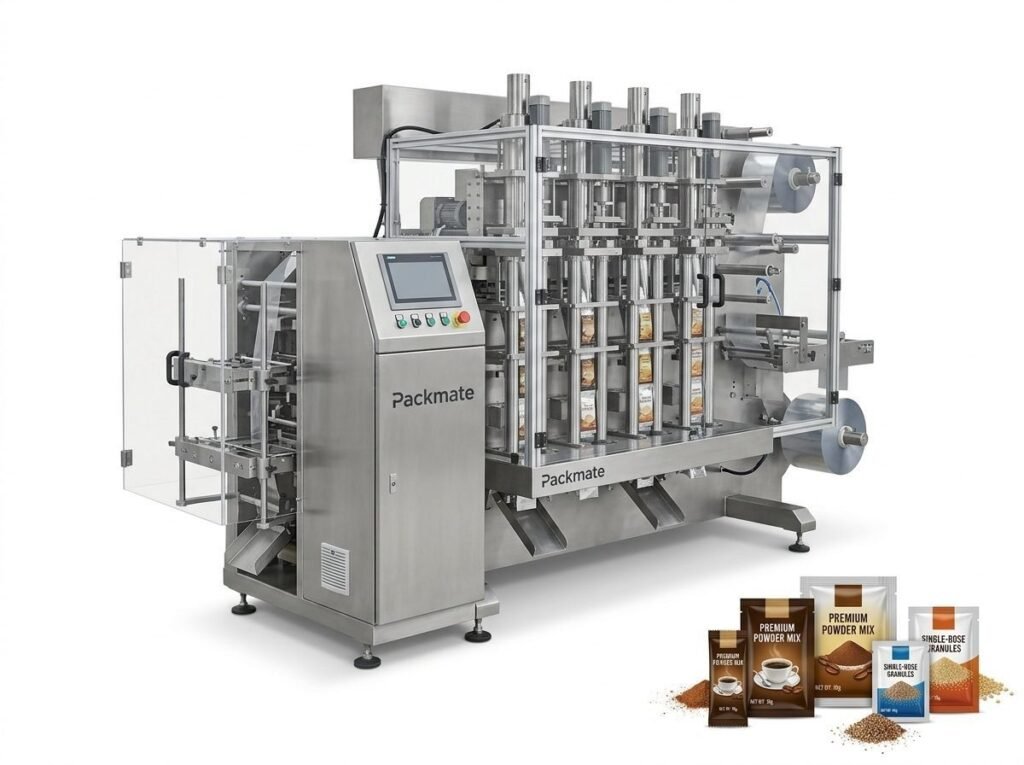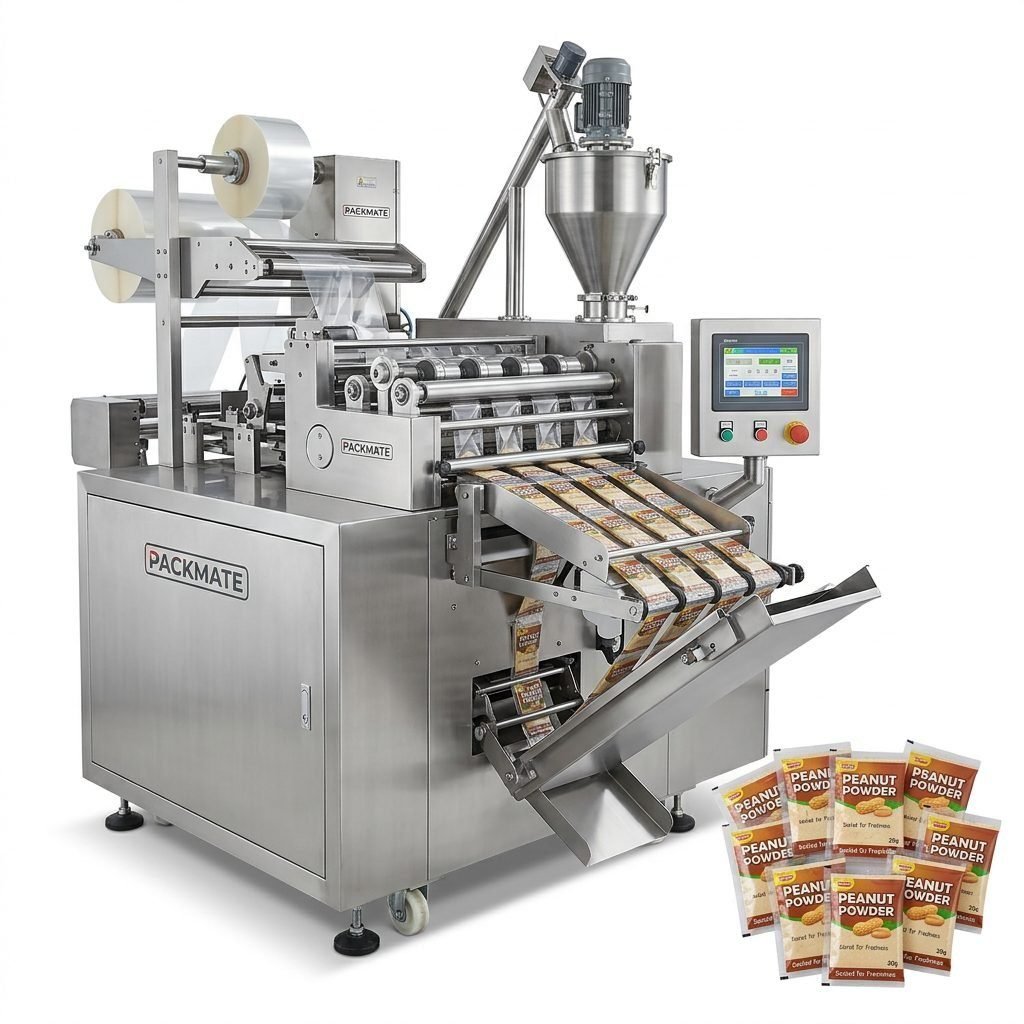
Selecting the right butter packaging equipment is a critical decision for any dairy producer, food manufacturer, or specialty brand. The packaging process directly impacts product quality, shelf life, operational efficiency, and brand perception. This comprehensive guide will walk you through the various types of butter packaging machines, associated costs, and the key factors to consider when making your investment.
Understanding the Core Types of Butter Packaging Equipment
The butter packaging landscape offers several specialized machine types, each suited to different product forms and production scales. Understanding these options is the first step toward an informed choice.
Stick Butter Wrapping Machines
These are the most common machines for consumer-grade butter, producing the classic quarter-pound or half-pound sticks. They typically use waxed paper, parchment paper, or foil laminates. Modern stick pack machines are high-speed, fully automatic units that form, fill, and seal sticks in a continuous motion. They are ideal for large-scale production lines in major dairy facilities.
Key Feature: High-speed automation is crucial for stick packaging. Look for machines with precise weight control to ensure each stick meets regulatory and consumer expectations. Downtime for changeovers between different paper stocks or stick sizes should also be minimal.
Butter Pats or Portion Cup Fillers
For the foodservice industry—hotels, restaurants, airlines, and cafeterias—butter is often served in small, individual portions. Equipment for this sector includes cup fillers and foil pat machines. Cup fillers deposit precise amounts of soft butter into plastic or foil cups before applying a lid. Foil pat machines form and wrap small, foil-wrapped rectangular portions.
Tub and Container Fillers
Spreadable butter, whipped butter, and specialty compound butters are packaged in plastic tubs or containers. The machinery for this includes rotary or in-line piston fillers that accurately deposit product into pre-formed containers, followed by capping or lidding stations. These fillers can handle viscosities from soft whipped butter to firmer varieties and often integrate with complete filling and packaging lines for efficiency.
Bulk Butter Packaging Systems
For industrial or food manufacturing clients who purchase butter as an ingredient, bulk packaging is key. This involves large blocks (e.g., 25kg) wrapped in parchment and boxed, or butter shipped in large plastic tubs or bags-in-box. The equipment is more heavy-duty, focusing on forming large blocks, wrapping them, and cartoning them for shipment.
Breaking Down the Costs: Investment and Operational Expenses
The cost of butter packaging equipment varies dramatically based on type, automation level, speed, and brand. A clear understanding of both capital expenditure (CAPEX) and operational expenditure (OPEX) is essential for budgeting.
Capital Investment (Machine Purchase Price)
- Entry-Level/Semi-Automatic Machines: Ranging from $15,000 to $50,000. These require more manual intervention for loading containers or feeding wrapping material but are a good starting point for small businesses or low-volume producers.
- Mid-Range Automatic Machines: Between $50,000 and $150,000. This is the most common range for reliable, single-lane automatic stick wrappers or tub fillers suitable for small to medium-sized dairies.
- High-Speed, Fully Integrated Lines: From $150,000 to over $500,000. These systems include multi-lane stick wrappers, robotic cartoning, and full line integration. They are designed for high-volume national brands and represent a significant, long-term investment.
Ongoing Operational Costs
Beyond the sticker price, consider the total cost of ownership:
Packaging Materials: The cost and availability of your chosen wrapping paper, foil, foil laminates, cups, or tubs. Material waste rates of the machine directly affect this cost.
Maintenance & Spare Parts: Regular servicing and the potential cost of replacement parts. Machines from manufacturers with strong service and support networks often have lower long-term downtime costs.
Labor: Higher automation reduces direct labor costs but may require more skilled technicians for operation and maintenance.
Utilities: Power consumption and compressed air requirements.
How to Choose the Right Equipment: A Step-by-Step Framework
Making the correct choice involves a thorough analysis of your specific needs. Follow this framework to guide your decision-making process.
Step 1: Define Your Product and Output Requirements
Start with the basics. What form is your butter (stick, pat, whipped, block)? What is your required output in packs per minute (PPM) or kilograms per hour? Forecast your growth for the next 3-5 years to ensure the machine has the capacity to scale with you. Underestimating future demand is a common pitfall.
Step 2: Evaluate Packaging Materials and Compliance
Your packaging material is not just a cost—it’s a barrier that protects flavor, prevents oxidation, and extends shelf life. Ensure the machine you choose is compatible with your desired material (e.g., specific paper grades, foil laminates). Furthermore, the equipment and process must comply with local and international food safety standards, such as those met by manufacturers with relevant industry certifications.
Step 3: Assess Automation Level and Integration
Determine how much manual labor you can or want to involve. A semi-automatic machine might have a lower upfront cost but higher long-term labor costs. A fully automatic line, like advanced weighing and packaging systems, offers greater consistency, higher output, and better hygiene control. Consider how the machine will integrate with your existing upstream (churning, cooling) and downstream (cartoning, palletizing) processes.
Critical Questions for Suppliers:
- What is the machine’s guaranteed accuracy for weight or volume filling?
- What is the typical changeover time between different products or package sizes?
- What is the expected machine efficiency (uptime percentage) and mean time between failures (MTBF)?
- What kind of training, technical support, and spare parts availability do you offer globally?
Step 4: Analyze Total Cost of Ownership (TCO) and ROI
Look beyond the purchase price. Create a TCO model that includes installation, training, maintenance contracts, energy use, and estimated material waste. Calculate your potential Return on Investment (ROI) by considering the value of increased output, reduced labor, and lower product giveaway from improved accuracy. A slightly more expensive but more efficient and reliable machine often delivers a faster and greater ROI.
Step 5: Vet the Manufacturer Thoroughly
The manufacturer’s reputation is paramount. Look for a partner with proven experience in the dairy or food packaging sector. Evaluate their engineering capability, quality control processes, and after-sales service network. A company like Packmate Machinery, with over two decades of development and a modern 20,000㎡ facility, exemplifies the deep expertise and manufacturing stability required for a critical equipment investment. Review their project case studies to see real-world applications.
Frequently Asked Questions (FAQs)
What is the typical production speed of an automatic stick butter wrapper?
Speeds vary by model and configuration. Single-lane machines can range from 100 to 200 sticks per minute. High-end multi-lane machines can achieve speeds exceeding 600 sticks per minute. Your required speed should be based on your peak production demands with some capacity for future growth.
Can one machine handle different butter formats, like sticks and pats?
Generally, no. Stick wrappers, pat machines, and tub fillers are specialized for specific product forms. Changeover between such fundamentally different formats usually requires significant mechanical adjustments or even different machine platforms. However, many machines within a category (e.g., stick wrappers) can be adjusted to handle different stick lengths or wrapping papers with relative ease.
How important is after-sales service when selecting a supplier?
Extremely important. Packaging equipment is a long-term investment that will require maintenance, occasional repairs, and parts replacement. A supplier with a responsive, knowledgeable, and globally accessible service team is invaluable for minimizing costly downtime. Always inquire about service contract options, spare parts lead times, and remote support capabilities.
What are the key hygiene considerations for butter packaging machines?
Hygiene is critical in dairy processing. Look for machines designed with easy-clean features: stainless steel food-contact surfaces, smooth contours without crevices, and easy disassembly of key parts. Sanitary design should comply with food safety standards to prevent bacterial harborage and facilitate thorough cleaning and sanitation protocols.
Are there financing options available for this type of equipment?
Many equipment manufacturers and their dealer networks offer financing plans or can connect you with third-party leasing companies. This can help manage cash flow by spreading the capital cost over monthly payments. It’s always worth discussing financing options during your negotiations with the supplier.