In the competitive world of salt production, efficiency is paramount. The right packaging machinery can be the difference between a profitable operation and one that struggles with waste, downtime, and inconsistent output. Selecting the best salt packaging machines is not just about buying equipment; it’s about investing in a system that ensures reliable, high-speed, and precise packaging to meet market demands. This guide delves into the key features, types, and considerations for choosing machinery that drives efficient production, helping you streamline your operations from filling to sealing.
Core Features of High-Efficiency Salt Packers
Top-tier salt packaging machines share several critical characteristics that contribute to seamless production. First and foremost is weighing accuracy. Whether packaging fine table salt, coarse sea salt, or iodized varieties, precise measurement is essential to avoid giveaways and ensure compliance with labeled net weights. Modern machines utilize advanced load cell technology for this purpose.
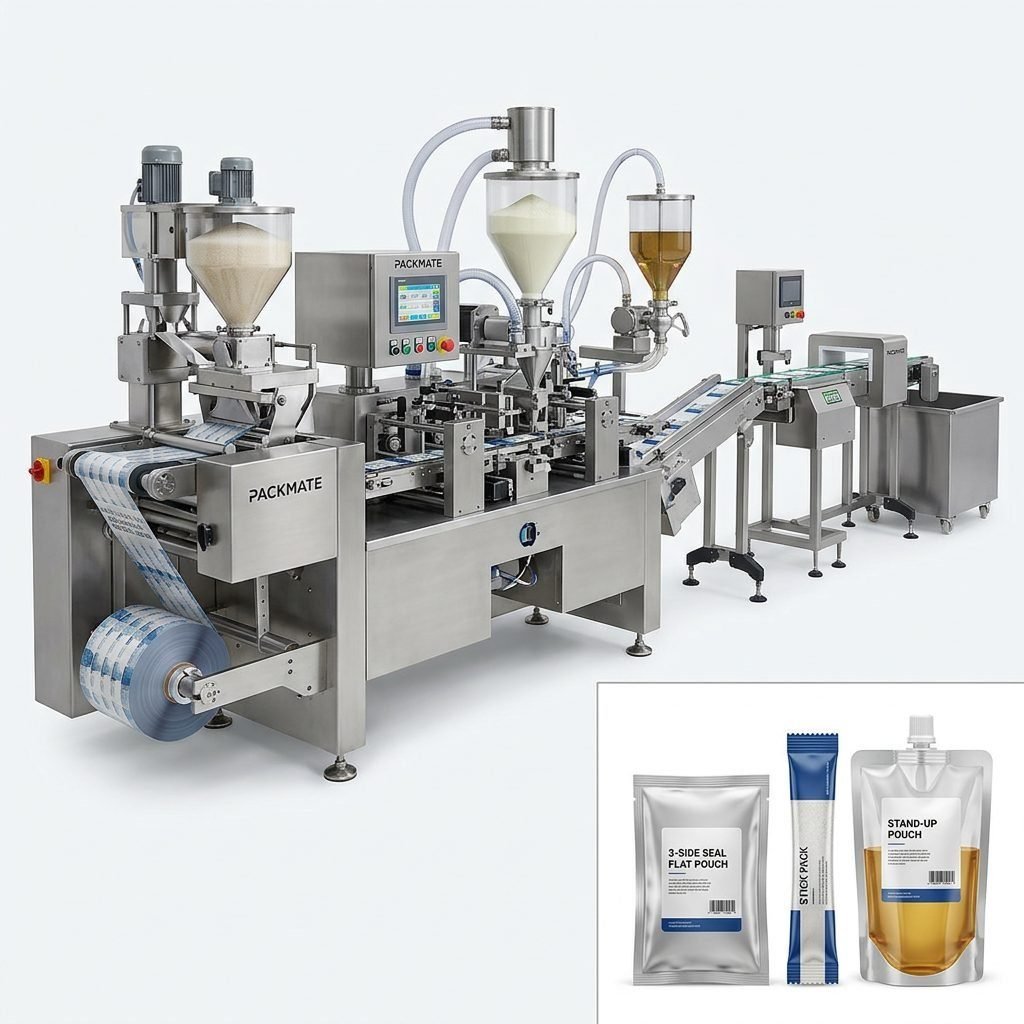
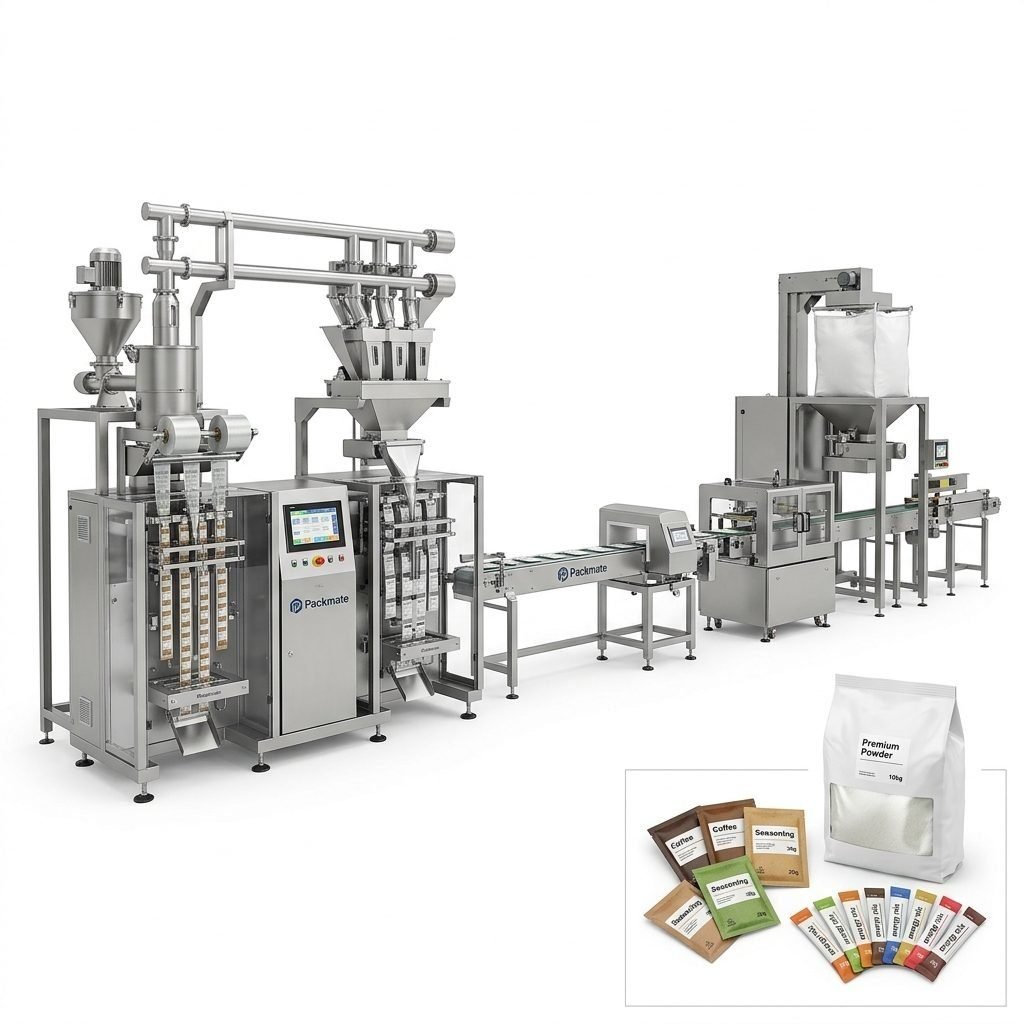
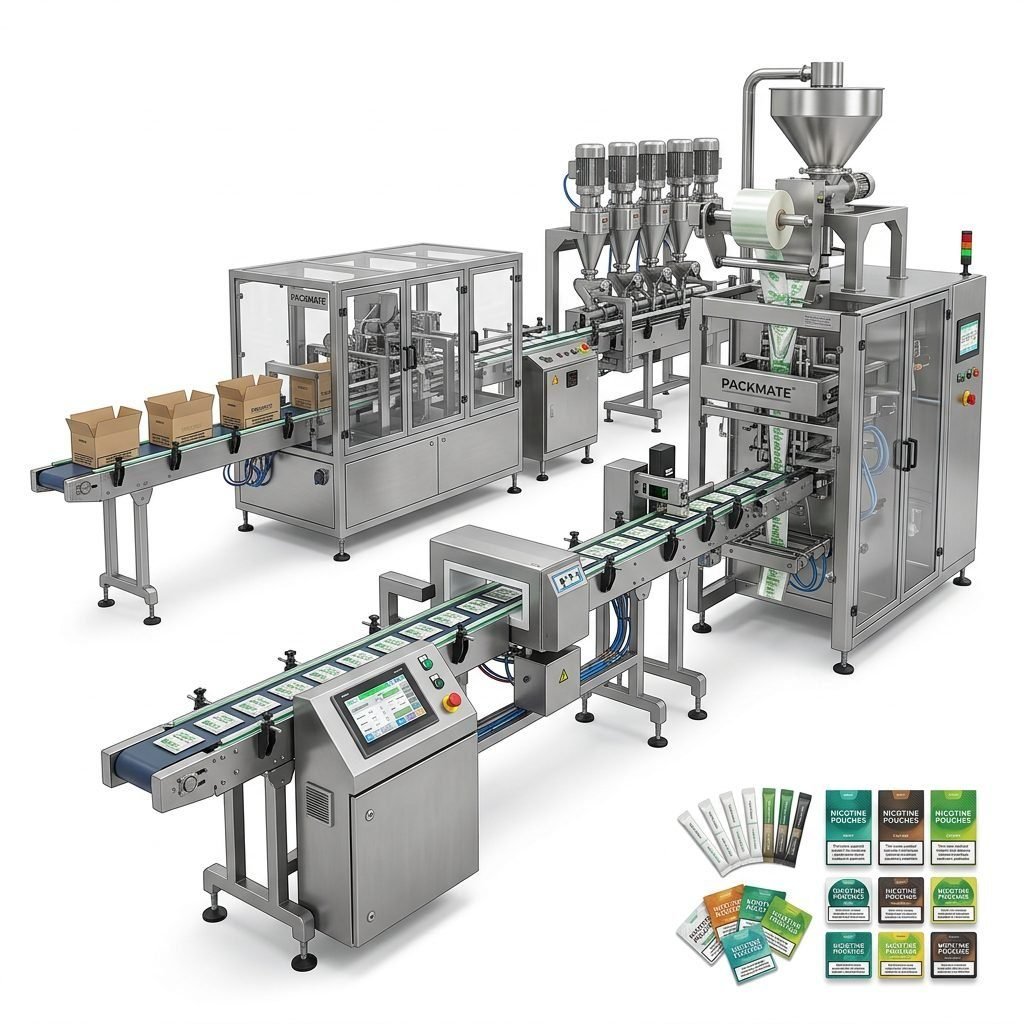
Another vital feature is speed and throughput. Efficiency is measured in packages per minute (PPM). For large-scale producers, multi-lane systems, such as those offered by experts in sachet and stick pack machines, can dramatically increase output by packaging multiple units simultaneously. Durability is also non-negotiable, as salt can be corrosive; machines must be constructed with stainless steel or coated materials in critical areas to withstand harsh production environments.
Types of Machines for Different Salt Formats
The optimal machine depends heavily on your final product format. The market demands versatility, from small consumer packets to large industrial bags.
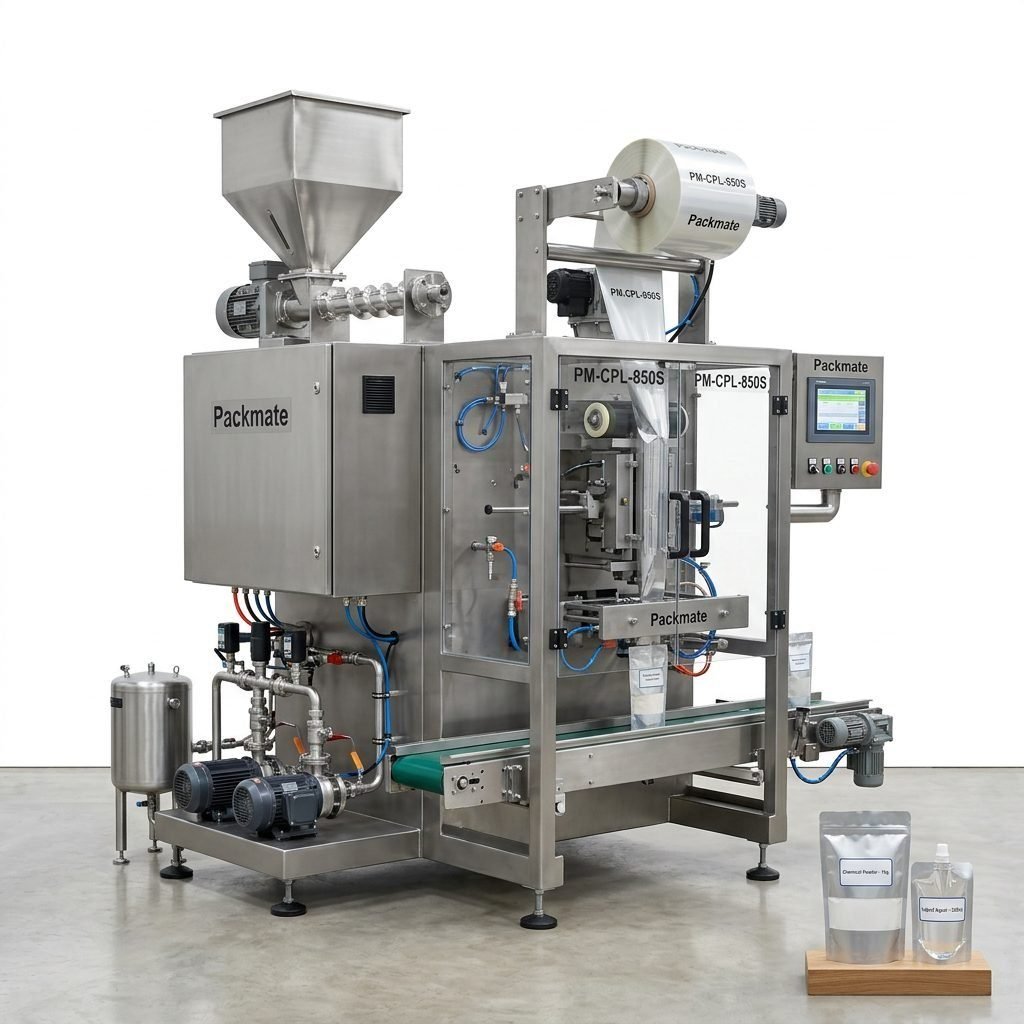
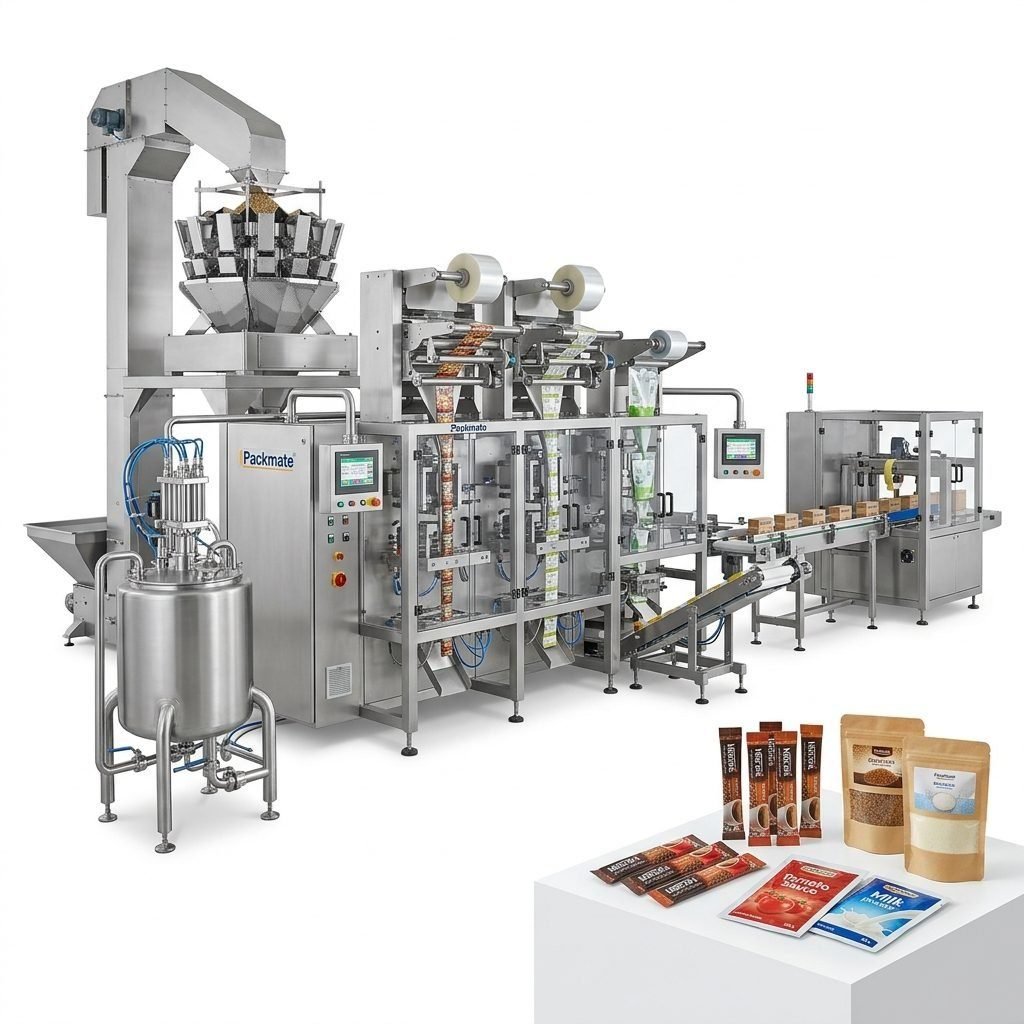
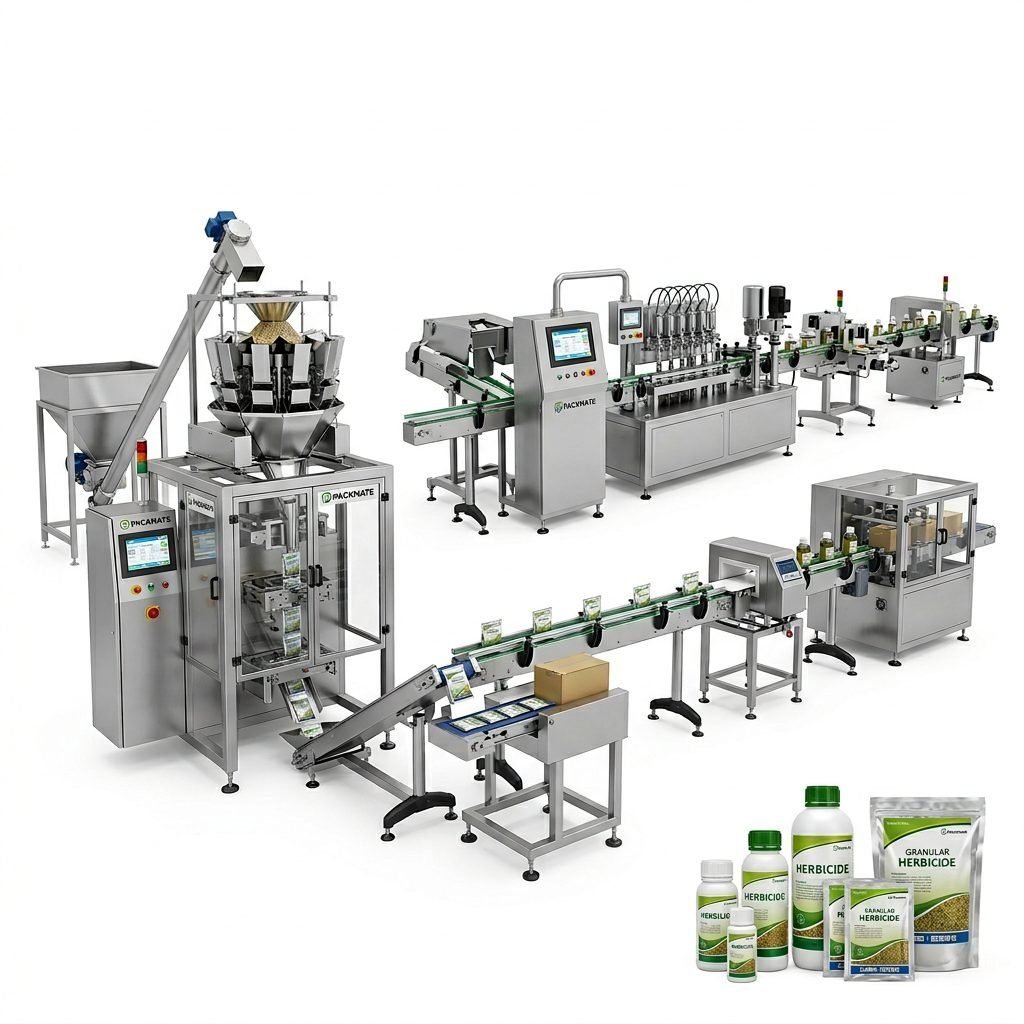
Vertical Form-Fill-Seal (VFFS) Machines: These are the workhorses for packaging salt into bags and pouches. They form the packaging from a roll of film, fill it with a pre-measured amount of salt, and then seal it—all in one continuous, automated process. They are incredibly versatile for creating various bag sizes and styles. For robust bag and pouch packaging solutions, VFFS systems are often the core technology.
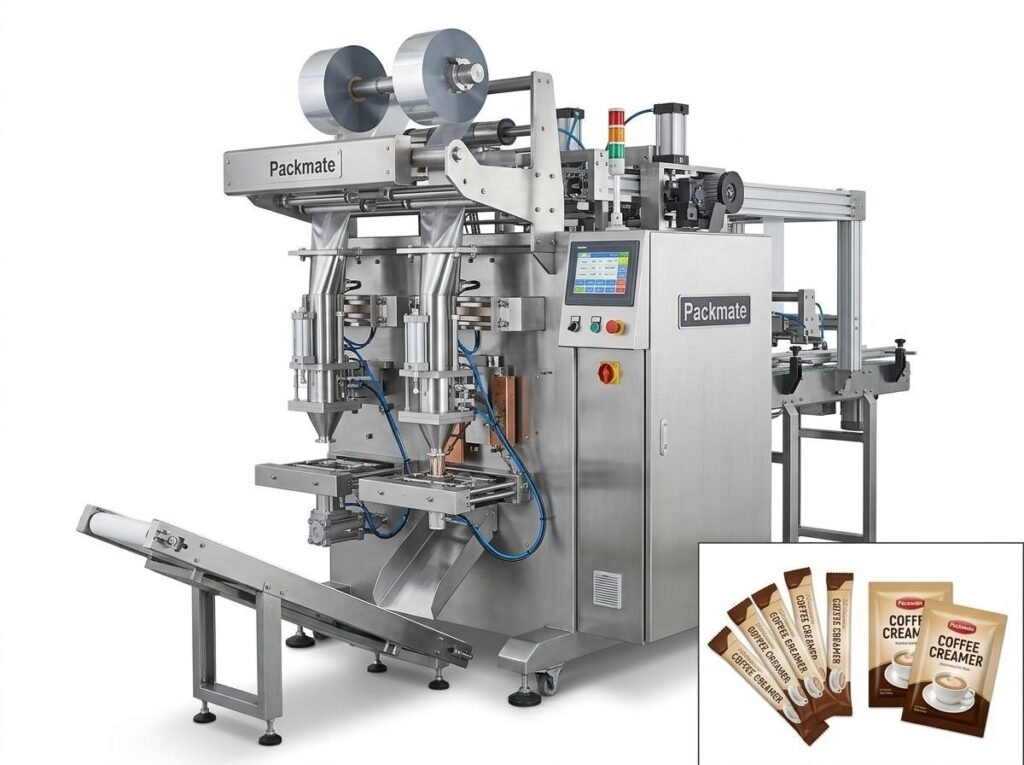
Stick Pack and Sachet Machines: Ideal for single-serve portions, such as those for restaurants, airlines, or food service. These machines are designed for high-speed, precision packaging of small volumes. They excel in creating neat, sealed packets that preserve product freshness and are easy for end-users to open.
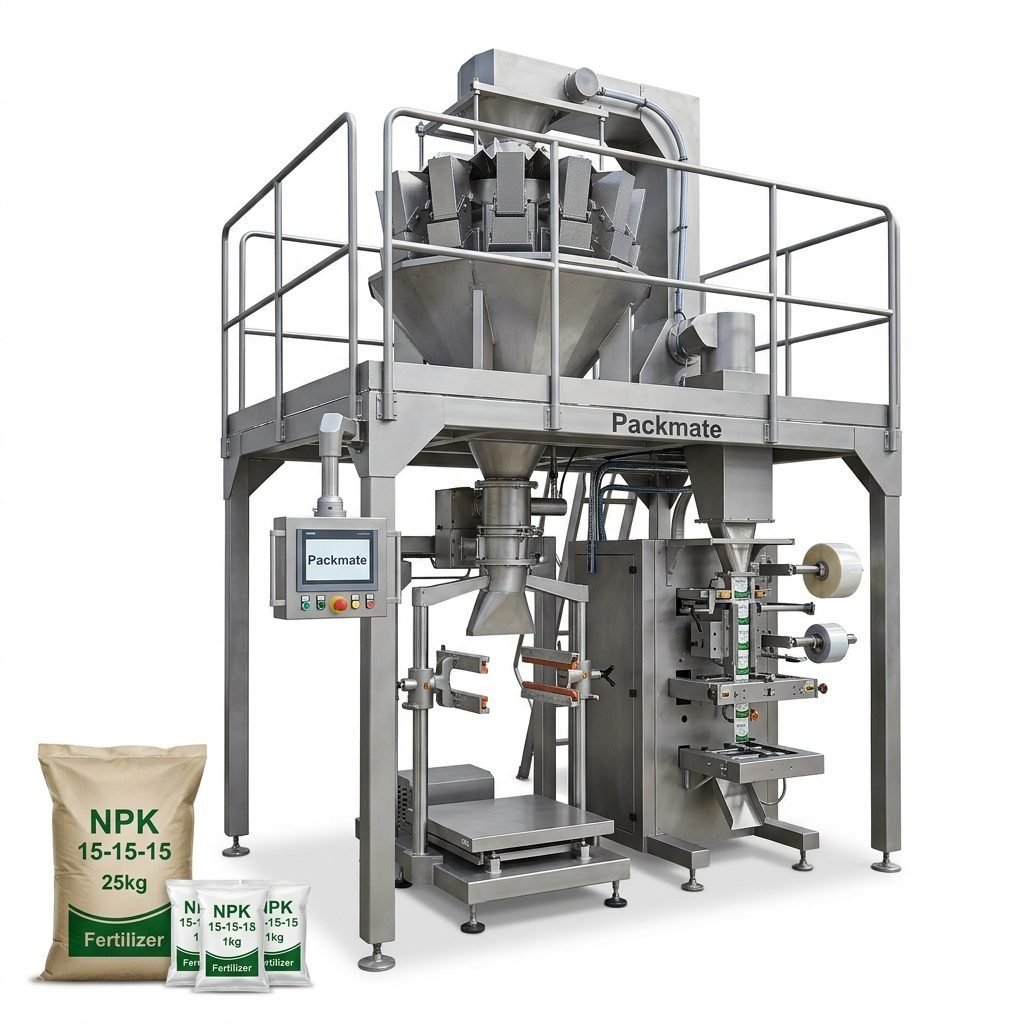
Weighing and Filling Systems: For larger bags (e.g., 1kg to 25kg), automated weighing systems paired with bagging stations are crucial. These systems often involve a multi-head weigher for extreme accuracy and speed, feeding into an open-mouth bagging machine. This is where integrated weighing and packaging systems prove their value in bulk operations.
Maximizing Production Line Uptime
Efficiency isn’t only about raw speed; it’s about consistent, uninterrupted operation. The best machines minimize changeover time. Look for models with quick-release parts and digital memory settings that can store parameters for different package sizes or salt types. This allows you to switch production runs with minimal downtime.
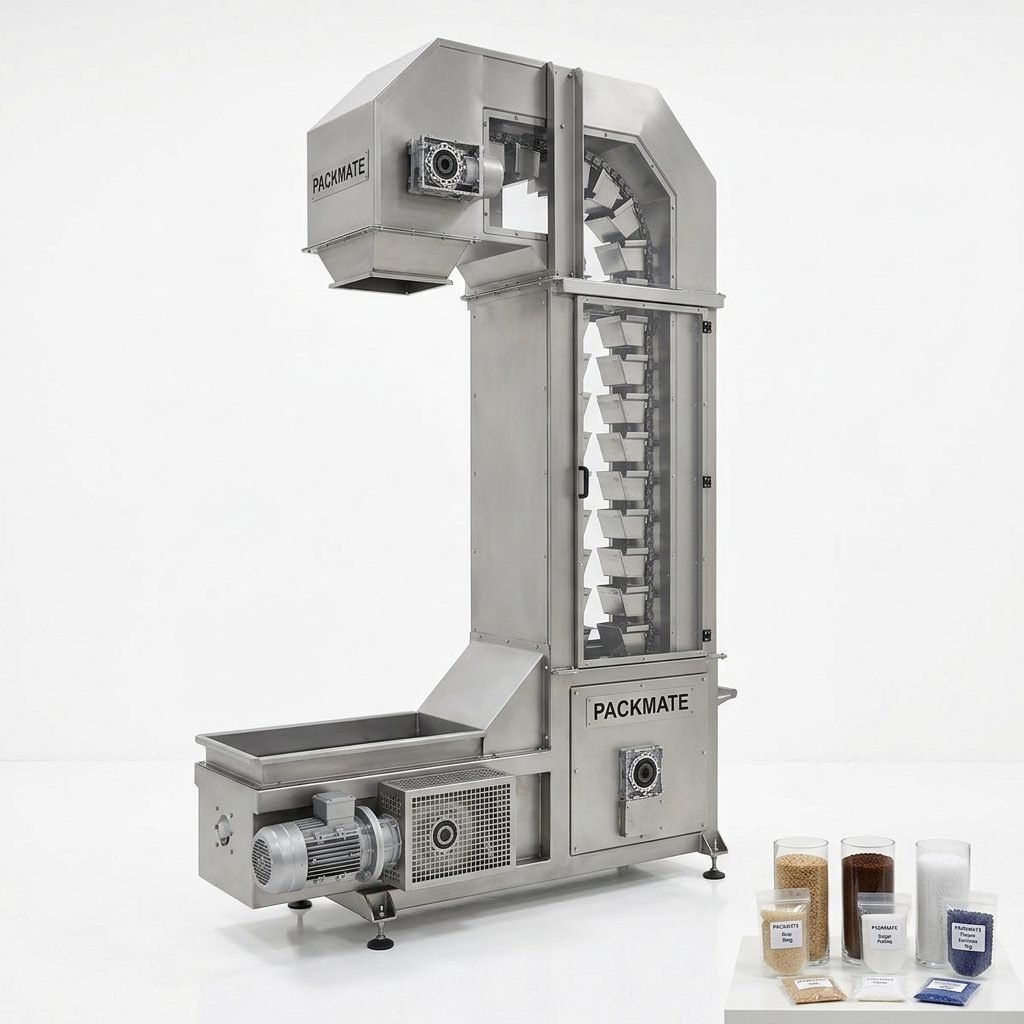
Ease of maintenance is another cornerstone of efficiency. Machines designed with accessibility in mind, using common tooling and with clear service manuals, ensure that routine cleaning and minor repairs don’t halt production for long. Furthermore, integrating auxiliary packaging equipment like conveyors, checkweighers, or cartoners can create a synchronized line that reduces manual handling and bottlenecks.
A key strategy is to partner with a manufacturer that provides comprehensive support. A company with deep expertise, like Packmate Machinery, doesn’t just sell a machine; they offer a solution. Their over 30 years of experience in building intelligent packaging equipment means they understand how to design for reliability and can provide vital after-sales service, training, and spare parts to keep your line running smoothly.
The Role of Automation and Smart Technology
The frontier of efficient production lies in smart, connected machinery. Modern salt packaging machines often feature programmable logic controllers (PLCs) and touch-screen human-machine interfaces (HMIs). These allow for precise control over every parameter—from film tension and seal temperature to fill weight and production count.
More advanced systems offer data tracking and reporting capabilities. You can monitor Overall Equipment Effectiveness (OEE), track output per shift, and receive predictive maintenance alerts. This data-driven approach transforms packaging from a simple task into an optimized process, identifying inefficiencies and opportunities for improvement. Investing in such technology future-proofs your operation against evolving industry standards.
Choosing Your Packaging Partner
Selecting the best machine goes beyond specifications on a sheet. It involves evaluating the manufacturer’s reputation, industry experience, and commitment to quality. A partner with a proven track record, a modern manufacturing facility, and a portfolio of successful case studies is invaluable. They should be able to provide a machine that fits your specific salt type, desired package format, and required output speed.
Consider a manufacturer that offers testing services. Being able to run your actual salt product on the machine before purchase is the best way to verify performance, accuracy, and compatibility. This step mitigates risk and ensures the equipment will integrate seamlessly into your existing production environment.
Conclusion: Investing in Long-Term Efficiency
The quest for the best salt packaging machine is a strategic investment in your production’s future. By prioritizing accuracy, speed, durability, and smart technology, you can build a packaging line that not only meets today’s demands but also scales for tomorrow’s growth. The right equipment, supported by a knowledgeable and reliable partner, becomes a cornerstone of your operational efficiency, reducing waste, lowering costs, and ensuring a consistently high-quality product for your customers.
Frequently Asked Questions (FAQs)
What type of packaging machine is best for coarse sea salt?
Coarse or flaky salts can be more challenging to handle due to their irregular shape and potential for dust. A robust Vertical Form-Fill-Seal (VFFS) machine with a specially designed auger or cup filler is often recommended. The machine should have adjustable vibration settings to settle the product without damaging crystals and effective dust extraction systems.
How can I prevent salt from caking inside the machine?
Caking is often caused by moisture. Solutions include ensuring the production environment has controlled humidity, using machines with stainless steel contact parts that resist corrosion and are easy to clean, and implementing regular, thorough cleaning schedules. Some systems may also incorporate anti-bridging technology in the hopper.
What is the typical speed range for a stick pack machine for salt?
Speeds vary by model and configuration. Single-lane stick pack machines may range from 60 to 120 sticks per minute. High-efficiency multi-lane machines, like those from specialized manufacturers, can achieve speeds from 200 to over 600 sticks per minute, depending on the number of lanes and the complexity of the packaging.
Can one machine handle different package sizes?
Yes, most modern machines are designed for quick changeover. Look for machines with servo-driven film pull systems and digital recall of settings. This allows operators to switch between, for example, 1-gram restaurant packets and 5-gram retail sachets with minimal tool changes and downtime, often in under 15-20 minutes.
Why is after-sales service important when buying a packaging machine?
Packaging machines are complex investments. Reliable after-sales service ensures you have access to technical support for troubleshooting, a supply of genuine spare parts to minimize downtime, and operator training to ensure the machine is used correctly and safely. This support is crucial for maintaining long-term efficiency and protecting your investment.