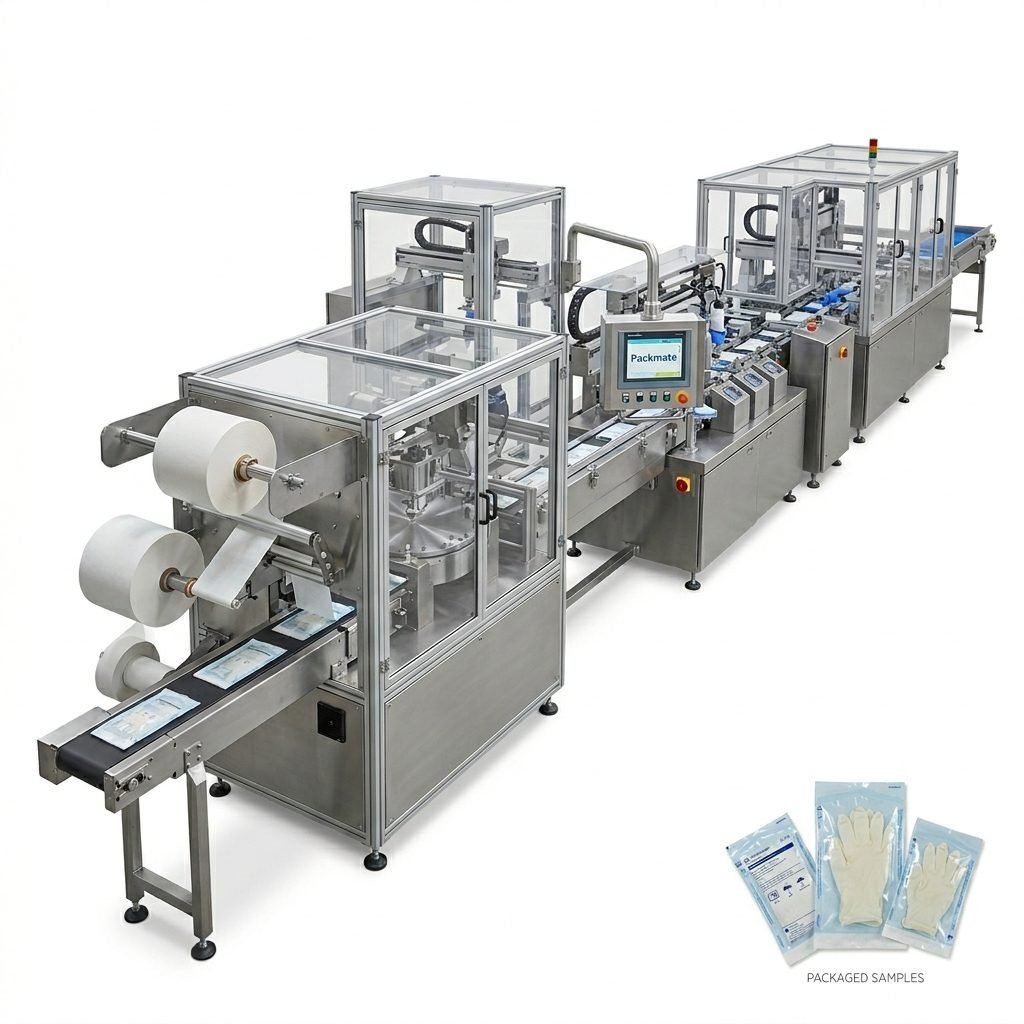
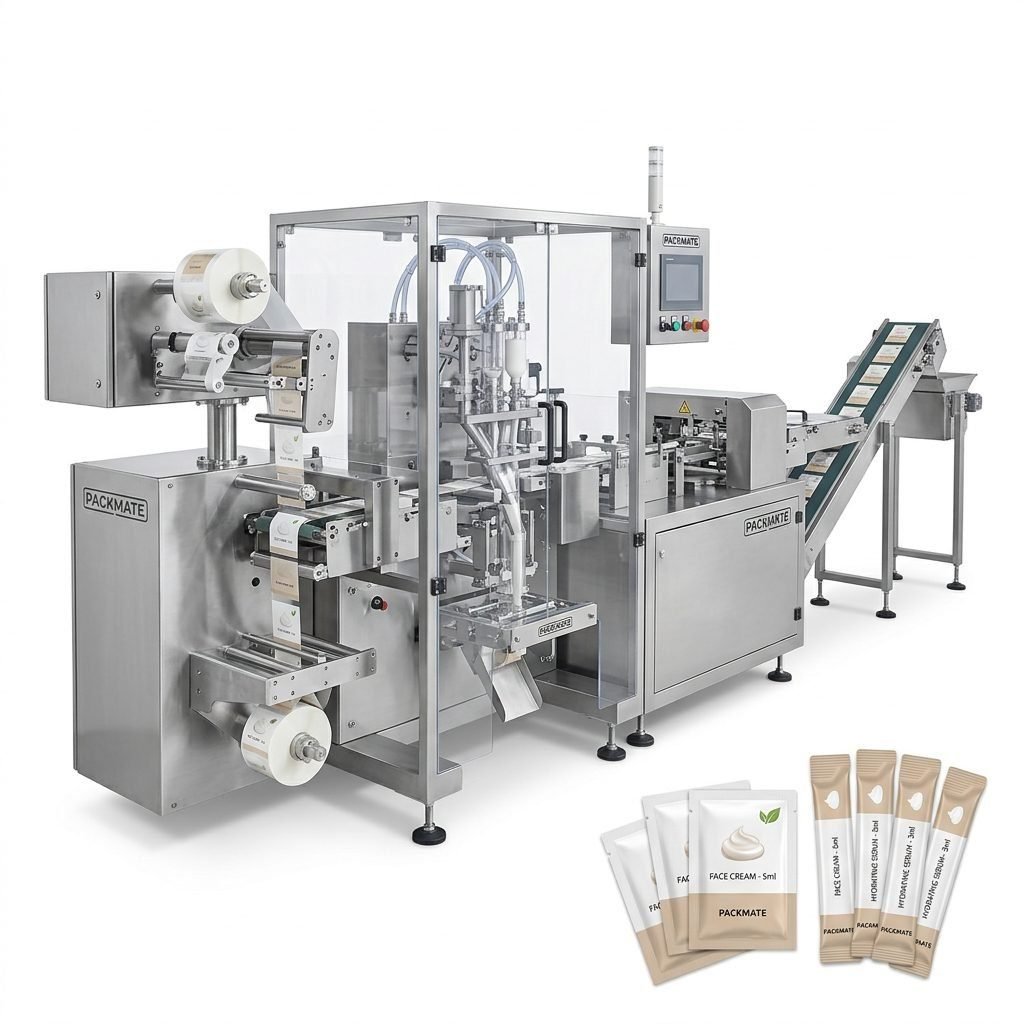
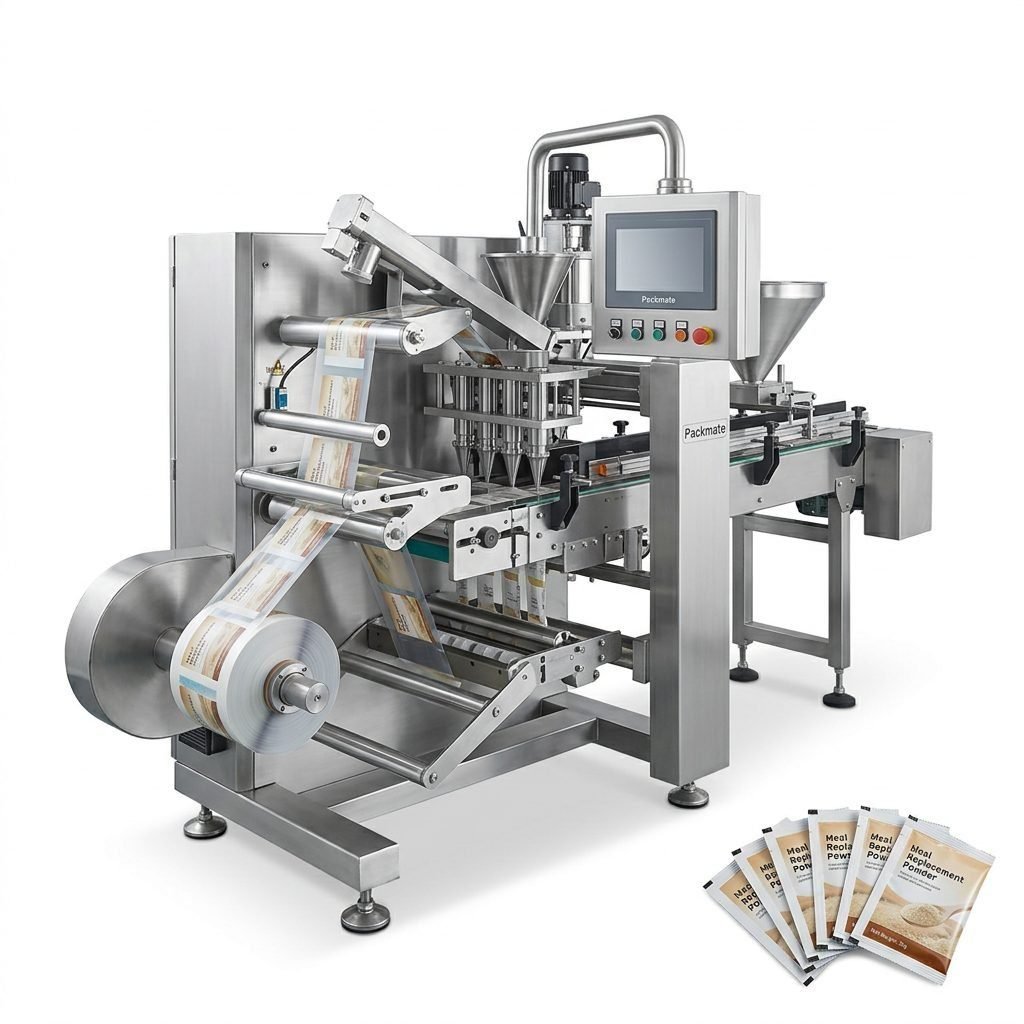
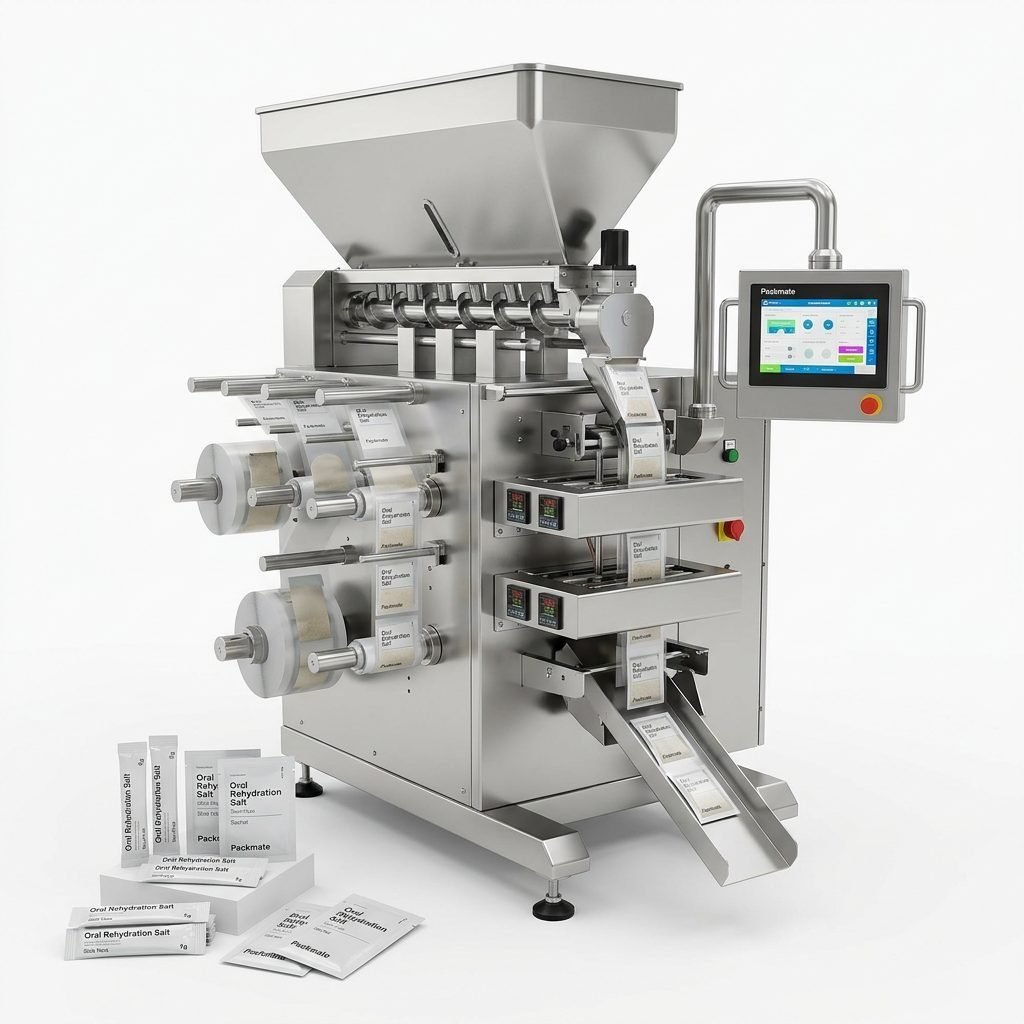
In the fast-paced world of manufacturing, efficiency and precision in final product presentation are paramount. Cartoner packaging machines stand as a critical component in achieving this, automating the process of placing products into cartons or boxes. This guide provides a comprehensive overview of cartoner machines, exploring their various types, diverse applications, and key factors to consider when selecting the right equipment for your production line.
Understanding Cartoner Packaging Machines
A cartoner, or cartoning machine, is an automated system designed to erect, load, and seal folded cartons. These machines take flat, die-cut carton blanks, form them into three-dimensional boxes, insert the product (or multiple products), and finally close the flaps through tucking, gluing, or a combination of methods. The primary goal is to increase packaging speed, ensure consistency, reduce labor costs, and minimize product damage during the packaging phase.
Core Components and Operation
The typical workflow of a cartoner involves several synchronized stages. First, the carton magazine holds a stack of flat carton blanks. A suction cup or mechanical arm then picks a single blank and transfers it to the carton erection section, where it is opened into its intended shape. The product is inserted either manually (in semi-automatic models) or automatically via an infeed conveyor. Finally, the machine moves to the closing section, where the pre-folded flaps are closed and sealed. Advanced models often include checkweighers, leaflet inserters, and vision inspection systems integrated into the line for quality control.
Primary Types of Cartoner Machines
Cartoners are categorized based on their loading orientation and level of automation. Choosing the right type depends heavily on your product characteristics, required output, and budget.
1. Vertical Cartoners
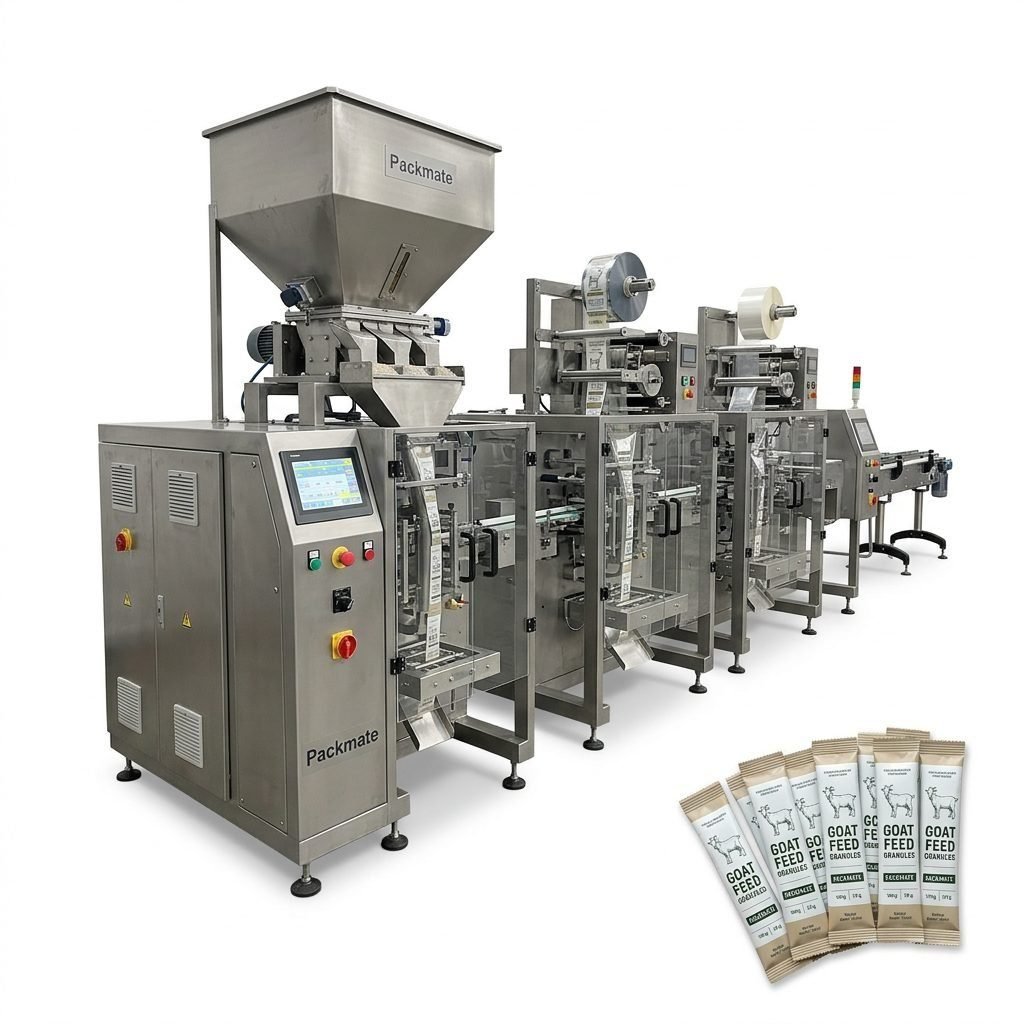
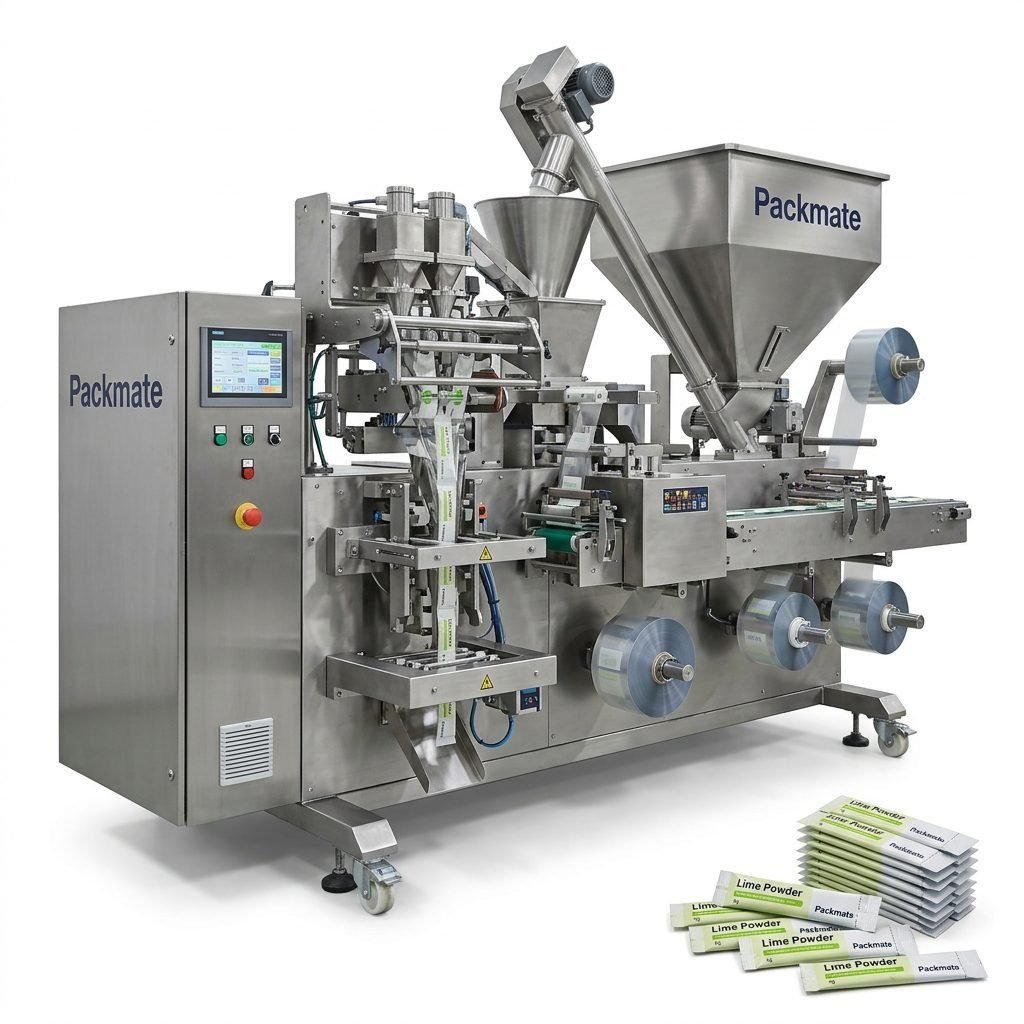
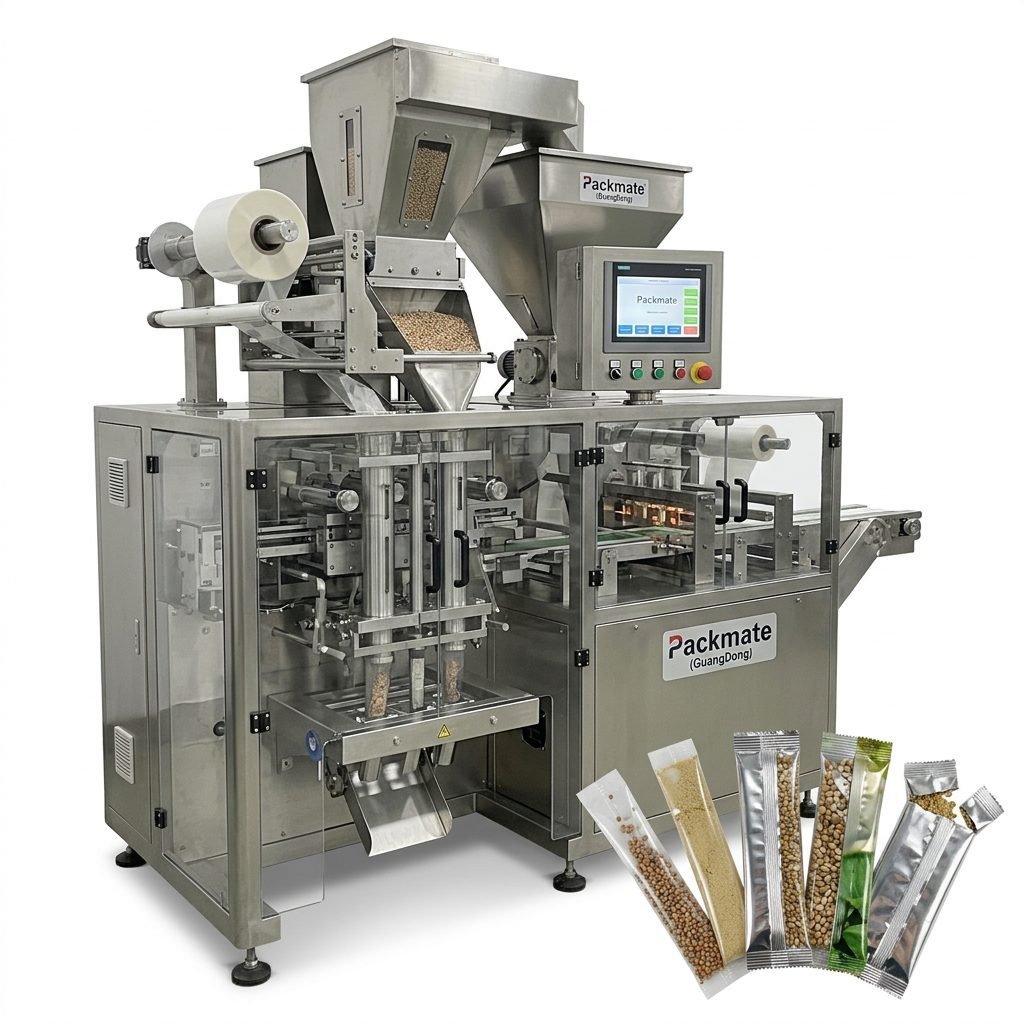
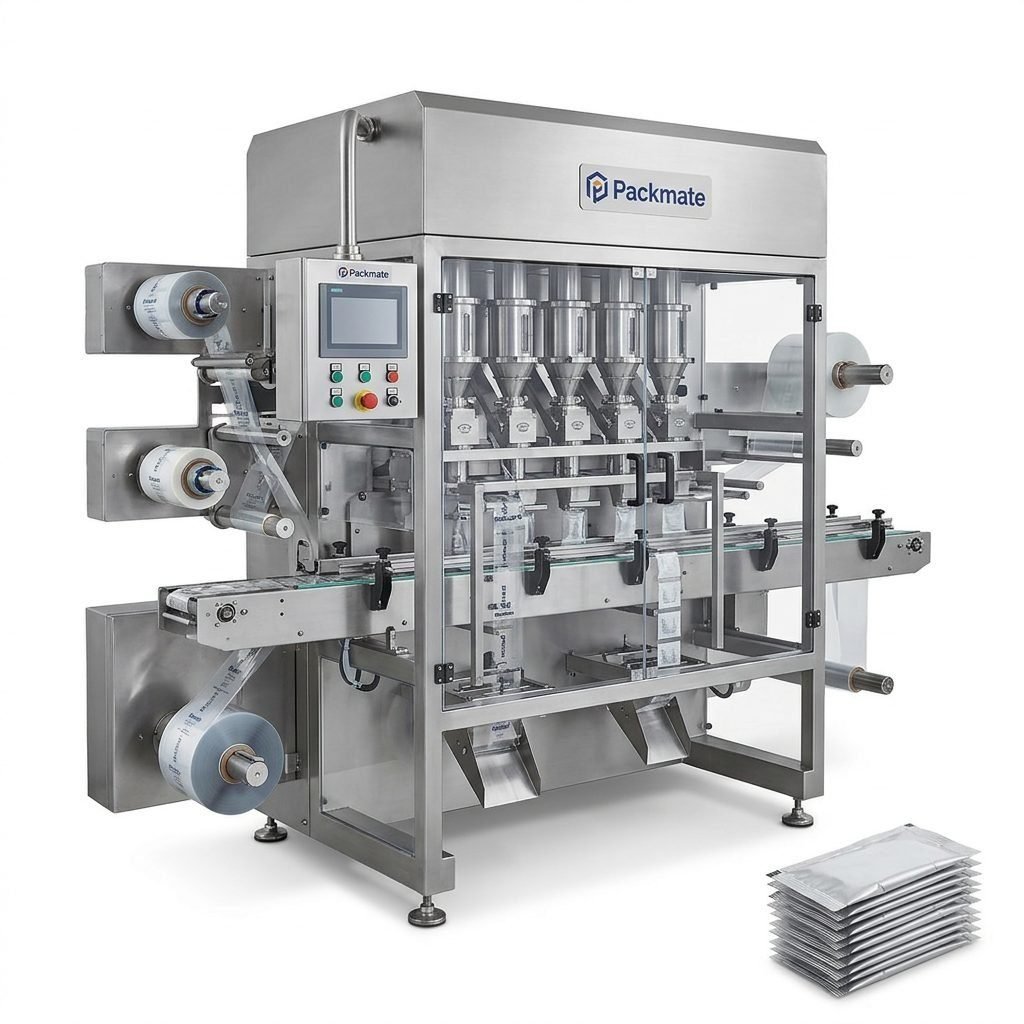
In vertical cartoners, the carton is erected and held vertically while the product is loaded from above. This type is ideal for loose, free-flowing products like granulated foods, powders, tea bags, or small individual items that can be gravity-fed. They are often used for stick pack and sachet packaging lines where multiple units are collated and dropped into a single carton.
2. Horizontal Cartoners
Horizontal cartoners erect the carton on its side, and products are pushed in horizontally. This design is superior for fragile, rigid, or pre-grouped items such as bottles, vials, blister packs, or stacked pouches. The horizontal motion provides gentler handling, making it a preferred choice for the pharmaceutical, cosmetic, and hardware industries. For complex lines involving filling and packaging, horizontal cartoners are frequently the final step.
3. Wrap-Around Cartoners
This type uses a flat carton blank that is wrapped around a product or a bundle of products, gluing the seams to form a snug, custom-fit package. It is highly efficient on material usage and creates a visually appealing, tight package. Commonly used for beverage cans, jars, or grouped products, it offers excellent structural integrity.
Beyond these, classifications also include continuous motion cartoners for very high-speed operations and intermittent motion cartoners for more versatile, moderate-speed applications where quick changeovers are needed.
Key Industries and Applications
The versatility of cartoning machines makes them indispensable across numerous sectors. Their ability to handle diverse products at high speeds drives their adoption.
- Food & Beverage: Packaging tea bags, snack bars, sauce sachets, powdered drinks, and ready-to-eat meals. Hygiene and speed are critical here.
- Pharmaceutical & Healthcare: Cartoning blister packs, medicine bottles, syringes, and diagnostic kits. These applications demand ultra-clean environments, precision, and often include leaflet insertion for instructions.
- Cosmetics & Personal Care: Packaging bottles of lotion, shampoo, lipsticks, and skincare product kits. Aesthetic presentation and gentle handling are priorities.
- Consumer Goods & Hardware: Items like lightbulbs, batteries, tools, and stationery sets are efficiently packaged using cartoners.
Companies like Packmate Machinery, with decades of experience, develop solutions tailored to these specific industry needs, ensuring reliability and compliance with relevant standards.
How to Choose the Right Cartoner: A Step-by-Step Guide
Selecting a cartoner is a significant investment. A systematic evaluation of your requirements will ensure you choose a machine that delivers long-term value and operational efficiency.
Step 1: Analyze Your Product and Carton Specifications
This is the foundational step. You must define:
– Product Dimensions & Weight: Determines the required carton size and machine sturdiness.
– Product Fragility: Dictates the loading method (horizontal is gentler for fragile items).
– Carton Style: End-load, top-load, tray-style, or wrap-around? This defines the machine type.
– Required Output Speed (CPM – Cartons Per Minute): Your production volume target directly influences the machine’s complexity and cost.
Step 2: Determine the Level of Automation
Do you need a fully automatic, semi-automatic, or manual loading system? Fully automatic lines are ideal for high-volume, uniform products and integrate seamlessly with upstream equipment like weighing and packaging systems. Semi-automatic machines require an operator to place the product but automate the erection and closing, offering a balance between cost and throughput for lower volumes or varied products.
Step 3: Evaluate Integration and Flexibility Needs
Consider the machine’s place in your overall line. Does it need to connect to a filler, a blister packer, or a bundler? Check compatibility for communication protocols and physical interfacing. Also, assess changeover time. If you run multiple SKUs with different carton sizes, look for machines with quick-change features or servo-driven adjustments to minimize downtime.
Step 4: Assess Quality, Support, and Total Cost of Ownership
Look beyond the initial purchase price. Investigate the manufacturer’s reputation, build quality, and availability of spare parts. A machine from an established provider like Packmate, which operates a 20,000㎡ modern facility and has over 22 years of development, often translates to greater reliability. Factor in costs for installation, training, maintenance, and potential future upgrades. Strong after-sales service and technical support are invaluable for minimizing operational disruptions.
Optimizing Your Packaging Line with a Cartoner
Integrating a cartoner is not just about the machine itself. To maximize ROI, consider it as part of a holistic system. Ensure upstream equipment provides a consistent, correctly oriented product flow. Implement quality checkpoints, such as automatic rejection systems for missing leaflets or underweight cartons. Regularly maintain the machine according to the manufacturer’s schedule to prevent unexpected breakdowns and ensure consistent sealing quality, which directly impacts product shelf life and customer perception.
Ultimately, the right cartoner packaging machine is a powerful tool that enhances your brand’s professionalism through consistent, high-quality packaging while driving down operational costs. By carefully matching the machine’s capabilities to your specific product, output goals, and line requirements, you invest in a cornerstone of efficient and scalable production.
Frequently Asked Questions (FAQs)
What is the main difference between a vertical and a horizontal cartoner?
The key difference lies in the loading direction. Vertical cartoners load products from above into an upright carton, best for free-flowing items. Horizontal cartoners load products sideways into a horizontally oriented carton, offering gentler handling for fragile, rigid, or pre-assembled products.
Can one cartoner handle multiple carton sizes?
Yes, many modern cartoners are designed for quick changeover between different carton sizes. Look for models with servo-driven adjustments that allow for size changes through a touchscreen interface, significantly reducing downtime compared to manual adjustment models.
What are the common sealing methods for cartons?
The three primary methods are: Hot Melt Gluing (strong, permanent seal), Cold Gluing (for environmentally sensitive areas), and Tuck-In Flaps (no glue required, allows for easy reopening, common in retail). Some machines combine tucking with a spot of glue for security.
How important is after-sales service when purchasing a cartoner?
Extremely important. Given the mechanical complexity and critical role in your production line, reliable technical support, readily available spare parts, and comprehensive operator training are essential for maintaining uptime and ensuring the machine’s longevity. This should be a major factor in selecting your supplier.
What auxiliary equipment is often paired with a cartoner?
Common integrated equipment includes automatic leaflet/brochure inserters, checkweighers, vision inspection systems, inkjet or label printers for batch coding, and carton erectors/bundlers for secondary packaging. These create a complete, automated packaging line.