In the fast-paced beverage industry, efficiency is not just a goal—it’s a necessity for survival and growth. The right packaging machinery can dramatically increase production speed, reduce waste, ensure product consistency, and ultimately boost profitability. Selecting from the vast array of available machines, however, can be a daunting task. This guide explores the top 10 packaging machines that are essential for enhancing efficiency in beverage production, from liquid filling to final cartoning.
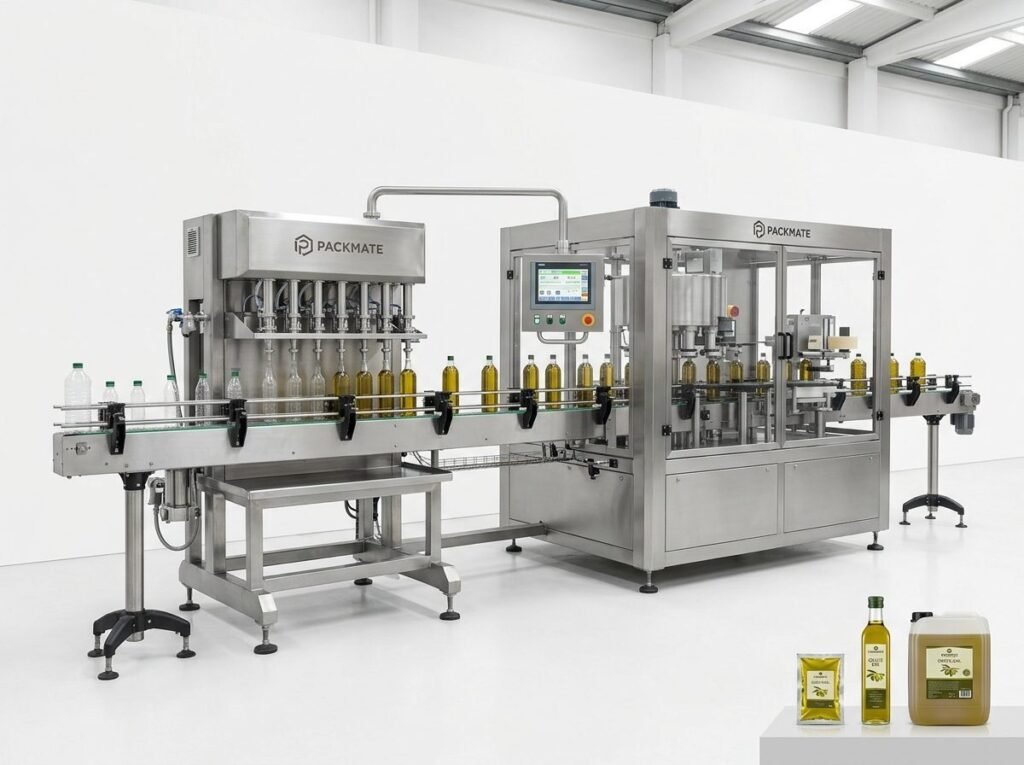
1. High-Speed Liquid Filling Machines
At the heart of any beverage line is the filling machine. Modern high-speed rotary fillers are engineering marvels, capable of handling thousands of bottles per hour with pinpoint accuracy. Volumetric, gravity, and pressure fillers each have their place, whether you’re packaging still water, carbonated soft drinks, or viscous juices. The key to efficiency here is minimizing changeover time and maximizing uptime through robust, sanitary design and easy-clean features.
2. Automatic Capping & Sealing Machines
Once filled, containers must be sealed quickly and securely. Automatic cappers apply screw caps, snap-on lids, or press-on closures with consistent torque. For bottles with foil seals or spouts, induction sealing machines provide a hermetic, tamper-evident barrier. The most efficient systems are integrated directly with the filler, creating a seamless flow that eliminates bottlenecks. Look for models with quick-adjustment chucks to handle different cap sizes without extensive downtime.
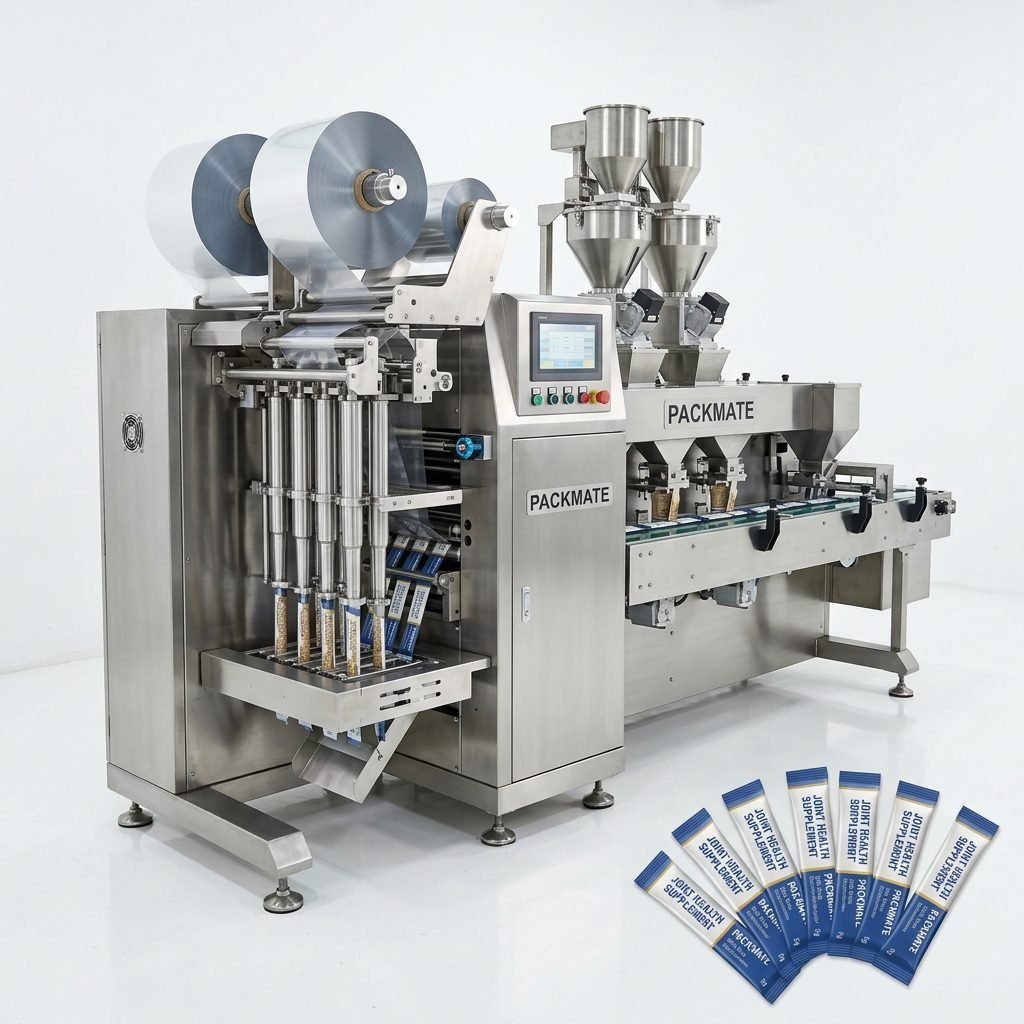
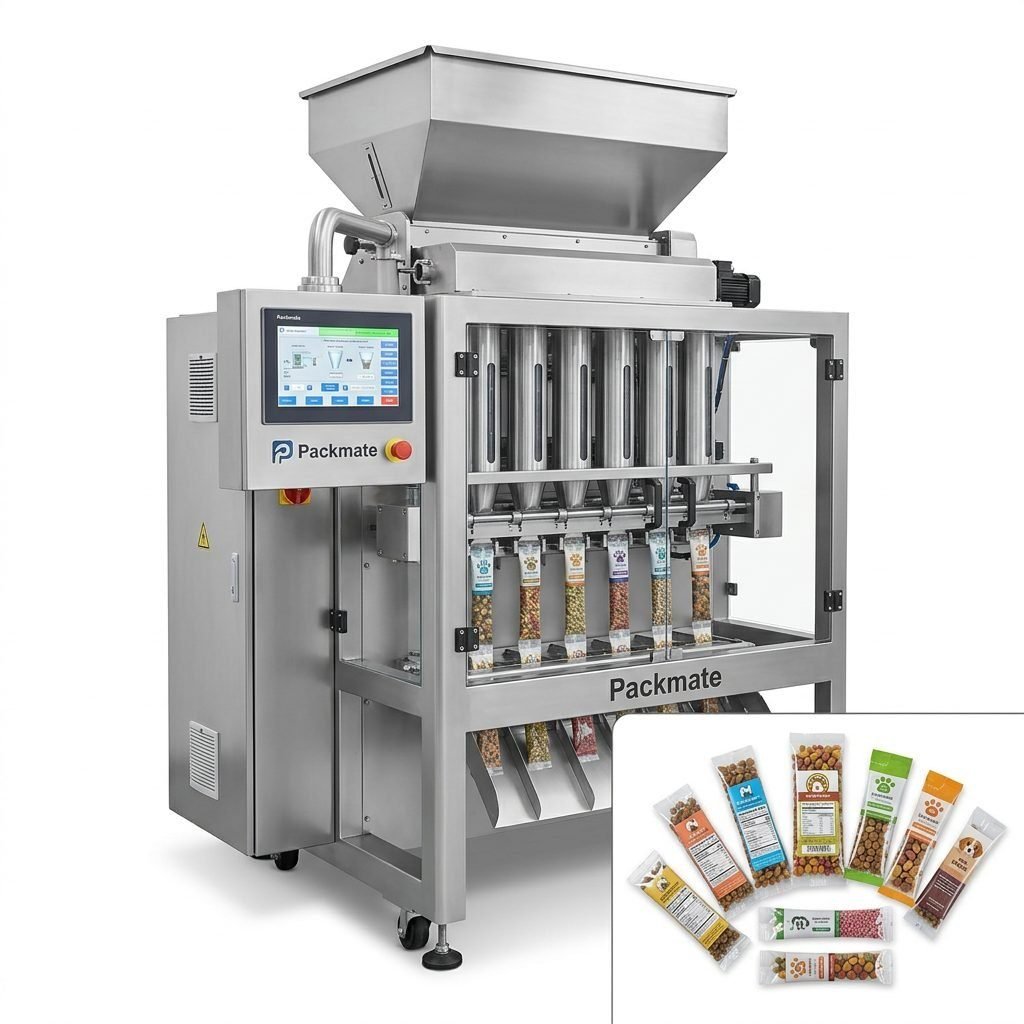
3. Multi-Lane Stick Pack & Sachet Machines
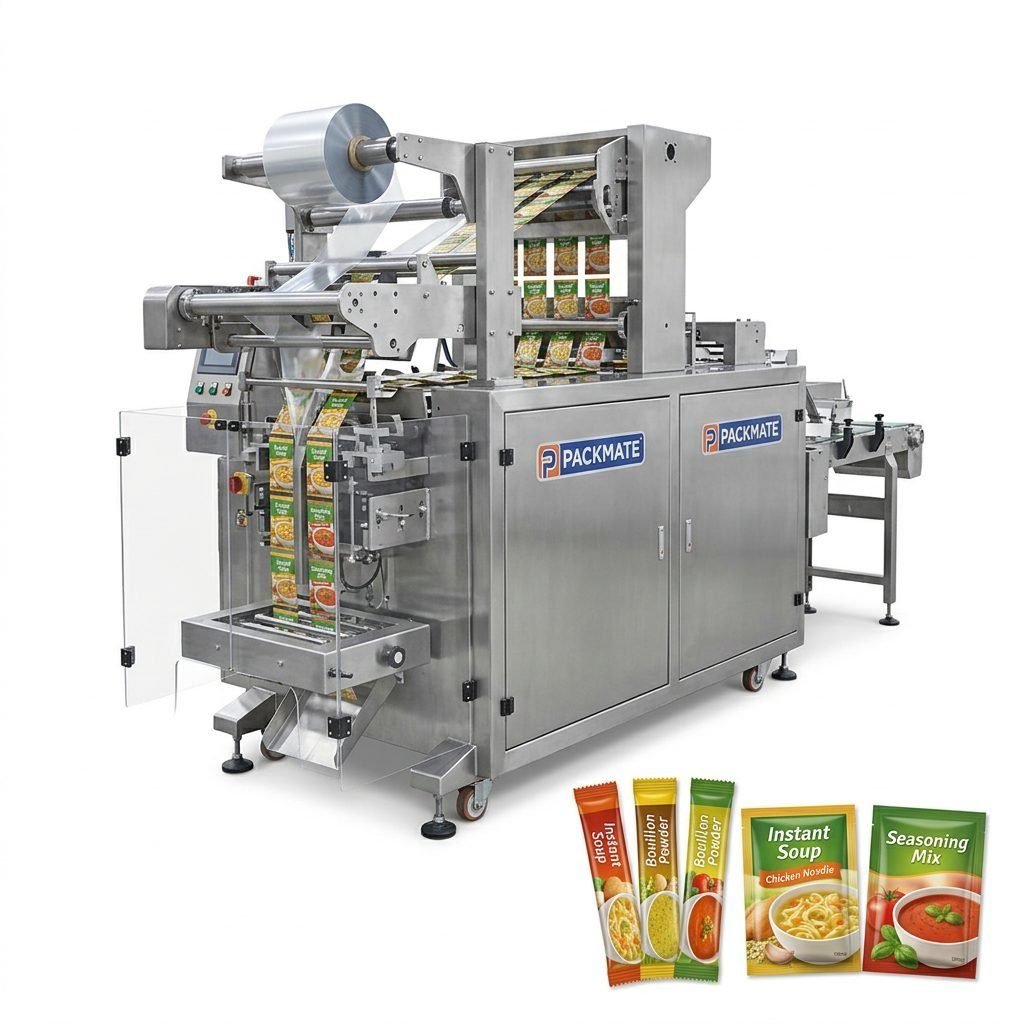
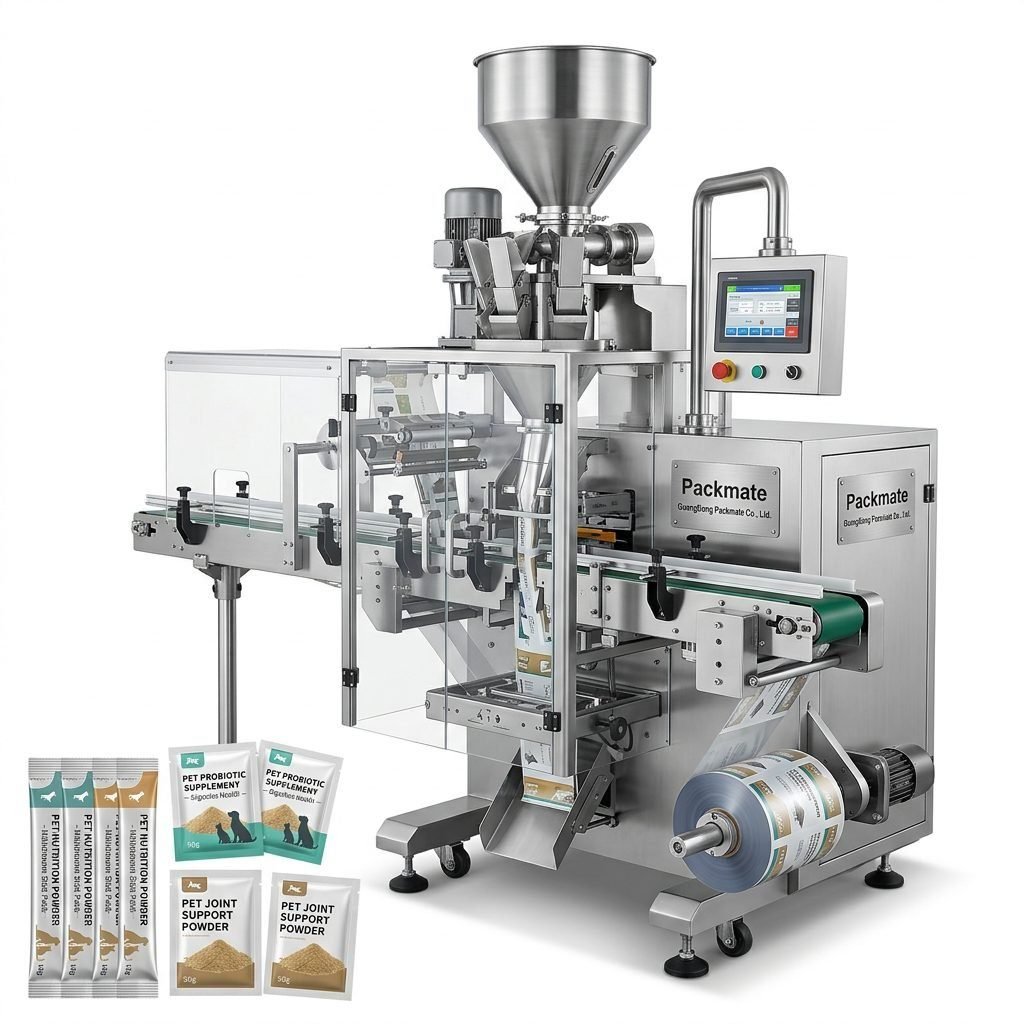
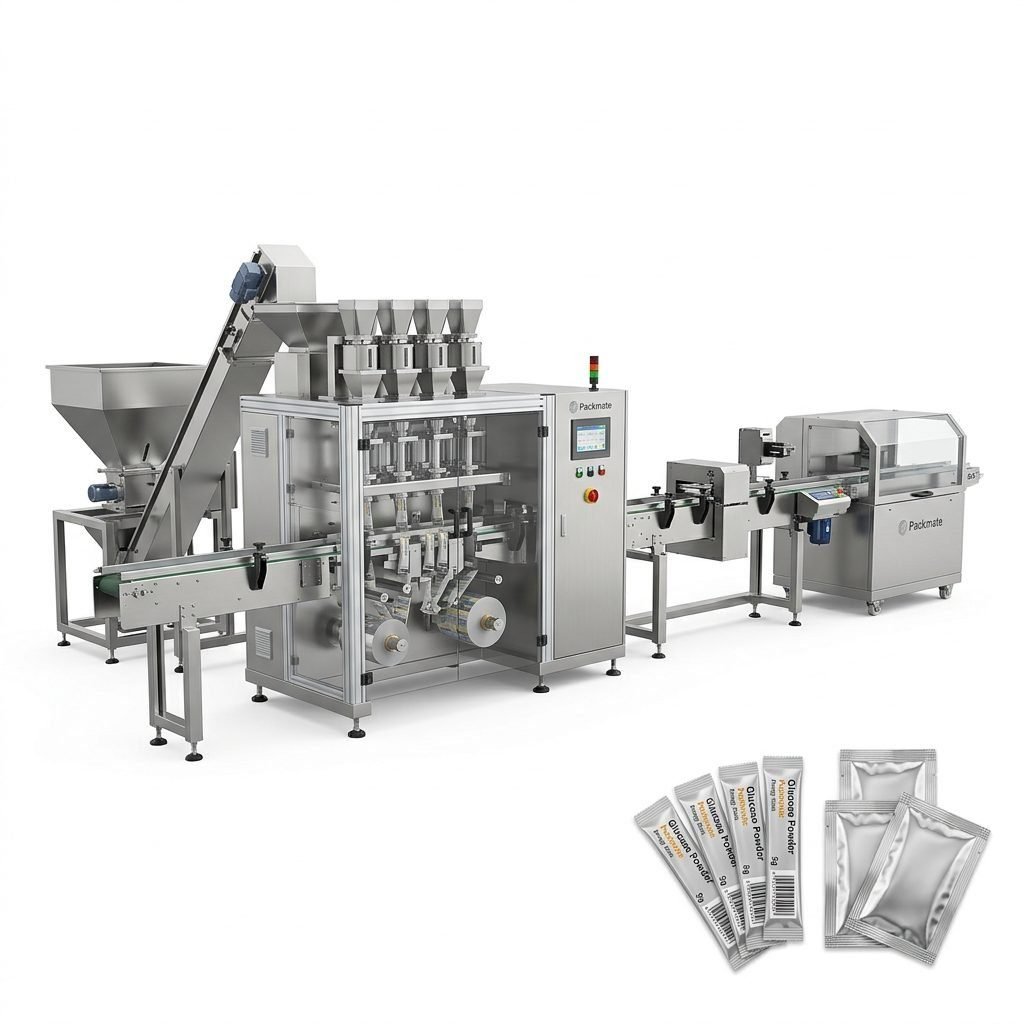
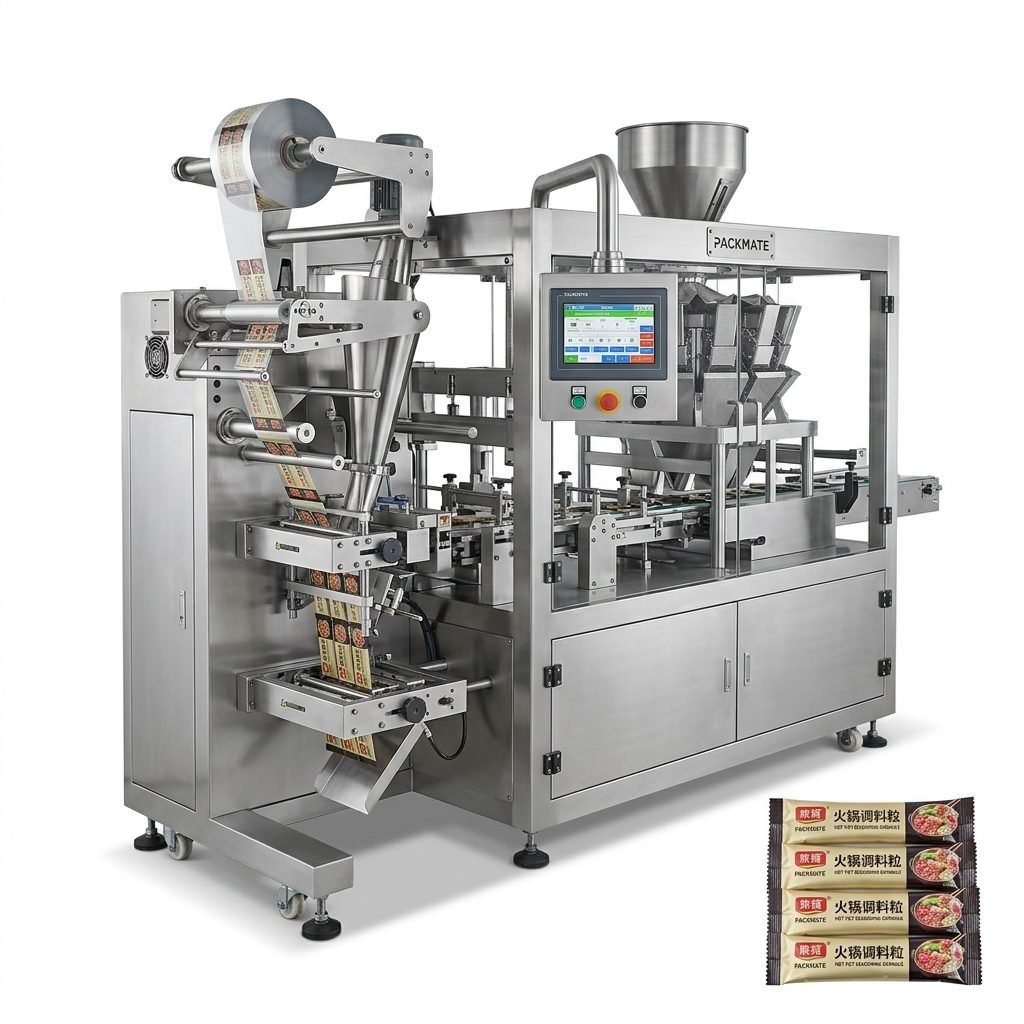
For powdered drink mixes, coffee, tea, and liquid concentrates, stick pack and sachet packaging offers incredible convenience. Multi-lane machines, like those offered by industry leaders such as Packmate Machinery, can produce dozens of portion-controlled packs simultaneously. This technology is perfect for creating single-serve products for the on-the-go consumer, with efficiency gains coming from high-output lanes and precise dosing systems that minimize product giveaway.
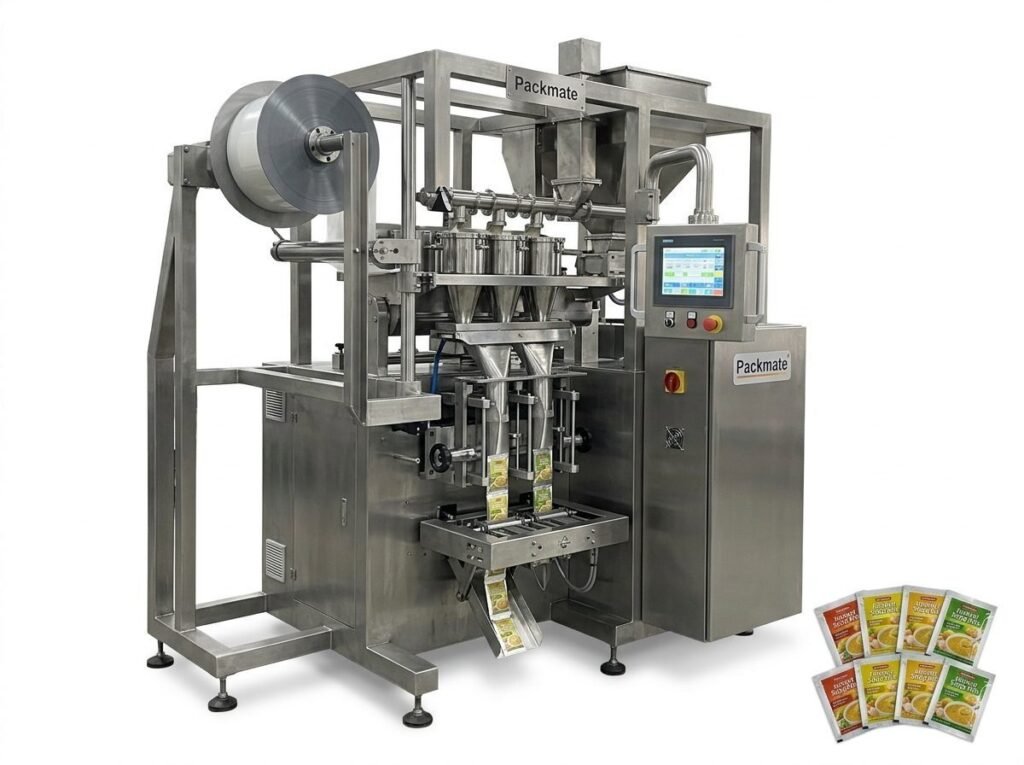
4. Form-Fill-Seal (FFS) Pouch Machines
The demand for flexible pouches for beverages—from coconut water to wine—continues to soar. Vertical and horizontal Form-Fill-Seal machines create the pouch from a roll of film, fill it with product, and seal it in one continuous operation. This method reduces material costs compared to pre-made bags and allows for innovative stand-up, spouted, or gusseted designs. Efficiency is driven by high film utilization rates and fast cycle times.
5. Can Seamers for Beer & Carbonated Drinks
In the booming craft beer and ready-to-drink (RTD) markets, canning is king. High-speed can seamers attach lids to filled cans with a double-seaming process that ensures integrity under pressure. Modern seamers are designed for gentle handling to protect the product and are built for easy maintenance to keep the line running. Their efficiency directly impacts the entire canning line’s output.
6. Automatic Case Packers & Palletizers
Efficiency doesn’t end when the primary package is sealed. Getting bottles, cans, or pouches into shipping containers is a labor-intensive step that automation solves. Case packers gently load products into corrugated trays or boxes, while palletizers stack those cases onto pallets for storage and shipment. Robotic systems offer extreme flexibility for mixed-SKU pallets, while traditional layer palletizers provide brute speed for uniform loads.
7. Cartoning Machines for Multi-Packs
For retail sales, beverages are often grouped into multi-packs. Automatic cartoning machines erect paperboard cartons, insert the primary containers (like bottles or cans), and close the carton, often adding handles for consumer convenience. The latest machines feature servo-driven motion for smooth, precise, and energy-efficient operation, easily adapting to different pack counts and carton sizes.
8. Blow Molders for Bottle Production
Some large beverage manufacturers integrate bottle production directly into their filling lines using inline blow molders. These machines heat plastic preforms (PET) and use air pressure to form them into bottles just moments before they are filled. This “bottles on demand” approach eliminates the cost and space of bottle inventory and transportation, representing a pinnacle of streamlined, efficient production.
9. CIP/SIP Systems for Cleaning
Efficiency is also about minimizing non-productive time. Clean-in-Place (CIP) and Sterilize-in-Place (SIP) systems are automated cleaning circuits that sanitize tanks, pipes, and fillers without disassembly. This reduces changeover time between production runs and ensures consistent hygiene, which is critical for product safety and shelf life. Investing in a robust CIP system is an investment in uptime.
10. Integrated Weighing & Checkweighing Systems
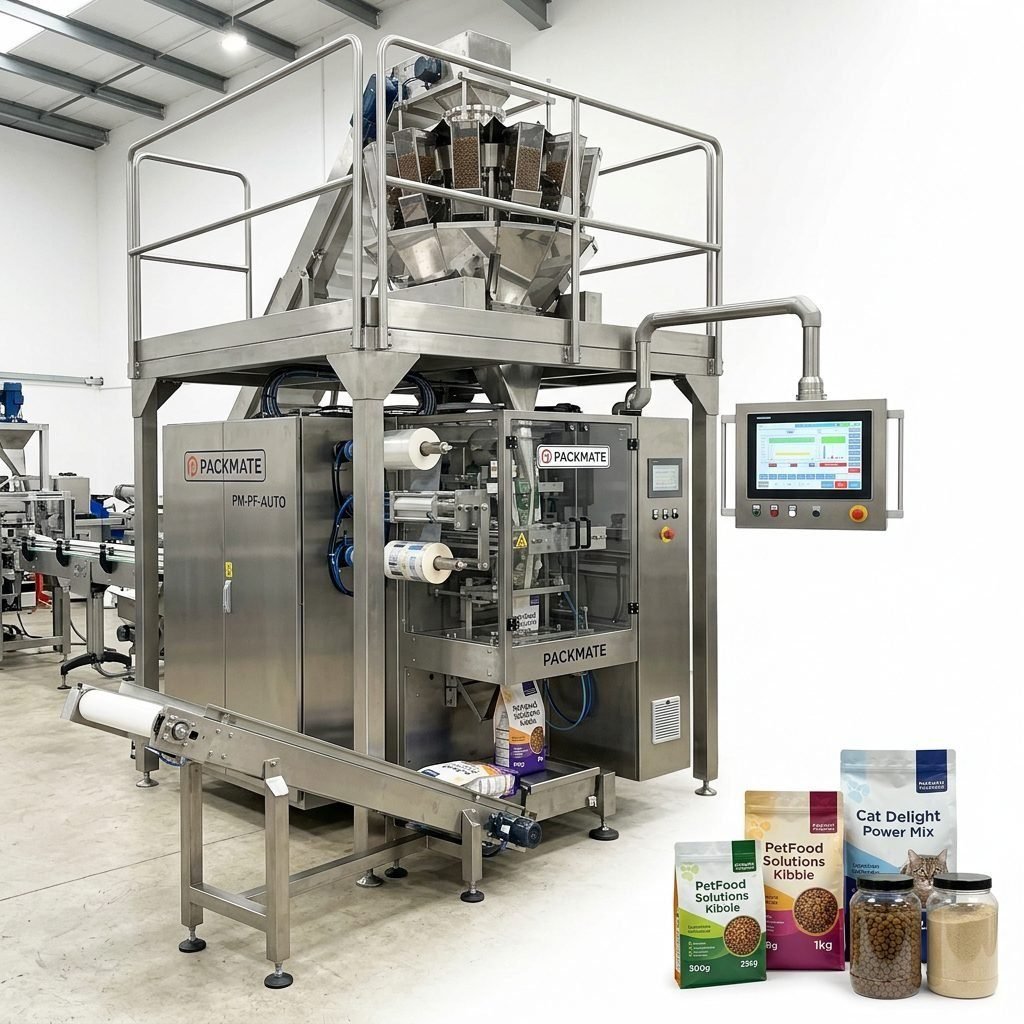
Finally, efficiency means zero waste. Integrated weighing systems ensure each pouch or container receives the exact target fill weight, while checkweighers on the line verify that weight. This not only saves product but also ensures regulatory compliance. Advanced systems provide real-time feedback to the filler for automatic adjustment, creating a closed-loop of precision. For comprehensive solutions, exploring a weighing & packaging system from a full-line supplier can ensure compatibility.
The journey to peak packaging efficiency involves more than just buying fast machines. It requires a strategic approach to line integration, smart technology adoption, and a focus on total lifecycle cost. Partnering with an experienced manufacturer who can provide a complete filling & packaging line and ongoing support is often the most efficient decision of all. By carefully selecting from these top machine categories, beverage producers can build a packaging operation that is swift, lean, and ready to meet future demands.
Frequently Asked Questions (FAQs)
What is the most important factor when choosing a beverage packaging machine for efficiency?
The single most important factor is Overall Equipment Effectiveness (OEE), which combines machine availability, performance rate, and quality rate. A machine with a slightly slower maximum speed but higher reliability and fewer defects will often be more efficient in the long run than a faster, less reliable model.
How can I reduce changeover time on my packaging line?
Implementing quick-change tooling and adopting a Single-Minute Exchange of Die (SMED) methodology are highly effective. This involves converting internal setup steps (done while the machine is stopped) to external steps (prepared while the machine is running). Choosing machines designed with tool-less adjustments for format changes is also crucial.
Is full automation always the most efficient choice for a beverage packaging line?
Not always. The optimal level of automation depends on your production volume, product variety, and labor costs. For high-volume, low-mix production, full automation is typically most efficient. For smaller operations or those with frequent, complex changeovers, a semi-automatic line or islands of automation might offer better flexibility and a higher return on investment.
What role does packaging material play in machine efficiency?
Packaging material is critical. Inconsistent film, preforms, or carton board can cause frequent jams, misfeeds, and seals failures, crippling line efficiency. Working with reputable material suppliers and ensuring your machine is precisely calibrated for the specific materials you use is essential. Machines with advanced material tension control and registration systems help mitigate these issues.
How do I ensure my new packaging machines will integrate efficiently with my existing line?
Thorough planning is key. Create detailed line layout diagrams and demand compatibility data (communication protocols, electrical specs, mechanical interfaces) from all machine suppliers. Consider working with a primary vendor or a systems integrator who can take responsibility for the entire line’s harmony. Requesting site visits to see similar integrated lines in operation is also highly recommended.