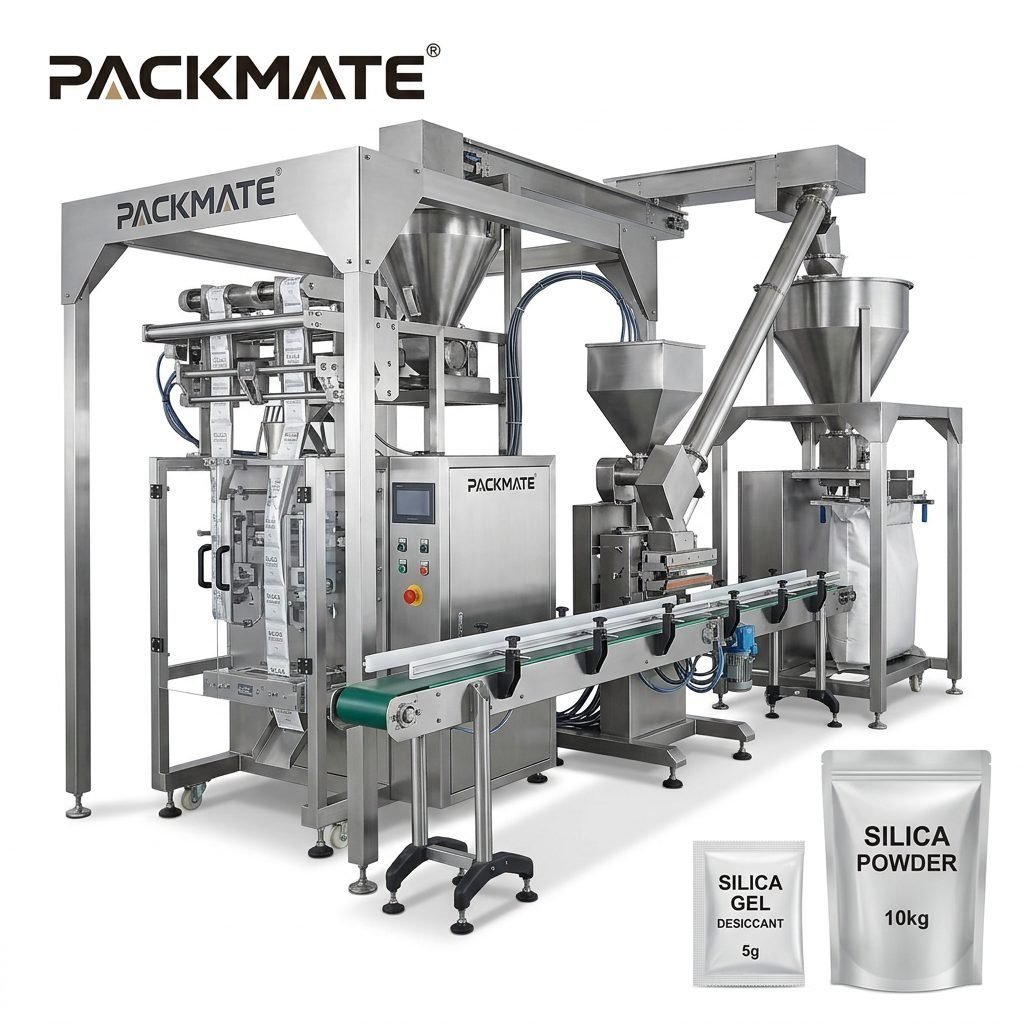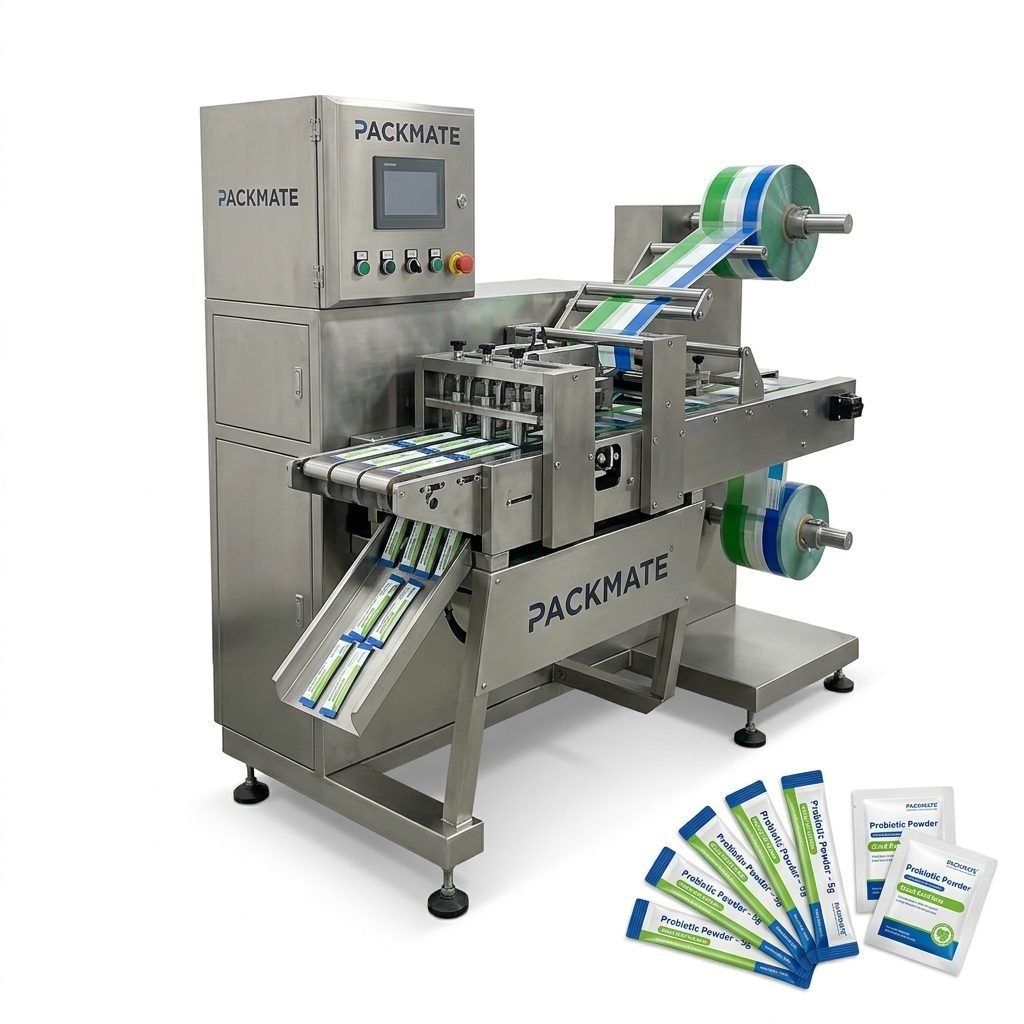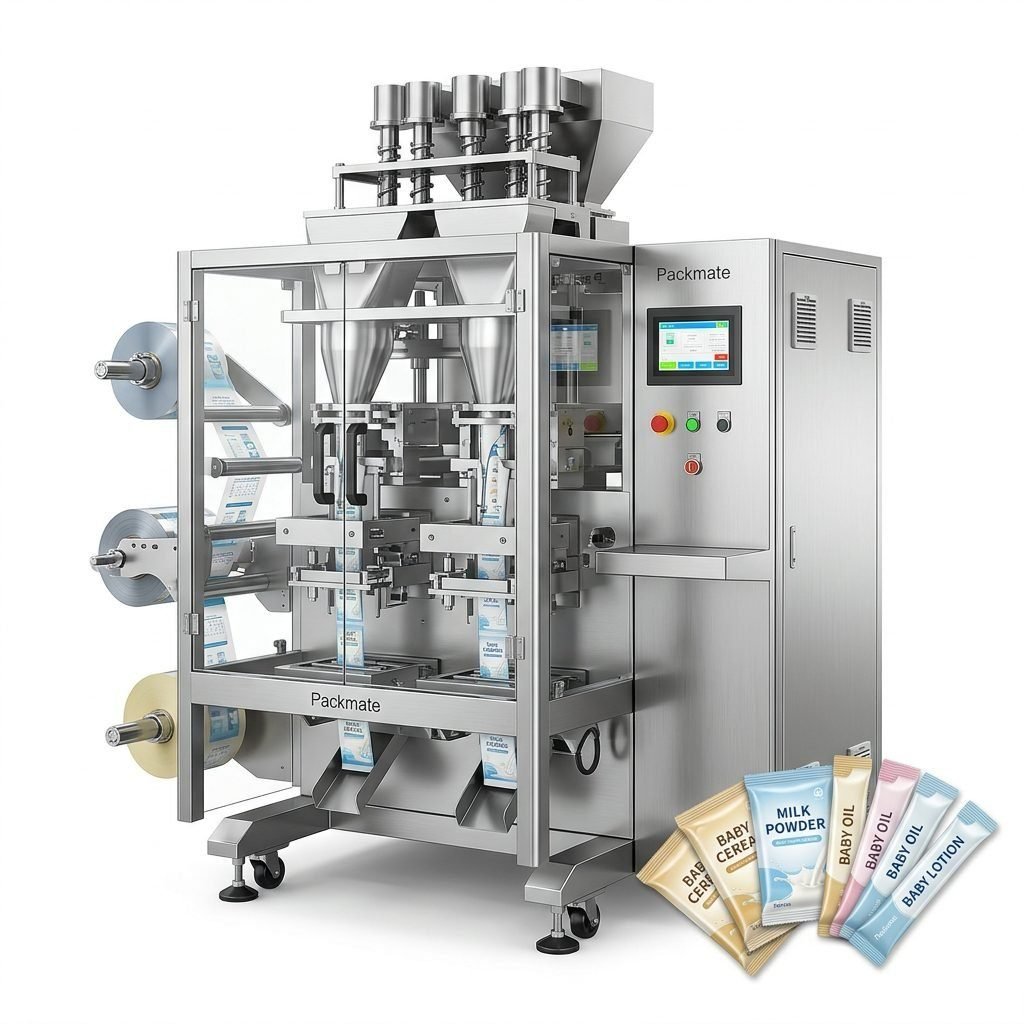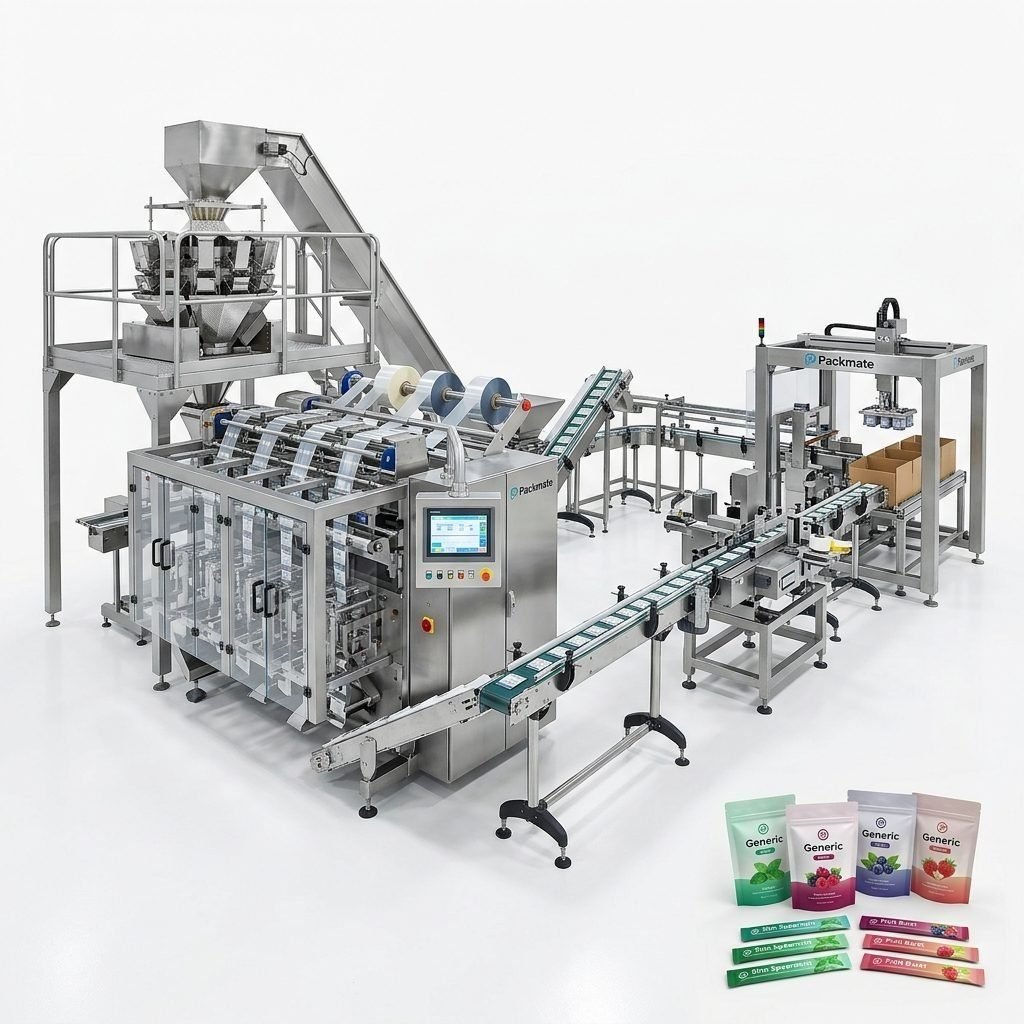
In the competitive world of bakery and confectionery, presentation is paramount. A cake’s journey from the kitchen to the customer’s table is safeguarded and enhanced by its packaging. For businesses scaling production, a reliable cake packaging machine is not a luxury but a necessity. This guide delves into the types of machines available, their significant benefits, and provides a clear framework for making the right investment choice.
Understanding Different Types of Cake Packaging Machines
The market offers a variety of machines tailored to different packaging formats and production scales. Understanding these types is the first step in selection.
Tray Sealing Machines
These are among the most common for pre-formed plastic or pulp trays. The machine automatically places a film lid over the tray and applies heat to create a hermetic seal. This method is excellent for freshness and provides a clear, professional view of the product.
Flow Wrap Machines
Ideal for individually wrapped slices, cupcakes, or smaller cakes, flow wrappers use a roll of film to form a pouch around the product. The ends are sealed, creating a tight, pillow-style pack. It’s a versatile and efficient option for high-speed lines.
Cardboard Sleeve or Carton Erecting Machines
For premium presentation or multi-packs, machines that automatically erect and close cardboard sleeves or boxes are key. They often work in tandem with a loading system to place the cake into the carton before sealing.
Shrink Wrapping Machines
Used for bundling multiple items together or providing a tamper-evident seal over a box, shrink wrapping involves loosely wrapping a film around the product and then applying heat to shrink it tightly to the contours.
Key Benefits of Automating Your Cake Packaging
Investing in automation brings transformative advantages to a bakery operation, impacting everything from cost to customer satisfaction.
Enhanced Hygiene and Food Safety: Automated machines minimize human contact with the product, significantly reducing the risk of contamination. Consistent sealing also ensures a better barrier against air and moisture, extending shelf life.
Dramatically Increased Productivity: Machines can package hundreds, even thousands, of units per hour, a rate impossible to achieve manually. This allows you to scale production to meet demand without a linear increase in labor costs.
Furthermore, automation ensures unwavering consistency in package appearance. Every cake leaves your facility with a professional, uniform look that strengthens brand identity. While the initial investment is notable, the long-term reduction in labor costs, material waste, and product loss due to damage or spoilage leads to a compelling return on investment (ROI).
How to Choose the Right Cake Packaging Machine
Selecting the perfect machine requires a careful assessment of your specific needs. Here is a structured approach.
1. Analyze Your Product and Output
Define your primary product dimensions, fragility, and packaging material (e.g., plastic film, cardboard). Crucially, determine your required output speed (units per minute/hour) and consider future growth to avoid outgrowing the machine too quickly.
2. Evaluate Machine Features and Flexibility
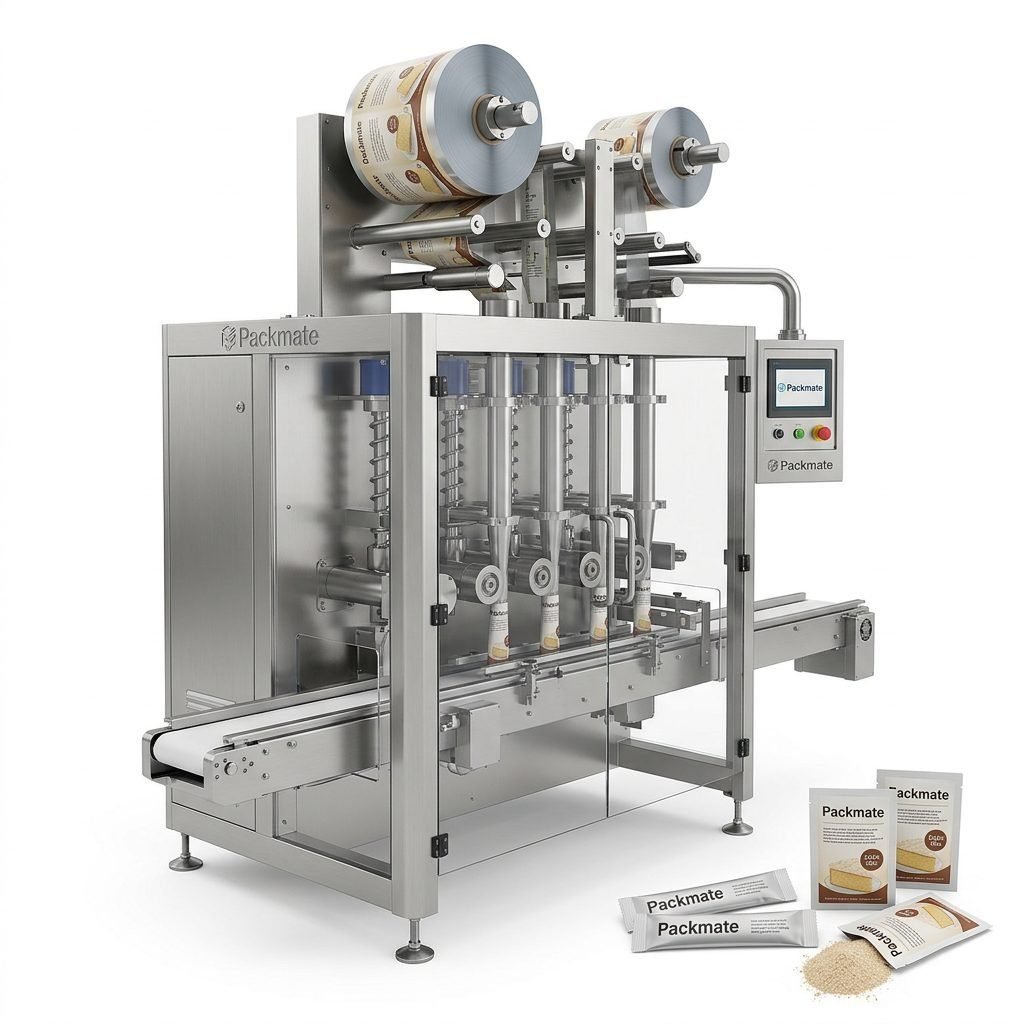
Look for features like quick-change parts to handle different product sizes, user-friendly touchscreen controls, and robust construction from food-grade materials like stainless steel. Flexibility to run different packaging formats can be a major asset.
3. Consider the Total Cost of Ownership
Look beyond the purchase price. Factor in installation, training, ongoing maintenance, and the cost and availability of consumables (like film rolls). A slightly more expensive machine with lower operating costs and higher reliability often proves more economical.
4. Assess Supplier Reputation and Support
This is critical. Choose a manufacturer with a proven track record in the food industry. Evaluate the warranty, availability of spare parts, and the quality of their technical support and service. A reliable partner like Packmate Machinery, with over 30 years of expertise in packaging solutions, can ensure a smooth integration and long-term operation. Explore their range of filling and packaging lines to see integrated solutions.
5. Request a Live Demonstration or Trial
Whenever possible, see the machine run with a product similar to yours. A trial can reveal practical insights into speed, ease of use, and final package quality that brochures cannot.
Integrating Your Packaging Line
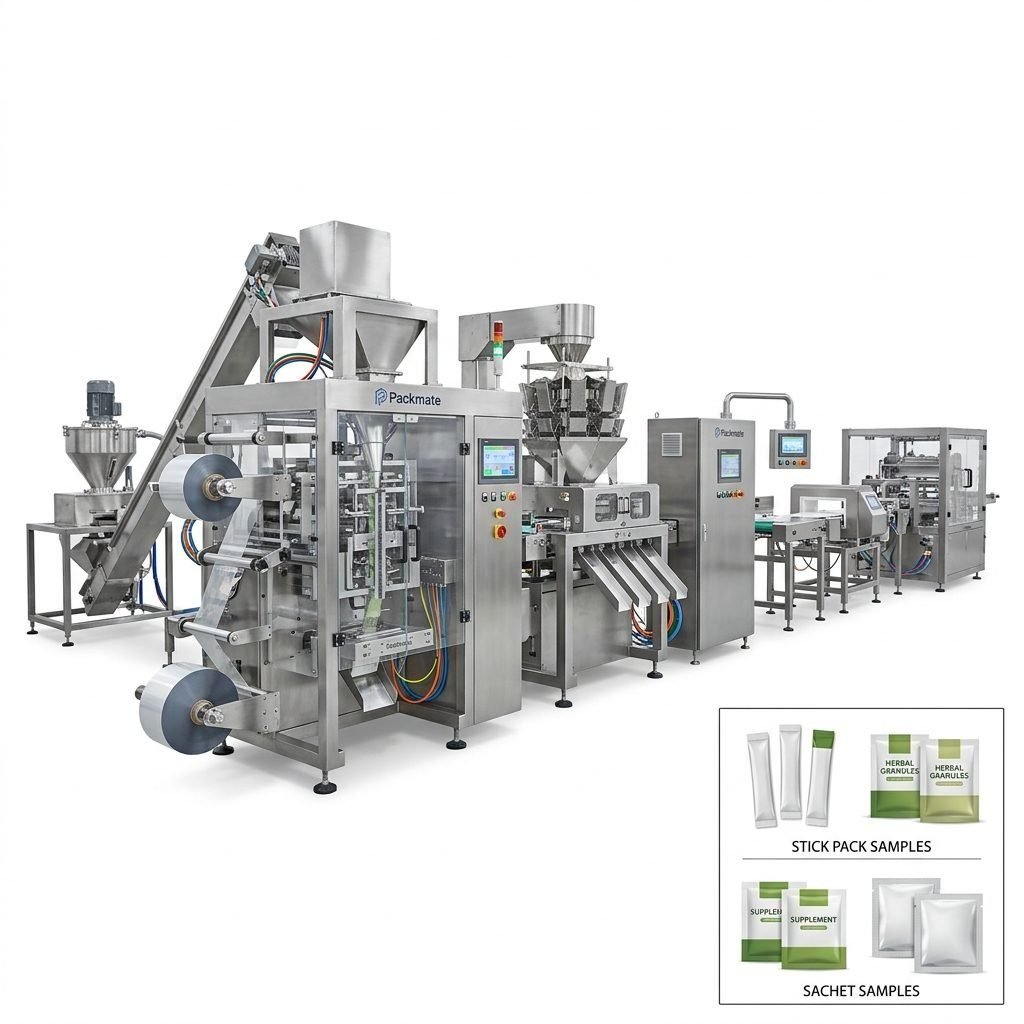
A cake packaging machine rarely works in isolation. It’s typically the final stage in a line that may include depositors, coolers, and conveyors. Ensuring compatibility and smooth product transfer between these stages is essential for seamless operation. For comprehensive solutions, consider suppliers who offer complete weighing and packaging systems.
Frequently Asked Questions (FAQs)
What is the typical speed range for a commercial cake packaging machine?
Speeds vary widely by type. Tray sealers can range from 20 to 100+ cycles per minute, while high-speed flow wrappers can exceed 200 packs per minute. Your choice should be based on your actual production volume.
Can one machine handle different sizes and types of cakes?
Many machines offer flexibility through adjustable parts or quick-change tooling kits. However, significant size changes may require a changeover process. Discuss your specific product range with the supplier to find a suitably flexible model.
How important is after-sales service when purchasing?
Extremely important. Prompt technical support, available spare parts, and maintenance services are crucial to minimize downtime. Always prioritize suppliers with a strong, responsive service network, such as the support team behind Packmate’s service offerings.
What are the most common maintenance requirements?
Regular cleaning, lubrication of moving parts, and inspection/wear replacement of sealing jaws, cutters, and film guides are standard. Always follow the manufacturer’s maintenance schedule.
Are automated packaging machines difficult for staff to operate?
Modern machines are designed with operator-friendly interfaces (like touchscreen HMI panels). Comprehensive training from the supplier is standard and will equip your team to run, monitor, and perform basic troubleshooting on the machine effectively.