In the competitive world of food processing and distribution, efficient and reliable packaging is not just a final step—it’s a critical component of product quality, safety, and market appeal. For poultry producers, chicken packaging machines are the unsung heroes of the operation. This comprehensive guide delves into the various types of chicken packaging machines available and explores their significant benefits, helping you make an informed investment for your business.
Understanding Chicken Packaging Machines
Chicken packaging machines are specialized equipment designed to handle the unique challenges of poultry products. They automate the process of placing chicken parts—whether whole birds, breasts, thighs, wings, or ground meat—into protective packaging. This automation is crucial for maintaining hygiene, extending shelf life, and ensuring consistent presentation. The primary goal is to create a sealed barrier that protects against contamination, moisture loss, and physical damage during transport and storage.
Key Takeaway: The right packaging machine does more than just wrap your product. It safeguards your brand’s reputation by ensuring every package that reaches the consumer is fresh, safe, and visually appealing.
Core Technologies in Modern Packaging
Modern chicken packaging relies on several key technologies. Modified Atmosphere Packaging (MAP) is a standout, where the air inside the package is replaced with a gas mixture (like carbon dioxide and nitrogen) to drastically slow bacterial growth and oxidation. Vacuum packaging removes air entirely to prevent freezer burn and inhibit aerobic bacteria. Skin packaging places the product on a pre-formed tray, with a film heated and draped over it, creating a “second skin” that minimizes purge (liquid loss) and offers excellent product visibility.
Types of Chicken Packaging Machines
The market offers a diverse range of machines, each suited to different production scales, product forms, and packaging materials. Choosing the correct type is fundamental to operational efficiency.
1. Vacuum Packaging Machines
These machines are industry workhorses, especially for frozen or fresh chicken products destined for longer storage. They remove air from the package before sealing, creating a tight, protective barrier. Chamber vacuum machines are ideal for bulkier items or irregular shapes, placing the entire product and bag inside a sealed chamber. External (nozzle) vacuum sealers are faster for pre-made bags and are often used in higher-speed lines. The benefits are clear: extended shelf life, reduced freezer burn, and a compact package that saves space.
2. Tray Sealing Machines
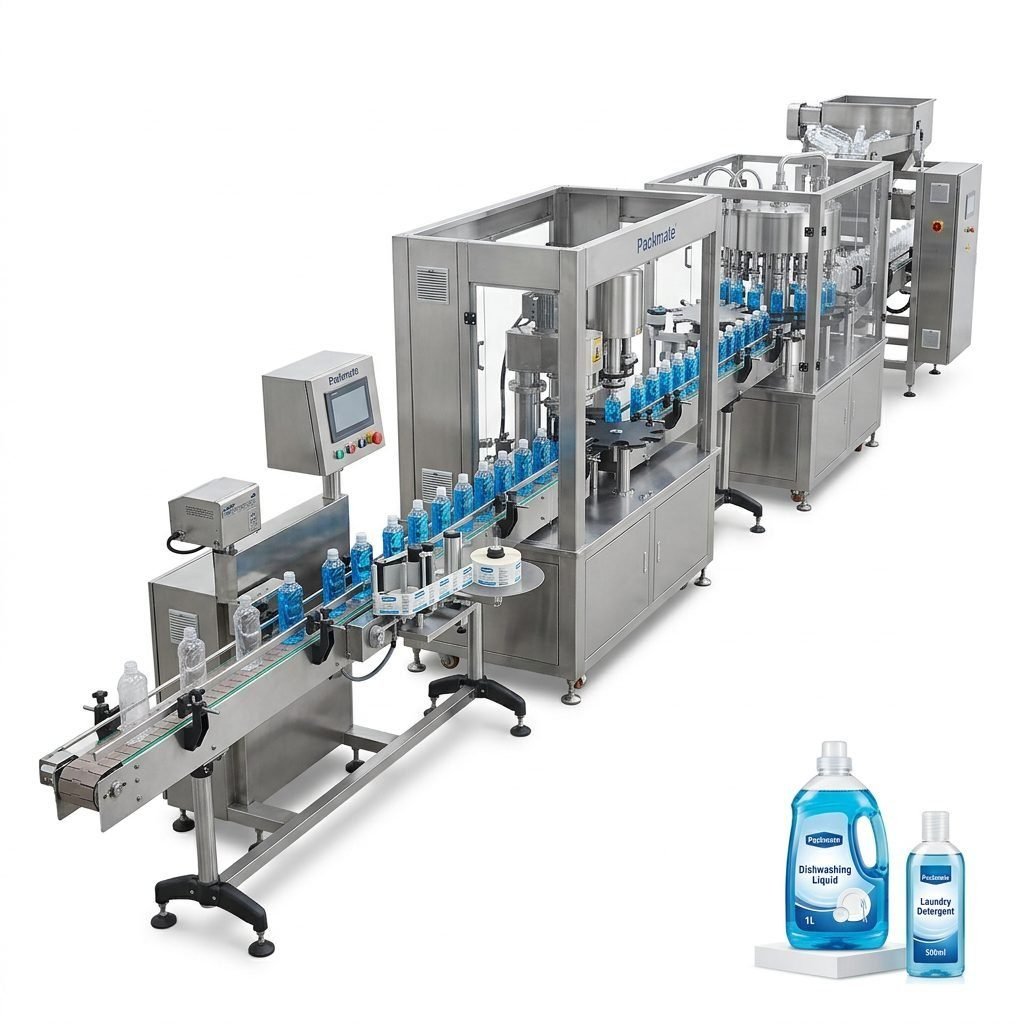
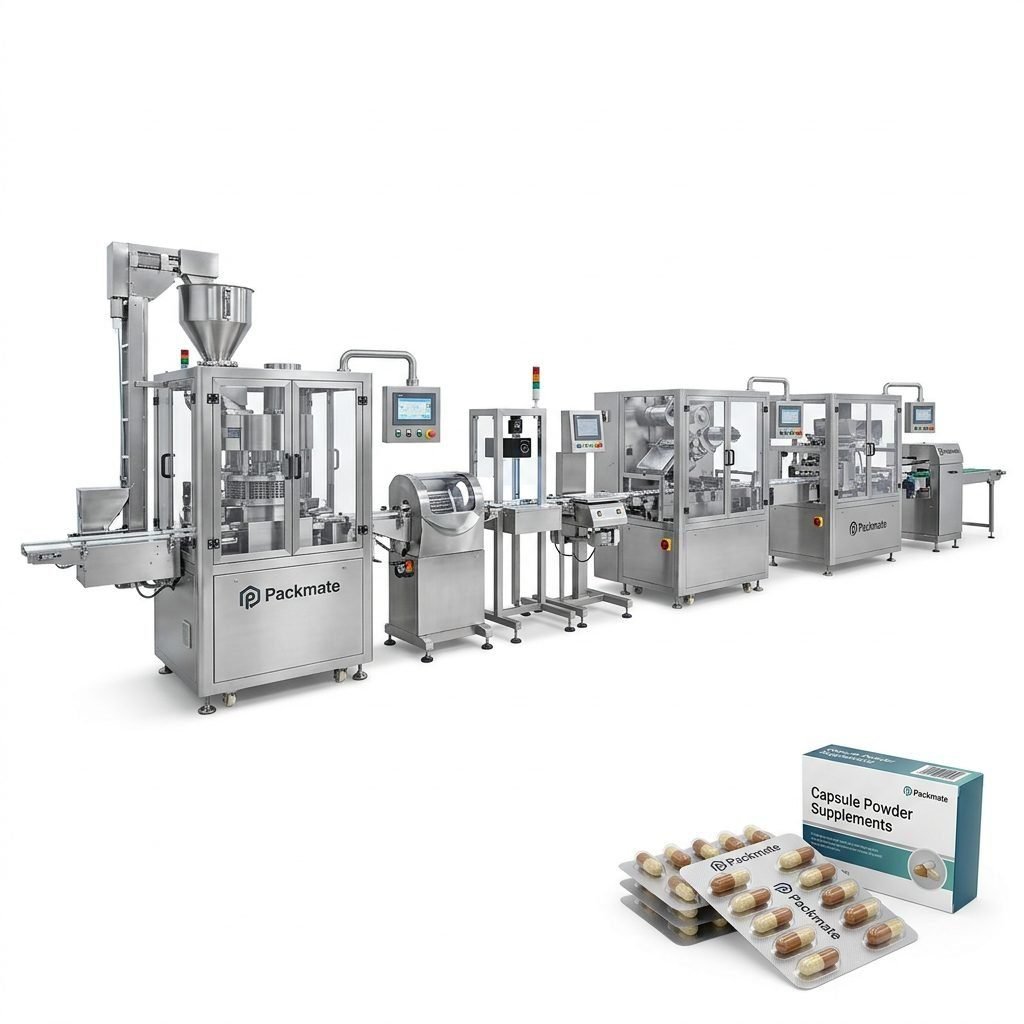
Commonly used for retail-ready packs of chicken breasts, thighs, or wings. These machines automate the process of placing chicken on a pre-formed plastic or pulp tray, applying a lidding film (often with a MAP gas flush), and heat-sealing it shut. They can be single-lane for smaller operations or multi-lane, high-speed systems for large-scale production. The result is a clean, rigid, and shelf-stable package that consumers recognize and trust. For a closer look at integrated systems, explore our Filling & Packaging Lines.
3. Flow Wrapping Machines
Also known as horizontal form-fill-seal (HFFS) machines, these are perfect for packaging individual chicken sausages, meatballs, or marinated chicken strips. The machine forms a tube from a roll of film, fills it with the product, and then creates sealed ends. It’s a highly efficient, continuous motion process ideal for uniform products at high volumes. The seals are strong, and the packaging can include attractive printed graphics.
4. Thermoforming Packaging Machines
This technology offers great versatility. It uses two rolls of film: a base film that is heated and formed into cavities (trays) directly within the machine, and a lidding film. Chicken is placed into the formed cavities, the top film is applied, and the package is sealed and cut. It allows for custom-shaped cavities, excellent presentation, and can be combined with MAP for superior freshness. It’s a premium solution for value-added chicken products.
Choosing Your Machine: A Quick Checklist
- Product Form: Whole parts, ground meat, or further processed items?
- Production Speed: What is your required output (packages per minute)?
- Packaging Material: What films, trays, or bags do you plan to use?
- Special Features: Do you need MAP, vacuum, or nitrogen flushing?
- Footprint: How much factory floor space is available?
The Multifaceted Benefits of Automation
Investing in a dedicated chicken packaging machine delivers a strong return on investment through tangible operational and commercial advantages.
Enhanced Food Safety and Shelf Life
This is the paramount benefit. Automated machines provide consistent, hermetic seals that manual packing cannot match. By reliably implementing technologies like MAP or vacuum sealing, they create an environment that severely limits the growth of spoilage and pathogenic bacteria. This directly translates to reduced product waste, fewer customer complaints, and enhanced brand protection against food safety incidents.
Substantial Increase in Productivity
Machines work faster and without fatigue. A single automated line can replace multiple manual packing stations, handling hundreds or even thousands of packages per hour. This not only boosts your overall output but also optimizes labor allocation, allowing staff to focus on quality control, machine oversight, and other value-added tasks. For businesses looking to scale, this efficiency is non-negotiable.
Superior Packaging Consistency and Brand Image
Every package leaving an automated line is identical—same seal strength, same gas mixture (if using MAP), same professional appearance. This consistency builds consumer trust. Furthermore, modern machines can handle high-quality printed films, allowing for eye-catching branding and clear nutritional labeling, making your product stand out in a crowded retail cooler. Discover a range of solutions that can enhance your brand’s presentation in our Bag & Pouch Packaging Machines section.
Reduced Material Waste and Operational Costs
Precision automation means using the exact amount of film or lidding material required per package. Advanced machines have web tension control and precise cutting mechanisms that minimize trim waste. Over time, these material savings are significant. Additionally, the extended shelf life achieved reduces costly product spoilage and allows for more flexible logistics planning.
Partnering with an Expert Manufacturer
Selecting the right machine is only half the battle. Partnering with a reputable and experienced manufacturer like Packmate Machinery ensures long-term success. With over 30 years of expertise in intelligent packaging for the food industry, Packmate offers more than just equipment. They provide complete turnkey solutions, from initial consultation and machine design to installation, training, and ongoing support. Their modern 20,000㎡ facility and commitment to innovation mean you get a reliable, technologically advanced machine built for the demands of poultry processing. Explore their full suite of packing machines to find your perfect match.
Implementing the appropriate chicken packaging technology is a strategic decision that impacts every facet of your business, from the production floor to the supermarket shelf. By understanding the different machine types and their associated benefits, you can invest in a system that maximizes efficiency, ensures product integrity, and supports the growth of your brand in a competitive marketplace.
Frequently Asked Questions (FAQs)
What is the most important factor when choosing a chicken packaging machine?
The single most critical factor is matching the machine to your specific product type and form. A machine perfect for whole chicken breasts may be inefficient for ground chicken or sausages. Clearly define your product parameters first.
Can one machine handle both fresh and frozen chicken packaging?
Many machines are versatile, but settings and sometimes components (like sealing jaws) may need adjustment. It’s essential to discuss your requirement for dual-use with the manufacturer to ensure the machine is designed to handle the different thermal and moisture conditions effectively.
How does Modified Atmosphere Packaging (MAP) extend the shelf life of chicken?
MAP replaces the oxygen-rich air inside the package with a controlled gas mix (typically high in CO2 and N2). This inhibits the growth of aerobic spoilage bacteria and slows oxidative rancidity, keeping the chicken looking fresher and safer for significantly longer than air-packed products.
What kind of maintenance do these machines require?
Regular daily cleaning and lubrication are essential for hygiene and performance. Periodic maintenance includes checking and replacing sealing elements, cleaning filters (on vacuum or MAP systems), and verifying gas flush accuracy. A good supplier will provide a detailed maintenance schedule and training.
Is it worth investing in a fully automated line for a medium-sized business?
Absolutely. The ROI isn’t just about speed. The consistency in food safety, reduction in waste, labor savings, and improved brand image often justify the investment. Many manufacturers offer scalable solutions that can grow with your business, making automation accessible and profitable for medium-scale operations.