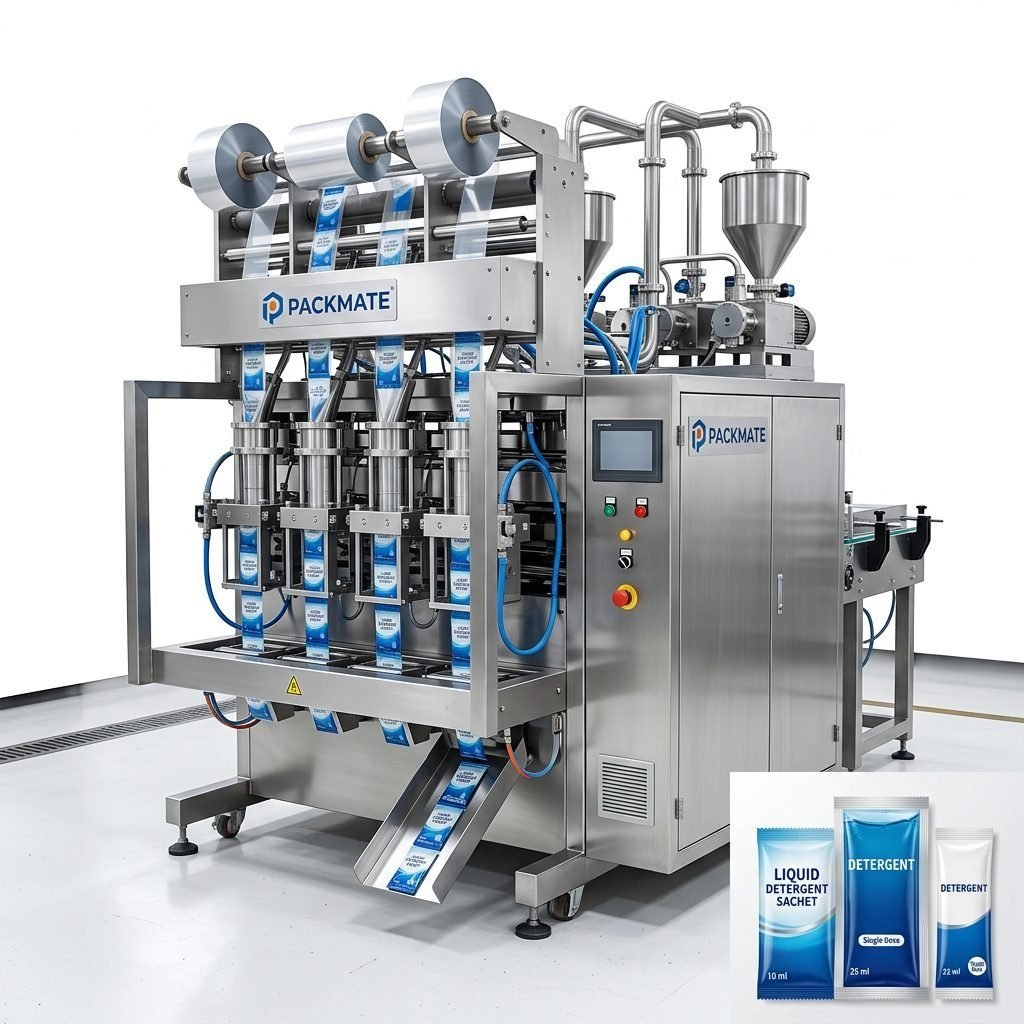
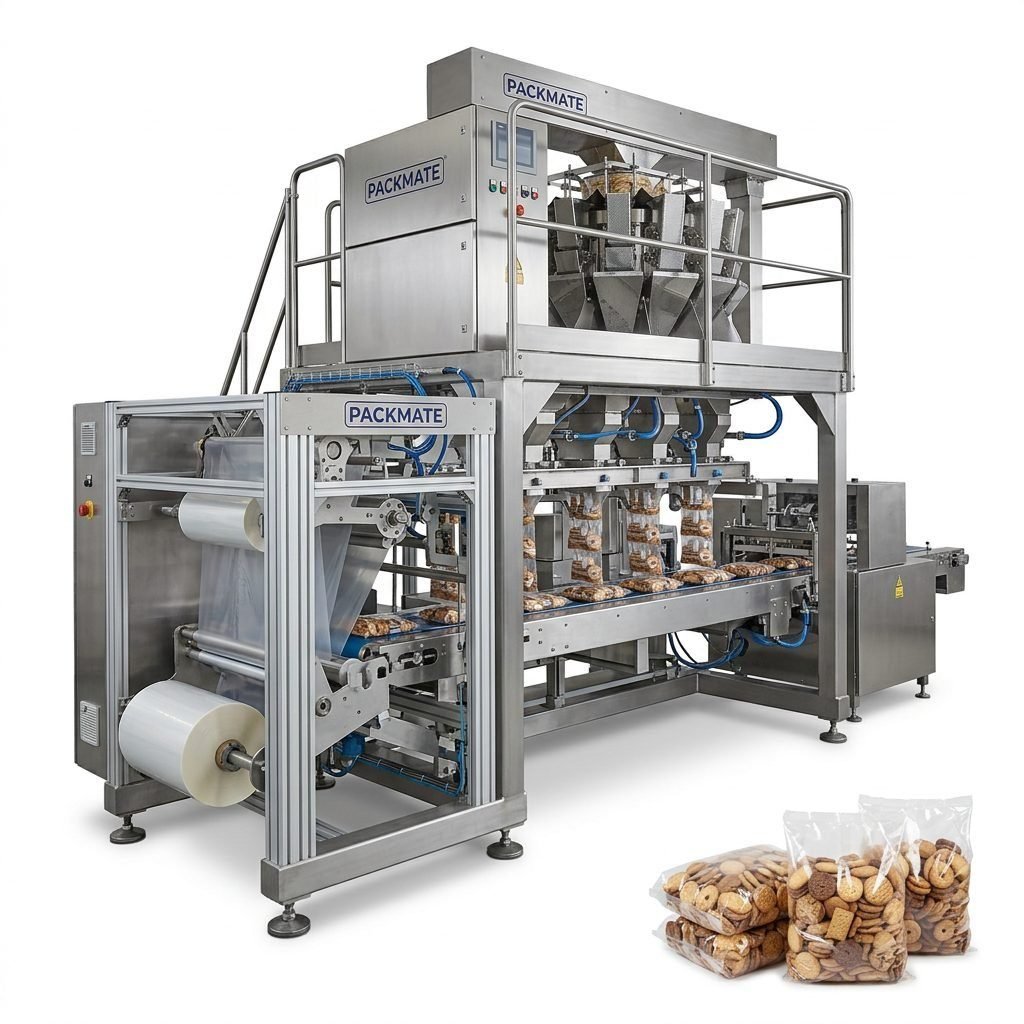
In today’s fast-paced manufacturing landscape, achieving efficient production is paramount. The right packaging machinery systems are not just tools; they are the backbone of a streamlined, cost-effective, and high-quality output line. This ultimate guide delves into the core components, selection criteria, and integration strategies for building a packaging system that drives productivity and protects your bottom line.
Understanding Packaging Machinery Systems
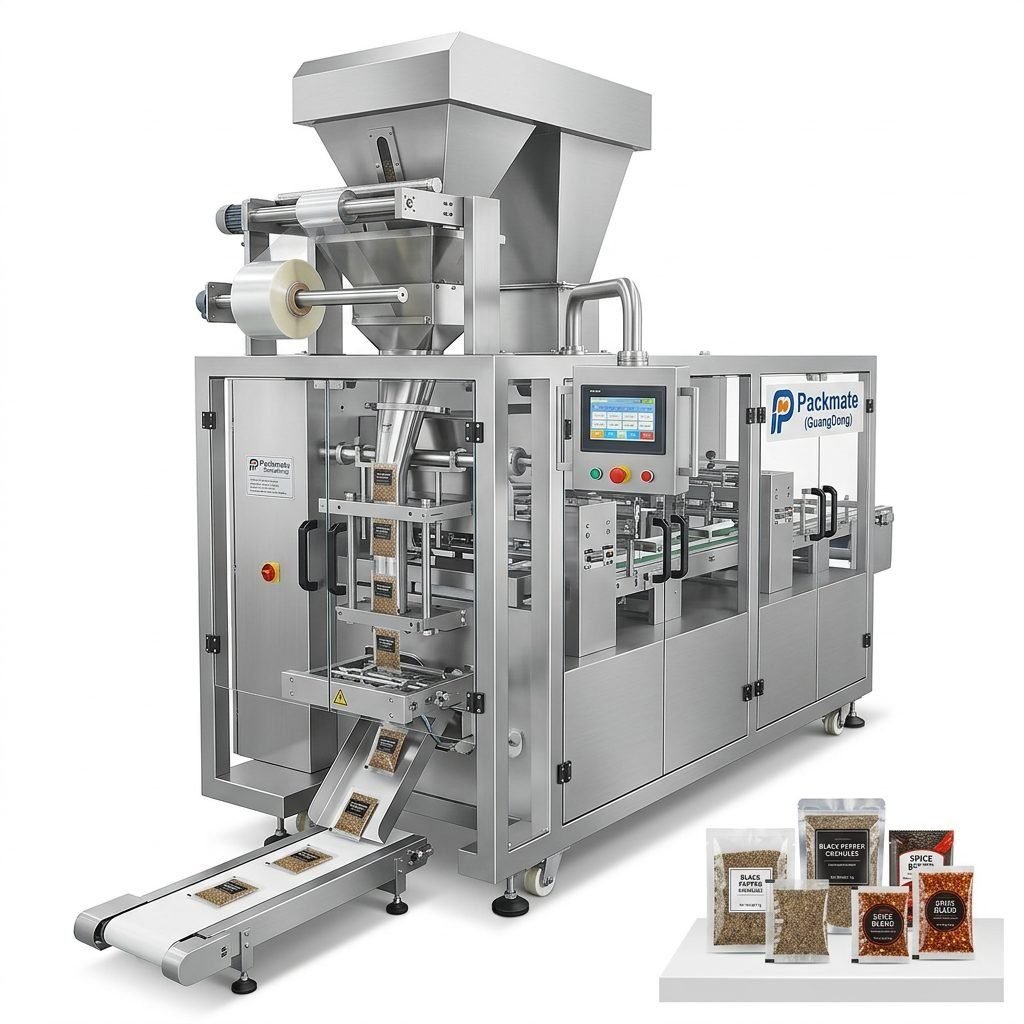
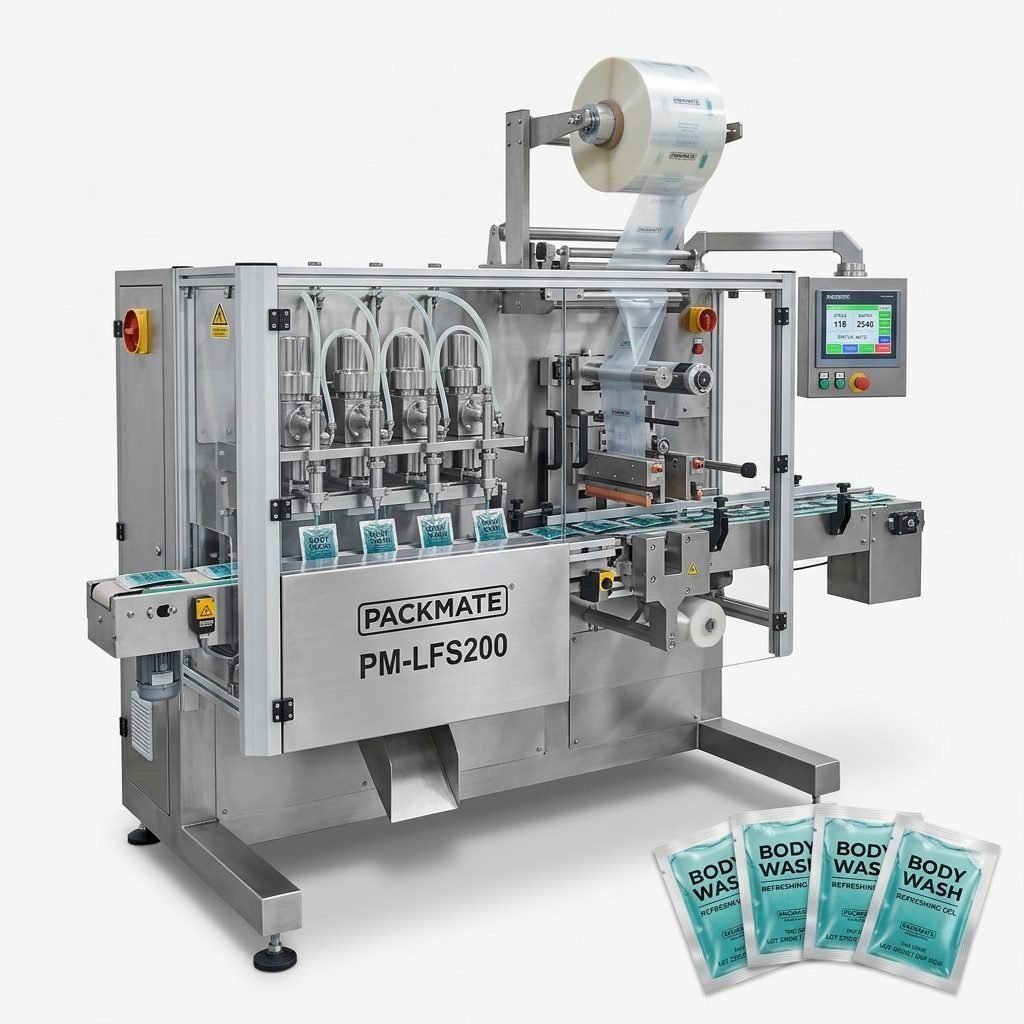
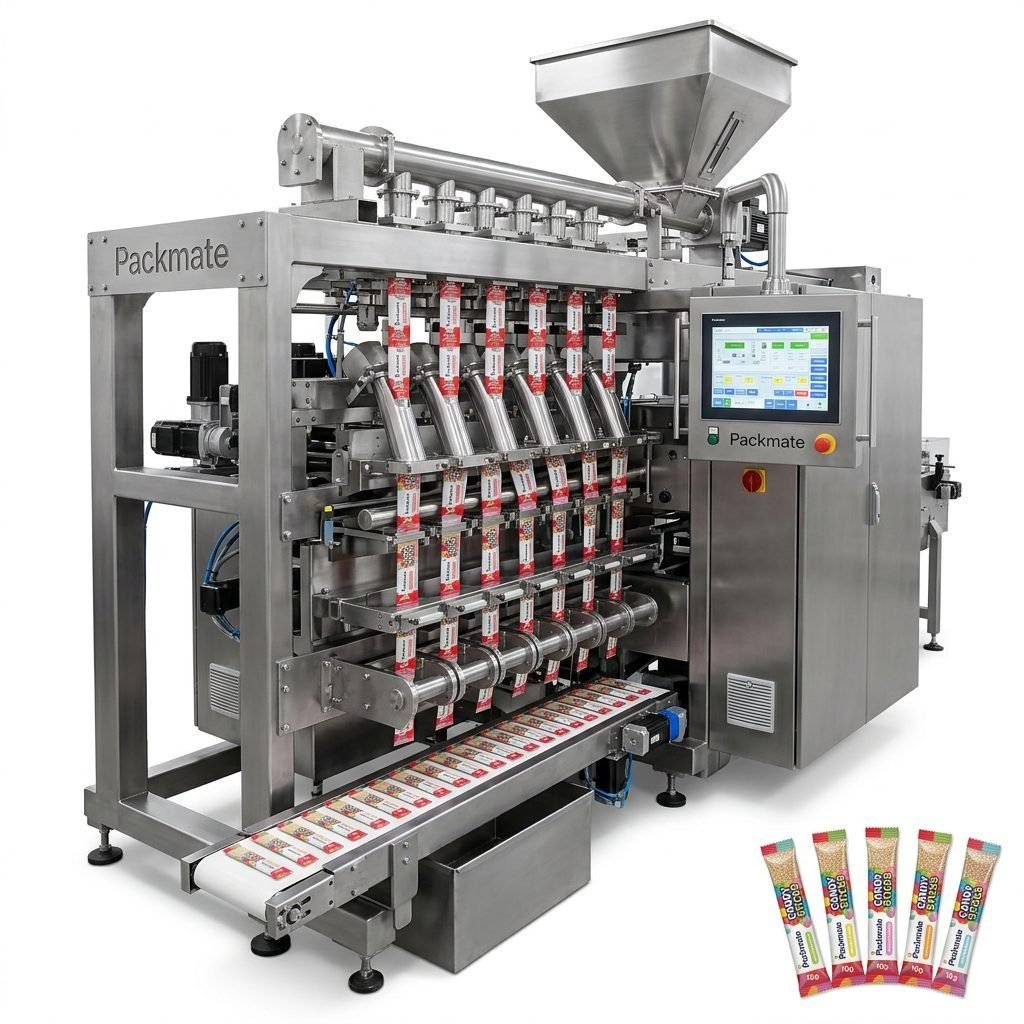
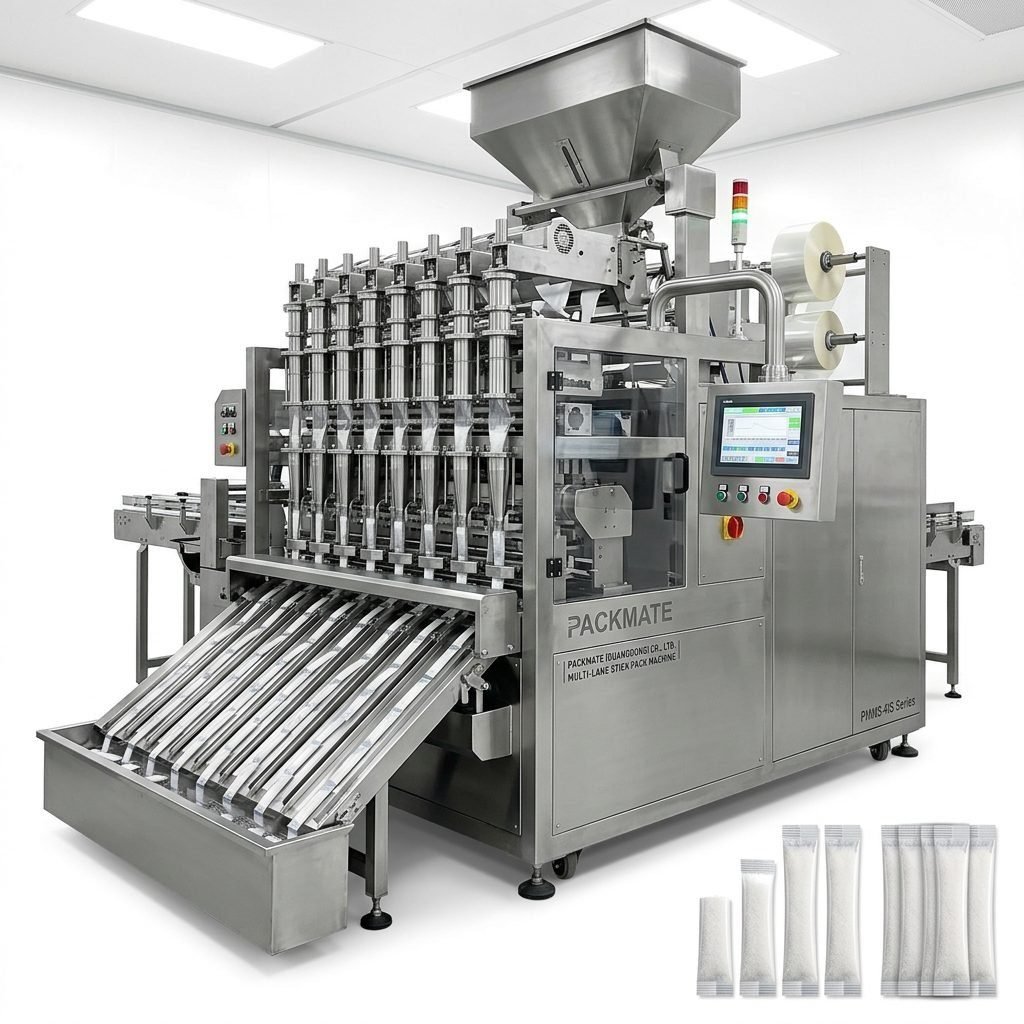
A packaging machinery system is an integrated set of automated equipment designed to perform a sequence of operations—from product handling and filling to sealing, labeling, and cartoning. Unlike standalone machines, a cohesive system ensures a seamless flow, minimizing manual intervention, reducing errors, and maximizing throughput. For businesses like Packmate Machinery, with over 30 years of expertise, the focus is on creating intelligent, turnkey solutions that cater specifically to industries handling granules, powders, and liquids.
Key System Components
An efficient system typically integrates several key machines:
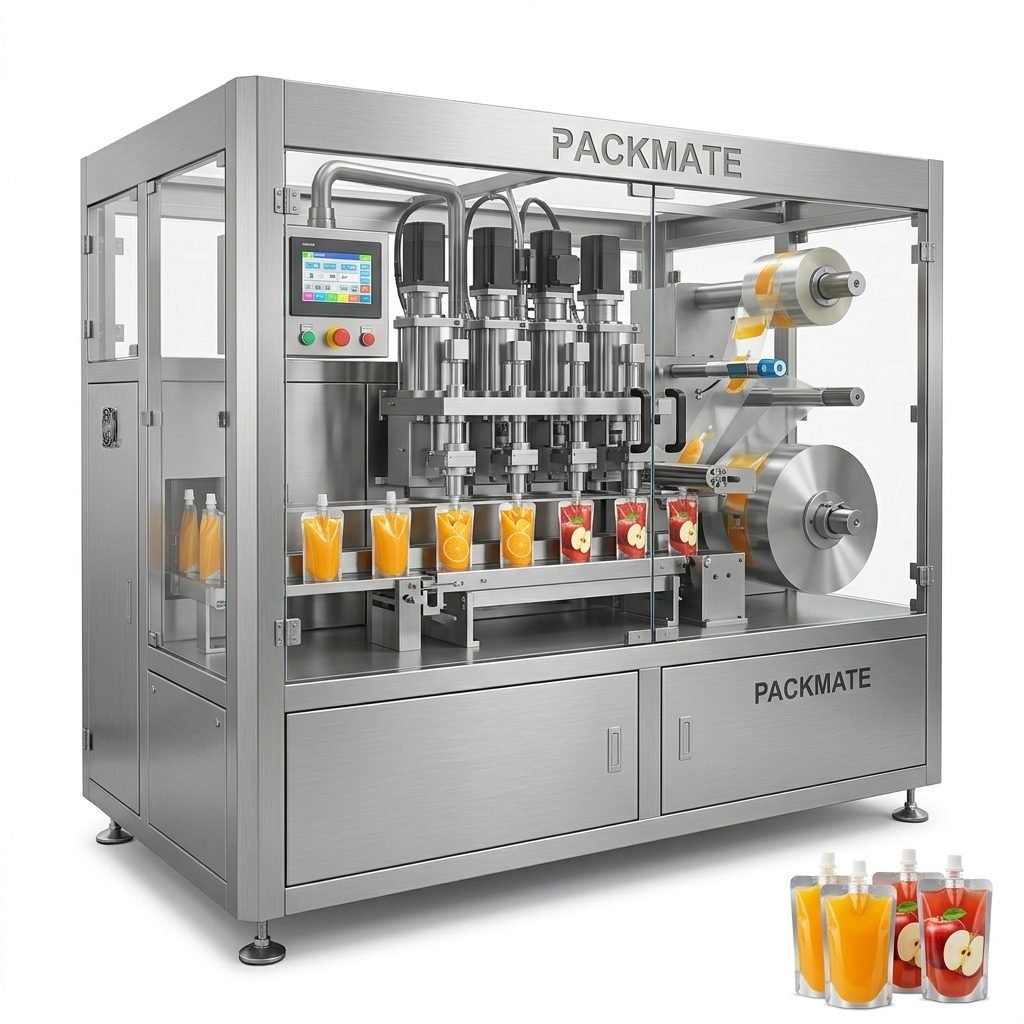
- Filling Machines: Precisely dispense product into pouches, sticks, or bottles.
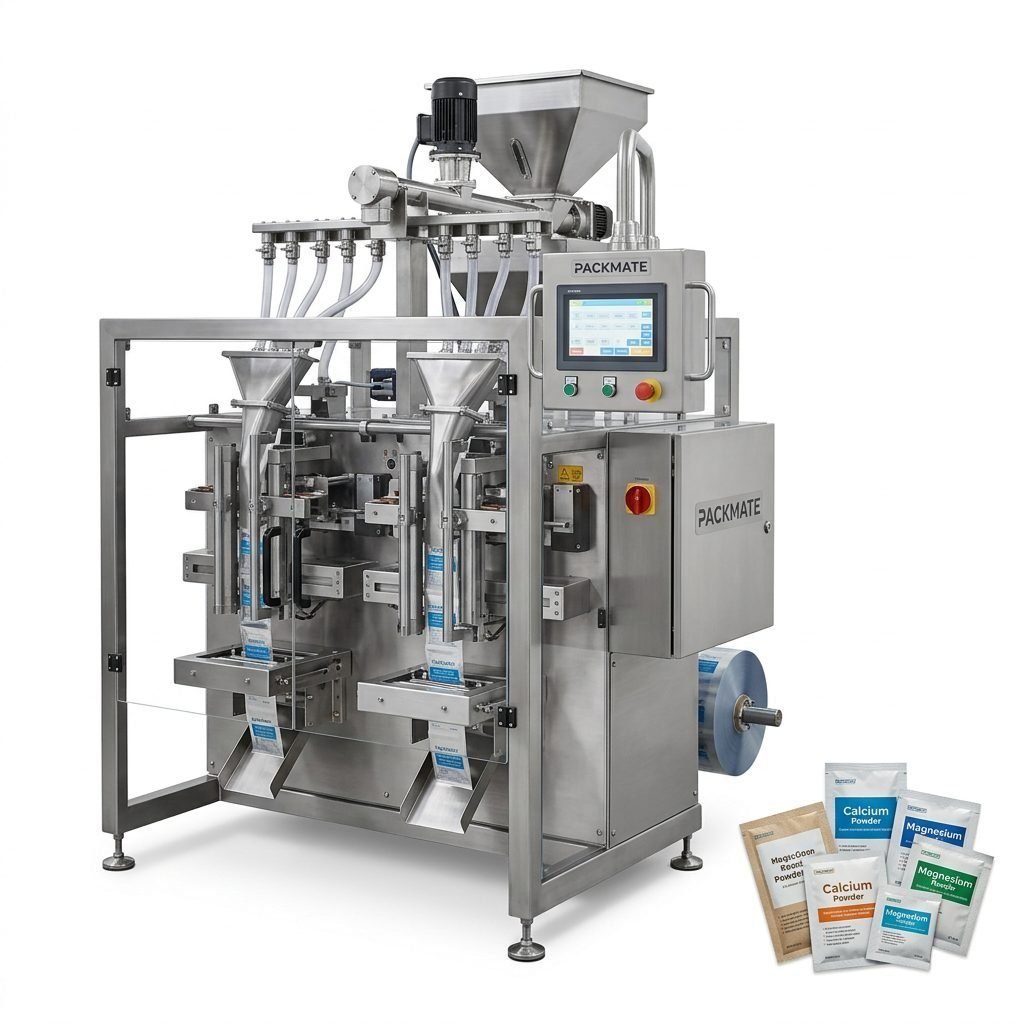
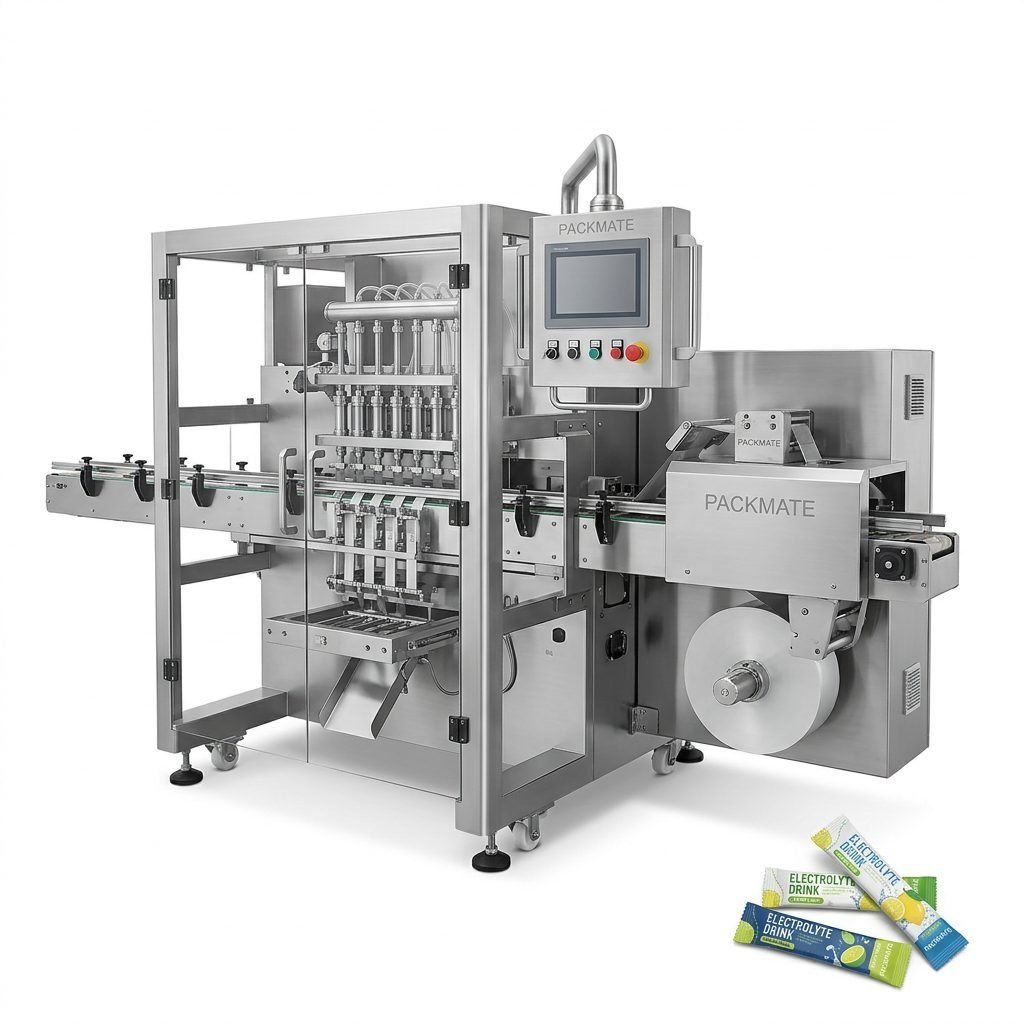
- Form-Fill-Seal (FFS) Machines: Create the package from a roll of film, fill it, and seal it in one continuous operation. Explore options like sachet and stick pack machines.
- Weighing & Dosing Systems: Ensure absolute accuracy in product weight, crucial for compliance and cost control.
- Labeling & Coding Equipment: Apply necessary labels, batch codes, and expiry dates.
- Cartoning & Case Packing: Automatically place filled bags or bottles into cartons or cases for shipping.
Selecting the Right System for Your Needs
Choosing a system is a strategic decision. The goal is to match machinery capabilities with your specific production requirements.
1. Analyze Your Product & Output
Start with a thorough analysis of your product’s physical characteristics (e.g., viscosity, abrasiveness) and your required production speed (packs per minute). A system designed for pharmaceutical powders will differ vastly from one for snack granules.
2. Prioritize Flexibility & Scalability
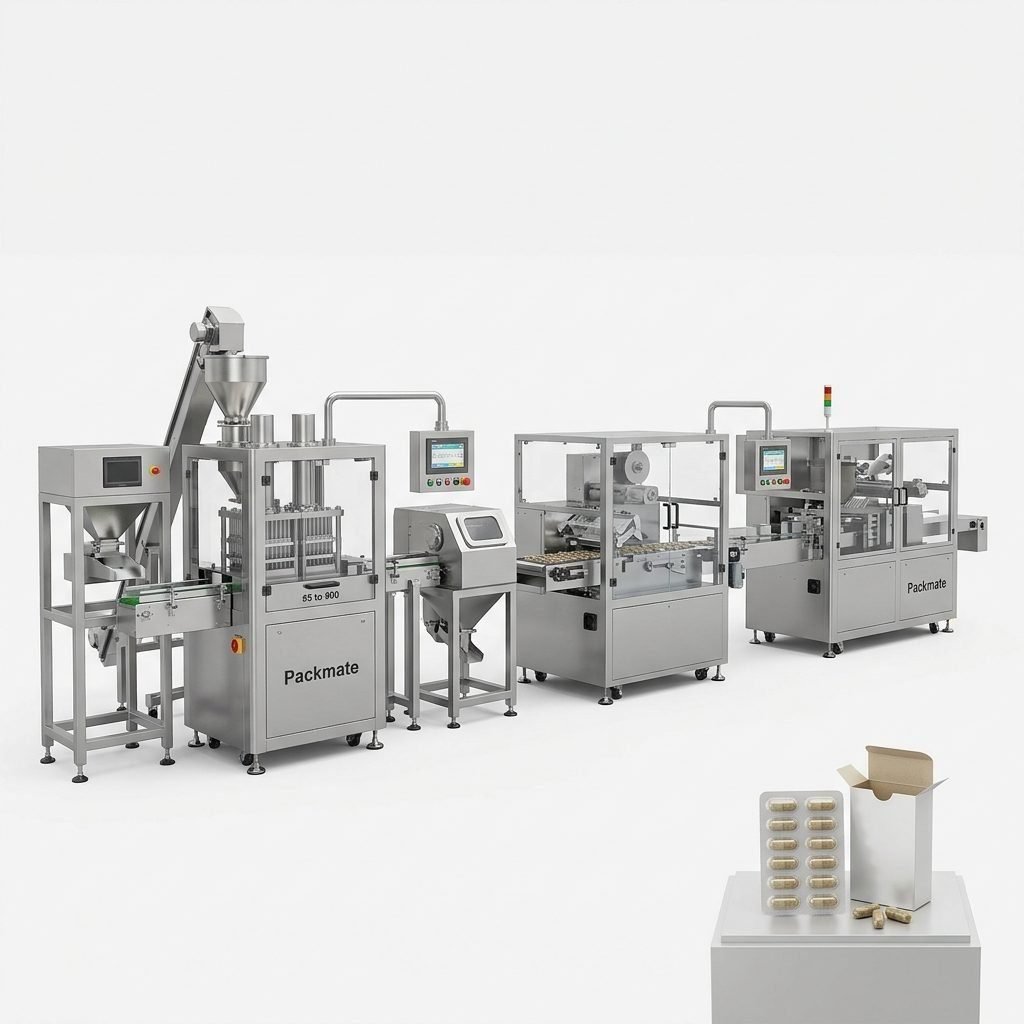
Market demands change. Opt for machinery that offers quick changeover between package sizes or formats. Modular systems, like many offered in complete filling and packaging lines, allow you to start with a core setup and add modules (like checkweighers or metal detectors) as your business grows.
3. Emphasize Ease of Use & Maintenance
Complex machinery can become a bottleneck if operators struggle with it. Look for systems with intuitive human-machine interfaces (HMIs) and accessible service points. Reliable manufacturers provide comprehensive training and support, ensuring your team can operate and maintain the system effectively.
The Integration Advantage: Beyond Single Machines
While individual machines boost efficiency, the true power lies in system integration. An integrated line controlled by a central PLC (Programmable Logic Controller) synchronizes all components. This eliminates gaps and jams, optimizes speed matching, and provides unified data monitoring for Overall Equipment Effectiveness (OEE). Investing in a weighing and packaging system from a provider with integration expertise ensures all parts work in harmony, delivering the promised efficiency gains.
Driving Efficiency: Key Performance Metrics
To measure the success of your packaging machinery system, track these critical metrics:
- Overall Equipment Effectiveness (OEE): The gold standard, combining availability, performance, and quality rates.
- Changeover Time: The time lost when switching between different products or package sizes. Efficient systems minimize this.
- Yield & Waste Rate: Measures material usage efficiency. High-precision filling and sealing directly reduce product giveaway and material waste.
- Mean Time Between Failures (MTBF): Indicates system reliability. Choosing robust machinery from established manufacturers with a proven company history is crucial for high MTBF.
Future-Proofing Your Investment
The packaging industry is evolving with trends like sustainability, smart manufacturing (Industry 4.0), and e-commerce fulfillment. Future-proof your system by considering:
Connectivity & Data Analytics: Machines that can output performance data enable predictive maintenance and process optimization.
Material Versatility: Can the system handle mono-material or recyclable films that are becoming industry standards?
Adaptable Design: Can the line be easily reconfigured for new package shapes or to include additional inspection systems?
Conclusion
Investing in the right packaging machinery system is a decisive step toward achieving efficient production. It requires careful planning around your product, desired output, and future goals. By focusing on integration, flexibility, and key performance metrics, you can select a system that not only speeds up your line today but also adapts to the challenges of tomorrow. Partnering with an experienced provider ensures you get a tailored, reliable solution that becomes a cornerstone of your operational success.
Frequently Asked Questions (FAQs)
1. What is the main benefit of an integrated packaging line over separate machines?
The main benefit is seamless synchronization and higher overall efficiency. An integrated line eliminates transfer bottlenecks, ensures consistent speed across all stations, reduces manual handling, and provides centralized control and data collection, leading to a significant boost in throughput and lower operational costs.
2. How do I determine the right speed (packages per minute) for my packaging machinery system?
Calculate based on your current and projected annual production volume, factoring in required shifts and reasonable uptime (OEE). It’s often advisable to choose a system with a 15-20% higher capacity than your immediate need to accommodate future growth without requiring another major capital investment.
3. What are the most critical factors for maintaining packaging machinery efficiency?
The most critical factors are regular preventive maintenance (following the manufacturer’s schedule), proper operator training to avoid misuse, and keeping an adequate inventory of common wear parts (like sealing jaws or pump gaskets) to minimize downtime during replacements.
4. Can one packaging system handle different types of products (e.g., powders and liquids)?
While some systems are highly specialized, many are designed with modularity and changeover in mind. By switching out specific components like filling pumps, augers, or film forming tools, a single line can often be adapted for different product types within a similar viscosity range, offering great flexibility for manufacturers with diverse product portfolios.
5. How important is after-sales service and technical support when purchasing a system?
Extremely important. The quality of after-sales support is as crucial as the machine itself. Look for providers who offer comprehensive training, readily available spare parts, and responsive technical support—either remotely or on-site. This support is vital for minimizing downtime, ensuring long-term machine health, and protecting your investment.