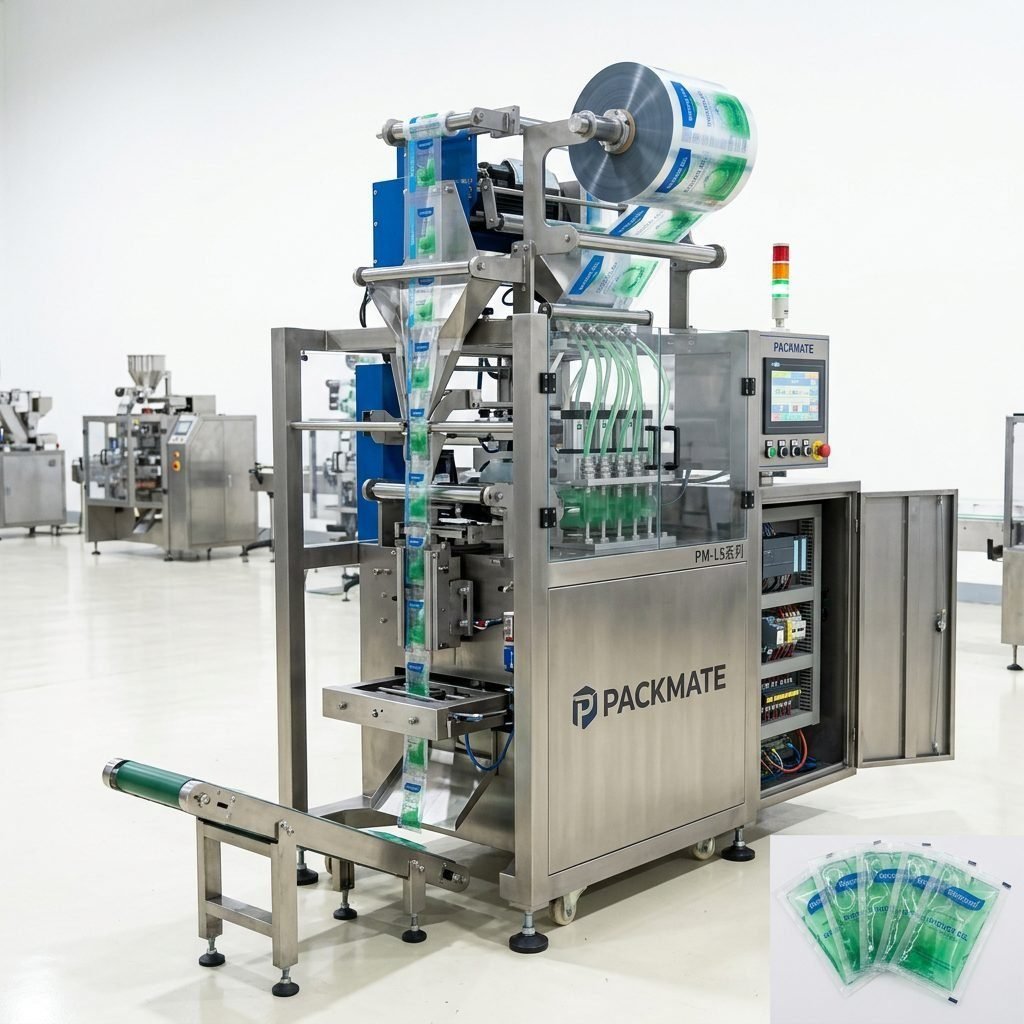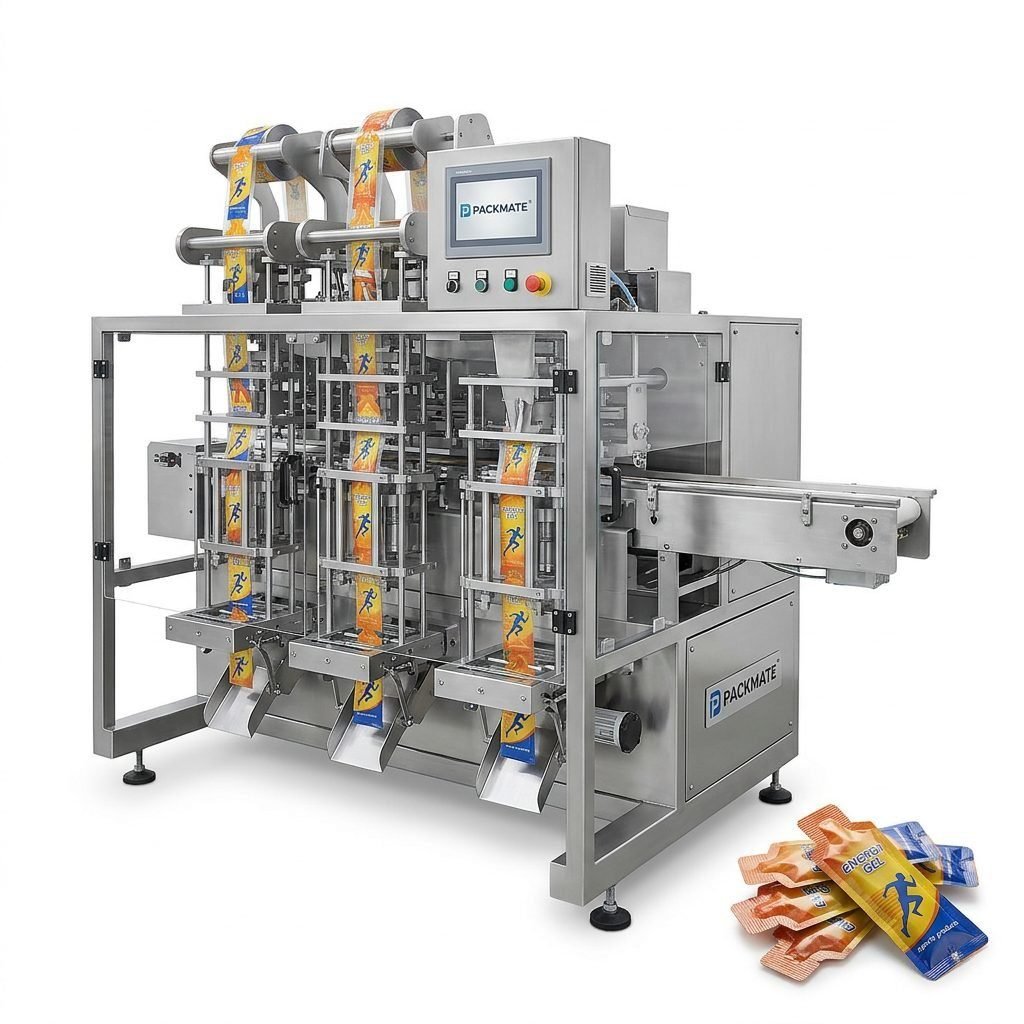
In the fast-paced world of food business, efficiency is not just a goal—it’s a necessity for survival and growth. Among the many factors that contribute to operational efficiency, packaging stands out as a critical, yet often overlooked, component. Specifically, the machinery used for packaging items like sandwiches can dramatically impact your production speed, product quality, and ultimately, your bottom line. Investing in the best sandwich packaging machines is a strategic decision that directly translates to enhanced food business efficiency, ensuring your products are protected, presented appealingly, and delivered to customers with consistency.
Why Packaging Automation is a Game-Changer
The manual packaging of sandwiches is a labor-intensive process prone to inconsistencies, slower output, and higher risks of contamination. Modern packaging machines automate this crucial step, bringing a host of benefits. First and foremost, they significantly increase your production throughput. A reliable machine can package hundreds, even thousands, of units per hour with unwavering precision, a feat impossible to achieve manually. This scalability is vital for meeting sudden spikes in demand, catering to large orders, or expanding your market reach without proportionally increasing your labor costs.
Beyond speed, automation ensures superior hygiene and product integrity. These machines are designed with food-grade materials and often feature enclosed systems that minimize human contact with the product. This is paramount for complying with stringent food safety regulations like HACCP and maintaining consumer trust. Furthermore, automated systems provide consistent seal quality every time, protecting sandwiches from moisture loss, staleness, and physical damage during transport and display.
Key Features to Look for in a Sandwich Packaging Machine
Not all packaging machines are created equal. To truly boost efficiency, your investment must align with your specific product and operational needs. Here are the essential features to consider:
Versatility in Packaging Formats: Your business might start with a standard sandwich wrap, but growth often demands diversification. Look for machines capable of handling various formats, from simple flow wraps for individual sandwiches to more complex bag and pouch packaging for meal deals or family packs. This flexibility prevents the need for multiple, single-purpose machines.
Precision and Reliability: The core function of the machine is to create a perfect seal. Inconsistent sealing leads to food waste and customer complaints. High-quality machines from experienced manufacturers offer precise temperature control, consistent pressure application, and durable sealing jaws. Reliability means less downtime for maintenance and repairs, ensuring your production line keeps moving.
User-Friendly Operation and Changeover: Efficiency is lost if it takes an operator hours to switch between different sandwich sizes or packaging materials. Machines with quick-change features, intuitive touchscreen controls, and easy-access parts drastically reduce changeover time, allowing for smaller, more frequent production runs without sacrificing productivity.
Integration Capabilities: The most efficient packaging operation is a connected one. Your packaging machine should seamlessly integrate with upstream processes like sandwich assembly and slicing, and downstream processes like labeling and cartoning. This creates a smooth, continuous production flow, eliminating bottlenecks.
The Impact on Overall Business Efficiency
The right sandwich packaging machine does more than just wrap food; it optimizes your entire operation. By automating a repetitive task, you free up skilled staff to focus on quality control, recipe development, or customer service. The reduction in material waste—from imprecise cutting and failed seals—lowers your cost of goods sold. Consistent, professional packaging enhances your brand’s image on the shelf, potentially allowing for a premium price point. In essence, it transforms packaging from a cost center into a value-adding, profit-driving component of your business.
Choosing the Right Partner: Beyond the Machine
Selecting the best equipment is only half the battle. Partnering with the right manufacturer is crucial for long-term efficiency. A partner like Packmate Machinery brings over 30 years of expertise in creating intelligent packaging solutions. With a modern 20,000㎡ facility and a development history rooted in solving practical automation challenges since 1993, they understand the needs of food businesses. Their commitment extends beyond selling a machine; they offer complete turnkey solutions, including installation, training, and ongoing technical support. This ensures your investment delivers maximum uptime and efficiency from day one and throughout the machine’s lifecycle.
Conclusion: A Strategic Investment for Growth
In the competitive food industry, efficiency gains are cumulative and compound over time. A best-in-class sandwich packaging machine is a strategic capital investment that pays dividends through increased output, reduced labor and waste costs, improved product quality, and stronger brand perception. By carefully evaluating your needs and partnering with a reputable manufacturer that offers robust, versatile, and reliable equipment, you equip your business not just to meet current demands, but to scale efficiently for future success.
Frequently Asked Questions (FAQs)
1. What type of packaging machine is best for pre-made sandwiches?
For most pre-made sandwiches, horizontal flow wrap machines are ideal. They efficiently wrap items in a single piece of film, creating a tight, secure seal that is excellent for freshness and visibility. For deli-style sandwiches or larger products, vertical form-fill-seal (VFFS) machines creating bags or pouches might be more suitable.
2. How can a packaging machine improve my food safety compliance?
Automated packaging minimizes direct human handling, a key source of contamination. Machines with stainless-steel food-contact surfaces are easy to clean and sanitize. Many models can be integrated into HACCP plans by providing consistent, verifiable seal integrity, which is critical for preventing spoilage and ensuring shelf life.
3. Are these machines difficult to operate and maintain?
Modern machines are designed with operator-friendliness in mind, featuring intuitive PLC touchscreens. Reputable suppliers like Packmate provide comprehensive training. Maintenance difficulty varies, but choosing a manufacturer with a strong global service network and readily available spare parts, as seen with their dedicated service team, ensures minimal downtime.
4. Can one machine handle different sandwich sizes and wrapping materials?
Yes, many advanced models are built for versatility. Look for features like tool-less changeover systems, adjustable forming boxes, and programmable recipes. This allows you to quickly switch between, for example, a standard sandwich and a panini using different film types, maximizing line flexibility.
5. What is the typical ROI (Return on Investment) for such equipment?
ROI depends on your current labor costs, production volume, and waste levels. Typically, businesses see a return within 12-24 months through labor savings, increased output, and reduced packaging material waste. The investment also brings intangible benefits like improved brand consistency and the capacity to secure larger contracts.