In the fast-paced world of modern manufacturing and distribution, efficient and reliable packaging is a cornerstone of success. Spee Dee packaging machinery represents a critical category of equipment designed to meet the high-volume, high-speed demands of various industries. This comprehensive guide delves into the types, primary uses, and essential factors to consider when purchasing this machinery, providing a roadmap for businesses looking to optimize their packaging operations.
Understanding Spee Dee Packaging Machinery
The term “Spee Dee” in packaging machinery typically refers to equipment engineered for high-speed and high-efficiency operations. These machines are built to handle large production volumes with minimal downtime, ensuring a rapid and consistent output. The core principle is to automate the packaging process to achieve speeds that manual or semi-automatic systems cannot match, thereby increasing throughput and reducing labor costs per unit.
Industries that rely on just-in-time delivery, mass consumer goods, or products with high seasonal demand find immense value in Spee Dee systems. The machinery integrates various functions—from feeding and filling to sealing and coding—into a seamless, continuous flow. This integration is key to achieving the “speed” and “dee” (a colloquial industry reference to depth of functionality or efficiency) that defines this equipment class.
Core Technologies Behind the Speed
Several technological advancements enable the high performance of Spee Dee packaging machines. Servo-driven systems have largely replaced mechanical cam and gear systems, offering precise motion control, flexibility in package size changes, and smoother, quieter operation. Advanced PLC (Programmable Logic Controller) interfaces allow for easy setup, recipe storage, and monitoring of production data. Furthermore, integrated vision inspection systems and checkweighers ensure quality control at high speeds, rejecting defective packages without stopping the production line.
Primary Types of Spee Dee Packaging Machines
The specific type of Spee Dee machine required depends heavily on the product form and the desired package style. Here is a breakdown of the most common categories.
1. Vertical Form-Fill-Seal (VFFS) Machines
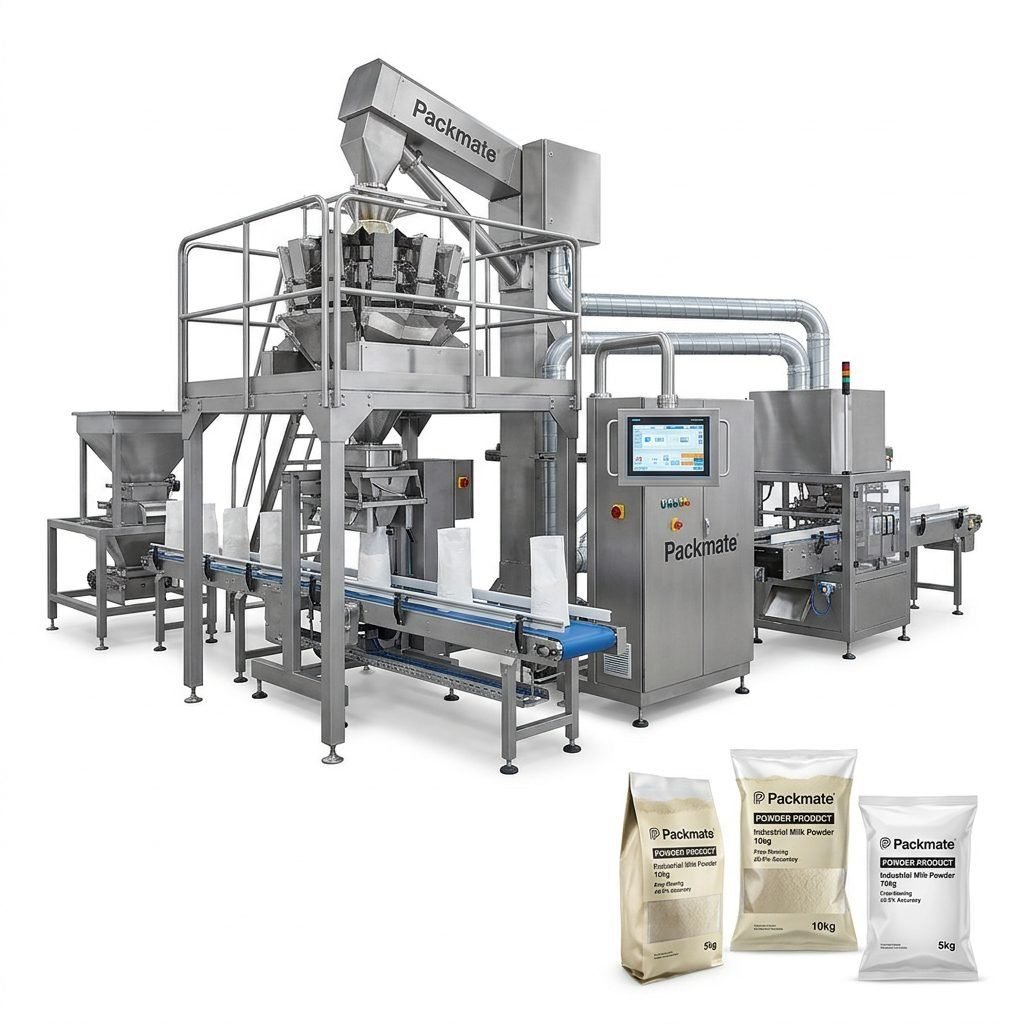
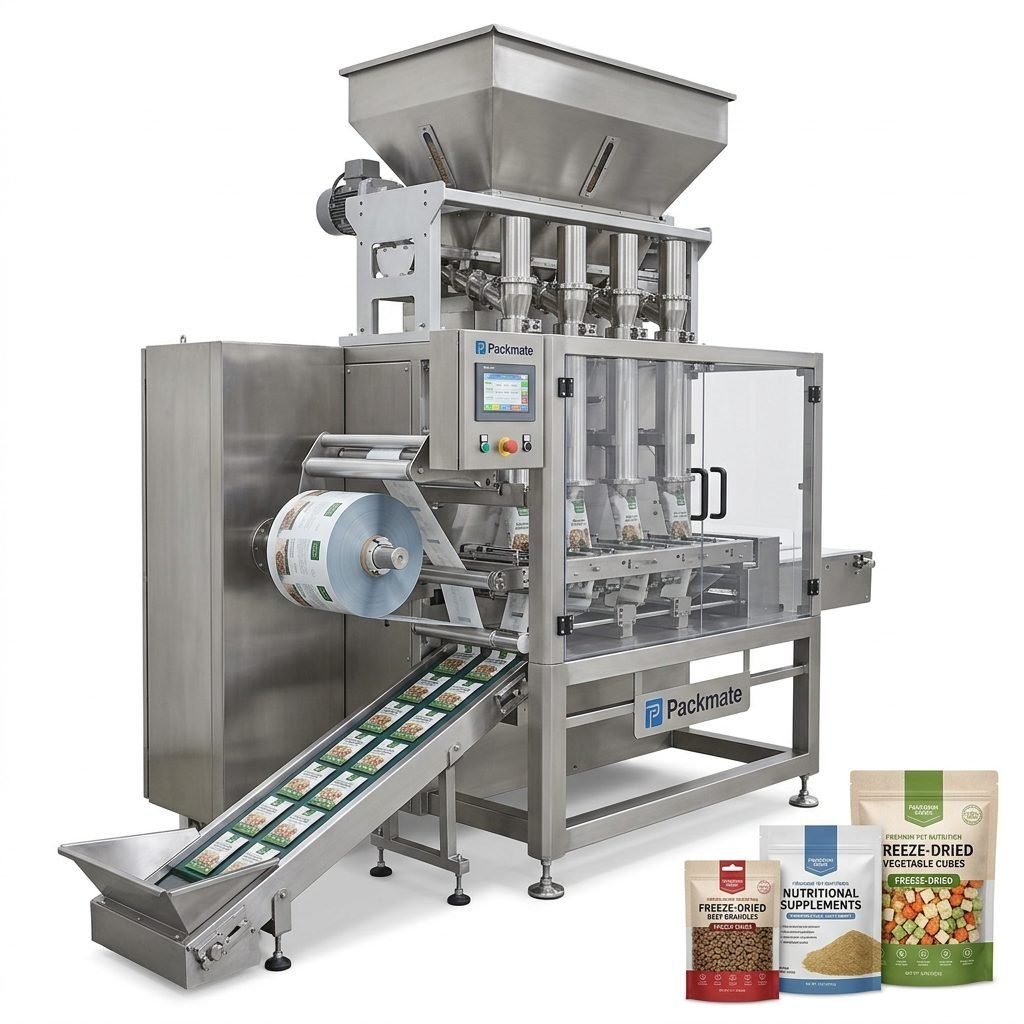
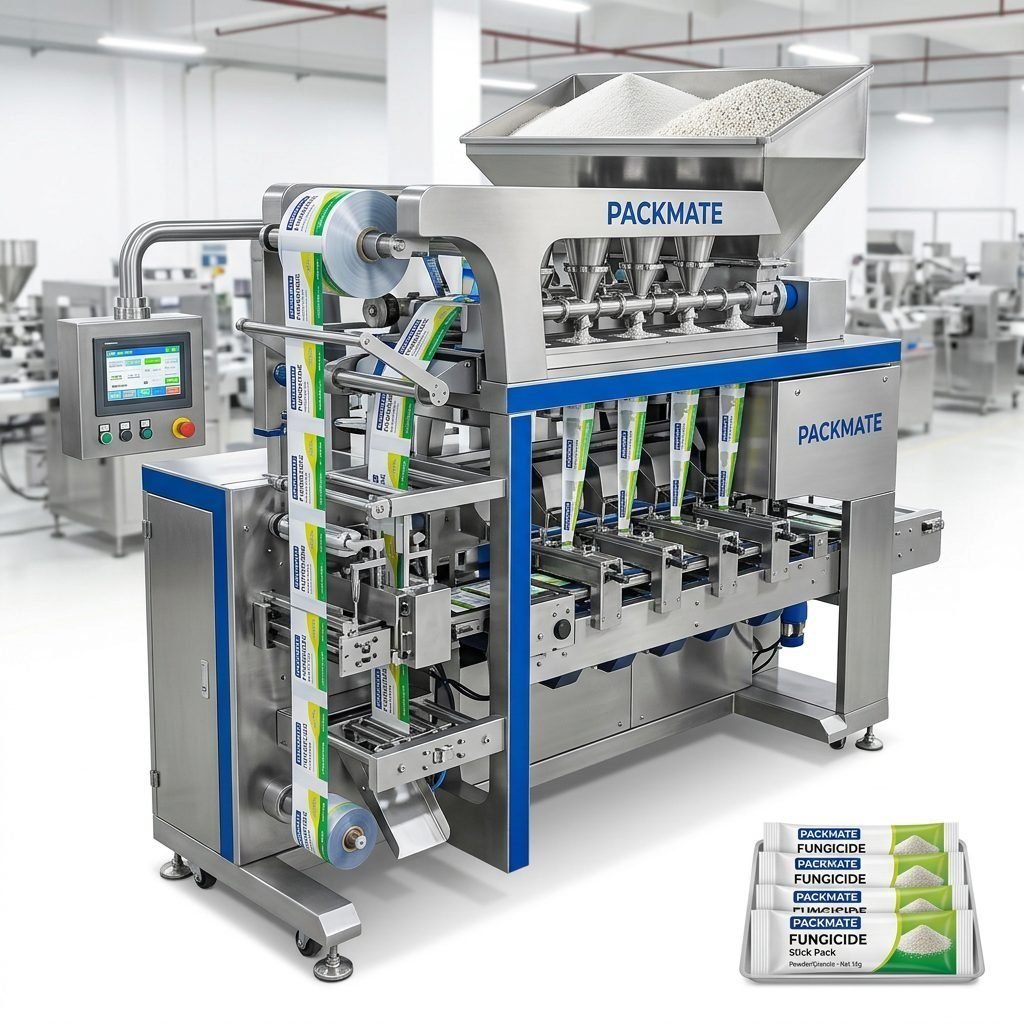
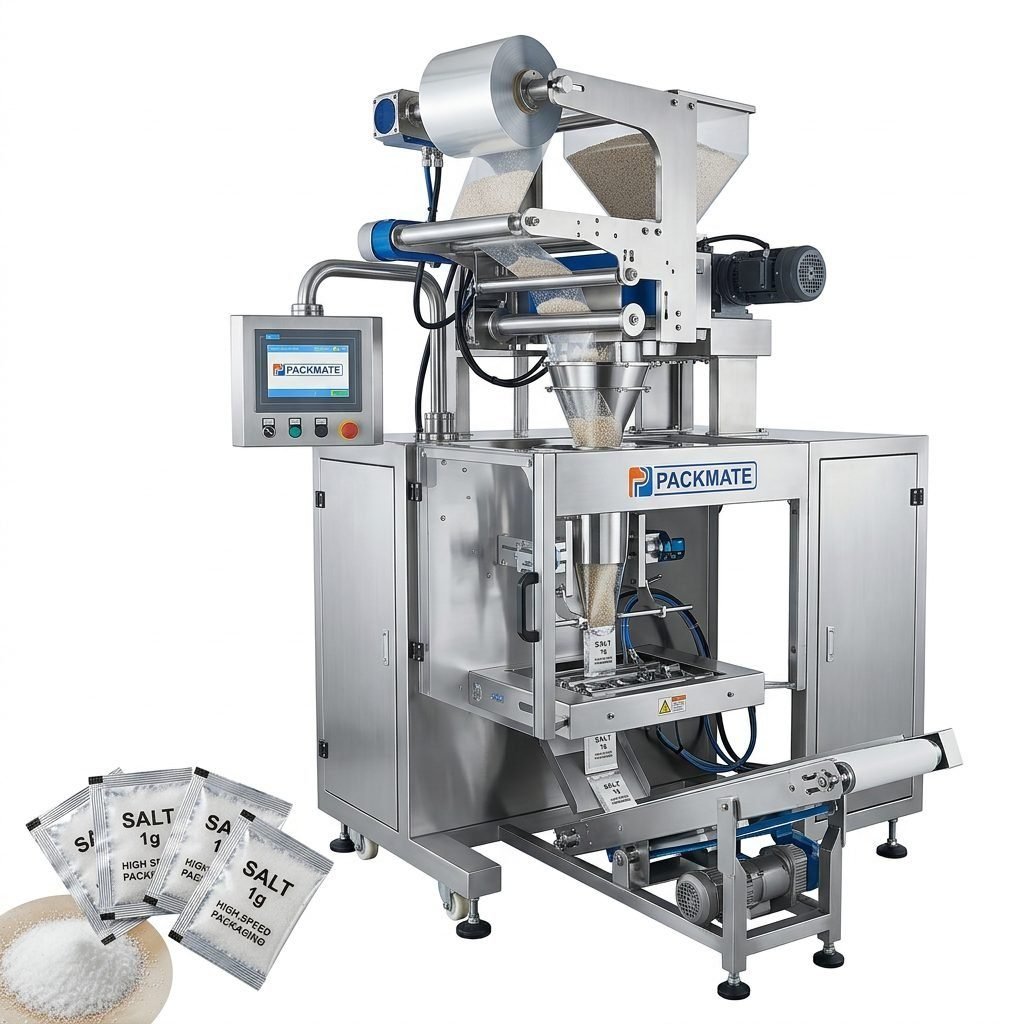
These are among the most versatile and widely used high-speed packagers. A VFFS machine forms a tube from a roll of flat packaging film, fills it with a measured amount of product, and then seals and cuts it to create individual pouches or bags. They are exceptionally fast and ideal for granules, powders, snacks, and liquids. Modern Spee Dee VFFS machines can produce hundreds of bags per minute. For businesses looking into advanced bag and pouch solutions, exploring dedicated Bag & Pouch Packaging Machines can provide specialized options.
2. Horizontal Form-Fill-Seal (HFFS) Machines
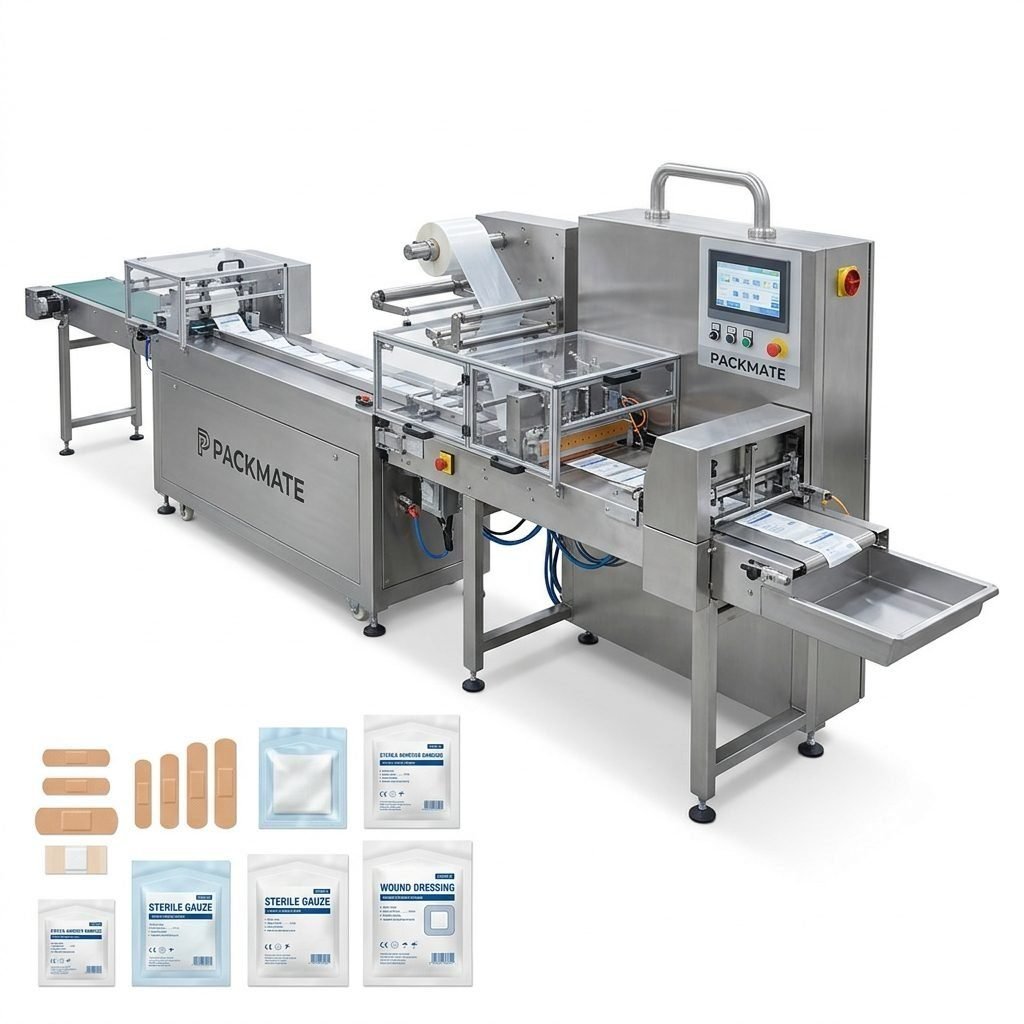
In an HFFS system, the product is placed on a horizontal web of film, which is then wrapped around it and sealed. This type is predominantly used for solid items like candy bars, biscuits, or medical devices. Spee Dee HFFS machines excel at creating neat, secure wraps at very high speeds and are often used for flow-wrapping applications.
3. Stick Pack and Sachet Packaging Machines
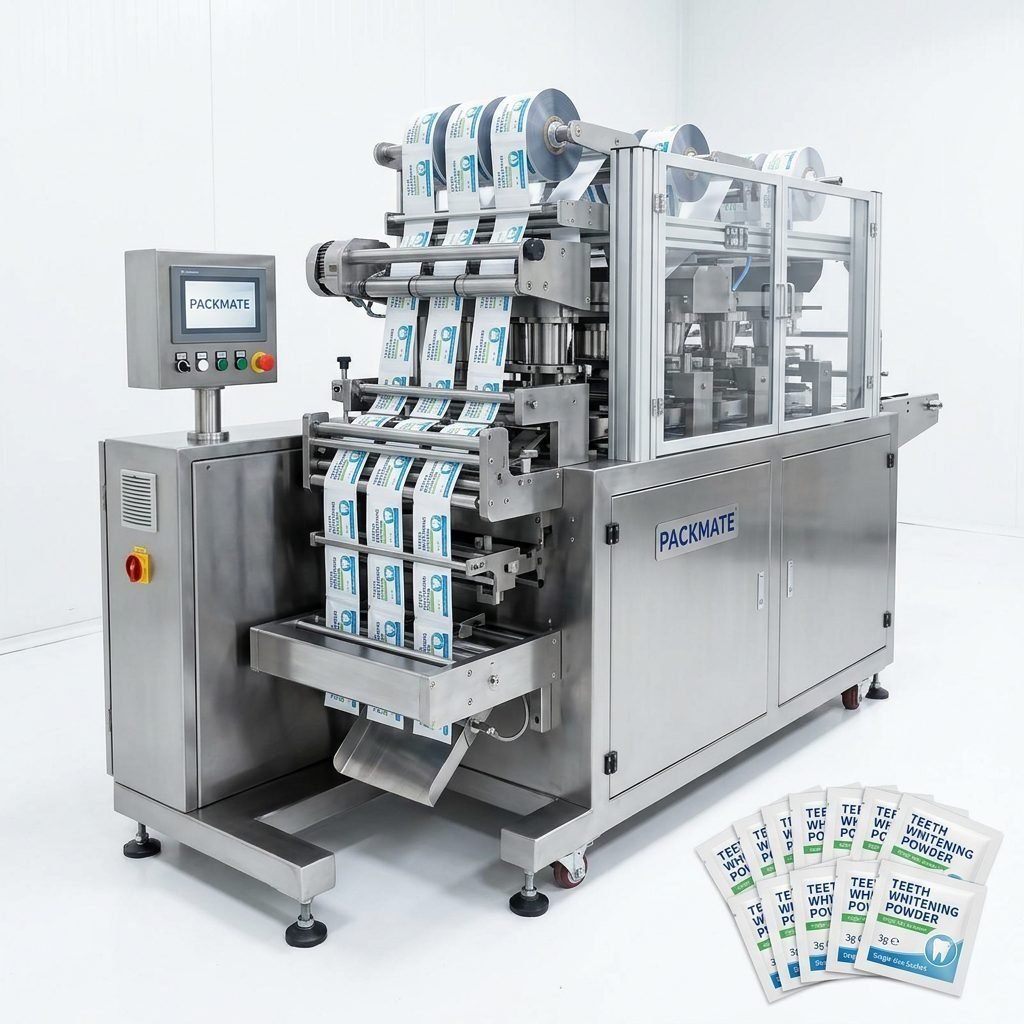
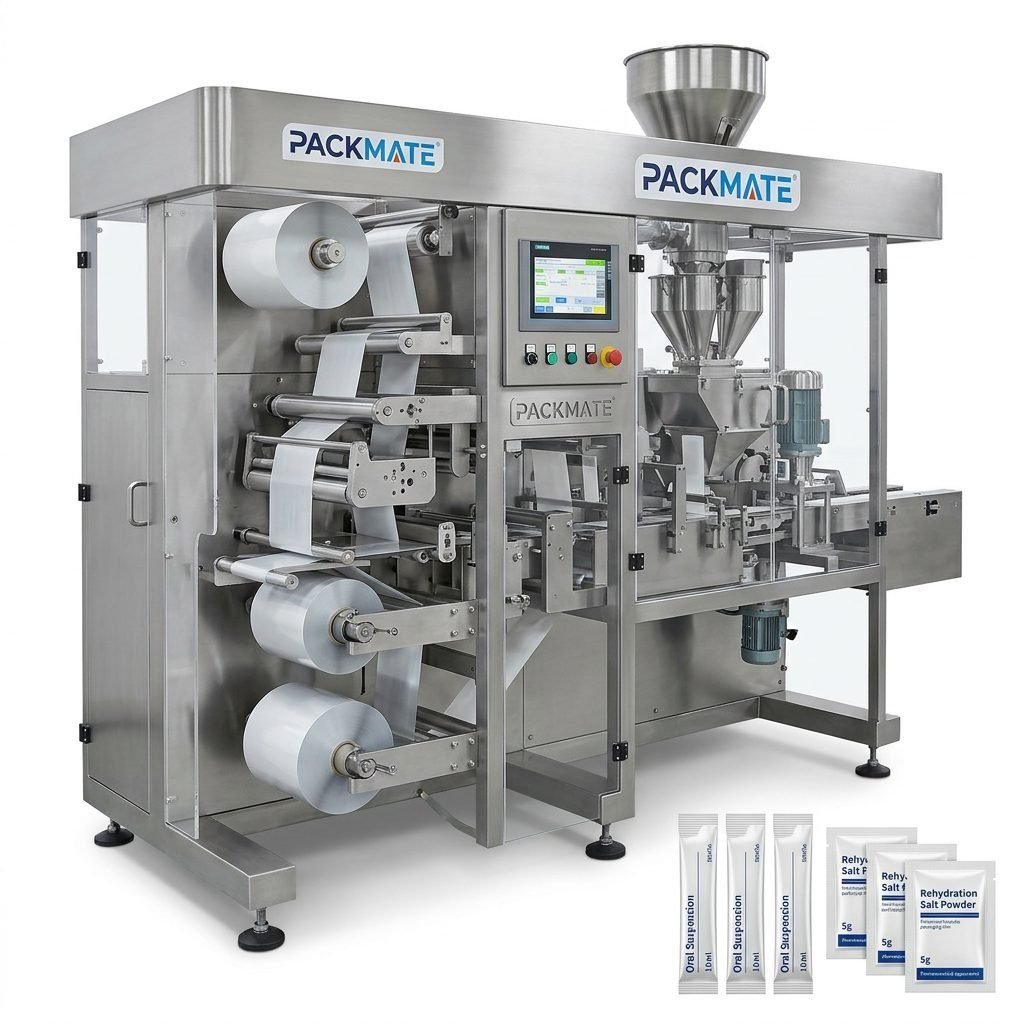
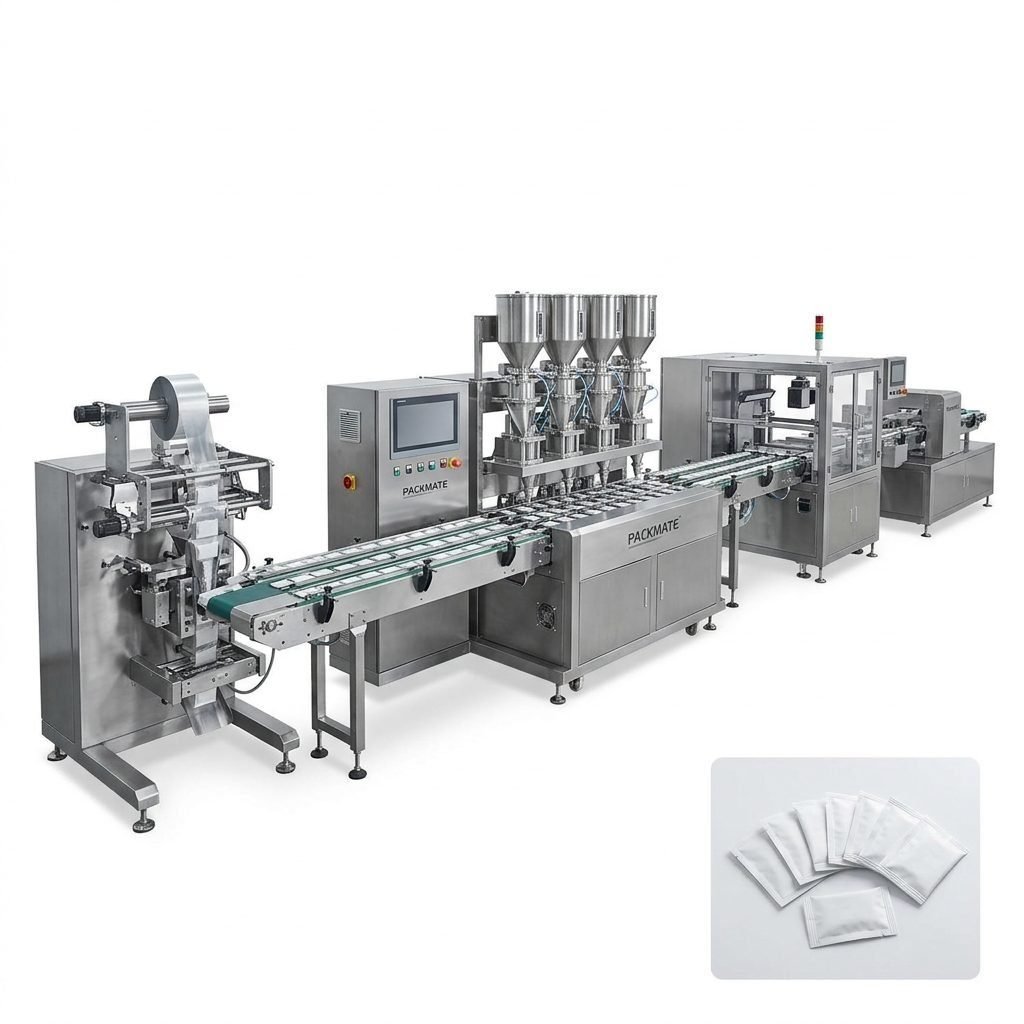
Designed for single-serve portions of powders, liquids, or gels (e.g., instant coffee, sugar, ketchup, shampoo), these machines are speed champions. Multi-lane stick pack machines can produce several dozen stick packs simultaneously, achieving outputs of thousands of units per minute. They are crucial in the food, beverage, and pharmaceutical industries. Companies like Packmate Machinery offer a comprehensive range of high-speed Sachet & Stick Pack Machines built for such demanding outputs.
4. Cartoning and Case Packing Systems
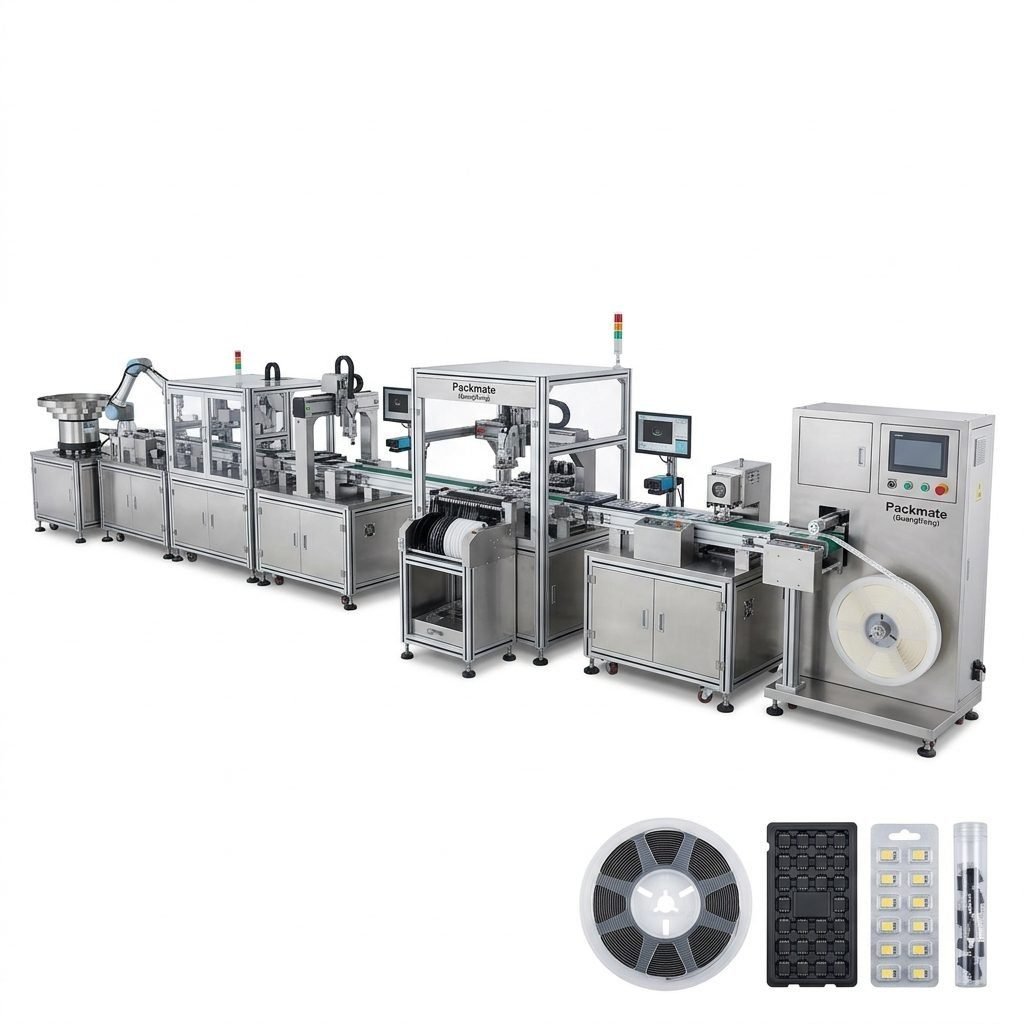
Speed at the primary packaging level must be matched downstream. High-speed automatic cartoners erect, load, and close cartons, while case packers efficiently group and load finished packages into shipping cases. These systems are integral to creating a complete, high-speed packaging line, ensuring bottlenecks do not occur after the product is bagged or wrapped.
Key Industries and Applications
Spee Dee packaging machinery is not confined to one sector; its benefits are leveraged across multiple industries where scale, hygiene, and efficiency are paramount.
Food & Beverage: This is the largest application area. From packaging snacks, pasta, and frozen vegetables to bottling lines and portion-control condiments, speed is essential to meet global consumption demands while maintaining freshness and safety.
Pharmaceuticals & Healthcare: Accuracy and hygiene are non-negotiable. Spee Dee machines handle blister packing of tablets, sachets of powder supplements, and sterile medical device packaging with high precision and in controlled environments, often integrating with complete filling and packaging lines.
Consumer Goods: Items like batteries, hardware, and personal care products (wipes, cotton swabs) are packaged at high volumes using automated cartoning and flow-wrapping systems.
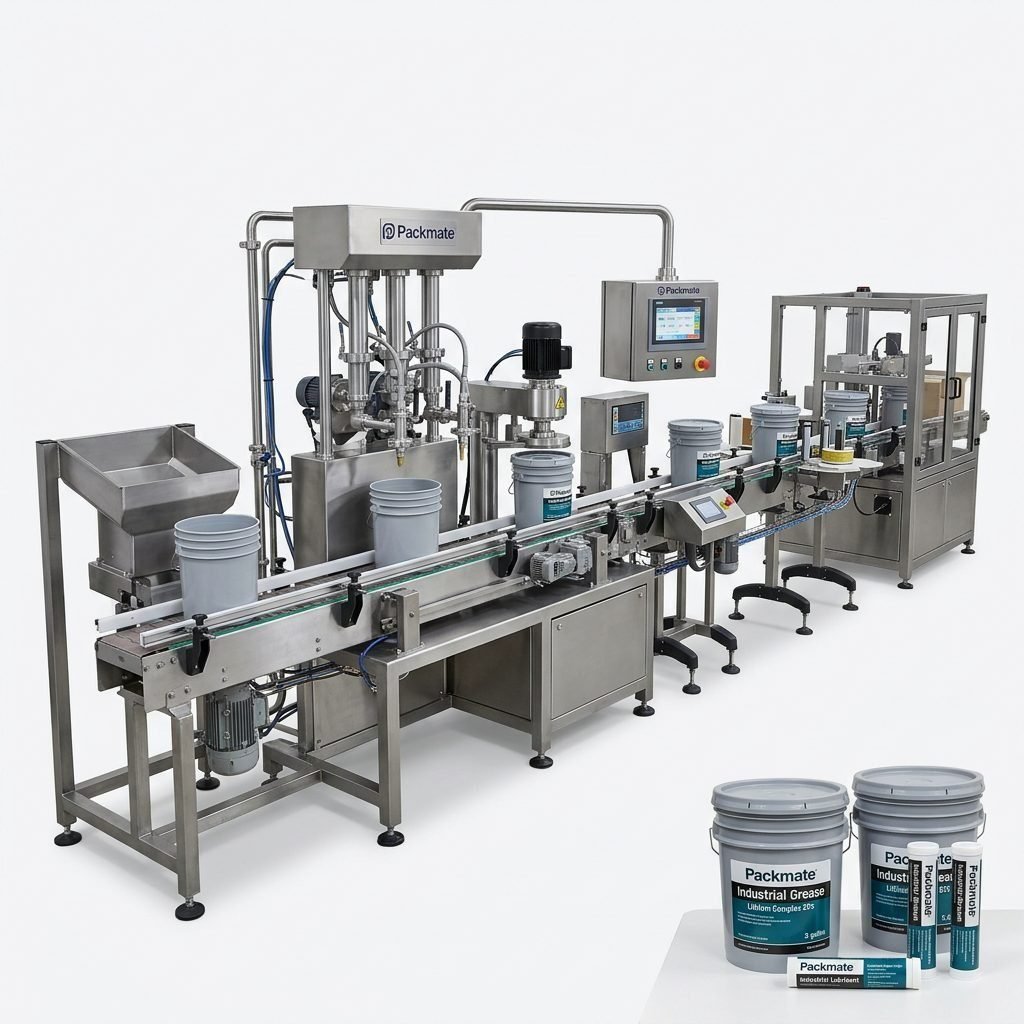
Chemical & Agricultural: Fertilizers, seeds, and household chemicals require robust, fast machines that can handle abrasive or dusty materials and provide secure, sealed packages.
Essential Buying Guide: What to Consider
Investing in Spee Dee packaging machinery is a significant decision. Here are the critical factors to evaluate to ensure you select the right equipment for your needs.
1. Define Your Product and Output Requirements
This is the foundational step. Precisely define:
– Product Characteristics: Form (powder, granule, liquid, solid), weight, density, flowability, and any special properties (abrasive, hygroscopic).
– Packaging Specifications: Desired bag/pouch size, material (film type, laminate), and sealing method.
– Required Speed (Output): Calculate your required units per minute/hour/shift. Consider both current needs and future growth projections. Don’t just buy for today’s volume.
2. Machine Flexibility and Changeover
If you run multiple products or package sizes, quick changeover capability is vital. Look for machines with servo motors and digital controls that allow for recipe storage. Tool-less changeovers or quick-change parts can reduce downtime from hours to minutes, maximizing overall equipment effectiveness (OEE).
3. Integration and Line Compatibility
Will the machine stand alone or be part of an integrated line? Ensure it can communicate with upstream equipment (like mixers or feeders) and downstream systems (like checkweighers, metal detectors, and case packers). Compatibility in terms of control systems (e.g., Ethernet/IP, Profinet) and physical interfacing is crucial for a smooth, continuous operation.
4. Build Quality, Reliability, and Support
A high-speed machine that frequently breaks down is counterproductive. Investigate the manufacturer’s reputation. Examine the construction: are frames robust? Are critical components from reputable brands? A manufacturer with a strong track record, like Packmate Machinery with its over two decades of development, often signifies reliability. Equally important is the availability of technical support, spare parts, and service. Ask about warranty terms and the response time for service calls.
5. Total Cost of Ownership (TCO)
Look beyond the initial purchase price. Calculate the TCO, which includes:
– Initial machine cost.
– Installation and commissioning.
– Cost of consumables (film, sealing jaws).
– Energy consumption.
– Maintenance and spare parts over the machine’s lifespan.
– Potential cost of downtime.
A slightly more expensive but more reliable and efficient machine often has a lower TCO.
6. Safety and Compliance
The machine must comply with all relevant local and international safety standards (e.g., CE, UL). Ensure it has adequate guarding, emergency stops, and safety interlocks. For food or pharmaceutical applications, hygienic design (easy to clean, no product traps, use of appropriate materials like stainless steel) and compliance with standards like FDA or GMP are mandatory.
Conclusion
Spee Dee packaging machinery is an engine for industrial productivity, enabling businesses to meet market demands efficiently and consistently. The journey from understanding the different machine types—VFFS, HFFS, stick pack—to identifying their applications across food, pharma, and consumer goods, culminates in a meticulous purchasing process. By thoroughly assessing product needs, machine flexibility, integration potential, build quality, total cost, and safety, you can make an informed investment that will drive your packaging operations forward for years to come. Partnering with an experienced manufacturer who can provide not just equipment but complete turnkey solutions and reliable support is often the key to long-term success in high-speed packaging.
Frequently Asked Questions (FAQs)
1. What is the typical speed range for a Spee Dee vertical form-fill-seal machine?
Speeds vary greatly based on product, bag size, and machine configuration. Standard machines can range from 60 to 150 bags per minute, while advanced multi-lane or multi-track systems designed for small pouches can achieve speeds exceeding 400 bags per minute.
2. How much floor space is required for a high-speed packaging line?
Space requirements depend on the complexity of the line. A basic VFFS machine with a feeder might need a footprint of 4m x 2m. A full integrated line including feeding, packaging, inspection, and case packing can require a significant area, often 10-15 meters in length. Always request a detailed layout plan from the supplier.
3. What are the most common maintenance requirements for these high-speed machines?
Regular preventive maintenance is crucial. Daily tasks include cleaning and visual inspection. Weekly or monthly tasks often involve lubricating specific points (if not permanently lubricated), checking seal jaw conditions, inspecting film guides and pull belts, and verifying the calibration of weighing systems. Always follow the manufacturer’s maintenance schedule.
4. Can one machine handle both powder and granular products effectively?
Many machines are designed to be versatile. However, optimal performance often requires different types of feeding systems (e.g., auger filler for powders, cup filler for granules). The key is to choose a machine with a flexible feeding system or one that allows for relatively easy change of the feeding mechanism. Discuss your specific product range with the manufacturer.
5. What is the lead time for purchasing and installing a new Spee Dee packaging line?
Lead times can vary from 3 to 6 months for standard machines, and potentially longer for highly customized or complex turnkey lines. The process includes engineering, manufacturing, factory testing, shipping, and on-site installation and commissioning. Clear communication with your supplier about timelines is essential for project planning.