In the competitive landscape of modern manufacturing, efficiency is not just a goal; it’s a necessity for survival and growth. For businesses handling powders, granules, and liquids, achieving peak operational efficiency often hinges on one critical piece of equipment: the continuous vacuum packaging machine. These machines are the workhorses of preservation, extending shelf life, maintaining product integrity, and ensuring customer satisfaction. This guide delves into the world of top-tier continuous vacuum packaging machines, exploring the features that define efficiency and how they can transform your production line.
The Core of Efficiency: Understanding Continuous Vacuum Packaging
Unlike single-chamber vacuum sealers, continuous vacuum packaging machines operate on a conveyor belt system. This allows for non-stop, automated packaging, significantly increasing output while reducing labor costs. The process is seamless: products are loaded onto an infeed conveyor, transported into a vacuum chamber where air is removed, sealed, and then discharged—all in a continuous flow. This method is indispensable for medium to high-volume producers who cannot afford the downtime associated with batch processing.
Key Efficiency Driver: The primary efficiency gain comes from the elimination of the load-seal-unload cycle. A continuous machine maintains a constant vacuum in the sealing zone, allowing packages to be fed, processed, and released without interrupting the vacuum environment.
Critical Features of High-Efficiency Machines
Not all continuous vacuum sealers are created equal. The most efficient models share several advanced characteristics that set them apart.
1. Advanced Pump Technology and Speed
The heart of any vacuum machine is its pump. High-efficiency models utilize robust, oil-lubricated rotary vane pumps or even advanced dry pump systems. These pumps achieve a deep, consistent vacuum level quickly. Cycle speed is paramount; faster pump-down and sealing times directly translate to more packages per hour. Look for machines that specify a high cycle rate (e.g., cycles per minute) without compromising on the final vacuum quality.
2. Precision Sealing and Durability
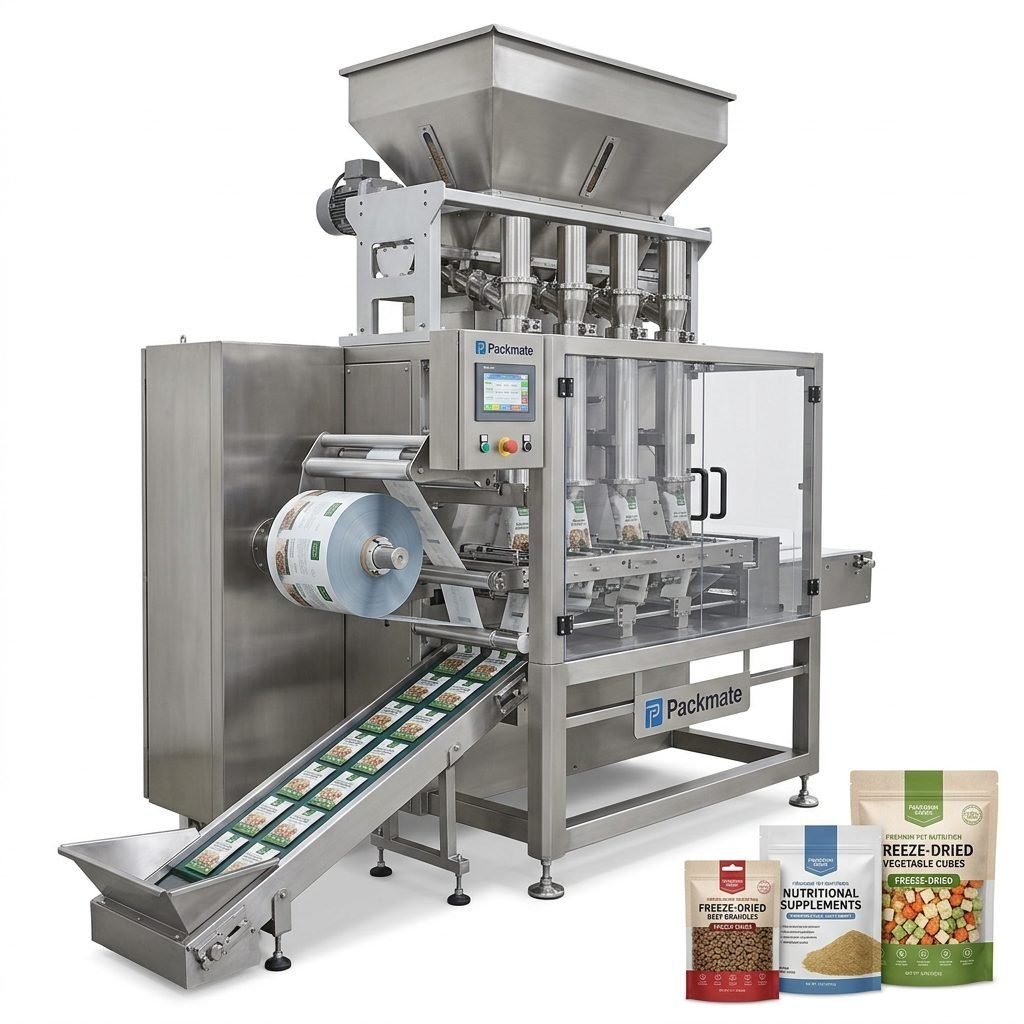
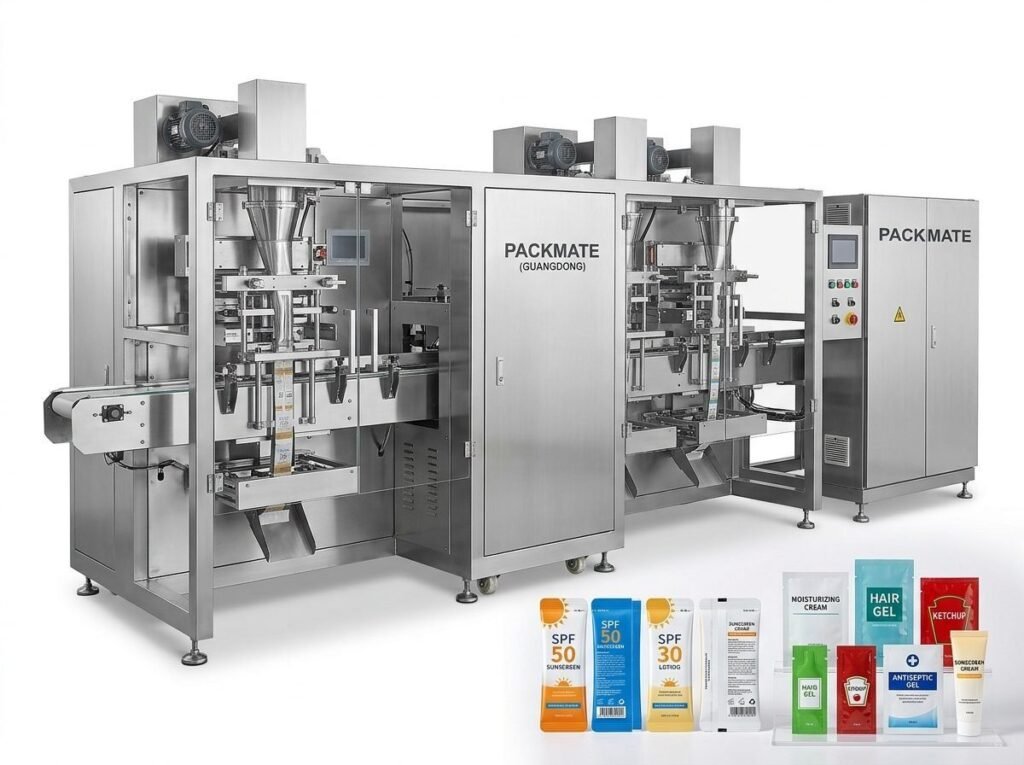
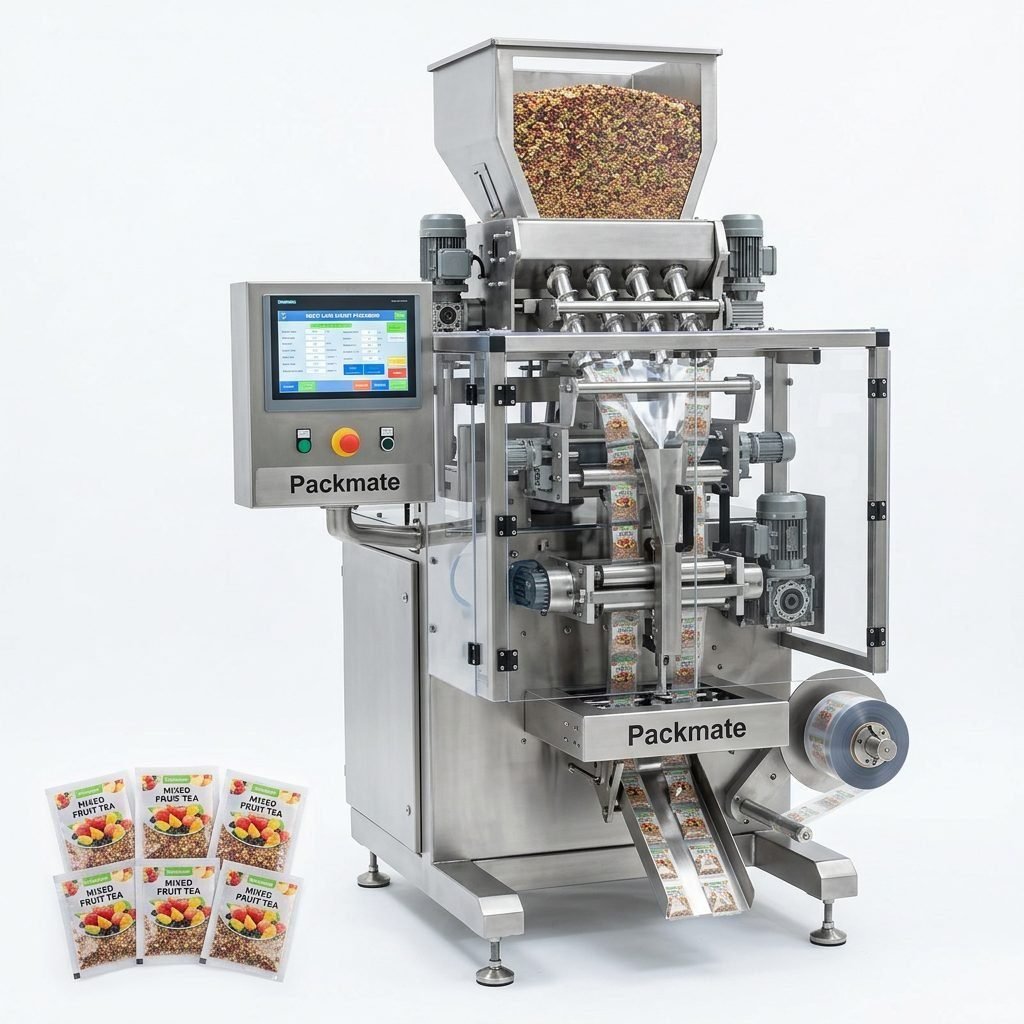
Efficiency is wasted if seals are weak or inconsistent. Top machines feature digitally controlled, double-seal bars with independent temperature regulation. This ensures a perfect hermetic seal across a wide range of packaging materials, from delicate films to multilayer laminates. The sealing elements and conveyor belts are built from durable, food-grade materials like Teflon-coated fiberglass or stainless steel, ensuring longevity and minimal maintenance downtime. For a closer look at machines built with this durability in mind, explore our range of Bag & Pouch Packaging Machines.
3. Smart Automation and Integration
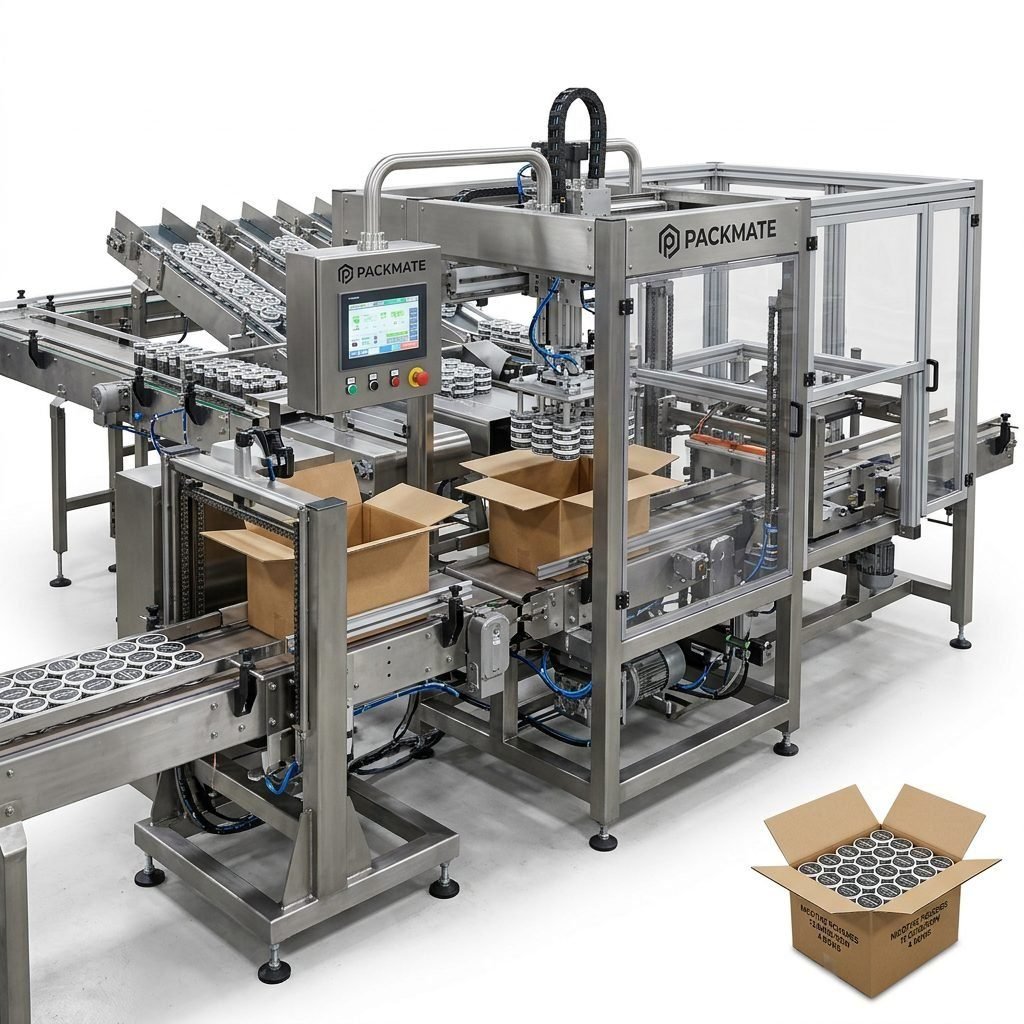
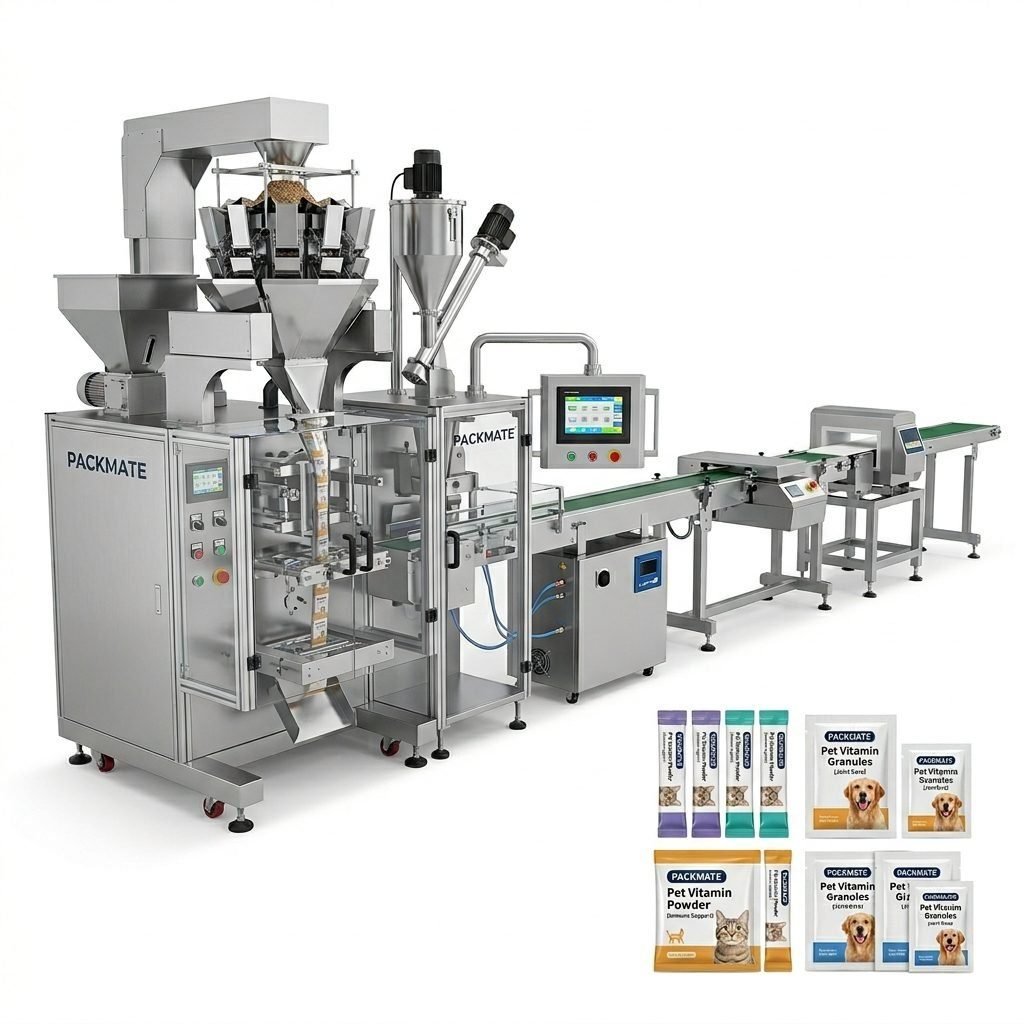
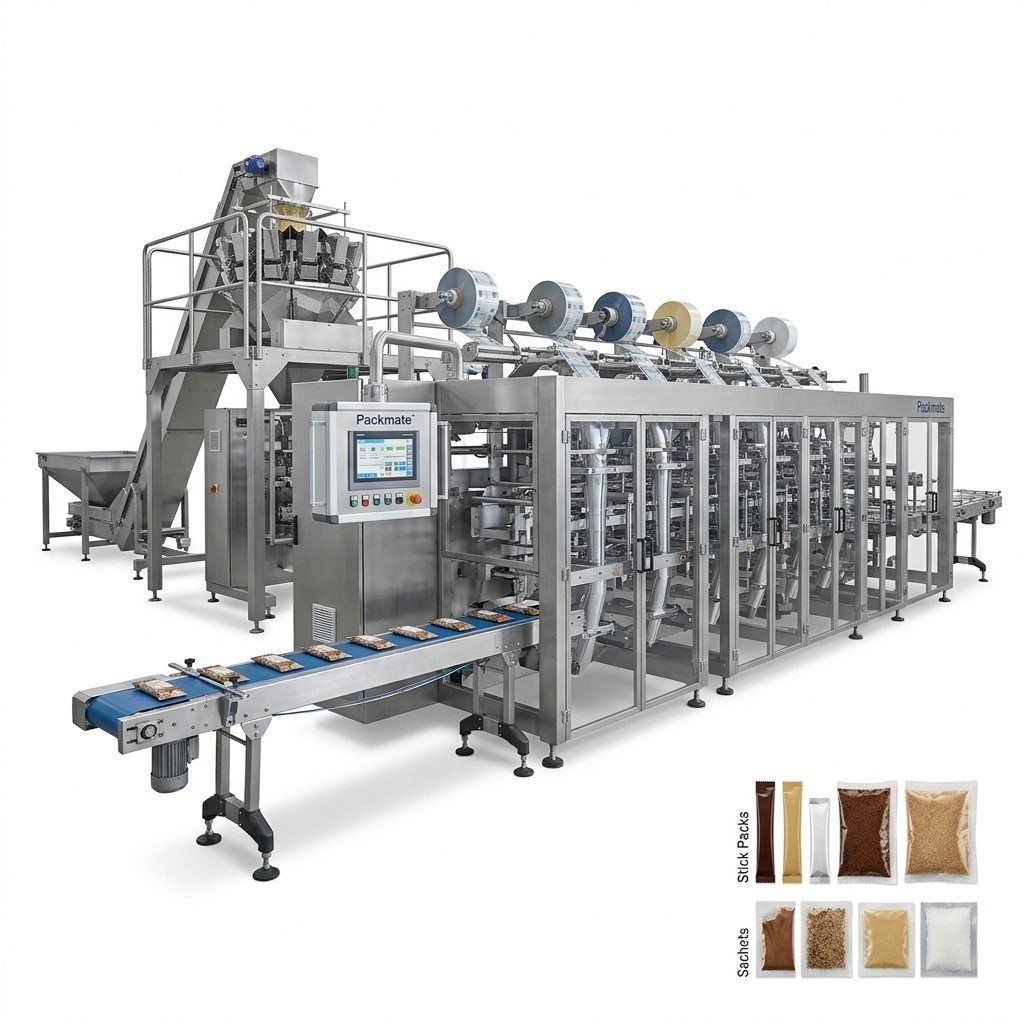
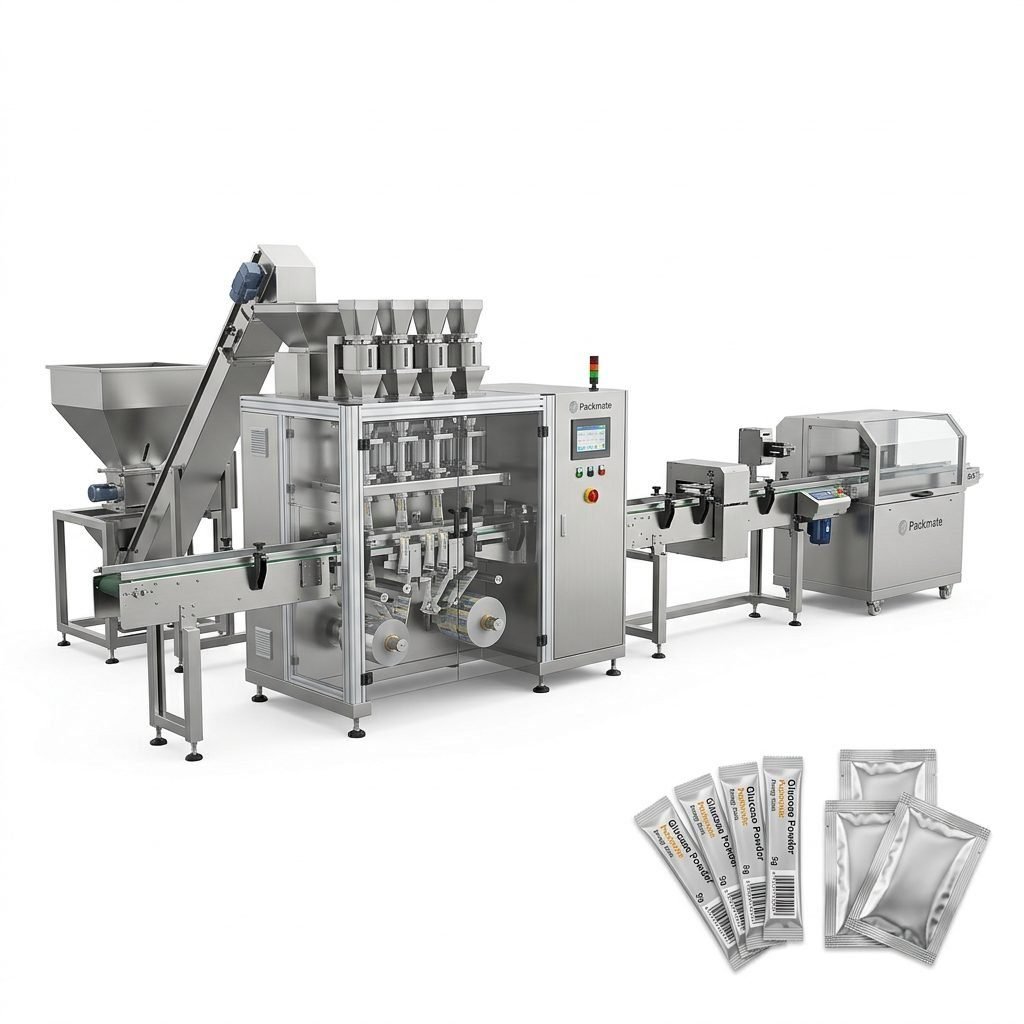
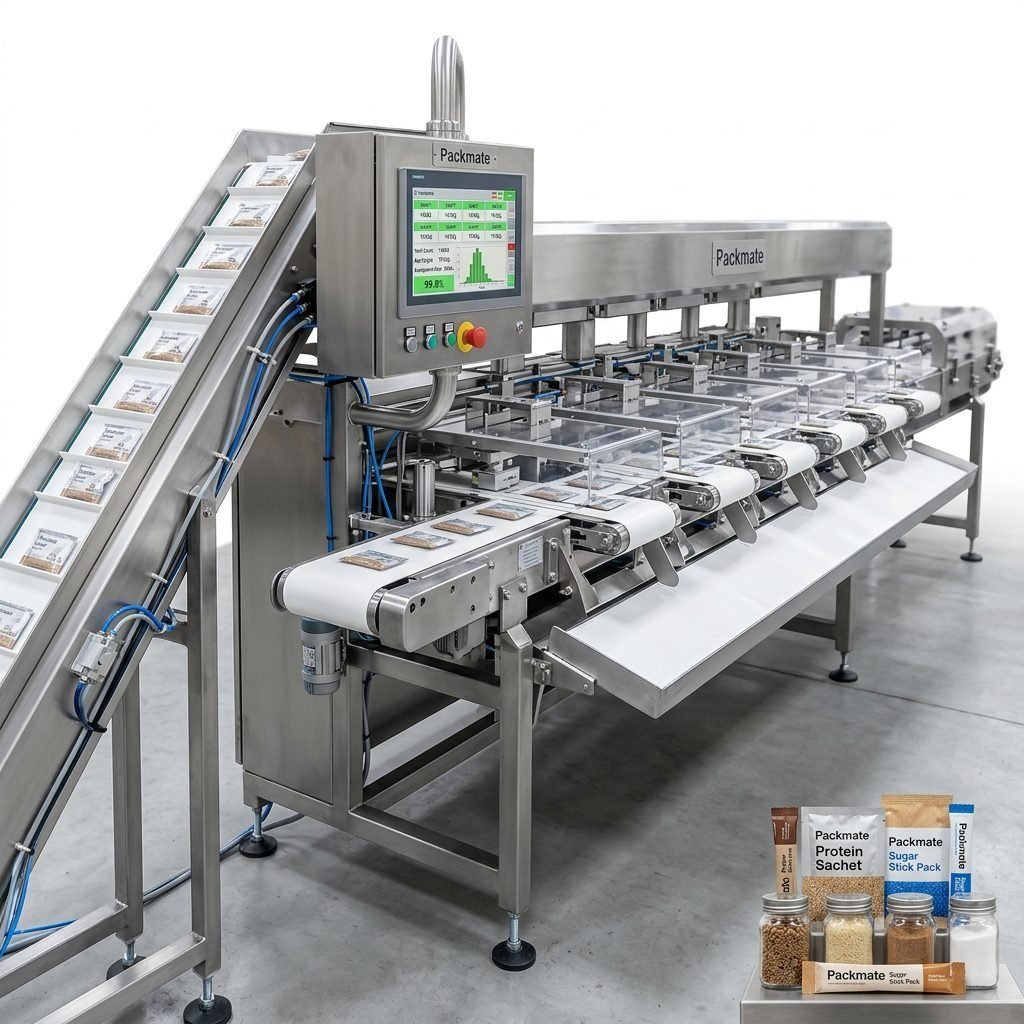
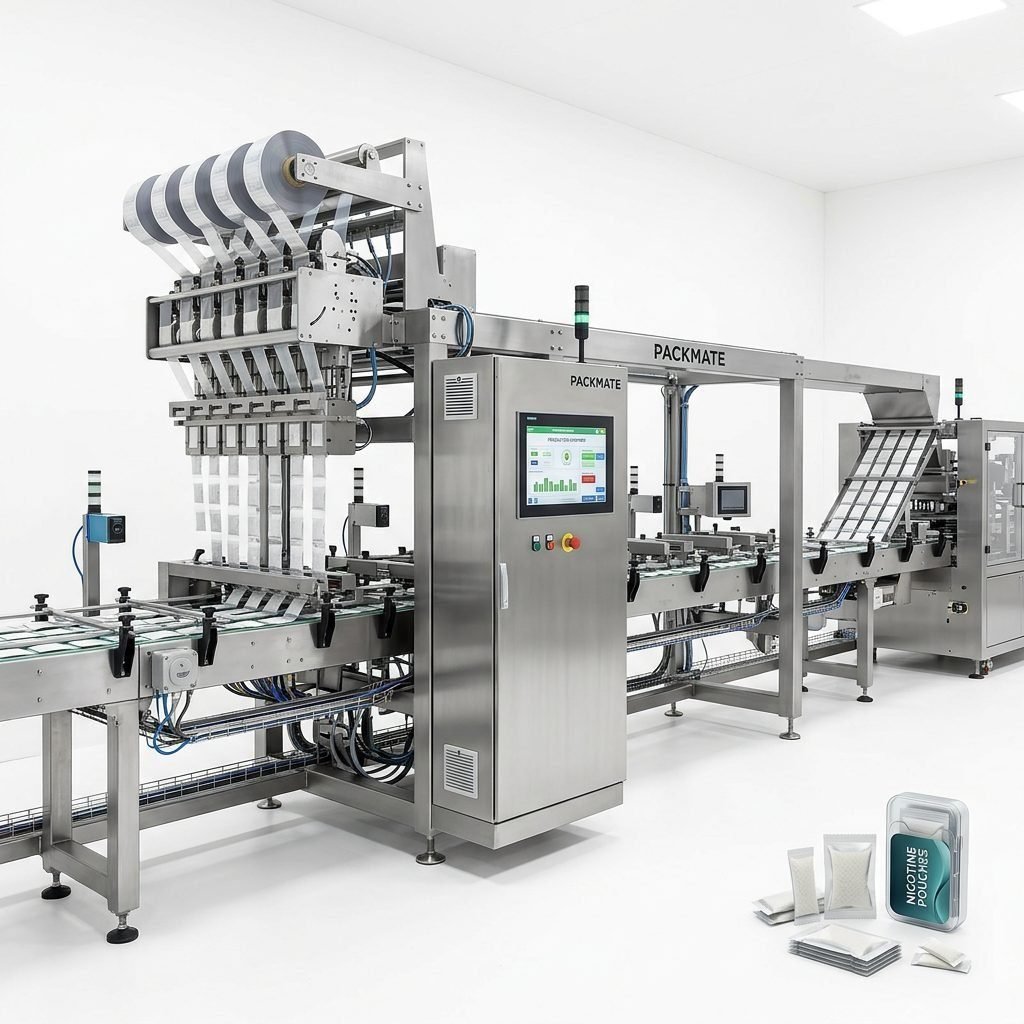
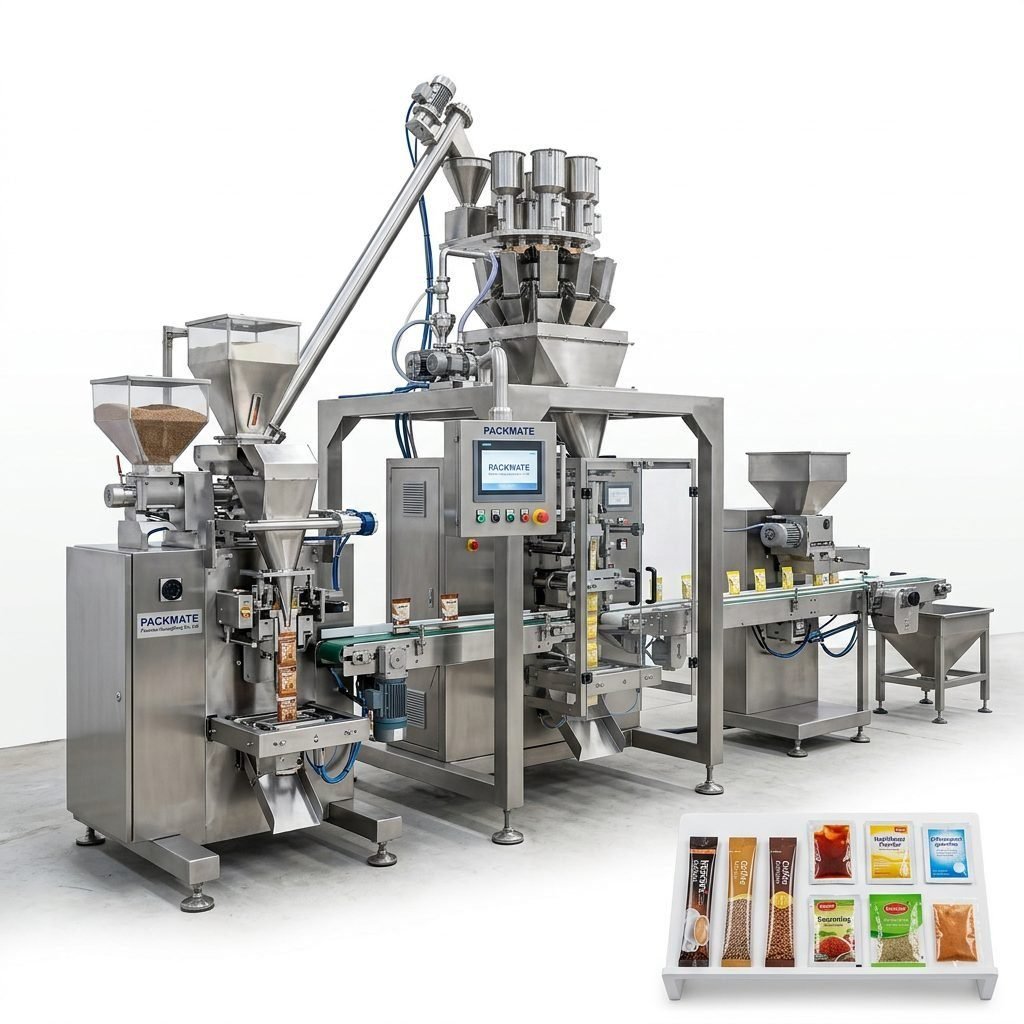
True efficiency lies in seamless integration. The best continuous vacuum packagers offer programmable logic controllers (PLCs) with user-friendly touchscreen interfaces. These systems allow for storing multiple product recipes, monitoring production data, and diagnosing issues quickly. Furthermore, they are designed to integrate smoothly with upstream equipment like multi-head weighers, auger fillers, or sachet packaging lines, and downstream systems such as checkweighers and case packers, creating a fully automated, turnkey packaging line.
Integration Insight: A machine that can communicate with other line components (via industrial protocols) prevents bottlenecks and creates a synchronized, data-driven production environment, maximizing overall equipment effectiveness (OEE).
Material Versatility: A Hallmark of Flexible Efficiency
An efficient machine must adapt to your product portfolio. High-performance continuous vacuum sealers handle a vast array of materials:
• Pre-made pouches and bags (stand-up, flat, gusseted)
• Rollstock films for form-fill-seal applications
• Specialized laminates with high barrier properties (for coffee, nuts, pharmaceuticals)
• Lidding films for tray sealing
This versatility means one machine can serve multiple product lines, protecting your investment and providing operational agility. This principle of adaptable, high-performance design is central to our complete Filling & Packaging Lines.
The Tangible Benefits: Beyond Speed
Investing in a top continuous vacuum packaging machine delivers a compelling return on investment through several key benefits:
Maximized Product Shelf Life & Quality: By removing oxygen, the machine drastically slows down oxidation and microbial growth. This preserves flavor, texture, color, and nutritional value, reducing waste and enhancing brand reputation.
Substantial Labor & Cost Savings: Automation reduces the need for multiple operators. The continuous operation minimizes energy consumption per package compared to less efficient batch systems. Reduced product spoilage also adds directly to the bottom line.
Enhanced Presentation & Branding: A tight, professional vacuum package improves product presentation on the shelf. It also allows for the use of high-quality printed films, turning the package into a powerful marketing tool.
Improved Safety & Hygiene: The automated, enclosed process minimizes direct product handling, enhancing hygiene standards—a critical factor in food and pharmaceutical applications. It also helps prevent contamination and ensures compliance with stringent industry regulations.
Choosing the Right Machine for Your Needs
Selecting the most efficient machine requires a careful analysis of your specific operation. Key considerations include:
• Production Volume: Match the machine’s cycle speed (packages/hour) to your current and forecasted output.
• Product Characteristics: Consider product size, shape, and whether it’s dry, moist, or oily, as this affects material choice and sealing parameters.
• Available Space: Continuous machines require a linear footprint. Plan your factory layout accordingly.
• Future-Proofing: Choose a machine from a manufacturer known for innovation and support, like Packmate Machinery, with a 20,000㎡ modern facility and over 30 years of expertise in intelligent packaging solutions. A partner who understands quality and innovation is crucial for long-term efficiency.
Conclusion
The journey to operational excellence in packaging is paved with intelligent investments. A top-quality continuous vacuum packaging machine is more than just a piece of equipment; it is a strategic asset that drives efficiency, protects product quality, and boosts profitability. By focusing on core features like pump speed, sealing precision, smart automation, and material versatility, businesses can select a machine that not only meets today’s demands but also scales for tomorrow’s growth. In an era where efficiency defines success, the right packaging technology is a decisive competitive advantage.
Frequently Asked Questions (FAQs)
1. What is the main difference between a single-chamber and a continuous vacuum packaging machine?
The fundamental difference is automation and throughput. A single-chamber machine requires manual loading and unloading for each batch, causing downtime. A continuous machine uses a conveyor belt for non-stop, automated packaging, making it vastly more efficient for medium to high-volume production.
2. Can continuous vacuum machines handle liquids or moist products?
Yes, but it requires specific features. Machines equipped with “spill-proof” or “liquid” modes use specialized sealing techniques, such as a pre-seal or a cold seal before the final hot seal, to prevent liquid from interfering with the sealing process. Always consult with the manufacturer about your specific product.
3. How important is the vacuum pump to overall machine efficiency?
It is critically important. The pump determines how quickly and deeply air is removed from the package. A faster, more powerful pump shortens the cycle time, directly increasing packages-per-hour output. A reliable pump also ensures consistent vacuum levels, which is key to product quality and shelf life.
4. What kind of maintenance do these machines require?
Regular maintenance is essential for sustained efficiency. Daily tasks include cleaning the sealing bars and conveyor. Weekly or monthly maintenance typically involves checking and cleaning the oil filter and oil level in the pump (for oil-lubricated pumps), inspecting the sealing tape for wear, and verifying the performance of all sensors. Always follow the manufacturer’s specific maintenance schedule.
5. Are continuous vacuum packaging machines suitable for small businesses?
While they are a significant investment, small businesses with growing production volumes or those packaging high-value products (like specialty foods or supplements) can benefit greatly. The labor savings, reduced product waste, and professional packaging quality can provide a strong ROI. It’s advisable to conduct a thorough cost-benefit analysis and discuss options with equipment suppliers.