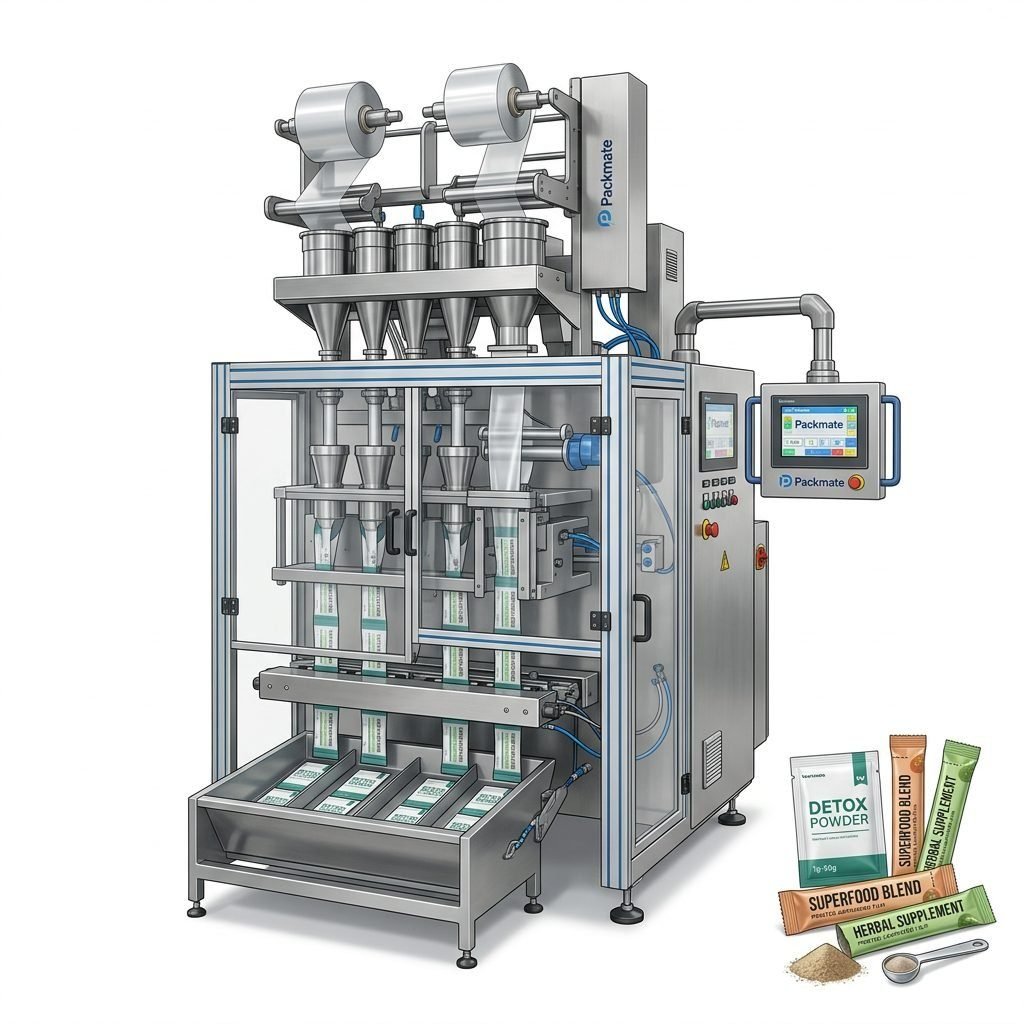
In today’s fast-paced manufacturing landscape, efficiency and precision are paramount. Automated bag packaging machinery stands at the forefront of this industrial evolution, offering businesses a powerful tool to enhance productivity, ensure consistency, and reduce operational costs. These sophisticated systems are designed to handle a wide variety of products—from granules and powders to liquids—with remarkable speed and accuracy, making them indispensable in sectors like food, pharmaceuticals, and consumer goods.
What Are Automated Bag Packaging Machinery Solutions?
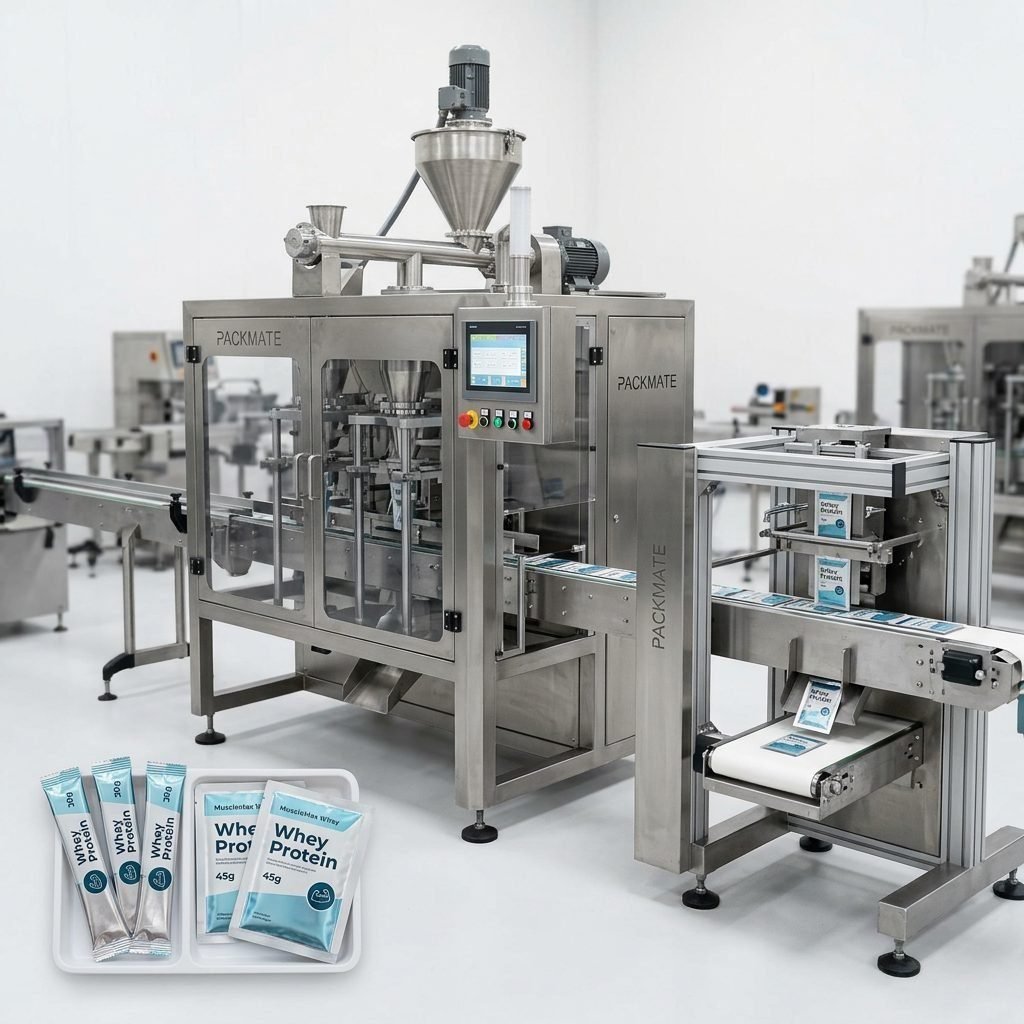
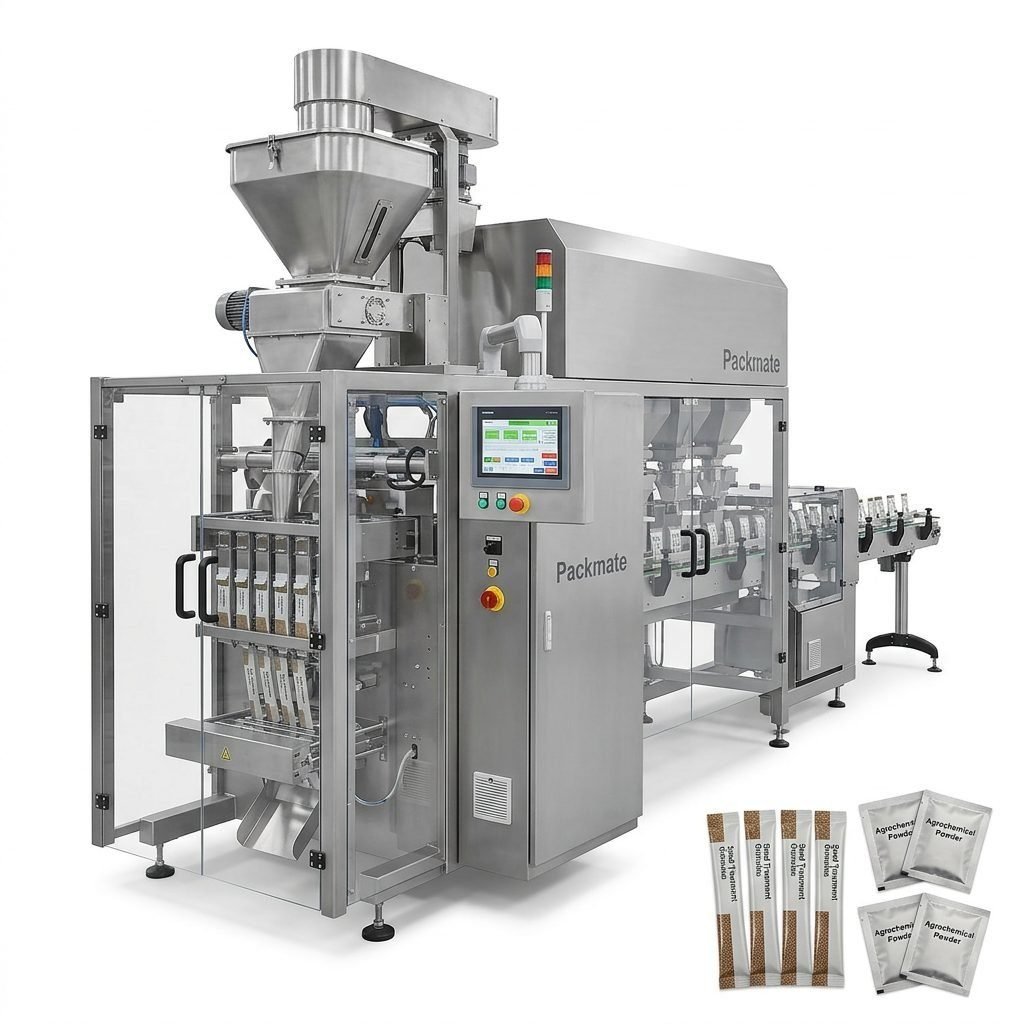
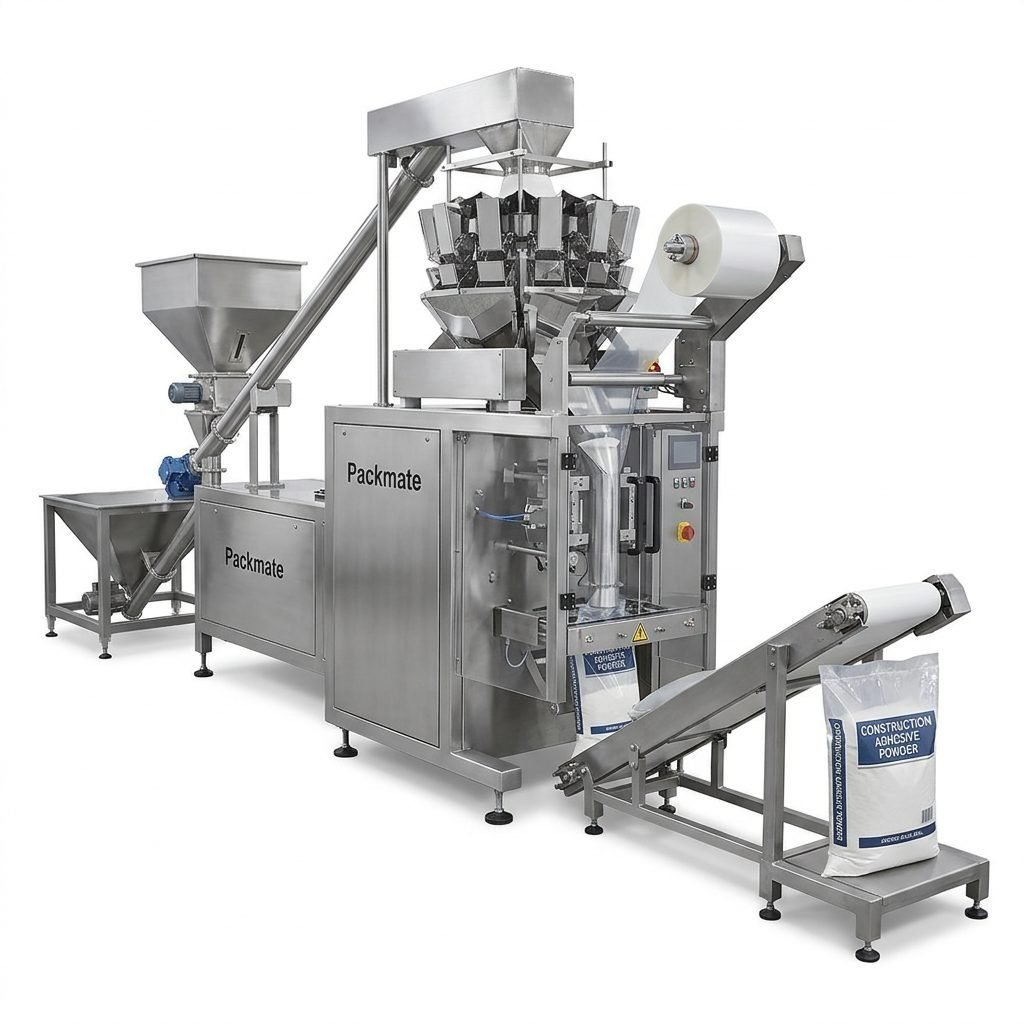
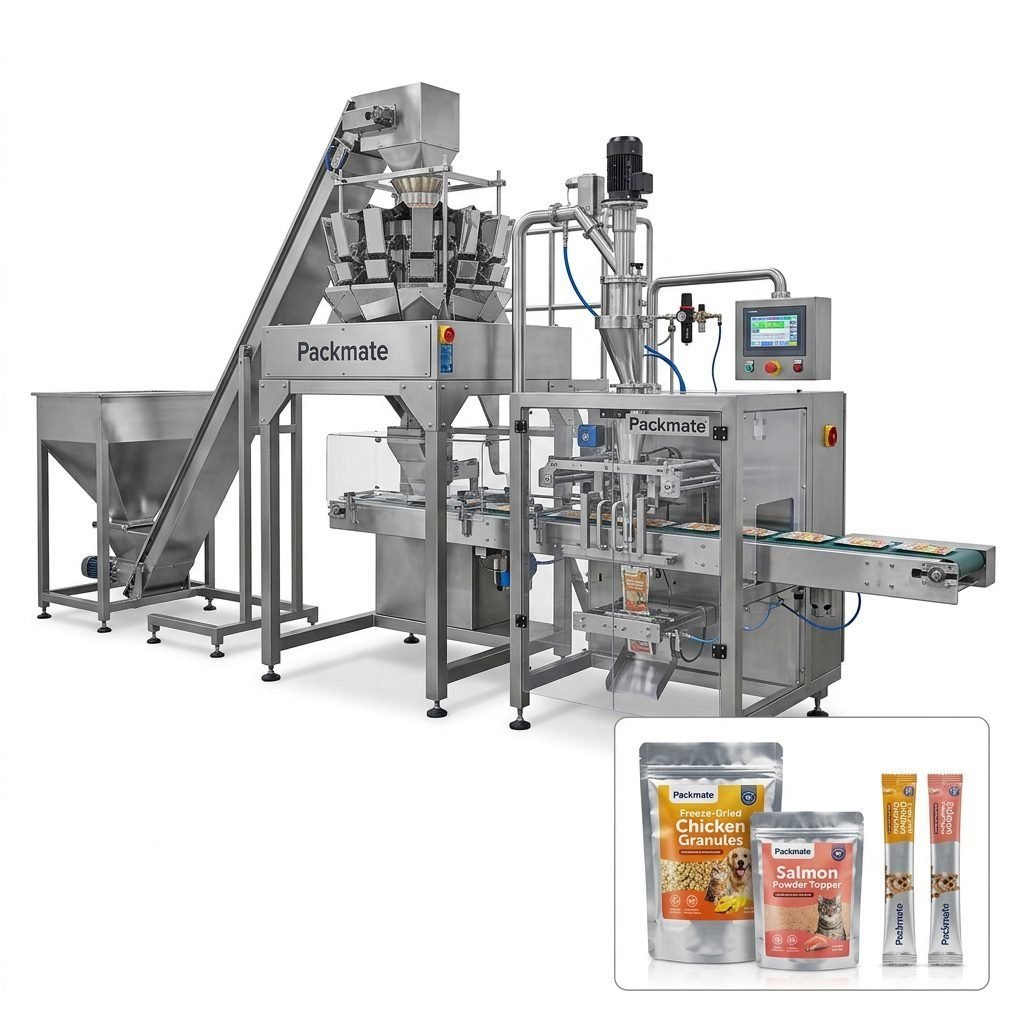
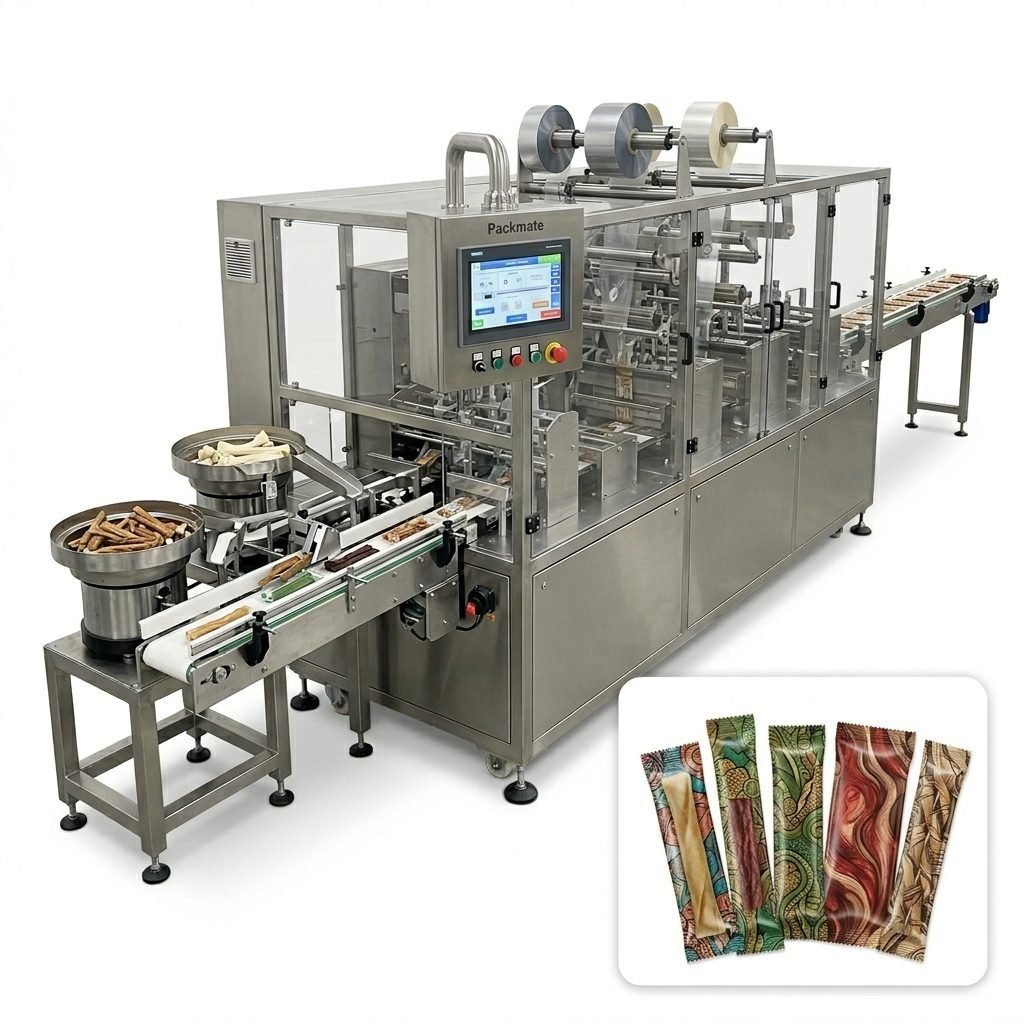
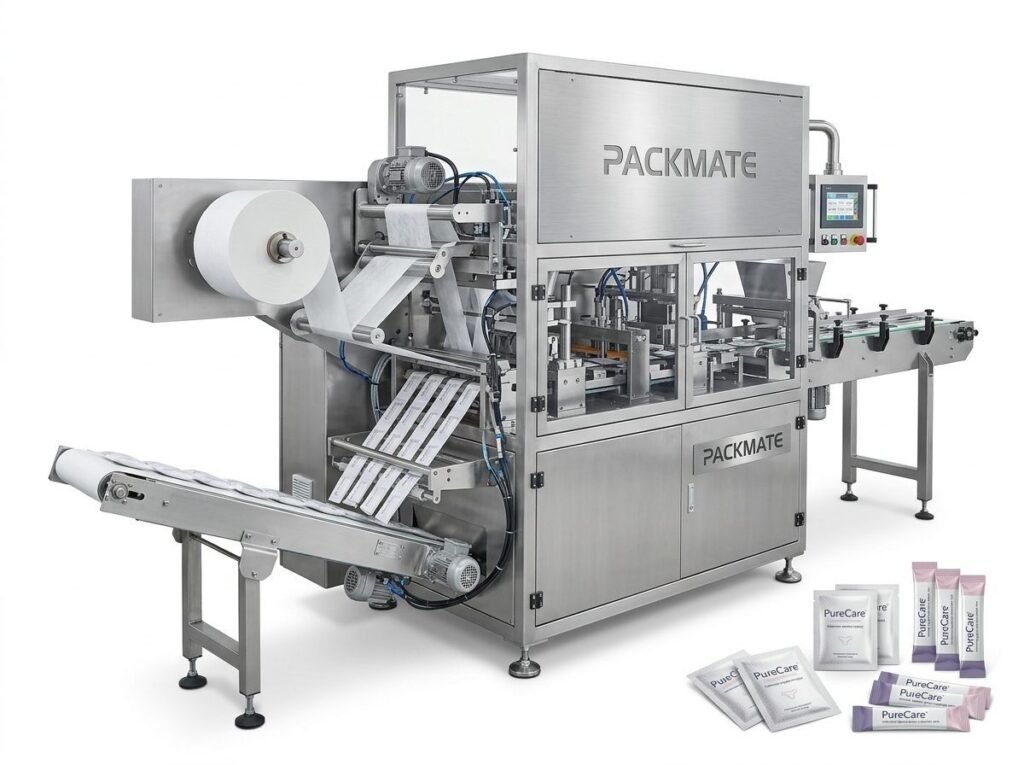
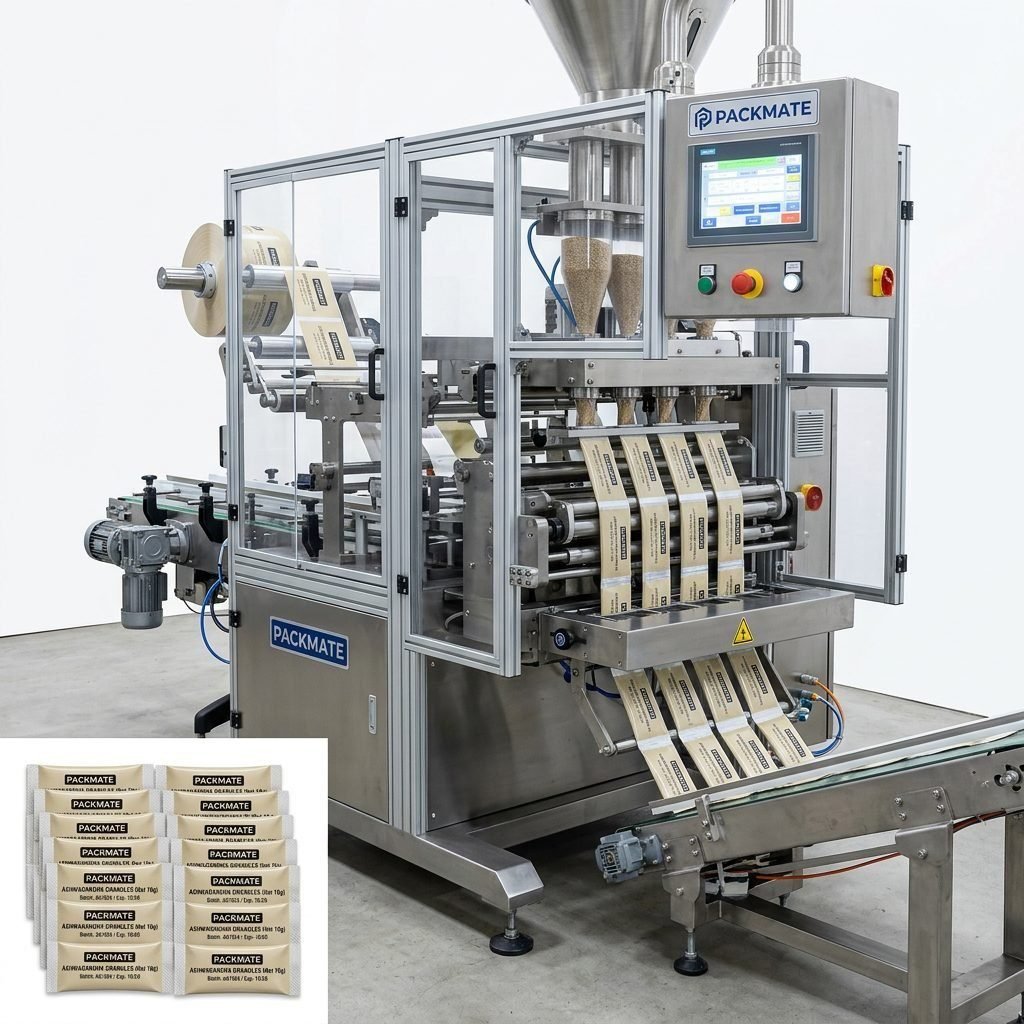
Automated bag packaging machinery refers to integrated systems that perform the entire packaging process with minimal human intervention. This includes functions such as forming the bag, precisely measuring and filling the product, sealing the package, and often counting and collating the finished pouches or sachets. These solutions range from single-lane machines for specialized tasks to high-speed, multi-lane production lines capable of producing thousands of units per hour. Leading manufacturers like Packmate Machinery have developed over 50 machine models, including advanced sachet and stick pack machines, to meet diverse industry needs.
The core of these systems lies in their intelligent automation. Modern machines are equipped with programmable logic controllers (PLCs), touch-screen HMIs (Human-Machine Interfaces), and sophisticated sensors. This allows for precise control over every parameter, from film tension and sealing temperature to fill weight and production speed. The result is a highly reliable process that minimizes waste and maximizes output.
Key Components of a Modern Packaging Line
A complete automated packaging solution is more than just a single machine; it’s a synchronized line of equipment. A typical line for producing stick packs or sachets might include:
Film Unwinding & Feeding System: Precisely controls the packaging material roll.
Forming & Sealing Unit: Shapes the film into bags and creates the final seals.
Precision Filling System: Utilizes auger, volumetric, or net weight fillers for accuracy.
Product Feeding & Handling: Ensures a consistent supply of product to the filler.
Control & Monitoring Panel: The brain of the operation for setup and oversight.
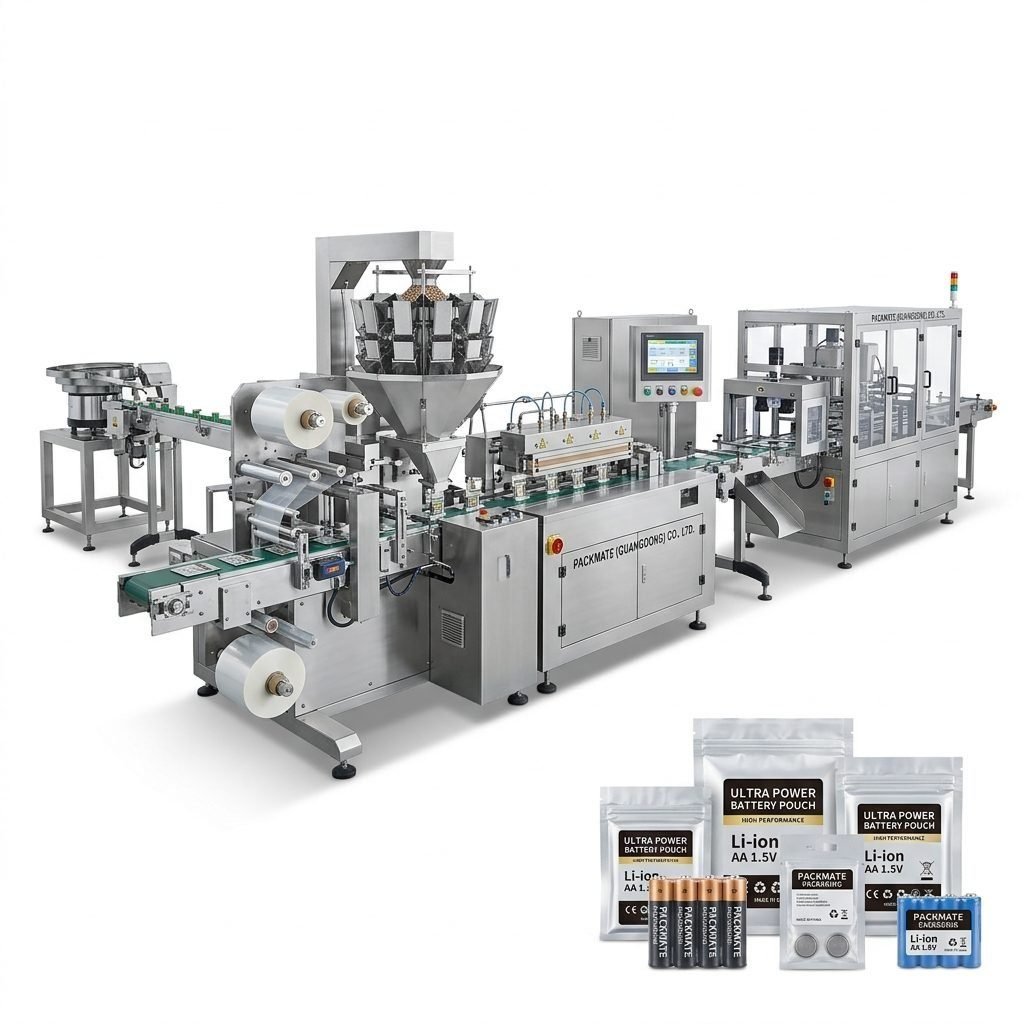
Integrating these components into a complete filling and packaging line creates a turnkey solution that can be tailored to specific product characteristics and production volumes.
The Multifaceted Benefits of Automation
Investing in automated bag packaging machinery delivers a compelling return on investment through a multitude of tangible benefits that directly impact the bottom line and operational excellence.
1. Dramatically Increased Production Speed and Output
Manual packaging is inherently slow and limited by human fatigue. Automated systems operate continuously at high speeds. A multi-lane stick pack machine, for example, can produce hundreds of packs per minute, a rate impossible to achieve manually. This allows businesses to scale production to meet market demand without proportional increases in labor or floor space.
2. Unmatched Consistency and Product Quality
Human operators can introduce variability in seal strength, fill weight, and overall package appearance. Automation eliminates this inconsistency. Every package is formed, filled, and sealed identically according to the pre-set parameters. This ensures every product that leaves the factory meets the same high-quality standard, reducing customer complaints and protecting brand reputation.
3. Significant Reduction in Material Waste and Labor Costs
Precision filling systems ensure that the exact amount of product is dispensed, minimizing giveaway. Similarly, advanced film tracking and tension control reduce film waste. While the initial investment is substantial, the long-term savings are profound. One machine can often replace several manual packing stations, leading to a direct reduction in labor costs and associated expenses.
4. Enhanced Operational Safety and Hygiene
Automated systems minimize direct contact between operators and the product. This is critically important in food and pharmaceutical packaging, where hygiene and contamination control are regulated. It also improves worker safety by reducing repetitive strain injuries associated with manual packing and limiting exposure to moving parts through integrated safety guards and sensors.
5. Flexibility and Quick Changeover for Short Runs
Contrary to the belief that automation is only for mass production, modern machines offer great flexibility. With quick-change tooling and recipe storage on the PLC, operators can switch between different bag sizes, products, or packaging materials in minutes. This makes it economically viable to run smaller, customized batches, allowing manufacturers to respond quickly to market trends.
Choosing the Right Partner for Your Packaging Solution
Selecting the right machinery is crucial, but choosing the right manufacturer is equally important. A partner with deep industry experience provides more than just equipment; they provide a solution. A company like Packmate (GuangDong) Co., Ltd., with over 22 years of development and a 20,000㎡ modern facility, exemplifies this approach. Their journey from a small workshop to a leading provider of intelligent packaging equipment underscores a commitment to innovation and reliability.
When evaluating a supplier, consider their proven case studies, the range of their product portfolio, and their support structure. The best partners offer comprehensive services from initial consultation and factory testing to installation, training, and ongoing technical support, ensuring your investment delivers value for years to come.
Frequently Asked Questions (FAQ)
What types of products can be packaged with automated bag machines?
These machines are highly versatile and can handle a wide range of dry, free-flowing, and liquid products. Common applications include coffee, sugar, spices, powdered milk, protein supplements, pharmaceuticals, tea, detergent granules, and liquid condiments like sauce or oil.
How does automated packaging improve accuracy compared to manual methods?
Automated systems use precision servo motors, load cells (for weigh-filling), or calibrated volumetric fillers. These components are controlled by a computer, which ensures each bag receives a fill weight within extremely tight tolerances (e.g., ±0.5-1%), drastically reducing product giveaway and ensuring compliance with net content regulations.
What is the typical payback period for an automated packaging line?
The payback period varies based on machine cost, production volume, labor costs saved, and material waste reduction. For many medium to high-volume producers, a well-implemented automated line can achieve a return on investment within 12 to 24 months through increased output and lower operational expenses.
Can these machines handle different packaging materials?
Yes, modern machines are designed to work with various laminates and films, including PET/AL/PE, PET/PE, OPP/CPP, and biodegradable or compostable materials. The sealing jaws and temperature controls are adjustable to suit the specific sealing layer of the film being used.
What kind of training is required for operators?
Reputable suppliers provide comprehensive training during installation. Operators typically need to learn basic machine operation via the HMI, how to perform routine cleaning and maintenance, and how to execute product changeovers. The intuitive touch-screen interfaces make the learning process relatively straightforward for personnel with basic technical understanding.