Selecting the right packaging machinery is a pivotal decision for any business aiming to enhance efficiency, ensure product integrity, and scale operations. The global market offers a vast array of suppliers and solutions, making the choice both critical and complex. This guide delves into the key considerations for identifying top-tier packaging machinery suppliers and explores the comprehensive solutions they provide to propel your business forward.
Defining Your Packaging Needs
Before embarking on your search for a supplier, a thorough internal assessment is essential. The ideal machinery is not the most advanced or expensive one, but the one that perfectly aligns with your specific operational requirements. Key factors to evaluate include:
Product Type: Are you packaging granules, powders, liquids, or solids? The physical characteristics of your product dictate the filling technology (e.g., auger, volumetric, liquid pump).
Production Speed & Volume: Determine your required output in packs per minute (PPM) or units per hour. This will narrow down options from semi-automatic to fully automatic, high-speed lines.
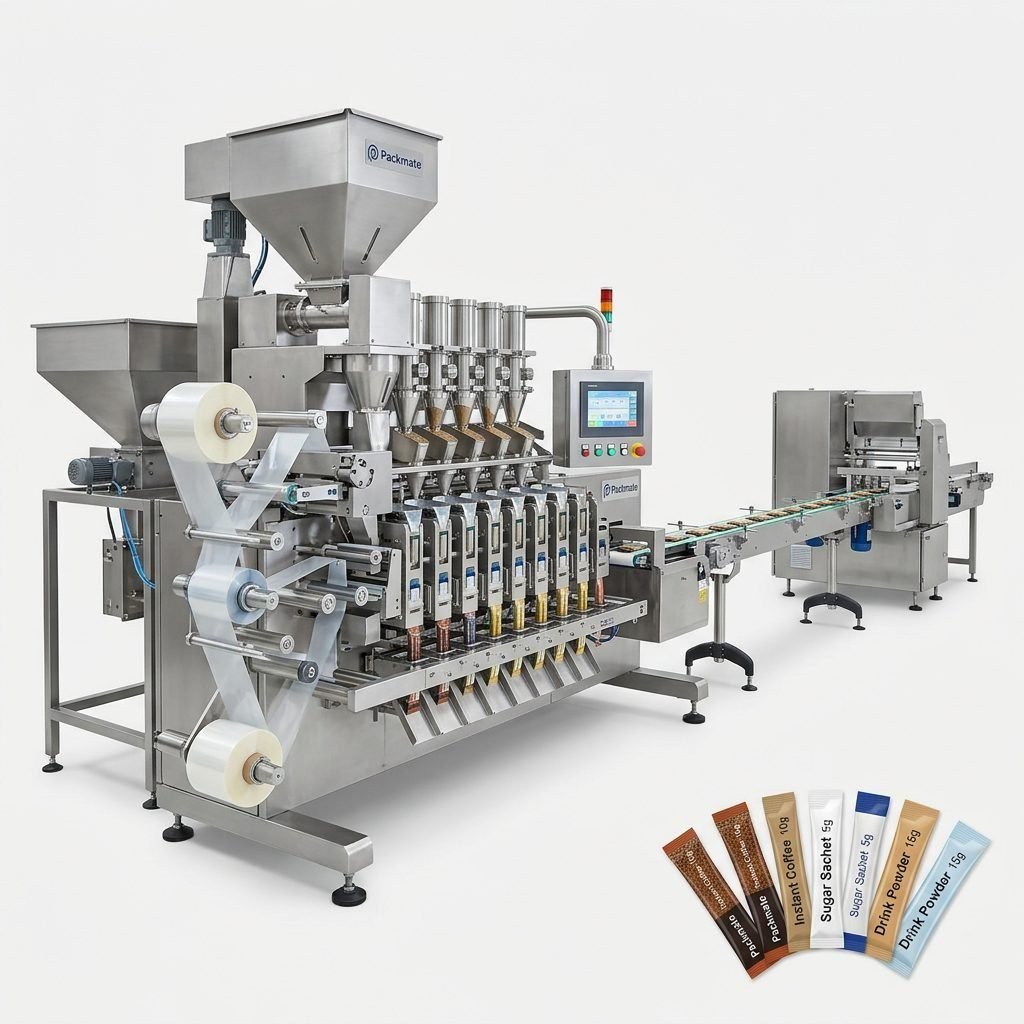
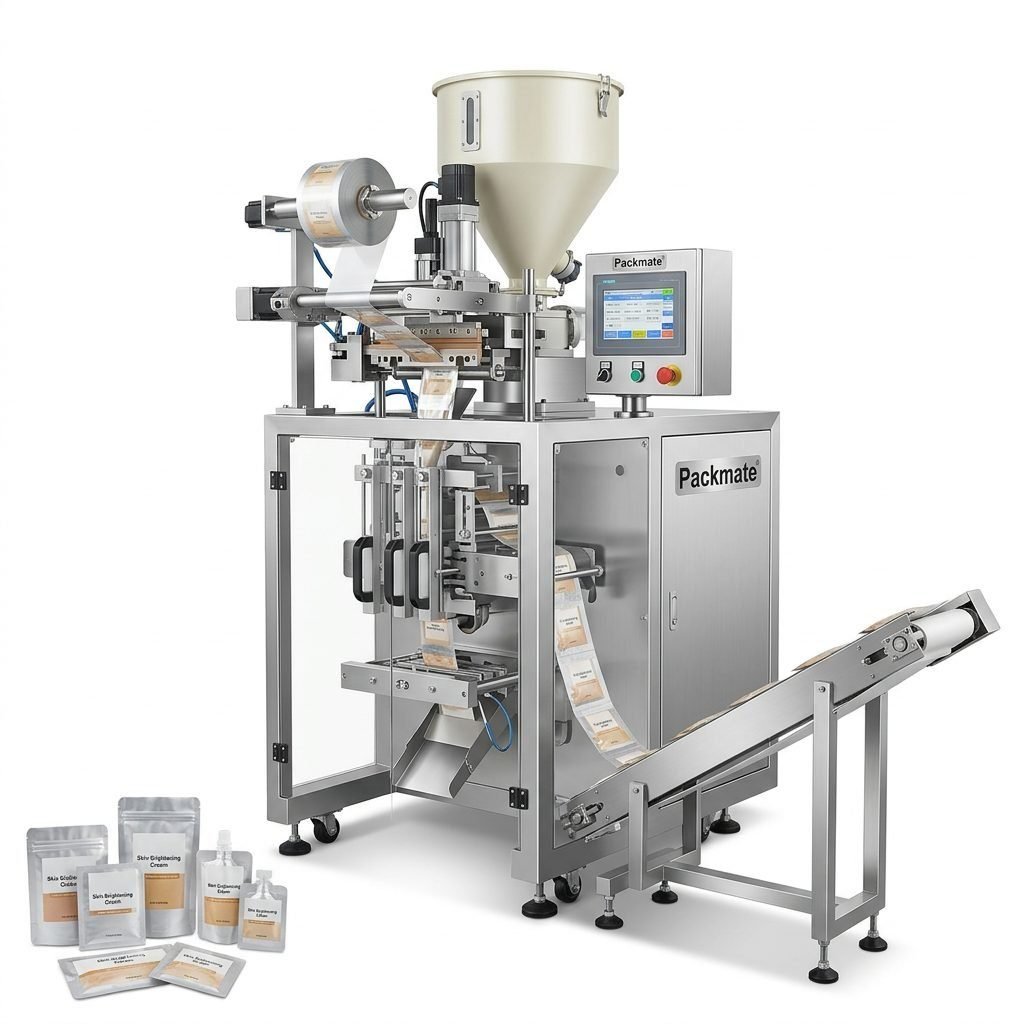
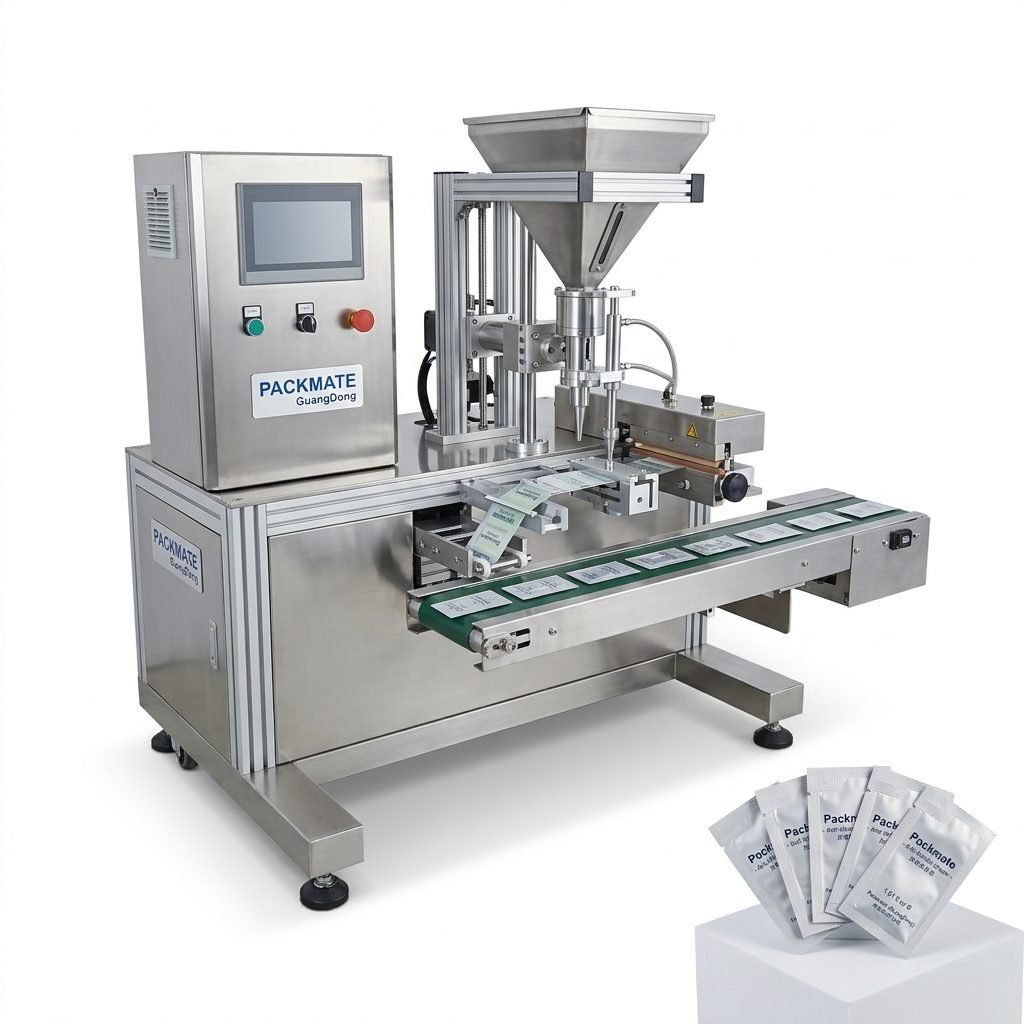
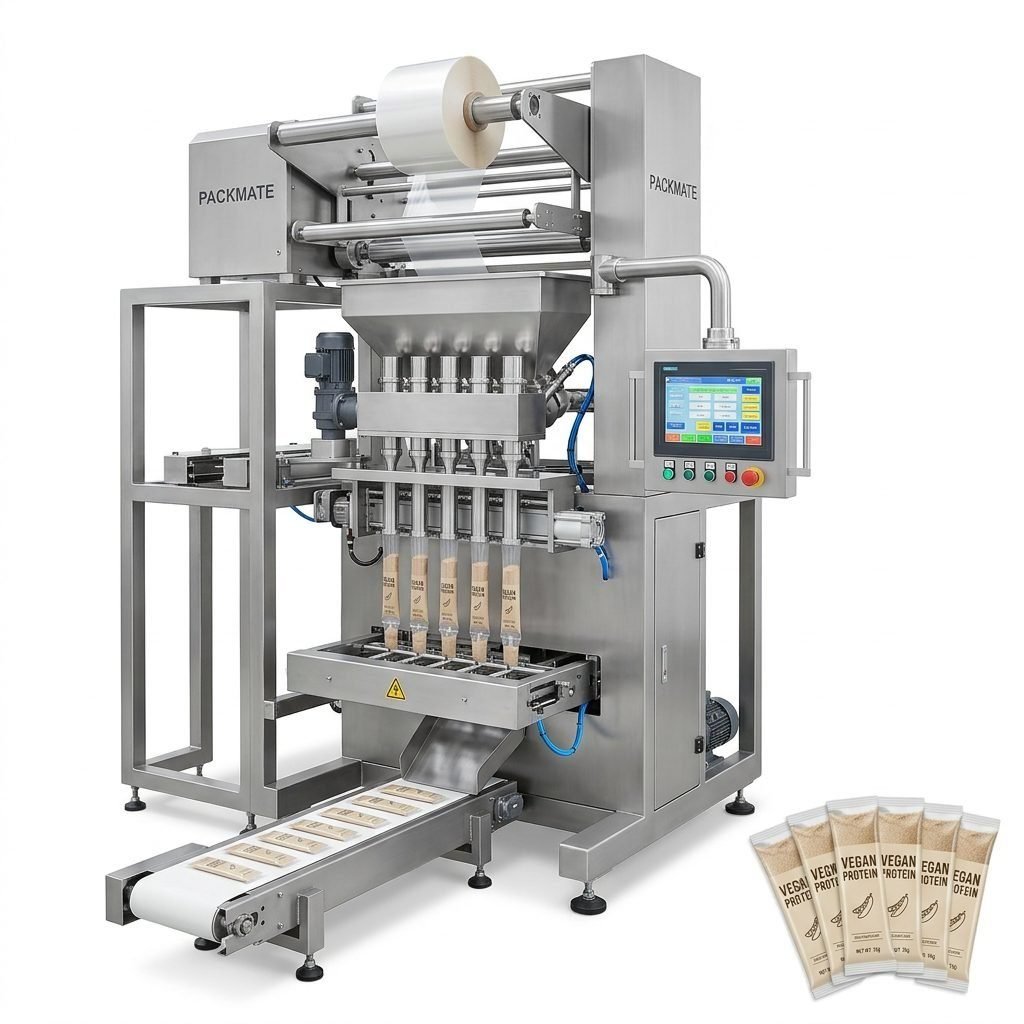
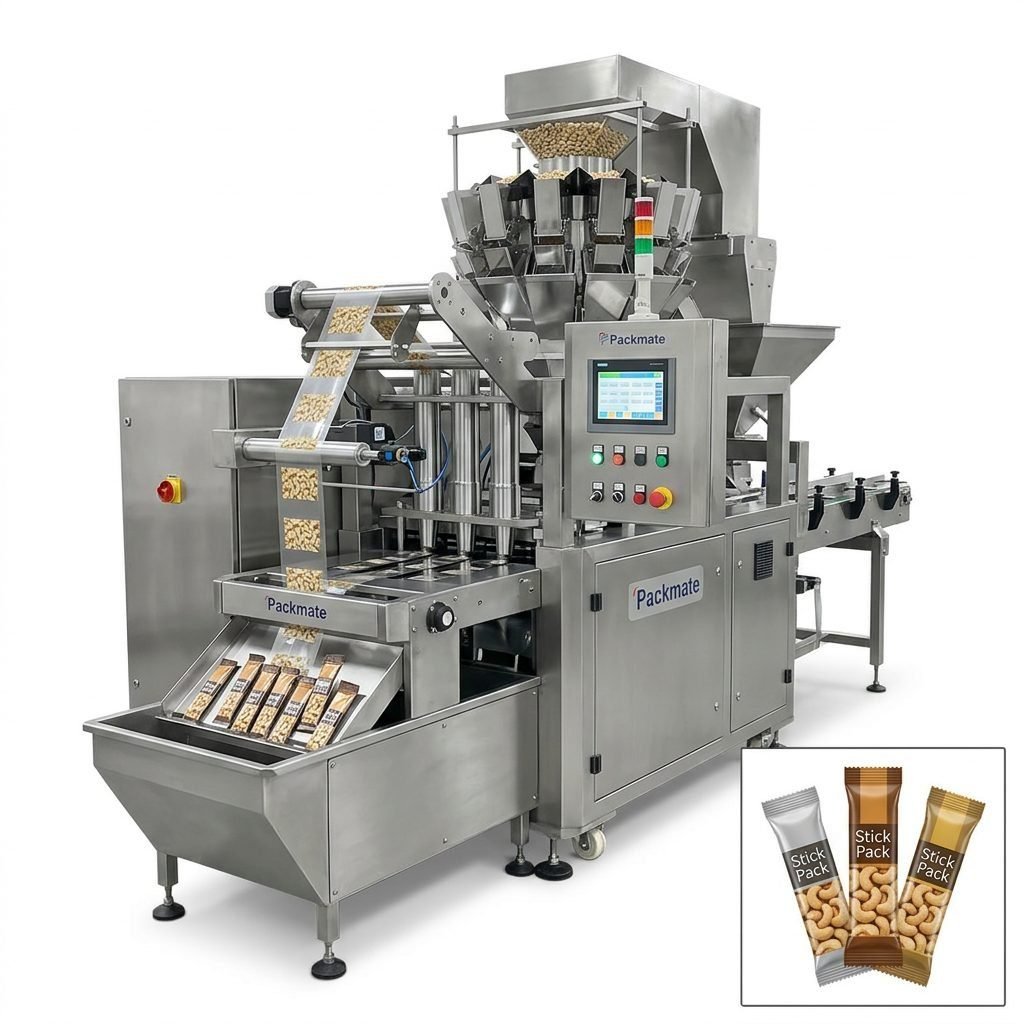
Packaging Format: The end package form—whether sachets, stick packs, pouches, or bags—requires specific machine configurations. For instance, a sachet and stick pack machine is engineered for precise, small-portion packaging.
Budget & ROI: Consider both the initial capital investment and the long-term return through increased productivity, reduced waste, and lower labor costs.
Hallmarks of a Leading Packaging Machinery Supplier
Not all suppliers are created equal. Partnering with a reputable manufacturer can mean the difference between a seamless integration and ongoing operational headaches. Here are the defining traits of industry leaders:
Proven Experience and Technical Expertise: A supplier with decades in the industry, like Packmate Machinery, brings invaluable knowledge. Their journey from a focused workshop to a modern manufacturer with over 30 years of expertise demonstrates a deep understanding of evolving market needs and technical challenges.
Comprehensive Product Portfolio: Top suppliers offer more than just a single machine. They provide a range of solutions, from core bag and pouch packaging machines to complete filling and packaging lines. This allows for scalable, integrated systems rather than piecemeal equipment.
Commitment to Innovation and R&D: The packaging industry is driven by technological advancement. Leading companies invest significantly in research and development to introduce intelligent, more efficient, and more reliable equipment. A modern manufacturing facility with advanced production and testing equipment is a strong indicator of this commitment.
Robust Quality Assurance and Certifications: Look for suppliers who adhere to international quality standards. Certifications are not just plaques on the wall; they represent a systematic approach to manufacturing that ensures machine durability, precision, and safety.
Global Support and Service Network: Machinery requires installation, training, maintenance, and parts. A supplier with a global footprint and a dedicated service team ensures that support is available whenever and wherever you need it, minimizing downtime.
Exploring Modern Packaging Solutions
Today’s packaging solutions are designed to be turnkey systems that address the entire production workflow. Here’s a breakdown of common solutions offered by premier suppliers:
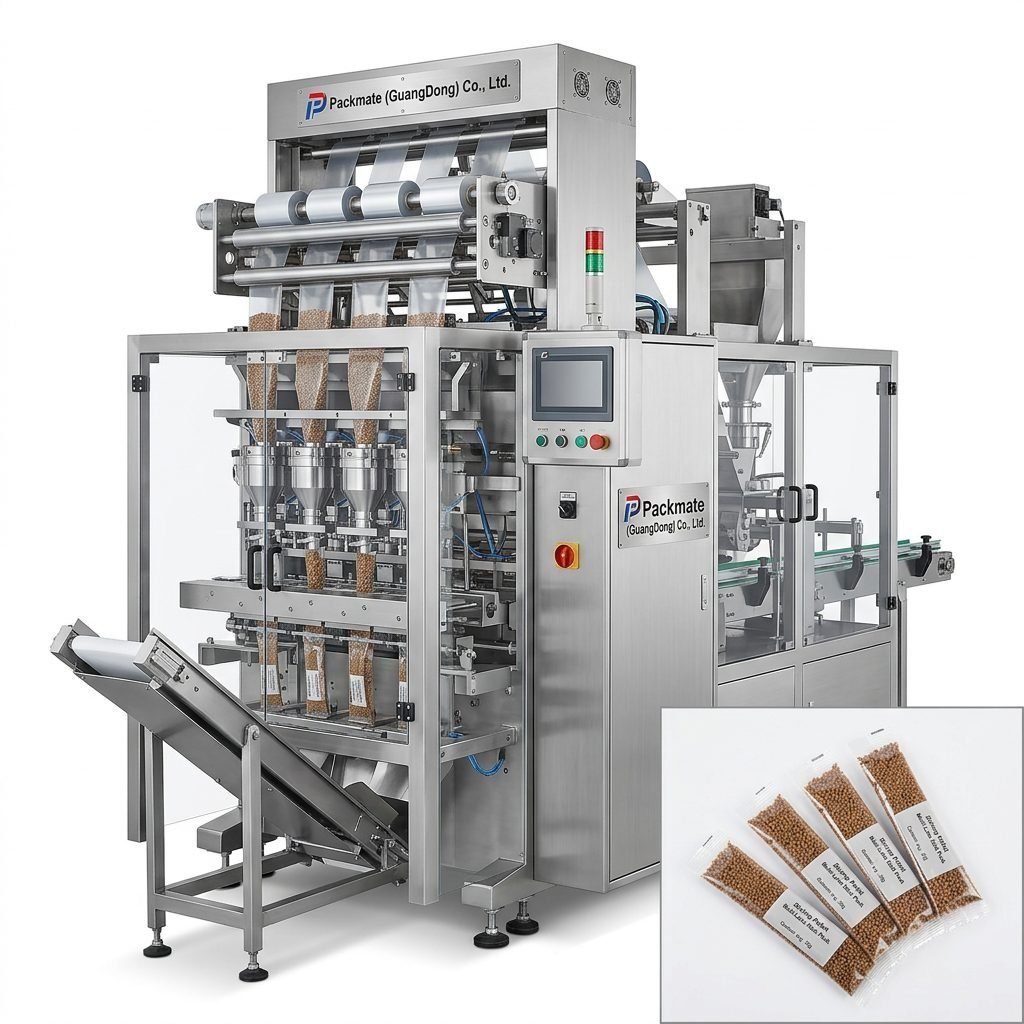
High-Speed Multi-Lane Packaging: For businesses with high-volume output, multi-lane machines simultaneously package multiple units, dramatically increasing throughput. These are ideal for stick packs, sachets, and other small-format items.
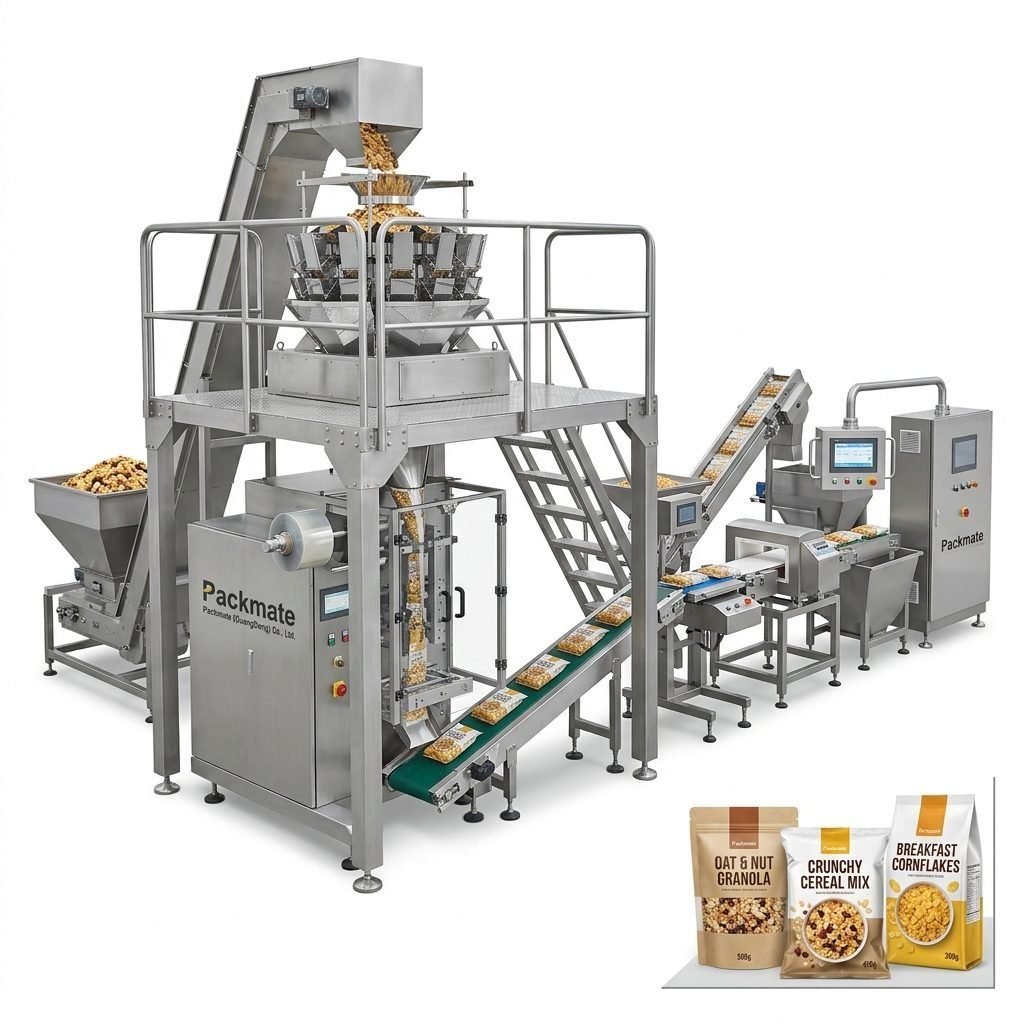
Integrated Weighing and Filling Systems: Accuracy is paramount, especially in food and pharmaceuticals. Integrated systems combine precision weighing scales with automated filling heads to ensure every package meets exact weight specifications, reducing giveaways and ensuring compliance.
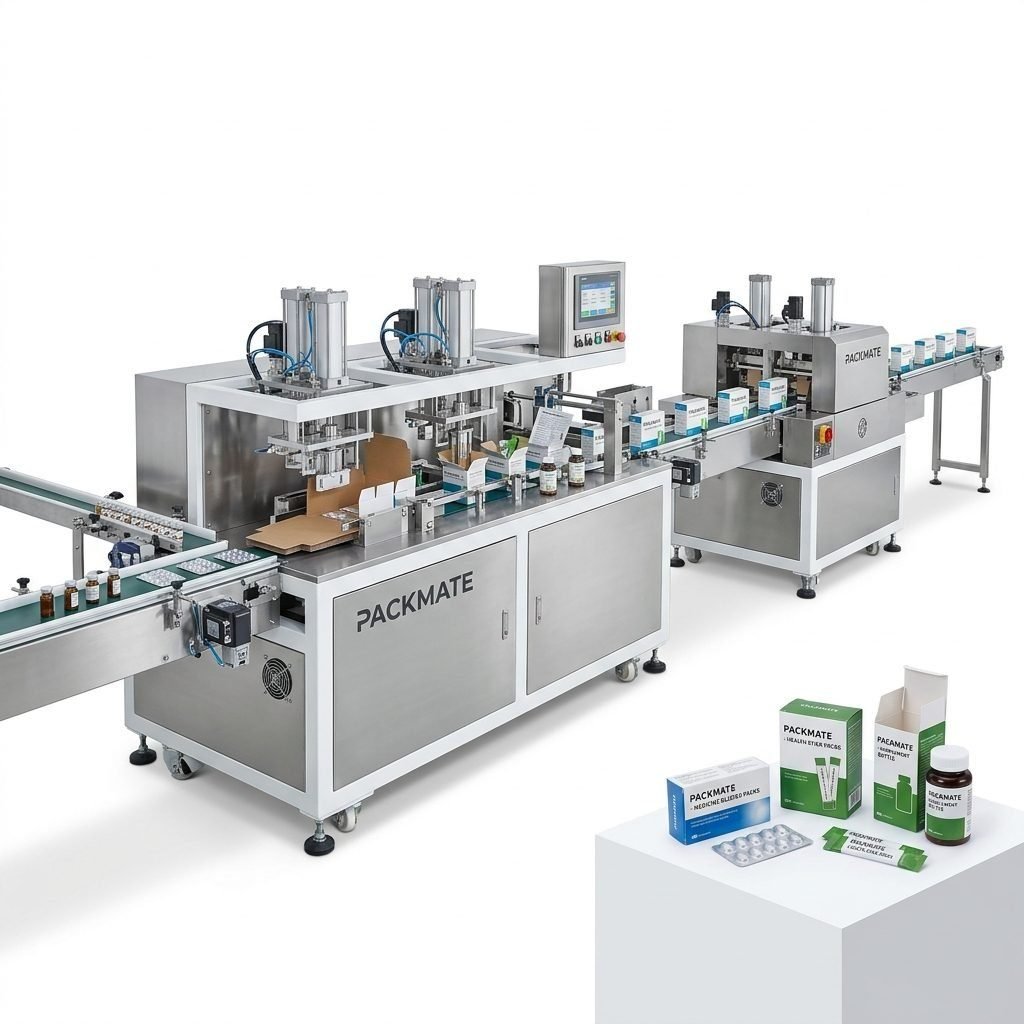
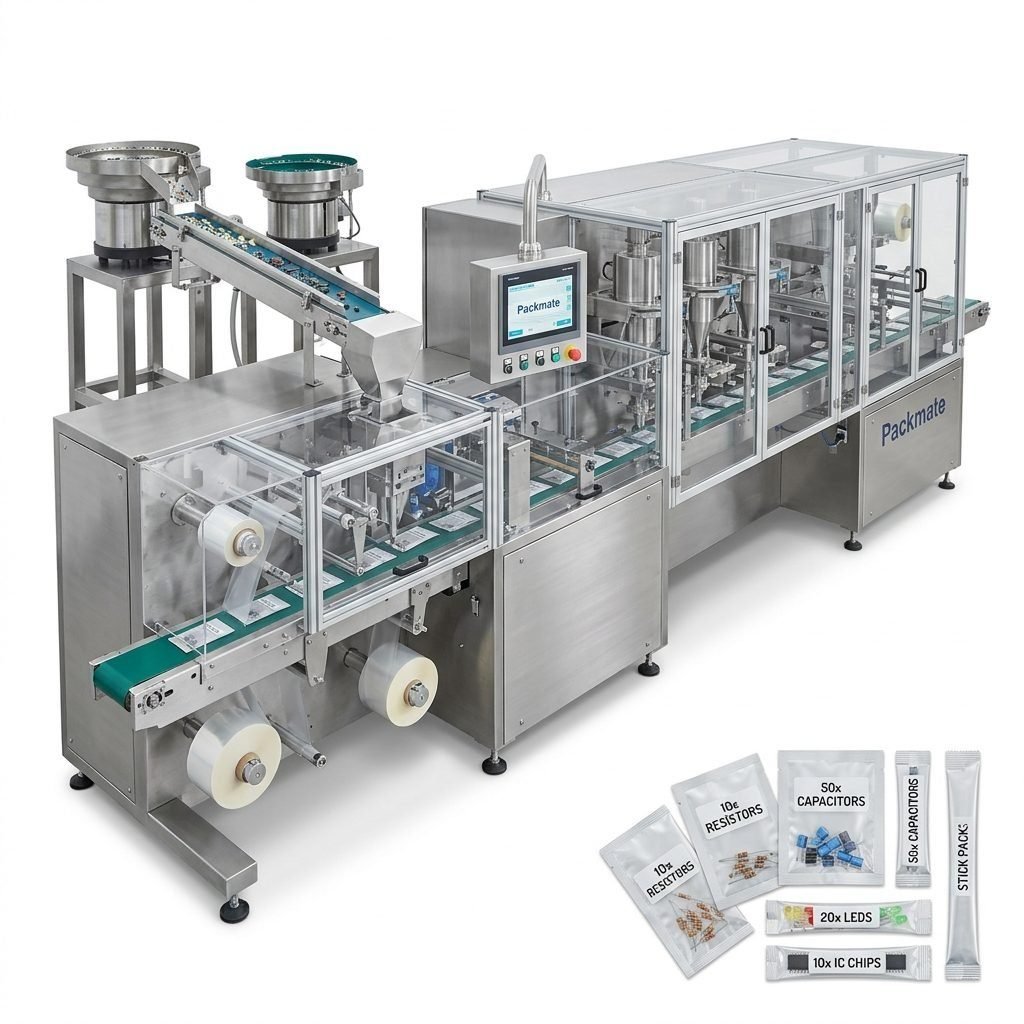
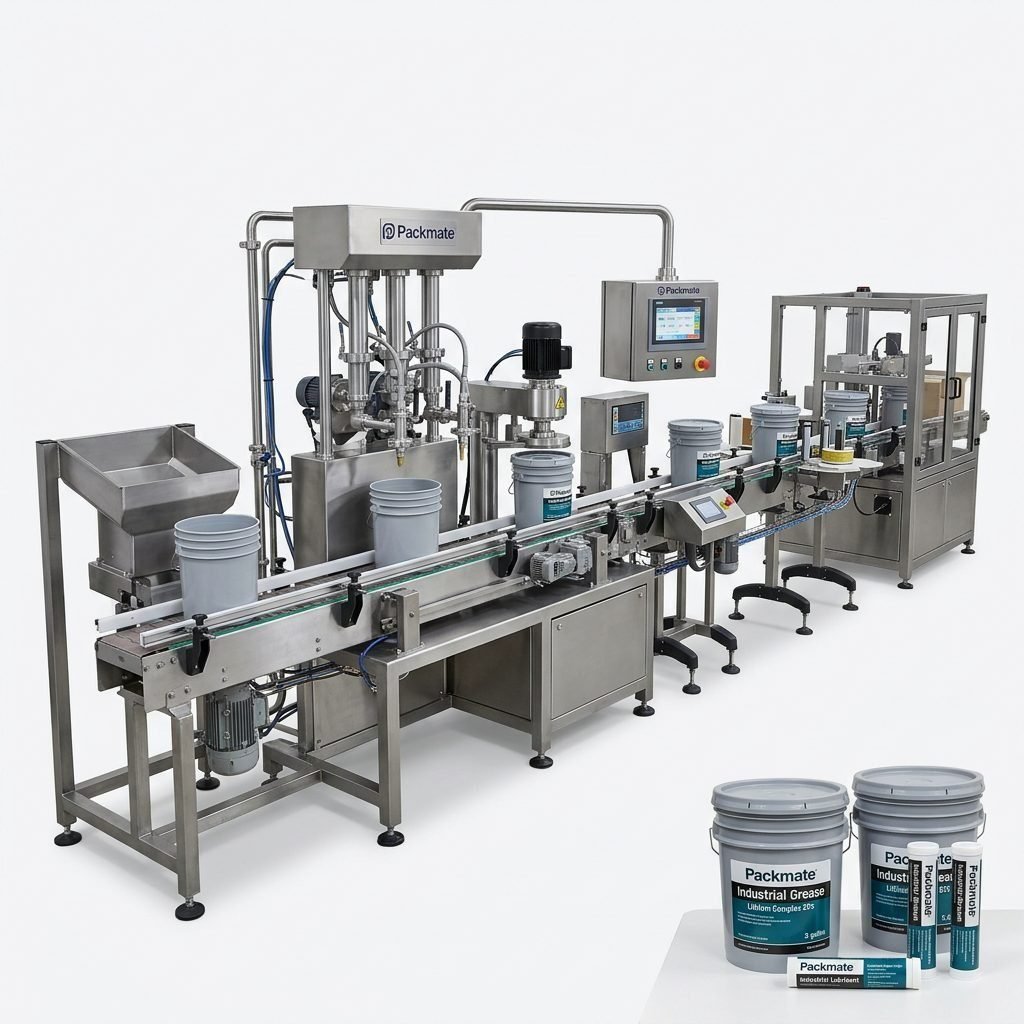
Complete End-to-End Production Lines: Beyond a single machine, top suppliers design and deliver synchronized lines. This can include everything from product feeding and dosing to packaging, sealing, coding, and cartoning. A turnkey solution handles the complexity, providing a single point of responsibility.
Specialized Machinery for Niche Markets: Certain industries have unique requirements. For example, the tobacco-free nicotine pouch market demands specific hygiene and precision standards, met by dedicated snus and nicotine packaging machines.
Flexible and Changeover-Friendly Design: Market demands change rapidly. Modern machines are built with quick-change parts and programmable logic controllers (PLCs) that allow for fast switching between different package sizes, shapes, or materials, enhancing operational flexibility.
The Value of Partnership Over Transaction
The most significant benefit of choosing a top supplier is the transition from a simple buyer-seller relationship to a strategic partnership. A partner like Packmate, with its mission rooted in collaboration, works to understand your long-term goals. They provide consultancy, custom engineering for unique challenges, and ongoing support to ensure your packaging line continues to be a competitive asset. Reviewing a supplier’s case studies can offer tangible proof of their ability to forge successful, solution-oriented partnerships.
Conclusion
Investing in packaging machinery is an investment in your business’s future productivity and market presence. By clearly defining your needs and meticulously evaluating suppliers based on their experience, technological capability, quality ethos, and support structure, you can secure a solution that delivers reliability, efficiency, and growth. The right machinery partner doesn’t just sell you a machine; they provide a pathway to optimized packaging performance.
Frequently Asked Questions (FAQs)
Q1: What is the typical lead time for a new packaging machine?
Lead times vary based on machine complexity and customization. For standard models from established suppliers, it can range from 8 to 16 weeks. Always confirm timelines during the quotation process.
Q2: Can existing packaging lines be upgraded or retrofitted?
Yes, many suppliers offer upgrade services. This can include adding new modules (like checkweighers or vision systems), increasing speed, or improving automation. It’s a cost-effective way to enhance performance without a full replacement.
Q3: How important is after-sales service and training?
Extremely important. Comprehensive training for your operators and maintenance staff is crucial for smooth operation and longevity of the equipment. Reliable after-sales service for spare parts and technical support is essential to minimize production downtime.
Q4: What are the key maintenance requirements for packaging machinery?
Regular preventive maintenance is vital. This typically includes daily cleaning, lubrication of moving parts as per the manual, inspection of seals and wear parts, and calibration of weighing and filling systems. Your supplier should provide a detailed maintenance schedule.
Q5: How do I choose between a single machine and a full turnkey line?
The choice depends on your scale, budget, and in-house expertise. A single machine suits simpler needs or integration into an existing line. A full turnkey line is best for new high-volume production, as the supplier handles all integration, ensuring compatibility and optimal performance from day one.