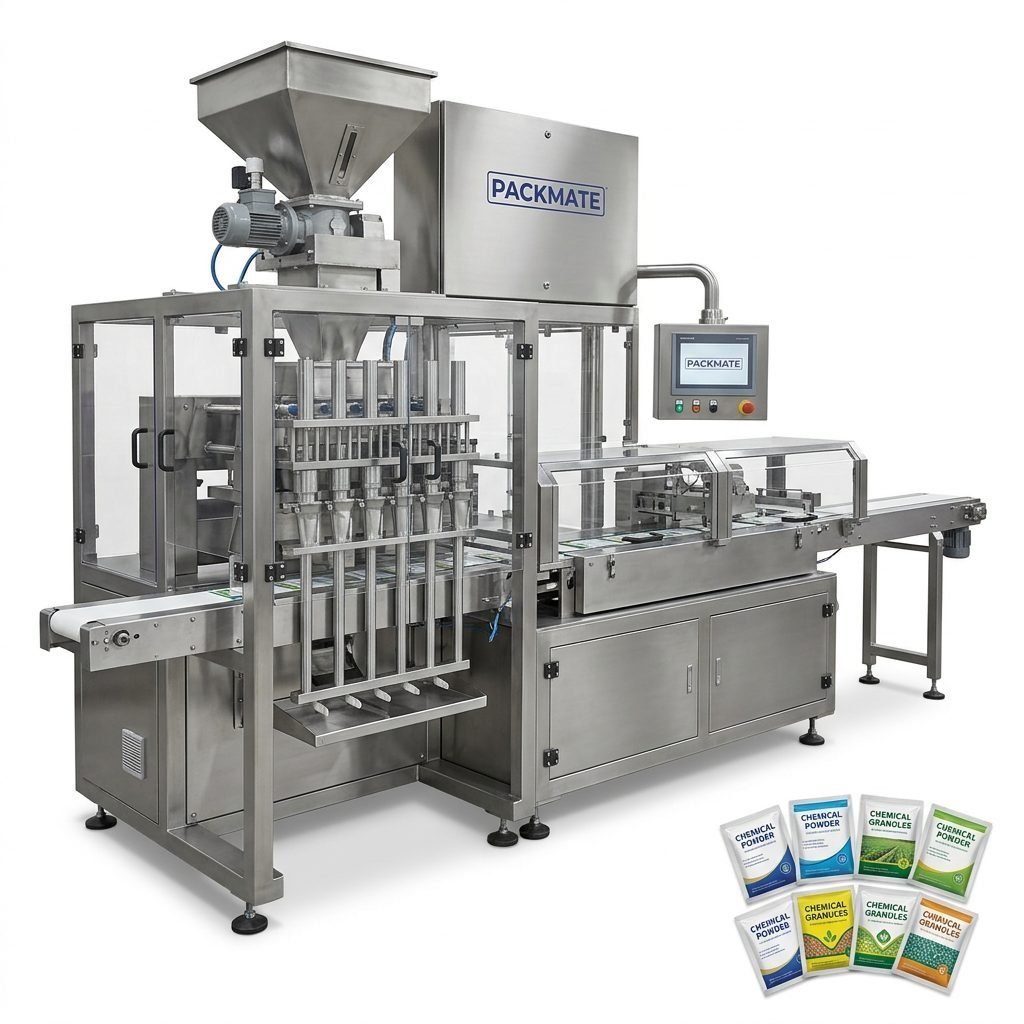
In today’s competitive meat processing industry, efficiency and product freshness are not just goals—they are the cornerstones of profitability and customer satisfaction. Selecting the best meat packaging machines is a critical investment that directly impacts shelf life, operational costs, and brand reputation. This guide delves into the key features, technologies, and considerations for choosing equipment that maximizes both efficiency and freshness, ensuring your products stand out in quality and presentation.
Core Technologies Driving Modern Meat Packaging
The evolution from manual wrapping to automated, intelligent systems has revolutionized meat packaging. Modern machines integrate several core technologies to achieve unparalleled results.
Modified Atmosphere Packaging (MAP)
MAP technology is a game-changer for preserving freshness. By replacing the air inside a package with a protective gas mixture (typically nitrogen and carbon dioxide), it dramatically slows down oxidation and bacterial growth. The best machines offer precise gas flushing capabilities, ensuring the optimal atmosphere is consistently maintained for different meat types, from delicate poultry to robust red meats.
High-Speed Vacuum Sealing
Removing air from the package is fundamental. Advanced vacuum sealing systems not only operate at high speeds to match production lines but also ensure a perfect, wrinkle-free seal every time. This prevents freezer burn, reduces purge loss (the leakage of natural juices), and creates a tight, protective barrier against contaminants.
Intelligent Weighing and Portioning
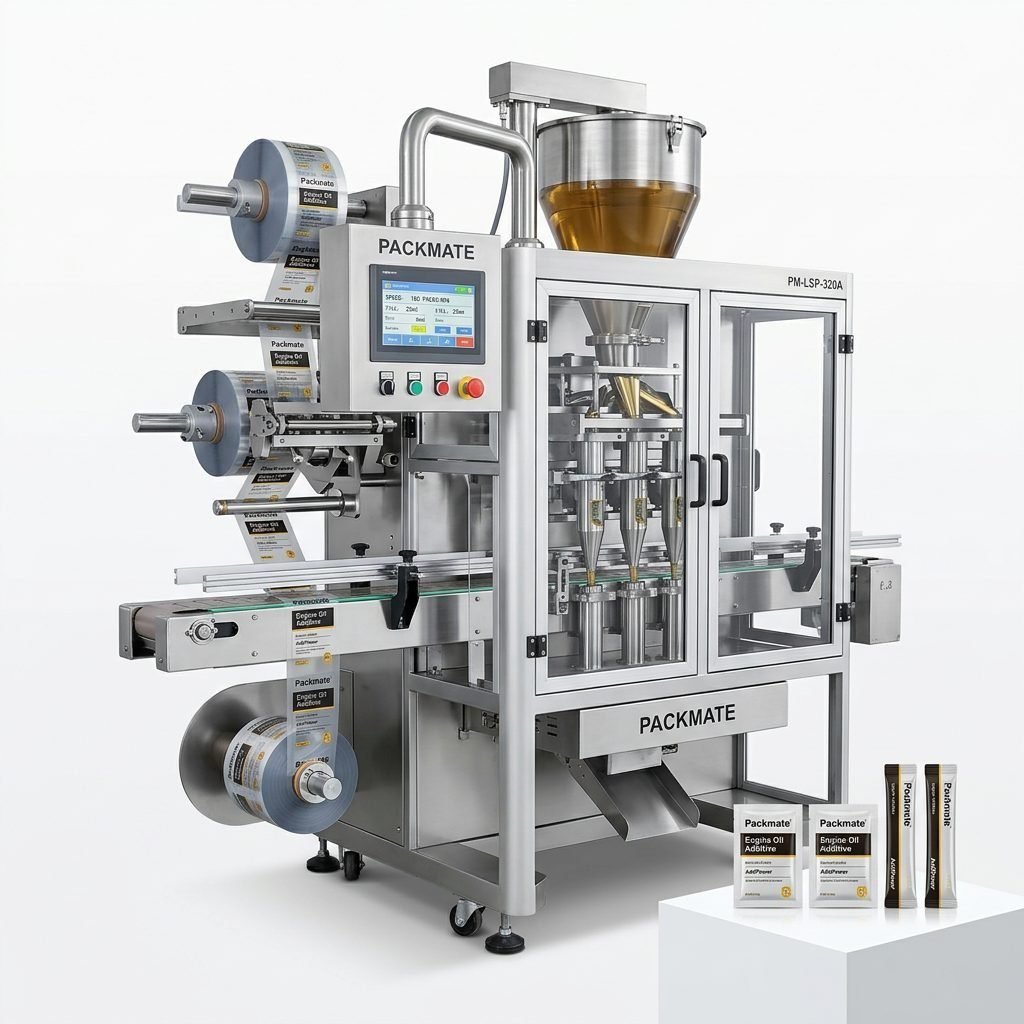
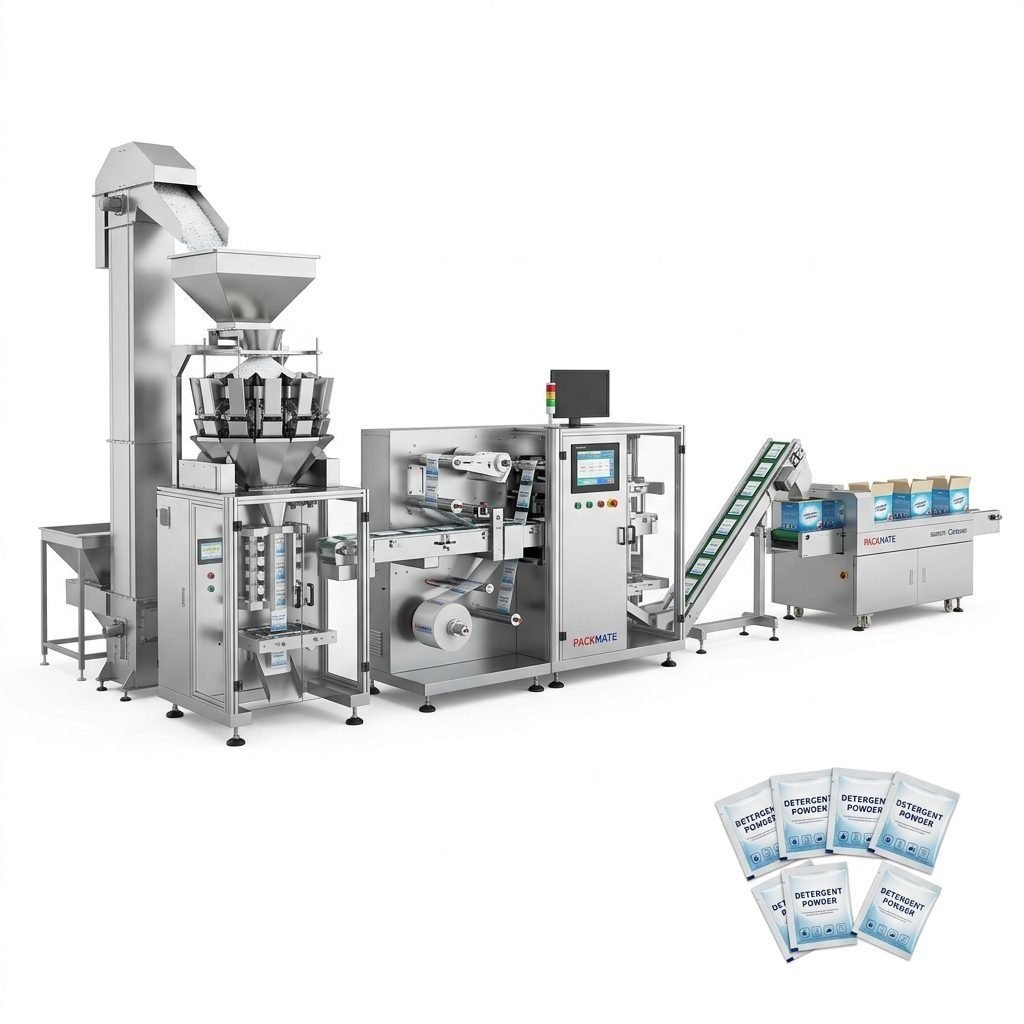
Efficiency starts with accurate portion control. Integrated multi-head weighers and dynamic portioning systems ensure precise weight targets are met, minimizing giveaway and maximizing yield. This technology is crucial for compliance and for creating uniform, consumer-friendly packages. For a comprehensive look at such integrated systems, explore our Weighing & Packaging Systems.
Key Takeaway: The synergy of MAP, vacuum sealing, and intelligent weighing forms the technological trinity of modern meat packaging. Investing in machines that excel in these areas is non-negotiable for brands serious about quality and shelf life.
Evaluating Machine Efficiency: Beyond Speed
While output per hour is a vital metric, true efficiency encompasses several factors that affect total cost of ownership and line uptime.
Changeover Flexibility
Can the machine quickly switch between different package sizes, shapes, or film types? Machines with tool-less or quick-change mechanisms drastically reduce downtime during production shifts, allowing for smaller, more frequent runs to meet market demand without sacrificing efficiency.
Material Utilization and Waste Reduction
Efficient machines optimize film usage through advanced nesting algorithms and precise sealing controls. This reduces material costs and environmental footprint. Look for features like automatic film splicing for continuous operation and edge-trim recycling systems.
Ease of Cleaning and Maintenance
In food processing, hygiene is paramount. Machines designed with smooth surfaces, easy-access panels, and CIP (Clean-in-Place) capabilities ensure thorough cleaning can be performed quickly, maintaining the highest sanitary standards and preventing cross-contamination. Discover robust solutions in our Filling & Packaging Lines portfolio.
Preserving Freshness: The Ultimate Goal
The primary function of packaging is to protect the product. For meat, this means preserving color, texture, flavor, and safety from the processing plant to the consumer’s table.
Barrier Film Compatibility
The machine must be compatible with high-performance barrier films. These multi-layered films are engineered to provide excellent oxygen and moisture barriers. The best packaging machines handle these sophisticated materials reliably, ensuring seals are strong and impermeable.
Temperature Management Integration
Freshness preservation is a chain. Packaging machines that can be seamlessly integrated into chilled environments or have localized cooling at the sealing jaws prevent temperature spikes during the packaging process, which is critical for maintaining the cold chain.
Leak Detection and Quality Assurance
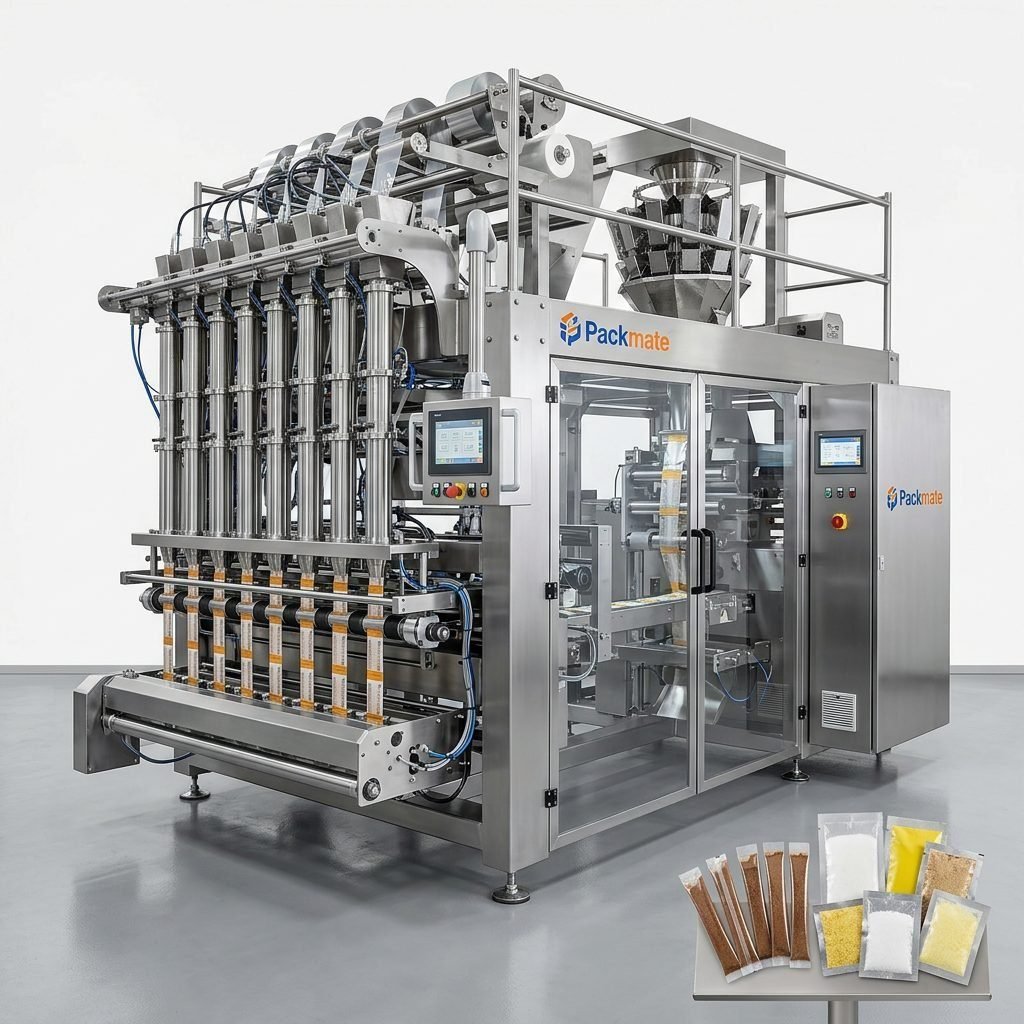
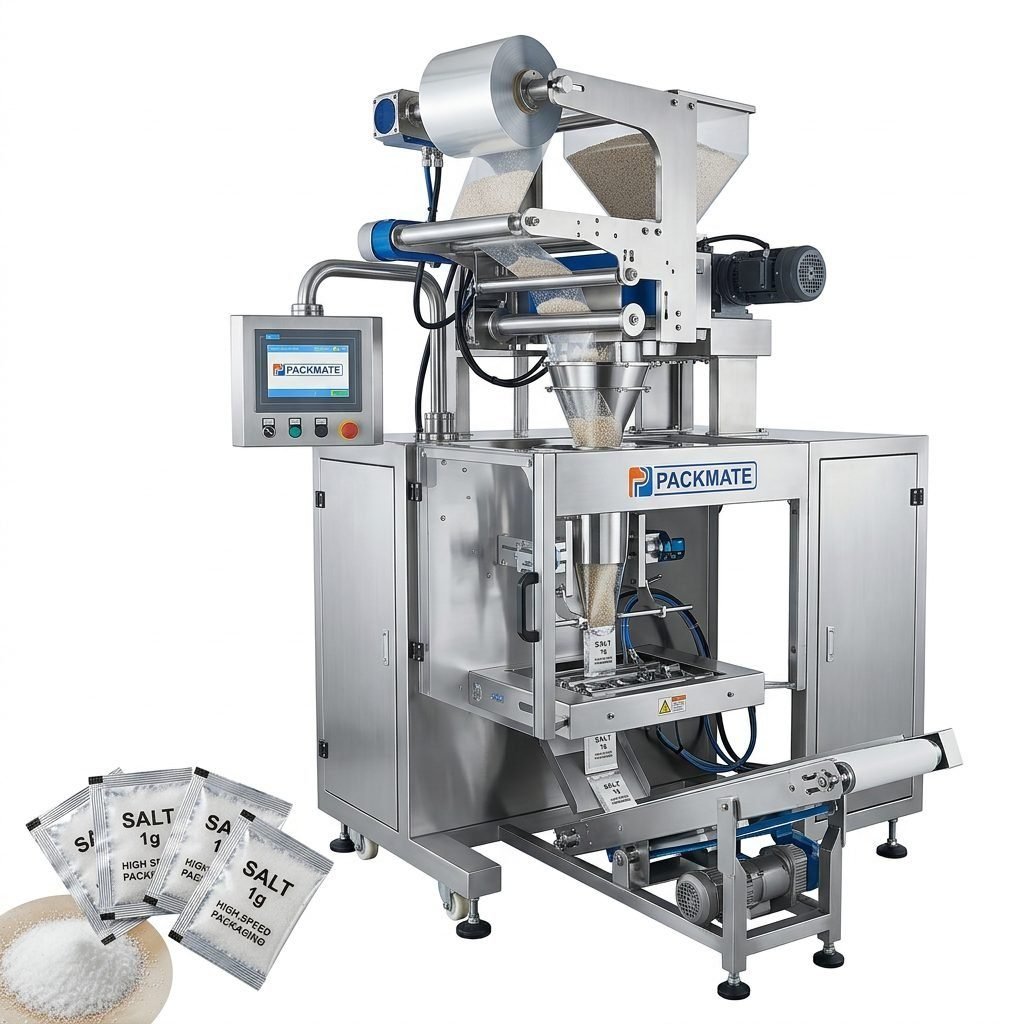
Advanced systems now include inline leak detection, such as vacuum decay testers. This 100% inspection guarantees that every package leaving the line has integrity, providing an additional layer of safety and quality control before products are shipped. For specialized needs, our Bag & Pouch Packaging Machines offer tailored configurations.
Freshness Checklist for Machine Selection:
- Precision Gas Control: For consistent MAP results.
- Reliable Seal Integrity: Tested under production conditions.
- Gentle Product Handling: To avoid bruising or damage.
- Hygienic Design: Easy to clean, preventing bacterial harborage.
Choosing the Right Partner for Your Packaging Line
The machine is only as good as the company behind it. Partnering with a manufacturer with proven expertise ensures long-term success. Packmate Machinery, with over 30 years of specialization in intelligent packaging, exemplifies this partnership model. From a vision in a small workshop to a 20,000㎡ modern facility, our journey is built on solving real-world packaging challenges. We don’t just sell machines; we provide complete turnkey solutions, from initial design and integration to after-sales support and training, ensuring your investment delivers maximum value for years to come.
Frequently Asked Questions (FAQs)
What is the most important feature to look for in a meat packaging machine for extending shelf life?
While multiple features are important, precision Modified Atmosphere Packaging (MAP) capability is arguably the most critical for significantly extending shelf life. It actively creates an unfavorable environment for spoilage microorganisms, preserving color and freshness far longer than traditional vacuum packaging alone.
How can I improve the efficiency of my existing packaging line without replacing everything?
Consider integrating auxiliary equipment like automatic loaders, case packers, or robotic palletizers. Upgrading key components, such as the weighing system or sealing jaws on your current machine, can also yield substantial speed and accuracy improvements. Explore options in our Auxiliary Packaging Equipment section.
Are there packaging machines suitable for both fresh and frozen meat products?
Yes, many versatile machines are designed to handle both. The key factors are the machine’s construction materials (which must withstand condensation and low temperatures) and its sealing system’s ability to create a strong seal through potential frost on the film. Discuss your specific application with the manufacturer.
What kind of maintenance schedule do these machines typically require?
Maintenance schedules vary by model and usage but generally include daily cleaning and lubrication, weekly checks of seals and sensors, and more comprehensive quarterly or annual inspections by a qualified technician. Choosing a supplier with readily available spare parts and service support is crucial for minimizing downtime.
How do I determine the right packaging machine capacity for my business?
Analyze your current peak production volumes and project growth for the next 3-5 years. Factor in product mix, required package formats, and desired shifts per day. A reputable supplier like Packmate can conduct a line audit and provide a capacity analysis to recommend a machine that meets your needs without over-investing.