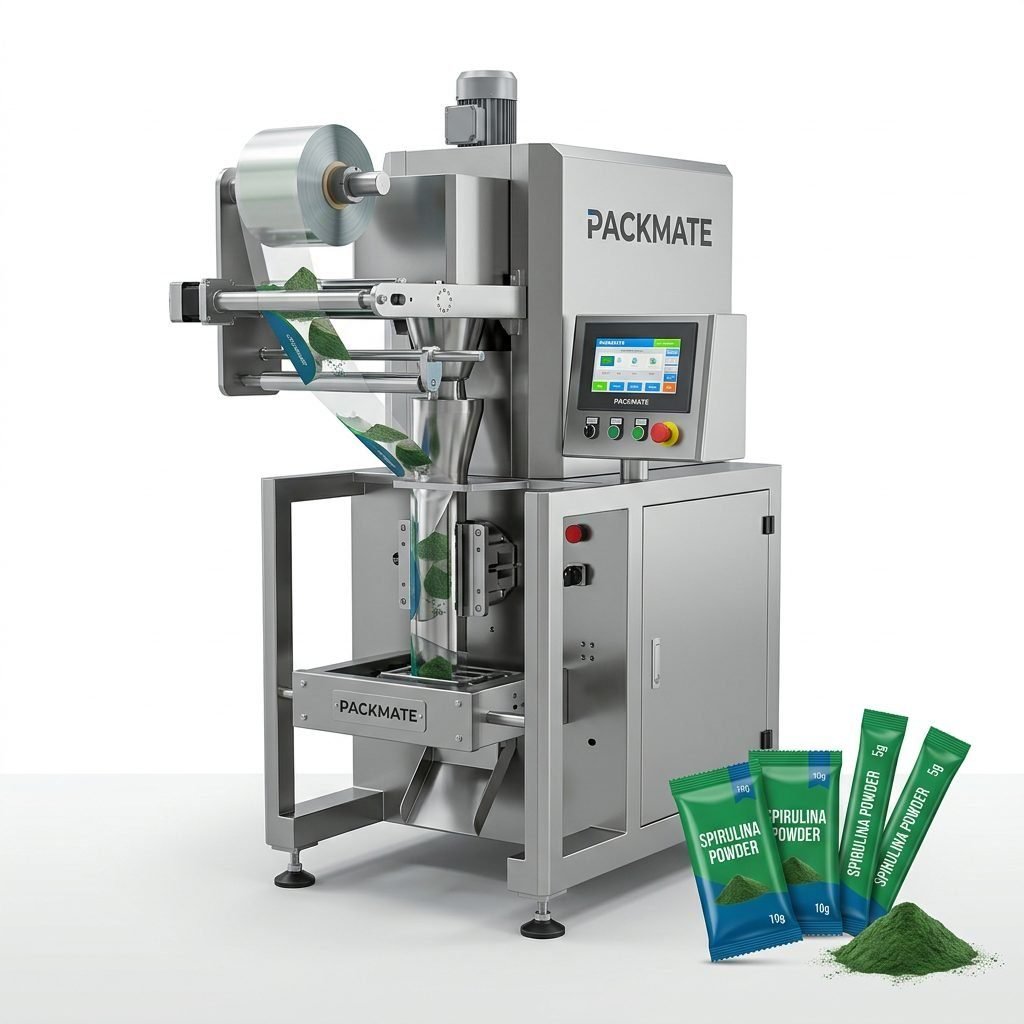
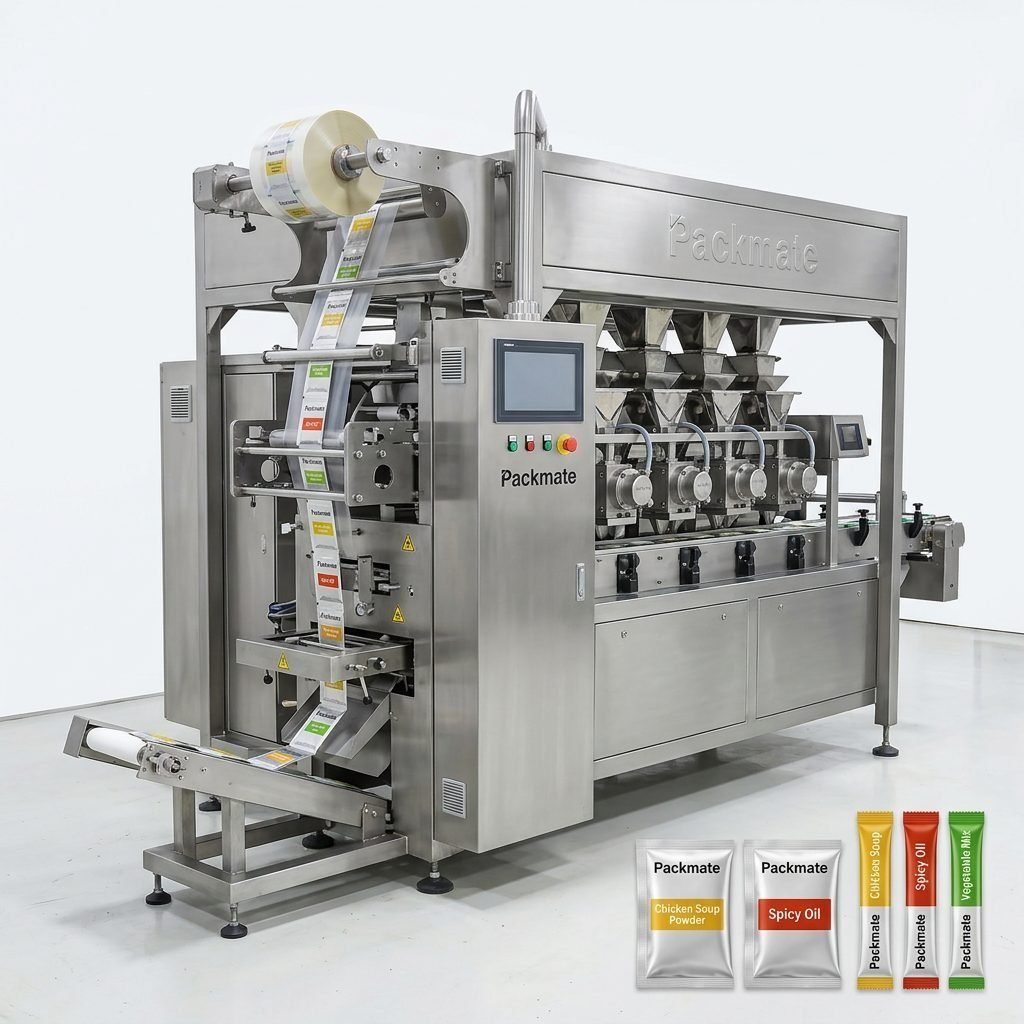
In the fast-paced world of manufacturing and logistics, industrial packaging machinery stands as the backbone of product protection, presentation, and distribution. These sophisticated systems automate the process of placing goods into containers, wrapping them, and preparing them for shipment, ensuring efficiency, consistency, and cost-effectiveness. For businesses looking to scale operations or improve their packaging line, understanding the different types of equipment, their applications, and key purchasing considerations is crucial.
Primary Types of Industrial Packaging Machinery
The landscape of packaging machinery is diverse, with each type designed for specific functions and materials. Here are the core categories that dominate modern production floors.
Filling Machines
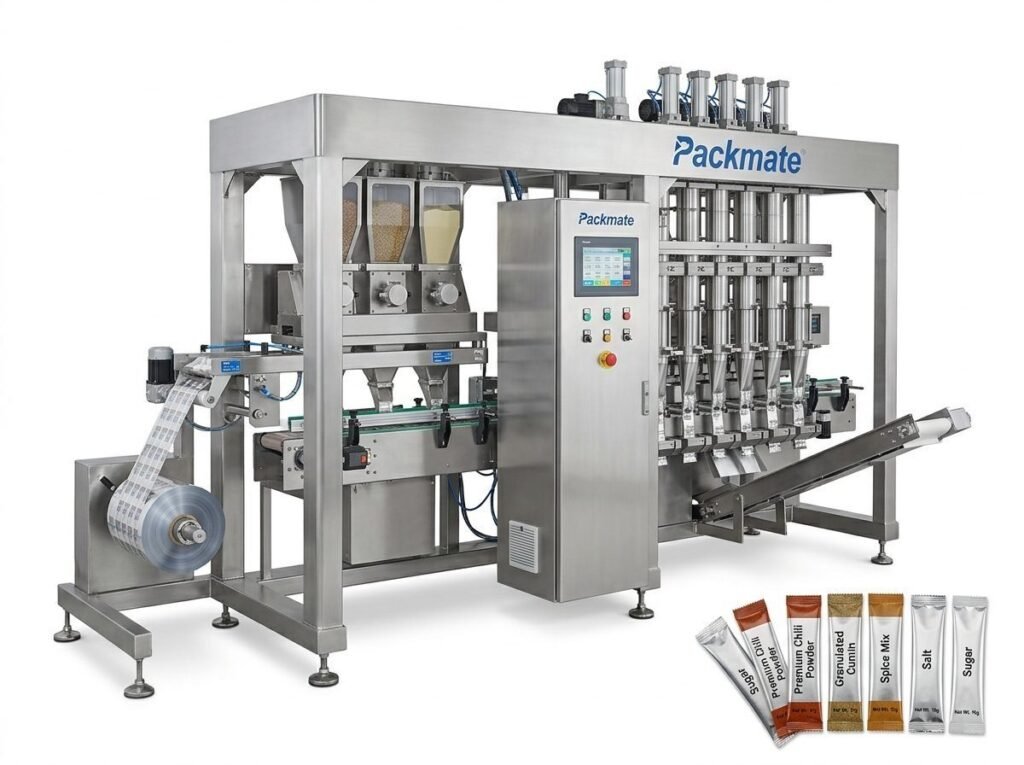
These machines are responsible for accurately dispensing a product—whether liquid, powder, or granule—into its container. Precision is paramount here to minimize waste and ensure consistent product weight. Common variants include volumetric fillers, piston fillers, and auger fillers, each suited to different product viscosities and flow characteristics. For a comprehensive look at integrated systems, explore our Filling & Packaging Lines.
Sealing Machines
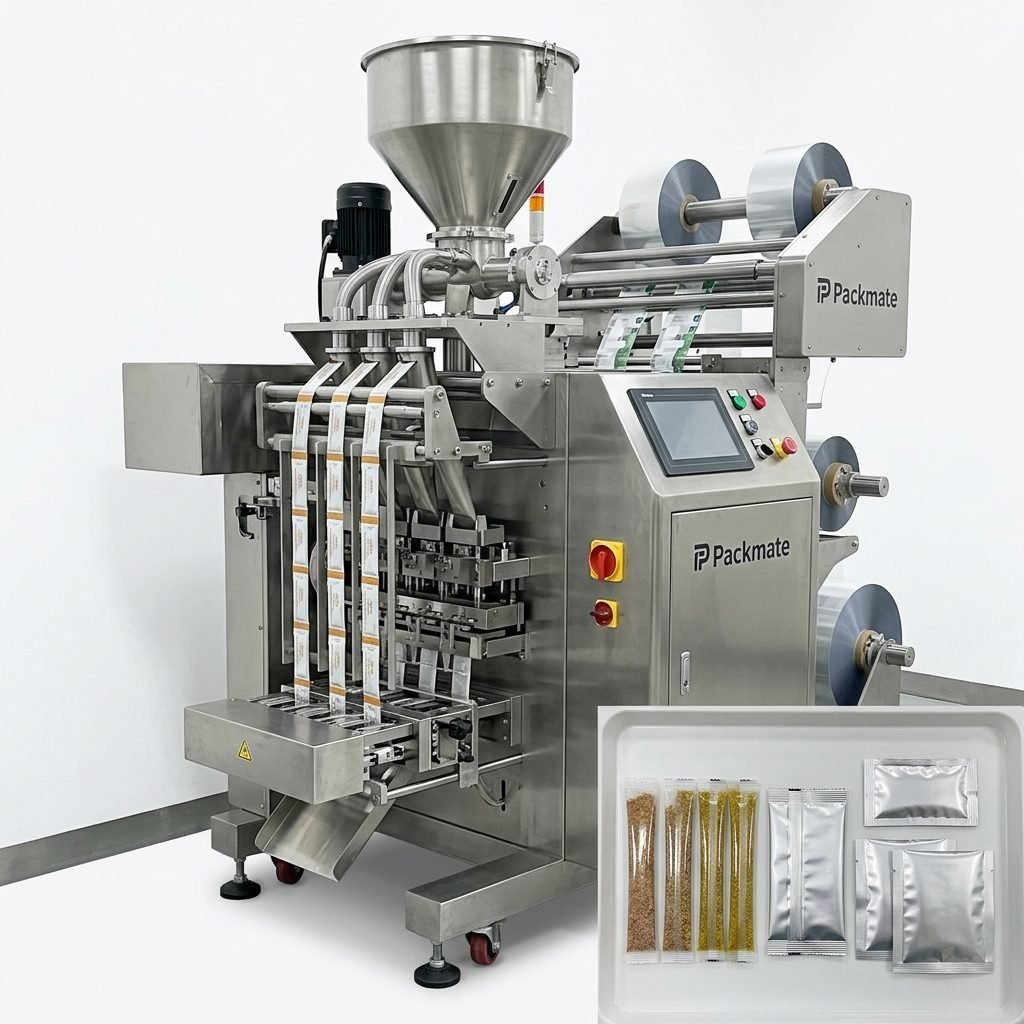
Once a product is in its pouch or bag, it must be securely closed. Sealing machines use methods like heat sealing, induction sealing, or ultrasonic welding to create a hermetic or tamper-evident closure. The choice depends on the packaging material (plastic, foil, laminate) and the required seal strength for product integrity during transit and shelf life.
Labeling and Coding Equipment
This category includes machines that apply labels, print batch codes, expiration dates, or barcodes directly onto packages. Compliance with traceability regulations and providing essential consumer information make this equipment indispensable. Technologies range from simple pressure-sensitive labelers to advanced inkjet and laser coding systems.
Wrapping and Bundling Machines
These systems handle the outer layer of packaging. Stretch wrappers secure pallet loads for shipping, while shrink wrappers apply a tight film around individual products or multi-packs. Cartoning machines erect, load, and close cardboard boxes, often as a final step before palletizing.
Key Applications Across Industries
Industrial packaging machinery is not a one-size-fits-all solution. Its application is finely tuned to the demands of specific sectors.
Food & Beverage
This sector demands hygiene, speed, and precision. Machines must handle everything from loose snacks to viscous sauces, often requiring food-grade stainless steel construction and easy-clean designs. Portion control and extended shelf life through proper sealing are critical goals.
Pharmaceuticals & Healthcare
Here, accuracy and sterility are non-negotiable. Packaging lines for pills, powders, or medical devices must comply with stringent Good Manufacturing Practice (GMP) standards. Machinery often includes features to prevent cross-contamination and ensure 100% track-and-trace capability.
Chemicals & Agriculture
Durability and safety take precedence. Equipment packages fertilizers, pesticides, or industrial chemicals into robust bags or containers, often incorporating dust extraction systems and corrosion-resistant components to handle harsh materials safely.
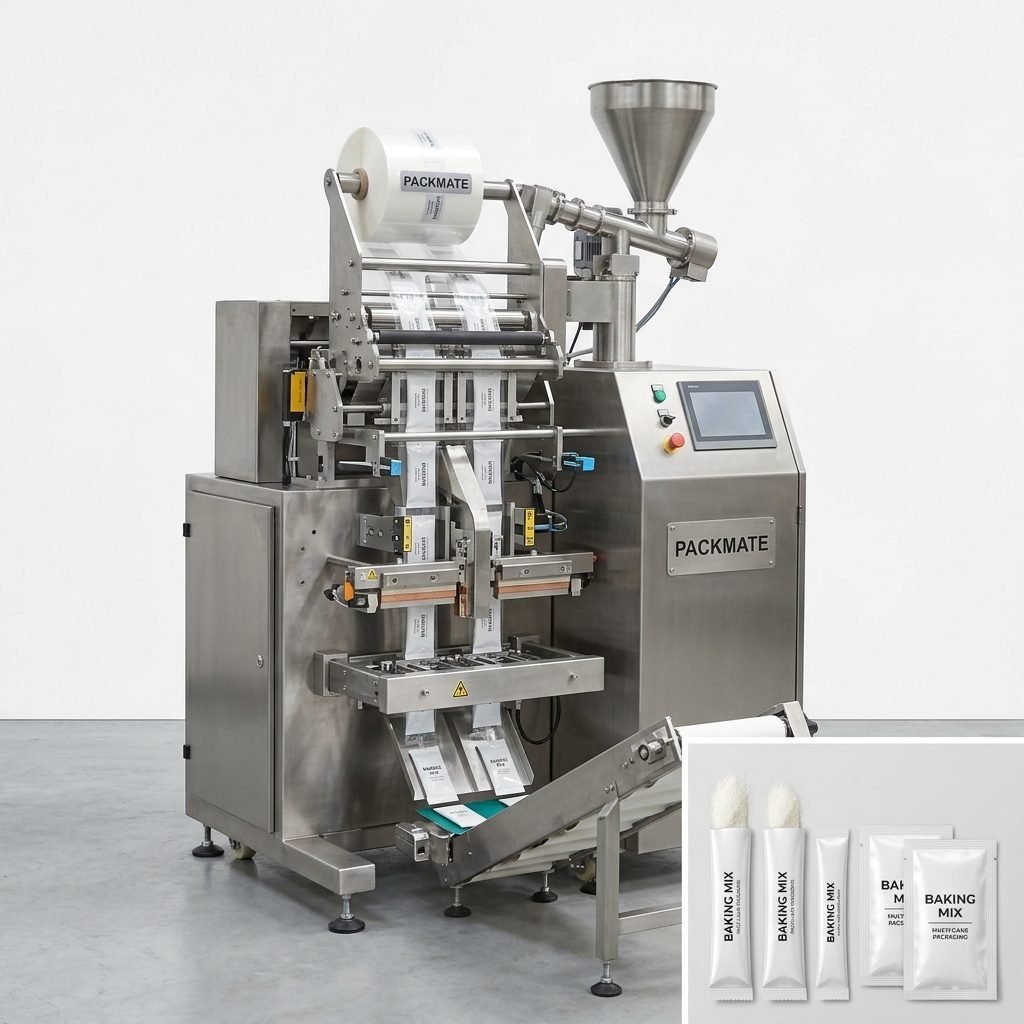
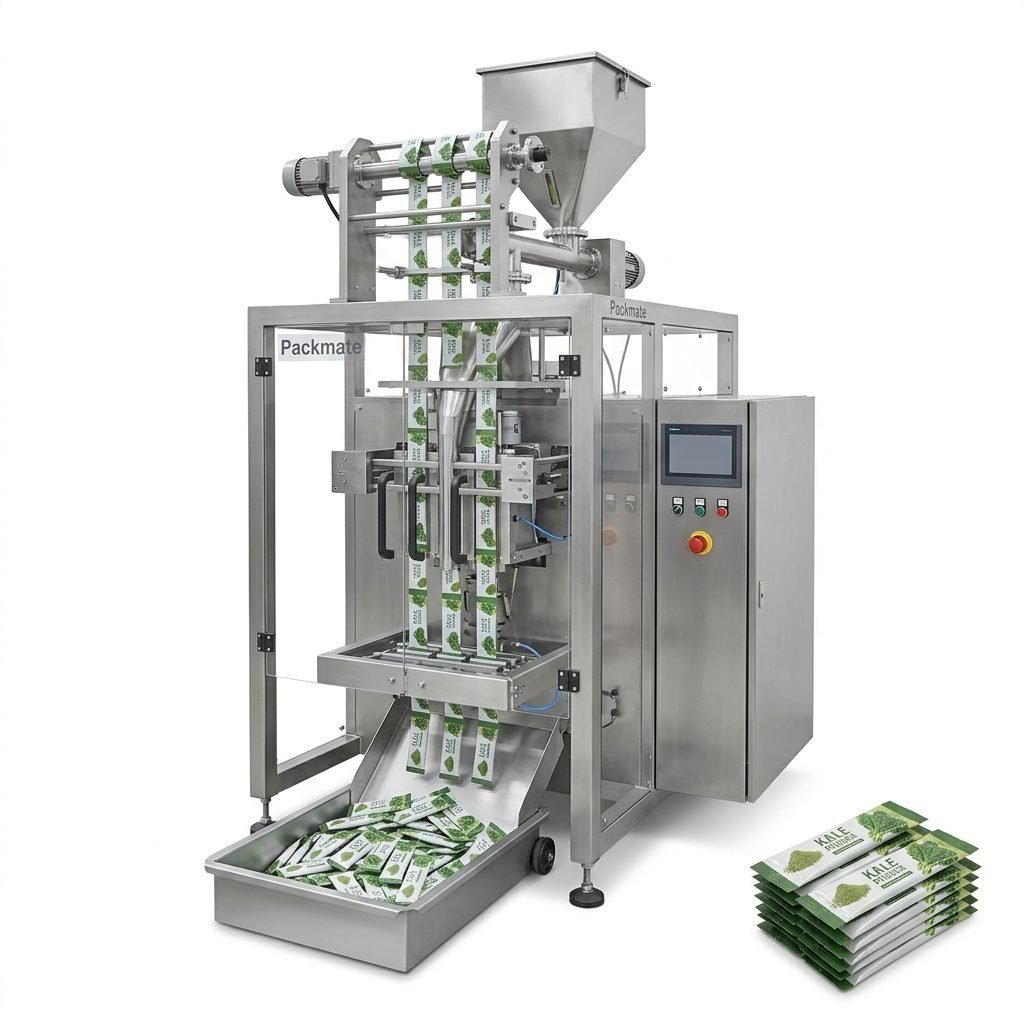
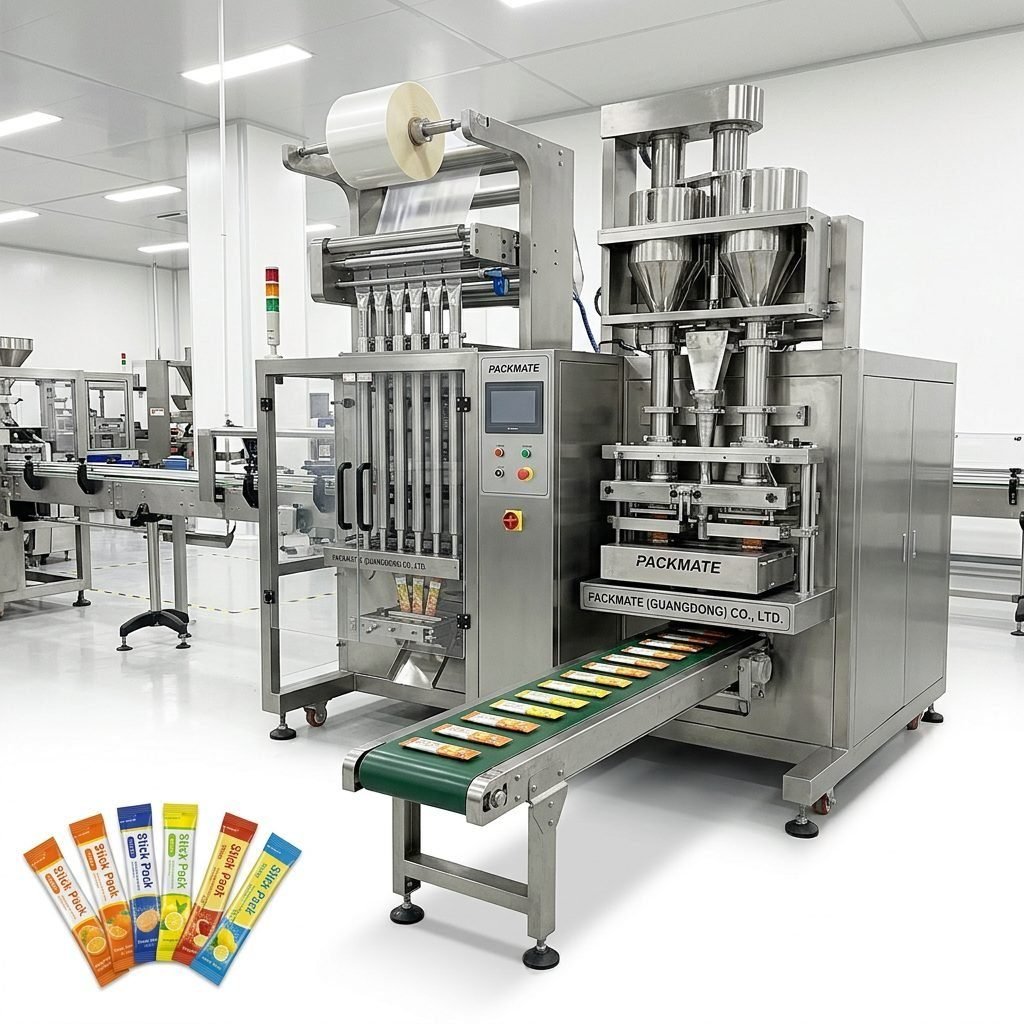
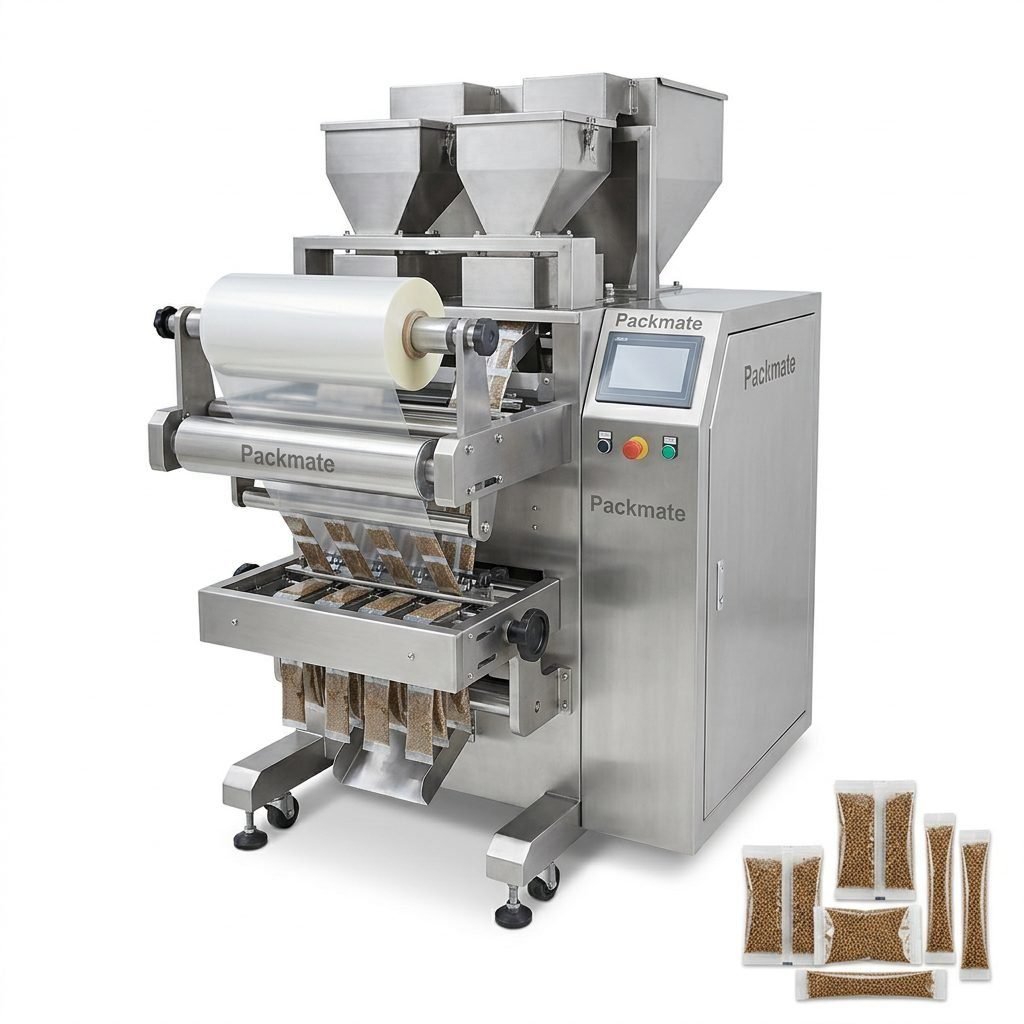
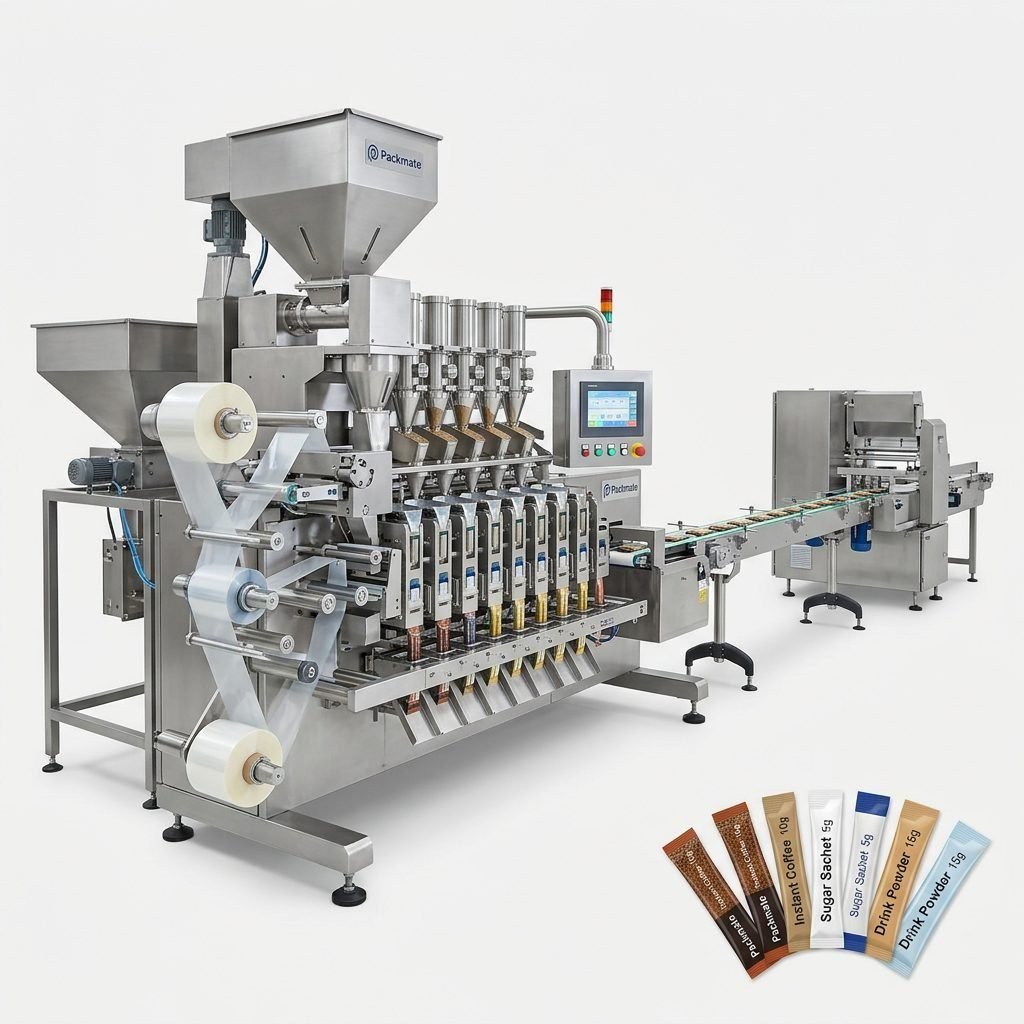
For specialized needs, such as creating small, portable pouches, Sachet & Stick Pack Machines offer ideal solutions for samples, condiments, or single-serve products.
Essential Buying Guide: What to Consider
Investing in packaging machinery is a significant decision. A thorough evaluation based on your specific needs will ensure a successful integration and strong return on investment.
1. Assess Your Product and Output Requirements
Start by defining your product’s physical characteristics (size, shape, form) and your required production speed (packages per minute). This will narrow down the machine type and model capacity. Don’t forget to consider future product lines or output scaling to ensure the machine has some growth flexibility.
2. Material Compatibility and Changeover
The machine must be compatible with your packaging materials—whether film, pre-made pouches, or bottles. A key factor for factories running multiple SKUs is changeover time. Look for machines with quick-change parts and digital settings to minimize downtime between production runs.
3. Integration with Existing Lines
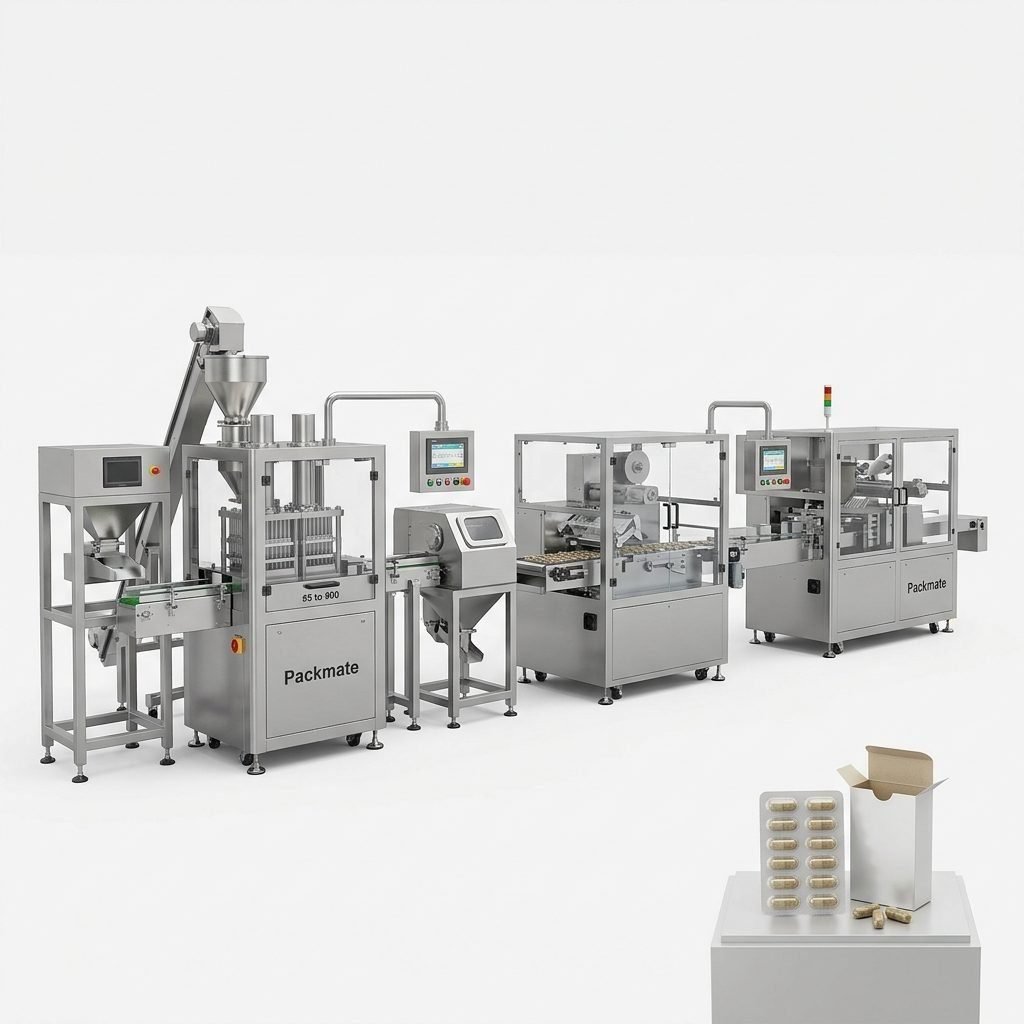
Will the new machine stand alone or become part of an integrated line? Consider connectivity, communication protocols (like PLC controls), and physical footprint. Ensuring it can seamlessly work with upstream (e.g., product feeding) and downstream (e.g., cartoning) equipment is vital for smooth workflow. Explore options for complete systems on our Weighing & Packaging Systems page.
4. Reliability and Supplier Support
Machine uptime directly impacts your bottom line. Investigate the manufacturer’s reputation for build quality and reliability. Crucially, evaluate their after-sales support: availability of spare parts, technical assistance, and service agreements. A reliable partner like Packmate Machinery, with over 30 years of expertise, provides not just equipment but complete turnkey packaging solutions and peace of mind. Learn more about their commitment in the Company Profile.
5. Total Cost of Ownership (TCO)
Look beyond the initial purchase price. Calculate the TCO by factoring in energy consumption, maintenance costs, required operator skill level, and potential waste (giveaway) from filling inaccuracies. A slightly higher upfront investment in a more efficient, precise machine often leads to significant long-term savings.
Conclusion and Next Steps
Selecting the right industrial packaging machinery is a strategic process that balances technical specifications with operational and financial goals. By thoroughly understanding the types available, their industry applications, and following a structured buying guide, businesses can make an informed decision that enhances productivity, ensures product quality, and supports growth. The journey from a small workshop idea to a global provider, as seen in the history of Packmate, underscores the importance of innovation and dedication to quality in this field—principles that should guide any investment in packaging automation.
Frequently Asked Questions (FAQs)
What is the typical lead time for receiving a new packaging machine?
Lead times vary significantly based on machine complexity, customization, and manufacturer backlog. For standard models, it can range from 8 to 16 weeks. Custom or fully integrated lines may require 20 weeks or more. Always confirm timelines with your supplier during the quotation process.
How can I ensure the machine meets safety and regulatory standards for my region?
Reputable manufacturers design machinery to meet international standards like CE (Europe) or UL (North America). It is the buyer’s responsibility to specify the target market. Always request and review the machine’s certification documents before purchase to ensure compliance with local workplace safety and industry-specific regulations.
What kind of training is provided for machine operators and maintenance staff?
Most suppliers offer on-site training during installation and commissioning. This should cover routine operation, cleaning, basic troubleshooting, and safety procedures. Comprehensive manuals and video guides are also standard. For complex systems, inquire about advanced training programs available at the manufacturer’s facility.
Can older packaging machinery be upgraded or retrofitted with new features?
Yes, in many cases. Common upgrades include new control systems (touchscreen PLCs), enhanced safety interlocks, more accurate weighing heads, or faster servos. A service audit by the original manufacturer or a qualified technician can determine the feasibility and cost-effectiveness of retrofitting versus purchasing new equipment.
What are the most common causes of downtime in packaging lines, and how can they be prevented?
Frequent causes include material misfeeds (poor film web tracking, jams), mechanical wear (sealing jaws, cutters), and inconsistent product input. Prevention relies on proactive maintenance (following the manufacturer’s schedule), using high-quality packaging materials, and ensuring upstream processes provide a consistent product flow to the packager.