In today’s fast-paced manufacturing world, efficiency and precision are paramount. For businesses handling liquids—from beverages and sauces to pharmaceuticals and cosmetics—the right packaging equipment is not just a tool; it’s a critical component of operational success. An automatic liquid packaging machine streamlines the process of filling, sealing, and packaging liquid products, ensuring consistency, reducing waste, and significantly boosting production output. This guide delves into the various types of machines available and provides essential buying tips to help you make an informed investment.
Understanding Automatic Liquid Packaging Machines
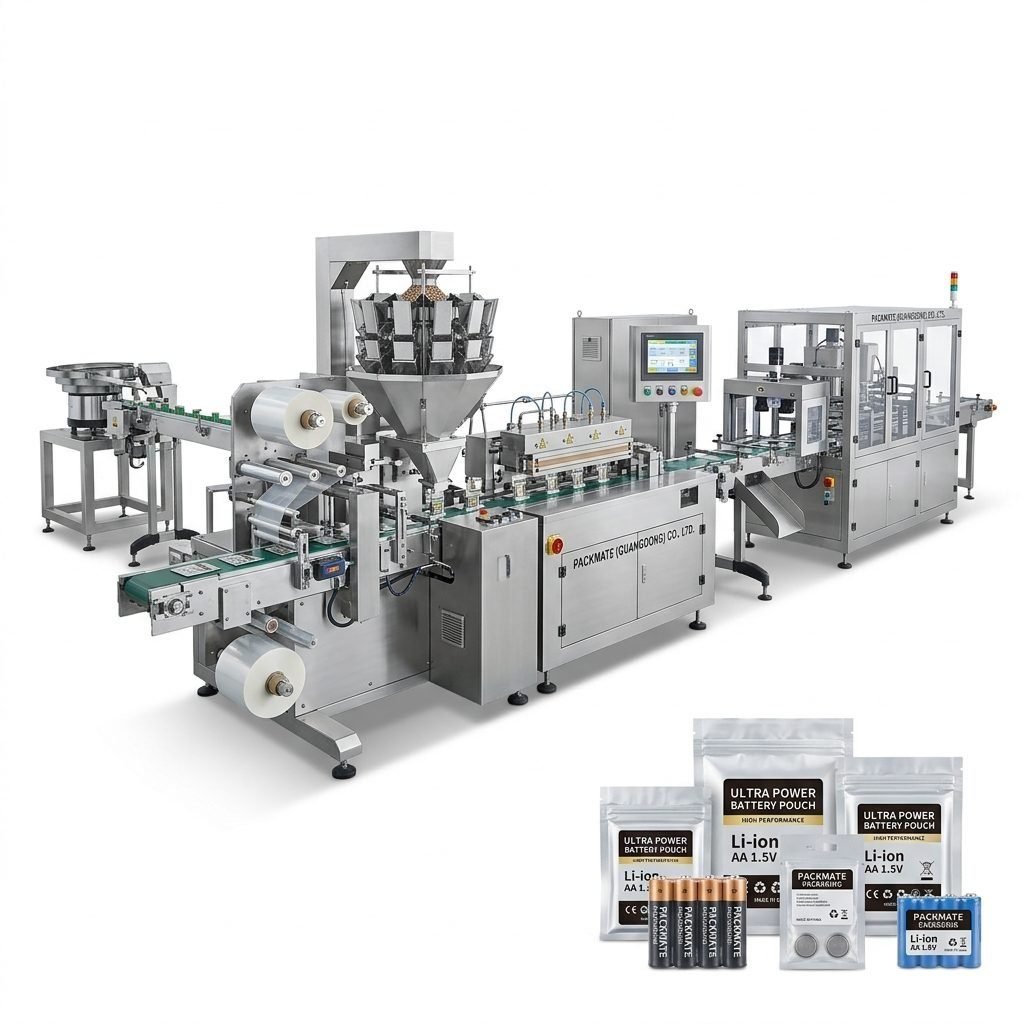
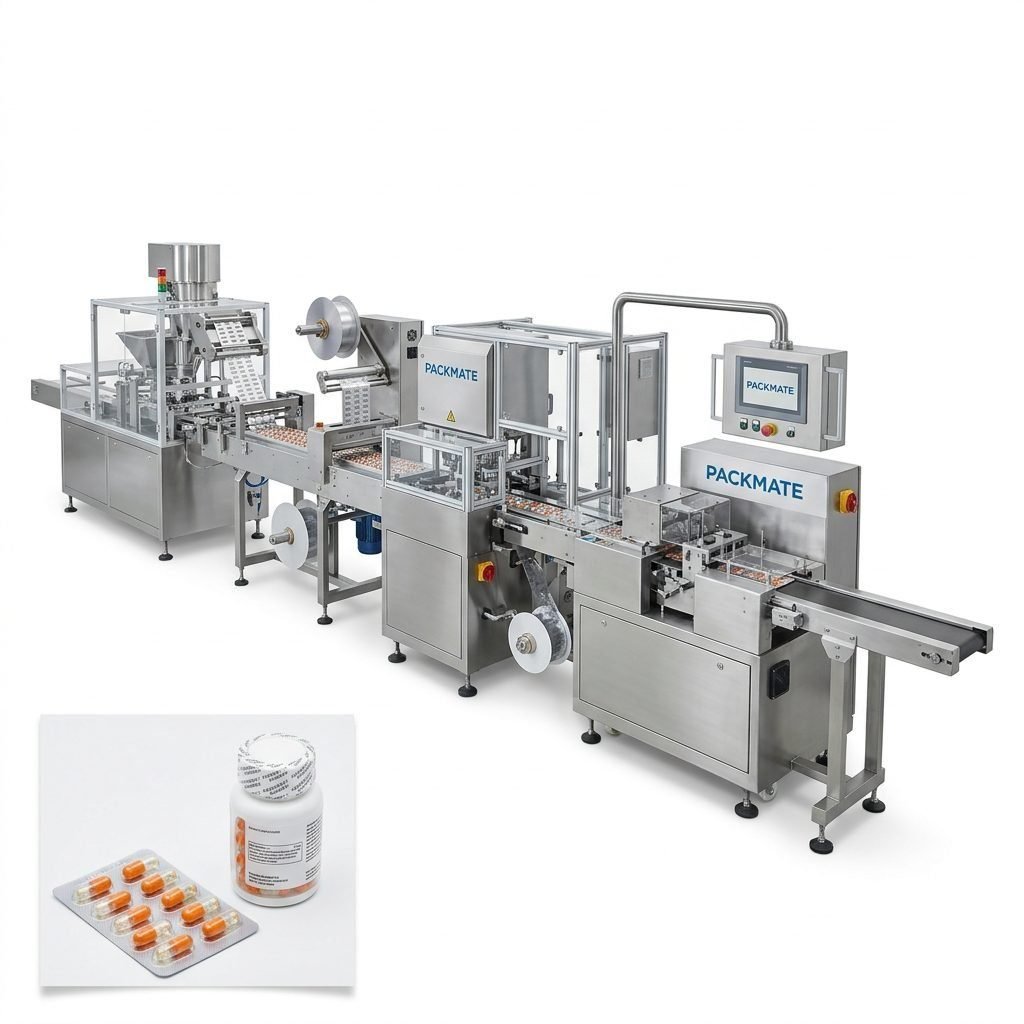
An automatic liquid packaging machine is a sophisticated system designed to handle the entire packaging process with minimal human intervention. These machines typically perform functions such as container feeding, precise liquid filling, capping or sealing, labeling, and cartoning. The core advantage lies in their ability to maintain high-speed, hygienic, and accurate packaging, which is crucial for meeting industry standards and consumer expectations.
The automation level can vary. Some systems are fully integrated lines, while others are semi-automatic, requiring some manual steps. The choice depends largely on your production volume, budget, and the complexity of your packaging requirements.
Key Components and How They Work
While designs vary, most automatic liquid packagers consist of several key stations:
Container Unscrambler: Orients and feeds bottles, pouches, or other containers onto the conveyor.
Filling Station: The heart of the machine. It uses technologies like piston fillers, gravity fillers, or volumetric pumps to dispense a precise amount of liquid.
Capping/Sealing Station: Applies caps, lids, or heat-seals the containers.
Labeling & Coding: Applies product labels and prints batch codes or expiration dates.
The synchronized operation of these components on a single line is what transforms raw liquid and containers into finished, shelf-ready products. For businesses looking to scale, investing in a reliable filling and packaging line from an experienced manufacturer is a strategic move towards growth and consistency.
Exploring the Different Types of Machines
Selecting the right type of machine is the first and most crucial step. The market offers a variety of solutions tailored to different container types, viscosities, and production scales.
1. Pouch Liquid Packaging Machines
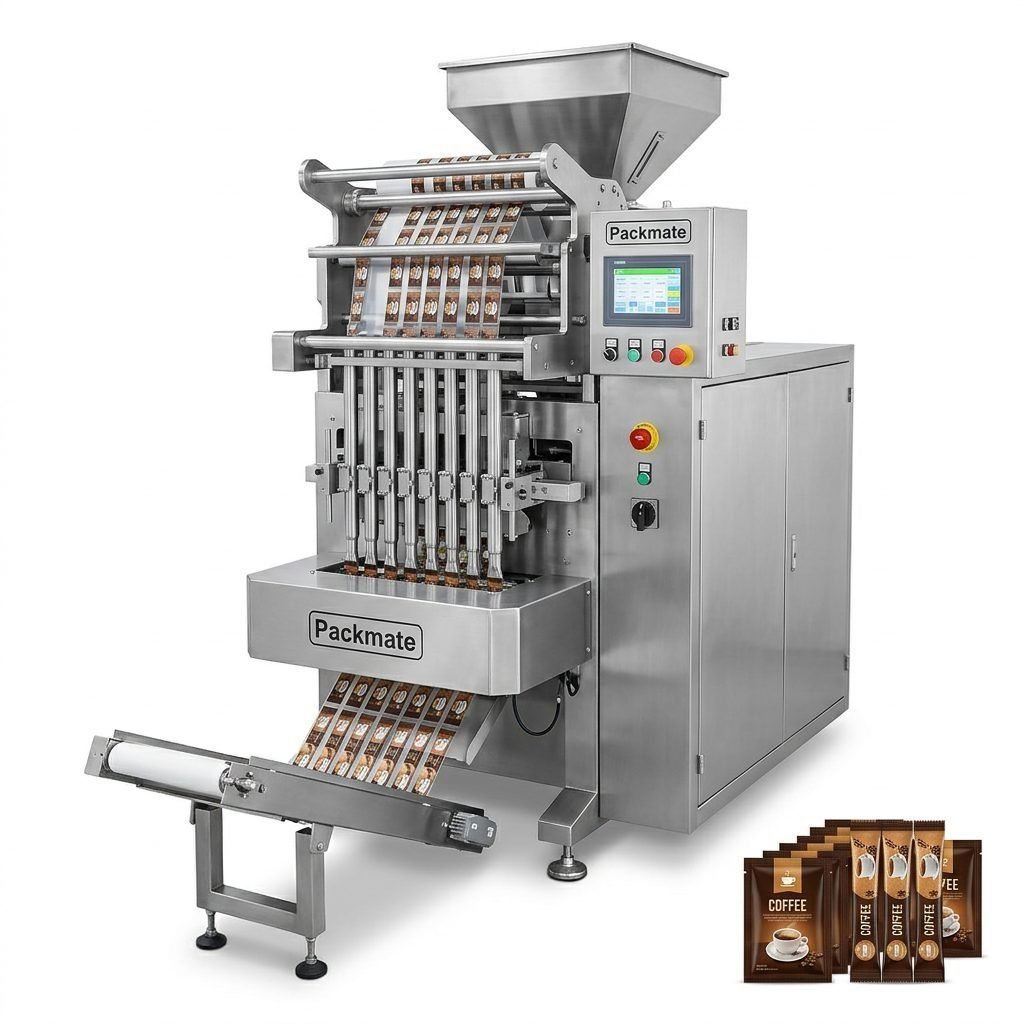
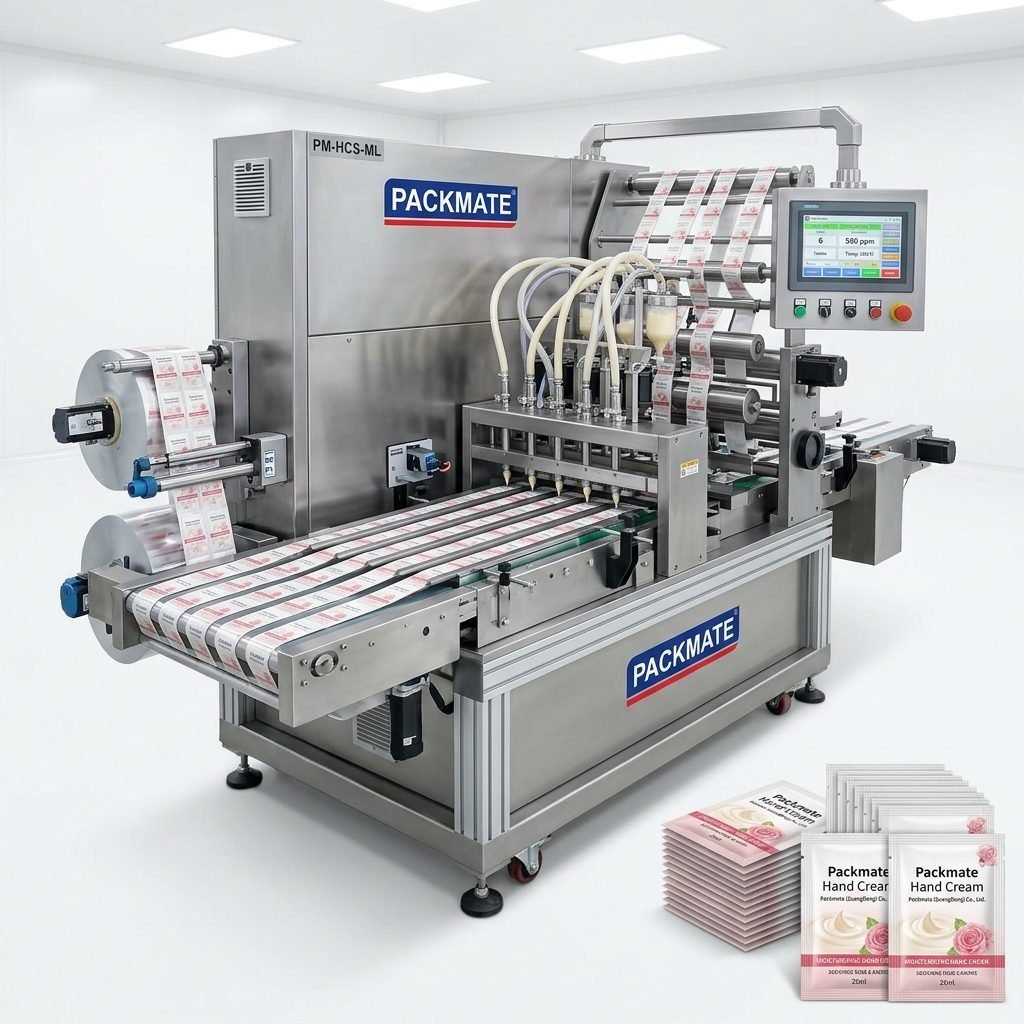
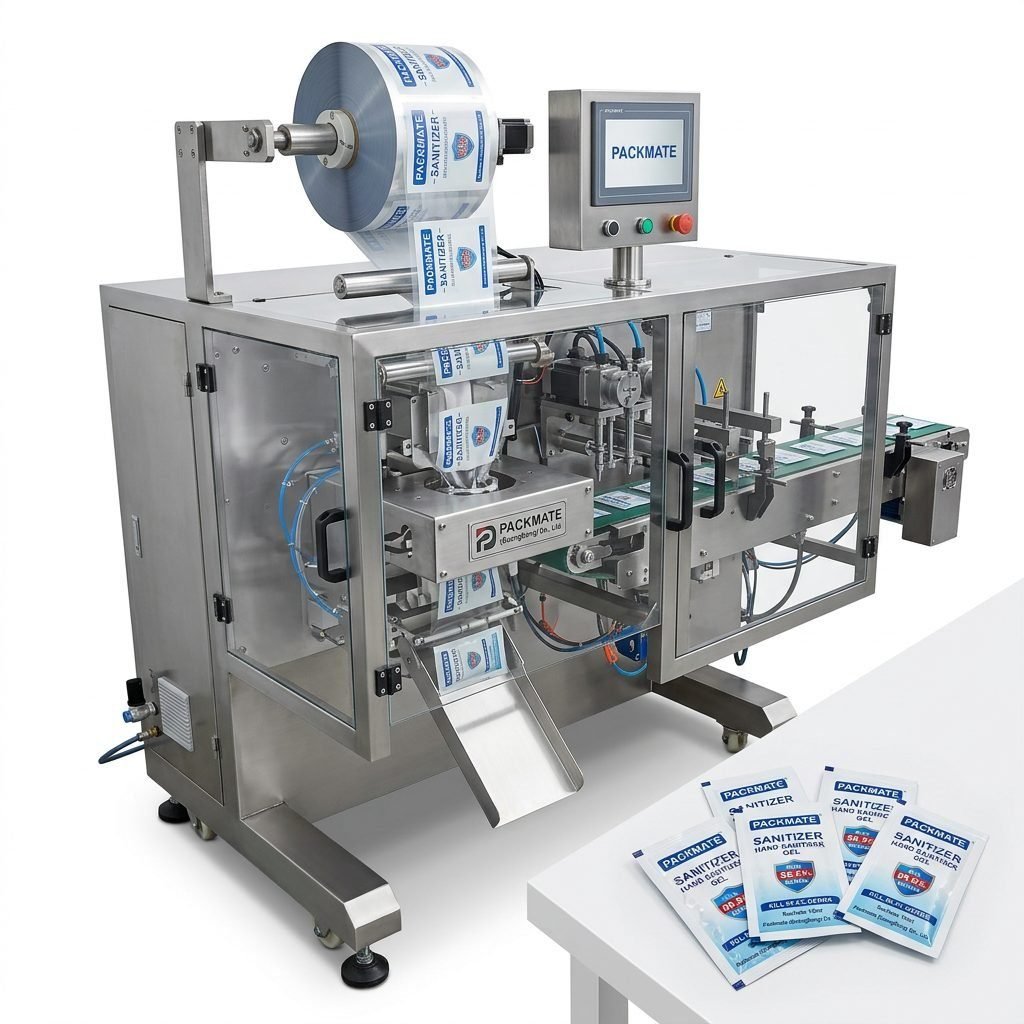
Ideal for single-serve portions, sauces, dairy products, and condiments. These machines form, fill, and seal (FFS) pouches from a roll of film. They are highly efficient for products requiring a flexible, cost-effective, and lightweight package. Options range from simple vertical form-fill-seal machines to advanced multi-lane systems for high-volume output. You can explore various bag and pouch packaging machines to find a model that fits your specific pouch size and production speed needs.
2. Bottle Liquid Filling and Capping Machines
This is the classic solution for beverages, water, oils, and cleaning products. These are often rotary or in-line systems that handle rigid containers like plastic, glass, or metal bottles. They integrate a filler (e.g., gravity, piston, or pressure) with a capper (screw capper, press-on capper, or snap capper). The choice of filling technology depends heavily on the liquid’s properties, such as viscosity and whether it contains pulp or particulates.
3. Stick Pack Packaging Machines
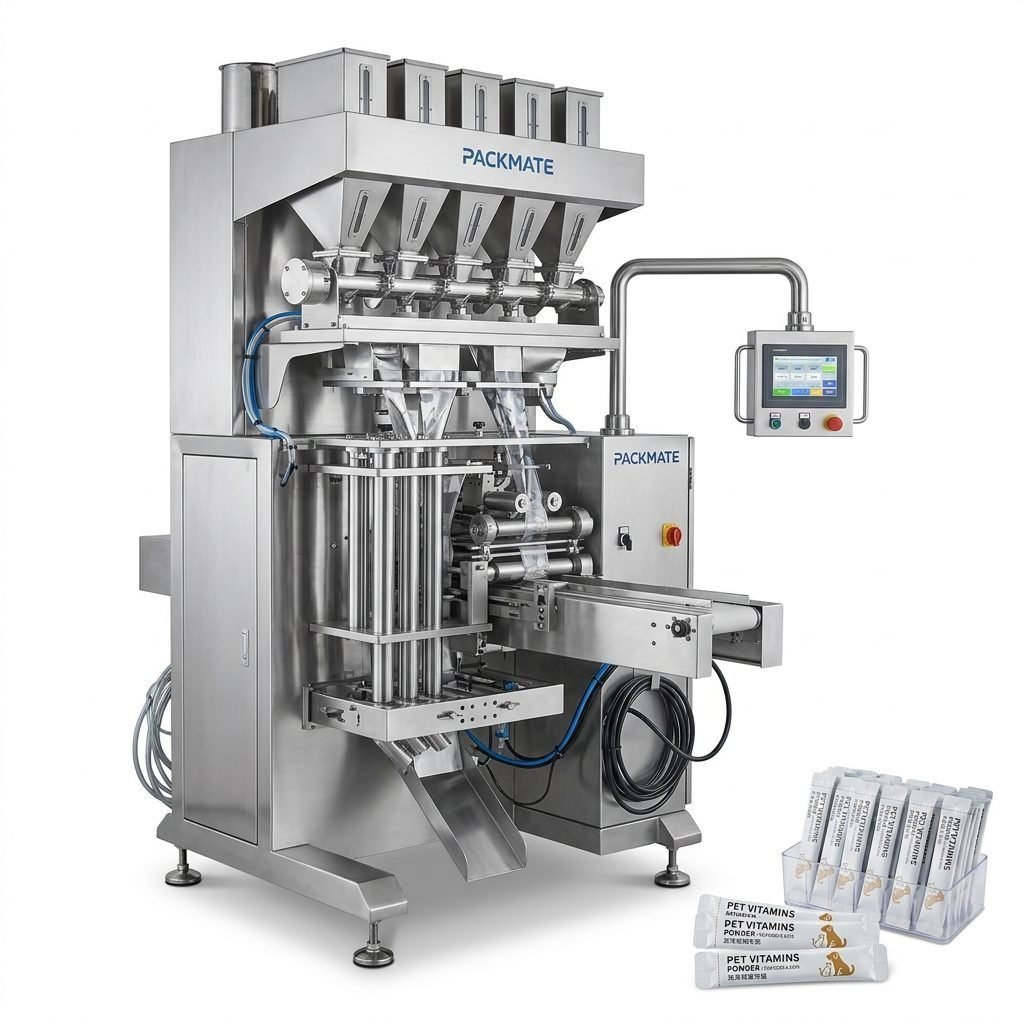
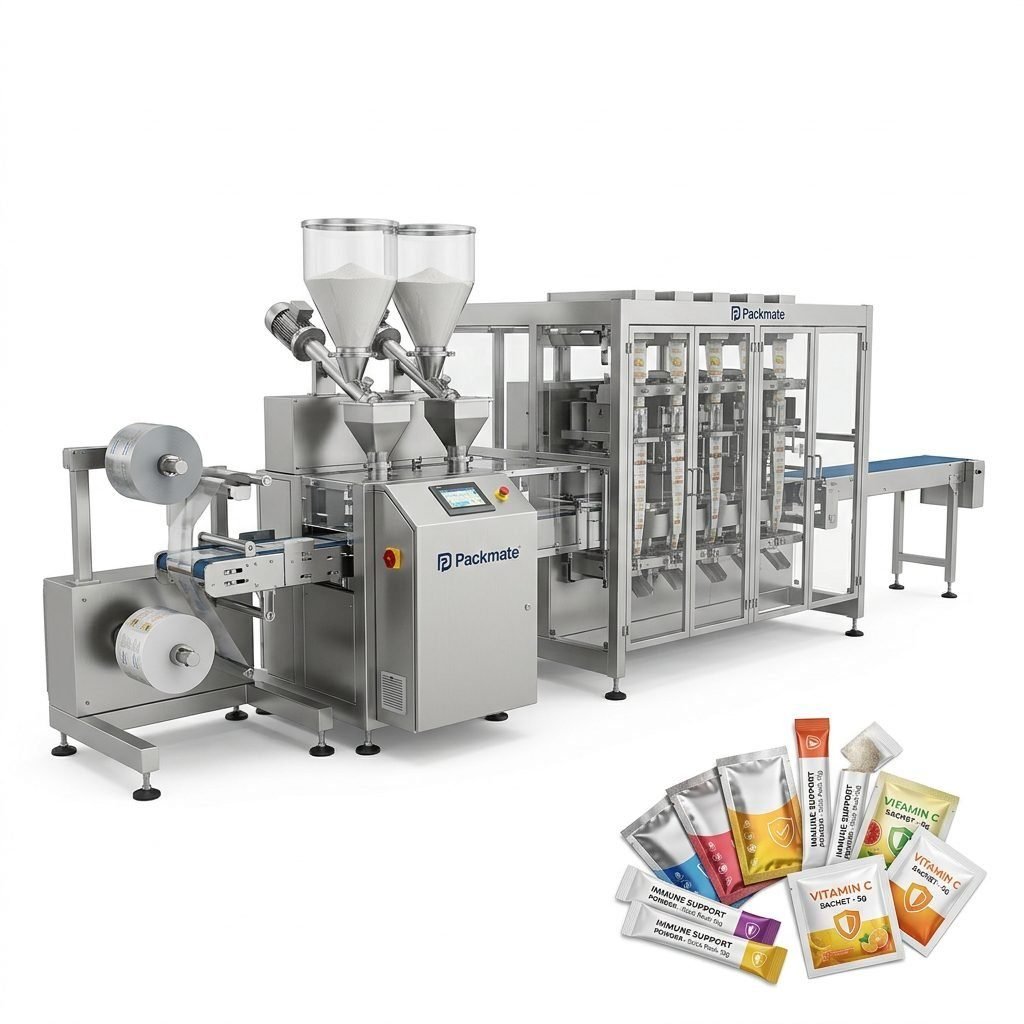
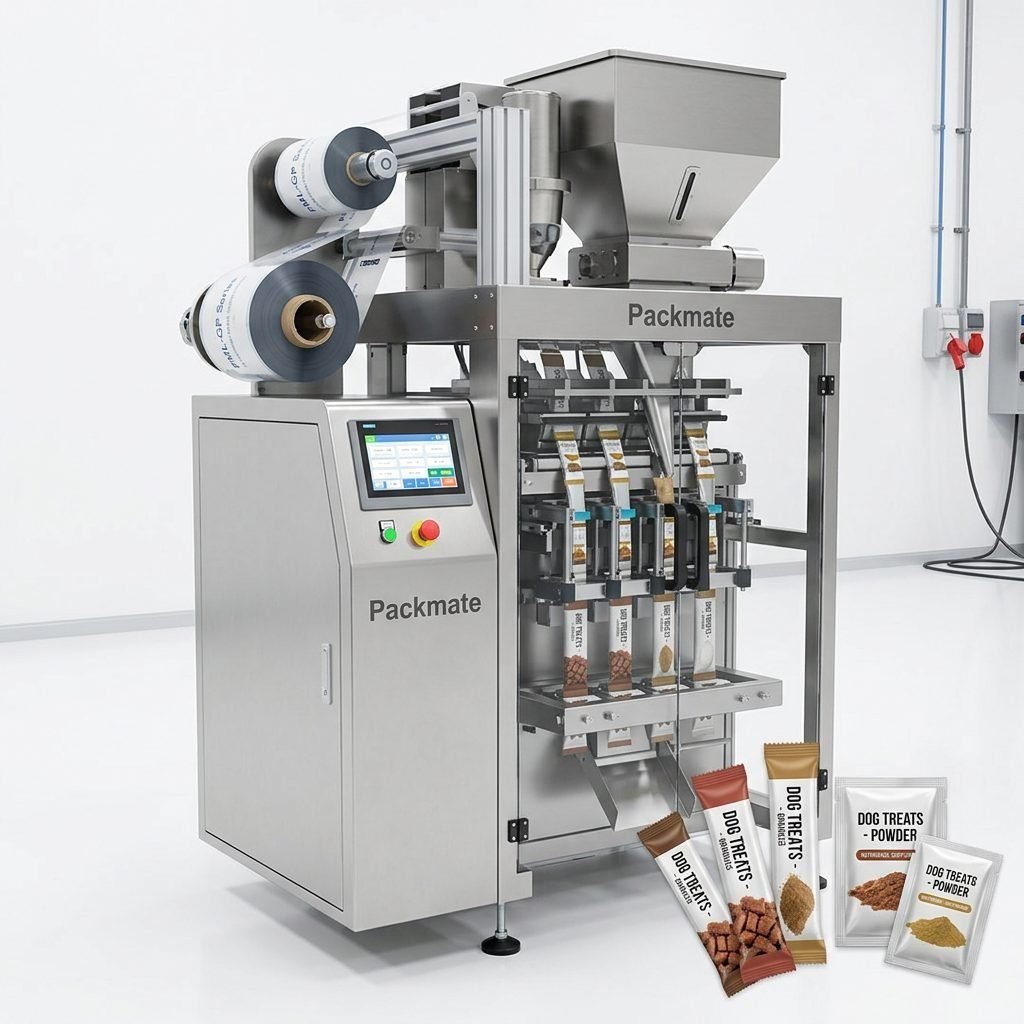
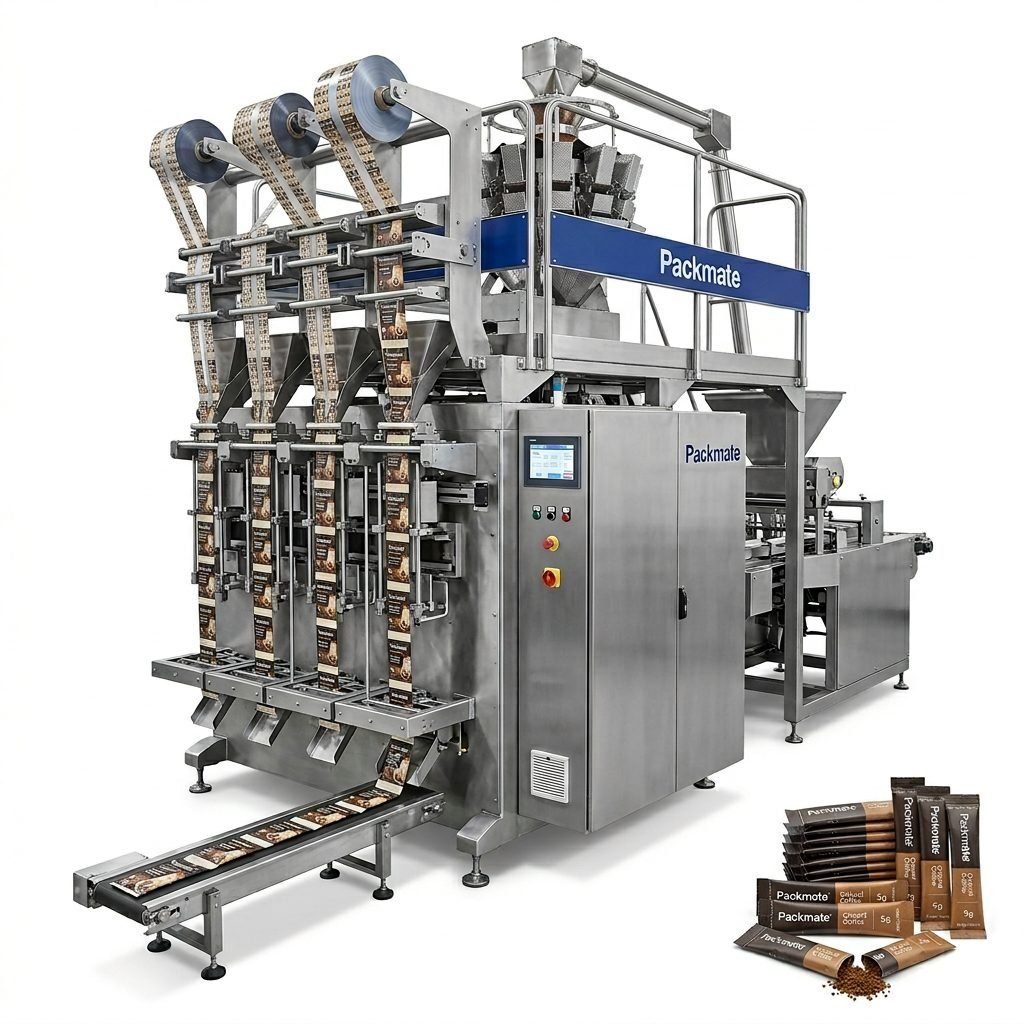
Perfect for high-volume packaging of small liquid or gel doses, such as energy shots, pharmaceutical syrups, or cosmetic serums. Stick packs are slim, portable, and reduce packaging material. Modern sachet and stick pack machines can achieve remarkable speeds, making them a favorite in the food, supplement, and pharmaceutical industries for unit-dose applications.
4. Aseptic Liquid Packaging Machines
For products that require sterility, like milk, juices, or certain pharmaceuticals, aseptic fillers are essential. These machines sterilize both the product and the packaging material separately before filling in a sterile environment. This process allows products to be stored without refrigeration for extended periods, revolutionizing distribution and shelf life.
Understanding your primary packaging format—whether it’s a pouch, bottle, or stick pack—will immediately narrow down your machine options. Consider future product lines as well; a versatile machine might offer a better long-term return on investment.
Essential Buying Tips for Your Investment
Purchasing an automatic liquid packaging machine is a significant capital expenditure. Here are critical factors to consider to ensure you choose the right partner and equipment.
1. Define Your Product and Production Requirements
Start with clarity. What is the viscosity of your liquid? What container type and size will you use? What is your target output (e.g., bottles per minute)? How often will you need to changeover between different products or container sizes? Answering these questions will form the foundation of your technical specification.
2. Prioritize Machine Quality and Durability
Look for machines constructed with food-grade stainless steel (e.g., SS304 or SS316) for contact parts. This ensures hygiene, corrosion resistance, and longevity. The robustness of the frame, the quality of motors, drives, and seals, all contribute to minimizing downtime and maintenance costs. A manufacturer with a strong track record, like Packmate Machinery, which boasts over 30 years of expertise, is often a reliable choice.
3. Evaluate Automation and Control Systems
A user-friendly PLC (Programmable Logic Controller) with a touchscreen HMI (Human-Machine Interface) is standard for modern machines. It should allow for easy recipe storage, speed adjustment, and troubleshooting. Advanced features might include IoT connectivity for remote monitoring and predictive maintenance, which can be invaluable for maximizing uptime.
4. Consider Hygiene and Cleaning (CIP/SIP)
For food, beverage, or pharmaceutical applications, easy cleaning is non-negotiable. Machines designed with Clean-in-Place (CIP) or Sterilize-in-Place (SIP) capabilities allow for thorough cleaning without major disassembly, saving time and reducing the risk of contamination.
5. Assess Supplier Support and Service
The machine is just the beginning. Comprehensive after-sales support is critical. Inquire about installation, training, warranty, spare parts availability, and technical support. A supplier with a global service network can provide peace of mind. Reviewing a manufacturer’s project cases can offer insights into their experience and capability to deliver turnkey solutions.
Never base your decision solely on the lowest price. The total cost of ownership (TCO), which includes purchase price, operating costs, maintenance, and potential downtime, is a far more accurate measure of value. Investing in a high-quality, reliable machine from a reputable supplier often leads to lower TCO and higher profitability over time.
Frequently Asked Questions (FAQs)
What is the typical speed range for an automatic liquid packaging machine?
Speeds vary dramatically based on the machine type and container size. A basic single-head piston filler for bottles may run at 20-40 bottles per minute (BPM), while a high-speed multi-lane stick pack machine can exceed 1,000 packs per minute. It’s essential to match the machine’s maximum speed with your actual production targets, allowing some room for future growth.
Can one machine handle different viscosities of liquid?
Many machines are versatile, but the filling technology must be matched to the viscosity. For example, a piston filler is excellent for a wide range, from thin water-like liquids to thick pastes. Gravity fillers are best for free-flowing, non-foaming liquids. Always consult with the machine supplier about your specific product’s characteristics to select the appropriate filling system.
How important is machine flexibility for product changeovers?
Flexibility is crucial if you plan to run multiple products or package sizes. Look for machines with quick-change parts, tool-less adjustments, and digital recipe memory. This minimizes downtime during changeovers, making short production runs more economical and improving overall plant efficiency.
What are the key maintenance requirements?
Regular preventative maintenance is vital. This typically includes daily cleaning, weekly lubrication of moving parts, and periodic inspection of seals, gaskets, and wear parts. Following the manufacturer’s maintenance schedule and using genuine spare parts are the best ways to ensure long-term reliability and consistent performance.
What safety features should I look for?
Modern machines should include essential safety guards, emergency stop buttons, and safety interlocks that halt operation if a guard is opened. For specific industries, additional features like explosion-proof components (for flammable liquids) or containment systems (for hazardous pharmaceuticals) may be required. Always ensure the machine complies with relevant local and international safety standards.