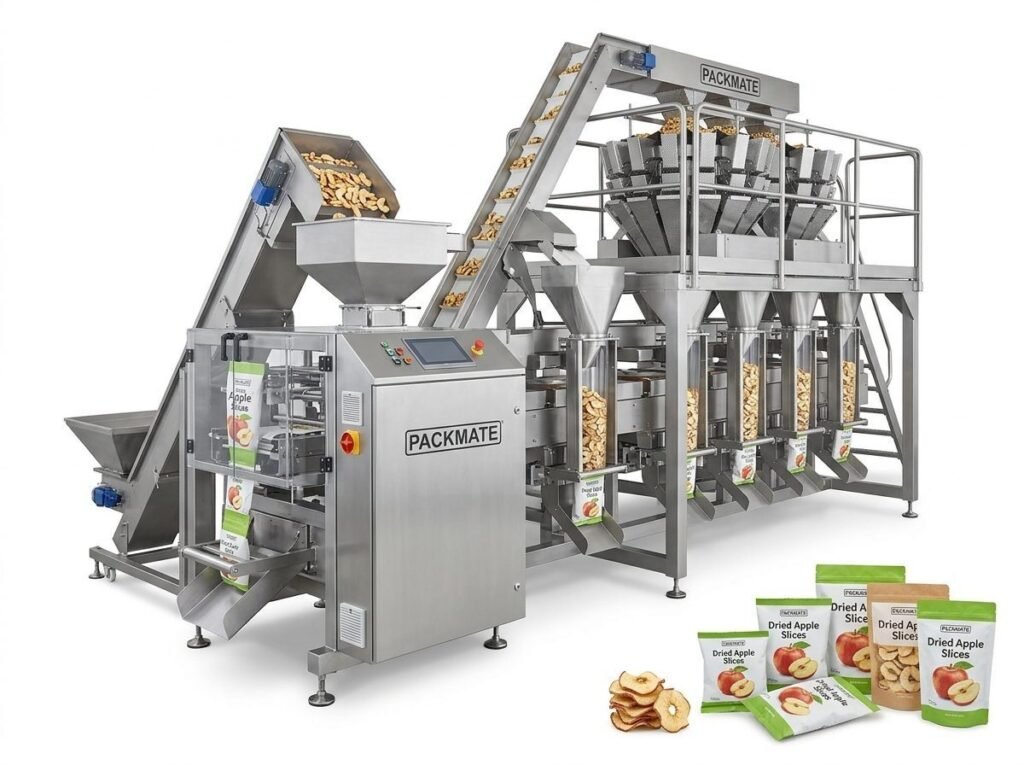
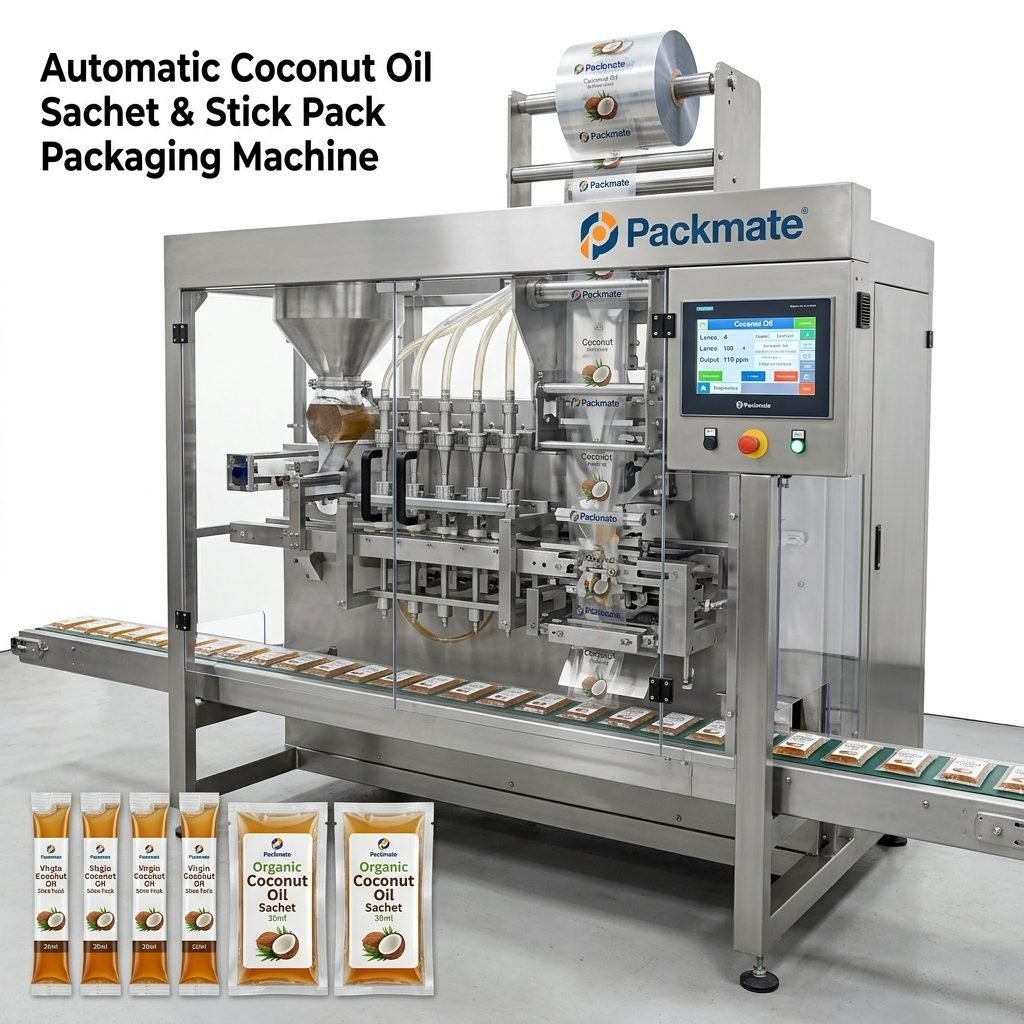
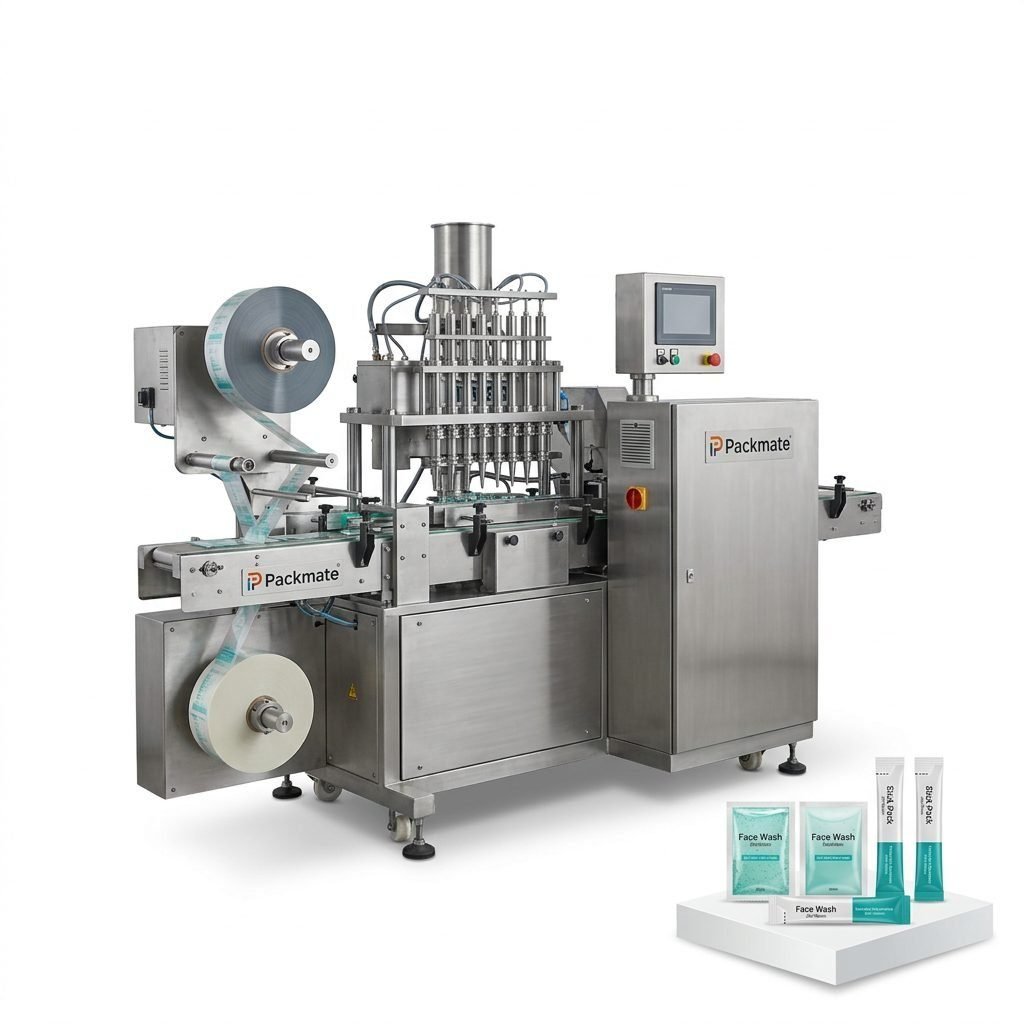
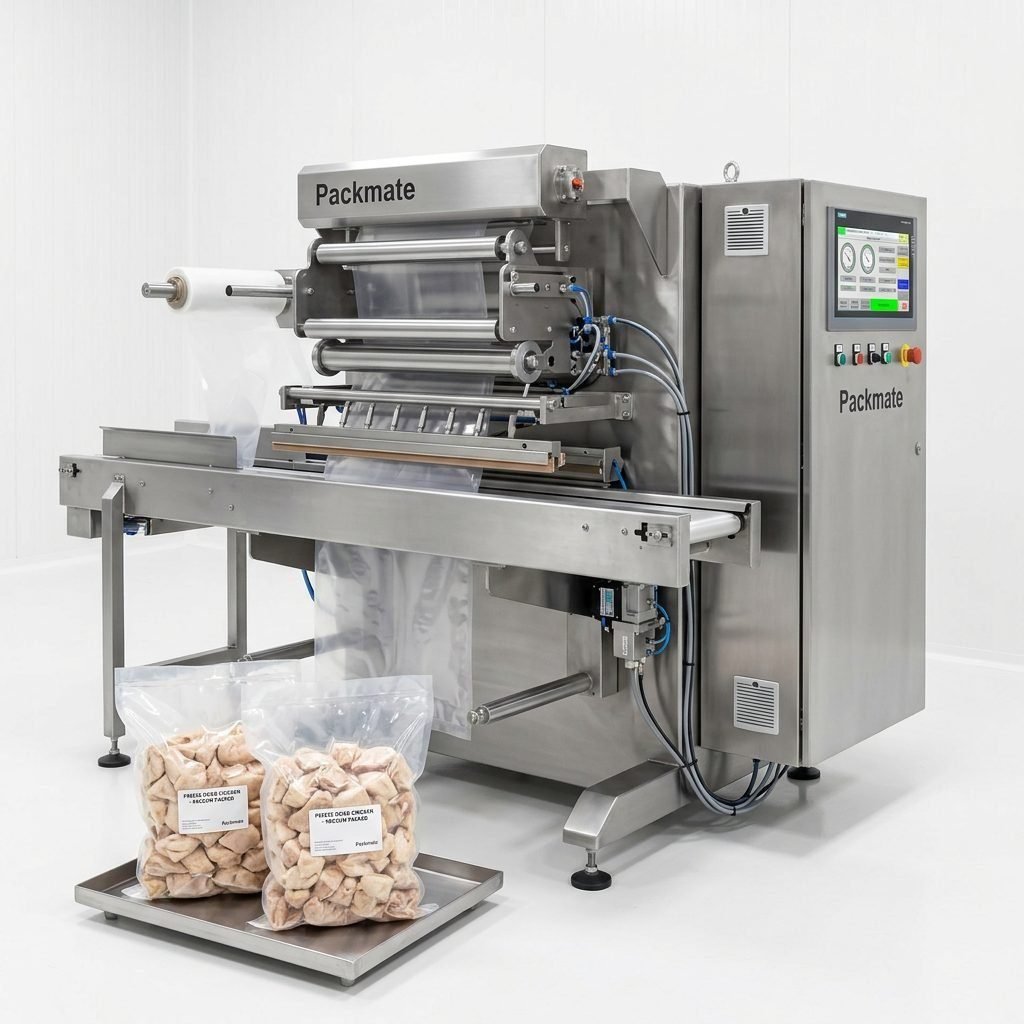
Thermoforming food packaging machines represent a cornerstone of modern food production, offering unparalleled efficiency, hygiene, and product protection. This comprehensive guide is designed to navigate you through the critical considerations, technical specifications, and strategic factors involved in selecting the ideal thermoforming machine for your packaging line. Whether you are packaging fresh produce, dairy, ready-to-eat meals, or pharmaceuticals, understanding this technology is key to optimizing your operations.
Understanding Thermoforming Packaging Technology
Thermoforming is a process where a plastic film is heated to a pliable forming temperature, formed to a specific shape in a mold, and trimmed to create a usable product. In food packaging, this typically involves creating cavities from a roll of film, filling them with product, and then sealing them with a top lidding material. The primary types are:
Form-Fill-Seal (FFS): The most common system where forming, filling, and sealing happen in one continuous, automated line. This method is highly efficient for high-volume production.
Pre-formed Container Loading: Machines that handle pre-made trays or blisters, which are then filled and sealed. This can be ideal for more delicate or irregularly shaped products.
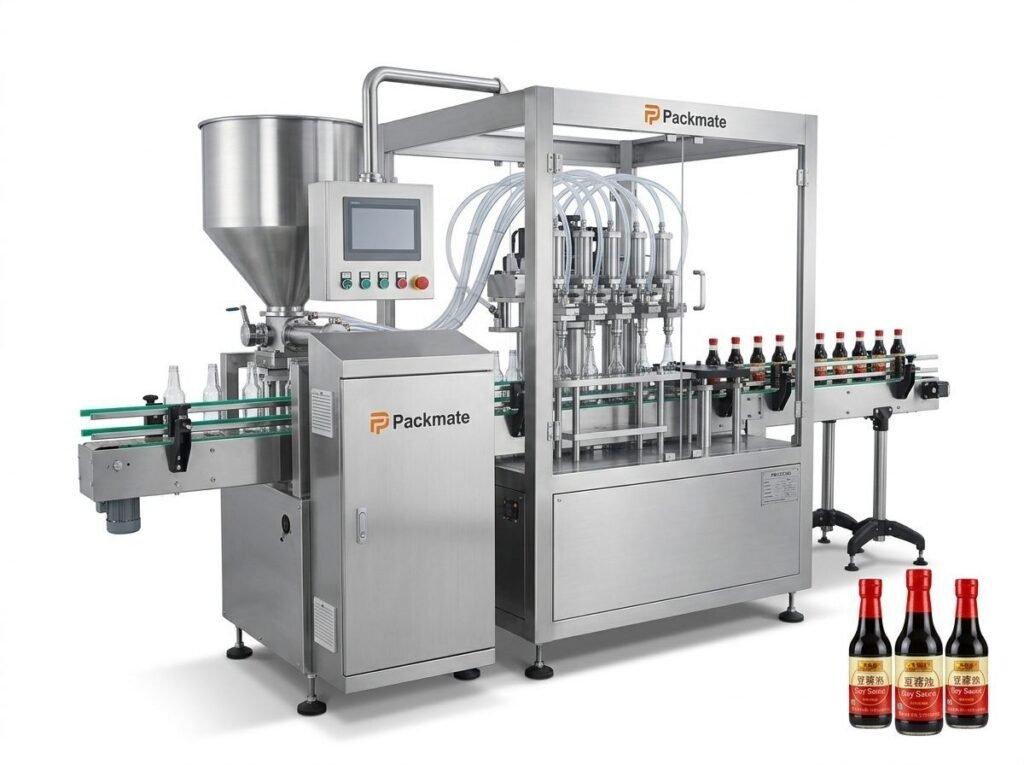
The advantages are significant: excellent barrier properties (extending shelf life), crystal-clear presentation for product visibility, high-speed automation, and the ability to create complex, multi-compartment packages. For businesses looking to scale, integrating a robust filling and packaging line that incorporates thermoforming can be transformative.
Key Components of a Thermoforming Machine
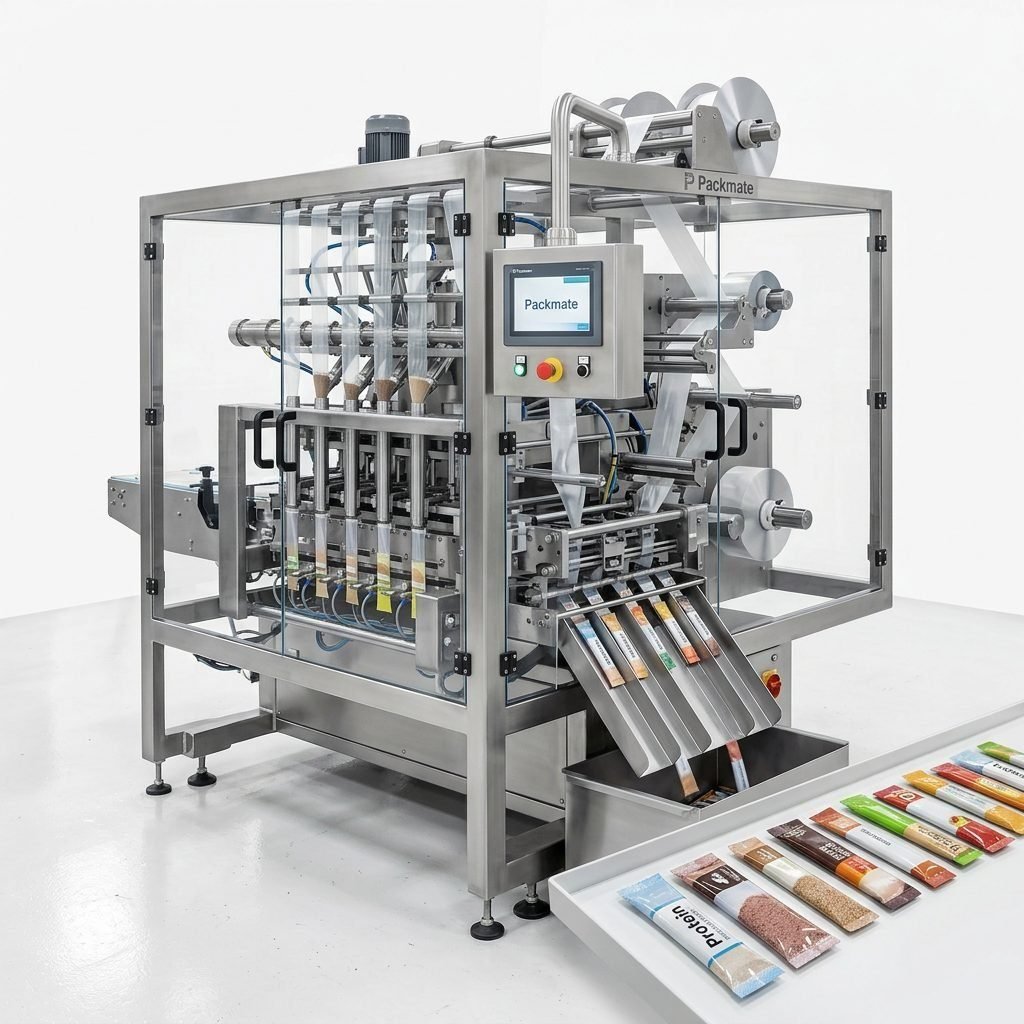
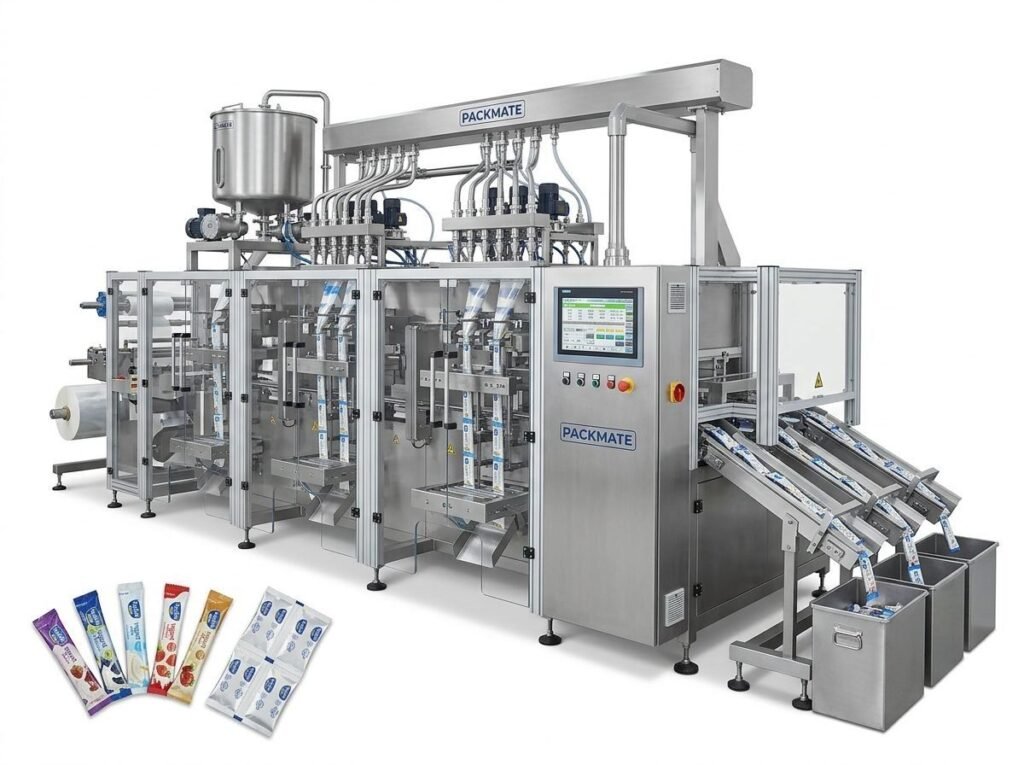
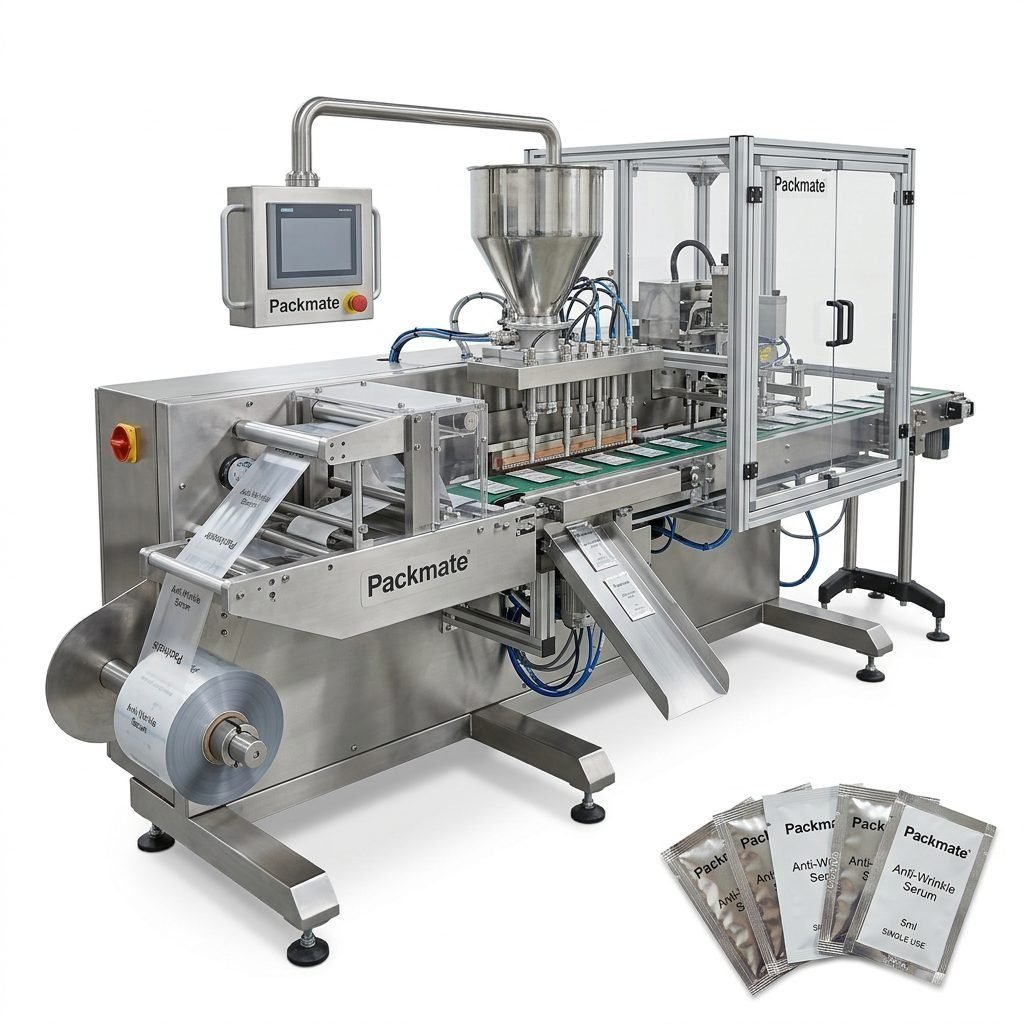
A standard thermoforming machine comprises several integrated systems. The film unwind and pre-heating station prepares the base web. The forming station, using either plug assist, vacuum, or pressure, shapes the film into cavities. The filling system—which can be volumetric, auger, or weigh-scale based—deposits the product. Finally, the sealing station applies the lidding film, and a cutting unit die-cuts the individual packages. The precision of these components directly impacts package integrity and production speed.
Critical Factors in Your Buying Decision
Choosing the right machine is a capital-intensive decision. Here are the core factors to evaluate:
1. Production Output and Speed
Your required output (packages per minute/hour) is the primary driver. Machines range from small, semi-automatic models for niche producers to high-speed lines exceeding 100 cycles per minute. Consider not just current needs but also future growth. A machine from a manufacturer with a broad portfolio, like Packmate Machinery, ensures you can find a model that matches your scale.
2. Product Characteristics and Package Design
The nature of your product dictates machine specifications. Is it liquid, solid, granular, or viscous? What are its sensitivity requirements (e.g., nitrogen flushing for freshness)? The package size, depth, and shape (round, rectangular, multi-cavity) determine the required forming technology and mold design. Complex designs may require advanced plug-assist forming.
3. Film and Material Compatibility
Ensure the machine can handle your chosen materials, whether it’s PP, PET, PS, APET, or high-barrier multi-layer laminates. The sealing system must be compatible with both the base web and the lidding material (often a foil or polymer laminate). Temperature control and consistency across the sealing platen are crucial for strong, hermetic seals.
4. Automation and Integration Level
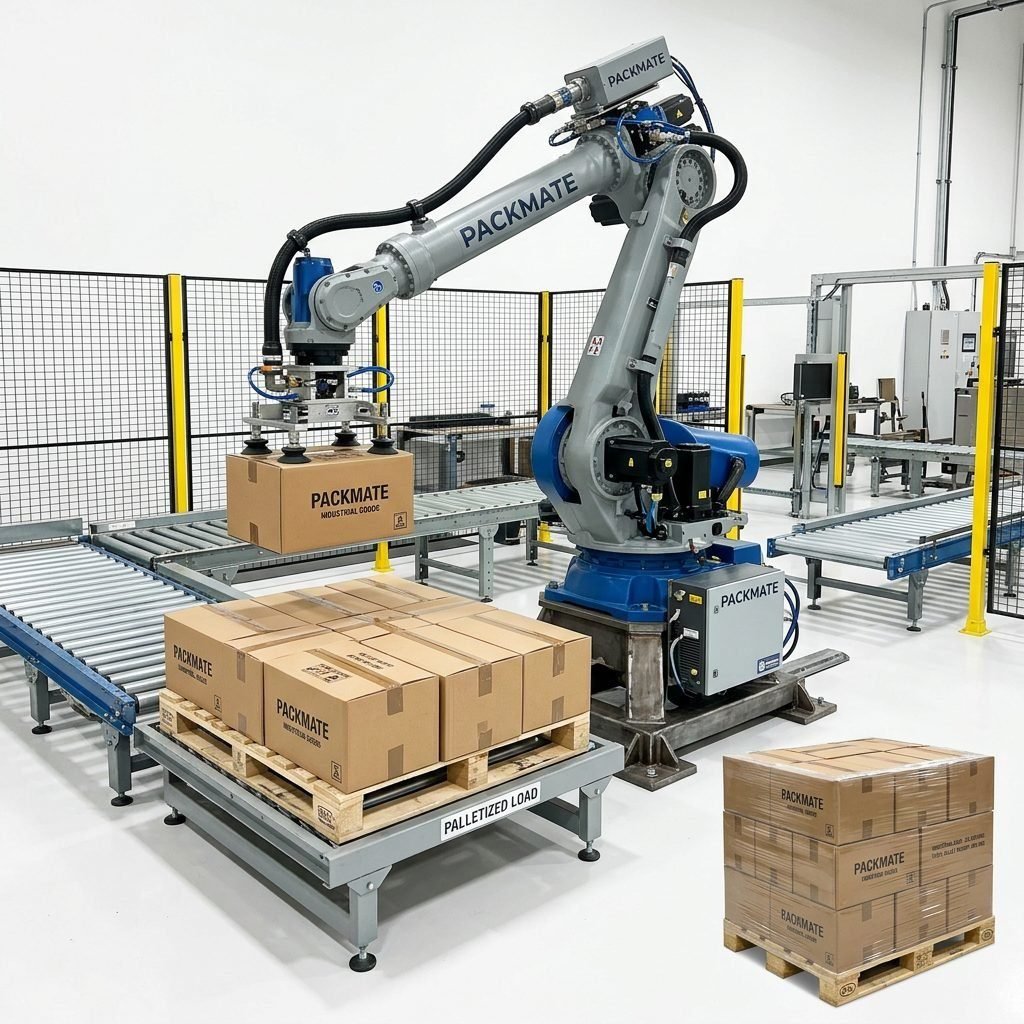
Evaluate the level of automation needed. Options include automatic film loading, integrated check-weighing systems, vision inspection for fill-level or seal integrity, and downstream robotics for cartoning or case packing. A well-integrated system minimizes labor and maximizes efficiency. For comprehensive solutions, exploring weighing and packaging systems that can interface with thermoformers is advisable.
5. Hygiene and Sanitation Standards
For food contact, machines must be designed for easy cleaning and meet industry standards (e.g., FDA, EU regulations). Look for stainless steel contact parts, smooth surfaces without crevices, and CIP (Clean-in-Place) capabilities. This is non-negotiable for product safety.
Evaluating Machine Suppliers and Total Cost of Ownership
Beyond the machine’s sticker price, consider the Total Cost of Ownership (TCO). This includes energy consumption, tooling (mold) costs, maintenance, spare parts availability, and expected downtime. Partnering with an established supplier is critical.
Look for a manufacturer with proven experience, like Packmate, which brings over two decades of engineering expertise to the table. A strong track record in building reliable machinery for granules, powders, and liquids translates to lower long-term operational risk. Assess their after-sales support: installation, training, technical service, and spare parts logistics. A global service network is a major advantage for international operations.
Pro Tip: Always request a factory acceptance test (FAT) using your actual product and materials. This live demonstration is the best way to verify machine performance, speed, and package quality before installation.
Future-Proofing Your Investment
The packaging landscape evolves rapidly. Consider a machine’s flexibility: can it handle multiple package sizes with quick changeovers? Is the control system upgradable? Can it integrate with Industry 4.0 data collection systems for OEE (Overall Equipment Effectiveness) monitoring? Investing in adaptable technology protects your investment against future market shifts.
Conclusion and Next Steps
Selecting a thermoforming food packaging machine is a strategic decision that impacts your productivity, product quality, and bottom line. By thoroughly understanding your product requirements, production goals, and the capabilities of different machines and suppliers, you can make an informed choice. Start by defining your precise specifications, then engage with reputable manufacturers for consultations and demonstrations to find the perfect match for your packaging needs.
Frequently Asked Questions (FAQs)
Q1: What is the typical lifespan of a thermoforming packaging machine?
With proper maintenance and servicing, a high-quality thermoforming machine from a reputable manufacturer can have an operational lifespan of 15 years or more. Regular preventative maintenance is key to longevity.
Q2: How long does it take to change over to a different package size?
Changeover time varies by machine design. Modern machines with servo-driven components and digital recipe storage can achieve changeovers in as little as 15-30 minutes. Simpler or mechanical machines may take several hours.
Q3: Can one machine handle both solid foods and liquids?
While some machines are versatile, it often requires significant reconfiguration. Machines optimized for liquids have different filling systems (e.g., piston pumps) and sealing parameters than those for solids. It’s best to choose a machine designed for your primary product type.
Q4: What are the most common maintenance requirements?
Common tasks include daily cleaning, lubrication of chains and guides, inspection and replacement of sealing elements (like Teflon sheets or silicone seals), and checking vacuum pumps and filters. A detailed maintenance schedule should be provided by the supplier.
Q5: Is operator training provided by the machine supplier?
Yes, comprehensive training for operators, maintenance technicians, and line supervisors is a standard part of the commissioning process from professional suppliers. This includes machine operation, basic troubleshooting, safety procedures, and routine maintenance tasks.