In the world of food preservation, vacuum packaging stands as a cornerstone technology. It’s a method that extends shelf life, maintains freshness, and protects flavor by removing air from the package before sealing. For businesses and serious home users, selecting the right vacuum packaging machine is a critical decision that impacts efficiency, product quality, and cost-effectiveness. This guide explores the top types of vacuum packaging machines ideal for food preservation, helping you make an informed choice for your specific needs.
Understanding Vacuum Packaging Technology
The core principle of vacuum packaging is simple yet powerful: by creating a low-oxygen environment, it significantly slows down the growth of aerobic bacteria and fungi, which are primary agents of food spoilage. This process also prevents freezer burn and reduces oxidation, keeping fats from becoming rancid and preserving the natural color of foods like meats and vegetables. Modern machines have evolved from simple chamber models to sophisticated systems that can handle a variety of packaging materials and product types, from delicate herbs to robust cuts of meat.
Key Benefit: The most significant advantage of vacuum packaging is the dramatic extension of shelf life. For example, refrigerated fresh meat may last 3-5 days normally, but when vacuum-sealed, it can remain fresh for 1-3 weeks. Frozen items can be preserved for years without quality degradation.
Chamber Vacuum Sealers: The Professional’s Choice
Chamber vacuum sealers are the workhorses of commercial kitchens, food processing plants, and serious culinary enthusiasts. These machines place the entire bag inside a sealed chamber. The machine removes air from the chamber (and consequently from the bag), then heat-seals the bag before releasing the vacuum. This method is exceptionally effective and can handle liquids and moist foods without the risk of suction, as the pressure is equalized inside and outside the bag.
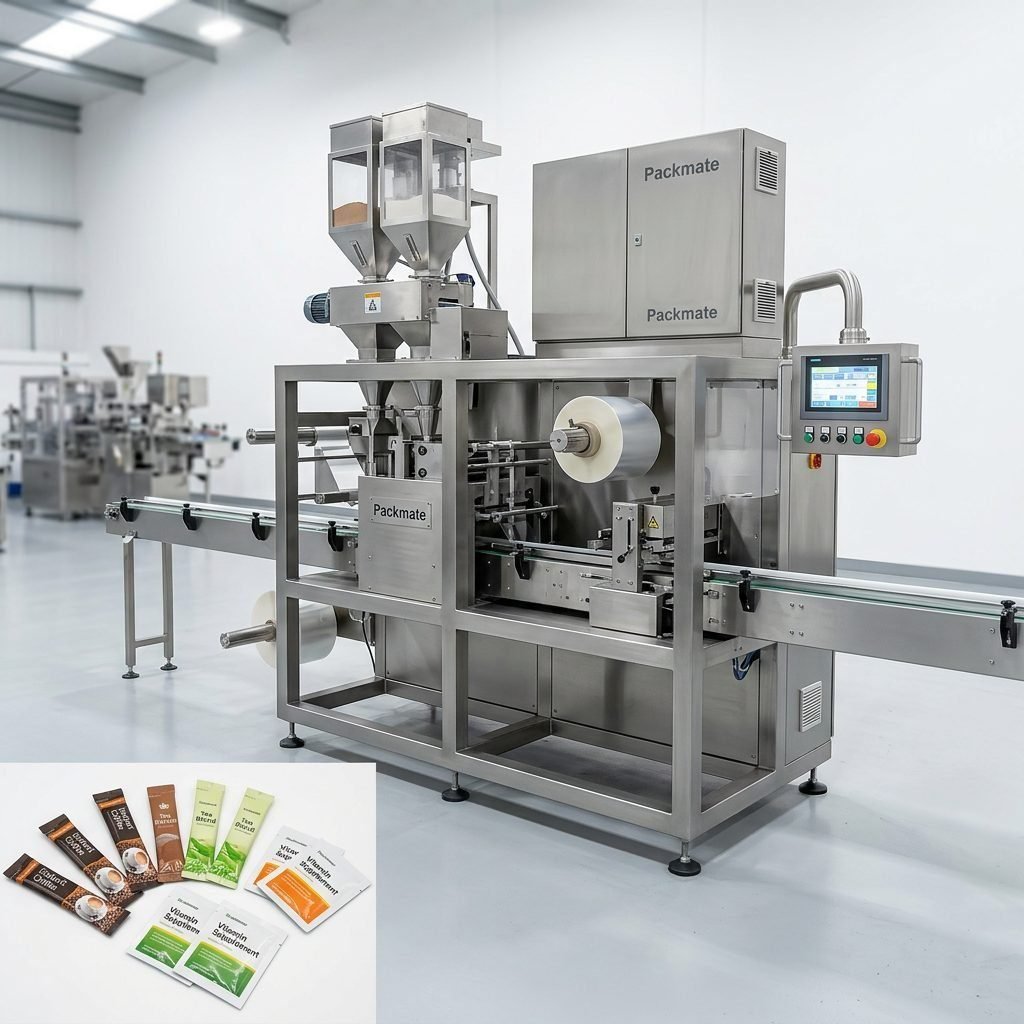
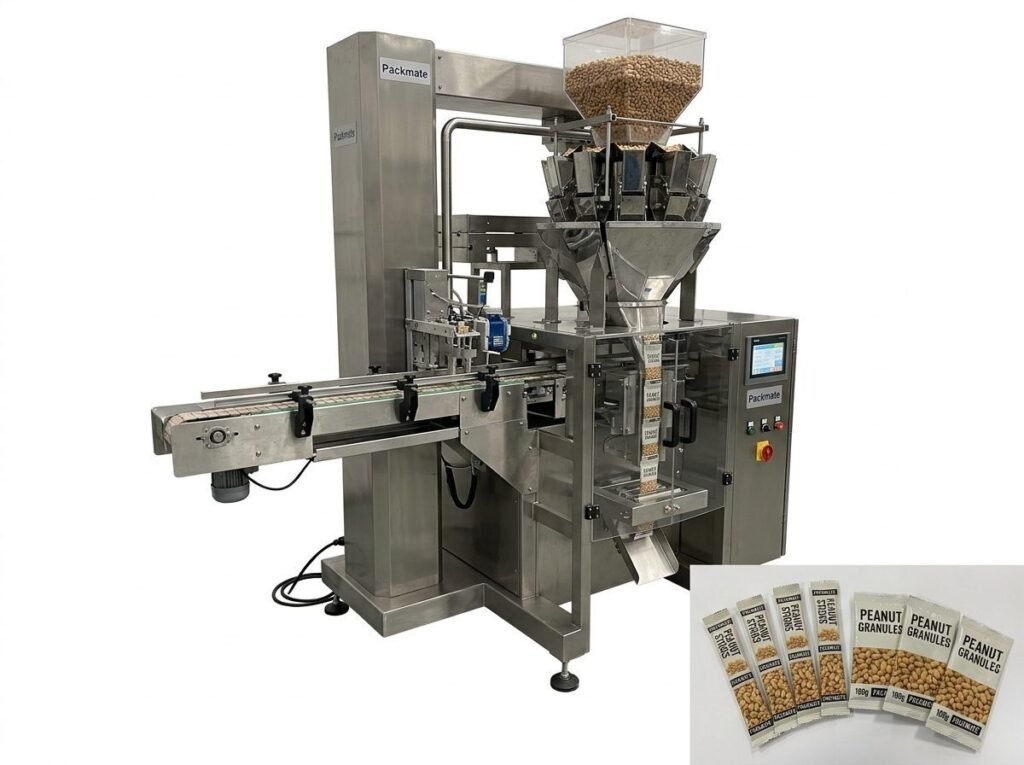
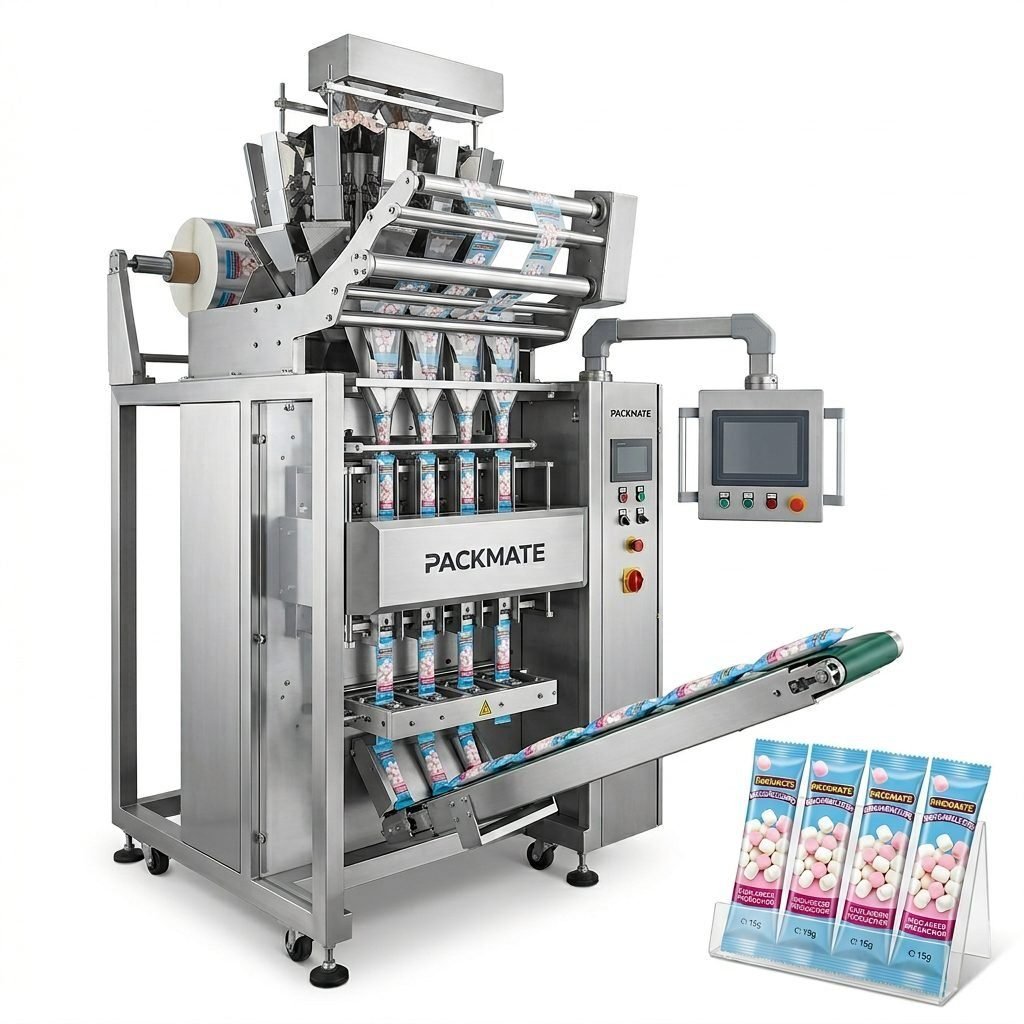
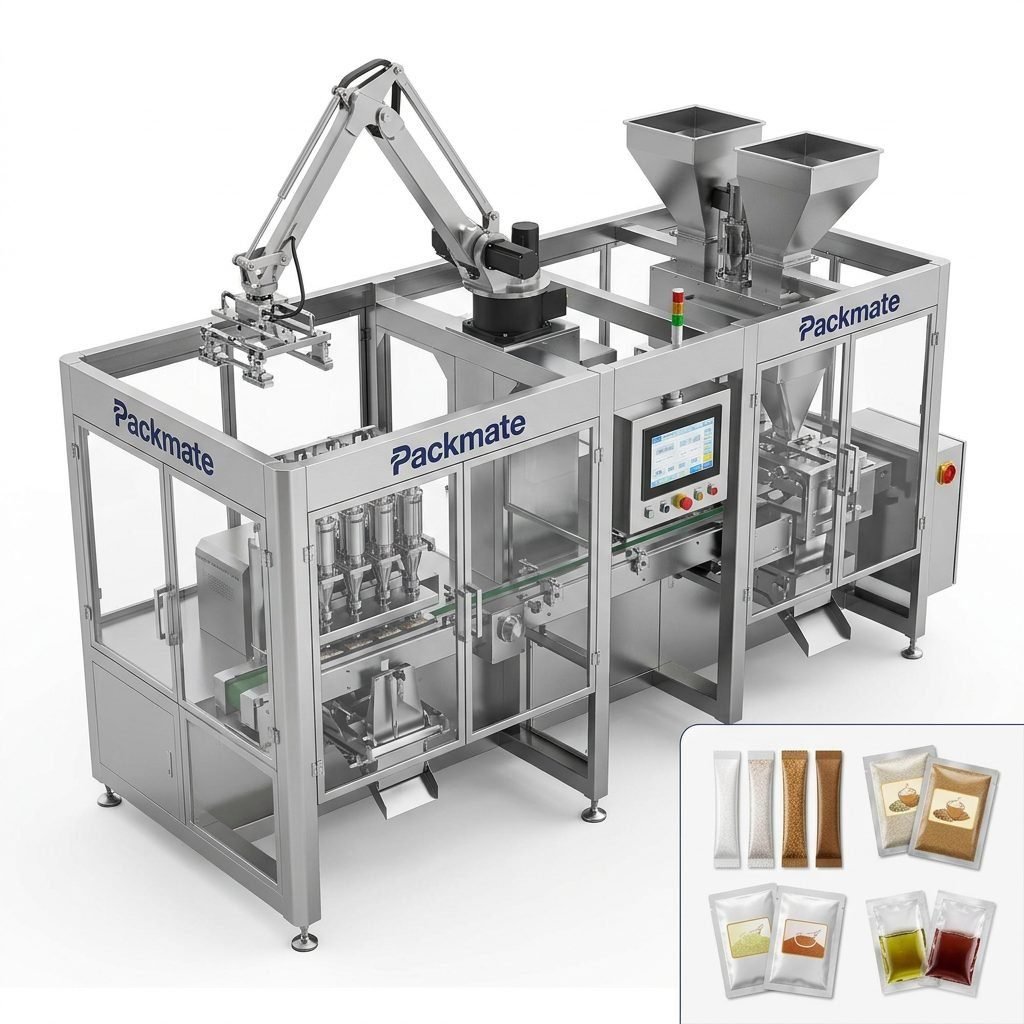
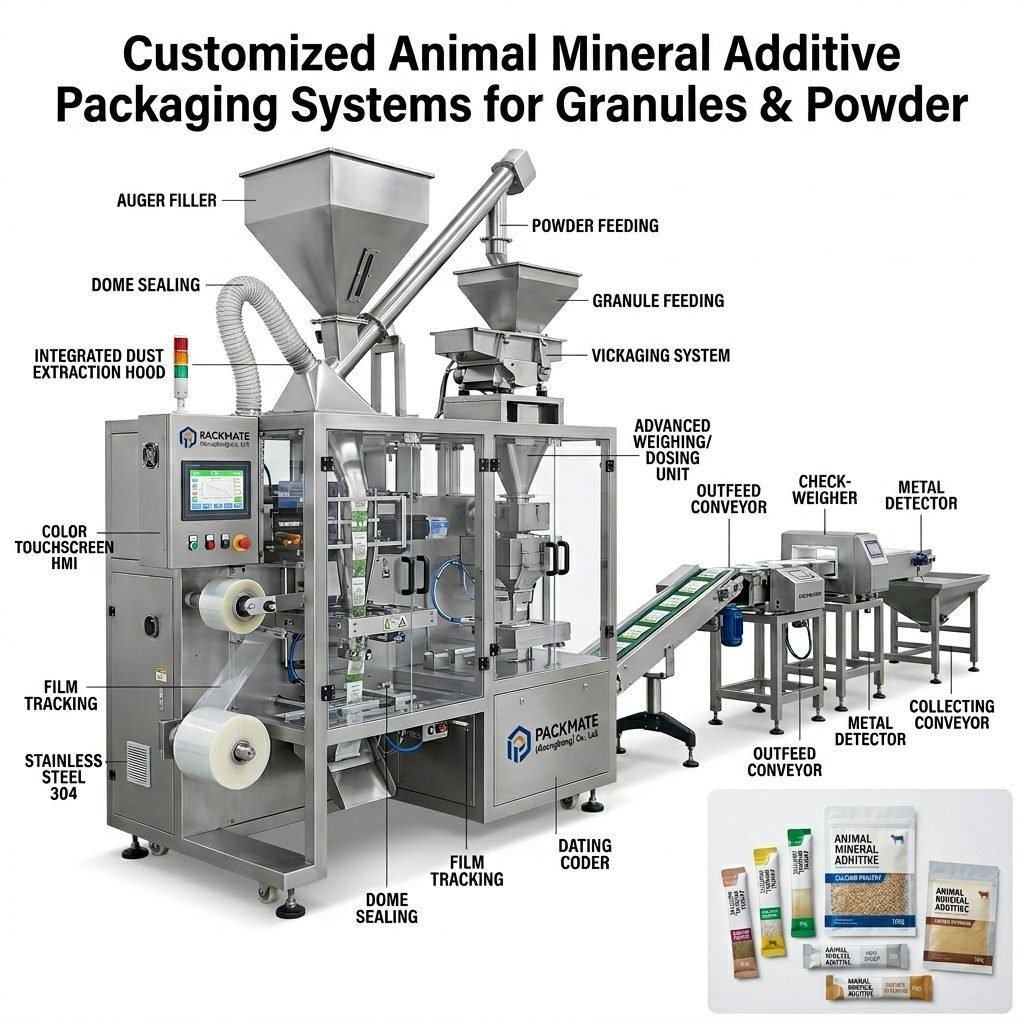
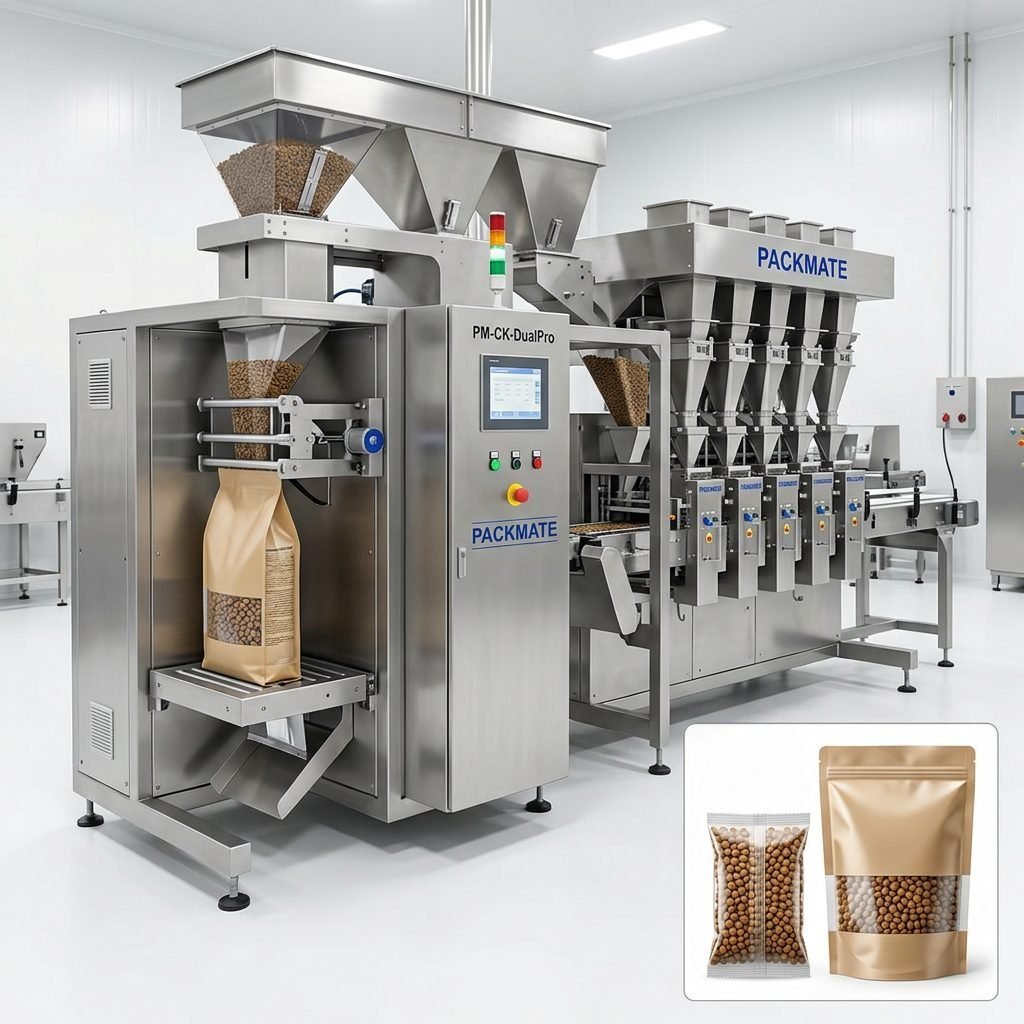
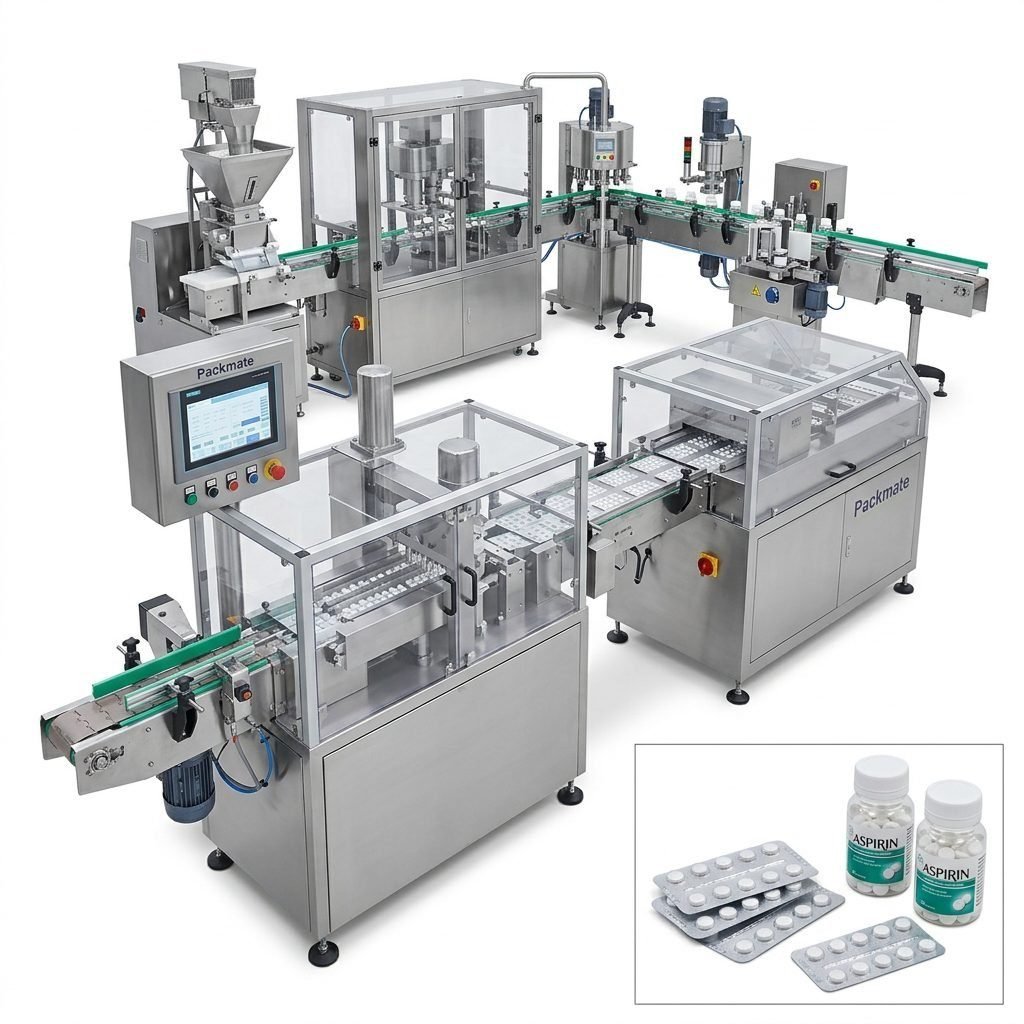
They are ideal for batch processing, offering consistent, high-quality seals. Brands that manufacture robust packaging lines, such as those offered by Packmate Machinery, often incorporate chamber technology into larger, automated systems for granular and powdered foods. These systems ensure precision and hygiene at an industrial scale.
External (Suction) Vacuum Sealers: Versatile and User-Friendly
External vacuum sealers, often called suction sealers, are the most common type for home and light commercial use. The machine’s nozzle sucks air directly out of a specially designed bag with a textured surface or channel that allows air to escape. Once the air is removed, a heating element seals the bag. These machines are generally more affordable, compact, and perfect for dry and semi-moist foods like cheeses, nuts, and pre-portioned meals.
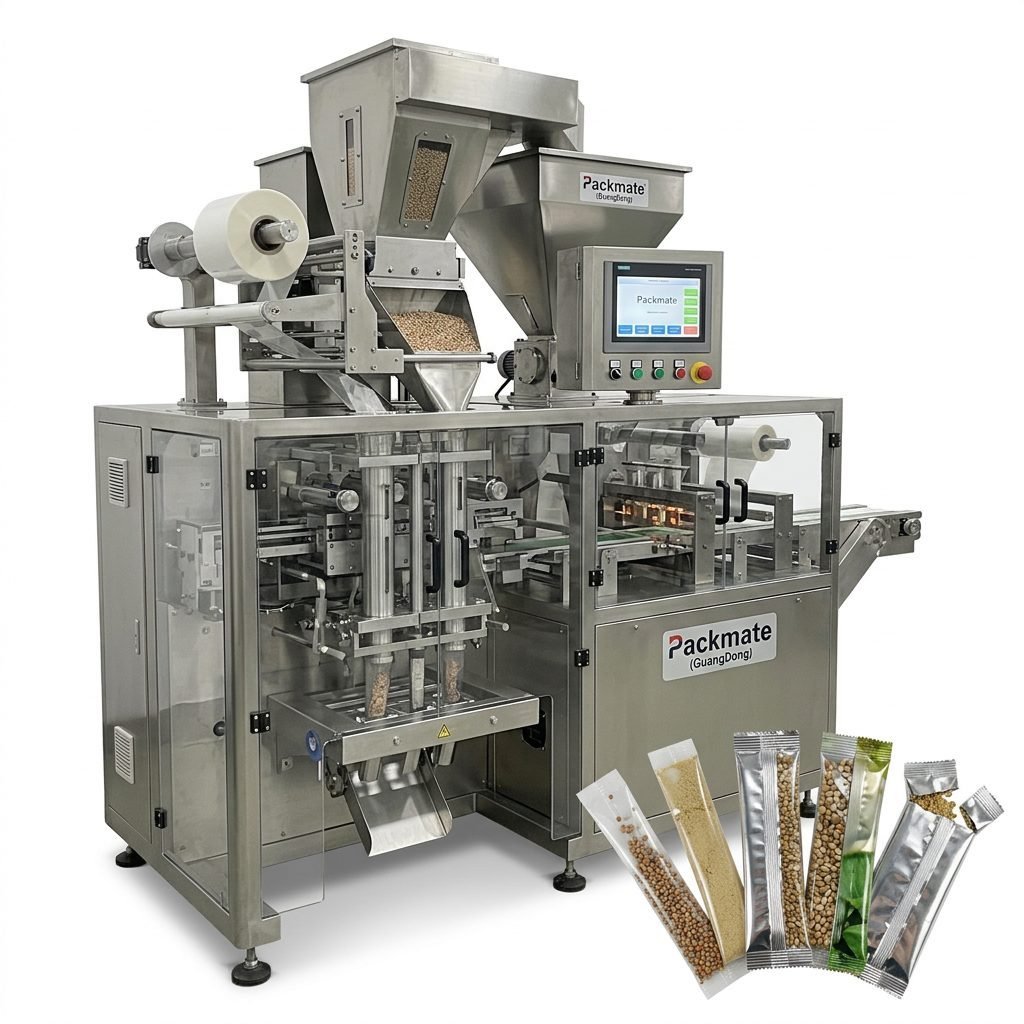
However, they are not suitable for liquids or very fine powders, as the suction can draw the product into the machine. For businesses packaging fine powders or granules, a dedicated powder packing machine with integrated vacuum capabilities would be a more appropriate and efficient solution.
Specialized Machines for Liquid and Paste Foods
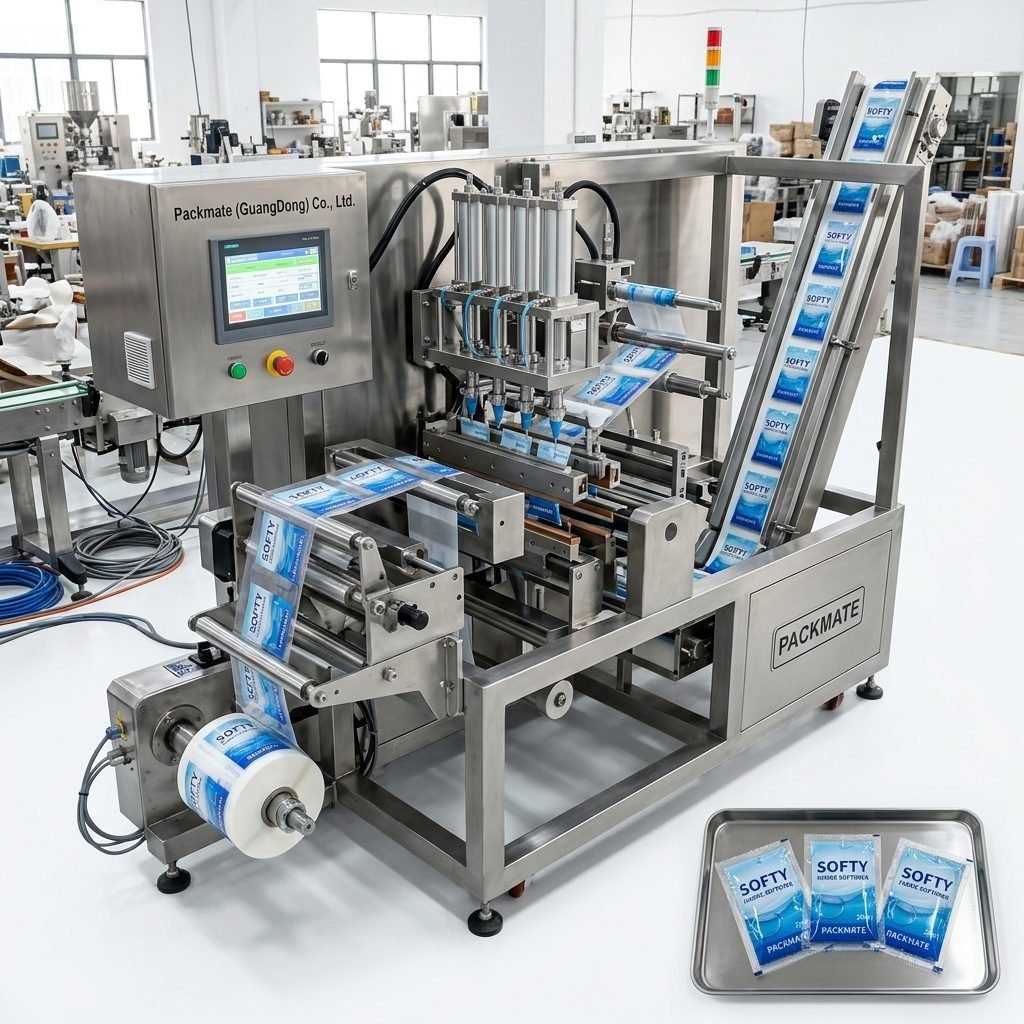
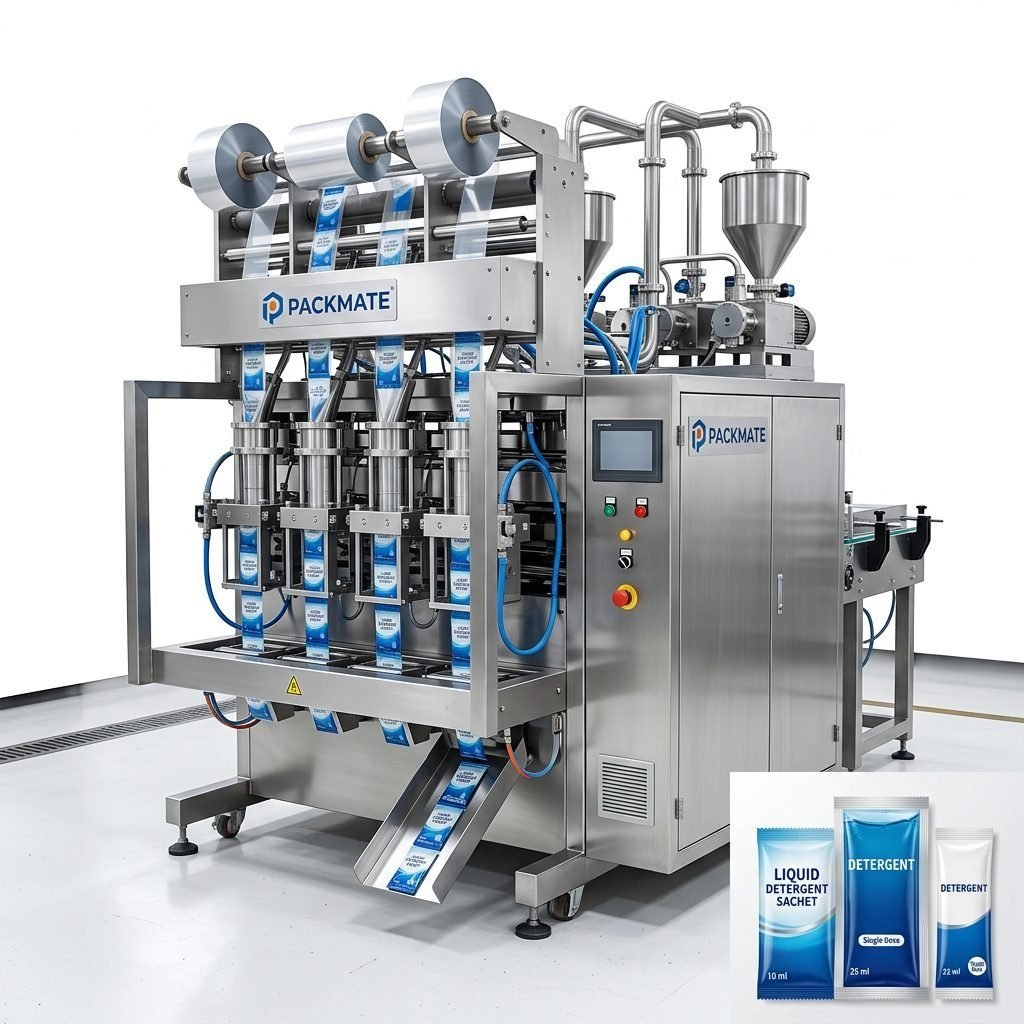
Preserving sauces, soups, marinated products, and other liquid-based foods requires specialized equipment. Liquid-fill vacuum sealers often use a “dip” or “nozzle” method to fill pre-formed pouches or bags. Advanced models, like certain filling and packaging lines, combine precise volumetric or weight-based filling with in-line vacuum sealing. This ensures accurate portion control and creates a perfect, airtight seal without contaminating the sealing area with product, which is crucial for maintaining seal integrity and preventing leaks.
Selection Tip: When choosing a machine, consider your primary product type (dry, moist, liquid, powder), required production speed, bag size range, and available counter or floor space. For granular items like coffee or spices, a machine with a integrated auger filler and vacuum chamber is optimal.
Automated Vacuum Packaging Systems for High-Volume Production
For food manufacturers and large-scale processors, manual sealing is not feasible. Automated rotary or inline vacuum packaging systems are the answer. These systems automatically feed product into bags, apply vacuum, seal, and cut the packages in a continuous, high-speed operation. They are often integrated with weighing and packaging systems to ensure every bag meets exact weight specifications. This level of automation maximizes throughput, minimizes labor costs, and guarantees consistent, reliable packaging—key factors for brand reputation and regulatory compliance.
The Role of Packaging Materials
The machine is only half of the equation; the packaging material is equally critical. Effective vacuum packaging requires bags or pouches made from multi-layer laminates that provide excellent barrier properties against oxygen and moisture. Common materials include combinations of polyethylene (PE), nylon, and ethylene vinyl alcohol (EVOH). The material must also have good “memory” to shrink tightly around the product after vacuuming and be compatible with the machine’s sealing temperature. Using the wrong bag can lead to seal failure, punctures, or inadequate barrier protection, negating all the benefits of the vacuum process.
Integrating Vacuum Packaging into Your Operation
Whether you’re a small artisanal producer or a large-scale manufacturer, integrating vacuum packaging should be a strategic decision. Consider workflow: where will the packaging station be located relative to preparation and storage? Think about maintenance and support—reliable equipment from an established manufacturer with a strong service network is crucial to avoid costly downtime. Furthermore, the machine should be easy to clean and maintain to meet food safety standards like HACCP and GMP, which are essential in the food industry.
Ultimately, the top vacuum packaging machine for food preservation is the one that aligns perfectly with your product portfolio, volume requirements, and quality standards. From a simple external sealer for a home kitchen to a fully automated turnkey line for a factory, the technology exists to preserve freshness, enhance safety, and add value to a vast array of food products.
Frequently Asked Questions (FAQ)
What types of food are best suited for vacuum packaging?
Vacuum packaging is excellent for a wide range of foods including raw meats, fish, cheese, nuts, coffee beans, dried fruits, vegetables (blanched before freezing), and cooked meals for sous-vide cooking. It is less ideal for soft cheeses that need to breathe, raw mushrooms, and some fresh fruits that emit gases.
Can I vacuum package liquids?
Yes, but you need the right equipment. Standard external suction sealers will pull liquid into the machine, causing damage. You must use a chamber vacuum sealer or a specialized liquid-filling machine that seals the pouch after filling without drawing the product into the vacuum mechanism.
How does vacuum packaging extend shelf life?
It removes oxygen, which is required by many spoilage bacteria and causes oxidation (rancidity in fats, browning in fruits). By creating an anaerobic environment, it dramatically slows down these degradation processes, keeping food fresh for much longer in both refrigeration and freezing.
What maintenance does a vacuum packaging machine require?
Regular maintenance is key. This typically includes daily cleaning of the sealing strip and chamber (for chamber models), checking and replacing the vacuum pump oil as recommended, inspecting the sealing wire for wear, and ensuring all gaskets and seals are intact to maintain a proper vacuum.
Is vacuum packaging the same as modified atmosphere packaging (MAP)?
No, they are related but different. Vacuum packaging removes almost all air. MAP replaces the air inside a package with a controlled mixture of gases (like nitrogen and carbon dioxide) to achieve specific preservation goals. Some advanced machines can perform both functions.