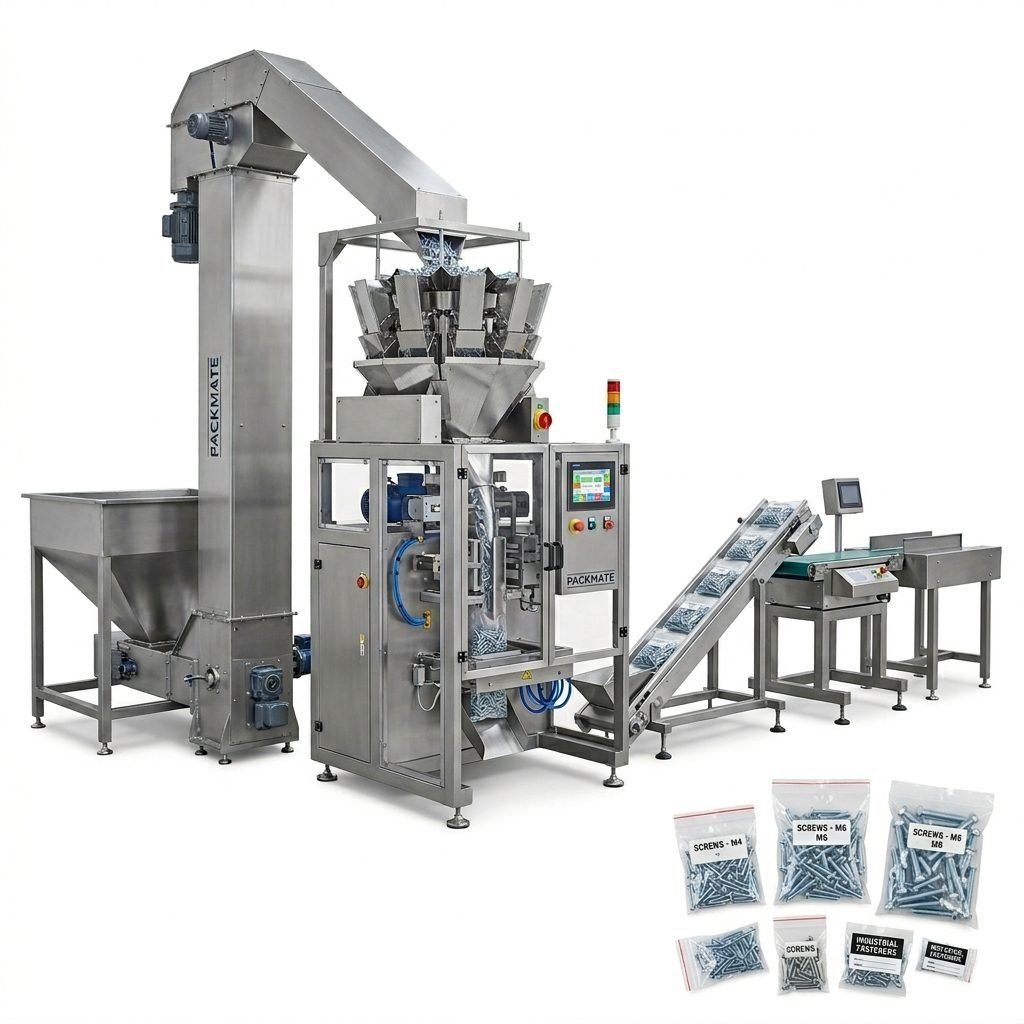
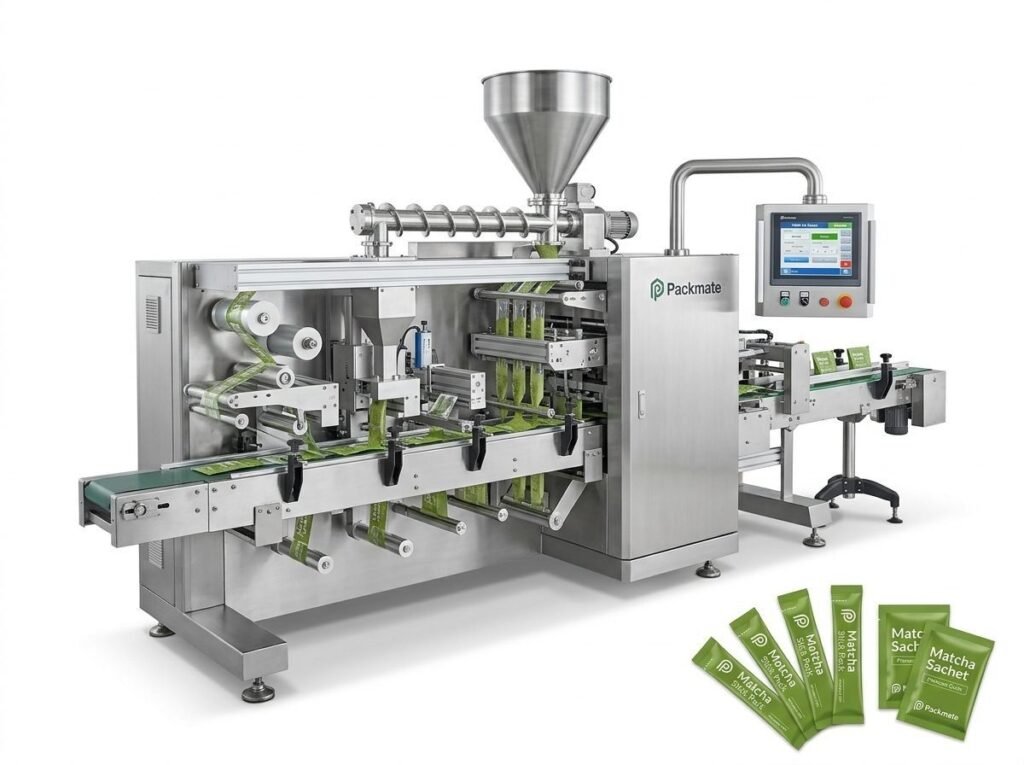
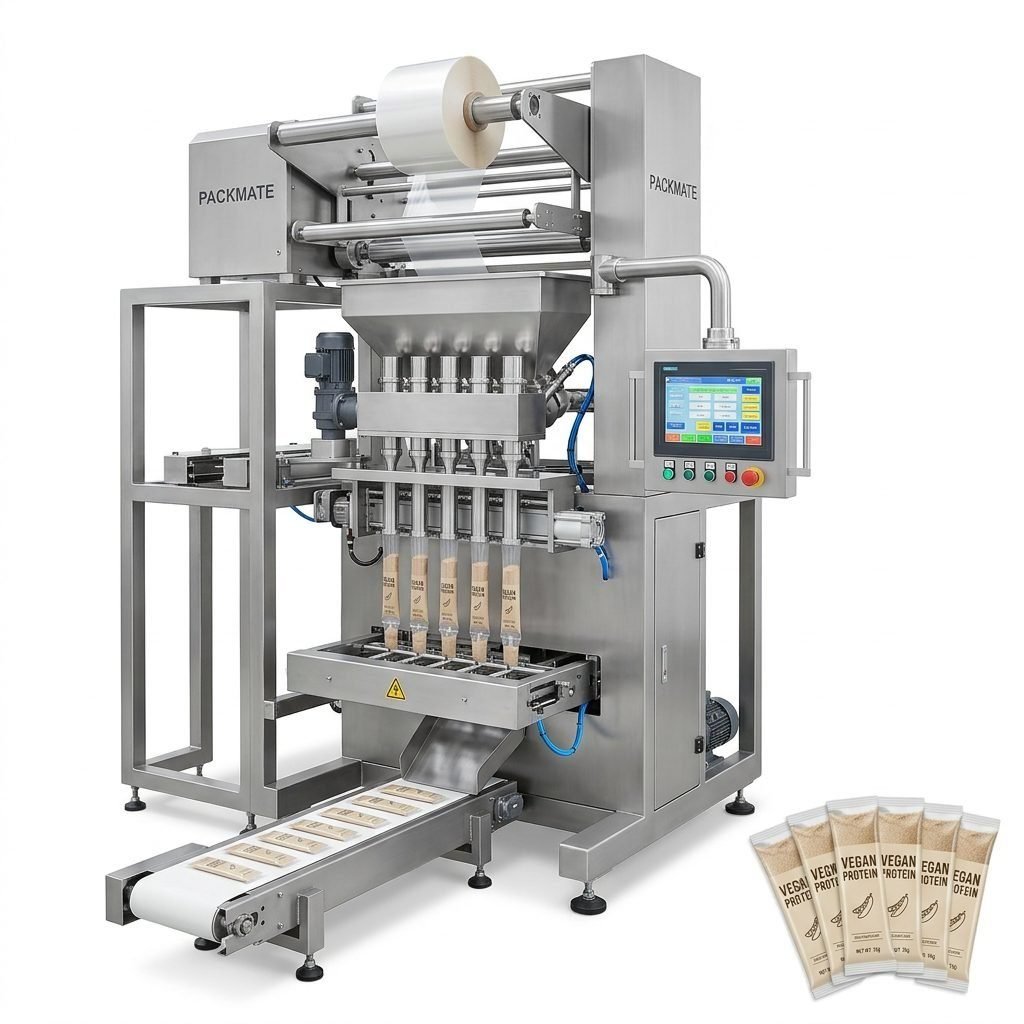
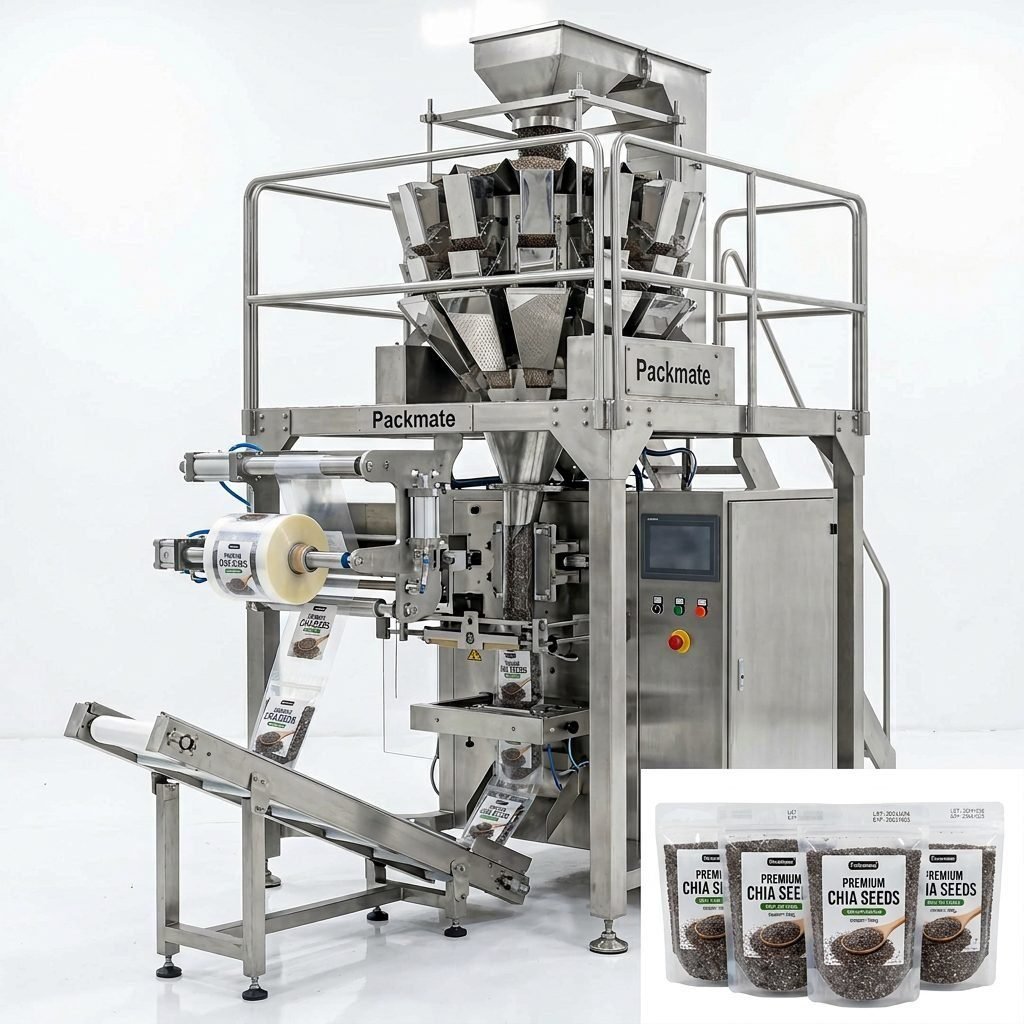
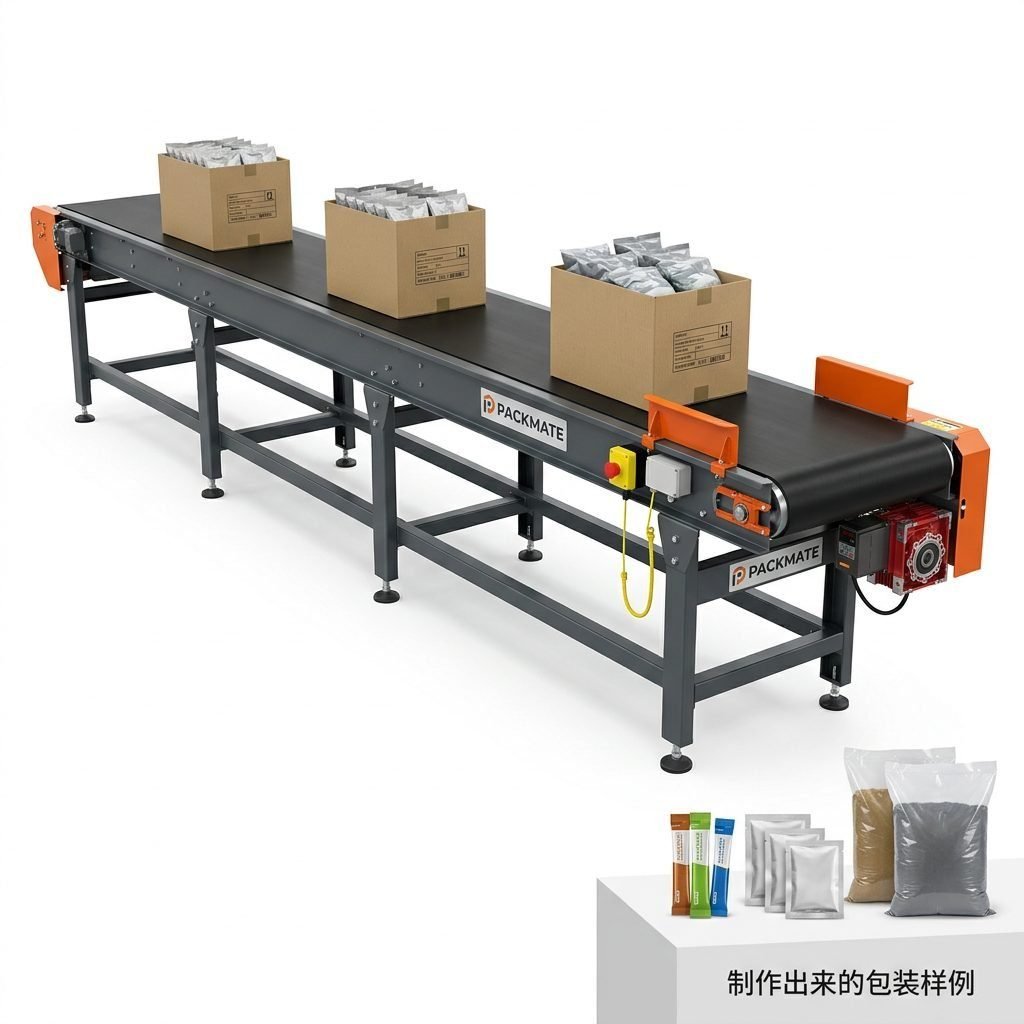
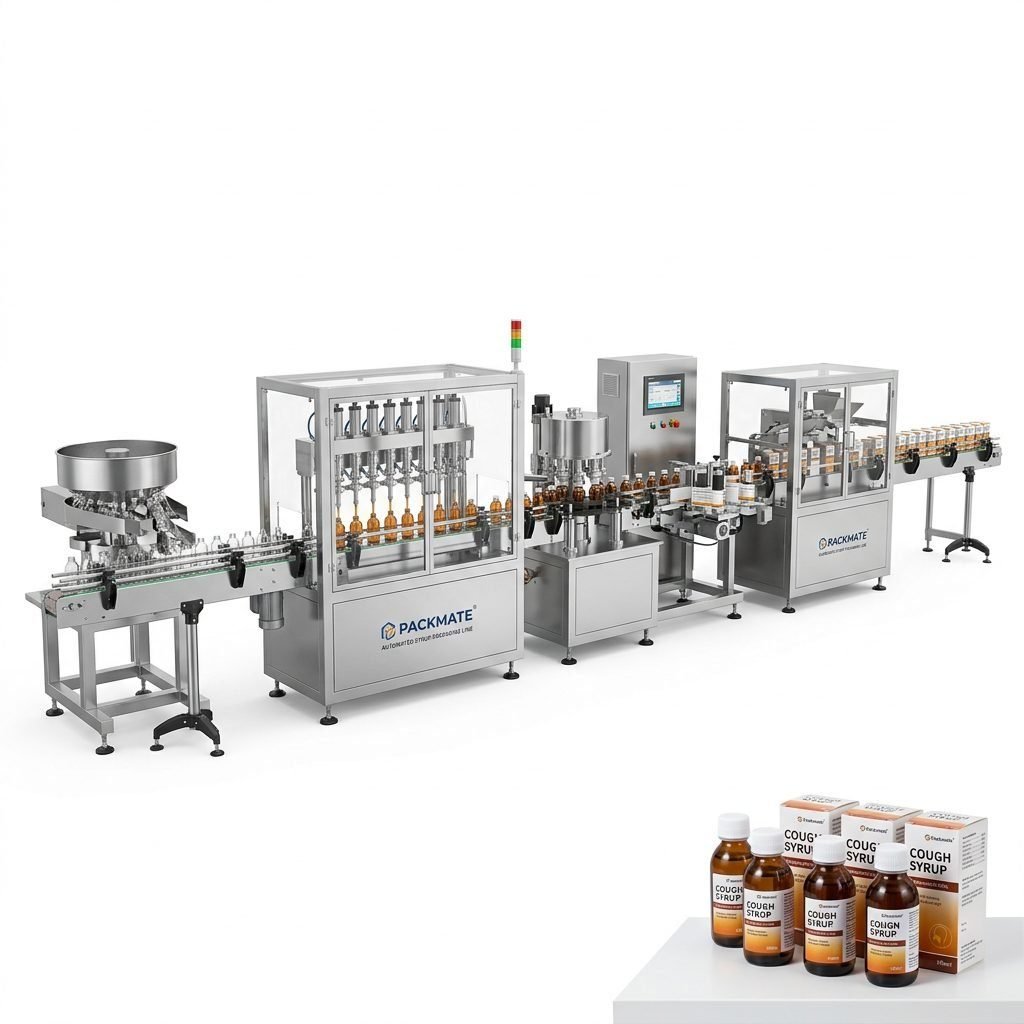
In the fast-paced world of pharmaceuticals, nutraceuticals, and food supplements, precision, safety, and efficiency are non-negotiable. Unit dose packaging has emerged as a critical solution, offering single-use, pre-measured doses that ensure product integrity, enhance patient compliance, and minimize waste. At the heart of this packaging revolution lies the unit dose packaging machine. This comprehensive guide delves into the types, diverse applications, and significant benefits of these sophisticated systems, providing essential insights for manufacturers looking to optimize their production lines.
Understanding Unit Dose Packaging
Unit dose packaging refers to the method of packaging a single dose of a product—be it a powder, granule, liquid, or tablet—in an individual, sealed container. Each package is intended for one-time use, eliminating the risk of contamination, dosage errors, and product degradation from repeated exposure. This format is ubiquitous in hospitals (for medications), in single-serve food items (like coffee creamer or sugar), and in the growing market of dietary supplements.
The machinery that creates these packages is engineered for high precision and speed. It must accurately measure the product, form the packaging material (often a laminated film), seal it hermetically, and sometimes apply printing or coding—all within a fraction of a second per cycle.
Key Driver: Consumer Safety & Convenience
The primary driver for unit dose packaging is enhanced safety. For pharmaceuticals, it provides a clear audit trail, reduces cross-contamination, and ensures the correct dosage is administered every time. For consumers, it offers unparalleled convenience and portability, which is why industries from sachet & stick pack machines for powders to liquid pouch systems have seen explosive growth.
Primary Types of Unit Dose Packaging Machines
The technology behind unit dose packaging varies significantly based on the product form and the desired package style. Here are the main categories:
1. Stick Pack Machines
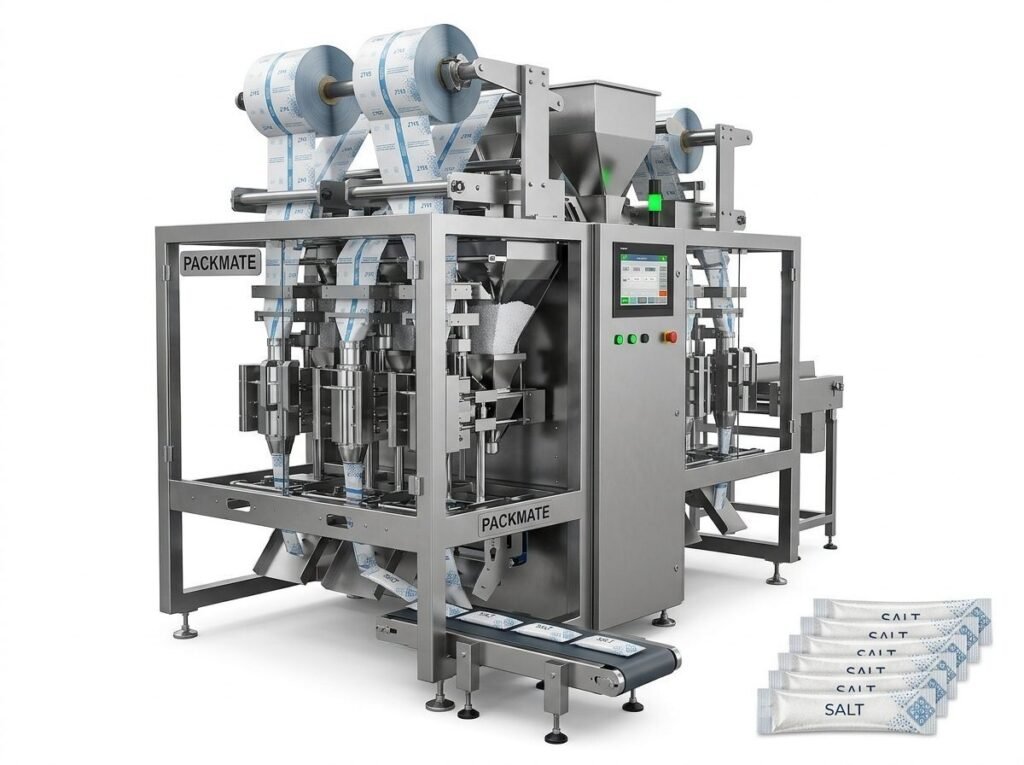
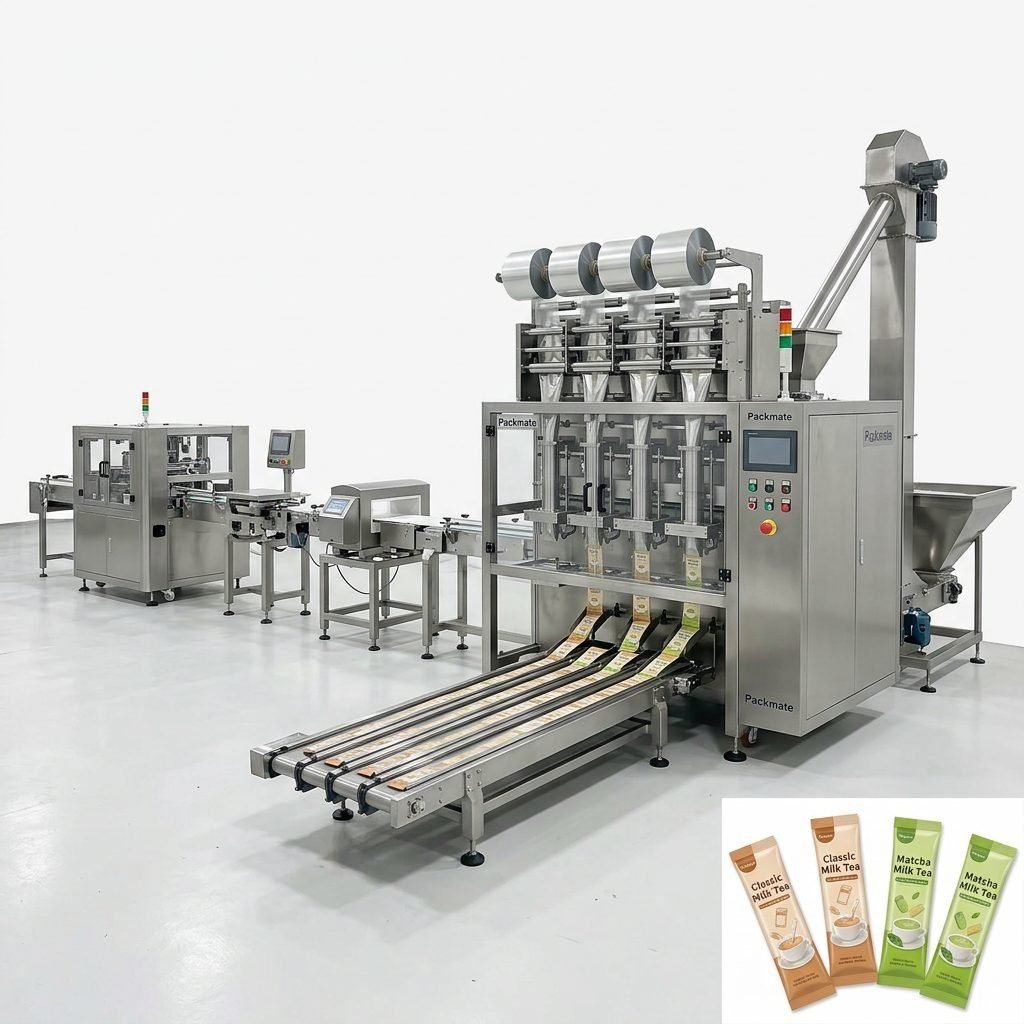
Designed for powders, granules, and fine solids, stick pack machines produce long, narrow, pillow-style packages. They are ideal for products like instant drink mixes, protein powders, and pharmaceutical powders. Modern multi-lane stick pack machines can operate with several lanes simultaneously, dramatically increasing output. Their compact package shape is easy to store, transport, and use.
2. Sachet (Pouch) Packaging Machines
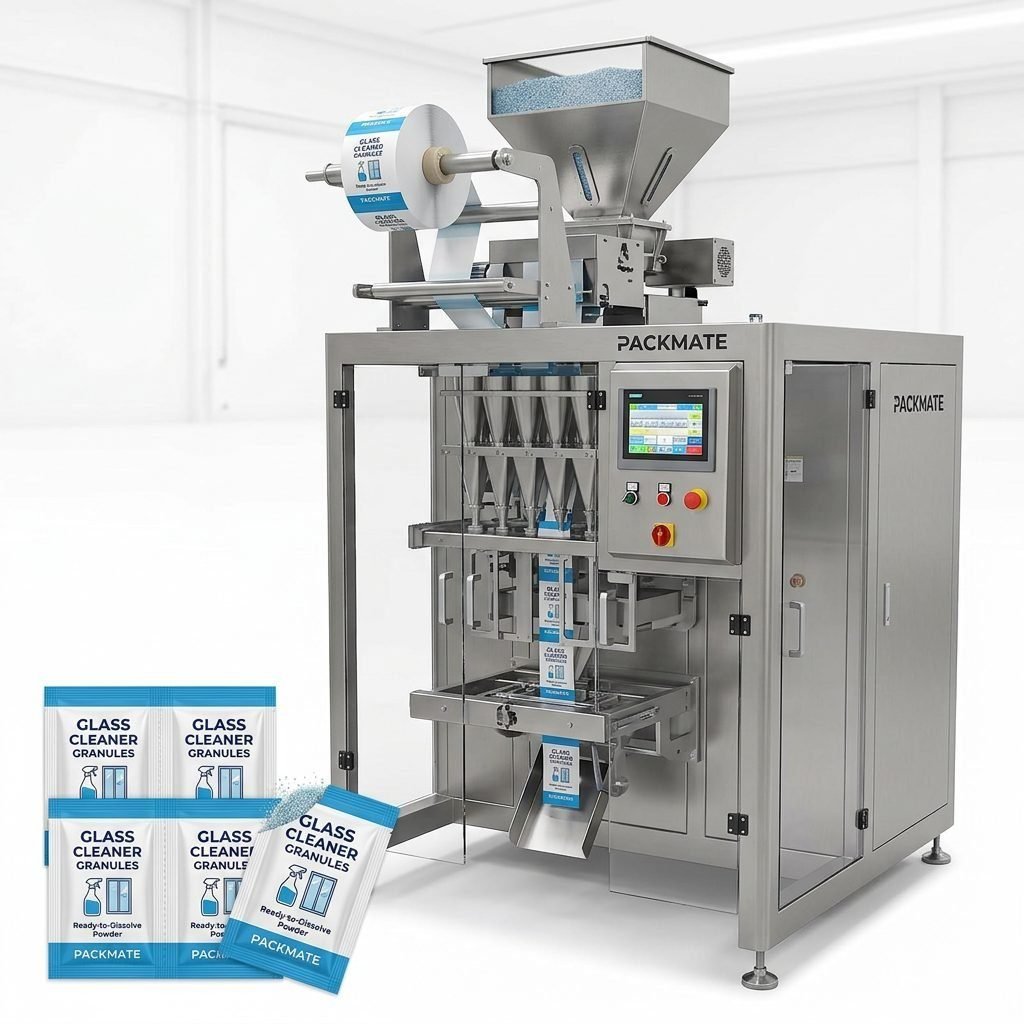
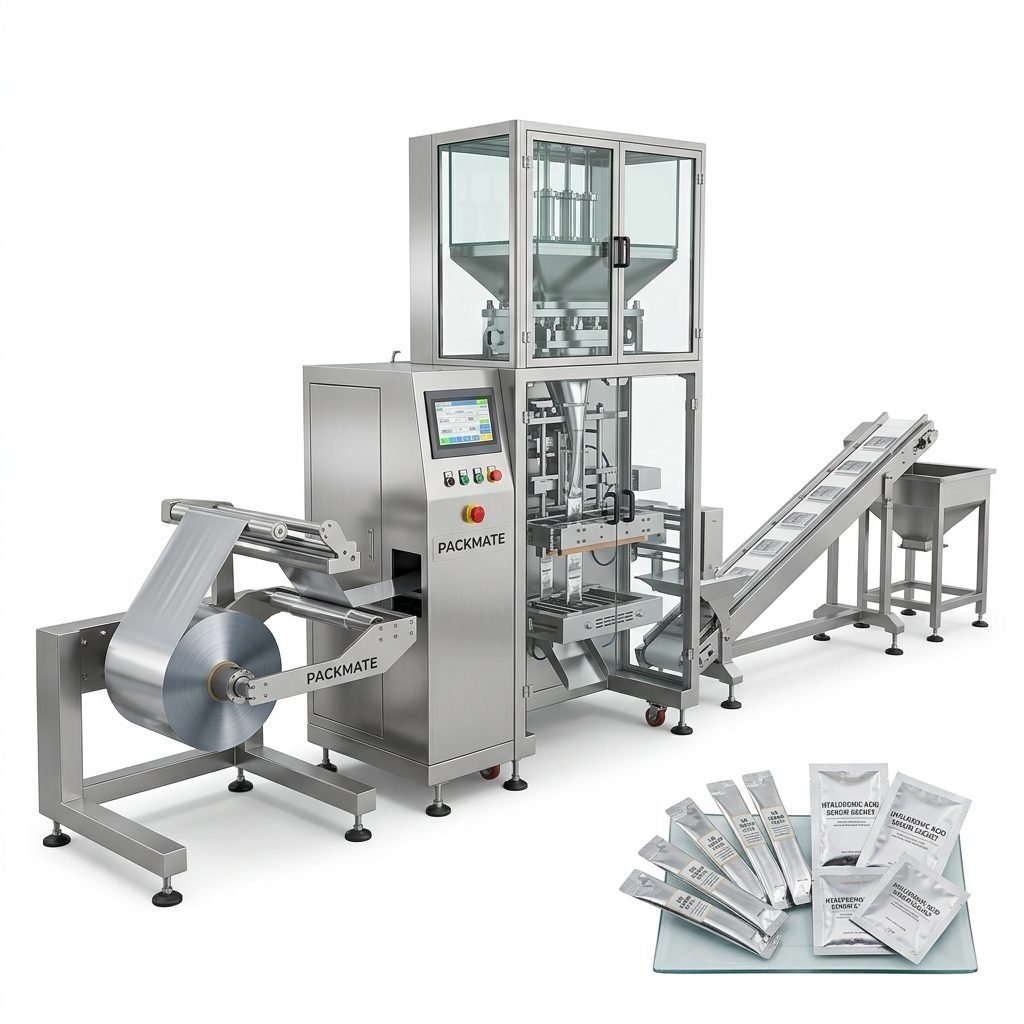
This is a broader category encompassing machines that create small, flat, or stand-up pouches. They are incredibly versatile and can handle liquids (like oils, sauces, or shampoos), viscous products, and solids. Sachet machines often integrate advanced filling technology, such as piston pumps for liquids or auger fillers for powders, to ensure remarkable accuracy. For a complete solution, manufacturers often look into integrated filling & packaging lines.
3. Blister Packaging Machines
Primarily used for solid dosage forms like tablets, capsules, and lozenges. The machine forms a cavity (blister) from a thermoformed plastic sheet, places the product inside, and seals it with a lidding material (often foil). This provides excellent barrier protection, child resistance, and easy push-through access. While distinct from flexible packaging, it remains a cornerstone of pharmaceutical unit dose packaging.
4. Ampoule, Vial, and Syringe Fillers
For liquid and lyophilized (freeze-dried) injectable pharmaceuticals, these machines fill and seal glass or plastic ampoules, vials, or pre-filled syringes under sterile conditions. They represent the highest level of precision and are critical in aseptic processing environments.
Choosing the Right Machine
Selecting the appropriate unit dose machine depends on multiple factors: product characteristics (flowability, viscosity), required output speed, packaging material, and regulatory compliance needs (e.g., FDA, GMP). Partnering with an experienced manufacturer like Packmate Machinery, with over 30 years in building intelligent packaging equipment, ensures you get a reliable, tailored solution.
Wide-Ranging Applications and Uses
The utility of unit dose packaging machines spans numerous industries, each with its own specific requirements.
Pharmaceutical & Healthcare
This is the most regulated and critical application. Machines must comply with Good Manufacturing Practice (GMP) standards. They package single doses of oral solids (tablets in blisters), powders for suspension, liquid medications in sachets, and unit-dose creams. The benefits here directly impact patient safety and hospital efficiency.
Nutraceuticals & Dietary Supplements
The wellness industry heavily relies on stick packs and sachets for single-serving supplements like collagen peptides, vitamin C, probiotics, and energy boosters. Packaging must protect sensitive ingredients from moisture and oxygen while offering consumer-friendly convenience.
Food & Beverage
From sugar and sweetener sticks to coffee creamer, sauce portions, and premium olive oil samples, unit dose packaging is everywhere in food service and retail. It guarantees hygiene, precise portion control, and extended shelf life.
Specialty Nicotine & Snus
The market for modern oral nicotine products requires precise, hygienic, and discreet packaging. Specialized snus & nicotine packaging machines are designed to handle these unique products, forming portion pouches with high speed and consistency.
Tangible Benefits of Automated Unit Dose Packaging
Investing in an automated unit dose packaging line delivers a compelling return on investment through multiple channels.
Enhanced Product Protection & Shelf Life: Each dose is hermetically sealed in a high-barrier film, shielding it from moisture, light, oxygen, and contaminants. This is crucial for sensitive pharmaceuticals and hygroscopic food products.
Unmatched Dosage Accuracy & Safety: Automated filling systems, such as servo-driven augers or precision pumps, eliminate human error in measuring. This ensures every single package contains the exact specified amount, which is vital for drug efficacy and consumer trust.
Improved Operational Efficiency & Cost Savings: High-speed machines can produce thousands of doses per minute, significantly reducing labor costs per unit. They also minimize product giveaway (overfilling) and reduce material waste through precise forming and sealing.
Boosted Brand Image & Marketability: Clean, professional, and convenient unit dose packaging elevates a brand’s perception. It communicates quality, innovation, and a commitment to user safety and experience, which can be a powerful differentiator on crowded shelves.
Regulatory Compliance & Traceability: Modern machines can integrate with vision inspection systems and data logging software, providing a complete record of the production batch. This traceability is essential for meeting stringent pharmaceutical and food safety regulations.
Frequently Asked Questions (FAQs)
What is the difference between a sachet and a stick pack machine?
While both produce flexible pouches, a stick pack machine is specifically designed for long, narrow “stick” formats, typically for free-flowing powders. A sachet machine is more versatile, capable of producing various pouch shapes and sizes (flat, stand-up, Doy-style) and can handle liquids, pastes, and solids.
How fast can a unit dose packaging machine operate?
Speed varies greatly by machine type and configuration. A single-lane stick pack machine may run at 60-100 packs per minute, while a multi-lane system from a manufacturer like Packmate can achieve speeds exceeding 400 sticks per minute. Sachet machines for liquids typically range from 80 to 250 pouches per minute.
What packaging materials are used for unit doses?
Materials are typically laminates of plastic films (like PET, PE, CPP) and aluminum foil. The specific structure is chosen based on the required barrier properties (moisture, oxygen, light) and the sealing method. The machine must be precisely calibrated for the chosen material to ensure perfect seals.
Can one machine handle different product types?
Many machines offer a degree of flexibility. For example, an auger-filler-based machine might handle different powder types with a change of tooling and parameters. However, switching from a powder to a liquid typically requires a different filling system. It’s best to discuss your product range with the machine supplier during the planning stage.
What after-sales support is crucial for these machines?
Given their complexity and critical role in production, comprehensive support is vital. This includes thorough operator training, ready availability of spare parts, access to technical documentation, and responsive remote or on-site service. A reputable provider will offer a strong service and support program to ensure maximum uptime.