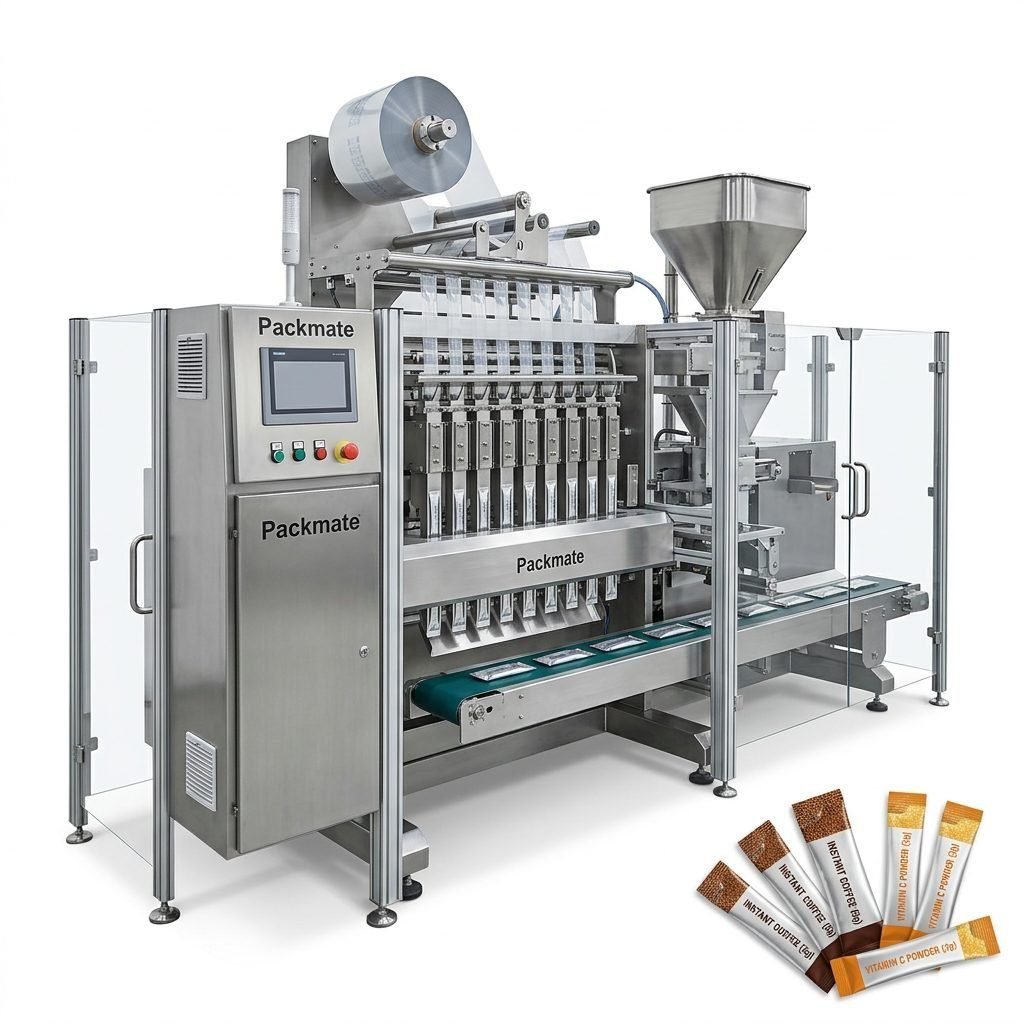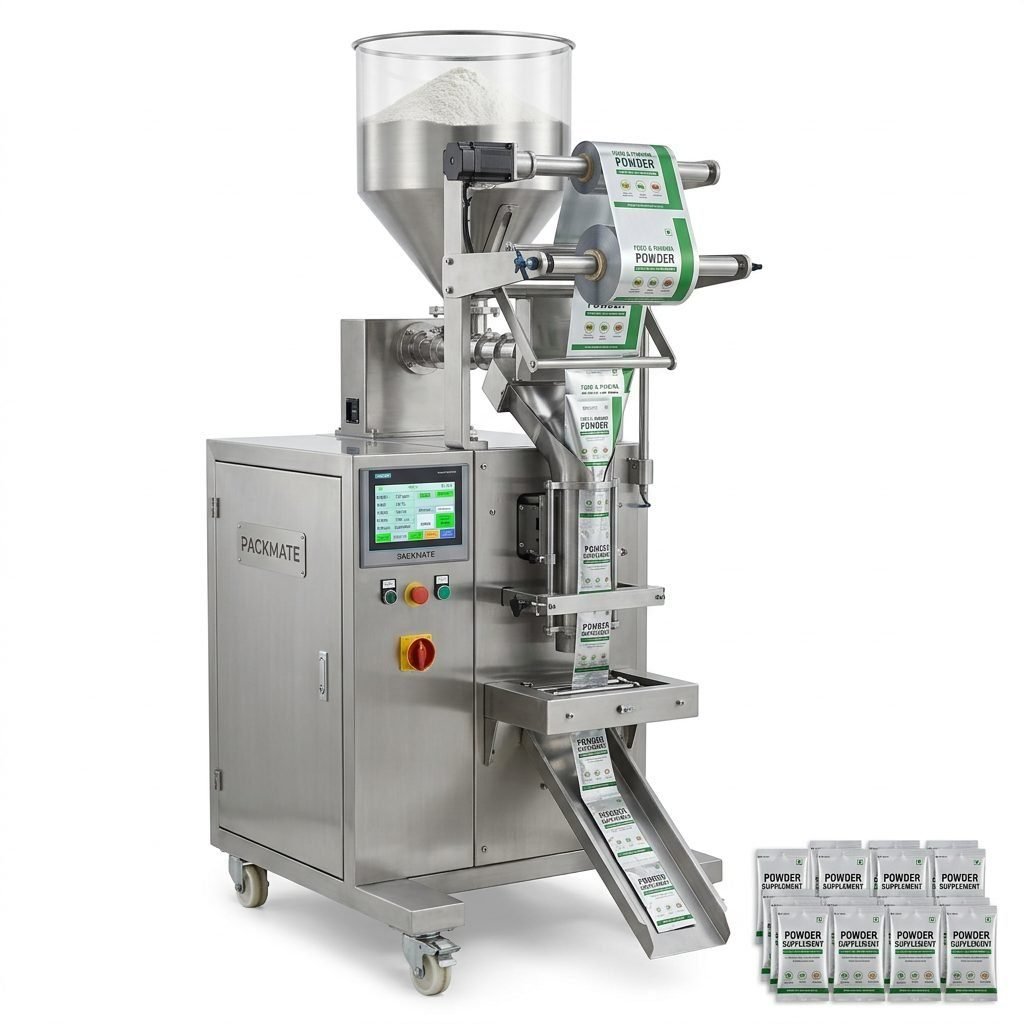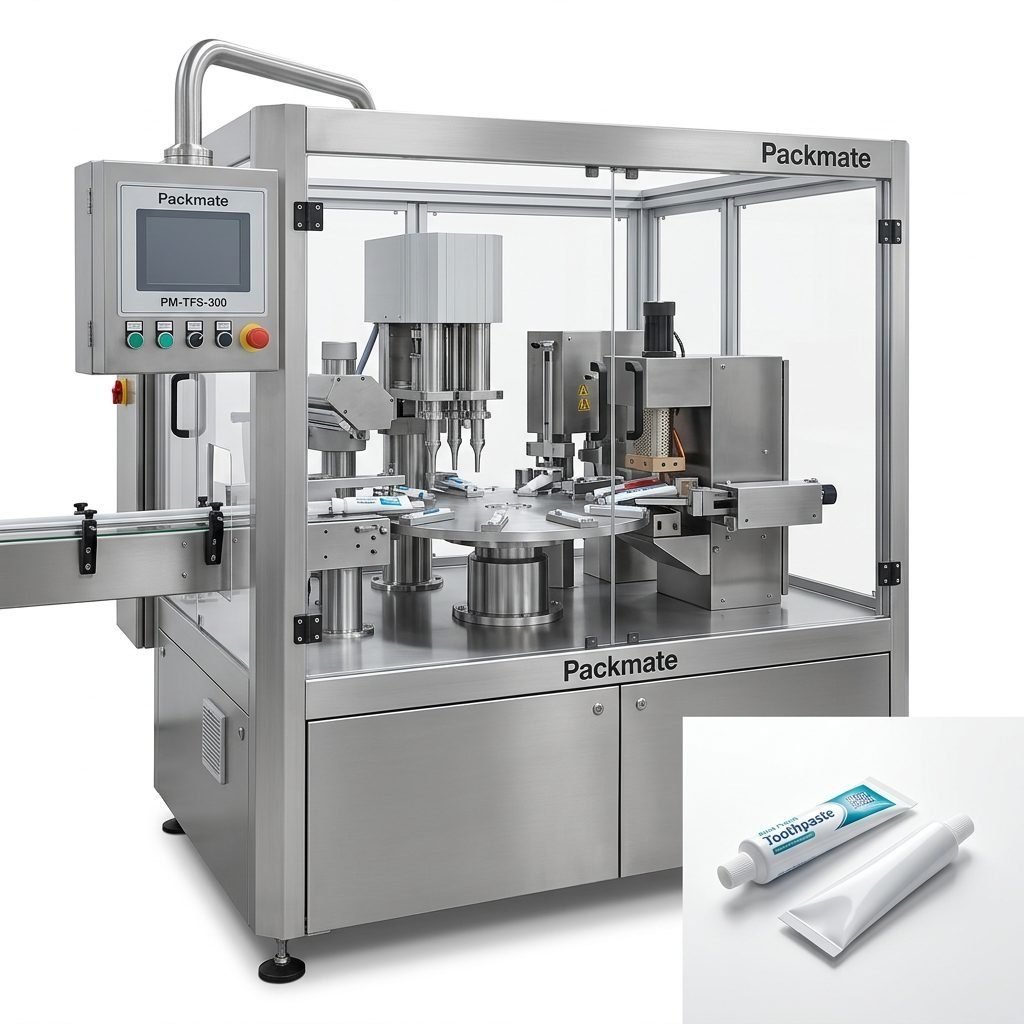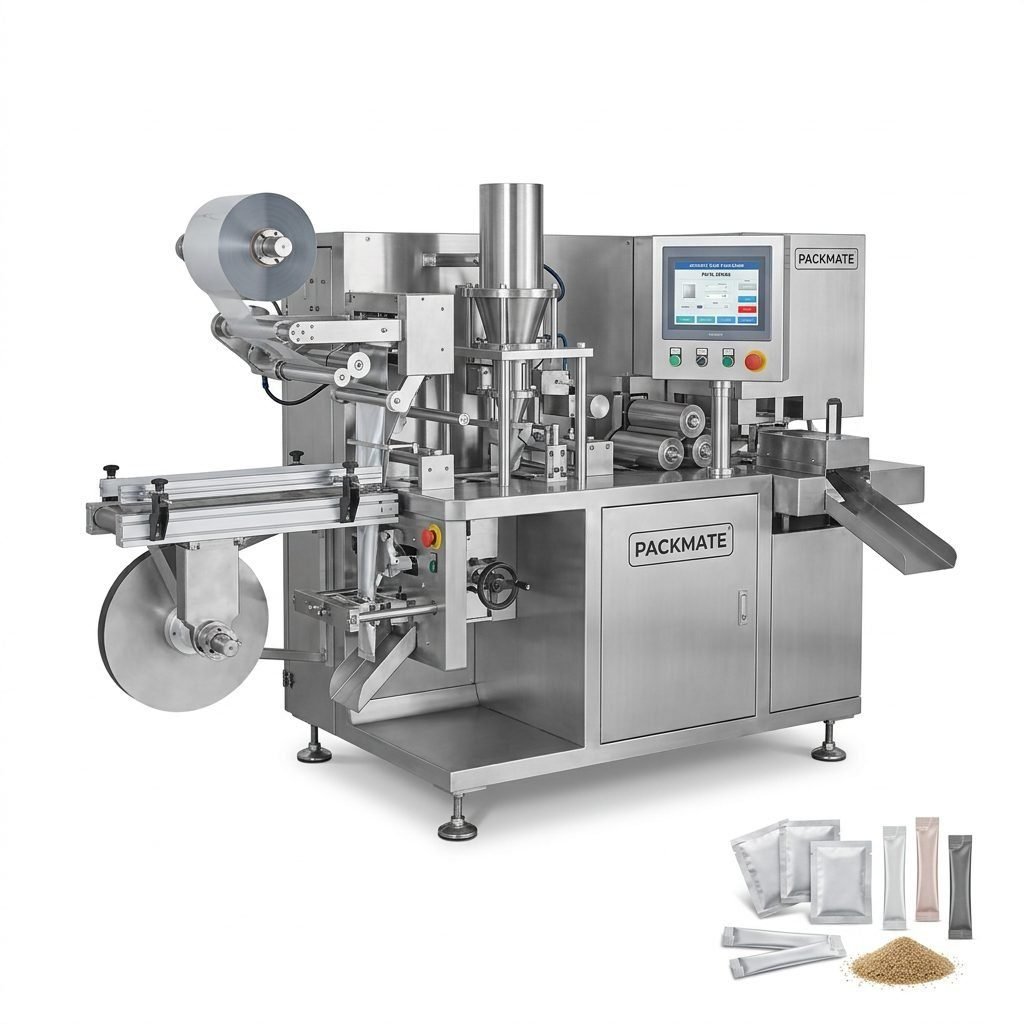
In today’s fast-paced manufacturing world, blister packaging machines stand as a cornerstone of efficiency and product protection. These versatile systems are essential for industries ranging from pharmaceuticals and electronics to food and consumer goods. This comprehensive guide delves into the intricate world of blister packaging equipment, exploring its core features, operational benefits, and providing crucial insights to inform your purchasing decision.
Understanding Blister Packaging Machines
At its core, a blister packaging machine is designed to form, fill, and seal products within a pre-formed plastic cavity (the blister) and a backing material, typically foil or card. This process creates a secure, tamper-evident, and visually appealing package that is ideal for unit-dose medications, small hardware, batteries, and countless other items. The automation of this process significantly boosts production speed, ensures consistency, and reduces labor costs compared to manual packaging methods.
Key Takeaway: The primary function of these machines is to automate the creation of a protective cavity around a product and seal it with a lidding material, combining product safety with high-speed production.
Core Features and Technological Advancements
Modern blister packaging machines are marvels of engineering, integrating various sophisticated features. The forming station utilizes heat and pressure or cold forming techniques to create precise blisters from a roll of plastic film. Advanced filling and packaging lines ensure accurate product placement, whether via manual loading for low-volume runs or fully automated robotic systems for high-speed operations.
Sealing is another critical phase, where the lidding material is applied under controlled heat and pressure to create a hermetic seal. Modern machines often include integrated quality control systems, such as vision inspection systems to check for missing products or sealing defects, and leak detection systems for pharmaceutical applications. Furthermore, connectivity features for Industry 4.0, allowing for data collection, remote monitoring, and predictive maintenance, are becoming standard in equipment from leading manufacturers like Packmate Machinery.
Critical Factors for Selection
Choosing the right blister packaging machine is a strategic decision that impacts your operational efficiency and product quality for years to come. The first consideration is your production output requirements. Machines are rated by cycles per minute (CPM); selecting a machine that matches your current and projected volume is essential to avoid bottlenecks or underutilized capacity.
Material compatibility is non-negotiable. You must ensure the machine can handle the specific types of forming film (e.g., PVC, PVDC, Aclar, aluminum) and lidding materials (e.g., paper, foil, peel-push films) required for your product. The machine’s tooling, which defines the blister size and shape, must be customized to your product’s dimensions. Other vital factors include the level of automation needed, changeover time between different product runs, compliance with industry regulations (like FDA or cGMP for pharmaceuticals), and the availability of reliable after-sales service and spare parts.
A Deep Dive into Buying Tips
Navigating the purchase of a blister packer requires a methodical approach. Begin with a thorough analysis of your product’s physical characteristics and packaging specifications. Create a detailed requirement document outlining speed, materials, dimensions, and any special features like nitrogen flushing or serialization.
Pro Tip: Always request a live or recorded production trial using your actual product and materials. This is the most reliable way to verify machine performance, output quality, and speed before making a capital investment.
When evaluating suppliers, look beyond the initial price tag. Consider the total cost of ownership, which includes maintenance, energy consumption, and potential downtime. Research the manufacturer’s reputation, review their case studies, and examine their track record for reliability. A manufacturer with a long history, such as Packmate with over two decades of development, often signifies accumulated expertise and stability. Ensure they offer comprehensive training for your operators and technicians, as well as accessible technical support.
The Role of a Trusted Manufacturer
Partnering with an experienced manufacturer is perhaps the most crucial buying tip. A company like Packmate (GuangDong) Co., Ltd., which operates a 20,000㎡ modern facility and has developed over 50 machine models, brings immense value. Their journey from a focused workshop in 2003 to a provider of complete turnkey solutions today demonstrates a commitment to innovation and quality. Such a partner doesn’t just sell a machine; they provide a solution tailored to your needs, backed by deep industry knowledge and a commitment to your long-term success. Their focus on intelligent packaging equipment ensures you get a machine that is not only robust but also integrated and future-ready.
Ultimately, the goal is to find a machine that seamlessly integrates into your production line, maximizes uptime, minimizes waste, and delivers perfectly packaged products that protect your brand reputation. By carefully considering features, conducting diligent supplier evaluations, and planning for the long term, you can make an investment that pays dividends in efficiency and quality for years to come.
Frequently Asked Questions (FAQs)
What is the typical production speed of a blister packaging machine?
Production speeds vary widely based on machine type, complexity, and product size. Standard machines can range from 50 to over 600 cycles per minute (CPM). It’s essential to discuss your specific product and output goals with the manufacturer to determine the optimal machine speed for your application.
Can one machine handle different blister sizes and shapes?
Yes, most machines are designed with changeable tooling (forming and sealing dies). However, changeover time can vary. Modern machines often feature quick-change systems to minimize downtime when switching between different product formats, which is a key consideration for manufacturers with diverse product lines.
What are the main differences between thermoforming and cold forming blister machines?
Thermoforming uses heat to soften plastic film before forming the blister cavity, which is common for most pharmaceuticals and consumer goods. Cold forming uses a punch to mechanically draw aluminum laminate into a cavity without heat, creating an exceptionally high barrier package used for moisture- or oxygen-sensitive products. The choice depends entirely on your product’s protection requirements.
How important is after-sales service when purchasing a machine?
Extremely important. Reliable technical support, readily available spare parts, and comprehensive operator training are critical for minimizing downtime and ensuring long-term machine productivity. Always evaluate the manufacturer’s service network, response time guarantees, and availability of training programs before purchase.
What industries most commonly use blister packaging?
While the pharmaceutical industry is the largest user (for pills, capsules, and medical devices), blister packaging is also prevalent in the electronics industry (for components), the food industry (for gums, lozenges), and the hardware industry (for small items like screws, batteries, and tools). Its versatility makes it a popular choice for unit-dose and small-item packaging across many sectors.