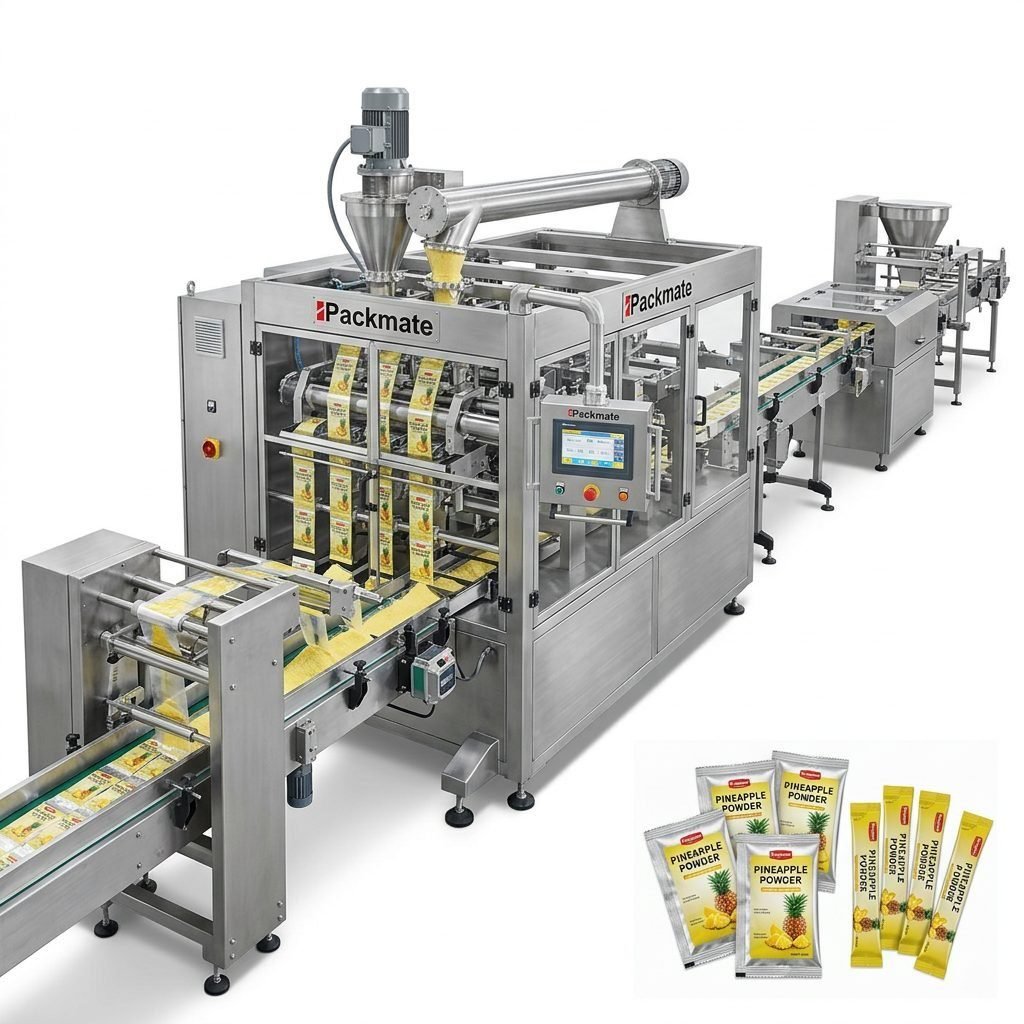
In the dynamic world of beverage production, efficiency and presentation are paramount. Beer packaging machines represent the critical final step in bringing a crafted product to consumers, ensuring freshness, quality, and brand appeal. This complete guide delves into the sophisticated systems behind bottling and canning, exploring the technology that powers modern breweries from craft microbreweries to large-scale industrial producers.
The Core of Production: Bottling Systems
Bottling lines are complex integrations of machinery designed to clean, fill, cap, and label containers with high precision and speed. The process typically begins with an unscrambler that orients empty bottles, followed by a thorough cleaning or rinsing station to remove any contaminants. The heart of the line is the filler, which must operate with exact volumetric or level control to ensure consistent fill heights and minimize oxygen pickup, a key factor in preserving beer flavor.
Modern fillers often use isobaric filling principles, where counter-pressure with carbon dioxide (CO2) prevents foaming and oxidation. After filling, a capping machine—applying crown caps, twist-offs, or swing tops—seals the product. Finally, labeling equipment applies brand and regulatory information. The entire system is controlled by programmable logic controllers (PLCs) for synchronization, efficiency tracking, and quick changeovers between bottle sizes or brands.
Advantages of Modern Bottling Lines
Today’s bottling systems offer breweries significant advantages. Flexibility is a major benefit, as many lines can handle a range of bottle shapes and sizes with relatively fast changeover times. This is crucial for craft breweries with diverse product lines. Furthermore, advanced sensors and vision systems ensure quality control at every stage, detecting underfills, faulty caps, or misapplied labels and automatically rejecting defective units.
Key Considerations for Bottling
When selecting a bottling system, producers must evaluate their production volume and growth projections. A low-speed rotary filler may suffice for a nano-brewery, while a high-speed monobloc system (integrating rinser, filler, and capper) is essential for large-scale output. The choice of packaging material—glass or PET plastic—also dictates the required machine specifications. Partnering with an experienced manufacturer like Packmate Machinery can provide access to reliable and scalable solutions.
The Rising Star: Canning Systems
Canning has surged in popularity due to consumer demand for portability, superior light and oxygen barrier properties, and recyclability. Canning lines share similarities with bottling but are specialized for handling aluminum cans. The process involves depalletizing empty cans, inverting them for a powerful air or water rinse, filling, seaming on a lid, and then packaging into multi-packs.
The seamer is the most critical and technically complex component in a canning line. It must create a perfect, airtight double-seam between the can body and lid at incredibly high speeds. Any fault in this seam can lead to leakage or contamination. Like bottling, can fillers often use counter-pressure technology. A key trend is the growth of compact, affordable micro-canning lines, which have democratized canning for small craft breweries that previously could not justify the investment.
Comparing Bottling and Canning
The choice between bottles and cans is a strategic one. Cans are lighter, chill faster, and offer total protection from light (preventing “skunking”). They are also more compact for shipping and storage. Bottles, particularly glass, are often associated with premium perception and tradition. From a machinery perspective, canning lines can generally achieve higher speeds, but the initial investment and cost of cans can be higher. Many successful breweries now operate both types of lines to cater to different market segments and product types.
Integration and Automation: The Complete Line
Whether bottling or canning, the machinery rarely operates in isolation. A complete packaging line integrates several systems:
- Conveying Systems: Gently transport containers between stations without damage.
- Empty Container Handling: Includes depalletizers, unscramblers, and rinsers.
- Filling & Sealing: The core filling, capping, or seaming units.
- Labeling & Coding: For product identification and traceability.
- Secondary Packaging: Such as case packers, tray packers, or multi-packers (e.g., for 6-packs).
- Palletizing: For efficient warehouse storage and shipment.
Automation ties these elements together. Modern lines from leading suppliers feature sophisticated PLCs and Human-Machine Interfaces (HMIs) that allow for centralized control, monitoring of Overall Equipment Effectiveness (OEE), predictive maintenance alerts, and seamless data collection for production analysis. Exploring a manufacturer’s range of filling and packaging lines can reveal how integrated solutions are configured.
The Role of Specialized Manufacturers
Choosing the right equipment partner is crucial. A manufacturer with deep expertise, like Packmate Machinery, brings over two decades of engineering experience to the table. Such companies understand that reliability, hygienic design, and easy maintenance are non-negotiable in food and beverage production. They offer not just machines, but complete turnkey solutions, including installation, training, and ongoing technical support, ensuring a smooth operation from day one. Their experience in diverse sectors, from pharmaceuticals to food, often translates to robust and precise engineering suitable for beverage needs.
Future Trends in Beer Packaging
The industry continues to evolve. Sustainability is a major driver, pushing for lighter-weight packaging, higher recyclability, and energy-efficient machines. Smart packaging with QR codes or NFC tags for consumer engagement is emerging. On the machinery side, the focus is on greater flexibility (handling cans, bottles, and perhaps novel formats on one line), reduced changeover times, and enhanced connectivity for Industry 4.0 data integration. The goal is agile production that can respond quickly to market trends while minimizing downtime and waste.
Ultimately, investing in the right beer packaging machinery is an investment in brand integrity and business growth. It ensures the product that reaches the consumer matches the brewer’s vision in quality and presentation. By understanding the capabilities of both bottling and canning systems, and partnering with a proven equipment manufacturer, breweries can build a packaging operation that is efficient, reliable, and ready for the future.
Frequently Asked Questions (FAQ)
What is the main difference between a bottling line and a canning line?
The core difference lies in the container handling and sealing technology. Bottling lines use cappers (for crown caps, screw caps, etc.), while canning lines use a seamer to create an airtight double-seam on an aluminum can. The conveying and rinsing mechanisms are also specifically designed for the shape and material of bottles versus cans.
How important is oxygen control in beer packaging?
It is critically important. Oxygen pickup (dissolved oxygen or DO) during packaging is a primary cause of flavor staling and reduced shelf life. Both modern bottling and canning systems are designed to minimize oxygen exposure, often using counter-pressure filling with CO2 to purge the container before and during the fill.
Can a small craft brewery afford an automated canning line?
Yes. The market now offers a range of compact, semi-automatic, and low-speed rotary canning lines specifically designed for craft breweries with production volumes from a few hundred to several thousand cans per hour. These systems make canning accessible without the massive investment required for high-speed industrial lines.
What should I look for when choosing a packaging machine supplier?
Key factors include: the supplier’s reputation and experience in the beverage industry, machine reliability and construction quality, availability of local service and spare parts, flexibility of the equipment for your specific container types, and the comprehensiveness of their support (installation, training, warranty). Reviewing their case studies or client testimonials can provide valuable insights.
How can I improve the efficiency of my existing packaging line?
Efficiency gains often come from reducing changeover times between products, implementing preventative maintenance schedules to avoid unplanned downtime, adding automated monitoring for quality control, and optimizing line layout and conveyor speeds to eliminate bottlenecks. An audit by your equipment supplier or a specialist can identify key areas for improvement.