The packaging industry is a dynamic and essential sector, and for many businesses, investing in brand-new equipment isn’t always feasible or necessary. This is where the market for used packaging equipment comes into play. Purchasing pre-owned machinery can be a strategic move, offering significant cost savings while still providing the functionality needed to maintain or even boost production. This comprehensive guide will explore the various types of used packaging equipment available, outline their key benefits, and provide a detailed buying guide to help you make an informed decision.
Common Types of Used Packaging Equipment
The secondary market offers a wide array of packaging machinery. Understanding the main categories is the first step.
Filling and Sealing Machines
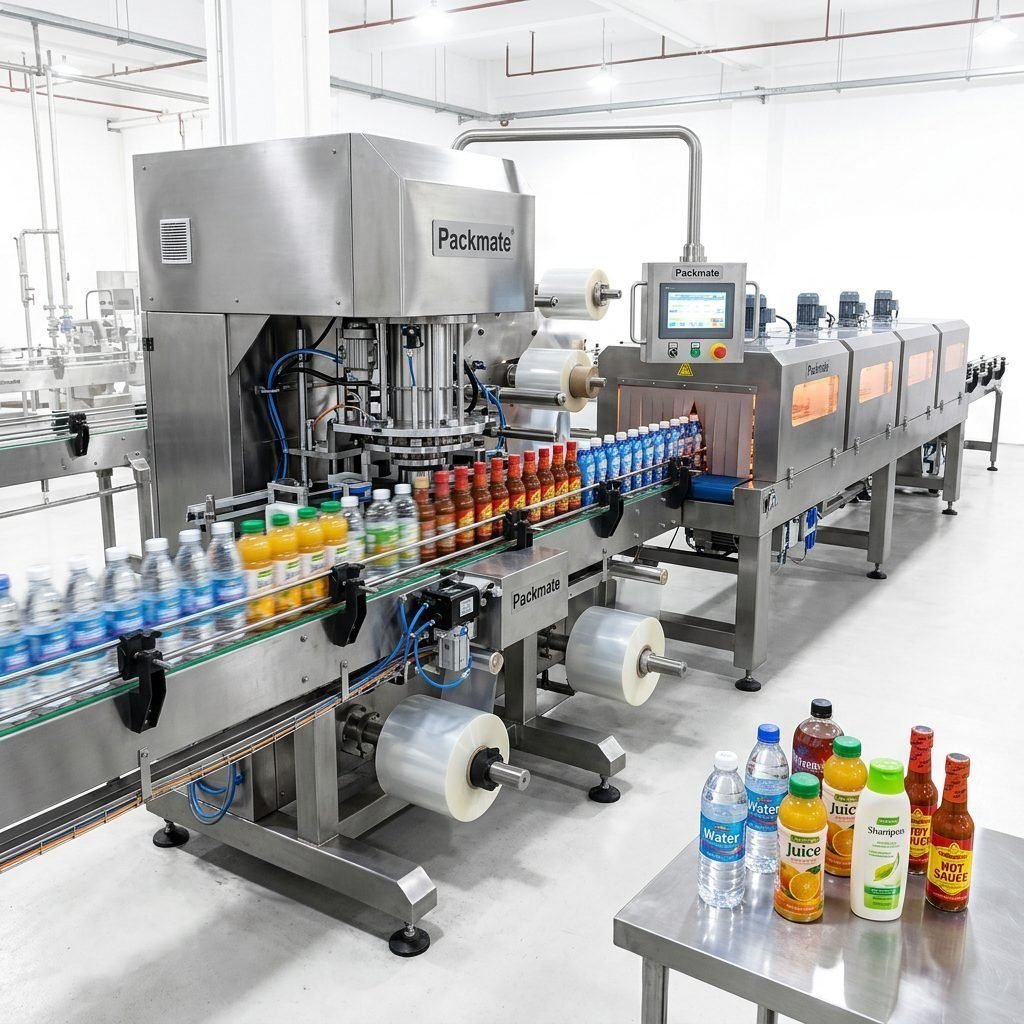
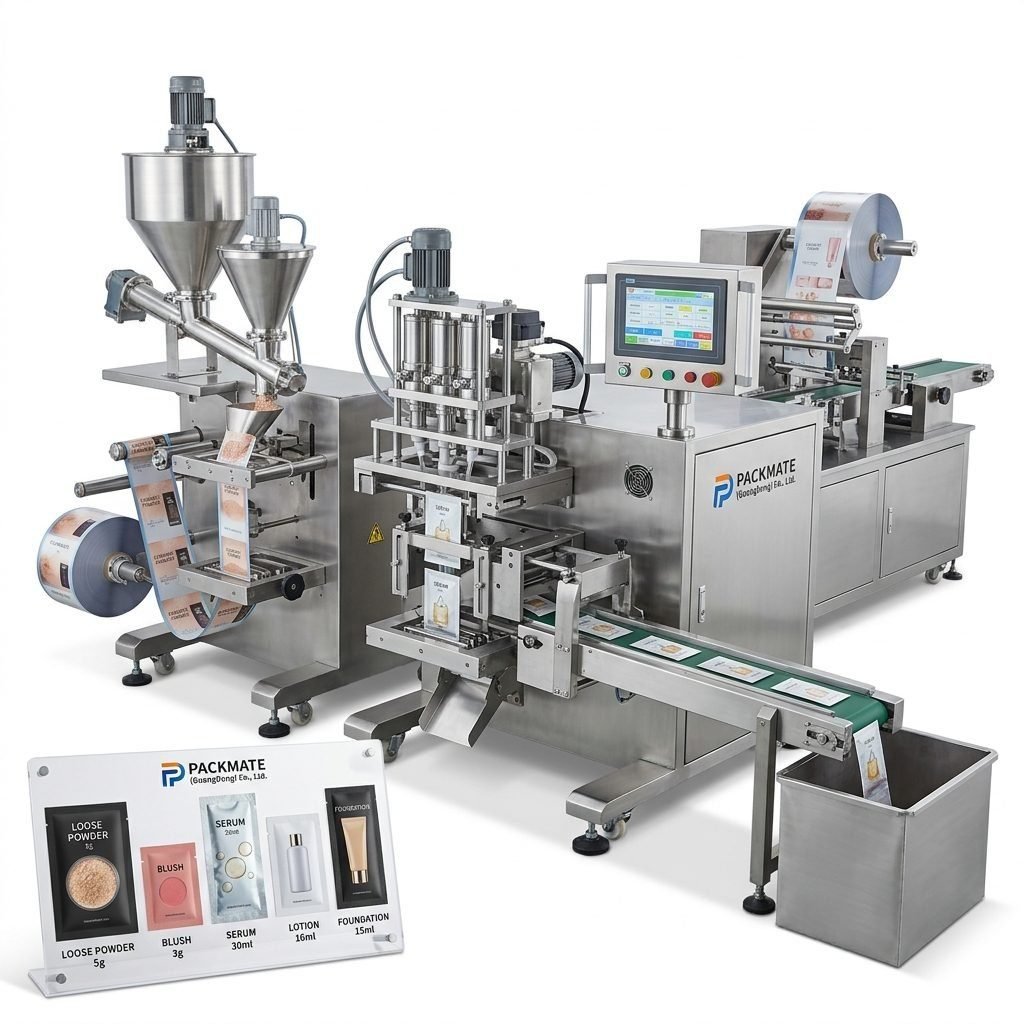
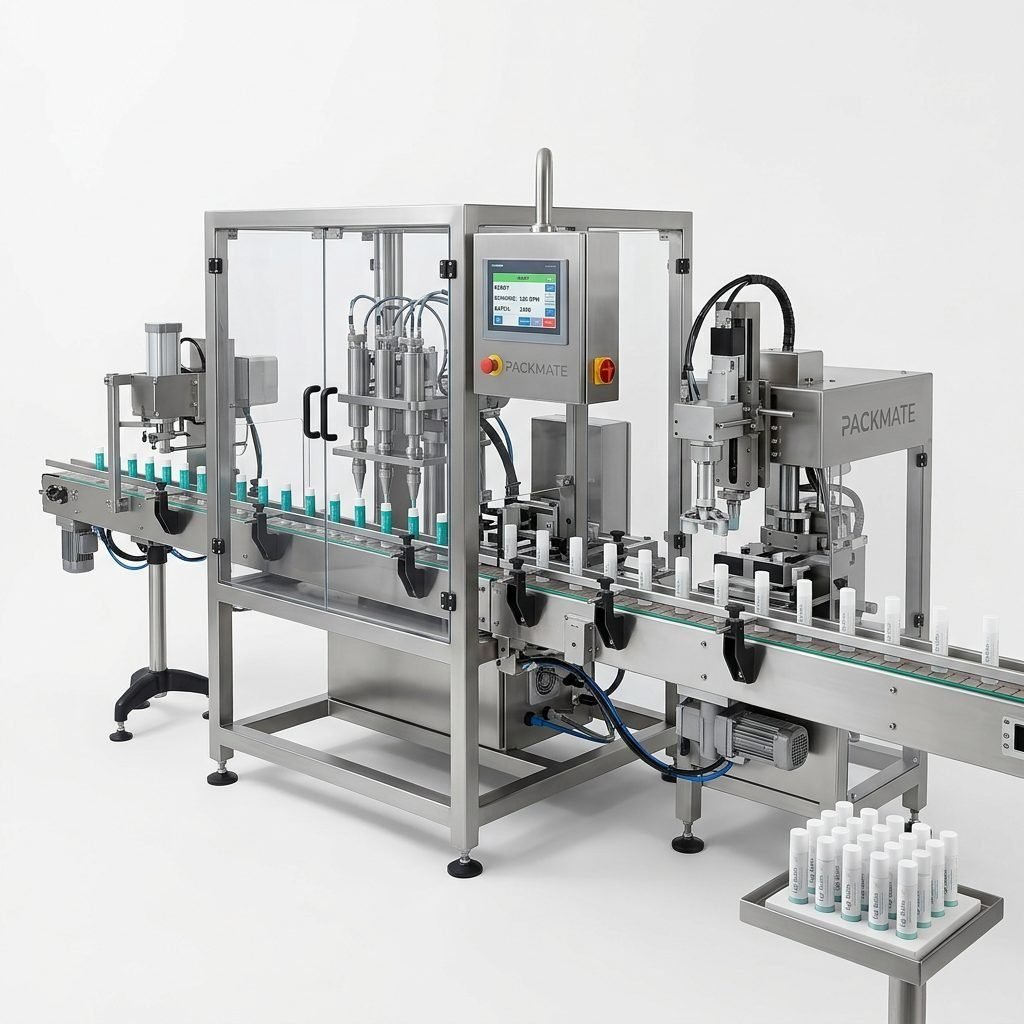
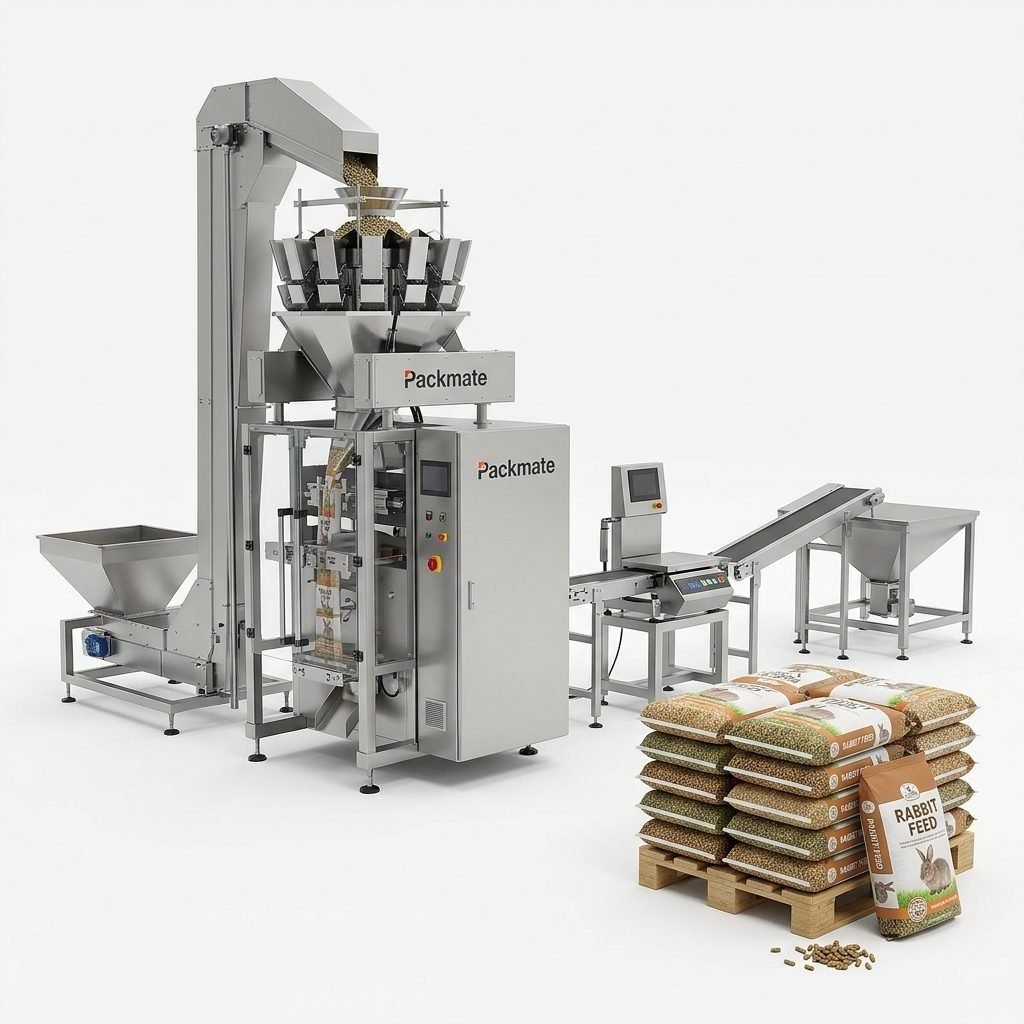
These are workhorses in many industries. Used filling and packaging lines for liquids, powders, and granules are widely available. This category includes auger fillers, piston fillers, and volumetric cup fillers, often paired with vertical form-fill-seal (VFFS) or horizontal form-fill-seal (HFFS) machines.
Bag and Pouch Packaging Machines
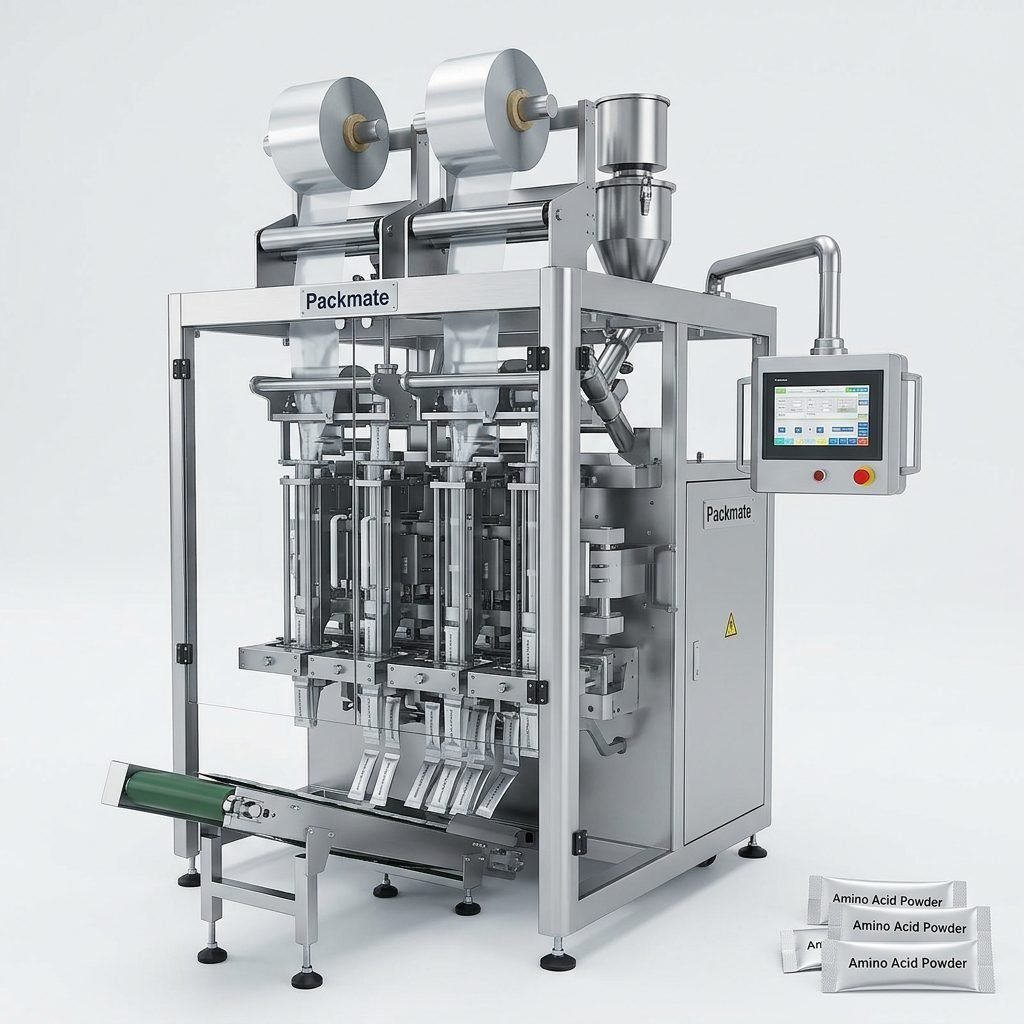
From simple bag sealers to sophisticated VFFS machines that form, fill, and seal bags from a roll of film, this segment is vast. You can find used equipment for producing stand-up pouches, flat bags, and gusseted bags. For businesses needing flexibility, exploring used bag & pouch packaging machines can be a cost-effective solution to enter new packaging formats.
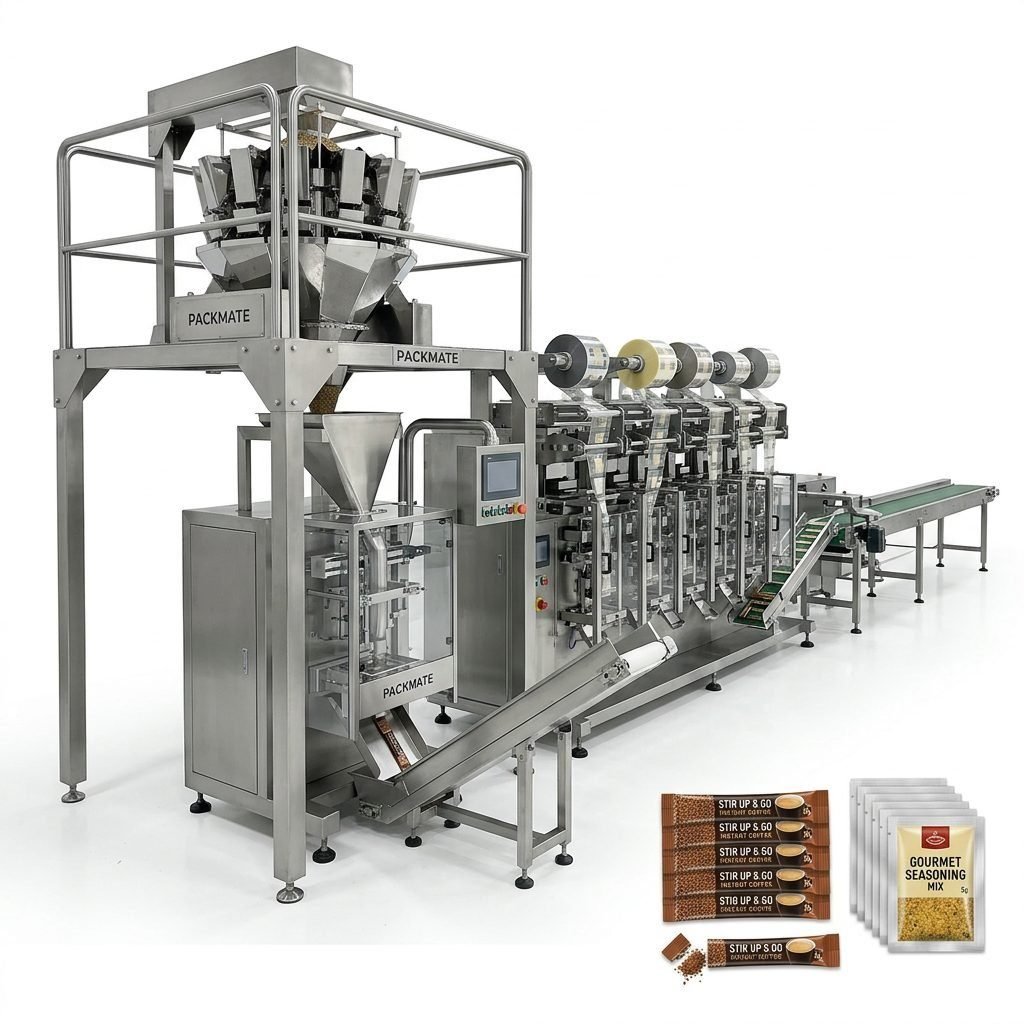
Sachet and Stick Pack Machines
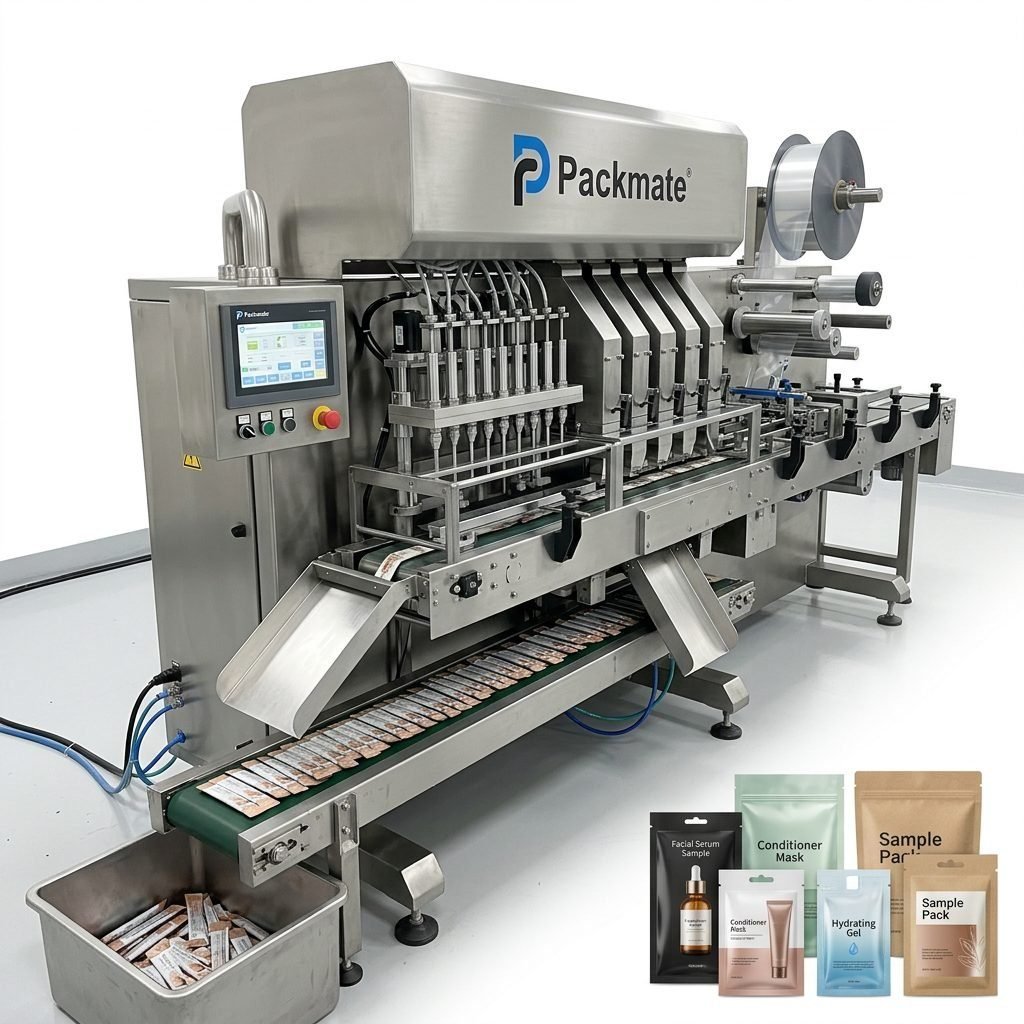
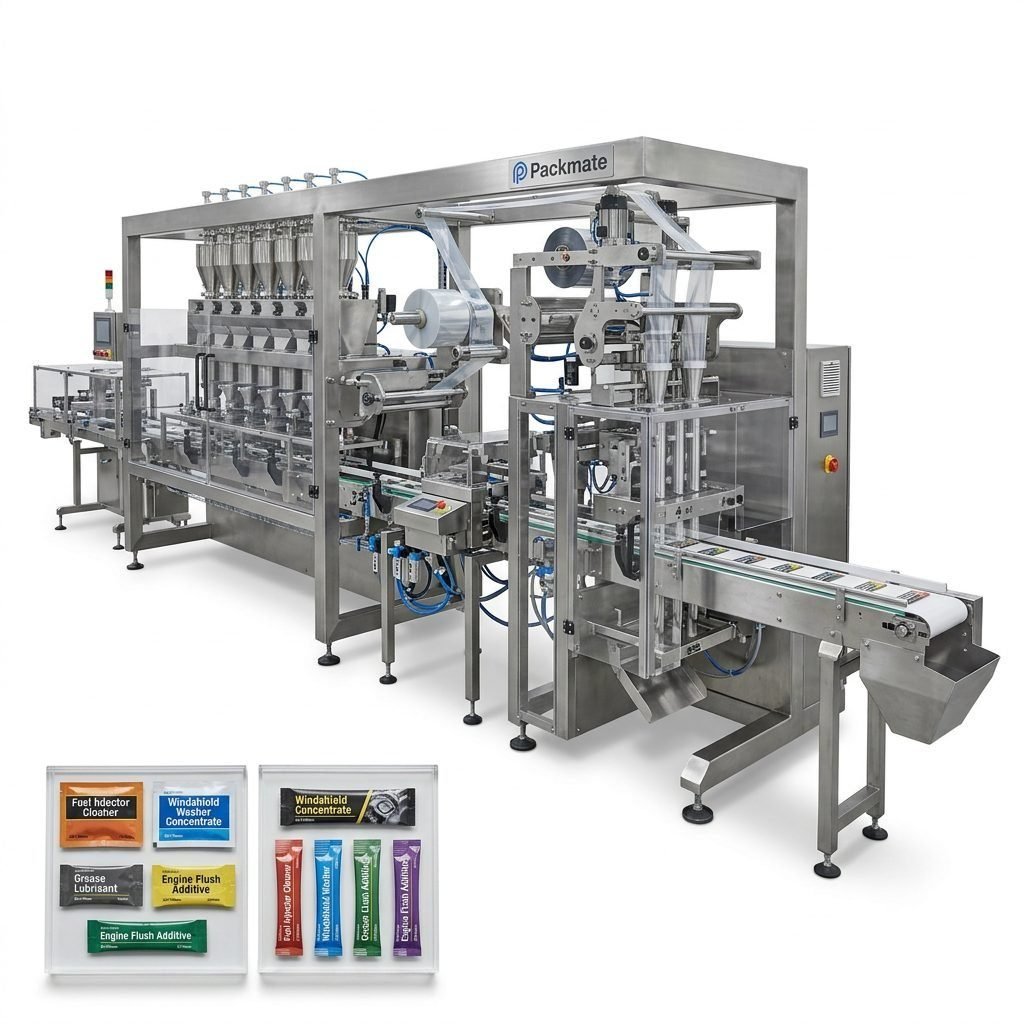
Ideal for single-serve portions of products like sugar, coffee, sauces, or pharmaceuticals. The market for used multi-lane sachet and stick pack machines is particularly active, as they offer high output. Companies like Packmate Machinery have a long history of manufacturing such equipment, meaning well-maintained used models from reputable brands hold good value.
Labeling and Coding Equipment
Used label applicators (front/back, wrap-around), inkjet coders, and laser marking systems are common. These are crucial for compliance and branding, and buying them used can drastically reduce the capital needed for a complete line.
Cartoning and Case Packing Machinery
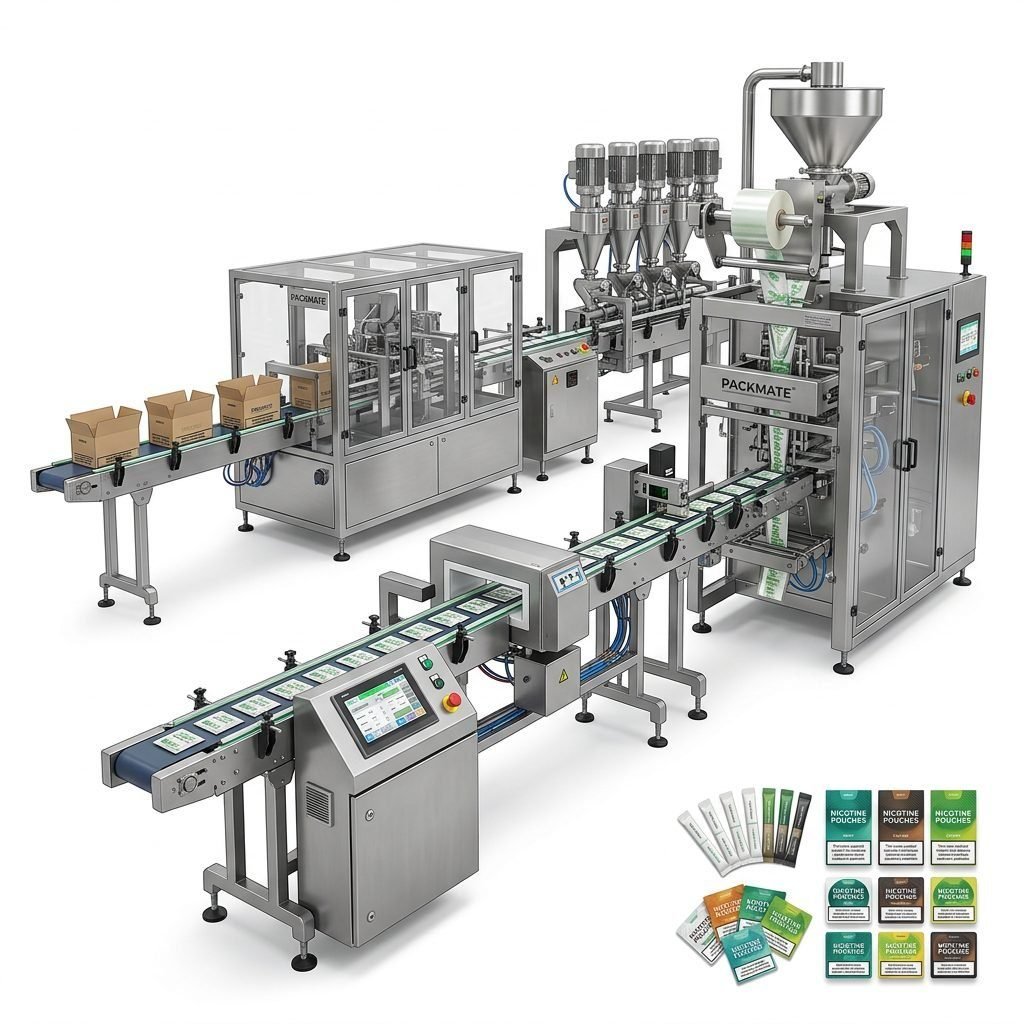
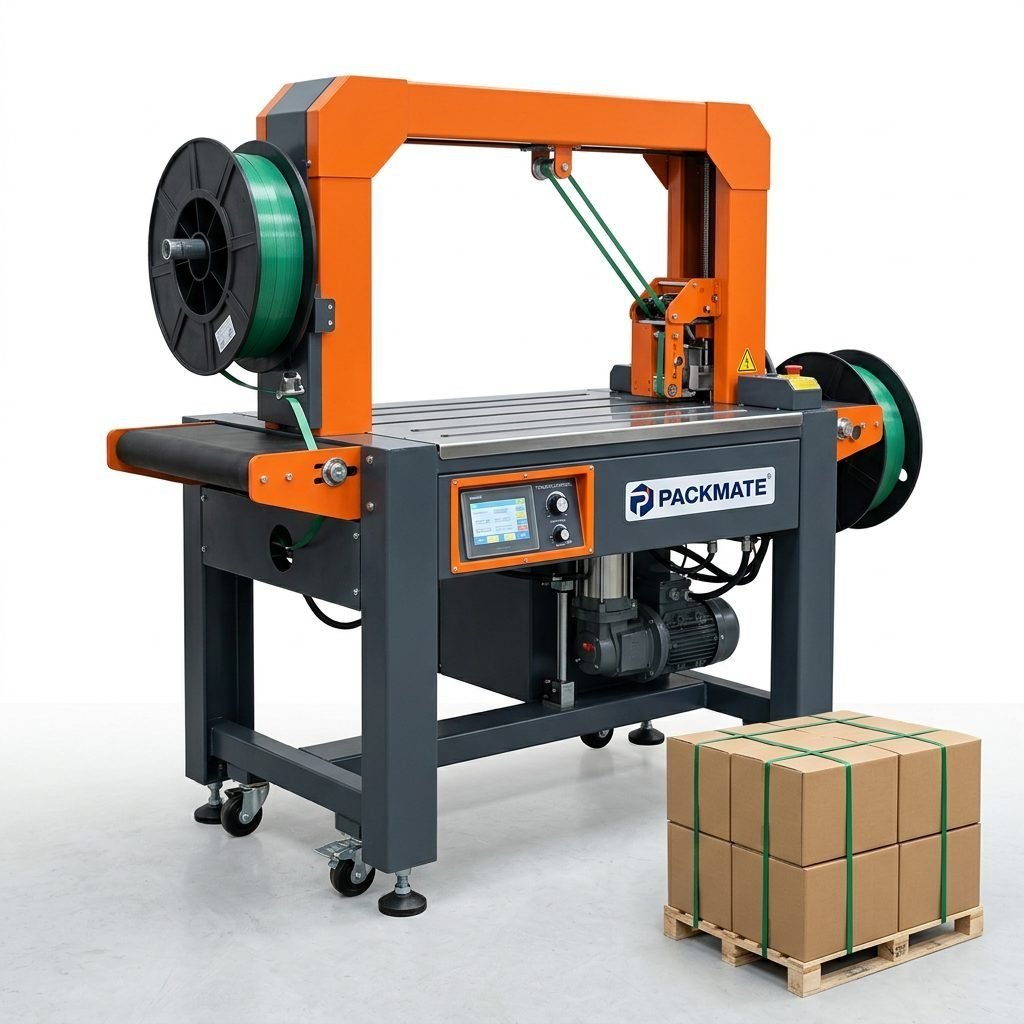
This includes used automatic cartoners, case erectors, packers, and sealers. They automate the final stages of packaging, placing primary packages into cartons and then into shipping cases.
Key Benefits of Buying Used Packaging Machinery
Opting for pre-owned equipment isn’t just about saving money upfront; it offers several strategic advantages.
Substantial Cost Reduction
The most apparent benefit. Used machinery typically costs 40% to 70% less than its new equivalent. This lower capital expenditure improves ROI and frees up budget for other business areas.
Faster Deployment and Availability
New equipment often comes with lead times of several months. Used machines are usually available for immediate shipment or with a much shorter delivery time, allowing you to ramp up production or replace a failed machine quickly.
Proven Reliability and Performance: A used machine has a track record. If it has been well-maintained, its performance and any common issues are known quantities, reducing the risk of unforeseen problems associated with brand-new, unproven models.
Easier Integration: Older models might use more universal, simpler controls and mechanical systems, which can be easier for your maintenance team to understand, service, and integrate into an existing line compared to the latest complex digital systems.
Essential Buying Guide: How to Choose Wisely
Navigating the used equipment market requires diligence. Follow this step-by-step guide to mitigate risks.
Step 1: Define Your Exact Requirements
Clearly outline your needs: product type (powder, liquid, granular), required output speed (bags/minute), package size range, and necessary features (e.g., nitrogen flushing, check-weighing). This prevents you from being swayed by a deal on unsuitable equipment.
Step 2: Research the Machine’s History
Always ask for the machine’s history. Key questions include: Year of manufacture? Total operational hours? Maintenance logs? Reason for sale? Was it used in a food, chemical, or pharmaceutical environment? This history is more valuable than age alone.
Step 3: Inspect Thoroughly (In-Person or Virtually)
If possible, inspect the machine while it’s running under power. Check for worn parts (sealing jaws, gears), fluid leaks, unusual noises, and the condition of the electrical cabinet. Request a detailed video demonstration if an in-person visit isn’t feasible.
Step 4: Verify Parts and Service Support
Ensure that spare parts for the specific model are still available. Contact the original manufacturer or a reputable parts supplier. For instance, companies with a long-standing history like Packmate, which has over 30 years of expertise, often support their older models, providing a safer purchase.
Step 5: Understand the Total Cost of Ownership
The purchase price is just the beginning. Factor in costs for: dismantling, shipping, re-installation, necessary reconditioning or repairs, potential re-certification (for hygienic industries), and operator training. Get quotes for these services upfront.
Step 6: Choose a Reputable Seller
Buy from established dealers, auction houses, or directly from a company upgrading its line. Check references and reviews. A seller who offers a limited warranty on used equipment provides significant peace of mind.
Pro Tip: Consider Reconditioned Equipment
For a middle ground between used and new, look for “reconditioned” or “remanufactured” machines. These have been professionally disassembled, worn parts replaced, cleaned, painted, and tested to perform closer to new specifications. They often come with a better warranty than “as-is” used equipment.
Conclusion
Investing in used packaging equipment is a savvy financial strategy that can provide immediate production capability without the premium price tag of new machinery. By understanding the different types of packing machines available, recognizing the substantial benefits, and meticulously following a thorough buying guide, you can successfully source reliable equipment that meets your operational needs and budget. The key lies in thorough research, verification, and partnering with trustworthy sellers.
Frequently Asked Questions (FAQs)
What is the biggest risk when buying used packaging equipment?
The biggest risk is purchasing a machine with hidden mechanical, electrical, or control system faults that lead to expensive repairs and prolonged downtime. This is mitigated by a thorough inspection, reviewing maintenance history, and buying from a reputable source.
How can I verify the condition of a used machine if I can’t visit in person?
Request a comprehensive video of the machine running under power, showing all functions. Ask for high-resolution photos of all sides, the interior, and any areas of concern. Insist on seeing the maintenance logs and speak directly with the technician who serviced it.
Are spare parts available for older used packaging machines?
Availability varies. For popular models from major manufacturers, parts are often still produced or available as aftermarket equivalents. Always verify parts availability for the specific make and model before purchasing. Manufacturers with long histories tend to have better parts support.
Is used packaging equipment suitable for food or pharmaceutical applications?
It can be, but requires extreme caution. The machine must have a verifiable history of use in a similar hygienic environment. It will likely need a complete deep cleaning, replacement of all product-contact parts (like seals and tubes), and potentially re-validation to meet current Good Manufacturing Practice (cGMP) standards, which can add significant cost.
What should be included in the sales agreement for used machinery?
The agreement should clearly state the machine’s model, serial number, condition (“as-is” or with warranty), list of included accessories/spare parts, purchase price, delivery terms (FOB), and the inspection/acceptance process. Having clear terms protects both buyer and seller.