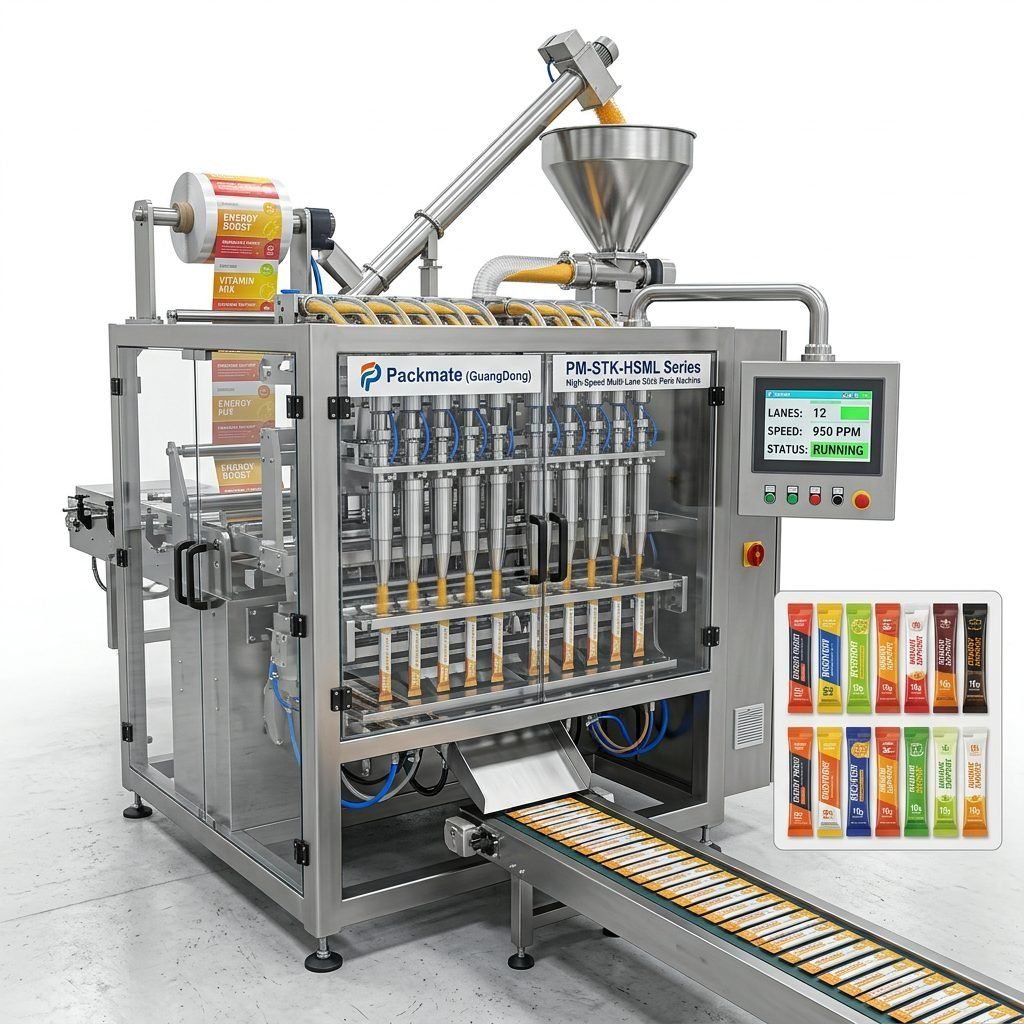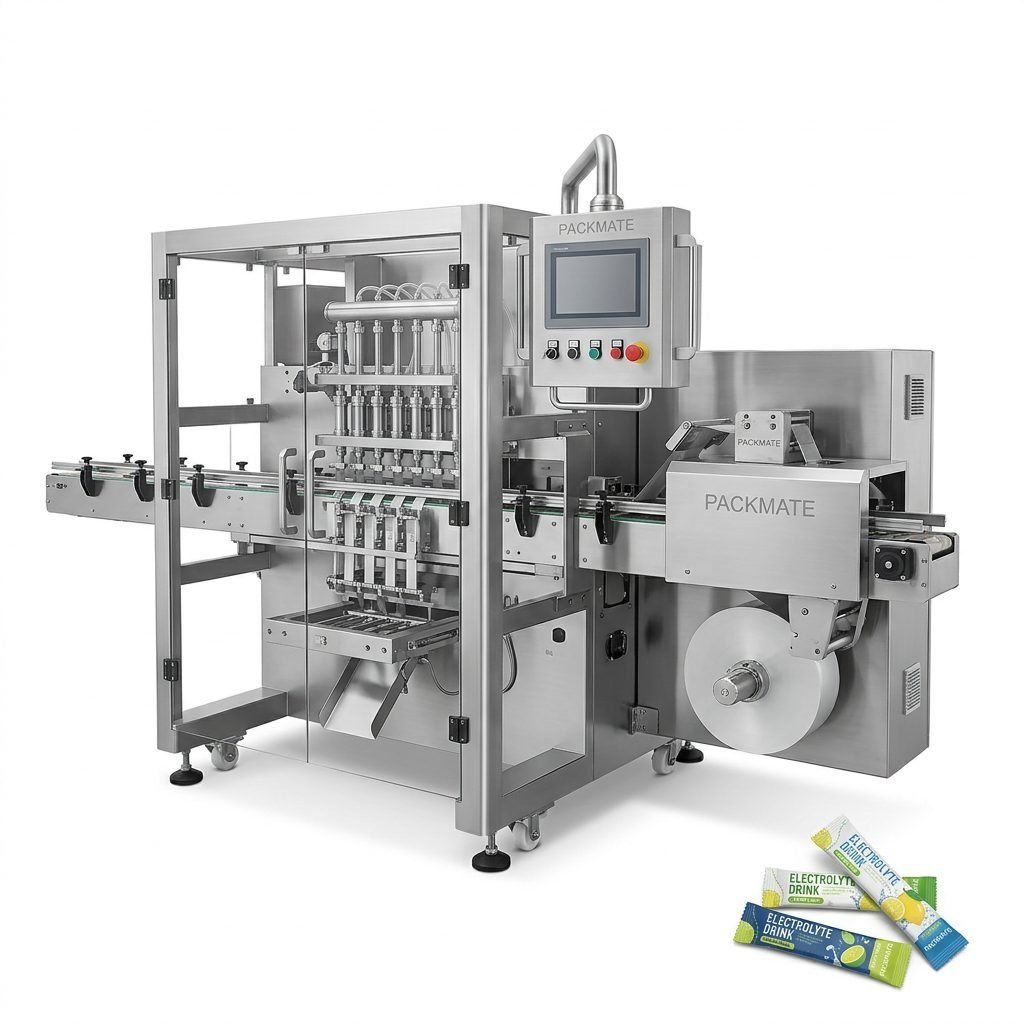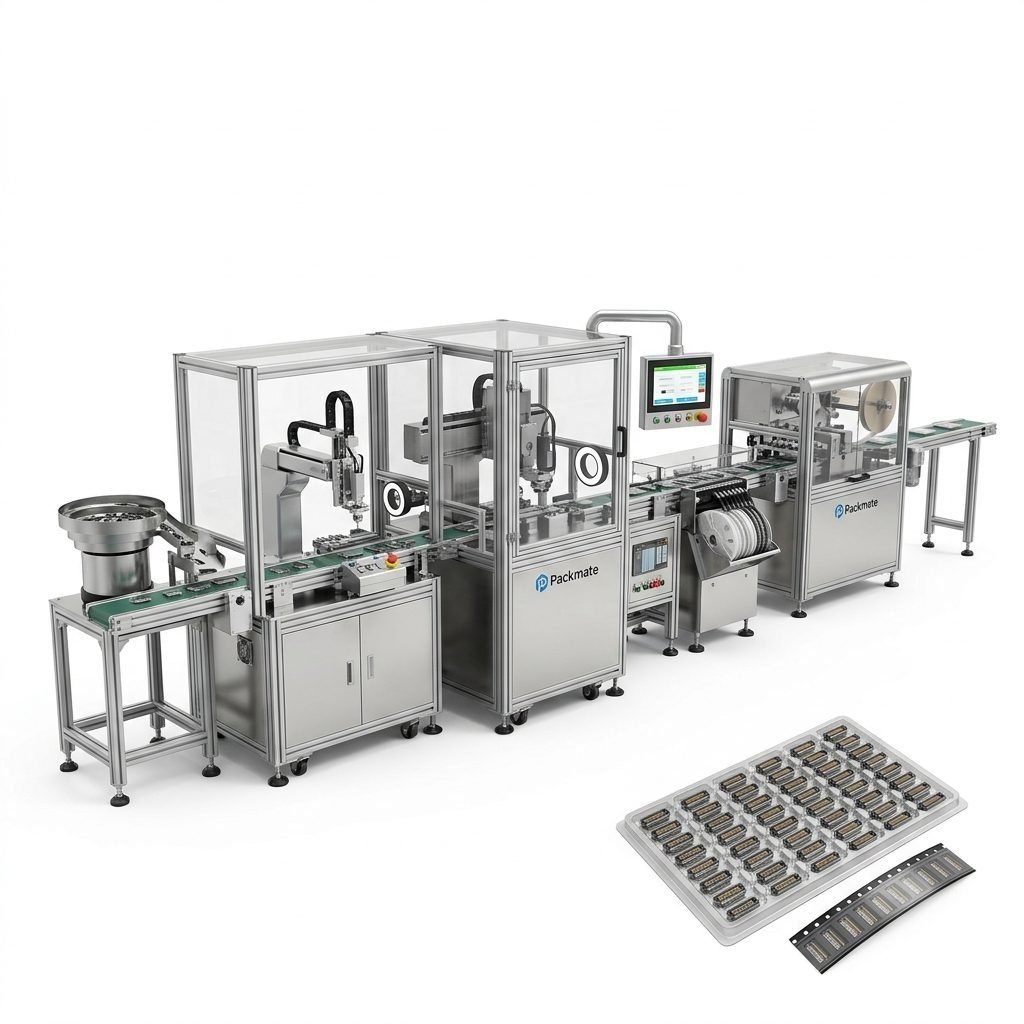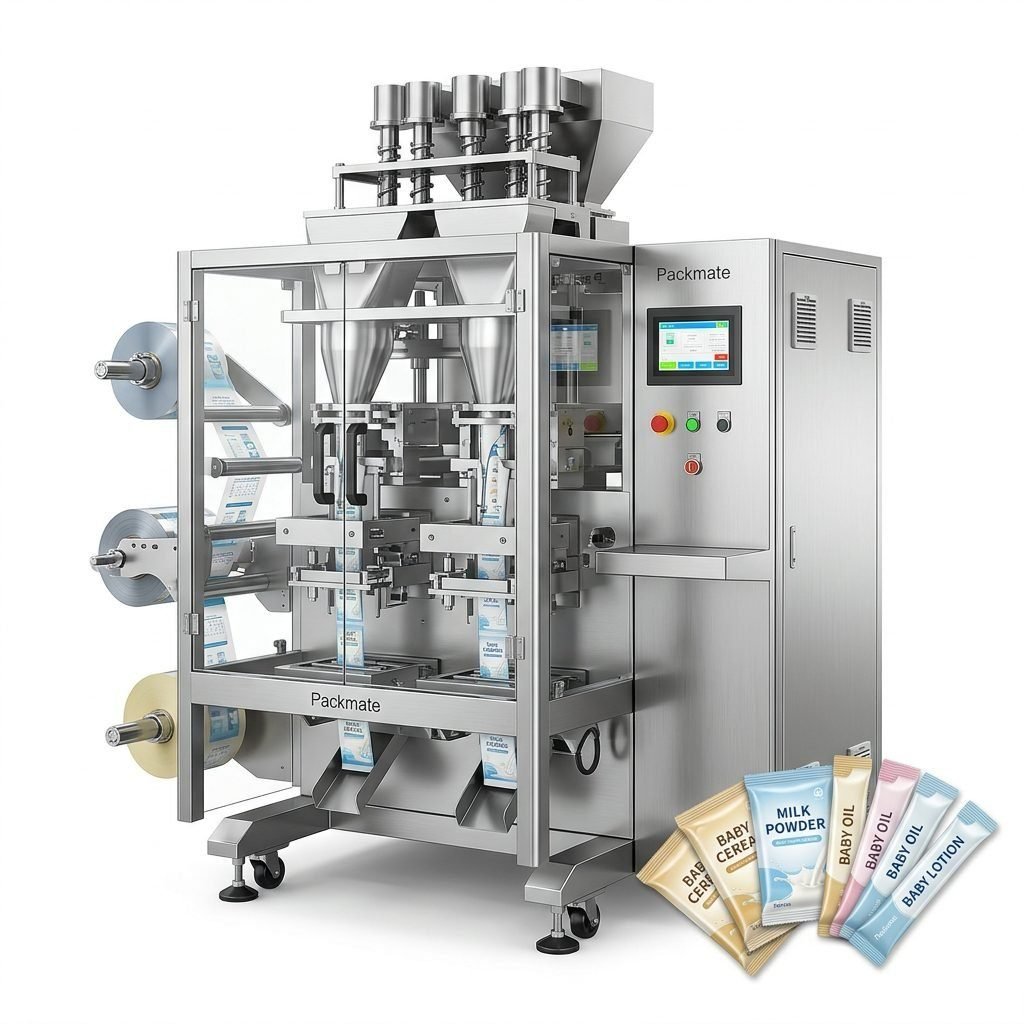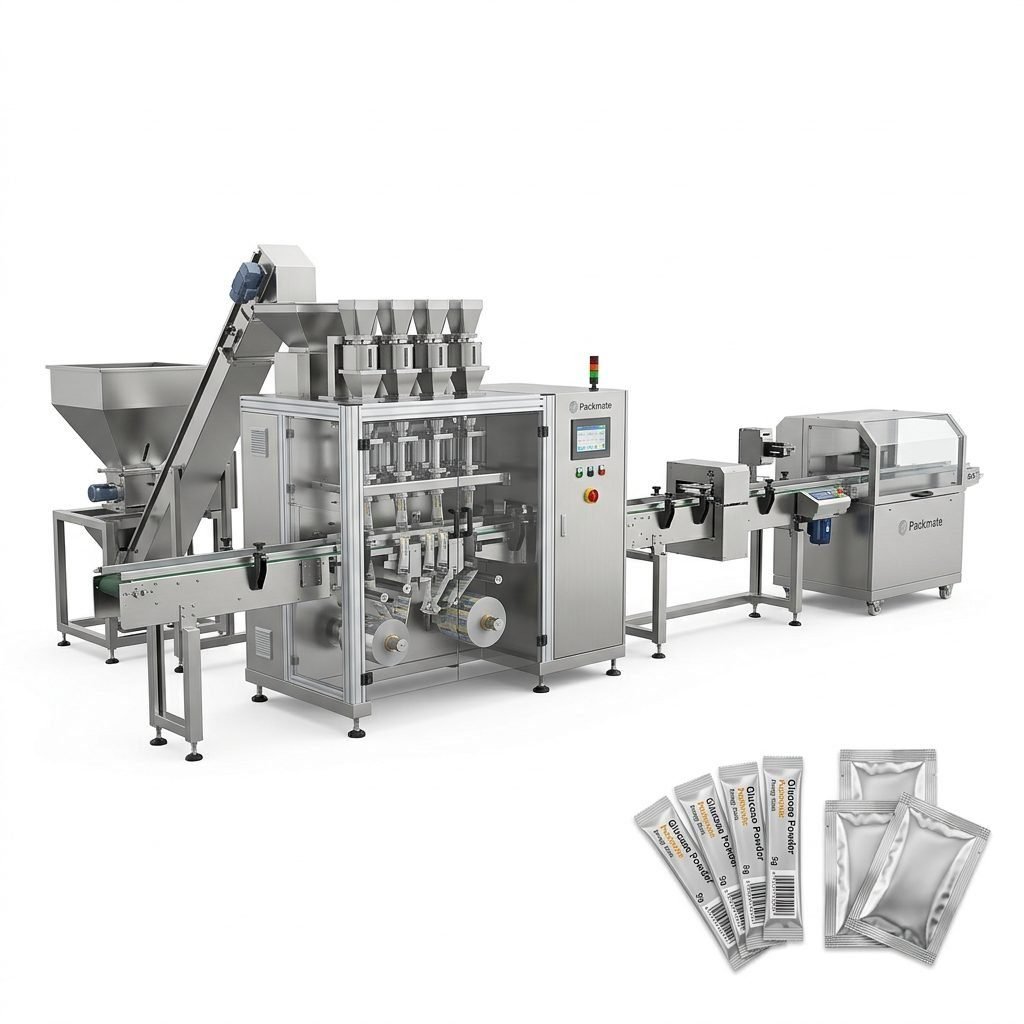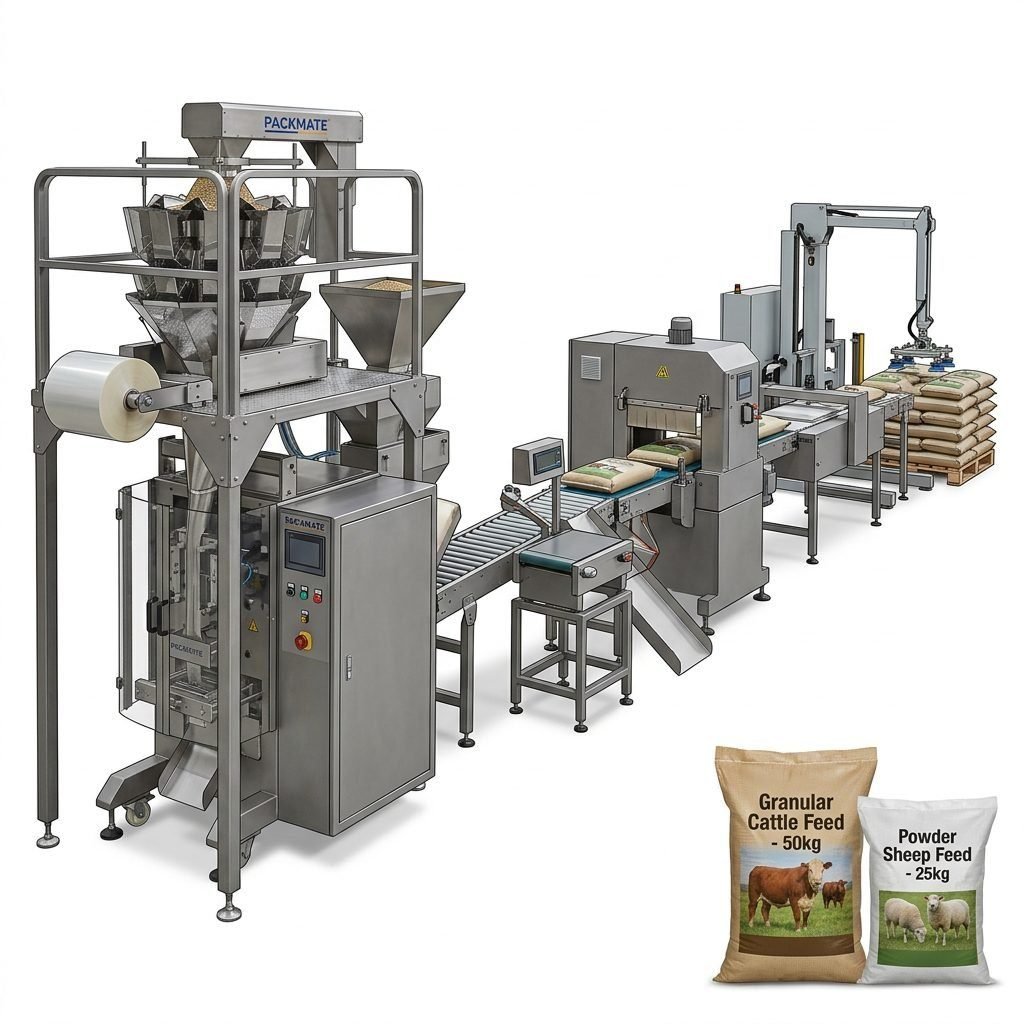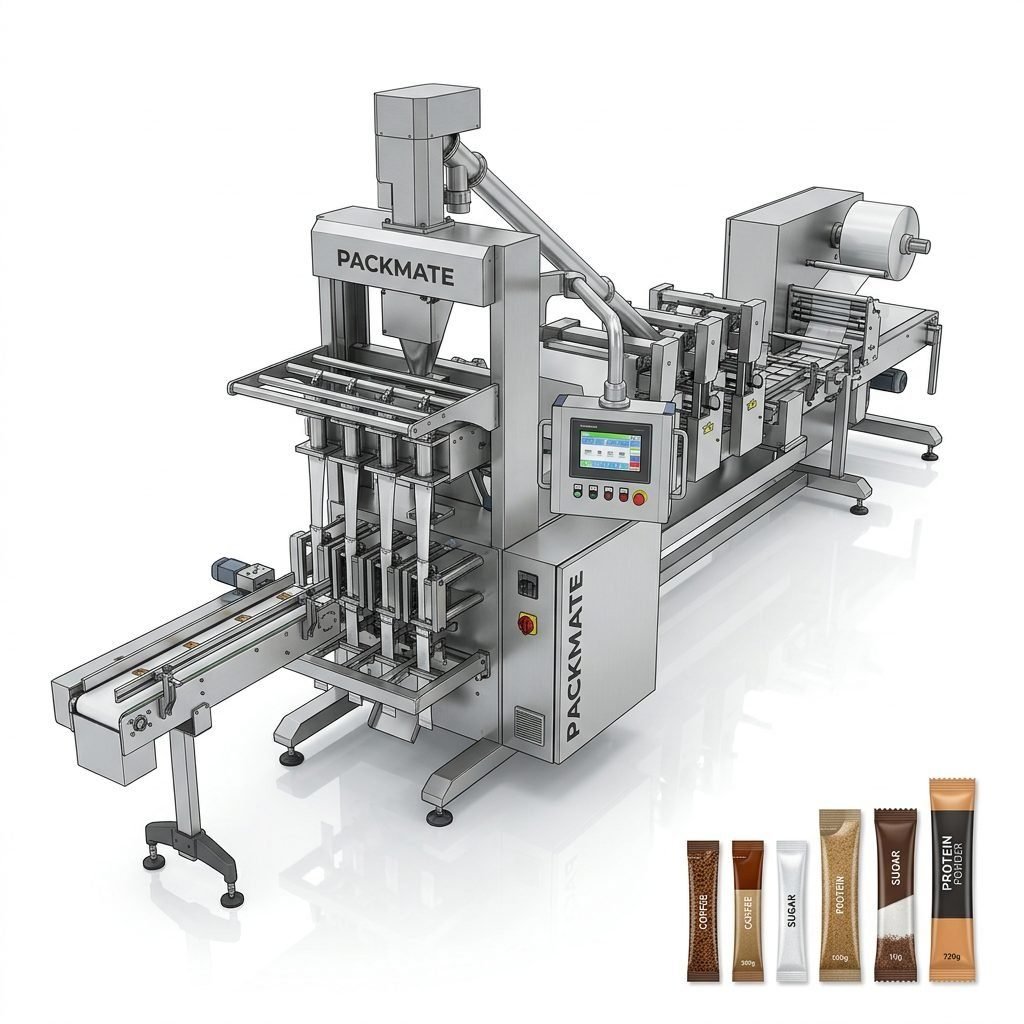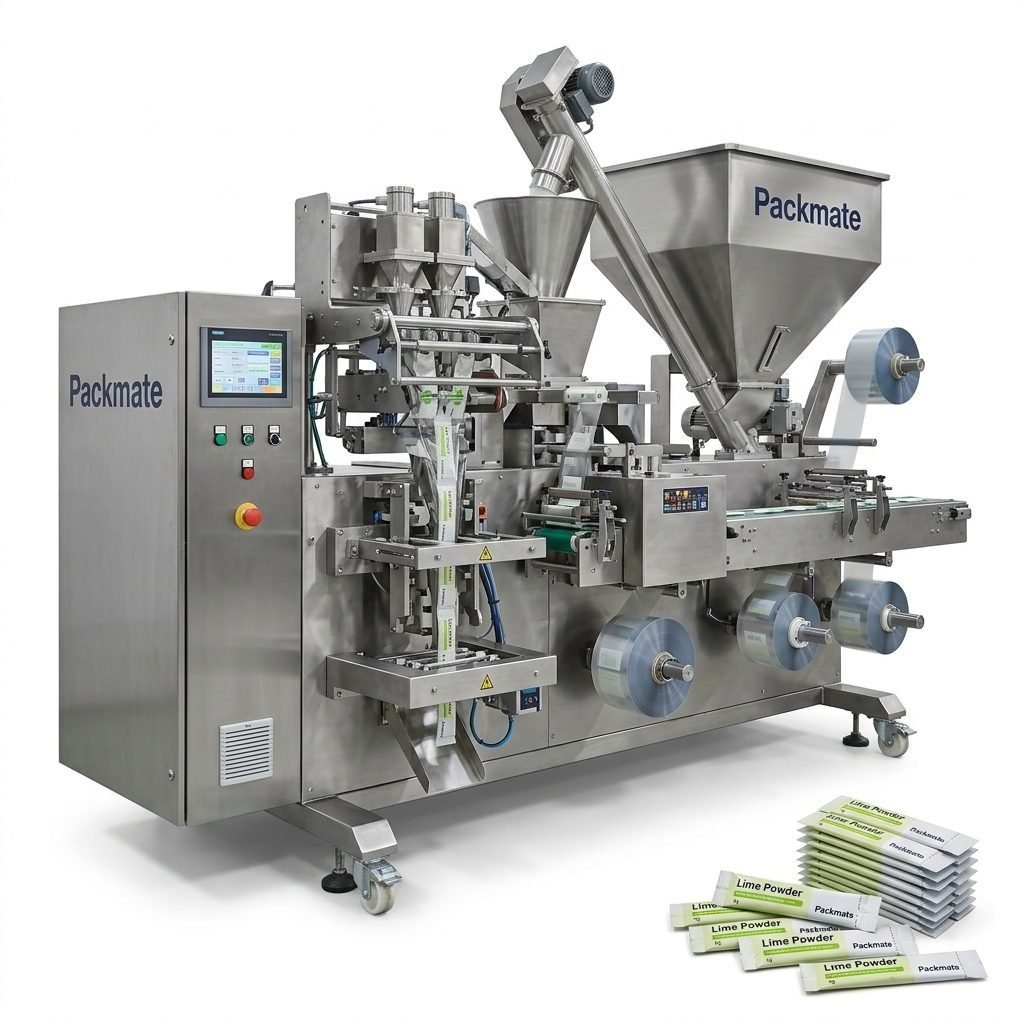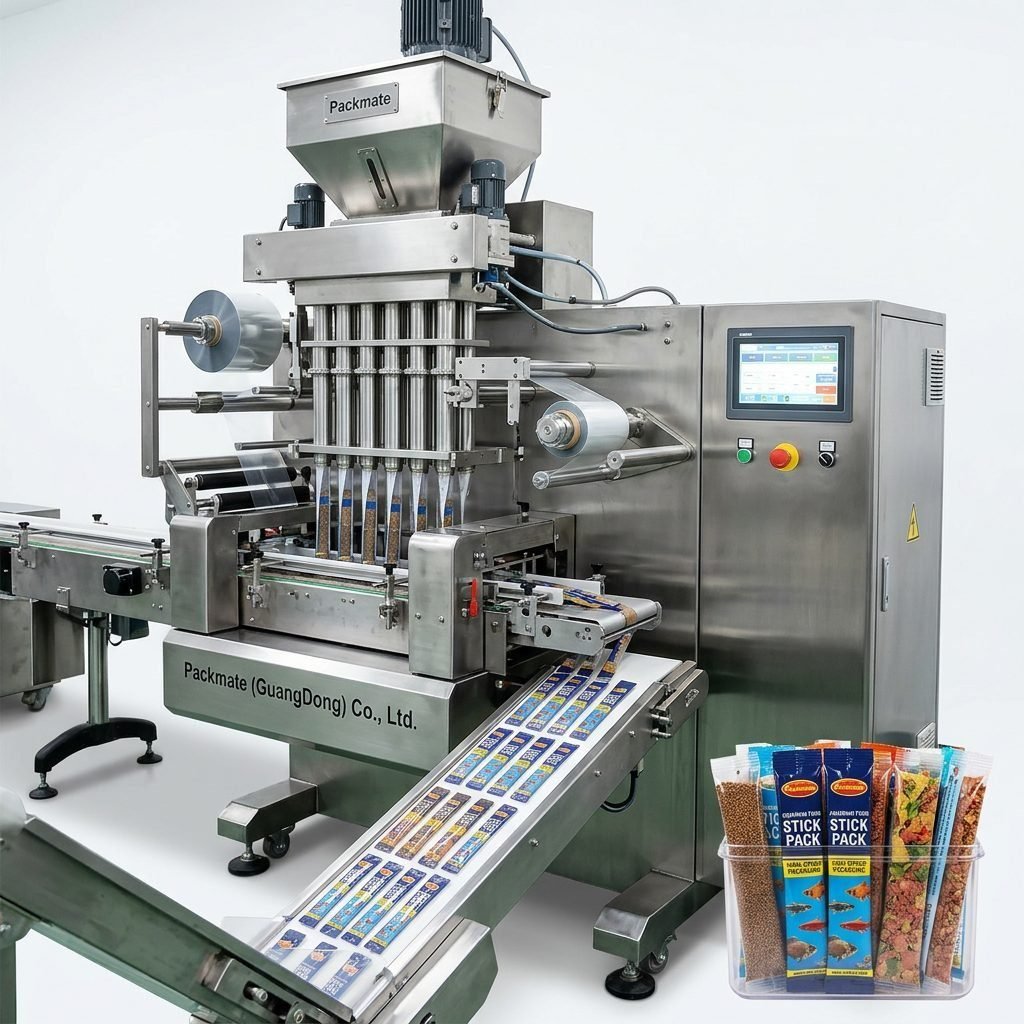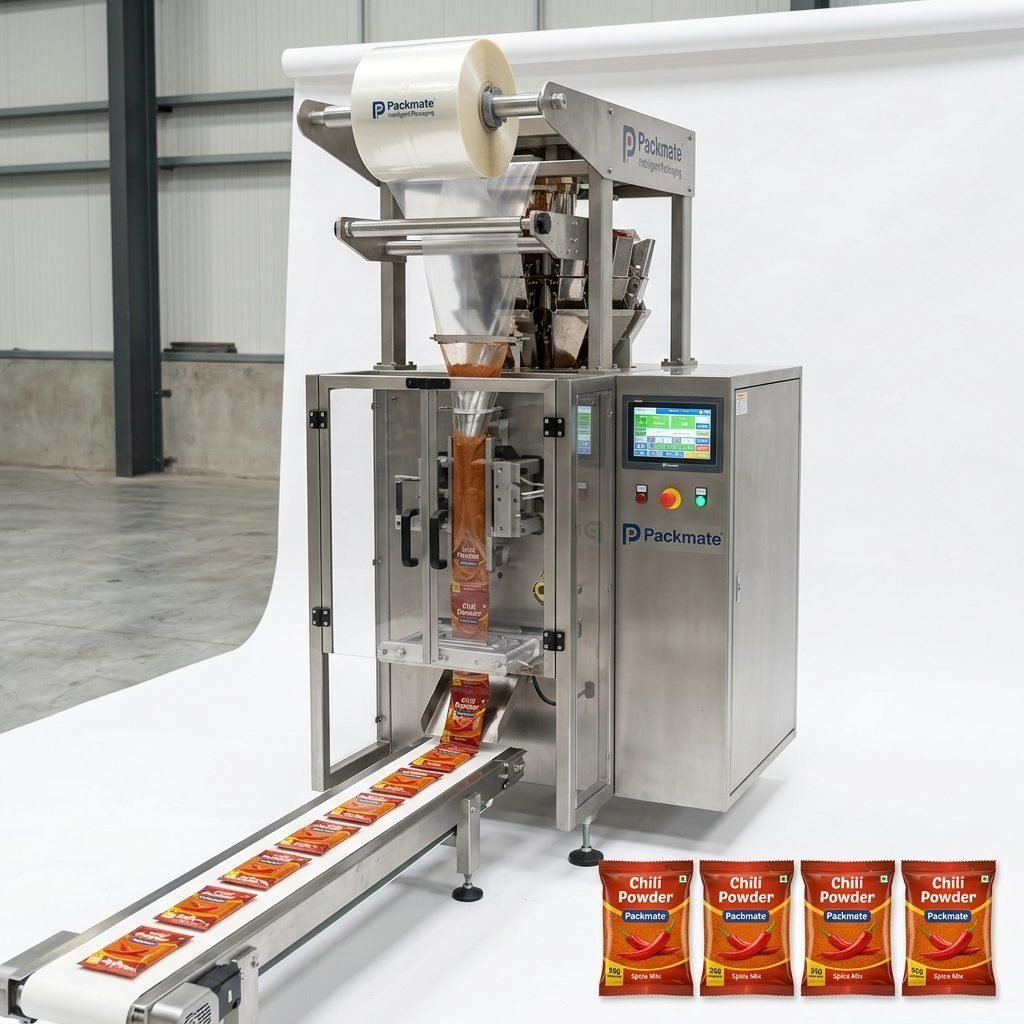
In the fast-paced world of product manufacturing and distribution, packaging plays a pivotal role in protecting goods, enhancing brand appeal, and ensuring efficiency. Among the various packaging technologies available, the automatic skin packaging machine stands out as a sophisticated solution for creating secure, visually appealing, and cost-effective packages. This article delves into the mechanics of how these machines work and explores the significant benefits they offer to businesses across industries.
The Core Mechanism: How an Automatic Skin Packaging Machine Operates
The process of automatic skin packaging is a fascinating blend of precision engineering and material science. It is designed to create a tight, transparent film around a product or a product placed on a backing card.
Step 1: Product Loading and Positioning
The process begins with the manual or automated placement of the product onto a pre-cut cardboard backing or a specially designed tray. This backing card often features die-cut holes for retail hanging. The loaded cards are then fed into the machine’s indexing system, which positions them accurately under the packaging film.
Step 2: Film Feeding and Heating
A roll of thermoplastic film, typically made from materials like Polyethylene (PE) or Polyvinyl Chloride (PVC), is mounted on the machine. The film is drawn over the product and its backing. A critical component, the heating element, then gently heats the film until it becomes pliable and stretchable. Precise temperature control is vital here to avoid burning the film or insufficient softening.
Step 3: Forming and Sealing
This is the crucial forming stage. Once heated, the film is draped over the product. A vacuum system underneath the perforated sealing plate activates, sucking all the air out from between the film and the backing card. This atmospheric pressure forces the softened film to conform tightly to every contour of the product, creating a “second skin.” Simultaneously, the edges of the film are heat-sealed to the backing card, ensuring a complete and secure enclosure.
Step 4: Cooling and Trimming
After sealing, the package moves to a cooling station where the film solidifies, locking the product in its protective, skin-tight embrace. Finally, any excess film around the edges is neatly trimmed off, resulting in a clean, finished package ready for inspection and boxing.
Key Components to Note:
Heating System: Ensures uniform film softening.
Vacuum Pump & Plate: Creates the suction necessary for tight forming.
Sealing Bar: Provides the heat and pressure to bond film to the backing card.
PLC Control Panel: The brain of the operation, allowing operators to set and monitor parameters like temperature, cycle time, and vacuum level for consistent results.
Significant Benefits of Adopting Automatic Skin Packaging
Integrating an automatic skin packaging line, such as those offered by leading manufacturers like Packmate Machinery, transforms packaging operations. The advantages extend far beyond simple automation.
Enhanced Product Security and Display
The primary benefit is superior product protection. The tight, conforming seal prevents dust, moisture, and tampering. For retail, it’s unbeatable: the crystal-clear film provides a 360-degree view of the product, enhancing its visual appeal on shelves without the bulk of a clamshell or box. This “try-before-you-buy” visibility can significantly boost sales for tools, hardware, consumer goods, and small sachet items.
Operational Efficiency and Cost Savings
Automation translates directly to higher output with lower labor costs. These machines can run continuously with minimal supervision, packaging hundreds of units per hour. The process uses less plastic material compared to traditional blister packs or larger containers, reducing material costs. Furthermore, the lightweight nature of skin packages lowers shipping weights, leading to substantial savings in logistics.
Versatility and Brand Enhancement
Modern automatic skin packaging machines are highly adaptable. They can handle a wide range of product sizes and shapes—from flat items like software disks to irregular tools and medical devices. The backing card serves as a prime canvas for high-quality printing, allowing for vibrant branding, instructions, and barcodes. This turns every package into a powerful marketing tool.
Improved Sustainability Profile
By using less material and creating a slimmer package profile, skin packaging reduces plastic waste. Many machines are now compatible with recyclable and biodegradable film materials, helping companies meet their environmental goals and appeal to eco-conscious consumers.
Why Choose a Specialist Manufacturer?
Investing in reliable equipment is crucial for long-term ROI. Companies with deep expertise, like Packmate (GuangDong) Co., Ltd., bring over two decades of engineering innovation to the table. Their experience in developing intelligent packaging solutions ensures that their automatic skin packaging machines are built for durability, precision, and seamless integration into existing production lines, providing a true turnkey solution for businesses looking to scale.
Conclusion
The automatic skin packaging machine is more than just a piece of factory equipment; it is a strategic asset that drives efficiency, reduces costs, and elevates product presentation. From its precise vacuum-forming process to its tangible benefits in security, sustainability, and brand impact, this technology offers a compelling solution for manufacturers aiming to stay competitive in a demanding market. By partnering with an experienced provider, businesses can leverage this technology to streamline operations and create packaging that truly stands out.
Frequently Asked Questions (FAQs)
What types of products are best suited for skin packaging?
Skin packaging is exceptionally versatile. It is ideal for a wide array of products including hardware (tools, screws), consumer goods (toys, cosmetics), medical devices, pharmaceutical samples, electronic components, and food items (when using food-grade films). Any product that benefits from being visible and securely held in place is a good candidate.
What materials are used for the skin film and backing card?
The film is typically a thermoplastic like Polyethylene (PE), Polyvinyl Chloride (PVC), or PET. The choice depends on required clarity, strength, and recyclability. Backing cards are usually made from paperboard or corrugated cardboard, which can be easily printed on and is often made from recycled content.
How does automatic skin packaging compare cost-wise to blister packaging?
Generally, automatic skin packaging can be more cost-effective. It uses less plastic film than a pre-formed blister, and the tooling (the die for the backing card) is significantly cheaper than the molds required for blister packs. This makes skin packaging more economical, especially for short to medium production runs or products with frequent design changes.
Can skin packaging machines be integrated into a fully automated production line?
Absolutely. Modern automatic skin packaging machines from advanced manufacturers are designed with integration in mind. They can be seamlessly connected with upstream automation like product feeding systems and downstream equipment like conveyors, labelers, and case packers to create a complete, hands-off packaging line.
What are the key maintenance requirements for these machines?
Regular maintenance is essential for longevity and consistent quality. Key tasks include cleaning the vacuum holes on the sealing plate to prevent clogging, calibrating the heating elements, checking and replacing worn sealing bar strips, and ensuring the film unwind mechanism operates smoothly. A reputable supplier will provide comprehensive maintenance guidelines and support.