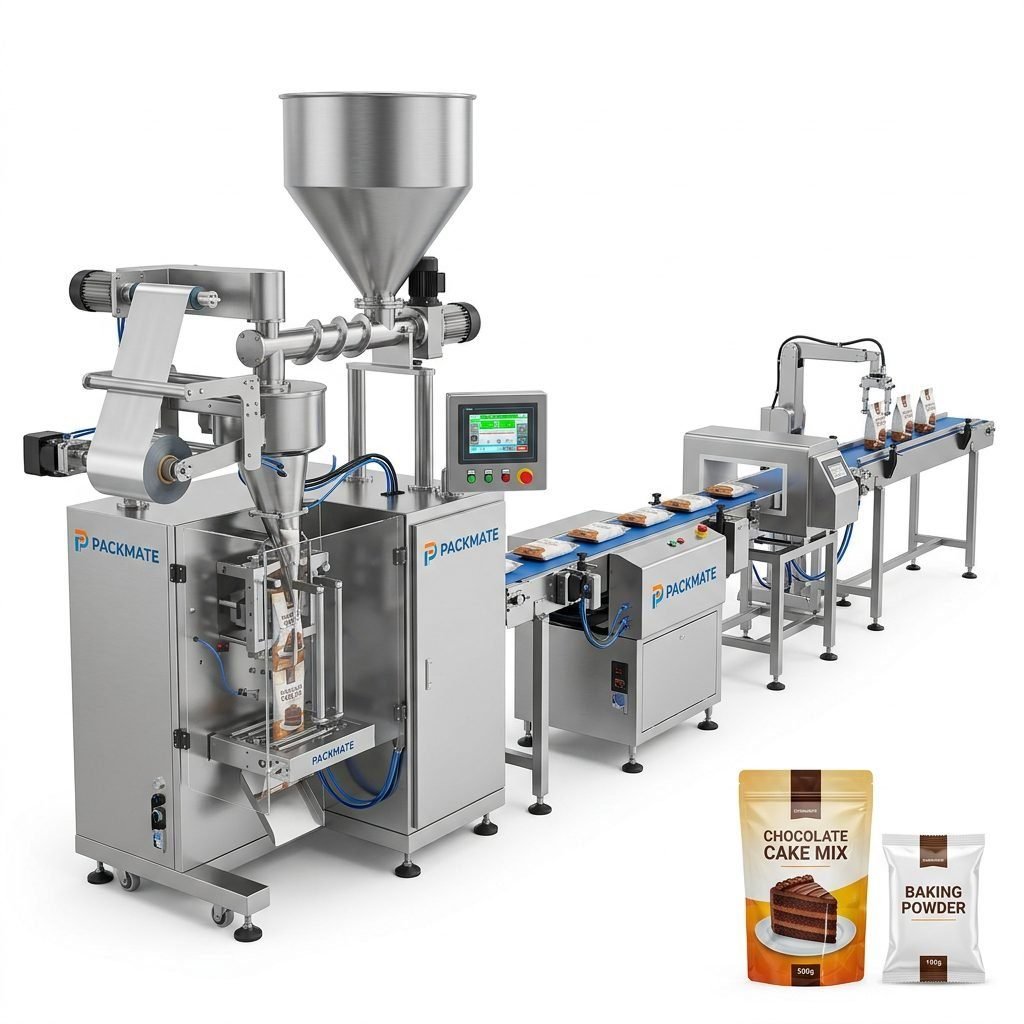
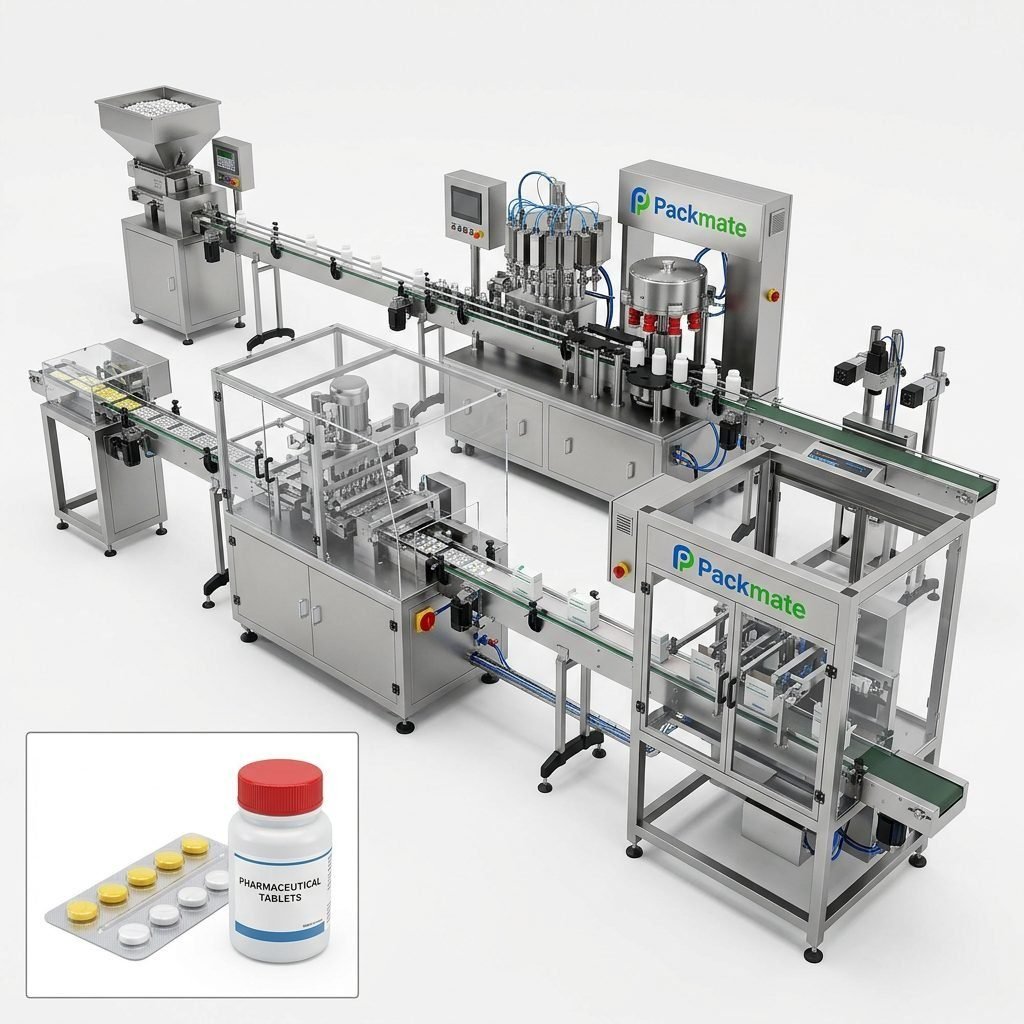
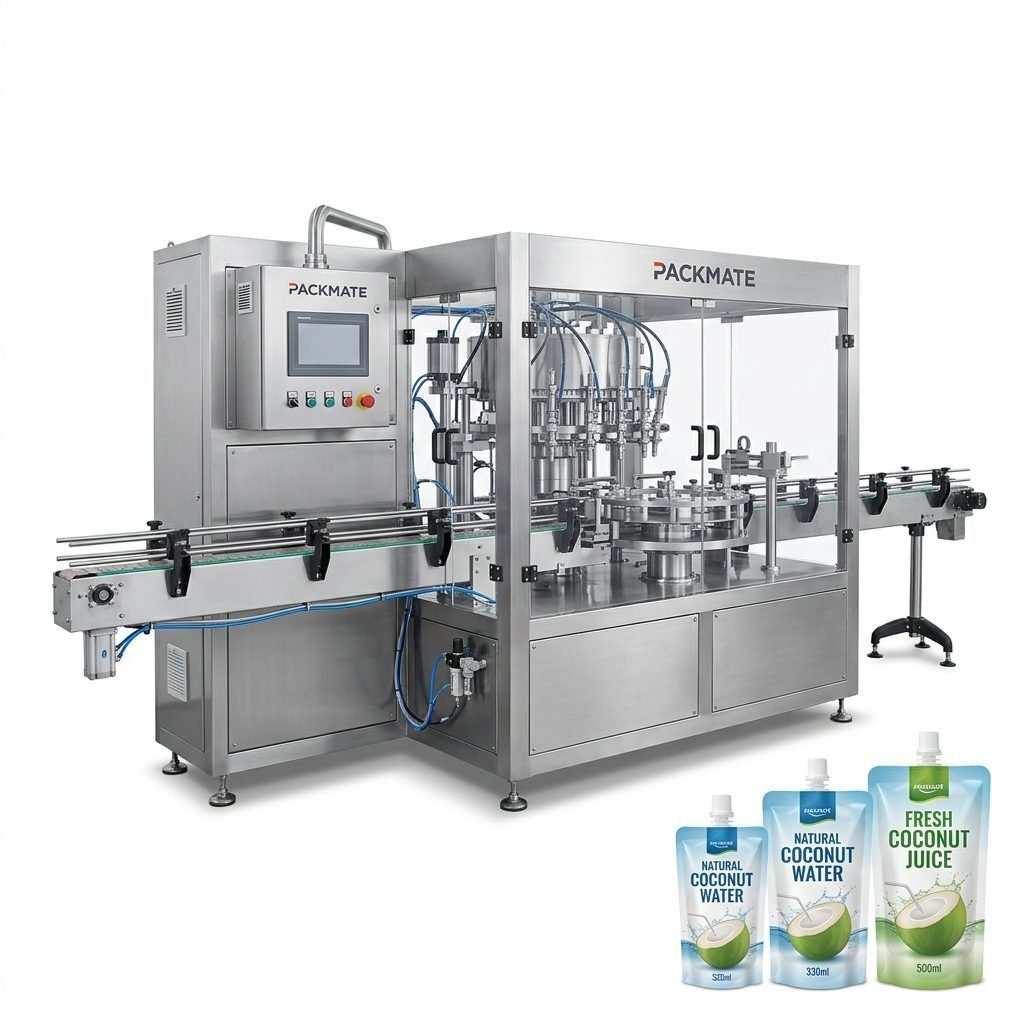
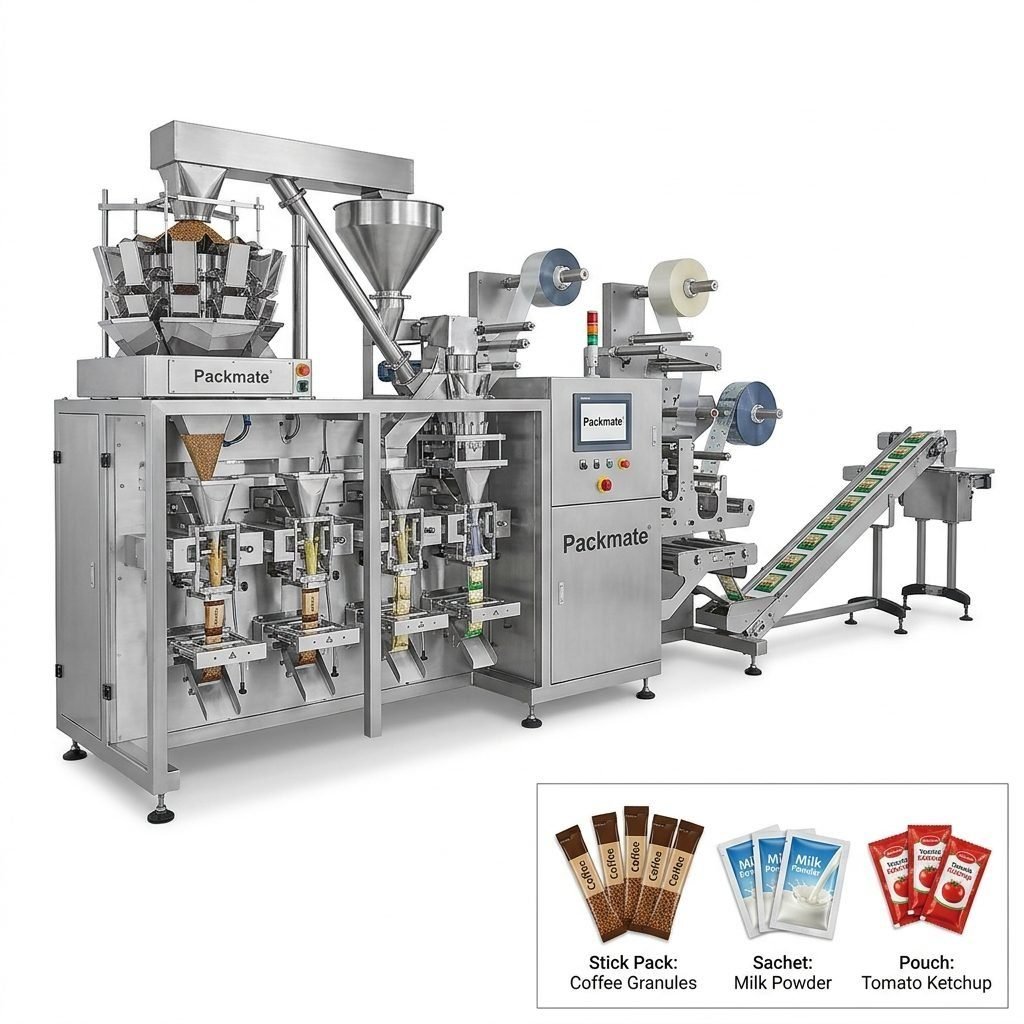
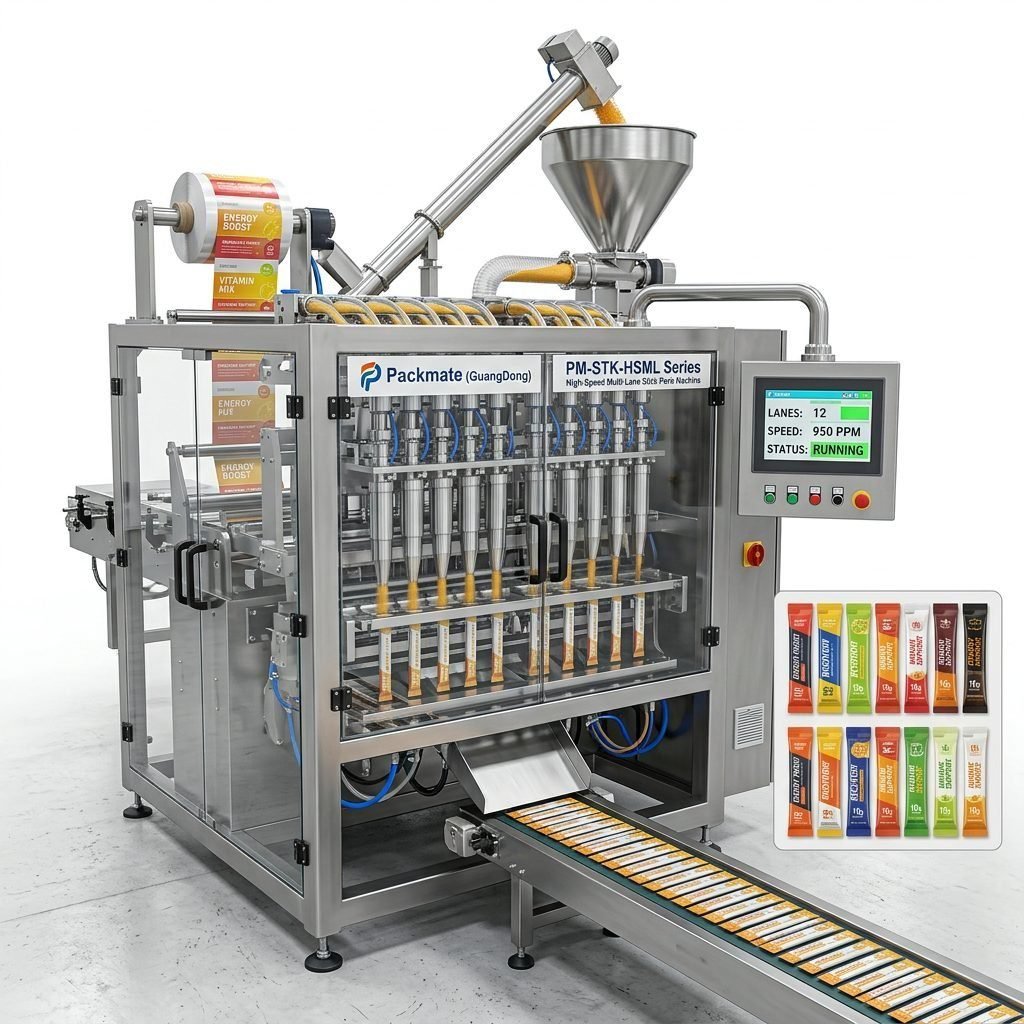
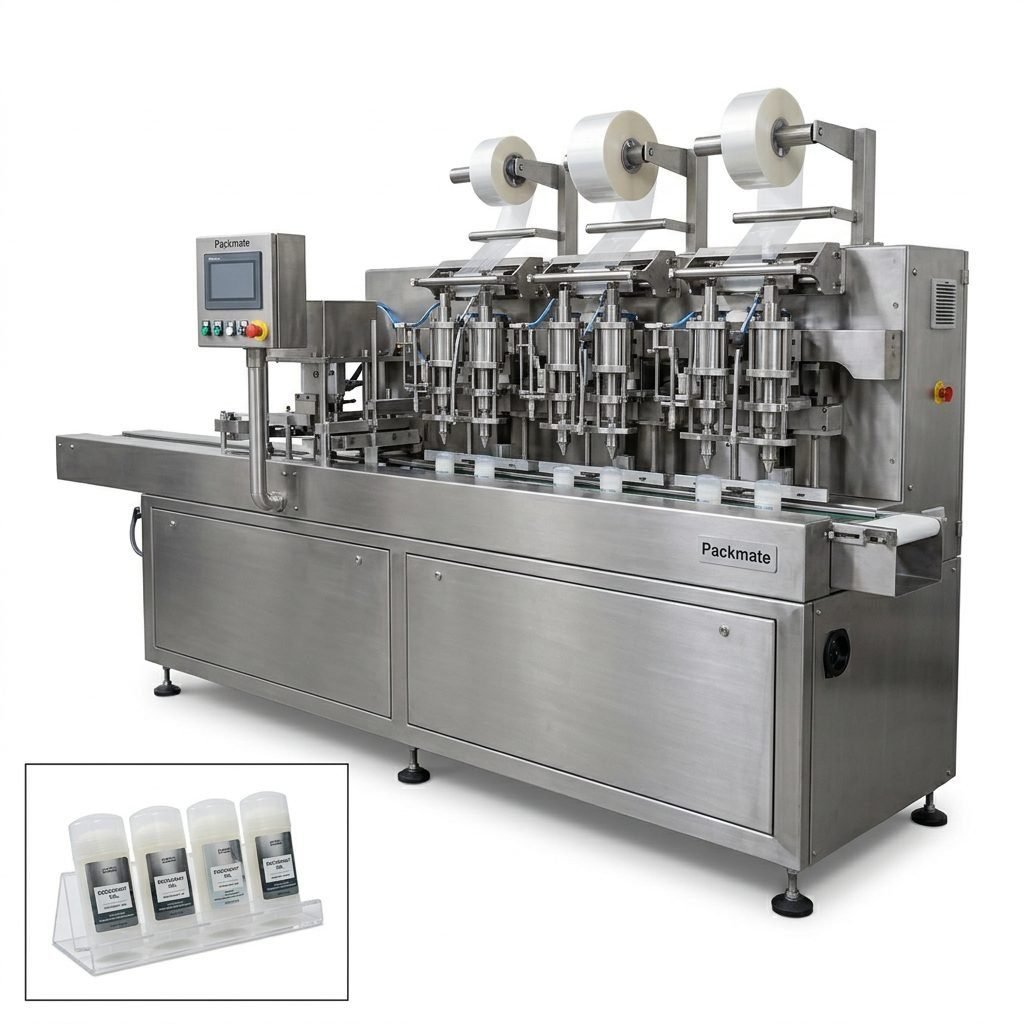
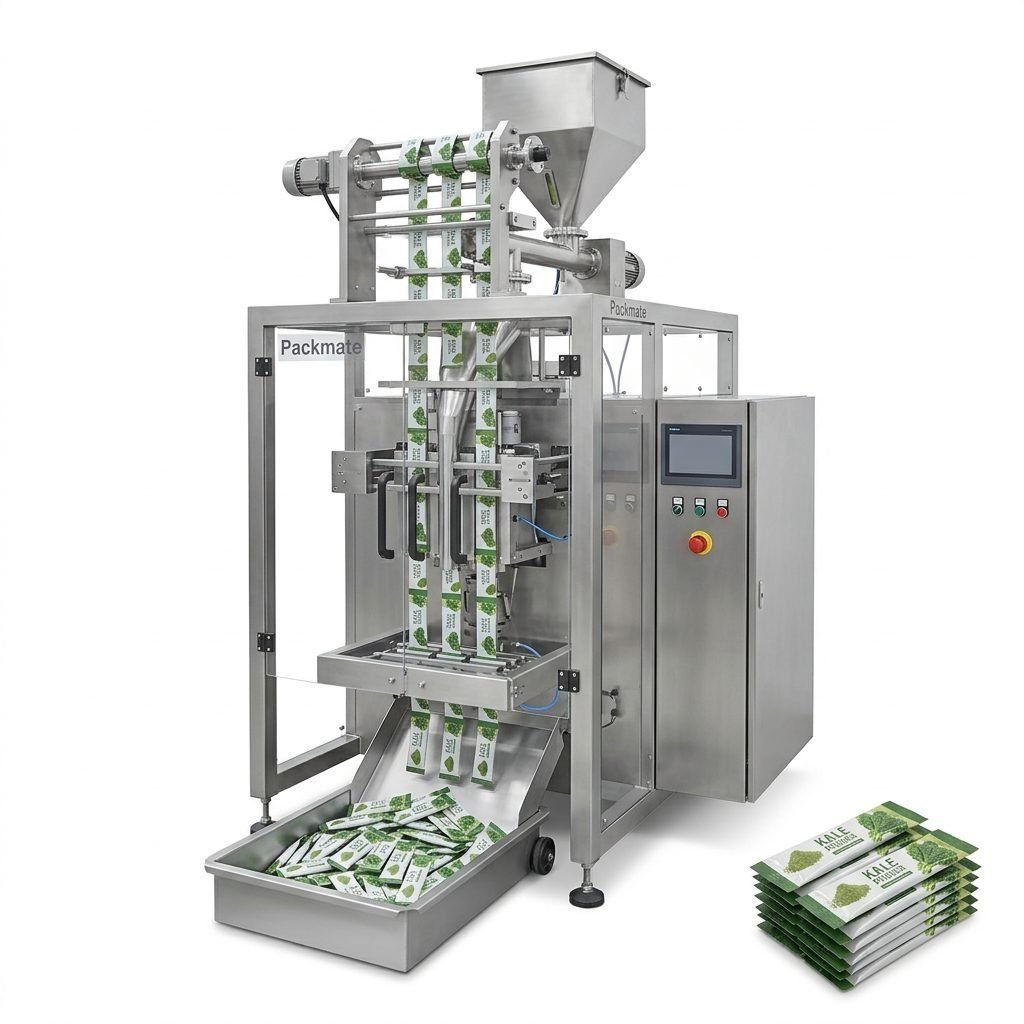
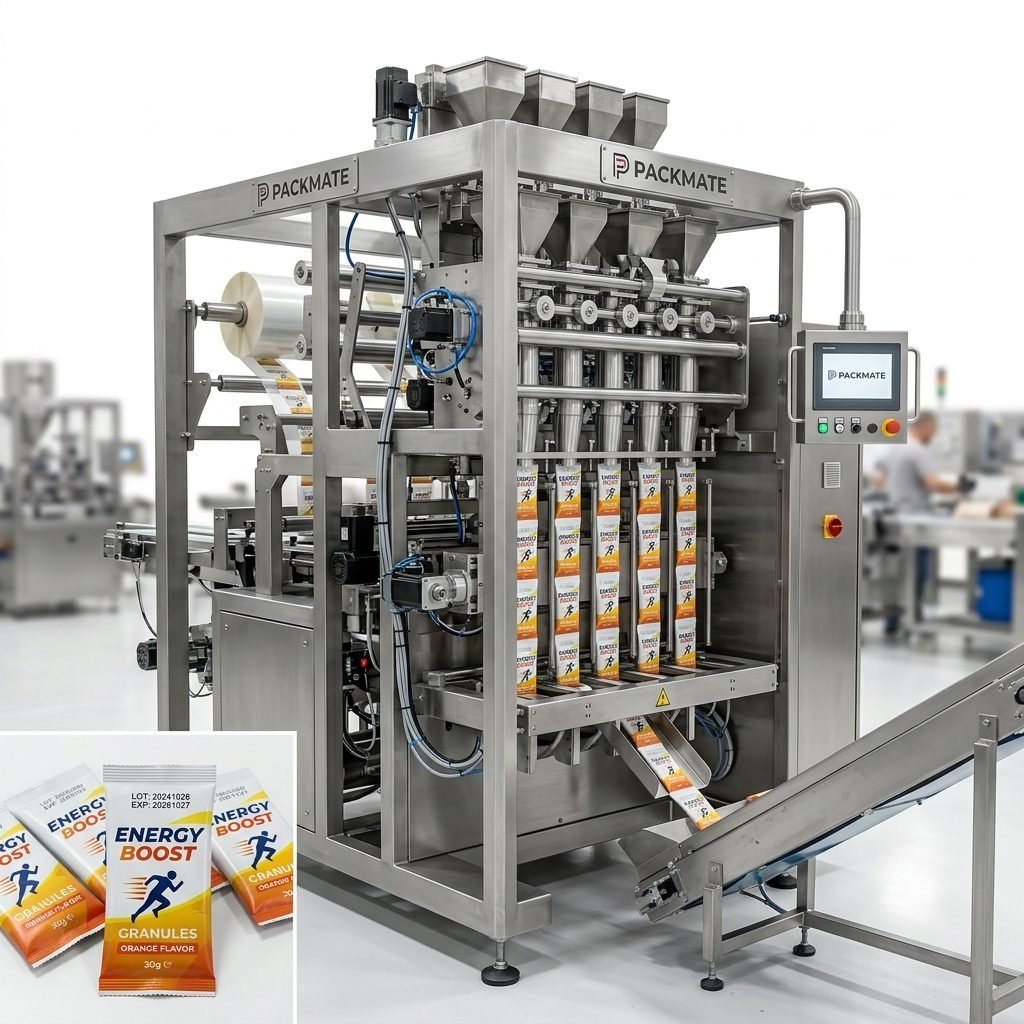
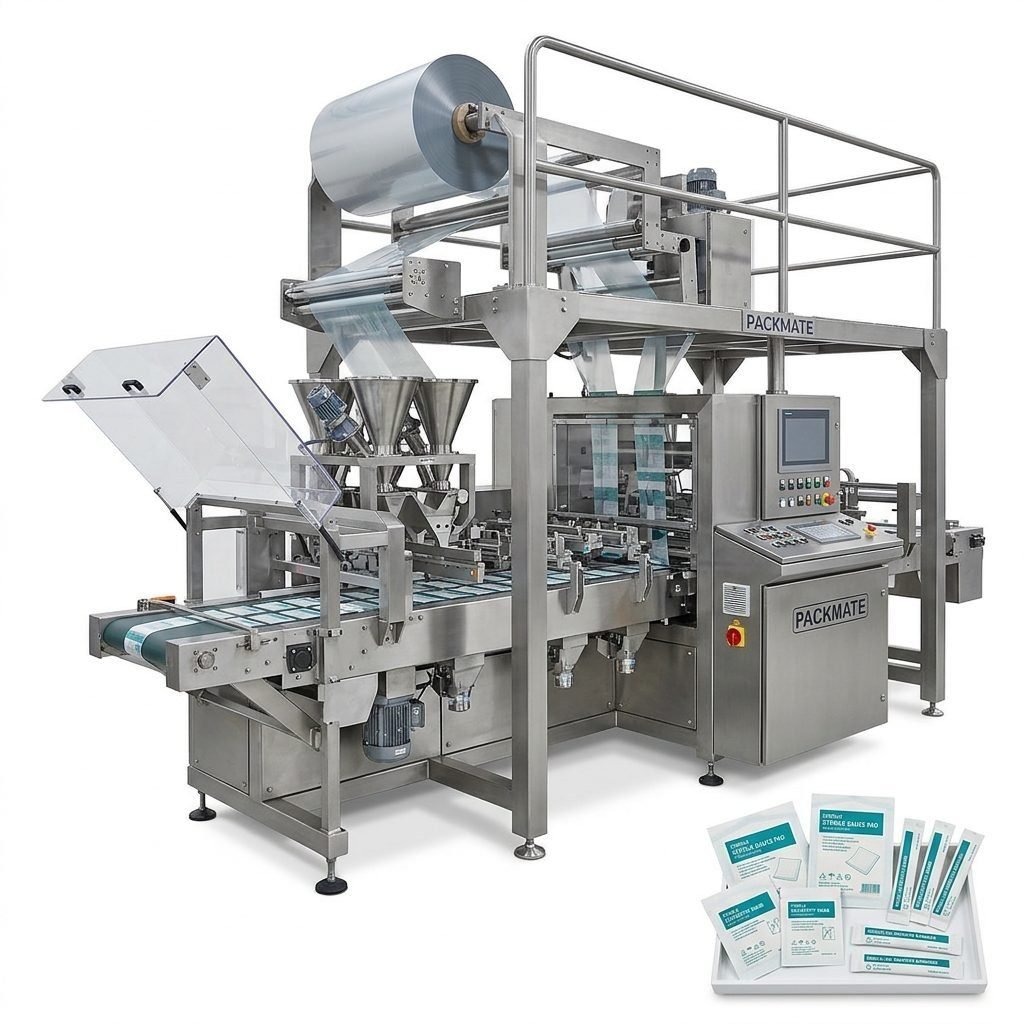
In today’s fast-paced consumer markets, product presentation is as crucial as the product itself. For items like tea, coffee, instant soups, pharmaceuticals, and condiments, the packaging date is a critical piece of information for both consumers and supply chain management. Pillow type packaging machines have revolutionized this process, offering a seamless and efficient method for date printing directly onto flexible pouches and sachets. This guide will walk you through the essential steps and best practices for accurate and reliable date printing using these advanced machines.
Understanding Pillow Type Packaging Machines
Pillow type packaging machines, often used to create stand-up pouches and flat bags, form, fill, and seal packages from a continuous roll of film. The “pillow” name comes from the package’s plump, rounded shape after sealing. A key feature of modern machines is the integrated date coding system, which can print essential information like expiration dates, batch numbers, and best-before dates directly onto the film during the packaging process.
Key Advantage: Inline printing eliminates the need for a separate, post-production labeling step, significantly increasing line efficiency and reducing labor costs and potential errors.
Core Components for Date Printing
To achieve perfect date prints, it’s vital to understand the components involved:
- Printing Mechanism: This is typically a hot stamp coder, inkjet printer, or laser coder integrated into the machine’s sealing jaws or mounted inline.
- Film Substrate: The type of packaging material (e.g., polyethylene, polypropylene, laminated films) directly affects ink adhesion and print quality.
- Control System: The machine’s PLC or touchscreen interface allows operators to set the date format, position, and printing parameters.
- Date Code Verification System: Advanced lines may include vision systems to check print legibility and accuracy, rejecting any poorly printed packages.
Step-by-Step Guide to Date Printing
Following a systematic approach ensures consistent and compliant date marks on every package.
Step 1: Machine and Material Preparation
Before starting a production run, ensure the packaging line is correctly set up. Thread the film roll through the guides and forming collar. Crucially, clean the printing head or coding unit. Any residual ink or debris from a previous job will cause smudging or incomplete characters. Verify that the film is compatible with your chosen printing method (e.g., treated polyolefin for better inkjet adhesion).
Step 2: Configuring the Date Code Parameters
Access the date coding menu on the machine’s HMI (Human-Machine Interface). Here you will define:
- Date Format: Set the desired sequence (e.g., DD/MM/YYYY, MM-DD-YY, YYYY-MM-DD).
- Font & Size: Select a clear, legible font size that fits the designated print area on your pouch.
- Print Position: Define the X and Y coordinates for where the date should appear on the package. This is often done by jogging the machine and using a trial-and-error method with test film.
- Incremental Information: For batch or lot codes, set the starting number and increment value.
Pro Tip: Always perform a “dry run” on scrap film or paper to confirm the date format, position, and clarity before starting full production. This simple step can prevent massive material waste.
Step 3: Synchronization and Testing
The timing of the print head must be perfectly synchronized with the film’s movement. The code must be applied when the film is momentarily stationary (during the sealing dwell time) or moving at a precise, constant speed. Adjust the trigger delay or encoder settings to ensure the date prints in the exact same spot on every package. Run a few cycles, inspect the prints for smearing, fading, or misalignment, and make fine-tuning adjustments.
Step 4: Monitoring and Quality Control During Production
Once the run begins, implement a regular quality check schedule. Operators should visually inspect date codes every 15-30 minutes for legibility and accuracy. Check for issues like:
- Ink fading or spreading.
- Incorrect date (due to system error).
- Positional drift.
Maintaining a log of these checks is a best practice for quality assurance audits. For high-speed lines, consider integrating an automated vision inspection system.
Troubleshooting Common Date Printing Issues
Even with preparation, issues can arise. Here’s a quick diagnostic guide:
- Faint or Missing Print: Check ink levels (for inkjet), ribbon supply (for thermal transfer), or the temperature/pressure of a hot stamp coder. The print head may also need cleaning.
- Smudged Print: This often indicates insufficient drying time or the film moving before the ink is set. Adjust synchronization, increase drying/curing time if possible, or verify the film is suitable for fast-drying inks.
- Incorrect Date: Verify the system clock and date format settings in the HMI. Ensure the “increment on signal” is correctly linked to the machine’s cycle.
- Poor Adhesion: The film surface may not be accepting the ink. Consult your film supplier; you may need a corona-treated film or a different type of ink/ribbon.
Optimizing for Efficiency and Compliance
Beyond basic operation, optimization is key. Use the machine’s memory functions to save date code profiles for different products, enabling quick changeovers. Ensure your date coding practice complies with regional regulations (like FDA 21 CFR Part 11 for traceability, if applicable), which may require indelible, permanent marks that remain legible throughout the product’s shelf life. Regular maintenance of the coding unit, as outlined in the machine manual from a provider like Packmate Machinery, is non-negotiable for long-term reliability.
Summary of Key Benefits
Integrating date printing directly into your pillow packaging process offers undeniable advantages:
- Enhanced Efficiency: Combates two operations into one continuous flow.
- Reduced Cost: Eliminates pre-printed film inventories and label costs.
- Improved Accuracy: Minimizes risk of applying wrong labels.
- Greater Flexibility: Date codes can be changed instantly between batches.
- Stronger Brand Image: Presents a clean, professional, and modern package to consumers.
Frequently Asked Questions (FAQs)
1. What type of date printer is best for my pillow packaging machine?
The best type depends on your speed, film material, and required print quality. Continuous Inkjet (CIJ) printers are excellent for high-speed lines and porous films. Thermal Transfer Overprinters (TTO) offer very high resolution and are ideal for flexible films at medium speeds. Hot Stamp coders are a durable, low-maintenance option for simple codes on specific materials. Consult with your machine manufacturer for the best integrated solution.
2. Can I print dates on both sides of the pouch?
Yes, but it requires a specific machine configuration. This typically involves having two independent printing units mounted on opposite sides of the film web, synchronized to print simultaneously or sequentially. It adds complexity and cost, so it’s usually only done for specific regulatory or retail requirements.
3. How do I ensure the date code doesn’t rub off during shipping and handling?
Adhesion and durability are paramount. First, ensure film-ink compatibility. Using UV-curable inks or laser coding provides extremely durable, abrasion-resistant marks that are virtually impossible to remove. For inkjet, allow proper drying time and consider post-print curing options if necessary. Always conduct rub tests as part of your quality protocol.
4. My printed date is legible but has small gaps or dots missing. What’s wrong?
This is typically a sign of a clogged print head nozzle (in inkjet systems) or debris on the printing die (in hot stamp or TTO). The solution is a thorough cleaning of the print head following the manufacturer’s instructions. Using filtered, clean air in the production environment can help prevent this issue.
5. We are expanding our product line. Can our existing machine handle different date formats and positions easily?
Modern pillow packaging machines with digital controls are designed for flexibility. Most allow you to save multiple “recipes” or “products” in memory, each with its own date format, font size, and precise XY coordinates. Changeover between these settings can often be done in minutes via the touchscreen, making short runs and product variety highly feasible.