In the competitive world of manufacturing and product distribution, efficiency and cost-effectiveness are paramount. For many businesses, investing in brand-new packaging machinery represents a significant capital expenditure. This is where the market for used packaging machines presents a compelling opportunity. Acquiring pre-owned equipment can offer substantial savings while still delivering the automation and reliability needed to maintain or scale operations. This comprehensive guide explores the various types of used packaging machines available, outlines their key benefits, and provides a practical buying guide to help you make an informed decision.
Understanding the Different Types of Used Packaging Machines
The secondary market is rich with a variety of packaging equipment, catering to different product forms and packaging styles. Understanding the main categories is the first step.
Filling and Sealing Machines
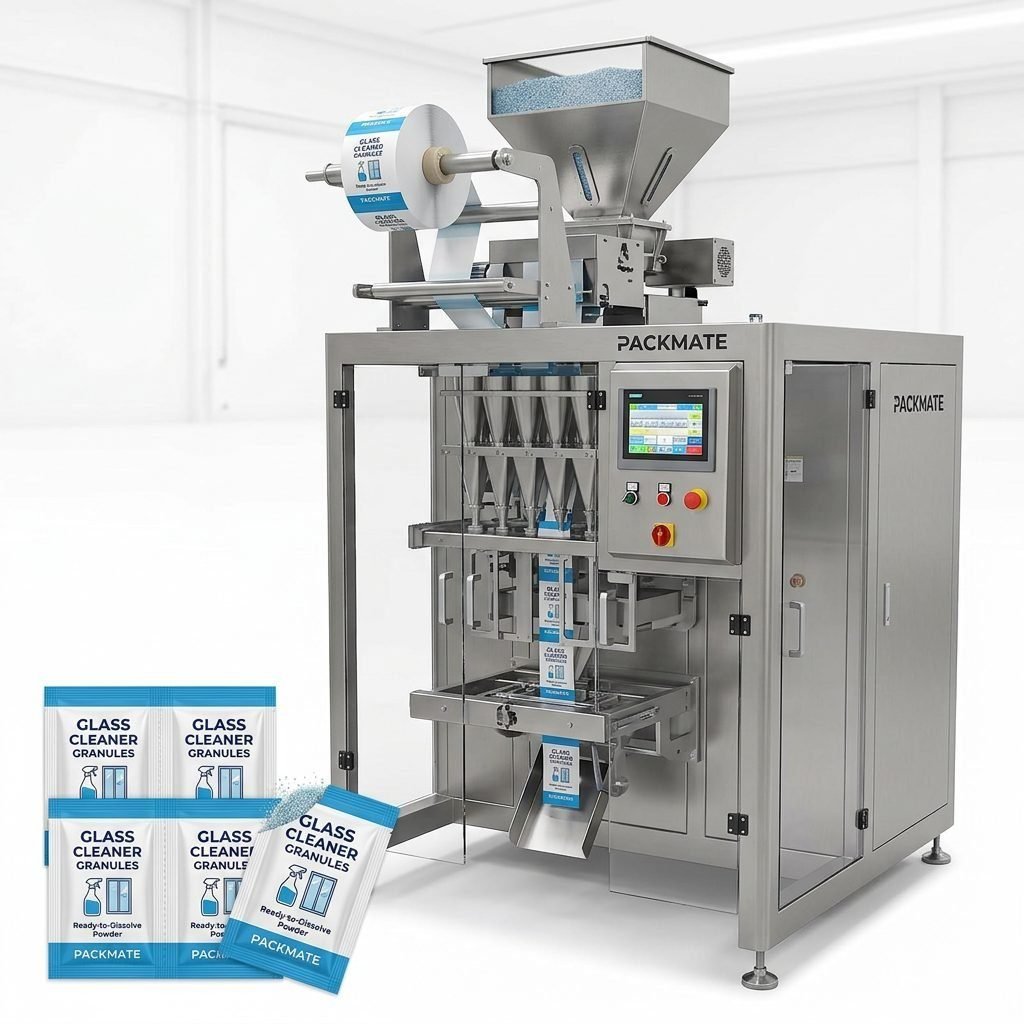
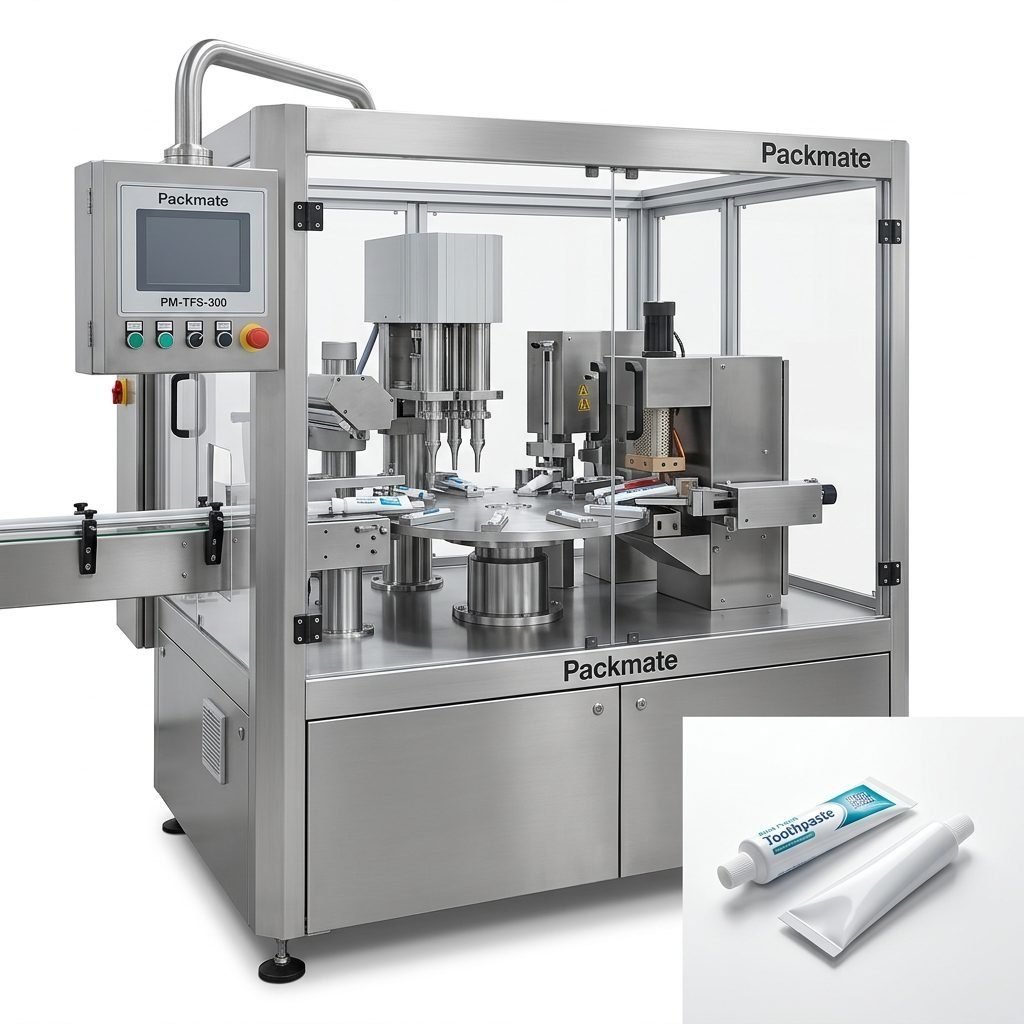
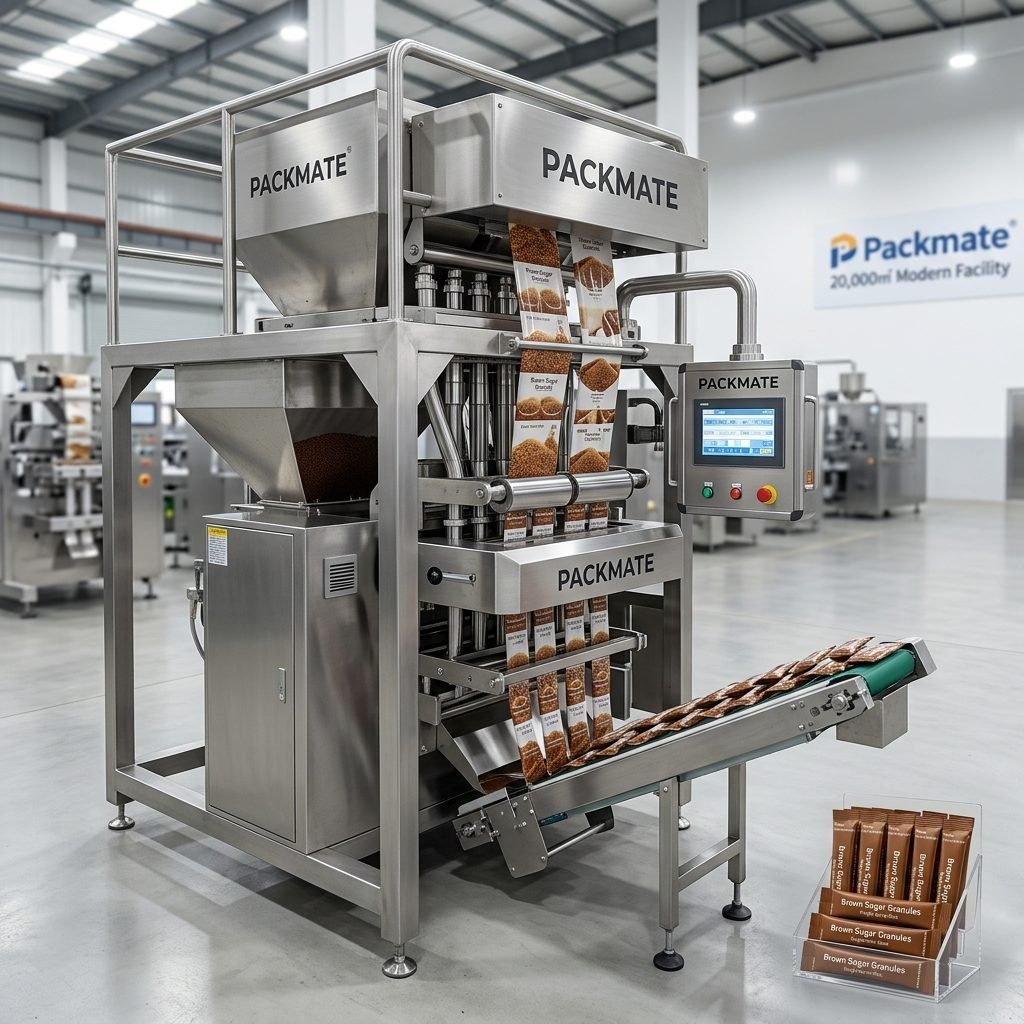
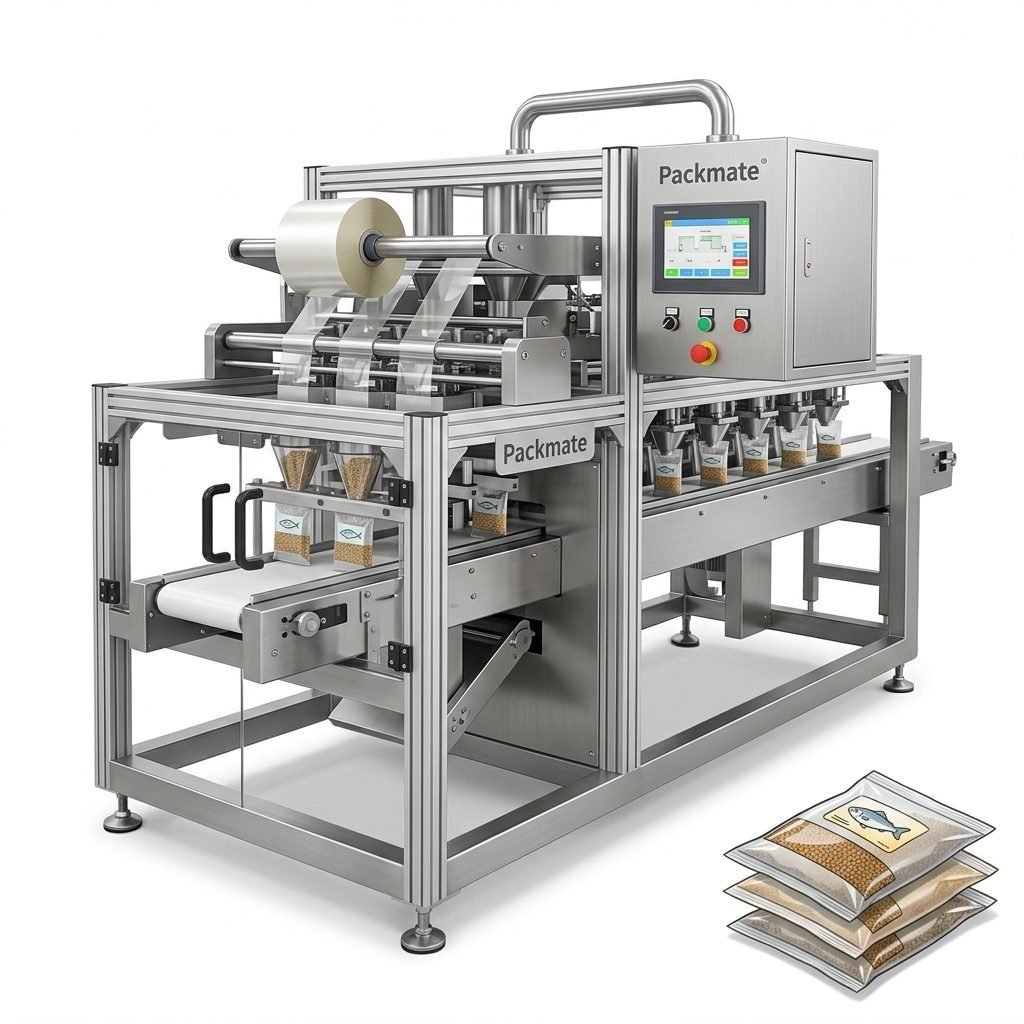
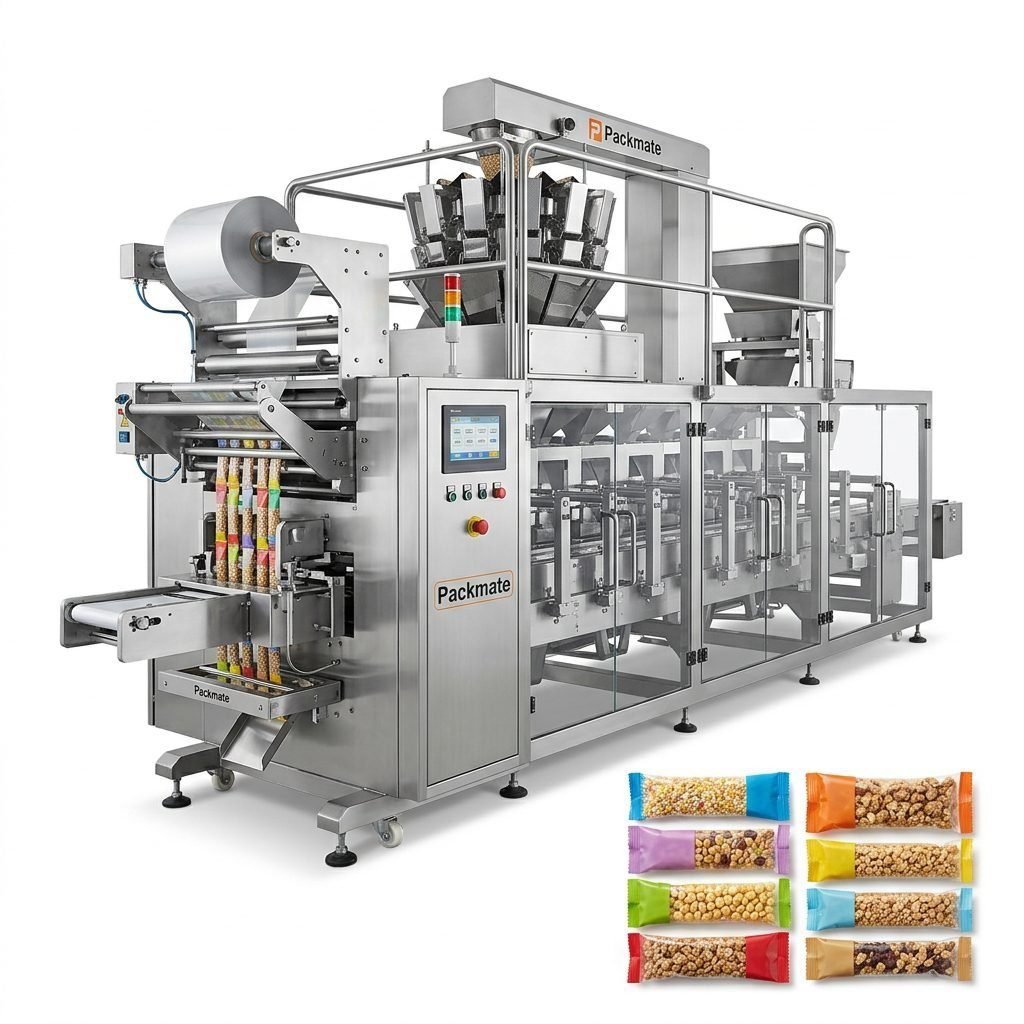
This broad category includes machines designed to measure a product, place it into a pouch, bag, or other container, and then hermetically seal it. Used filling and packaging lines are highly sought after. Common types include vertical form-fill-seal (VFFS) machines for creating bags from a roll of film and horizontal form-fill-seal (HFFS) machines often used for flow-wrapping individual items.
Key Point: When evaluating a used VFFS machine, pay close attention to the condition of the forming tube, sealing jaws, and film tracking system, as these are critical for consistent package integrity.
Cartoning and Case Packing Equipment
After primary packaging, products often need to be placed into cartons or cases for shipment. The used market offers automatic cartoners, case erectors, and case packers. These machines can significantly reduce labor costs associated with manual packing. Their mechanical nature often means well-maintained used models have a long remaining service life.
Specialized Packaging Machines
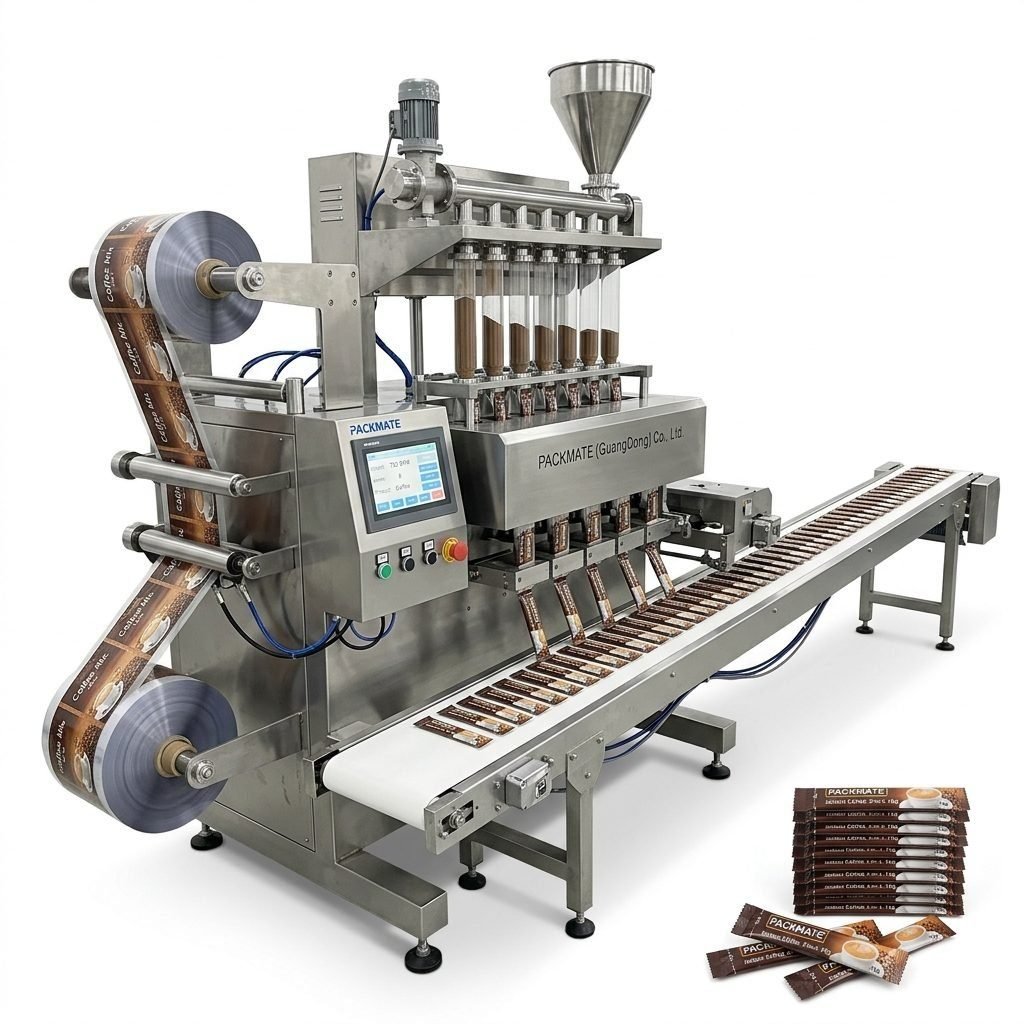
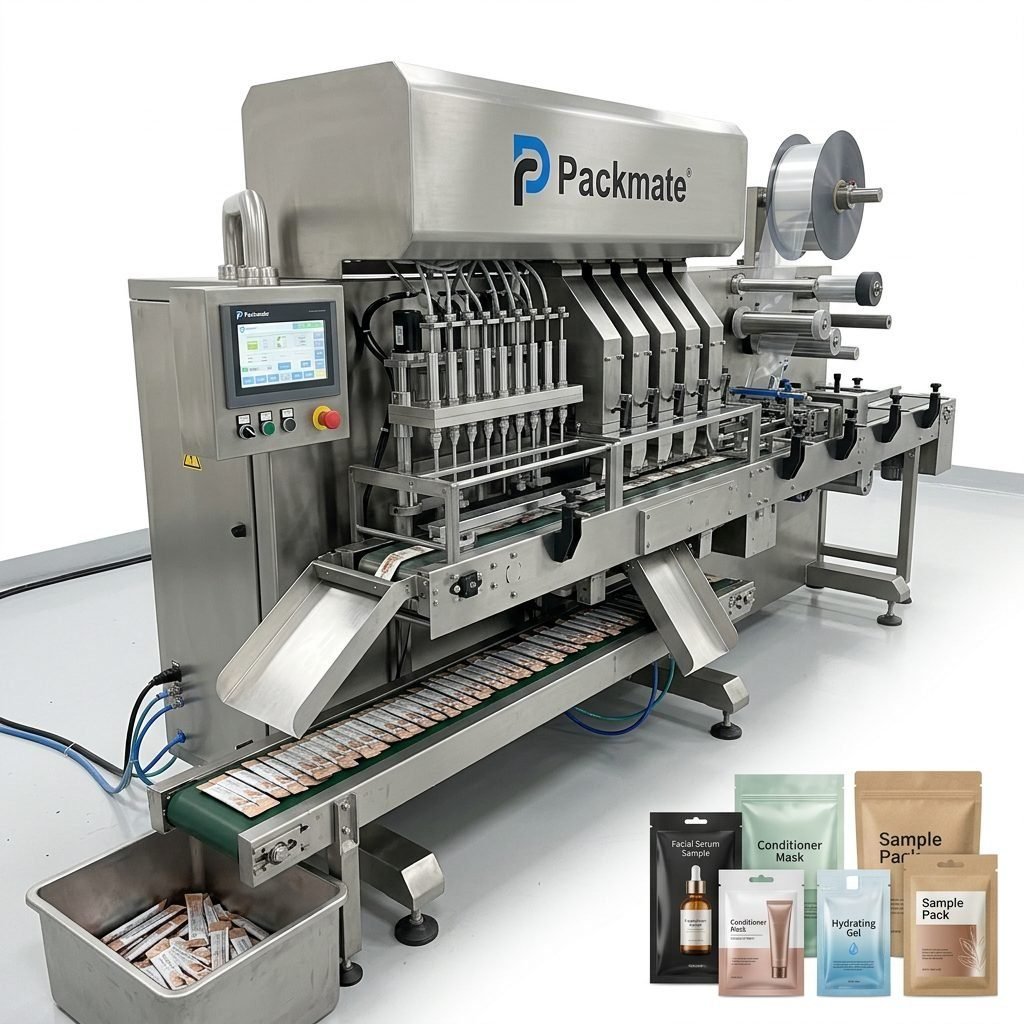
This segment includes equipment for specific niches. For instance, used sachet and stick pack machines are popular in the food, pharmaceutical, and cosmetic industries for single-serve portions. Similarly, used bag and pouch packaging machines cater to a wide range of products from snacks to hardware. For industries like tobacco alternatives, there is a specific demand for used snus and nicotine pouch packaging machines.
The Tangible Benefits of Buying Used Packaging Machinery
Opting for pre-owned equipment isn’t just about saving money upfront; it offers a suite of strategic advantages for business growth and operational flexibility.
1. Significant Cost Reduction: The most apparent benefit is the lower capital investment. Used machines can cost 30% to 70% less than their new counterparts, freeing up capital for other areas like marketing, inventory, or facility expansion.
2. Faster ROI and Deployment: With a lower initial cost, the return on investment (ROI) period is considerably shorter. Furthermore, used equipment is often available for immediate delivery and installation, unlike new machines which may have lead times of several months.
3. Proven Reliability and Performance: A used machine that has been well-maintained has a known track record. Its performance characteristics, speed, and maintenance needs are often documented, reducing the uncertainty associated with brand-new, unproven models.
A Note on Quality and Heritage
Companies with a long history in manufacturing, such as Packmate Machinery, which has over 22 years of development, often build equipment designed for durability. A used machine from a reputable manufacturer like this can be a particularly sound investment, as it was engineered with quality components and robust construction from the start, ensuring it stands the test of time.
4. Access to Higher-End or Discontinued Models: The secondary market can provide access to high-quality, premium-brand machinery that may have been outside your budget when new. It also allows you to find specific, sometimes discontinued, models that perfectly match your existing production line for seamless integration.
A Practical Guide to Buying Used Packaging Equipment
To ensure a successful purchase, a careful and methodical approach is essential. Follow this step-by-step guide to navigate the used equipment market.
Step 1: Define Your Requirements Precisely
Before you start looking, have clear specifications. What is your target output speed (packages per minute)? What are the exact dimensions and types of packaging materials you will use (film type, carton size)? What product are you packaging (granules, powder, liquid)? A clear brief will prevent you from buying an unsuitable machine.
Step 2: Source from Reputable Sellers
Look for established machinery dealers, original equipment manufacturers (OEMs) who offer refurbished units, or companies upgrading their own lines. For example, exploring the product portfolios of manufacturers can give you insights into the types of machines available and their capabilities, even in the used market.
Step 3: Conduct Thorough Due Diligence
- Inspect Documentation: Request maintenance logs, service history, and any available manuals.
- Review Machine History: Ask about its age, total running hours, and the environment it was used in (e.g., food-grade, clean room).
- Perform a Physical or Video Inspection: If possible, inspect the machine in person or via a live video call. Check for signs of excessive wear, corrosion, or modifications.
- Request a Test Run: Ask the seller to run the machine with a material similar to yours to verify performance.
Step 4: Evaluate Total Cost of Ownership
Look beyond the purchase price. Factor in potential costs for:
• Reconditioning or immediate repairs.
• Shipping and rigging.
• Installation and integration with your line.
• Training for your operators.
• Availability and cost of spare parts.
Step 5: Negotiate and Secure Support
Use your inspection findings as leverage for negotiation. Crucially, discuss and secure post-purchase support. Can the seller provide a limited warranty? Do they offer technical support or recommend a local service technician? Ensure you have a plan for maintenance from day one.
Common Questions About Used Packaging Machines
What is the typical lifespan of a used packaging machine?
This varies greatly by machine type, brand, and maintenance history. A well-built, well-maintained machine from a quality manufacturer can operate reliably for 15-20 years or more. The key factor is not just age, but total operational hours and care.
Are spare parts available for older used models?
Availability depends on the manufacturer and model. For machines from active companies like Packmate, which has a history of developing over 50 models, parts for popular older machines are often still produced or can be reverse-engineered. Always verify parts availability before purchase.
Is a used machine difficult to integrate with my modern production line?
Not necessarily. Many used machines have standard mechanical and electrical interfaces. The main challenge can be with older control systems (PLCs). A qualified integrator can often retrofit a modern control panel to ensure compatibility with your current line’s communication protocols.
What are the biggest risks when buying used equipment?
The primary risks are hidden mechanical or electrical faults, unexpected high costs for refurbishment, and lack of technical support. These risks are mitigated by buying from a reputable source, conducting a thorough inspection, and securing a warranty or service agreement.
Should I buy a used machine or a cheaper new one?
A higher-quality used machine is often a better investment than a low-cost new machine from an unknown brand. The used machine likely has superior construction, proven durability, and better performance, whereas the cheap new machine may use inferior components and have limited support, leading to higher long-term costs and downtime.