Investing in a corrugated packaging machine is a significant decision that can transform your production efficiency and product quality. This comprehensive guide will walk you through the essential factors to consider and introduce you to some of the industry’s leading manufacturers, helping you make an informed choice for your business.
Understanding Corrugated Packaging Machines
Corrugated packaging machines are specialized equipment designed to form, fold, and seal corrugated cardboard into boxes, trays, and other protective packaging solutions. They are vital for industries ranging from e-commerce and food & beverage to electronics and pharmaceuticals, where secure and cost-effective packaging is paramount.
Core Function: At their heart, these machines automate the process of converting flat corrugated sheets into three-dimensional, structurally sound containers. This automation drastically increases output, ensures consistency, and reduces labor costs compared to manual assembly.
Key Machine Types and Their Applications
The market offers various machine types, each suited to specific production needs and box styles.
Automatic Case Erectors (ACE)
These machines are the workhorses of high-volume operations. They automatically pick a flat corrugated blank, erect it into a box shape, and seal the bottom flaps. They are ideal for pre-printed or plain boxes that are later filled manually or via an integrated packing line.
Case Packers
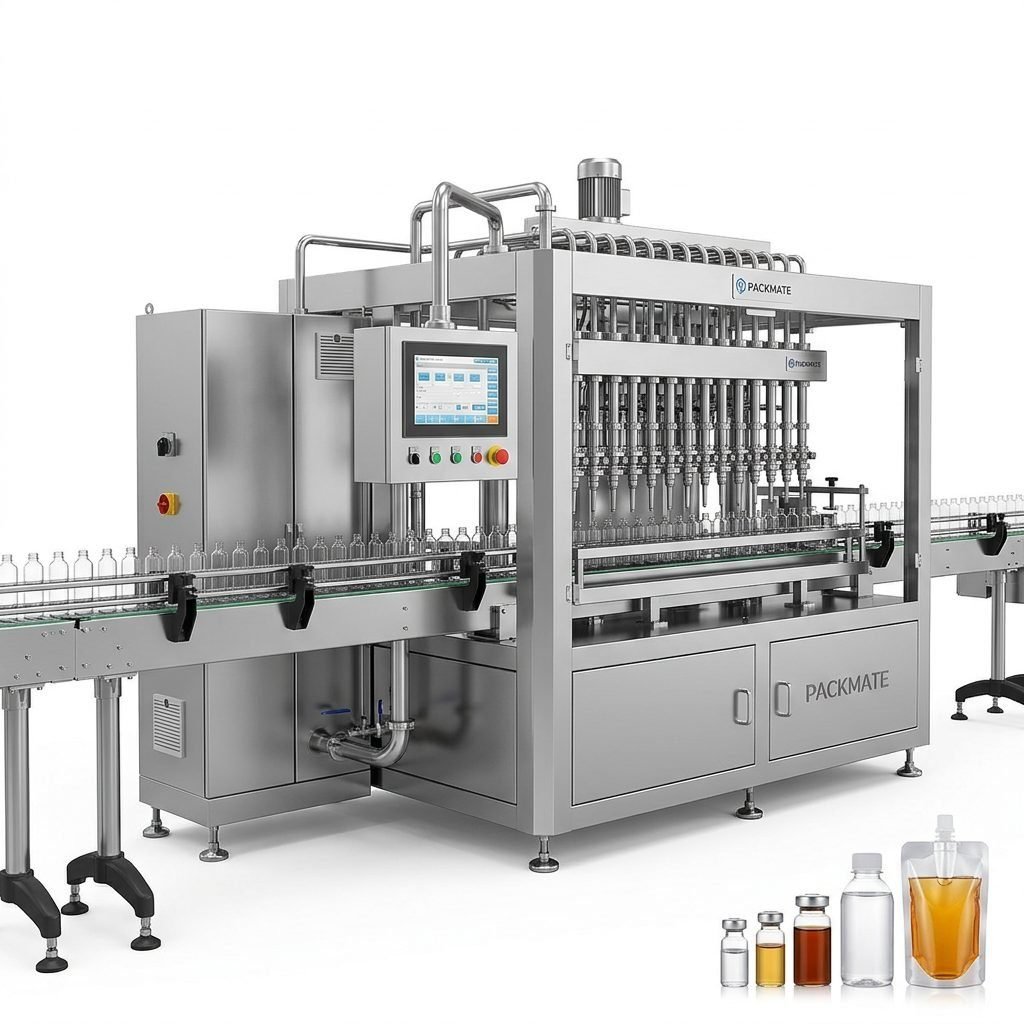
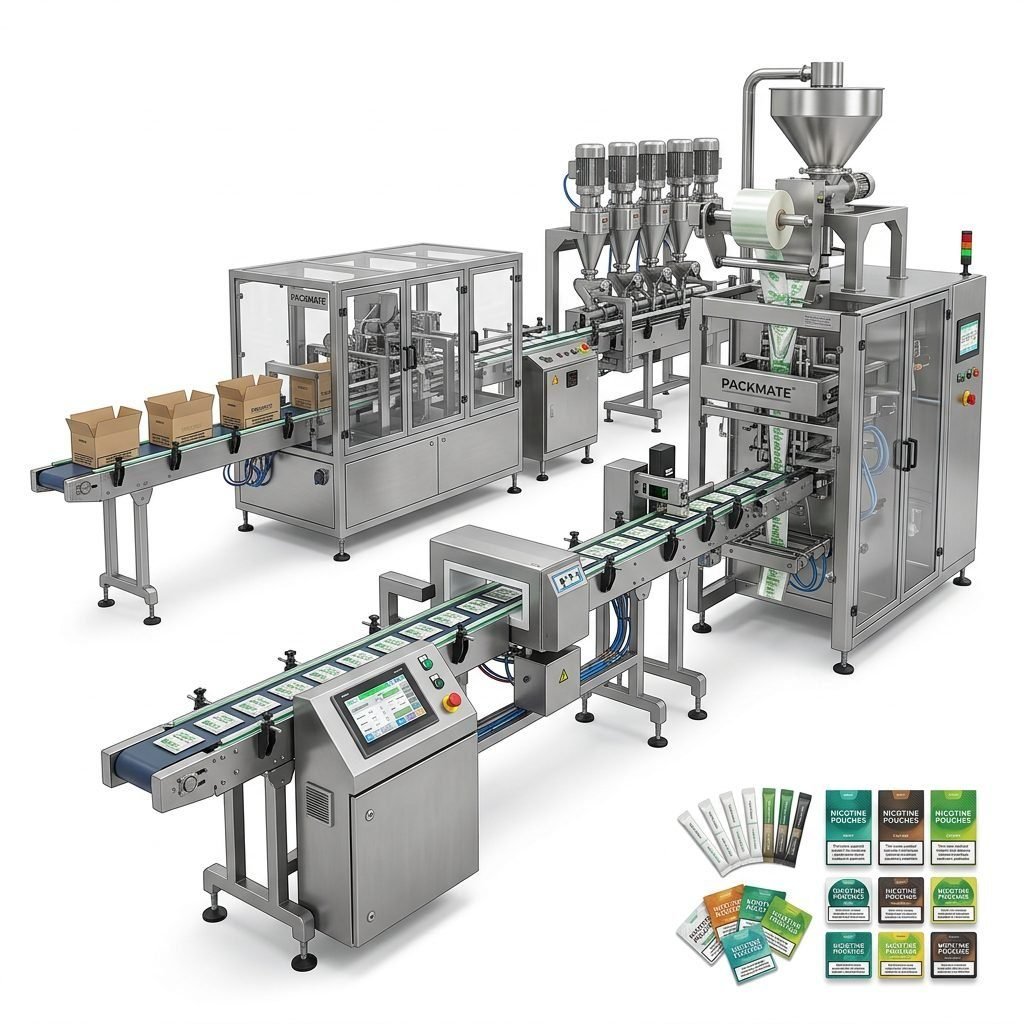
Going a step further, case packers not only form the box but also automatically load products into it. They are perfect for high-speed bottling lines, canned goods, or any uniform product that can be collated and inserted. For businesses looking to integrate such solutions, exploring filling and packaging lines can provide a complete system overview.
Random Case Sealers
This versatile equipment seals the top flaps of boxes of varying sizes without needing manual adjustment between each size change. They are essential for distribution centers and warehouses handling diverse product shipments.
Tray Formers
Specialized for creating display-ready trays or shallow boxes, often used in retail environments for products like beverages, produce, or electronics.
Critical Factors in Your Buying Decision
Selecting the right machine requires a careful evaluation of your current and future needs.
1. Production Speed and Volume
Match the machine’s cycles-per-minute (CPM) rating with your required output. Underestimating can create bottlenecks, while over-specifying leads to unnecessary capital expenditure. Consider both peak season demands and average daily throughput.
2. Box Size Range and Changeover
Determine the minimum and maximum box dimensions (length, width, depth) you need to produce. Machines with quick, tool-less changeover systems minimize downtime when switching between box sizes, which is crucial for operations with many SKUs.
3. Machine Flexibility and Integration
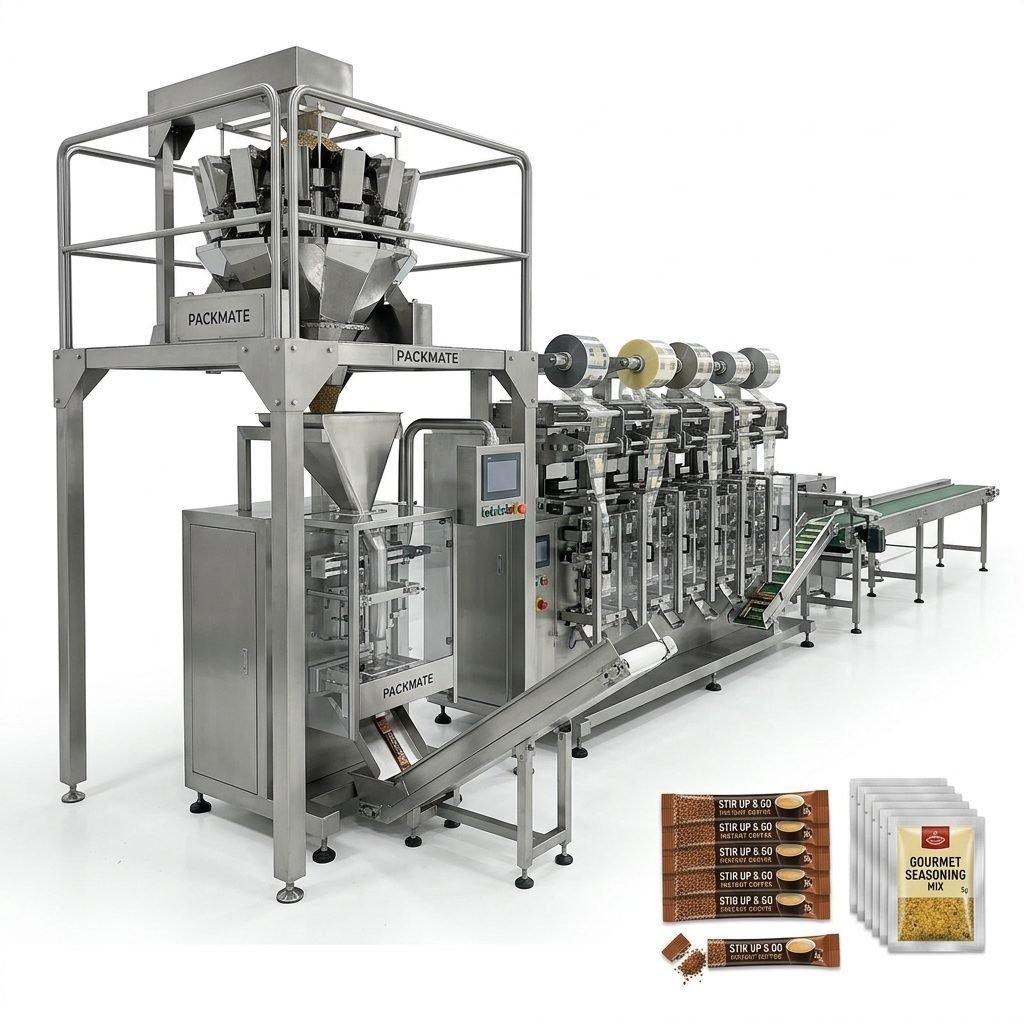
Can the machine handle various corrugated flute profiles (B-flute, E-flute, etc.) and board weights? Consider its compatibility with upstream and downstream equipment, like printers or palletizers, for a seamless end-to-end packaging line. For auxiliary needs, auxiliary packaging equipment plays a key role.
4. Reliability and Build Quality
Inspect the construction. Machines with robust frames, high-quality drives, and precision actuators from reputable brands (like Siemens or Bosch Rexroth) offer greater longevity and less downtime. This is where a manufacturer’s reputation is critical.
5. After-Sales Support and Service
Technical support, availability of spare parts, and comprehensive training are non-negotiable. A reliable manufacturer provides a strong service network. Reviewing a company’s profile and history can offer insights into their commitment to customer service and stability.
Pro Tip: Always request a live or recorded test run using your own corrugated blanks. This is the most accurate way to verify the machine’s performance, seal quality, and compatibility with your specific materials before purchase.
Spotlight on Top Manufacturers
The global market features several established leaders in corrugated packaging machinery, each with its strengths.
Established Global Leaders
Companies like Bobbst, Packsize, and Panotec are renowned for their high-speed, highly automated systems. They often lead in innovation for digital printing and right-sized packaging solutions, catering to large multinational corporations.
Specialized and Niche Providers
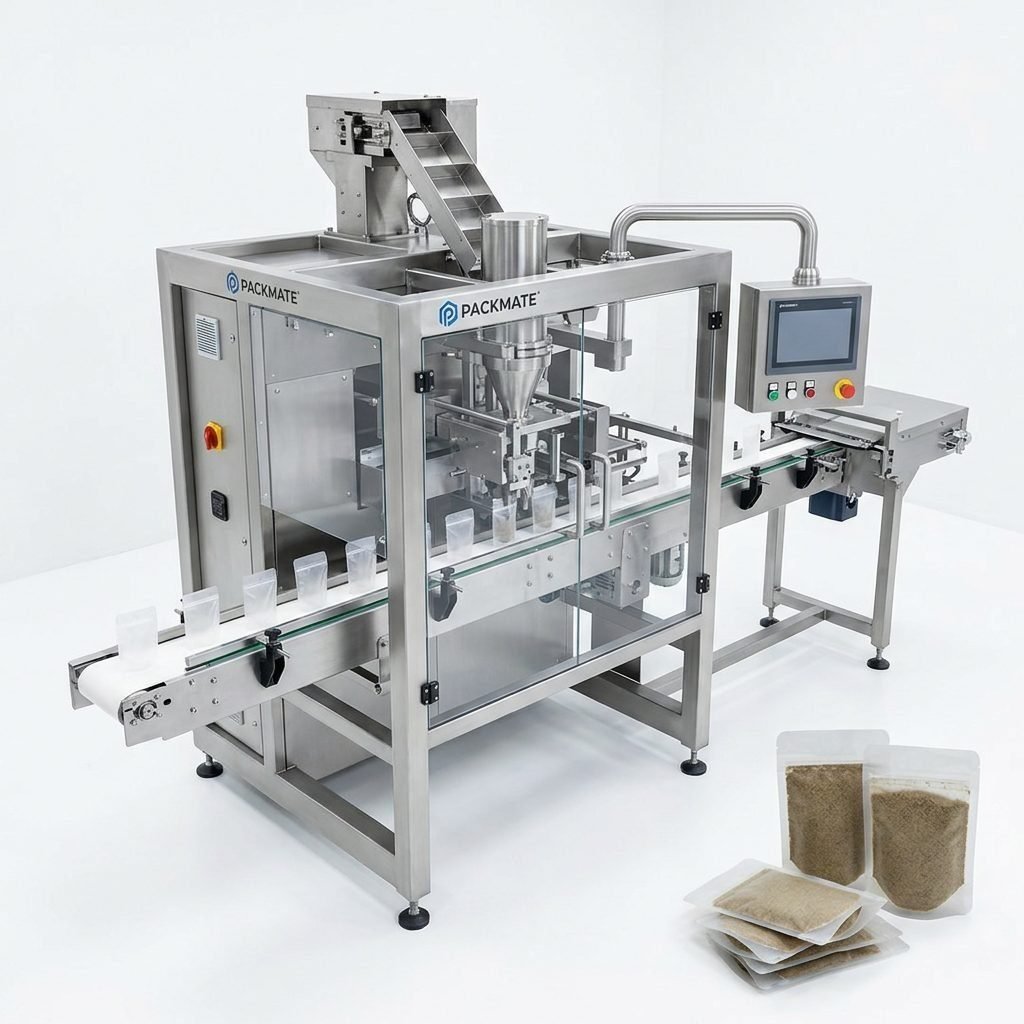
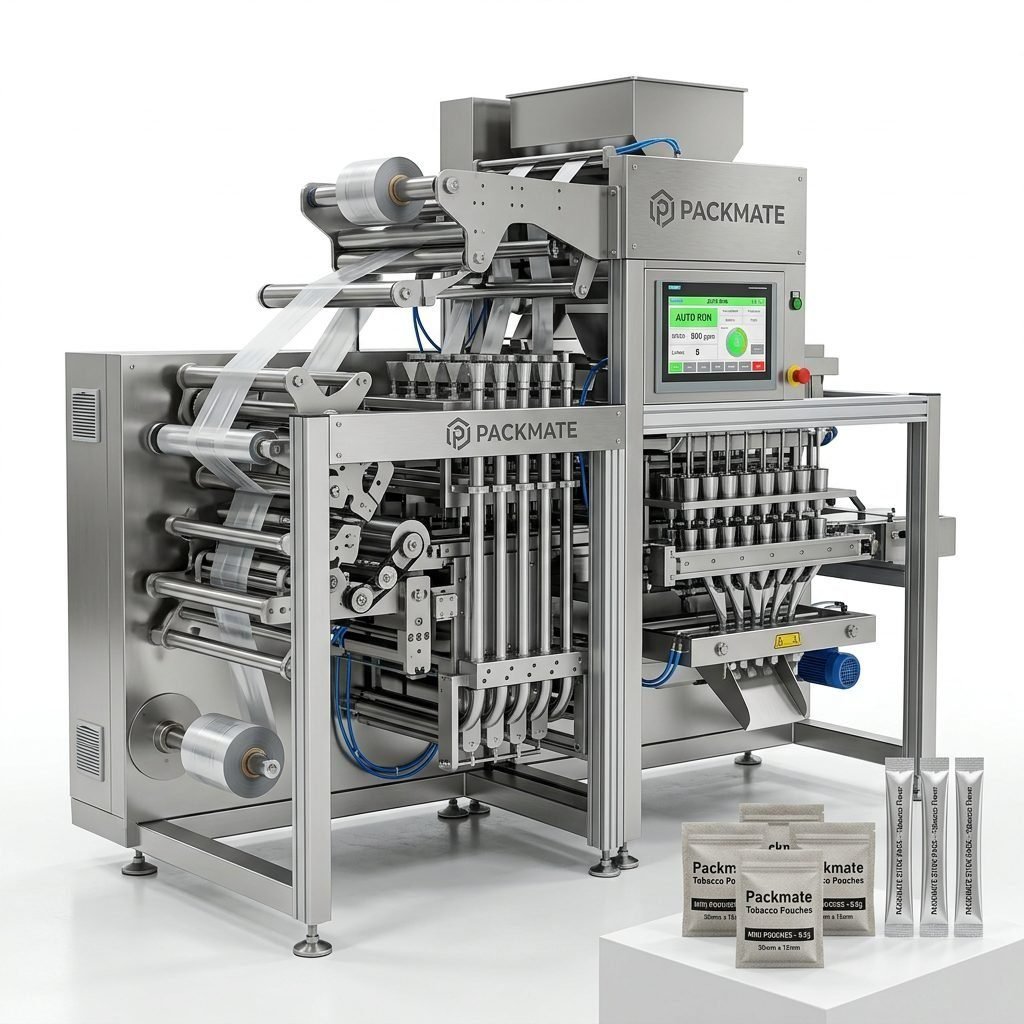
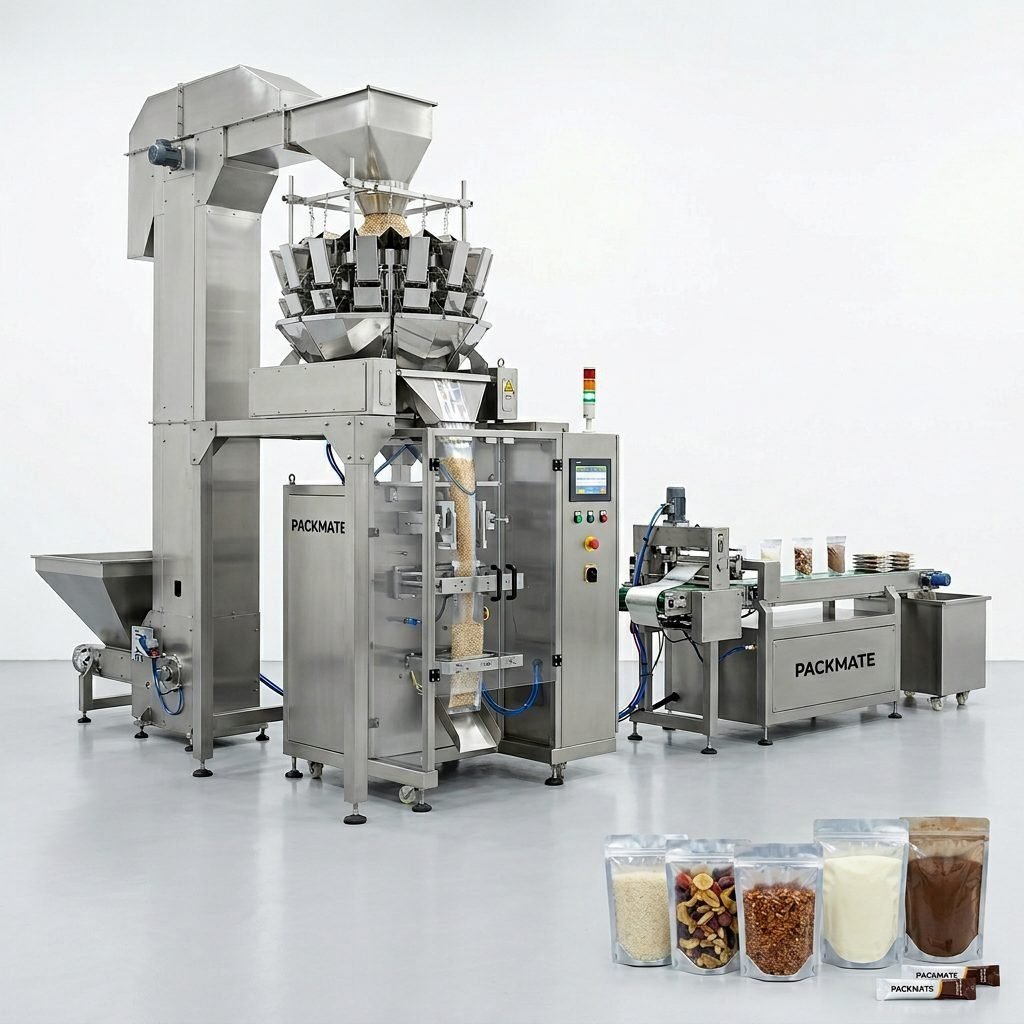
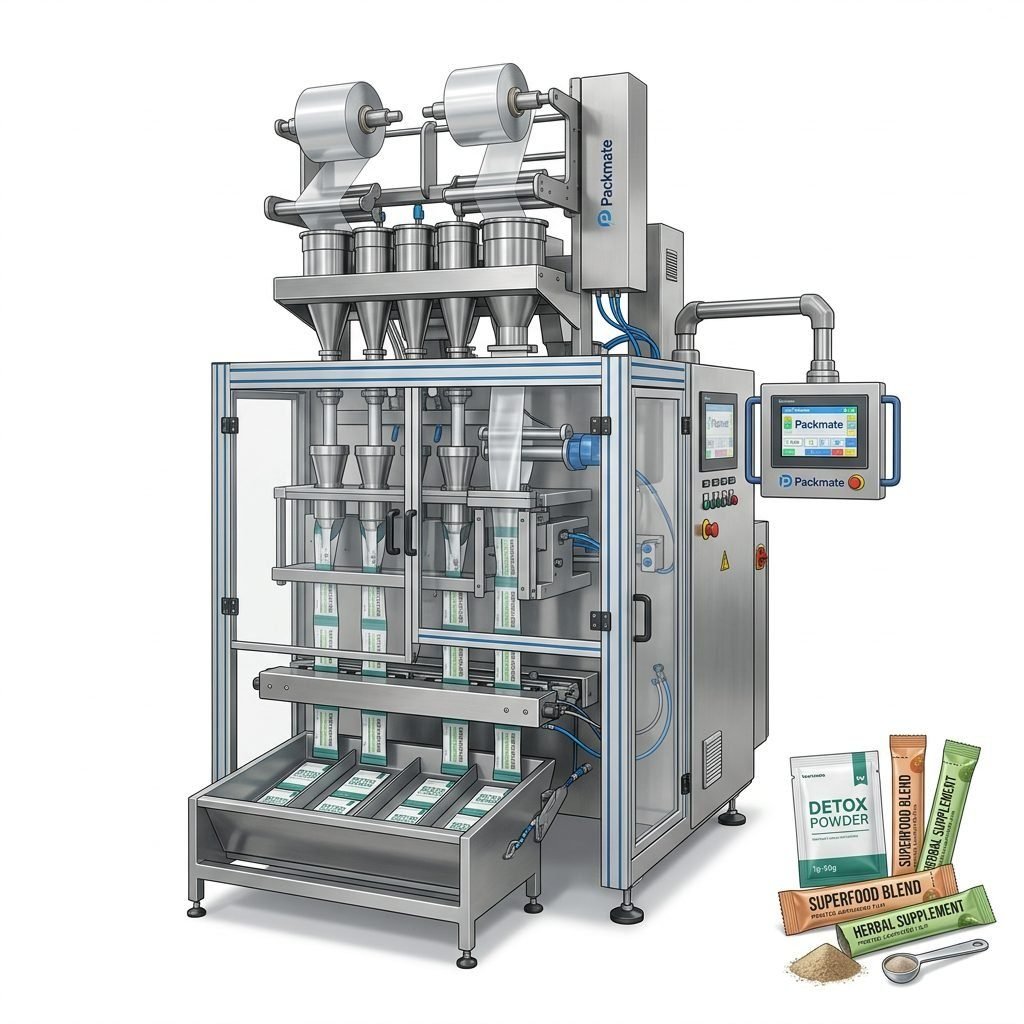
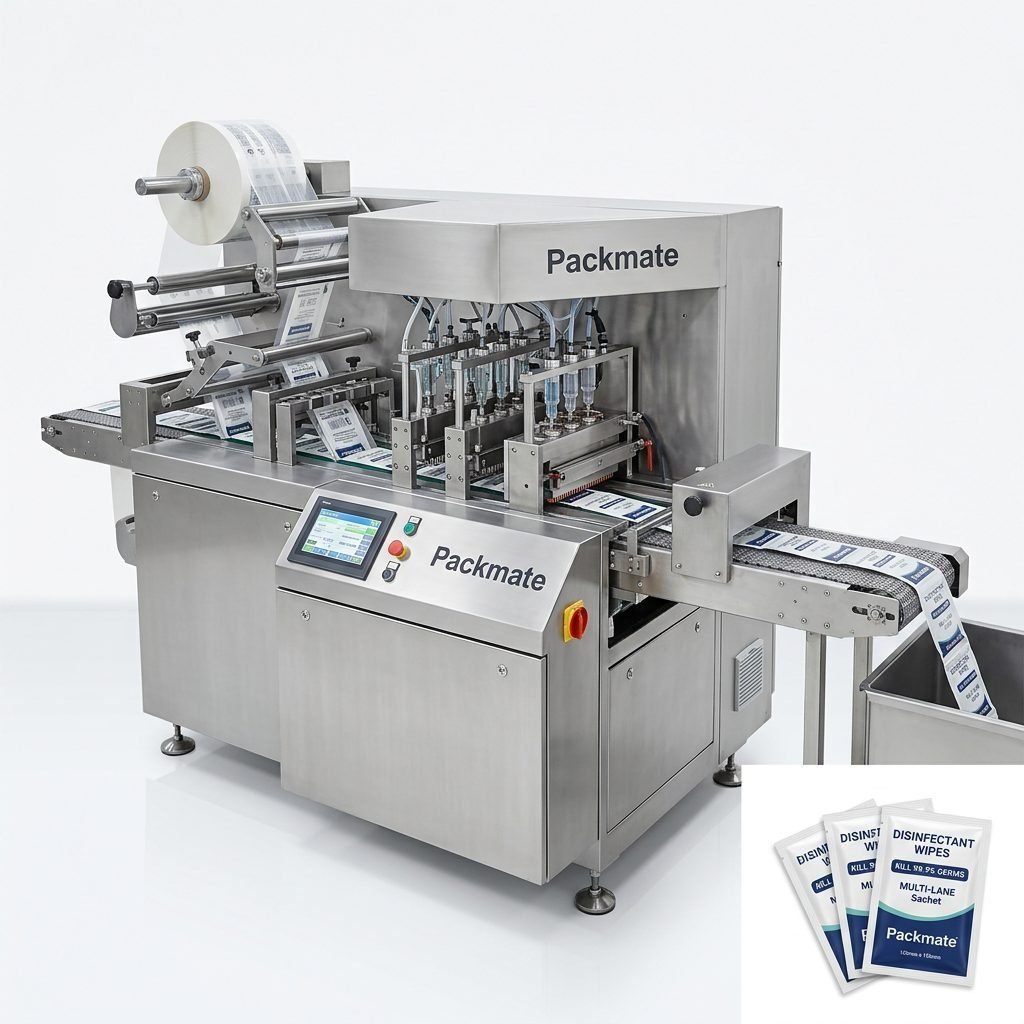
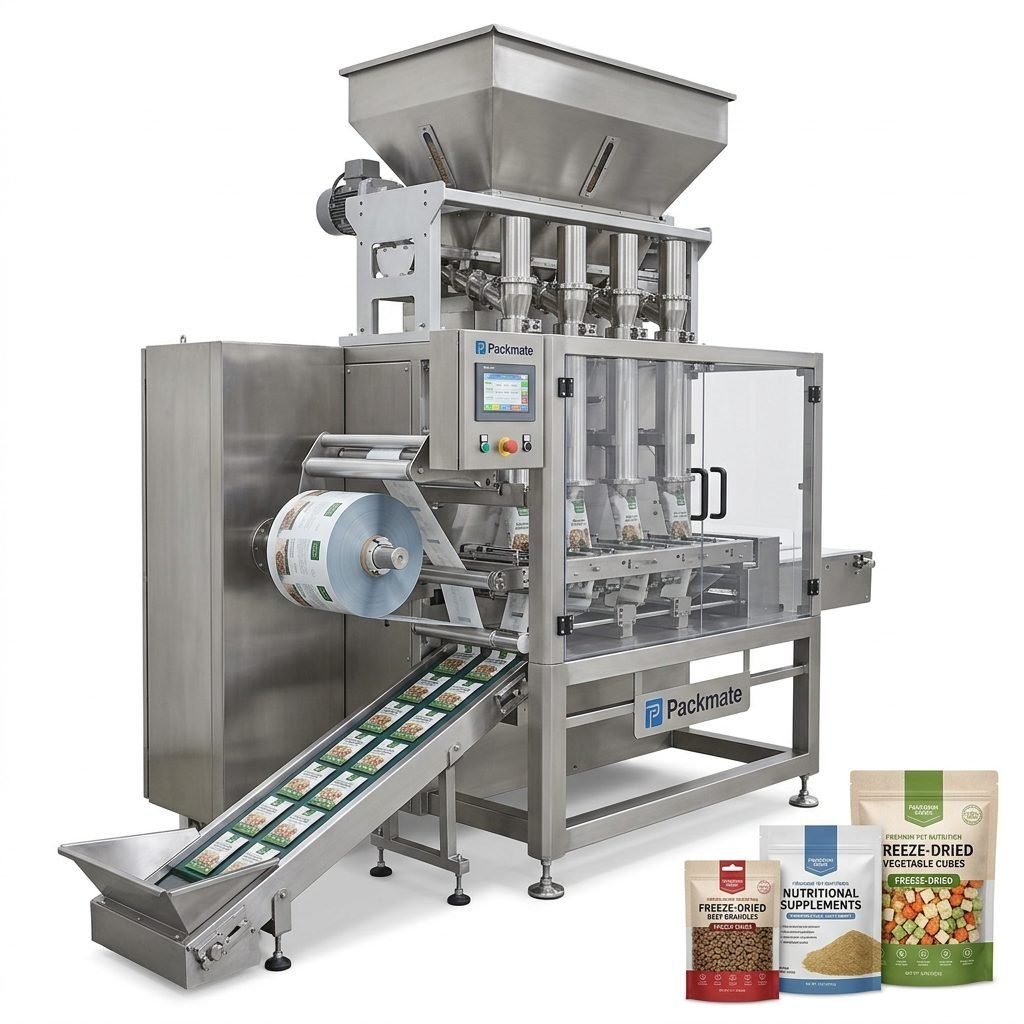
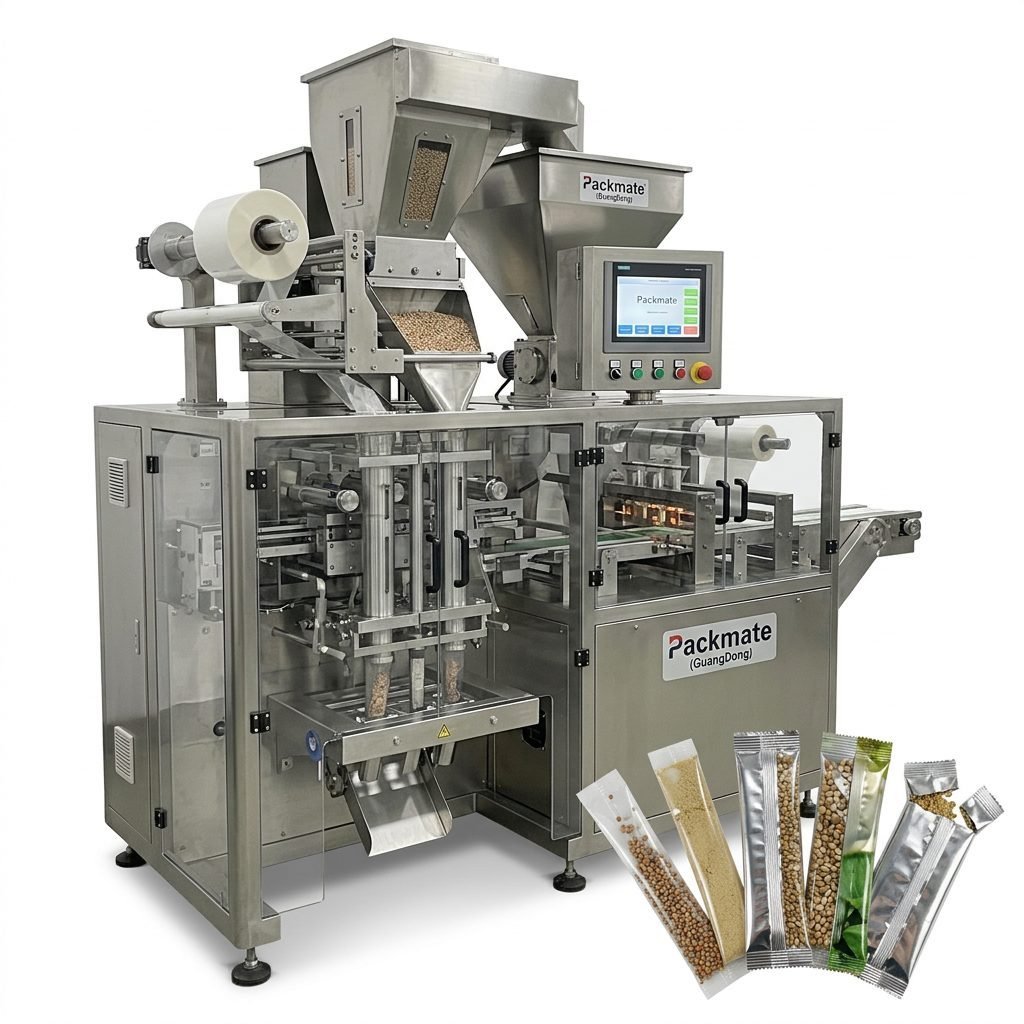
Many manufacturers excel in specific segments. Some focus on economical, reliable case erectors for small to mid-sized businesses, while others specialize in complex, integrated robotic packing cells. For businesses in sectors like food or pharmaceuticals, manufacturers with expertise in hygienic design and specific material handling are key. For example, manufacturers like Packmate Machinery, with deep experience in creating precise packaging solutions for granules and powders, understand the nuances of material handling that can be analogous to certain corrugated packaging challenges, emphasizing the importance of precision engineering across packaging types. You can explore their range of specialized machines, such as sachet and stick pack machines, to understand a focus on automation and reliability.
The Importance of Manufacturer Evaluation
Beyond the machine specs, evaluate the manufacturer itself. How long have they been in business? What is their track record for innovation and support? A visit to their production facility or reviewing their project case studies can provide tangible proof of their capabilities and the real-world applications of their technology.
Implementation and Best Practices
Successful integration goes beyond the purchase order.
Site Preparation and Installation
Ensure your facility has the correct power supply, compressed air, and floor space with adequate clearance for operation and maintenance. Plan for material handling logistics (blank feeding and finished box removal).
Operator Training and Safety
Comprehensive training for operators and maintenance technicians is essential for maximizing uptime and ensuring safe operation. Understand all safety interlocks and emergency stop procedures.
Preventive Maintenance
Adhere strictly to the manufacturer’s recommended maintenance schedule. Regular lubrication, inspection of wear parts (like sealing tapes and drive belts), and cleaning will prevent unexpected failures and extend the machine’s operational life.
Frequently Asked Questions (FAQs)
What is the typical ROI period for a corrugated packaging machine?
The return on investment can vary from 1 to 3 years, depending on the machine’s cost, the labor savings achieved, the reduction in material waste from precise forming, and the increase in production throughput. High-volume operations often see the fastest returns.
Can one machine handle all different box sizes we use?
Most modern machines are designed with a adjustable size range. It’s crucial to confirm that all your required box dimensions fall within the machine’s minimum and maximum specifications. Machines with “random” capabilities can handle varying sizes without manual adjustment between cycles.
How important is after-sales service when choosing a manufacturer?
Extremely important. The quality and speed of technical support, spare parts availability, and access to training directly impact your long-term productivity and total cost of ownership. A slightly cheaper machine from a manufacturer with poor support can become far more expensive due to prolonged downtime.
What are the common maintenance requirements?
Daily tasks include cleaning debris and checking glue or tape systems. Weekly and monthly checks involve lubricating moving parts, inspecting pneumatic components, and ensuring all sensors are clean and aligned. An annual professional service check is highly recommended.
Are there “all-in-one” machines that form, pack, and seal boxes?
Yes, these are typically called case packers or automated packing lines. They integrate case erecting, product loading (via robots or mechanical systems), and top sealing into one continuous system. They represent a higher level of automation and investment, suitable for very high-speed, uniform product lines.