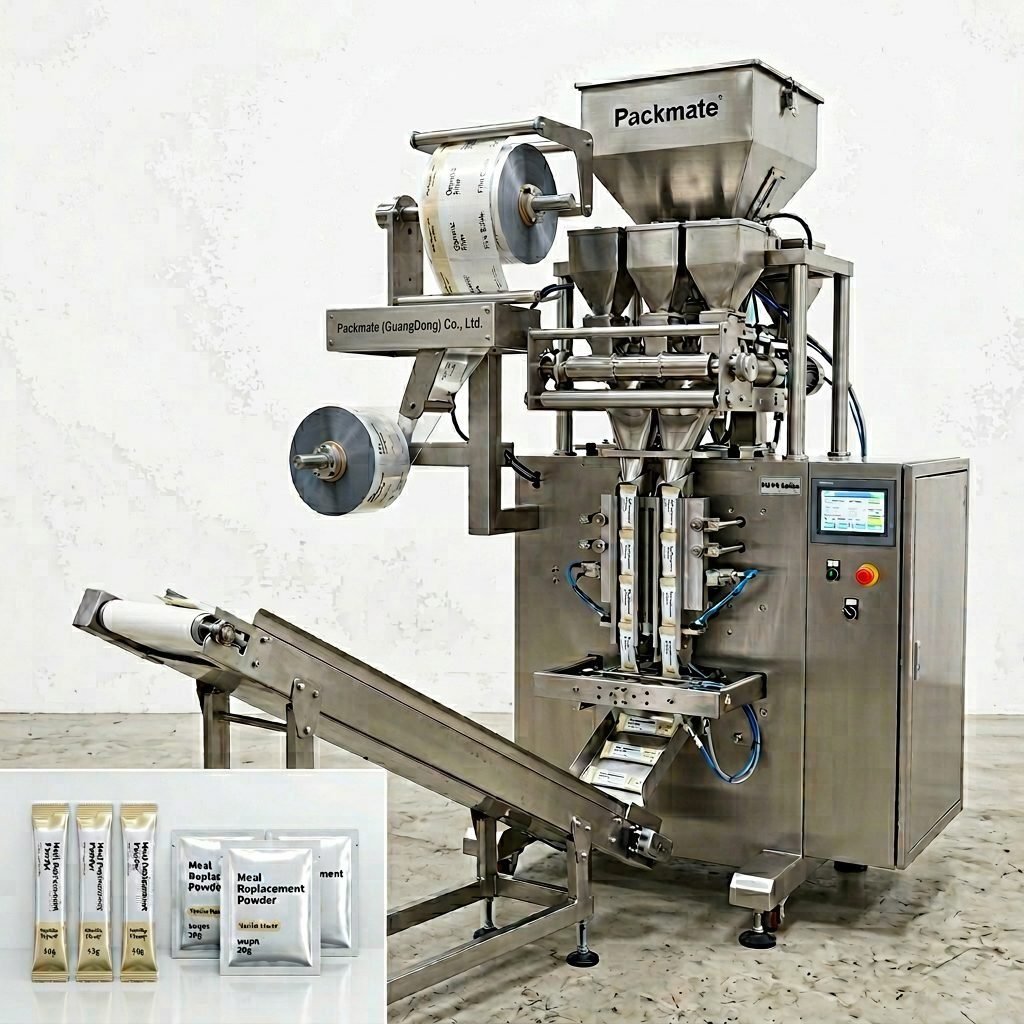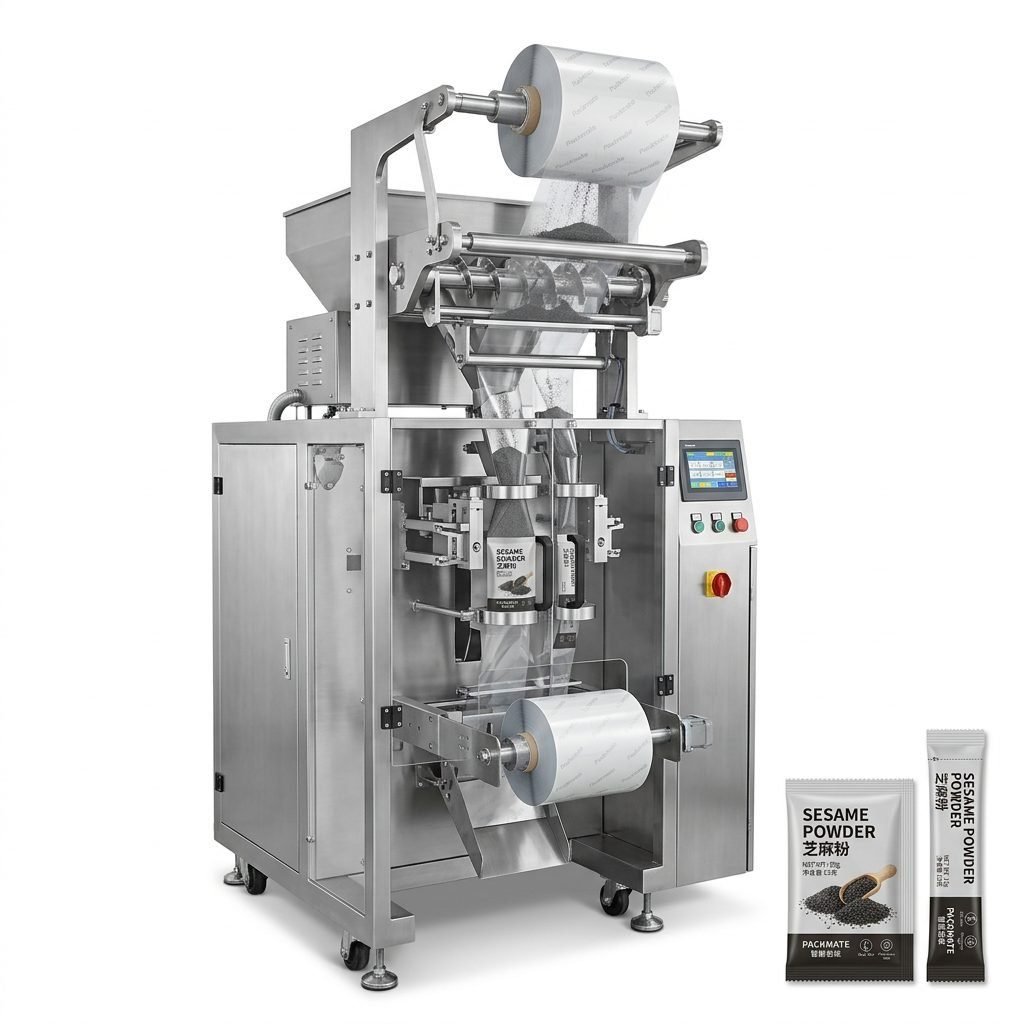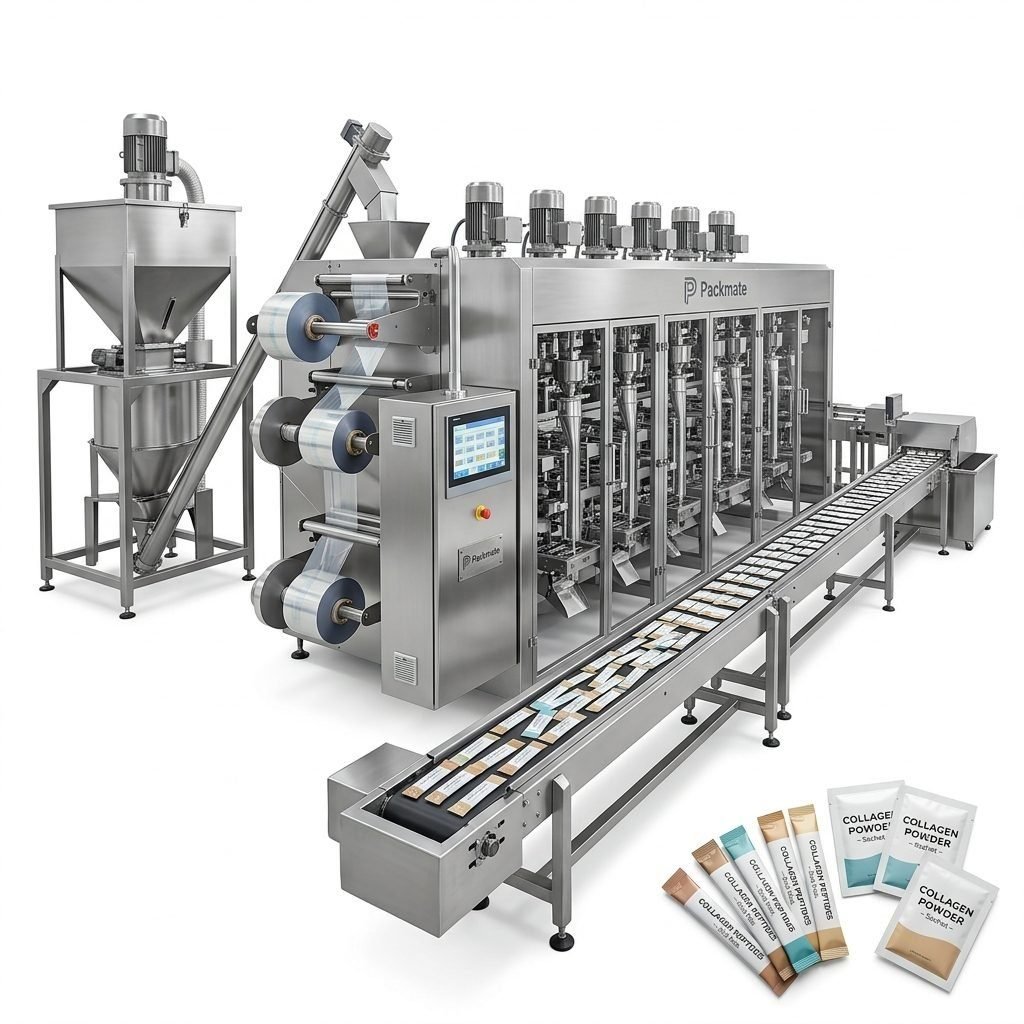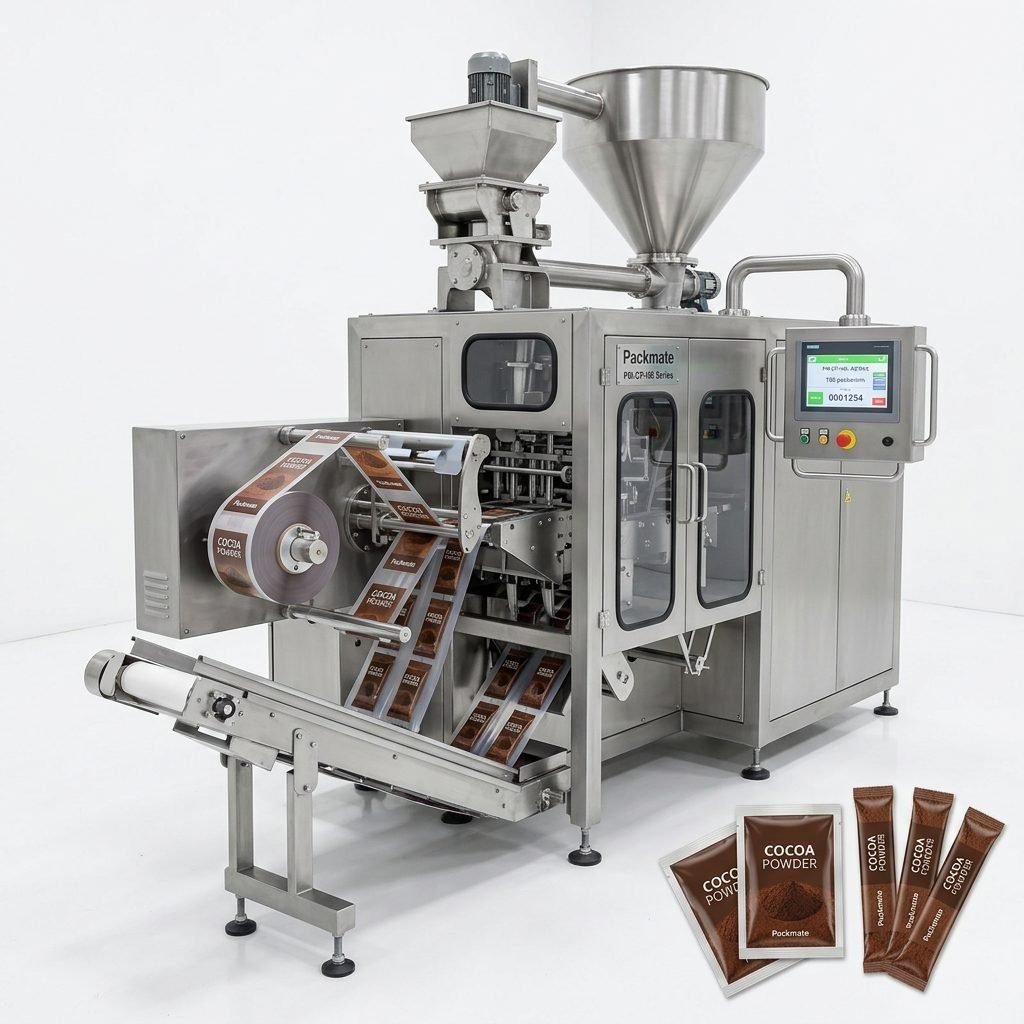
In today’s fast-paced manufacturing landscape, efficiency is not just a goal; it’s a necessity for survival and growth. For businesses handling granular products, powders, or liquids, the packaging process is a critical bottleneck that can determine overall production throughput. This is where carousel packaging machines step into the spotlight, offering a revolutionary approach to high-speed, reliable, and consistent packaging. Unlike linear systems, carousel or rotary packaging machines utilize a circular, multi-station design that allows for simultaneous operations—filling, sealing, coding, and discharging—within a single, continuous rotation. This ingenious engineering translates directly into maximized output, minimized floor space, and superior operational smoothness.
The Core Advantages of Carousel Packaging Systems
The decision to integrate a carousel system is driven by its tangible benefits. First and foremost is unparalleled speed and productivity. By performing multiple functions concurrently at different stations, these machines achieve significantly higher cycles per minute compared to their in-line counterparts. This continuous motion eliminates the start-stop inertia common in linear systems, leading to smoother operation and less wear on components.
Secondly, they offer remarkable space efficiency. The compact rotary footprint is a boon for facilities where floor space is at a premium. Despite their smaller footprint, their output often rivals or exceeds that of much larger linear setups. Furthermore, the design inherently promotes gentle product handling. The smooth, rotational movement is ideal for fragile or delicate products that might be damaged by the sharper motions of other machine types.
Key Feature Spotlight: Precision & Flexibility
Modern carousel machines are not just about speed; they are about smart, adaptable precision. Advanced models feature servo-driven technology for pinpoint accuracy in every movement, from indexing to filling. This allows for quick changeovers between different package sizes or product types, a crucial factor for manufacturers running short batches or diverse product lines. Integration with sophisticated weighing and packaging systems ensures each pouch or sachet meets exact weight specifications, minimizing giveaway and maximizing profit.
Ideal Applications Across Key Industries
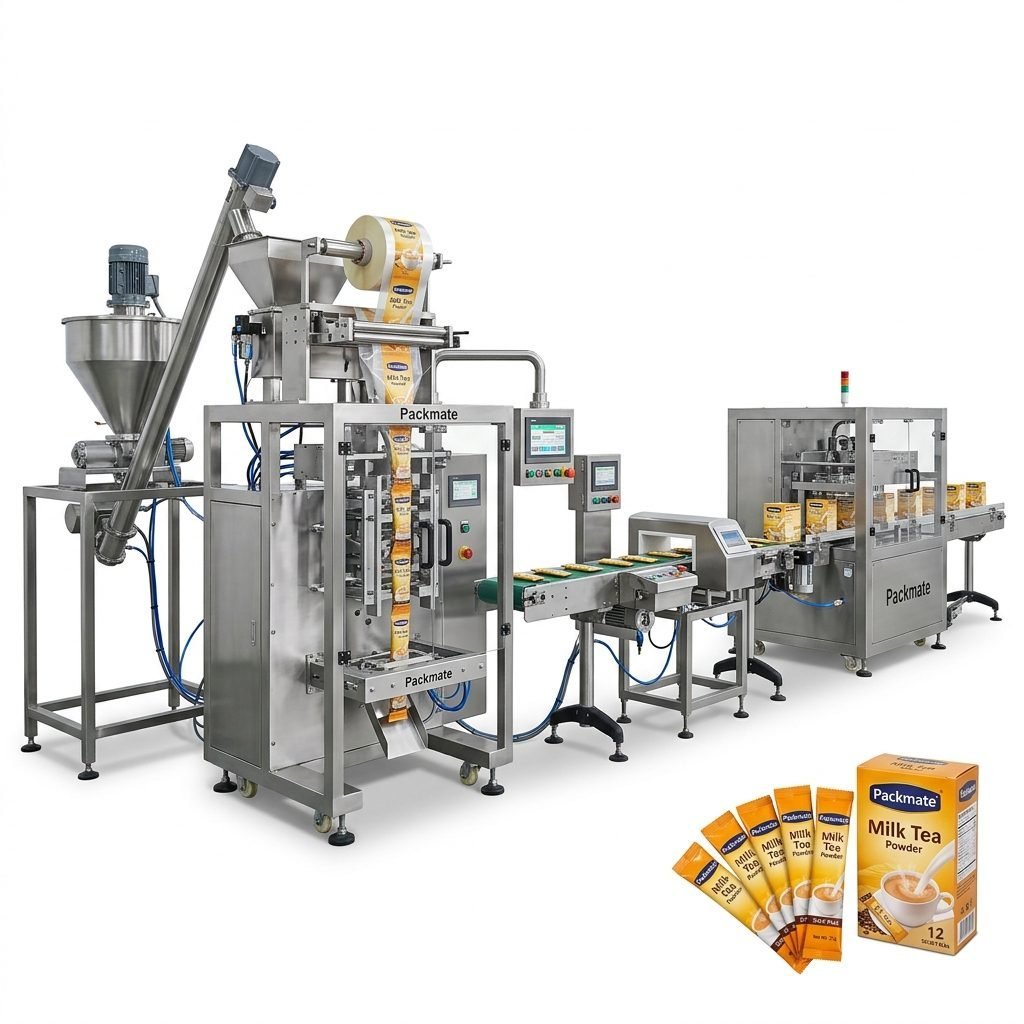
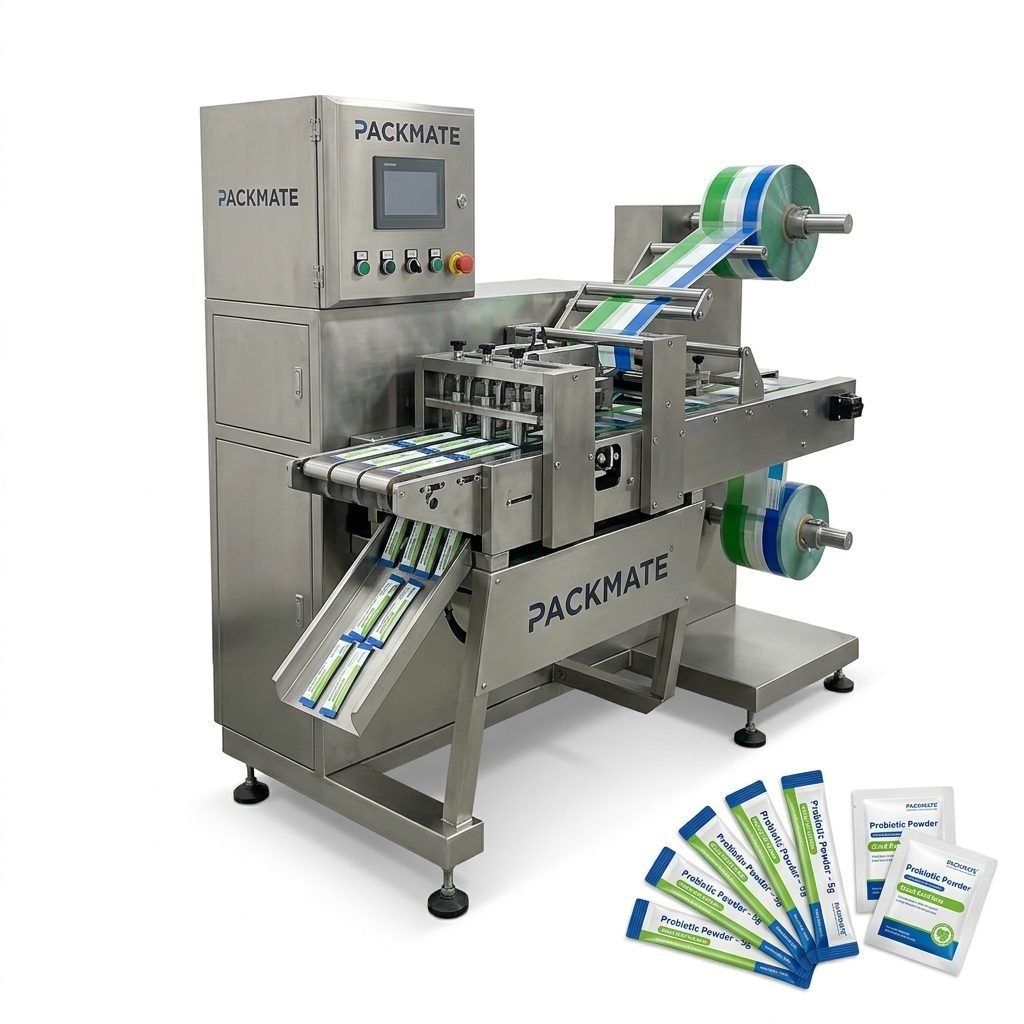
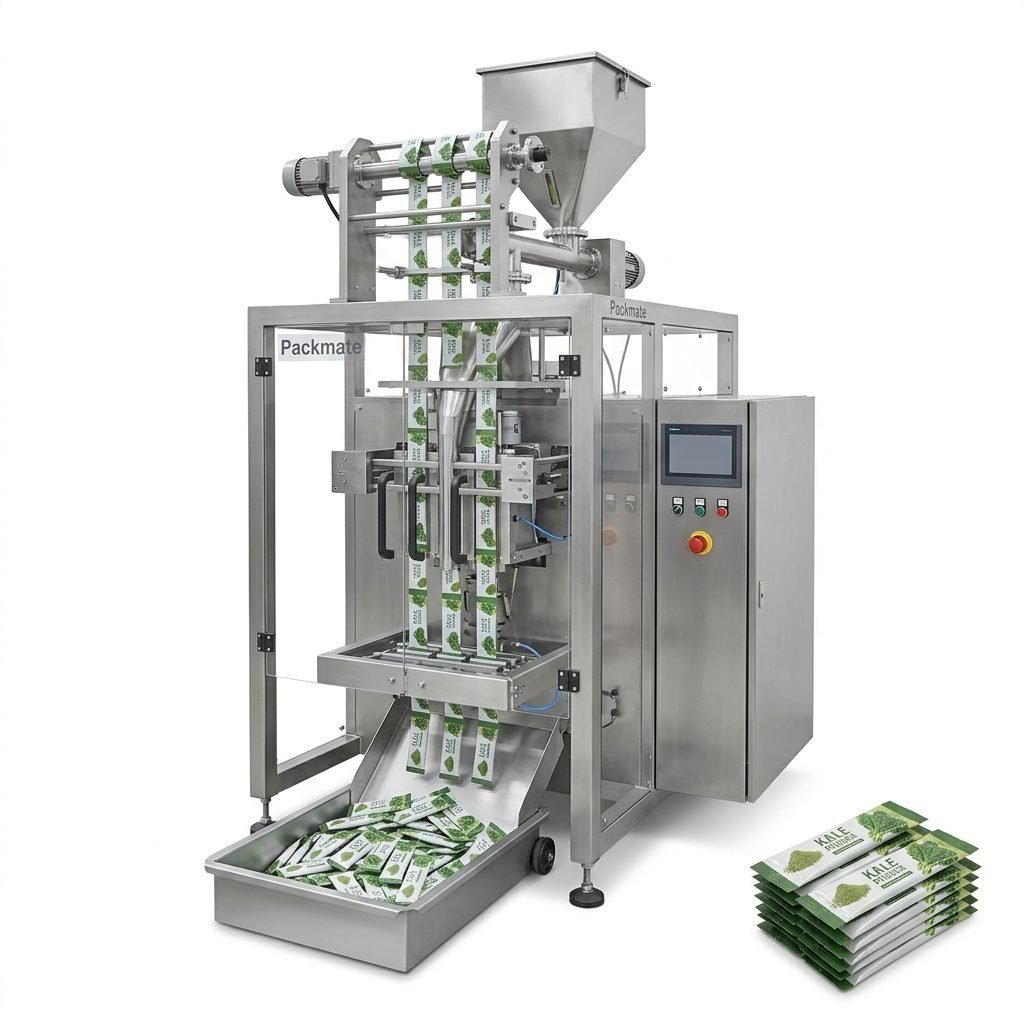
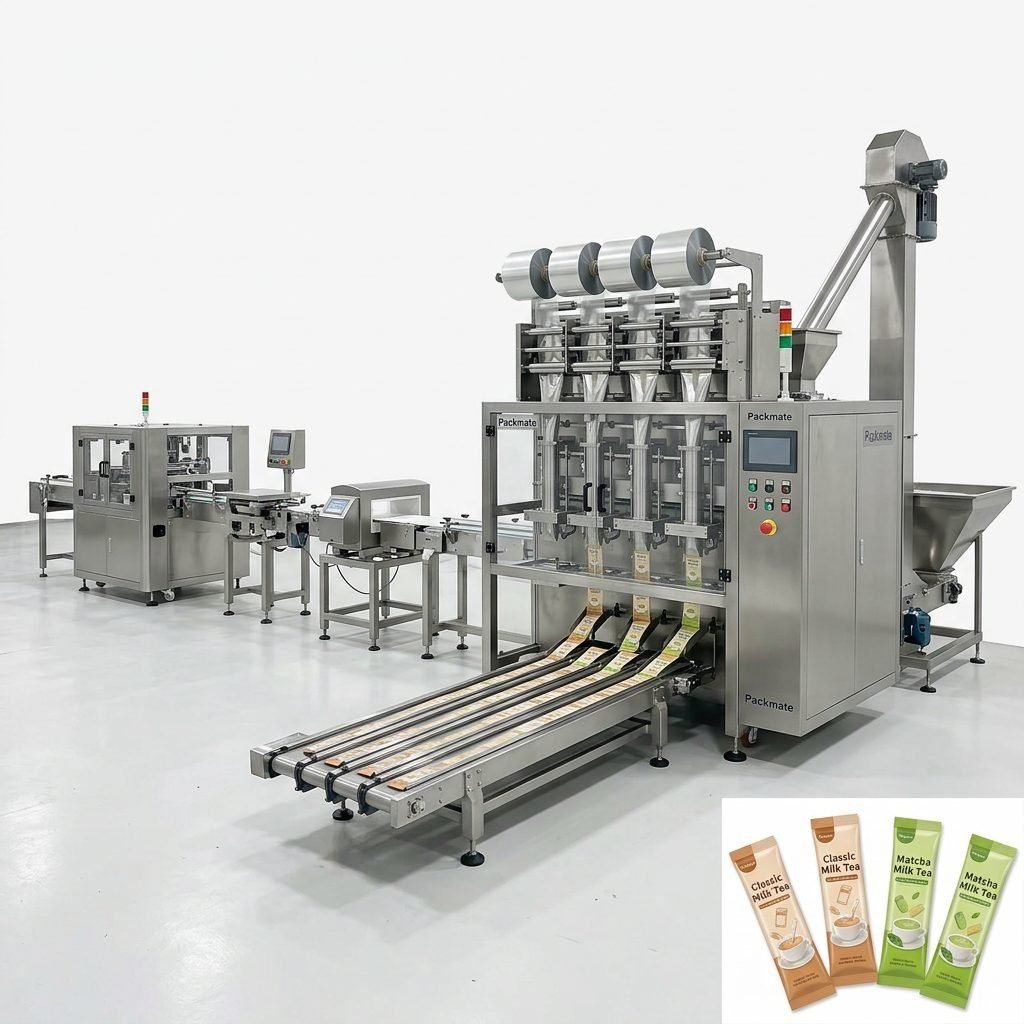
The versatility of carousel packaging solutions makes them indispensable across several sectors. In the food and beverage industry, they excel at packaging spices, drink mixes, instant coffee, sugar, and powdered milk into stick packs or small sachets. The hygienic design and easy-clean features meet stringent food safety standards.
The pharmaceutical and nutraceutical sectors rely on them for dosing powders, granules, and herbal supplements with exceptional accuracy and in controlled environments. For the chemical and agricultural industries, these machines safely handle fertilizers, seeds, and various granular chemicals. A specialized and growing application is in the snus and nicotine pouch market, where high-speed, precise portioning into discreet pouches is required.
Choosing the Right Carousel Machine: A Strategic Guide
Selecting the optimal carousel packaging machine requires a careful analysis of your specific needs. Begin by defining your primary product characteristics: Is it a free-flowing granule, a fine powder, or a cohesive solid? This determines the best feeding and filling mechanism. Next, consider your required output speed (packs per minute) and the bag style (e.g., three-side seal pouch, four-side seal, stick pack).
Material compatibility is another critical factor. Ensure the machine’s contact parts are constructed from materials suitable for your product, whether it requires food-grade stainless steel or corrosion-resistant coatings. Don’t overlook future-proofing. Opt for a machine from a manufacturer known for innovation, like Packmate Machinery, which offers scalable solutions that can grow with your business. Their expertise in creating complete filling and packaging lines means you can integrate auxiliary equipment seamlessly as needed.
Maximizing Your Investment: Integration & Support
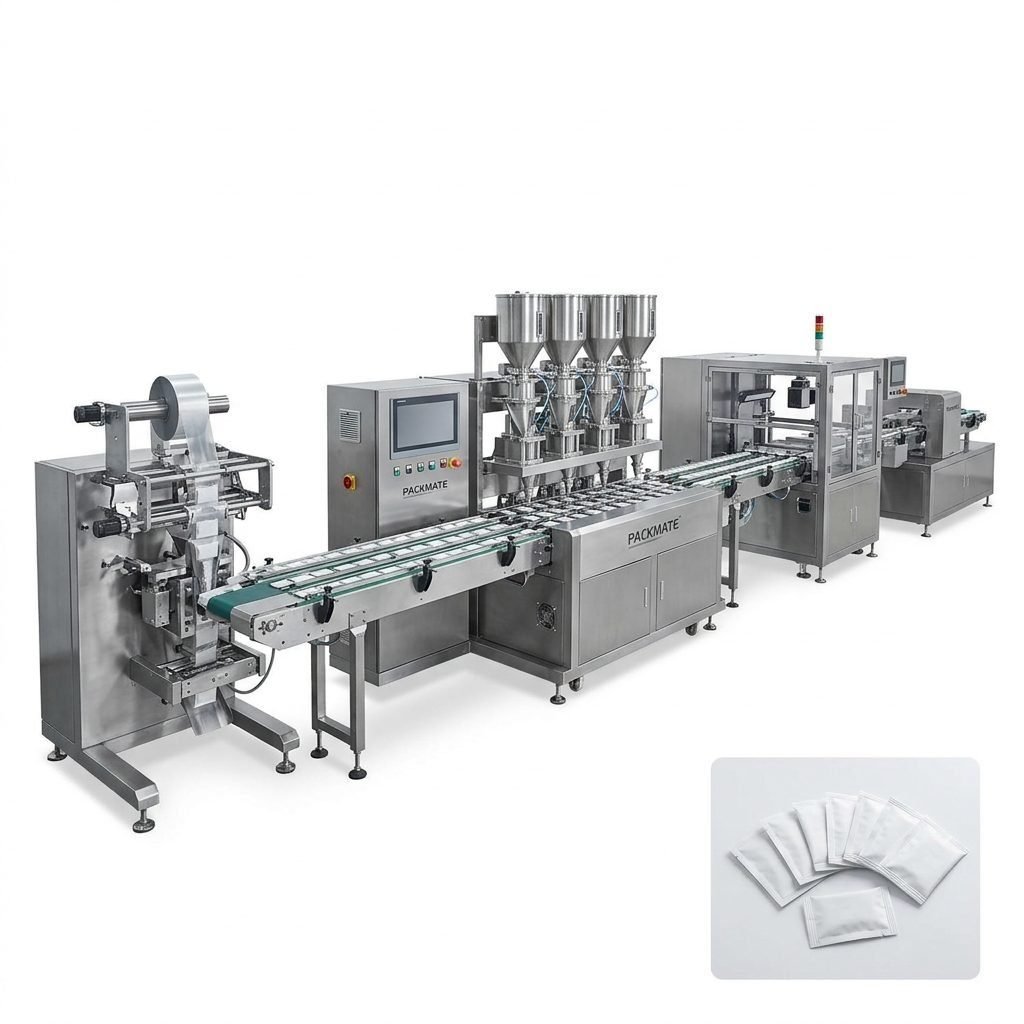
The true power of a carousel machine is unlocked when it is perfectly integrated into your production line. This involves seamless connectivity with upstream equipment like mixers or feeders and downstream systems like cartoners or case packers. Partnering with a provider that offers comprehensive turnkey solutions ensures all components work in harmony.
Post-purchase support is equally vital. Look for suppliers who provide thorough operator training, detailed technical documentation, and readily available spare parts. A robust service network guarantees minimal downtime. Companies with a long history, such as Packmate with over 22 years of development, often have the depth of experience to offer reliable long-term support and continuous innovation, protecting your investment for years to come.
The Future of Carousel Packaging: Trends to Watch
The evolution of carousel packaging is tightly linked to Industry 4.0. The next generation of machines will feature even deeper IoT (Internet of Things) connectivity, enabling real-time production monitoring, predictive maintenance alerts, and seamless data exchange with factory management systems. Sustainability is another driving force, with machines being designed for easier use of recyclable or compostable films and to reduce material waste through even more precise dosing.
Furthermore, artificial intelligence and machine vision systems are being integrated for unparalleled quality control, automatically detecting and rejecting packages with sealing defects, incorrect fill levels, or misprinted codes without slowing down the production pace.
Frequently Asked Questions (FAQs)
1. What is the main difference between a carousel packaging machine and a linear machine?
The core difference lies in the motion and layout. Linear machines process packages in a straight line, with operations occurring sequentially. Carousel (rotary) machines process packages on a rotating platform, allowing multiple operations (filling, sealing, etc.) to happen simultaneously at different stations around the circle. This makes carousels typically faster and more space-efficient for high-volume production.
2. How difficult is it to change over a carousel machine for a different product or package size?
Changeover complexity varies by model. Modern, servo-driven carousel machines are designed for quick changeovers. With digital settings recall and tool-less adjustments for certain parts, changeover times can often be reduced to 30 minutes or less, especially when supported by clear procedures from the manufacturer like those provided by Packmate’s service team.
3. What types of products are NOT suitable for carousel packaging?
While versatile, carousels are generally optimized for dry, free-flowing granular products, powders, and small solids. Very sticky products, extremely long or fibrous materials, or large, irregularly shaped items may not feed reliably through a standard carousel system and might require a customized linear or other specialized solution.
4. Can a carousel machine handle different packaging materials, like recyclable films?
Yes, most modern machines can handle a wide range of laminates and films, including monomaterials designed for recyclability. The key is ensuring the machine’s sealing jaws (temperature, pressure, dwell time) are correctly calibrated for the specific material. Reputable manufacturers test machine performance with your chosen film during the commissioning phase.
5. What kind of maintenance does a carousel packaging machine require?
Regular preventative maintenance is crucial for longevity and uptime. This typically includes daily cleaning, weekly lubrication of specified points, and periodic inspection of wear parts like seals, gaskets, and cutting blades. Following the manufacturer’s maintenance schedule and using genuine spare parts are essential for optimal performance.