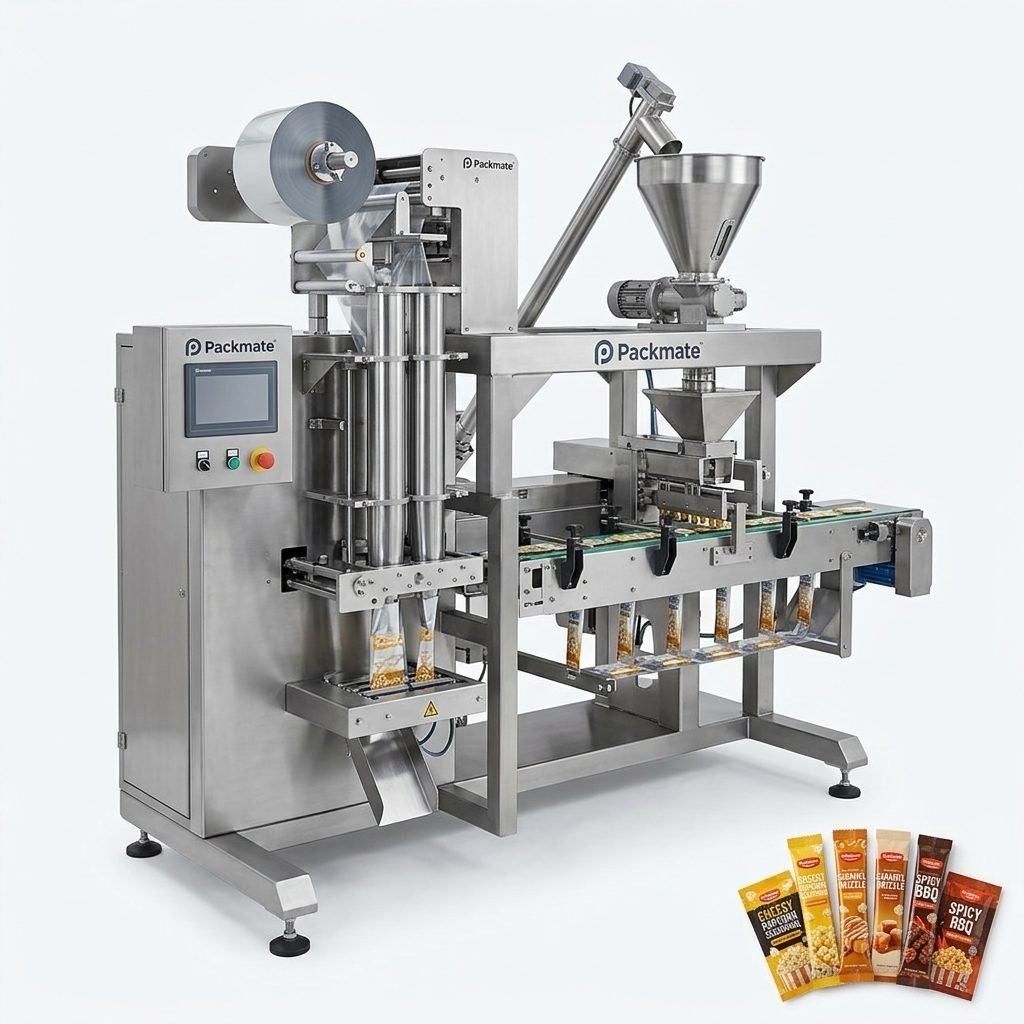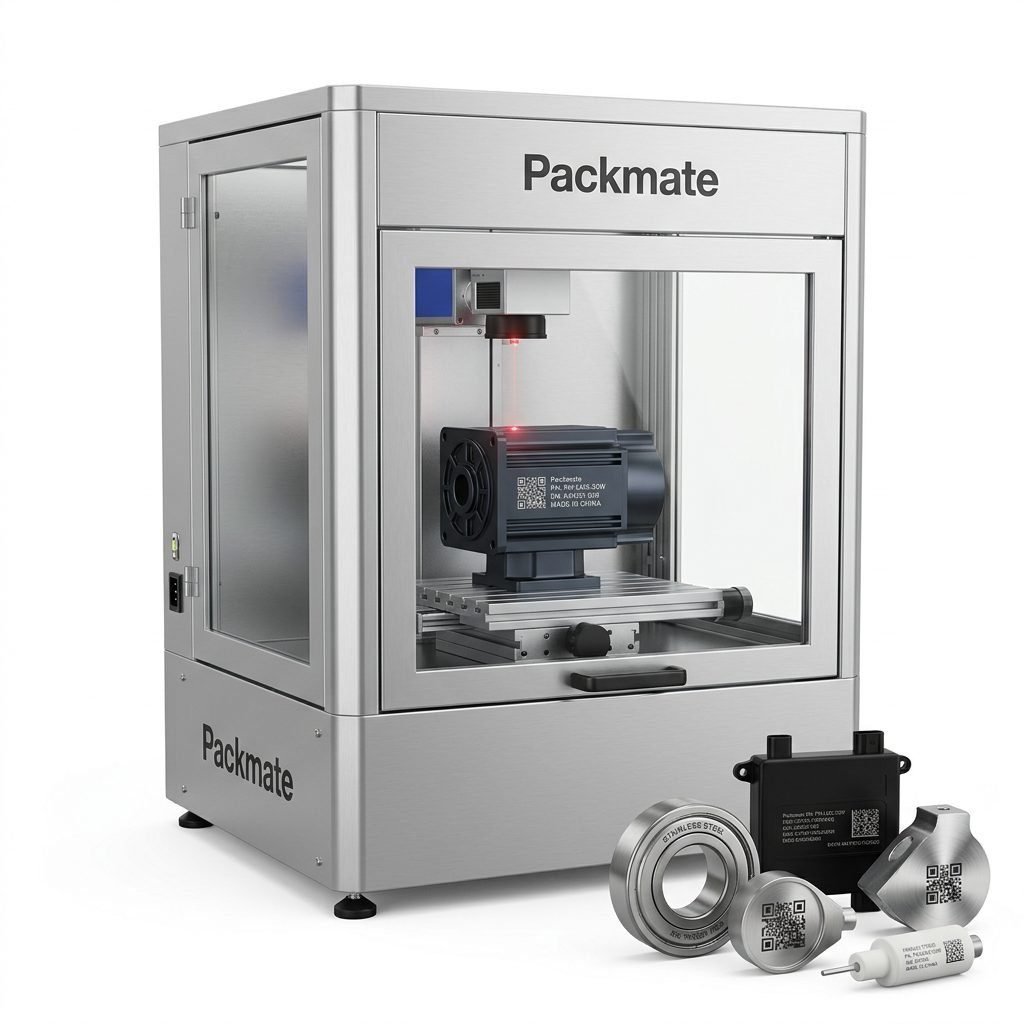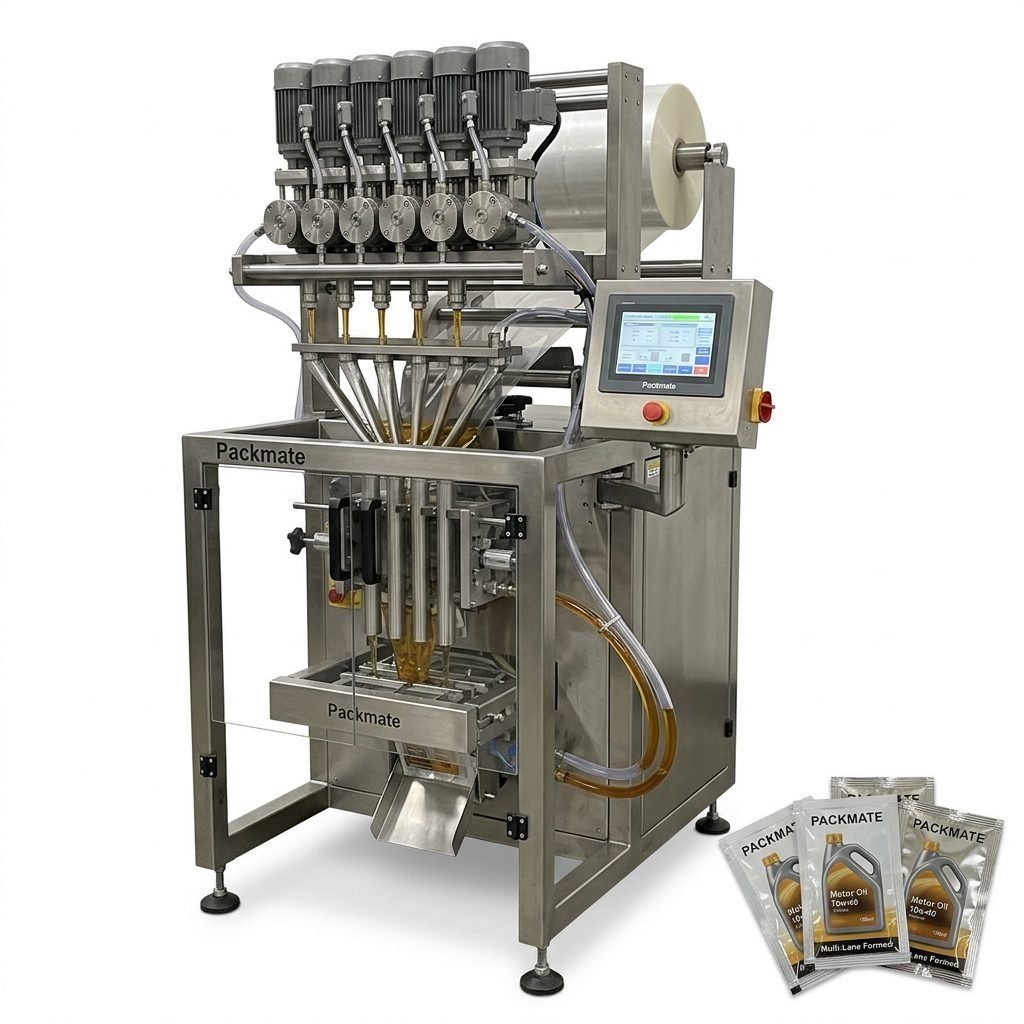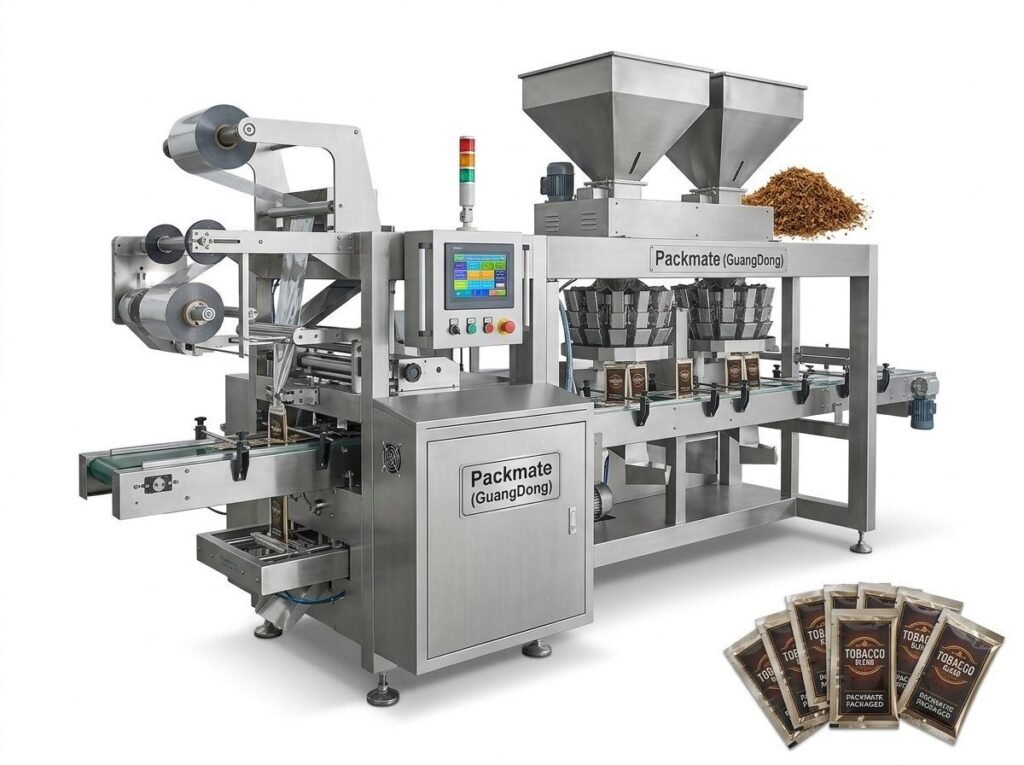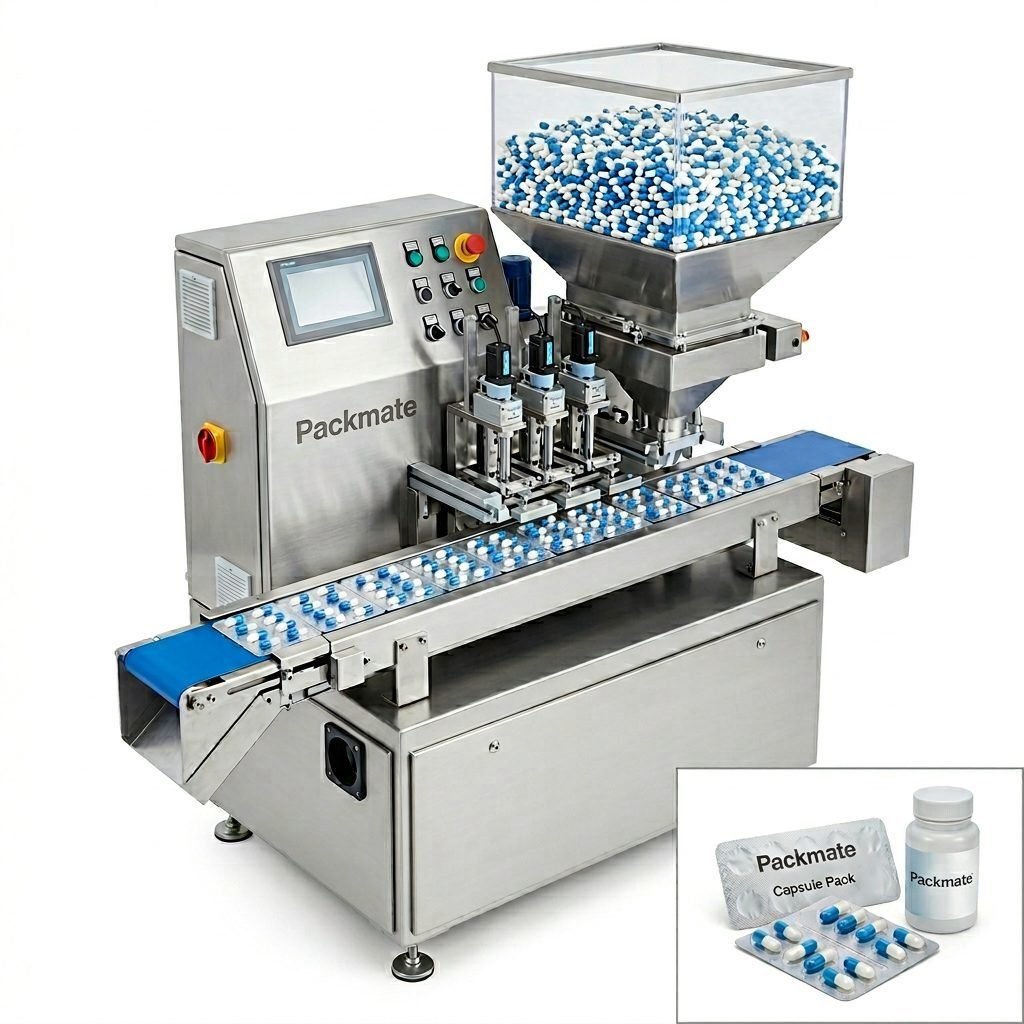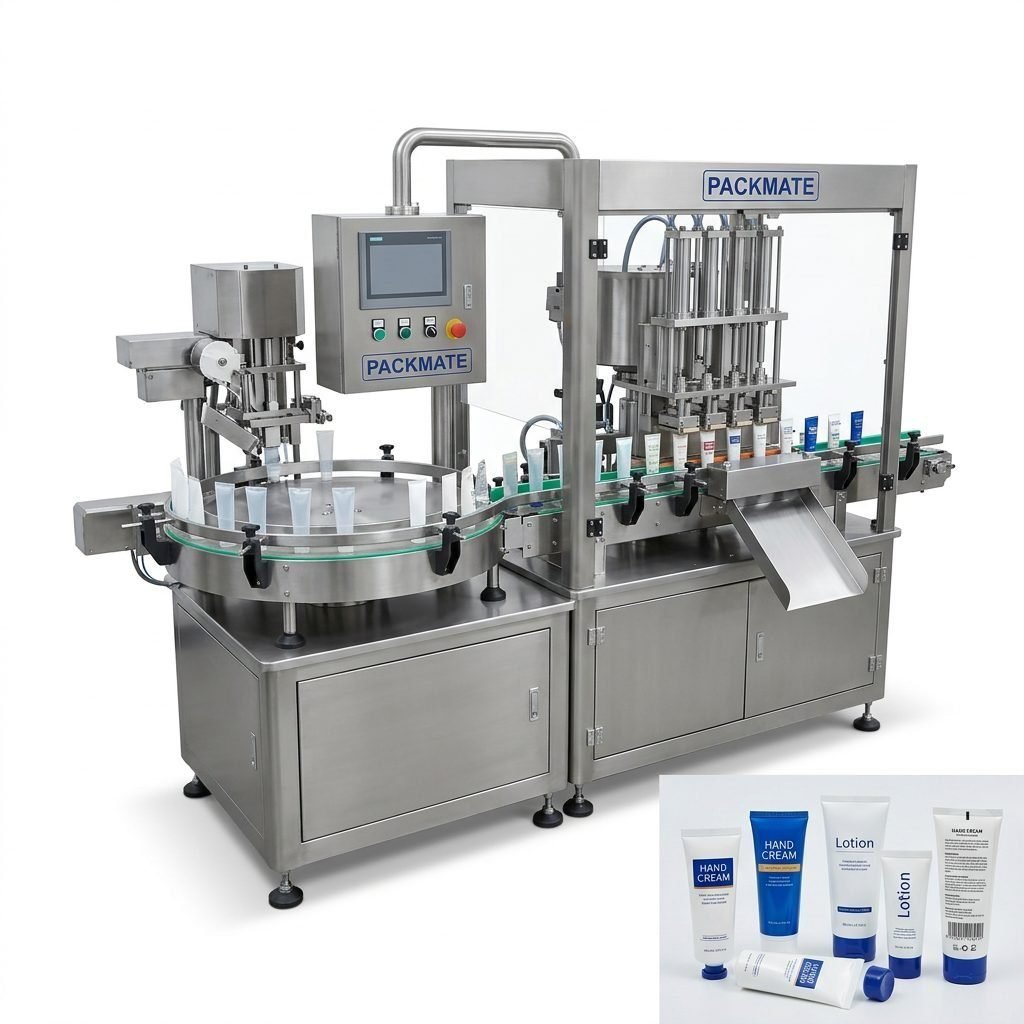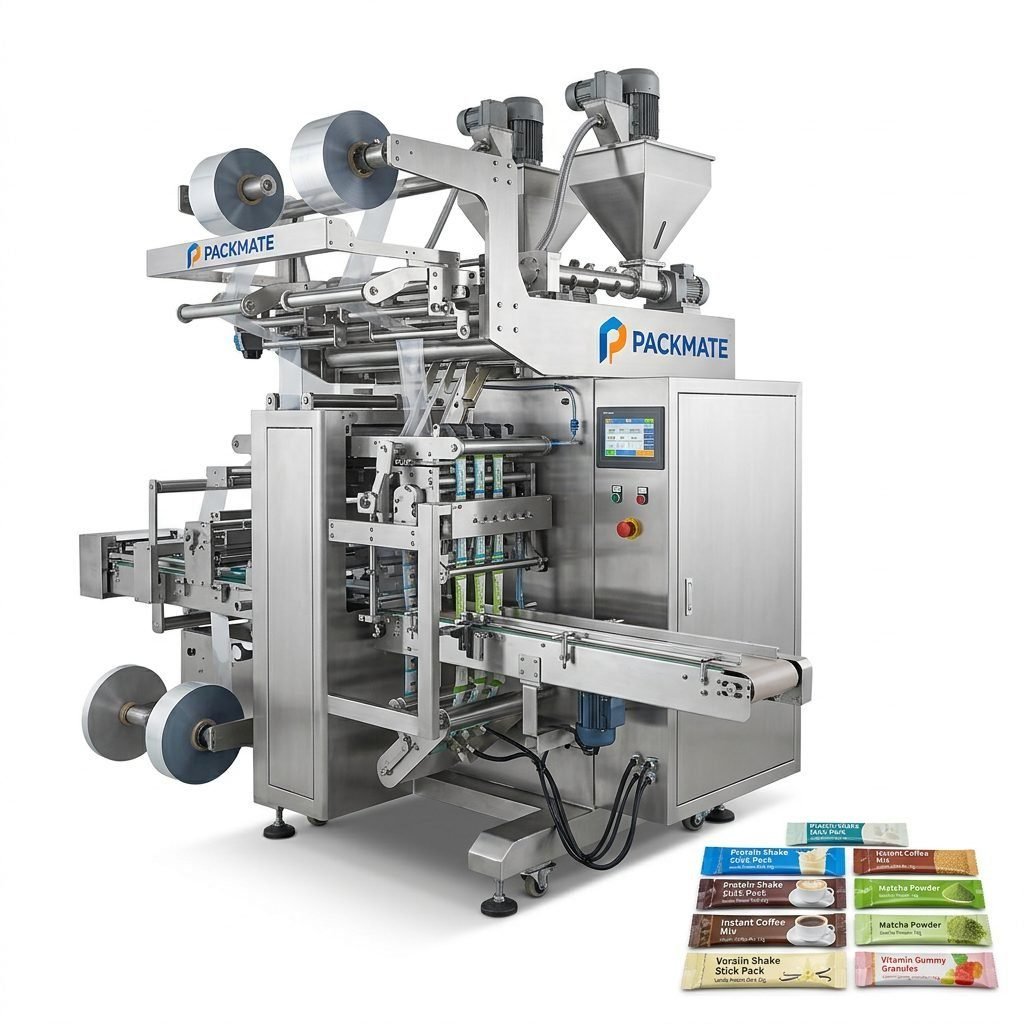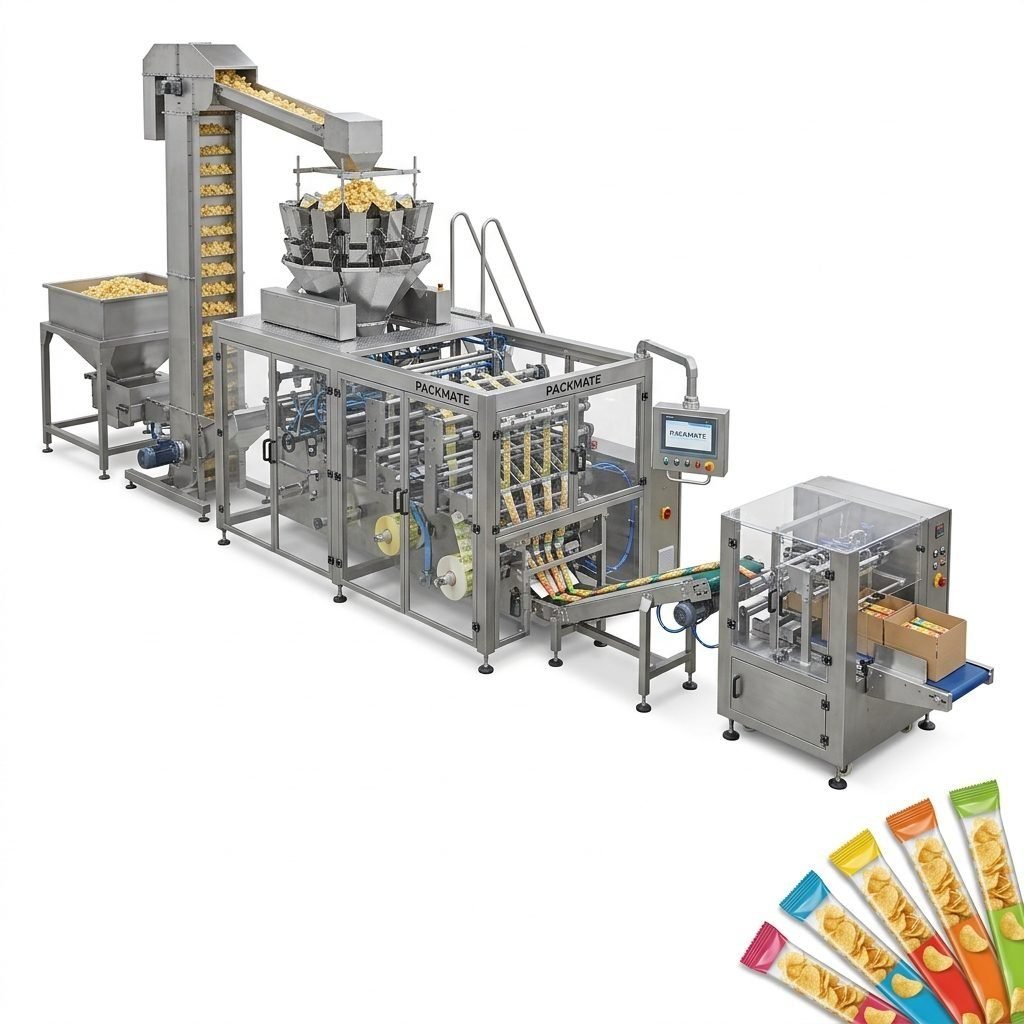
In the fast-paced world of food production, efficiency, hygiene, and product integrity are non-negotiable. The cornerstone of achieving these goals lies in selecting the right packaging machinery. Top-tier food packaging machine manufacturers are not just equipment suppliers; they are strategic partners who provide efficient, reliable, and innovative solutions that streamline operations, reduce waste, and ensure consumer safety. This article explores the critical role these manufacturers play and highlights the qualities that set industry leaders apart.
The Critical Role of Packaging Machinery in Modern Food Production
Modern food packaging extends far beyond simple containment. It is a sophisticated process integral to supply chain logistics, marketing, and food safety. Advanced machinery automates tasks like weighing, filling, sealing, and labeling with precision and speed unattainable by manual labor. This automation is vital for maintaining consistency, meeting high-volume demands, and complying with stringent global food safety standards such as HACCP and GMP. Investing in equipment from reputable manufacturers directly translates to enhanced operational efficiency, reduced product giveaway, and a stronger brand reputation through impeccable package quality.
Key Challenges Addressed by Advanced Packaging Solutions
Manufacturers face a myriad of challenges, from managing diverse product formats (granules, powders, liquids, pastes) to ensuring shelf-life extension and adapting to sustainable packaging trends. Leading machine builders design solutions specifically to overcome these hurdles:
Product Versatility: High-end machines offer quick changeover capabilities, allowing the same line to handle different package sizes and types, such as switching from sachets to stick packs with minimal downtime.
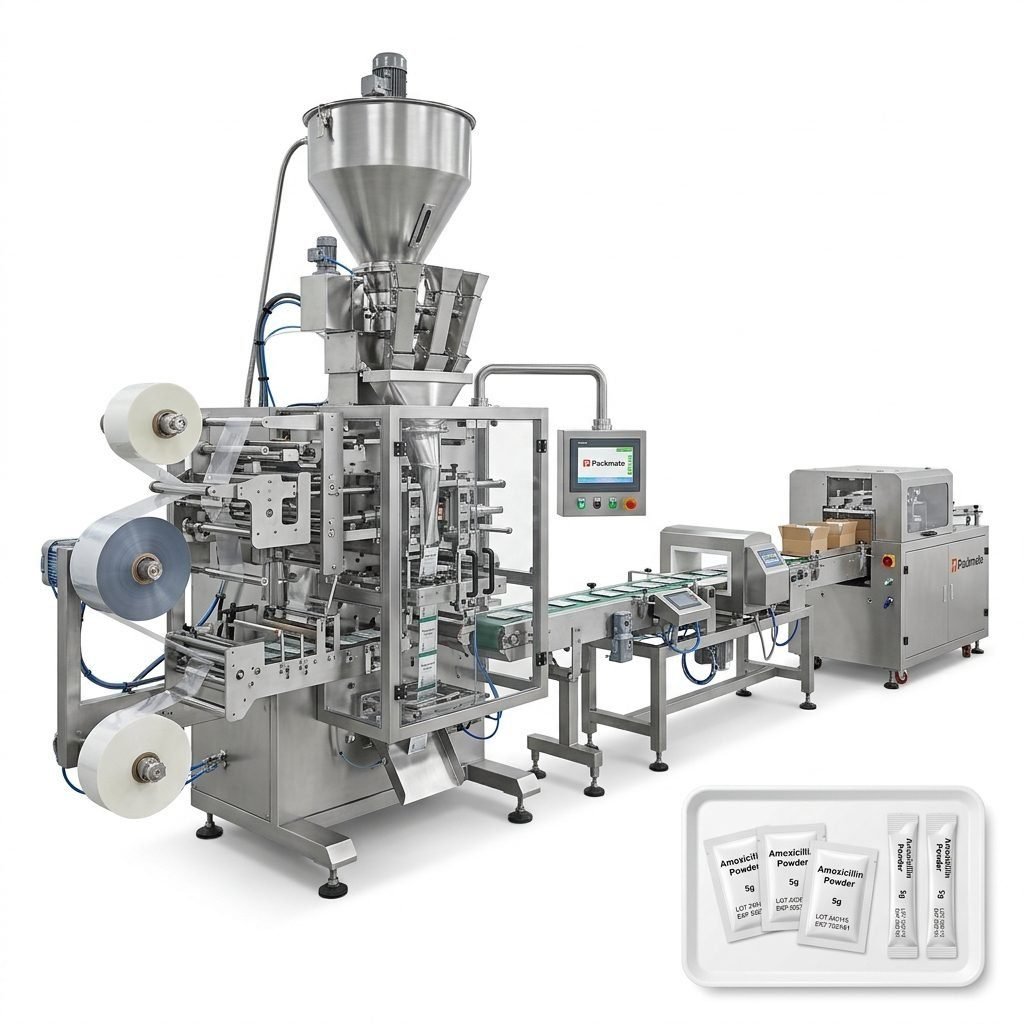
Accuracy and Hygiene: Precision multi-head weighers and auger fillers minimize product waste, while stainless-steel constructions and CIP (Clean-in-Place) systems ensure supreme hygiene for sensitive products.
Sustainability Integration: Modern machines are engineered to work efficiently with recyclable, compostable, or reduced-plastic materials, helping brands meet their environmental goals.
Hallmarks of a Top Food Packaging Machine Manufacturer
Identifying a true industry leader requires looking beyond the basic specifications. The best manufacturers distinguish themselves through a combination of engineering excellence, comprehensive support, and a forward-thinking approach.
1. Deep Industry Expertise and Proven Track Record
Experience is irreplaceable. A manufacturer with decades in the field, like Packmate Machinery, has navigated evolving market demands and regulatory landscapes. This history translates into robust, field-tested machine designs. For instance, with over 30 years of expertise, such a company understands the precise engineering required for sealing different film materials or maintaining powder flow consistency, ensuring their machines deliver reliability from day one.
2. Commitment to Innovation and R&D
The packaging industry is dynamic. Top manufacturers invest heavily in research and development to integrate the latest technologies. This includes the adoption of Industry 4.0 principles, with machines featuring IoT sensors for predictive maintenance, user-friendly HMI touchscreens for operational control, and connectivity for seamless data integration into factory management systems. This focus on innovation ensures clients’ packaging lines remain competitive and future-proof.
3. Comprehensive Product Portfolio and Turnkey Solutions
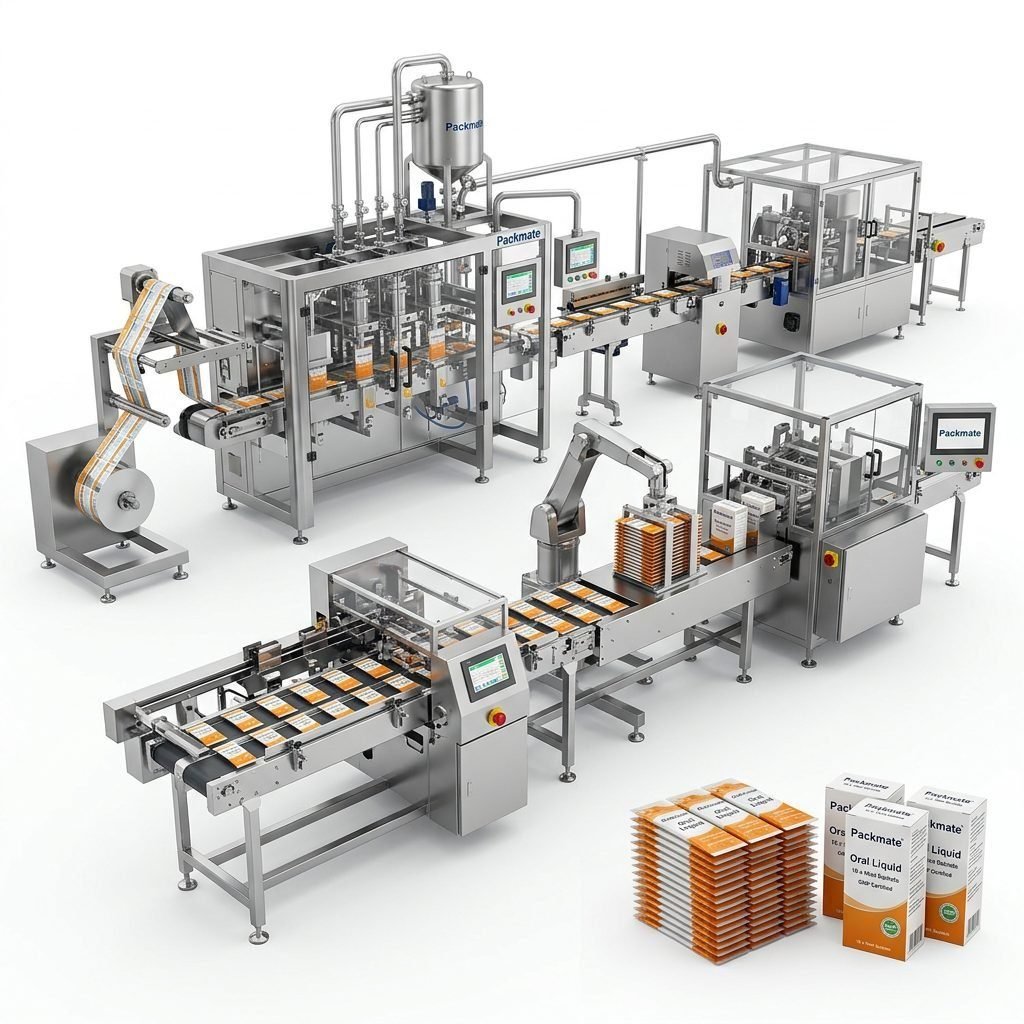
A leading provider doesn’t just sell individual machines; it offers complete systems. A broad portfolio—from single sachet machines to integrated filling and packaging lines—allows them to design a cohesive solution tailored to a client’s specific throughput, product, and budget. The ability to provide end-to-end, turnkey projects, including installation, commissioning, and training, is a significant value-add that minimizes project risk for the buyer.
4. Uncompromising Quality Control and Manufacturing Scale
Quality is built into the manufacturing process. Top-tier operations are housed in modern facilities, such as the 20,000㎡ factory utilized by Packmate, equipped with advanced CNC machining centers and rigorous testing protocols. Every component and assembled machine undergoes strict quality checks. This scale and discipline ensure consistent product quality, timely delivery, and the durability needed for 24/7 production environments.
5. Global Support and Service Network
The relationship begins at the sale but is defined by the service after. Efficient solutions require reliable support. Premier manufacturers establish a global network of service engineers and supply spare parts to ensure minimal operational disruption. They provide extensive documentation, remote troubleshooting capabilities, and readily available technical assistance, guaranteeing that their clients’ investments are protected for the long term.
Implementing Efficient Packaging Solutions: A Strategic Approach
Selecting and integrating new packaging machinery is a strategic decision. A methodical approach ensures the chosen solution aligns perfectly with business objectives.
1. Needs Analysis: Clearly define current pain points, desired output, product types, and future growth plans.
2. Supplier Evaluation: Shortlist manufacturers based on the hallmarks discussed. Review their case studies and client testimonials relevant to your sector.
3. Solution Design & Quotation: Engage with engineers for a detailed proposal, including layout drawings, performance guarantees, and a total cost of ownership analysis.
4. Installation & Training: Plan for expert installation and comprehensive operator training to achieve a smooth ramp-up to full productivity.
5. Ongoing Partnership: Leverage the manufacturer’s service and support for maintenance, parts, and potential future upgrades.
Conclusion
Partnering with a top food packaging machine manufacturer is a pivotal step toward building a more efficient, resilient, and profitable production operation. These manufacturers provide much more than hardware; they deliver integrated solutions built on expertise, innovation, and a commitment to partnership. By focusing on providers with a strong track record, a culture of quality, and global support capabilities, food producers can secure the reliable technology needed to thrive in a competitive marketplace, safeguard their products, and meet the ever-changing demands of consumers and retailers alike.
Frequently Asked Questions (FAQs)
Q1: What is the typical lead time for a new packaging machine?
A: Lead times vary based on machine complexity and customization. For standard models from established manufacturers, it can range from 8 to 16 weeks. Custom or fully integrated turnkey lines may require 20 weeks or more. Always confirm timelines during the quotation process.
Q2: Can one machine handle different types of packaging, like sachets and stick packs?
A> Many modern machines are designed for versatility. Some advanced models offer quick-change tooling kits that allow switching between sachet and stick pack formats. However, significant format changes might require a dedicated machine or a modular line designed for such flexibility from the outset.
Q3: How important is after-sales service when choosing a manufacturer?
A: It is critically important. The quality and responsiveness of after-sales support directly impact your machine’s uptime and longevity. Prioritize manufacturers with a proven service network, readily available spare parts inventory, and offers like remote diagnostics and on-call technical support.
Q4: What are the key maintenance requirements for food packaging machines?
A: Regular preventive maintenance is essential. This typically includes daily cleaning and lubrication, weekly checks of seals and sensors, and periodic inspection of critical wear parts like cutting blades and heating elements. Your manufacturer should provide a detailed maintenance schedule and training.
Q5: Are machines compatible with sustainable or biodegradable packaging films?
A: This is a growing focus. Leading manufacturers are continuously adapting sealing jaw technology, temperature controls, and film handling systems to work effectively with newer, more sustainable materials. It is crucial to discuss your specific film specifications with the manufacturer during the design phase to ensure compatibility.