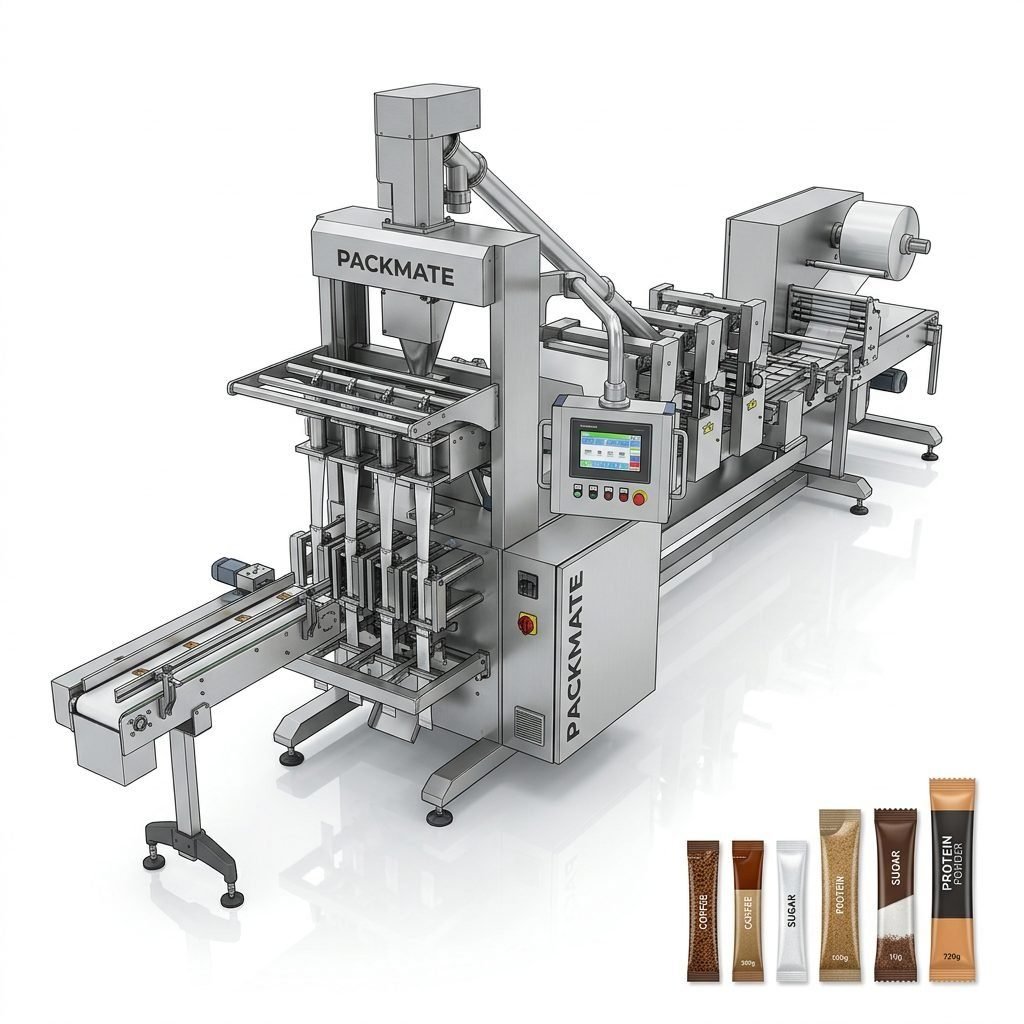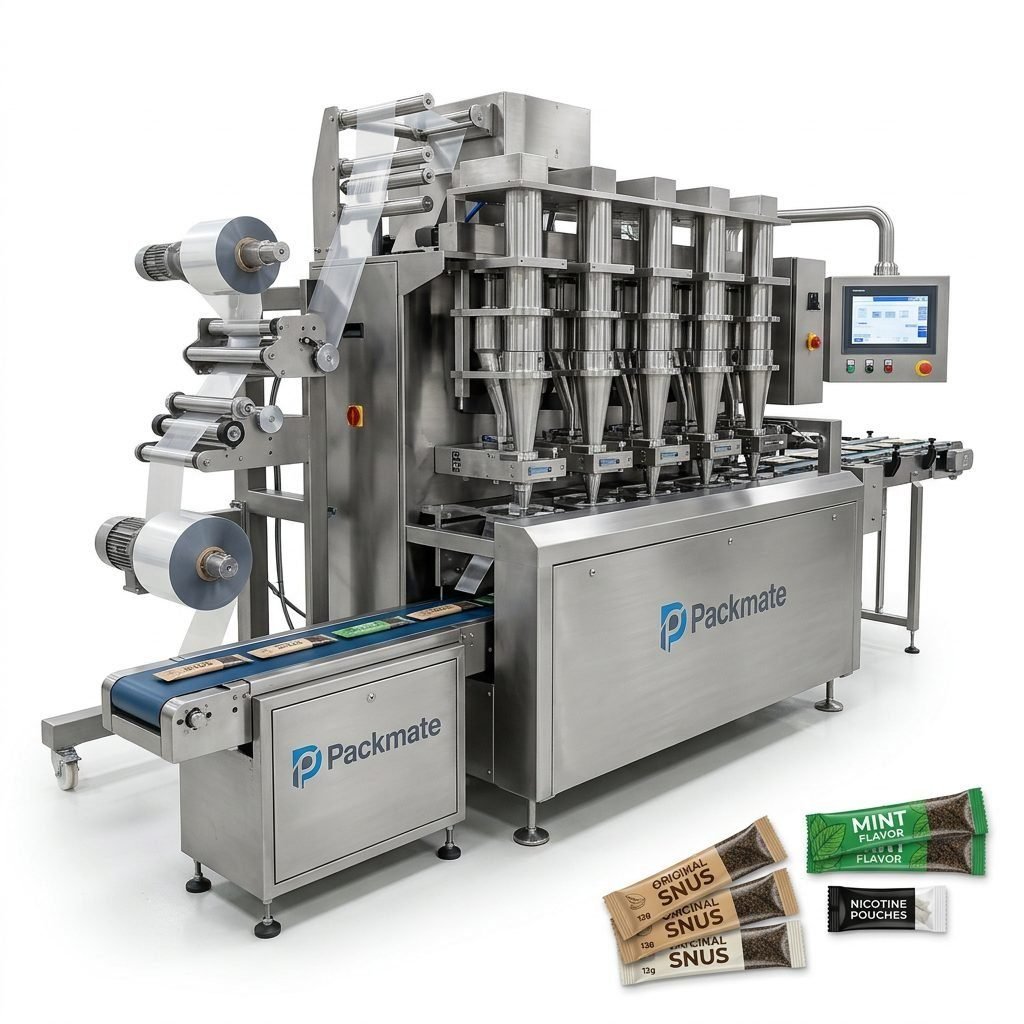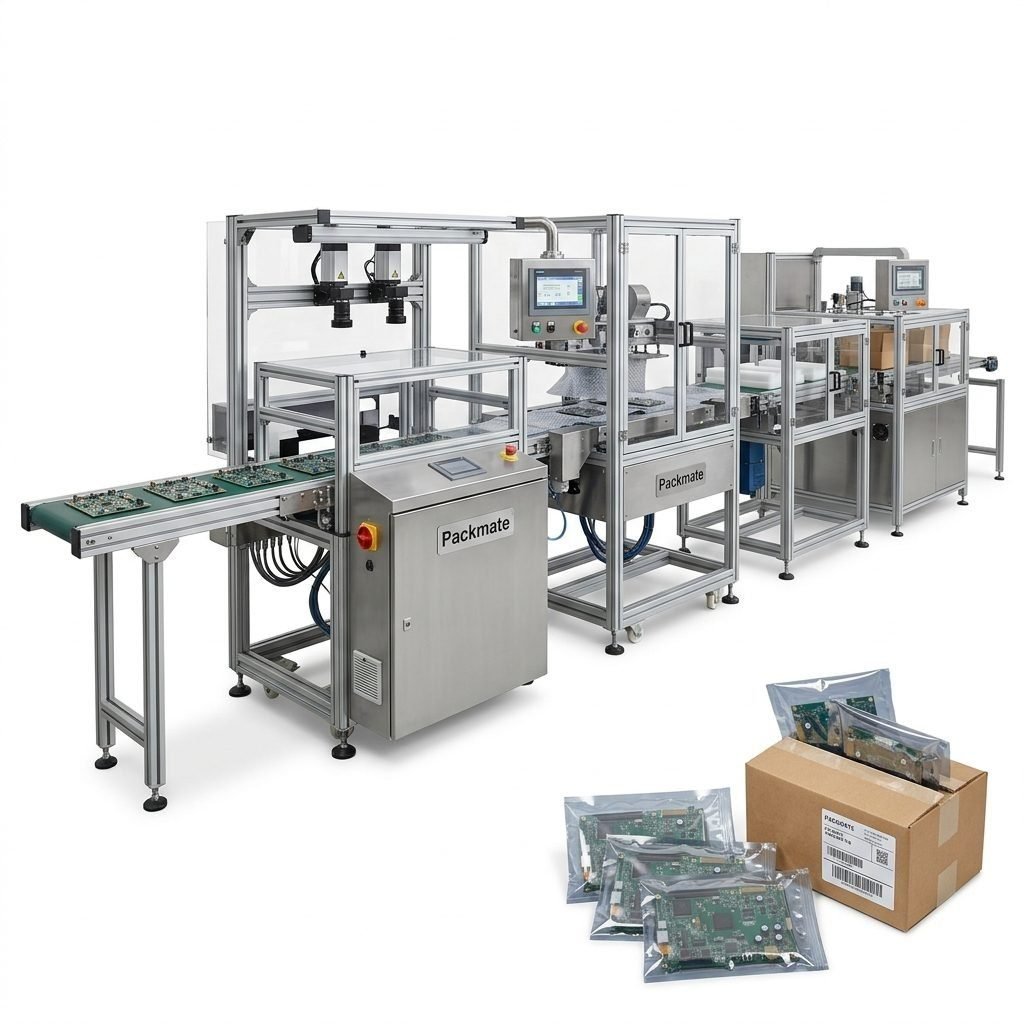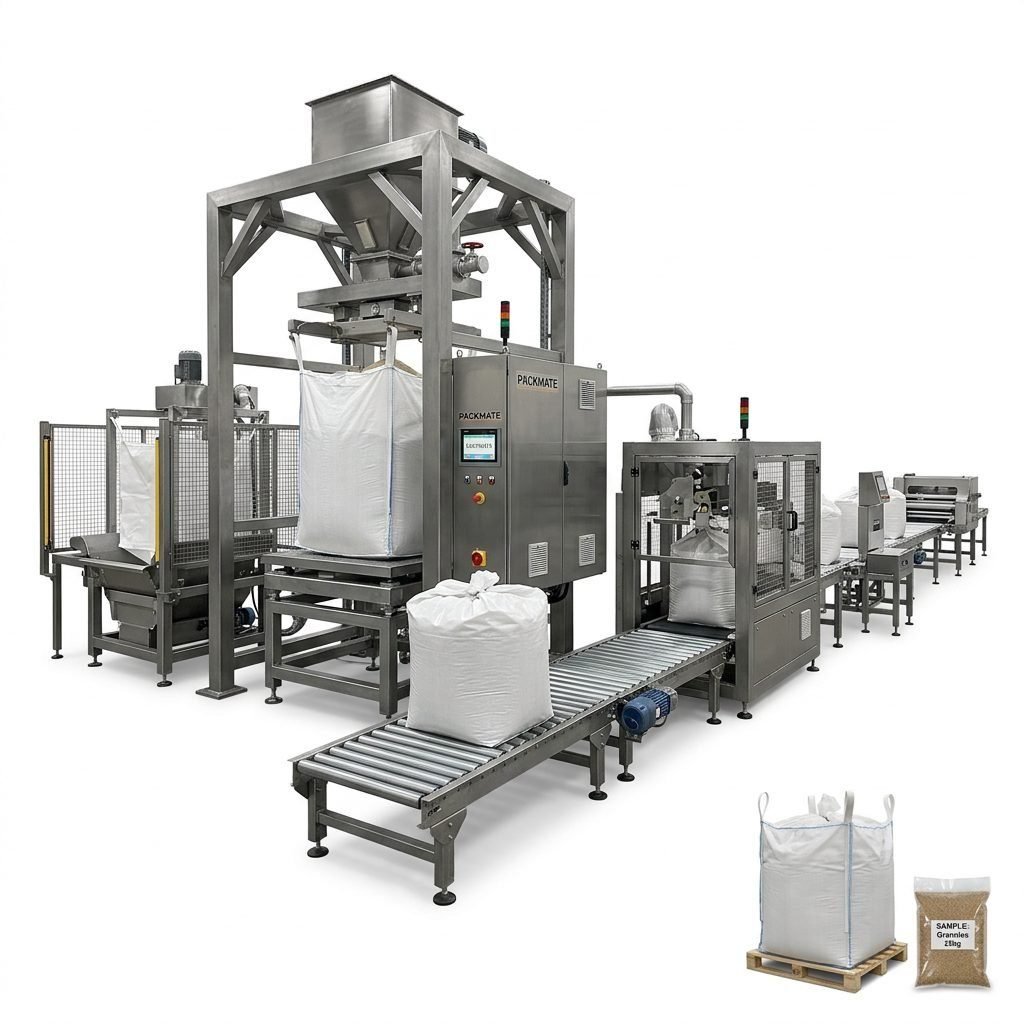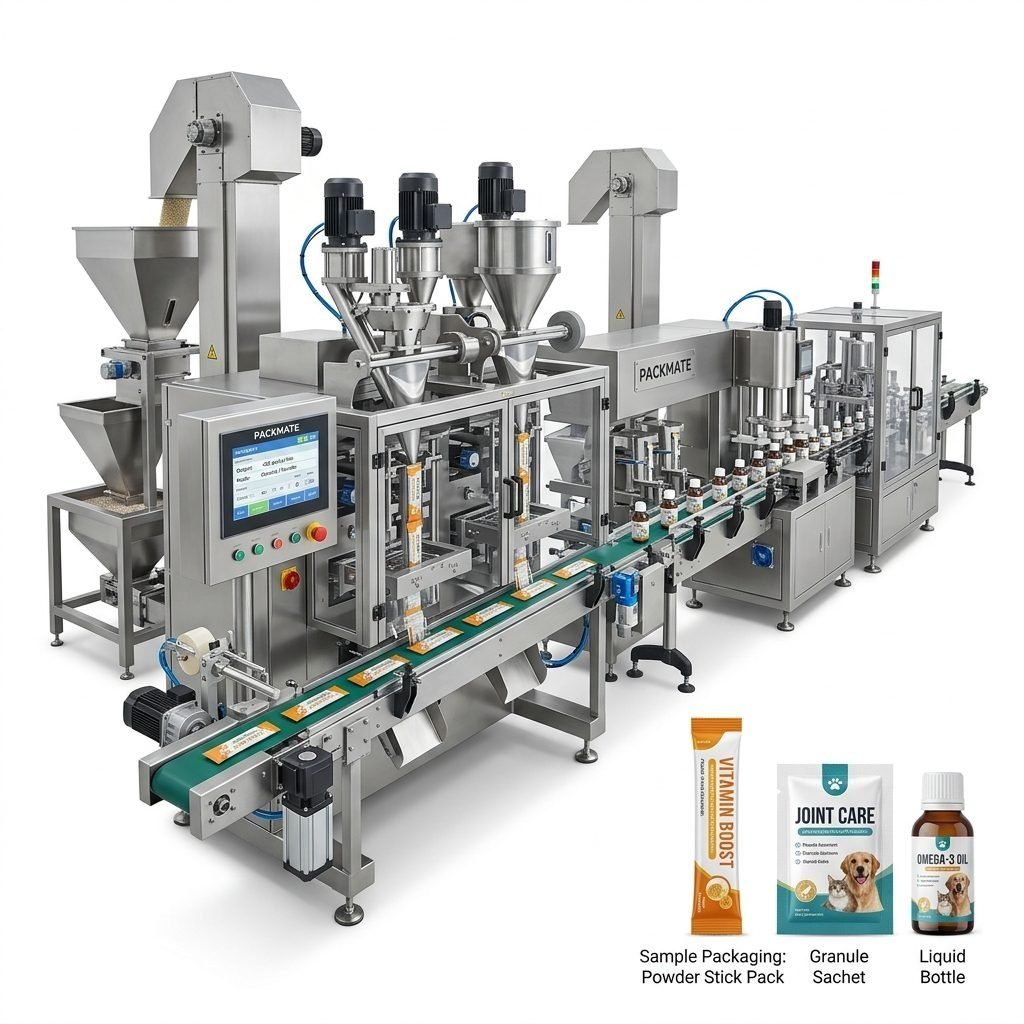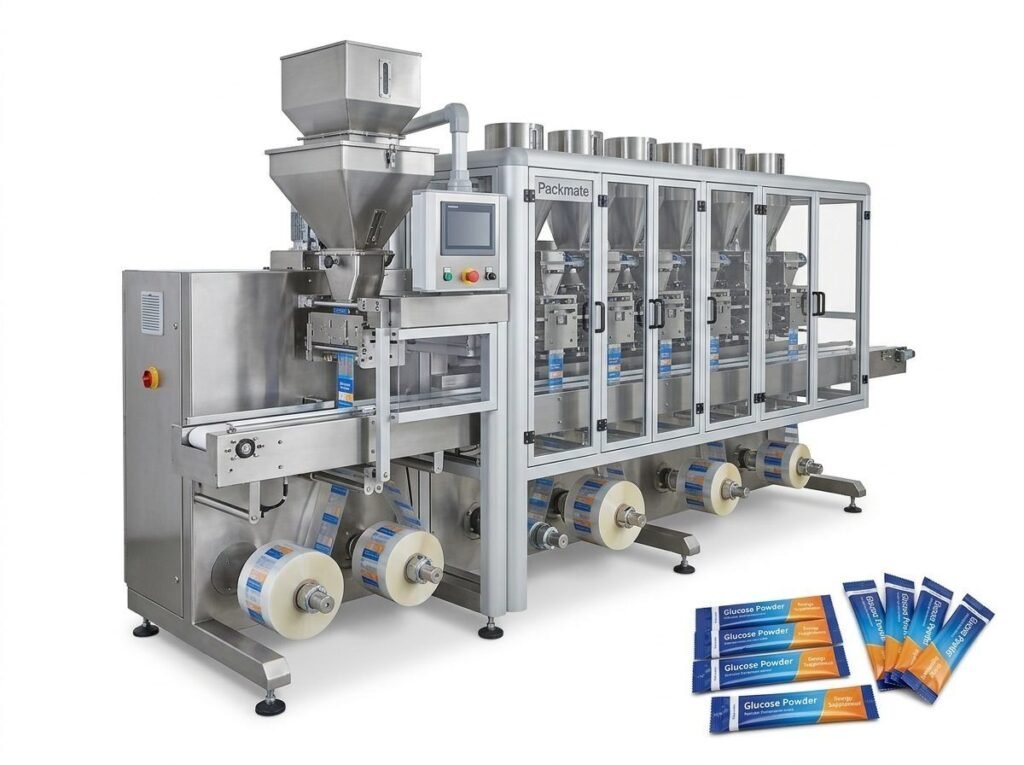
In today’s fast-paced industrial landscape, selecting the right packaging equipment is not just a purchase—it’s a strategic investment in efficiency, reliability, and brand integrity. From food and pharmaceuticals to chemicals and consumer goods, the demand for precise, hygienic, and high-speed packaging solutions has never been greater. This expert guide delves into the core aspects of industrial packaging equipment, exploring the latest technologies, key selection criteria, and how leading manufacturers like Packmate Machinery are shaping the future of the industry.
Understanding the Spectrum of Industrial Packaging Solutions
The term “packaging equipment” encompasses a vast array of machinery designed for different materials, product types, and production scales. The primary goal is to automate the process of placing a product into a protective, marketable container efficiently and consistently.
Primary Packaging Equipment Categories:
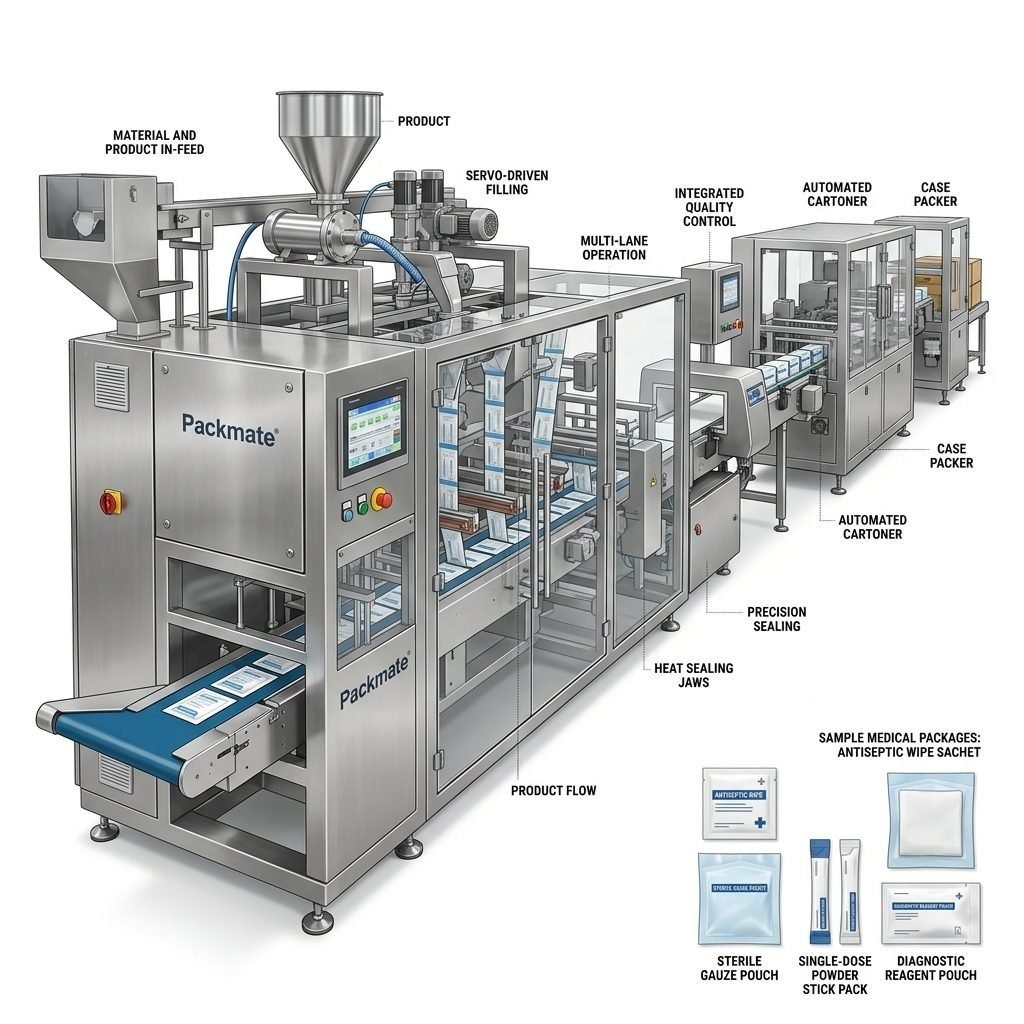
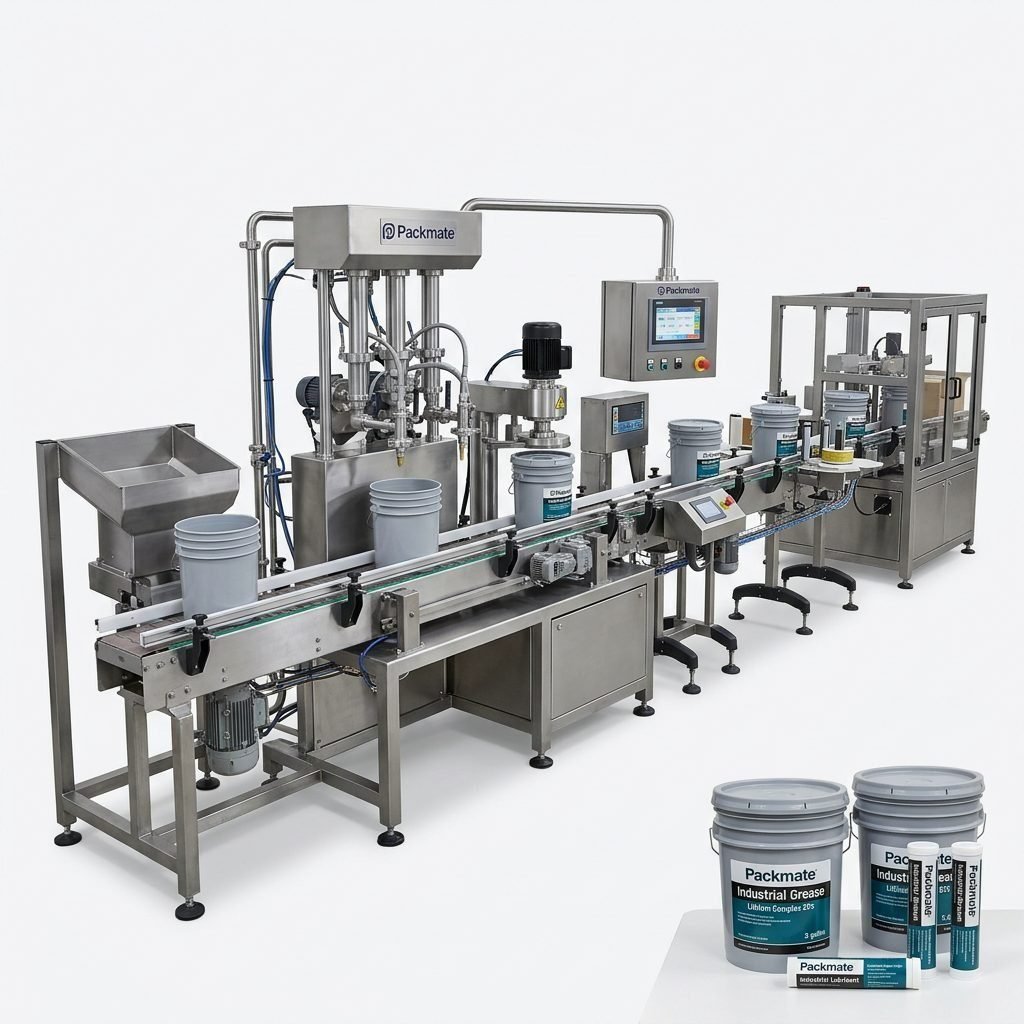
- Filling Machines: Precisely dispense measured amounts of product—be it liquid, powder, or granules—into containers, sachets, or stick packs. Accuracy here is paramount to avoid giveaway and ensure compliance.
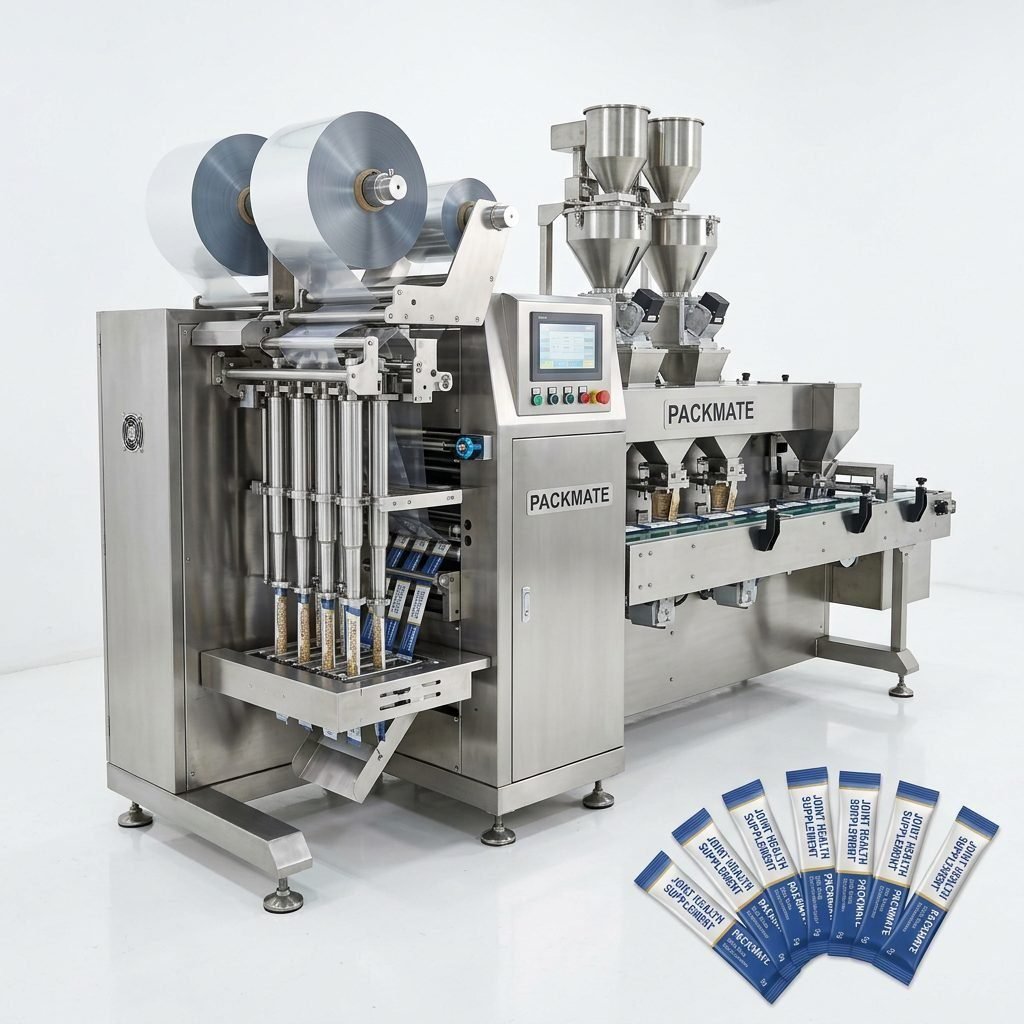
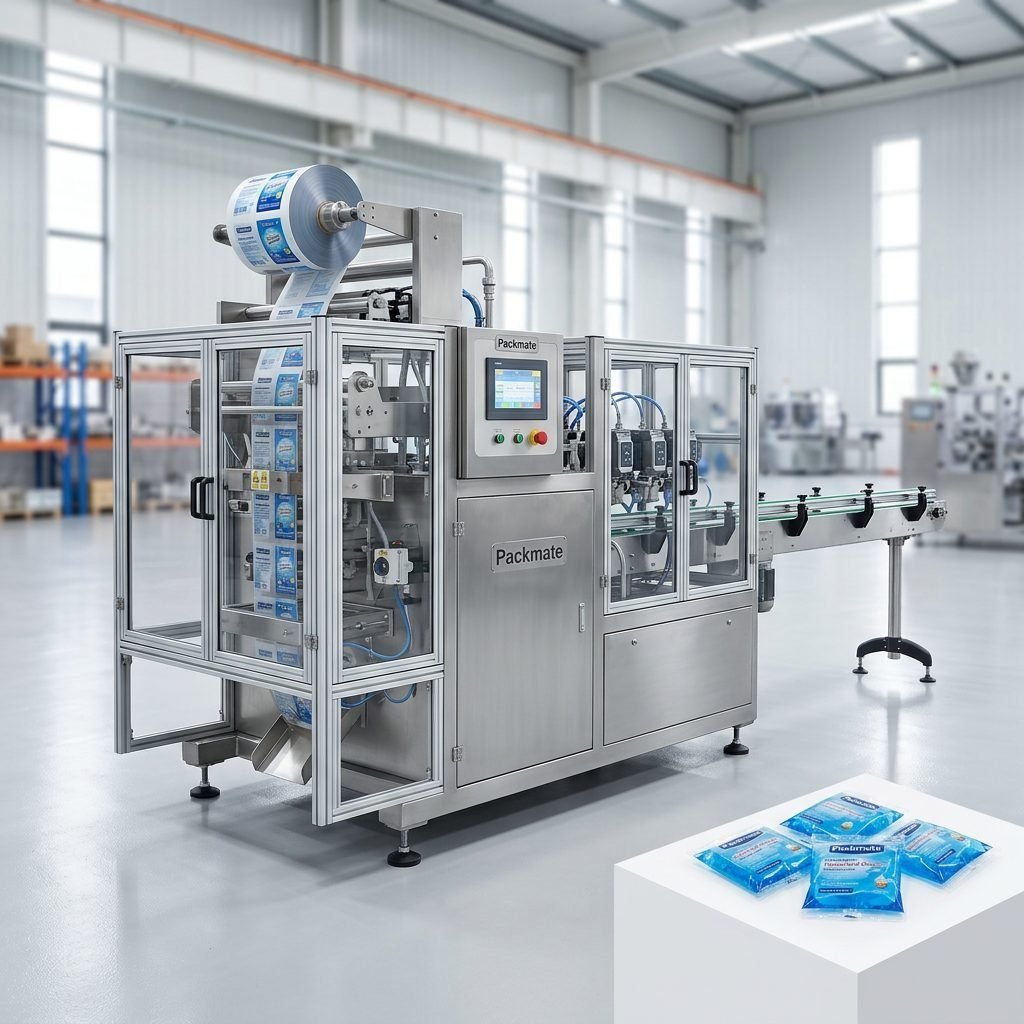
- Form-Fill-Seal (FFS) Machines: These versatile systems form the packaging from a roll of film, fill it with product, and seal it in one continuous operation. They are ideal for creating sachets, stick packs, and pouches, offering excellent barrier properties and material efficiency.
- Capping, Sealing, and Lidding Equipment: Apply caps, lids, or seals to bottles, jars, and tubs. Technologies range from screw capping and snap capping to induction sealing for tamper-evidence.
- Labeling and Coding Systems: Apply product labels, barcodes, expiry dates, and batch numbers. Modern systems offer high-speed, high-accuracy printing and application directly onto packaging.
- Cartoning and Case Packing: Automatically erect cartons, insert products, and seal them. Case packers then place these cartons into shipping cases, ready for palletizing.
Key Factors in Selecting Your Packaging Equipment
Choosing the wrong equipment can lead to costly downtime, product waste, and safety issues. Here are the critical factors every operations manager should evaluate.
1. Product Characteristics
The nature of your product dictates the machine type. Is it a free-flowing powder, a viscous liquid, or abrasive granules? Equipment for handling sachets and stick packs differs significantly from that for rigid containers. Consider product sensitivity to moisture, oxygen, and light, which will influence the required packaging material and sealing method.
2. Required Output Speed and Flexibility
Match the machine’s speed (packages per minute) to your current and projected production volumes. Furthermore, in a market demanding variety, flexibility is a key competitive advantage. Can the machine handle multiple package sizes or shapes with quick changeovers? Modular systems often provide the best balance between dedicated speed and adaptable functionality.
3. Integration and Automation Level
Stand-alone machines are being replaced by integrated packaging lines. Consider how the new equipment will communicate with upstream (e.g., production) and downstream (e.g., palletizing) processes. Look for machines with PLC controls, HMI interfaces, and Industry 4.0 capabilities for data collection and predictive maintenance.
The Role of a Trusted Manufacturer
Beyond the machine specs, the manufacturer’s expertise and support are invaluable. A partner with deep application knowledge can help you avoid pitfalls. For instance, Packmate Machinery brings over 30 years of focused experience in designing equipment for granules, powders, and liquids. Their journey from a specialized workshop to a company with a 20,000㎡ modern facility underscores a commitment to solving real-world packaging challenges. This long-term perspective ensures they build not just machines, but reliable, turnkey solutions backed by a global service network.
Technological Trends Shaping the Future
The industrial packaging sector is undergoing a digital and sustainable transformation. Staying ahead means understanding these trends.
Smart Packaging & IoT Integration
Modern packaging lines are becoming data hubs. Sensors monitor machine performance, track OEE (Overall Equipment Effectiveness), and predict component failure before it causes stoppages. This data-driven approach minimizes unplanned downtime and optimizes production scheduling.
Sustainability-Driven Design
There is immense pressure to reduce packaging waste. Equipment trends now focus on enabling the use of mono-materials, recyclable films, and lightweighting. Advanced FFS machines are engineered for precision sealing with thinner, more sustainable materials, reducing both material cost and environmental footprint.
Enhanced Hygiene and Safety Standards
Particularly in food and pharma, hygienic design is non-negotiable. New equipment features easy-clean surfaces, minimized crevices, and is often constructed with stainless steel. Safety features like comprehensive guarding, light curtains, and emergency stops are standard expectations for protecting operators.
Implementing Your Solution: From Vision to Reality
Successful implementation is a phased process. It begins with a detailed consultation to define requirements, followed by factory acceptance testing (FAT) at the manufacturer’s site. Professional installation, commissioning, and comprehensive operator training are crucial final steps. A reputable supplier will offer ongoing technical support and spare parts services to ensure your investment delivers value for years to come.
Frequently Asked Questions (FAQs)
1. What is the typical lead time for a custom packaging line?
Lead times vary significantly based on complexity, customization, and current manufacturing load. For standard models, it can be 8-12 weeks. For fully customized, integrated lines, the timeline can extend to 20 weeks or more. A detailed project plan with your supplier will provide a clear schedule.
2. How do I ensure the machine will work with my specific product?
The most reliable method is to conduct a product test. Reputable manufacturers like Packmate often have testing facilities where you can send samples. They will run trials on appropriate equipment to determine the optimal parameters for filling accuracy, sealing integrity, and speed, providing a data-backed recommendation.
3. What are the most important maintenance routines?
Daily cleaning and lubrication as per the manual are essential. Regularly check and replace wear parts like sealing jaws, feed screws, or cutter blades. Schedule periodic professional inspections (semi-annually or annually) to calibrate scales, check pneumatic systems, and verify electrical safety.
4. Can older packaging equipment be upgraded or retrofitted?
Yes, in many cases. Upgrades can include new control systems (PLC/HMI), improved safety guarding, higher-accuracy filling heads, or additional inspection modules like checkweighers. A cost-benefit analysis comparing retrofit costs against a new machine’s efficiency gains is necessary.
5. What training is provided for our operators and maintenance staff?
Comprehensive training should be part of the purchase. This typically includes classroom-style theory on machine operation and safety, followed by hands-on training during commissioning at your facility. Detailed operation and maintenance manuals, and sometimes video tutorials, are provided for future reference.