The beauty industry is a dynamic and fast-paced sector where packaging plays a crucial role in product presentation, preservation, and consumer appeal. Selecting the right beauty packaging equipment is not just about functionality; it’s an investment in brand image, operational efficiency, and market competitiveness. This comprehensive guide delves into the various types of equipment, their specific uses, and provides essential buying tips to help you make an informed decision for your business.
Core Types of Beauty Packaging Equipment
Understanding the different categories of machinery is the first step. Equipment can be broadly classified based on the packaging form it creates and the product type it handles.
Filling Machines
These are the workhorses of any packaging line, designed to accurately dispense product into containers. The type of filler depends heavily on the product’s viscosity.
Liquid Fillers: Ideal for serums, toners, and lotions. They range from simple semi-automatic piston fillers for small batches to high-speed rotary volumetric fillers for large-scale production. Accuracy is paramount to ensure consistent fill levels and minimize product giveaway.
Cream & Paste Fillers: Designed for thicker formulations like creams, masks, and balms. These often use auger filler technology, which screws the product into the container, ensuring precise weight control even with non-flowable products.
Powder Fillers: Essential for loose powders, blush, and eyeshadow pigments. Auger fillers are also common here, but with specific tooling to prevent compaction and ensure a fluffy, consistent fill.
Capping and Sealing Machines
Once filled, containers need to be securely closed. This equipment applies caps, lids, pumps, or sprayers.
Spindle Cappers: Use rotating discs to screw on caps with consistent torque, perfect for cosmetic jars and bottles. Snap Cappers: Apply downward pressure to secure child-resistant or flip-top caps. Induction Sealers: Create a tamper-evident, hermetic foil seal under plastic caps, crucial for product integrity and luxury perception.
Labeling and Decorating Equipment
This is where branding comes to life. Equipment applies labels, sleeves, or directly prints on containers.
Automatic Labelers: Apply front/back, wrap-around, or precise spot labels at high speeds. Shrink Sleeve Applicators: Apply full-body plastic sleeves that shrink to the container’s contour for a striking 360-degree branding canvas. Screen Printers or Digital Coders: Used for printing batch codes, expiry dates, or simple logos directly onto packaging.
Specialized Form-Fill-Seal (FFS) Machines
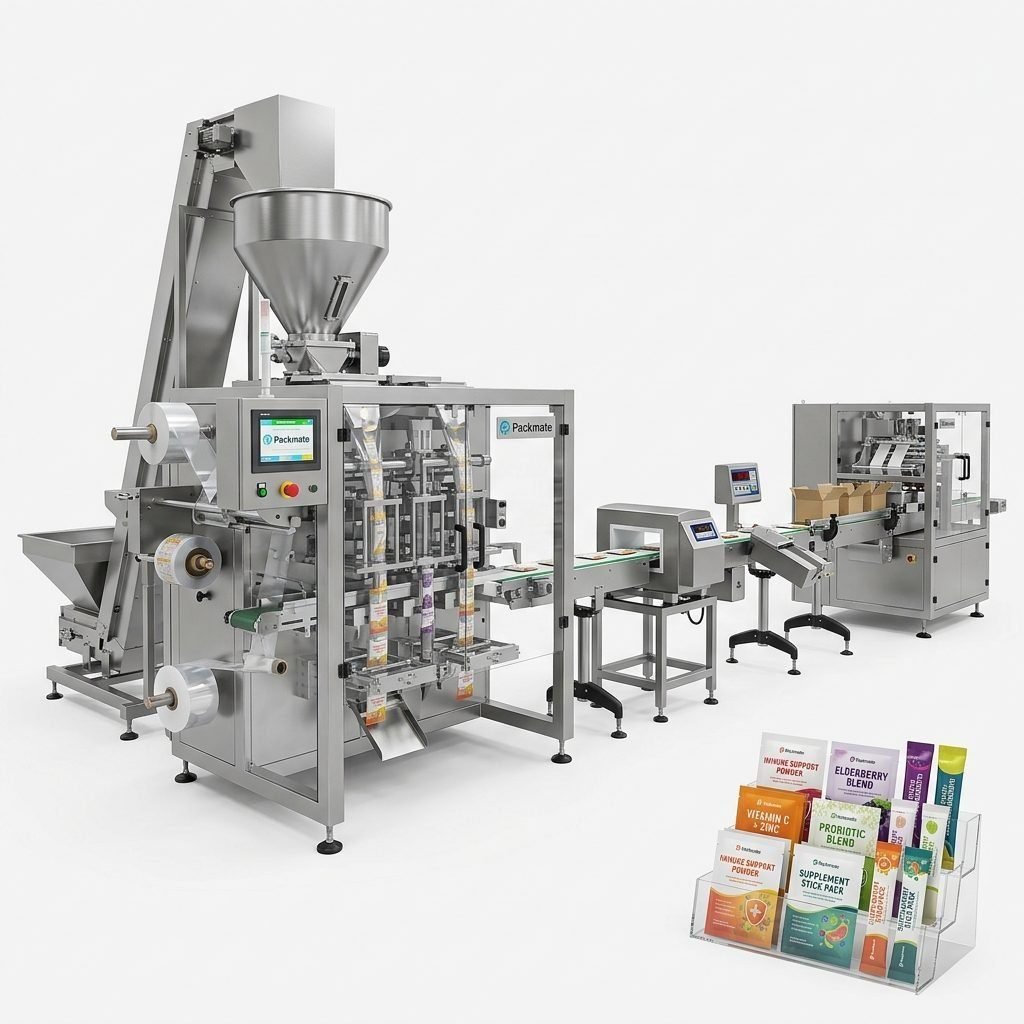
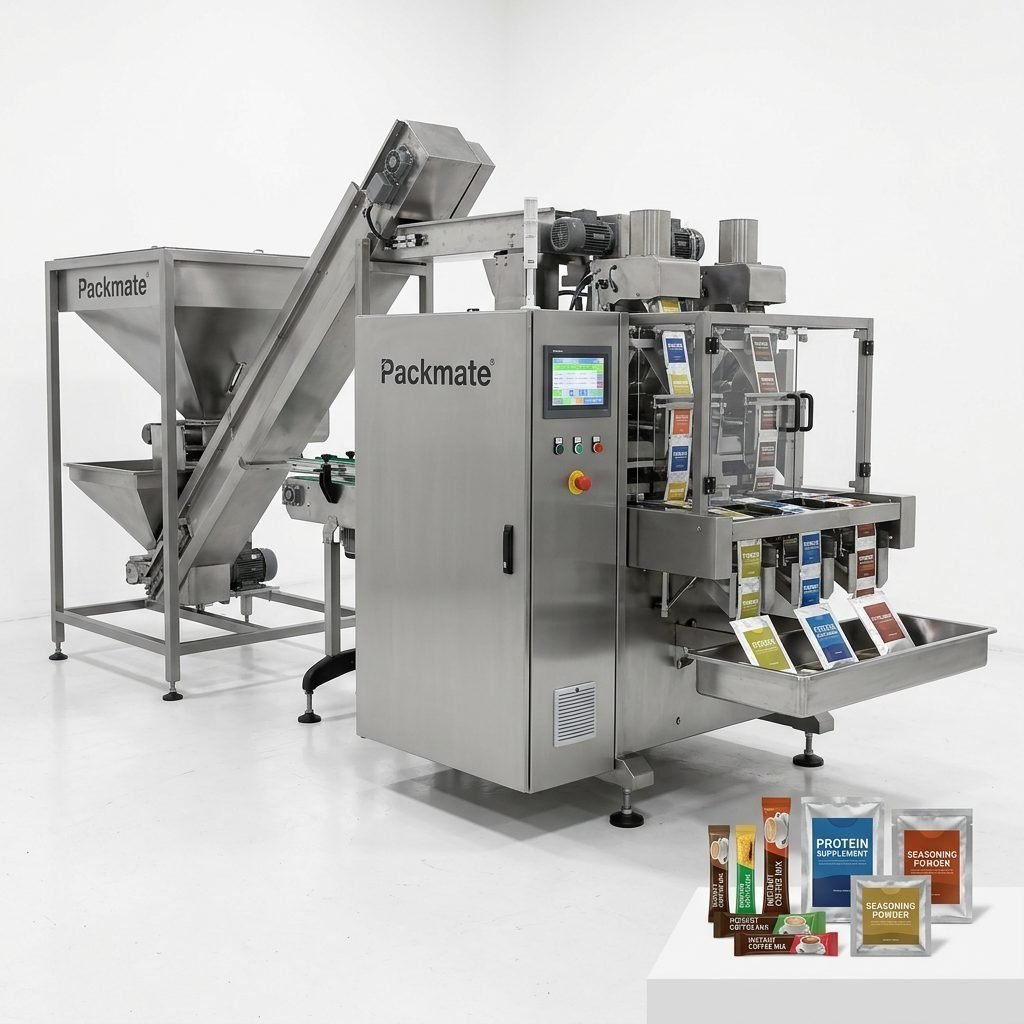
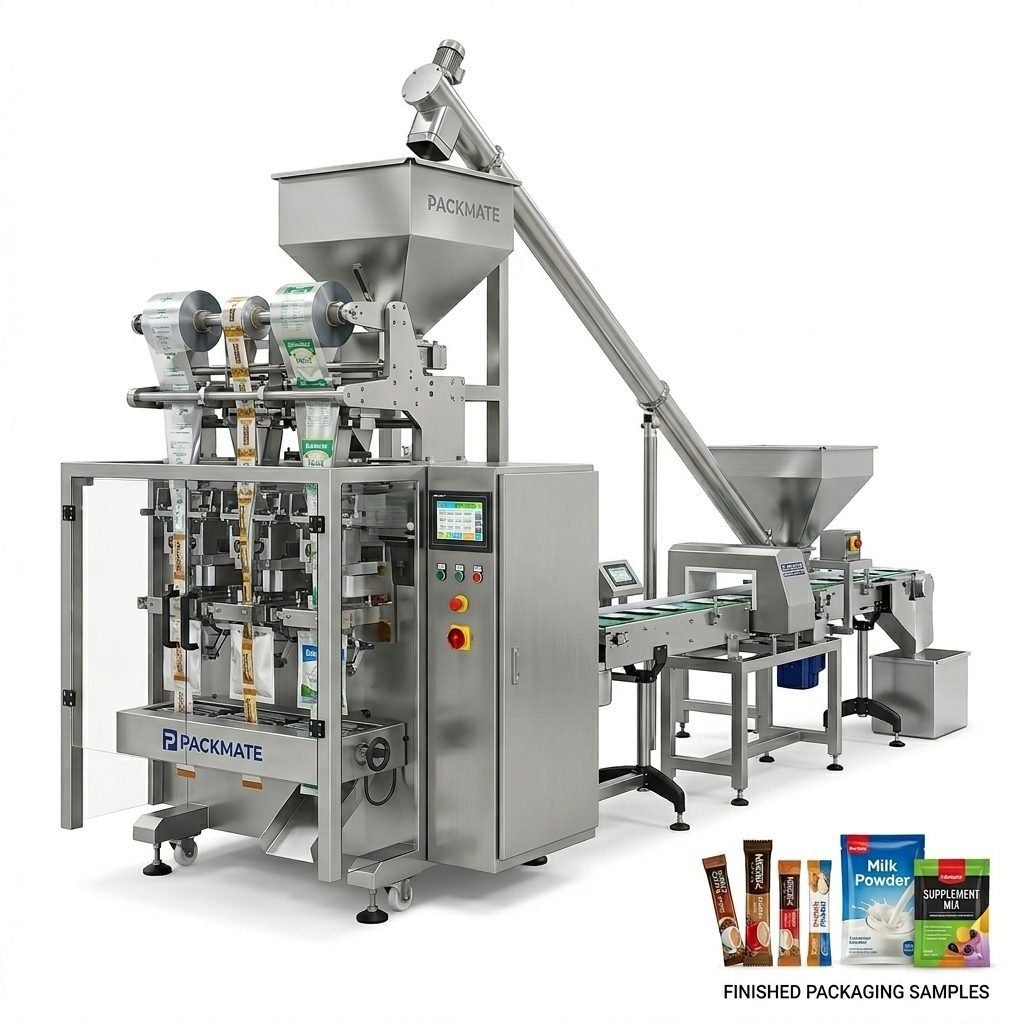
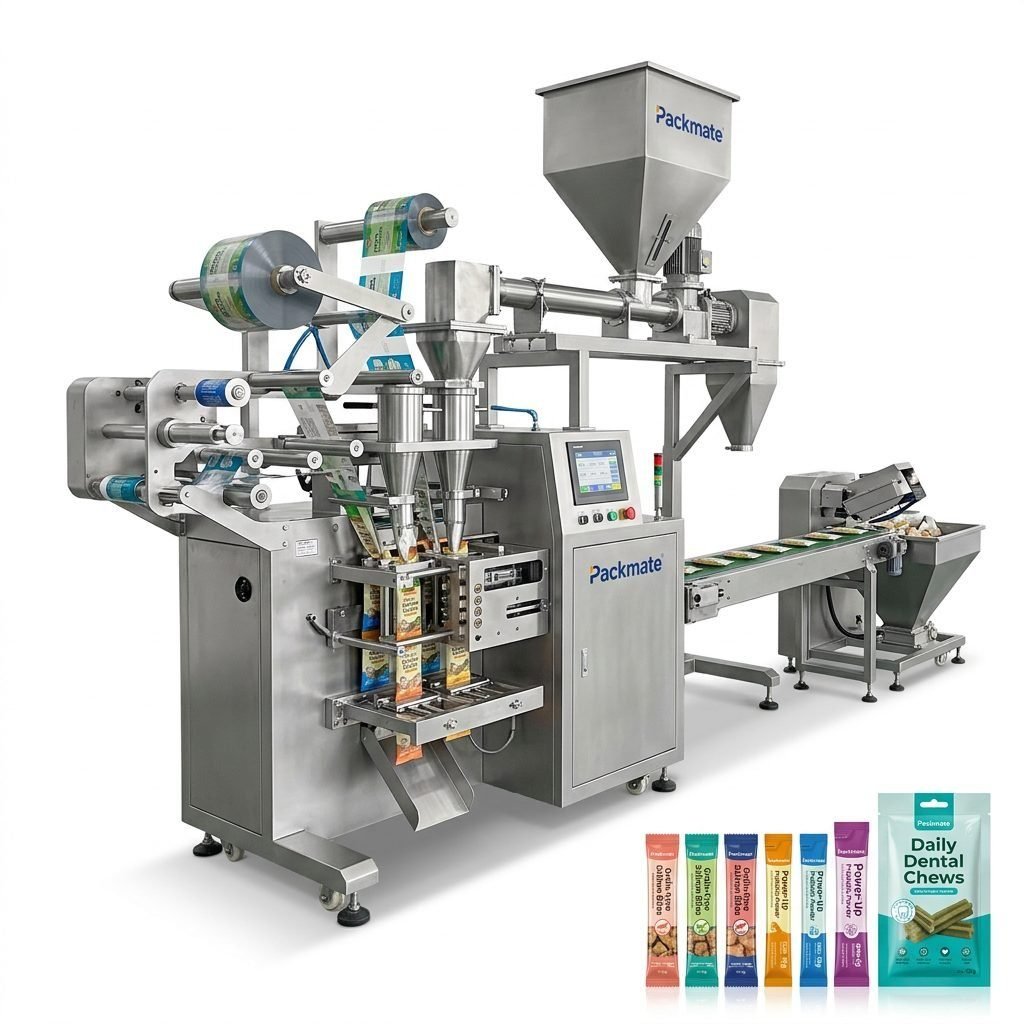
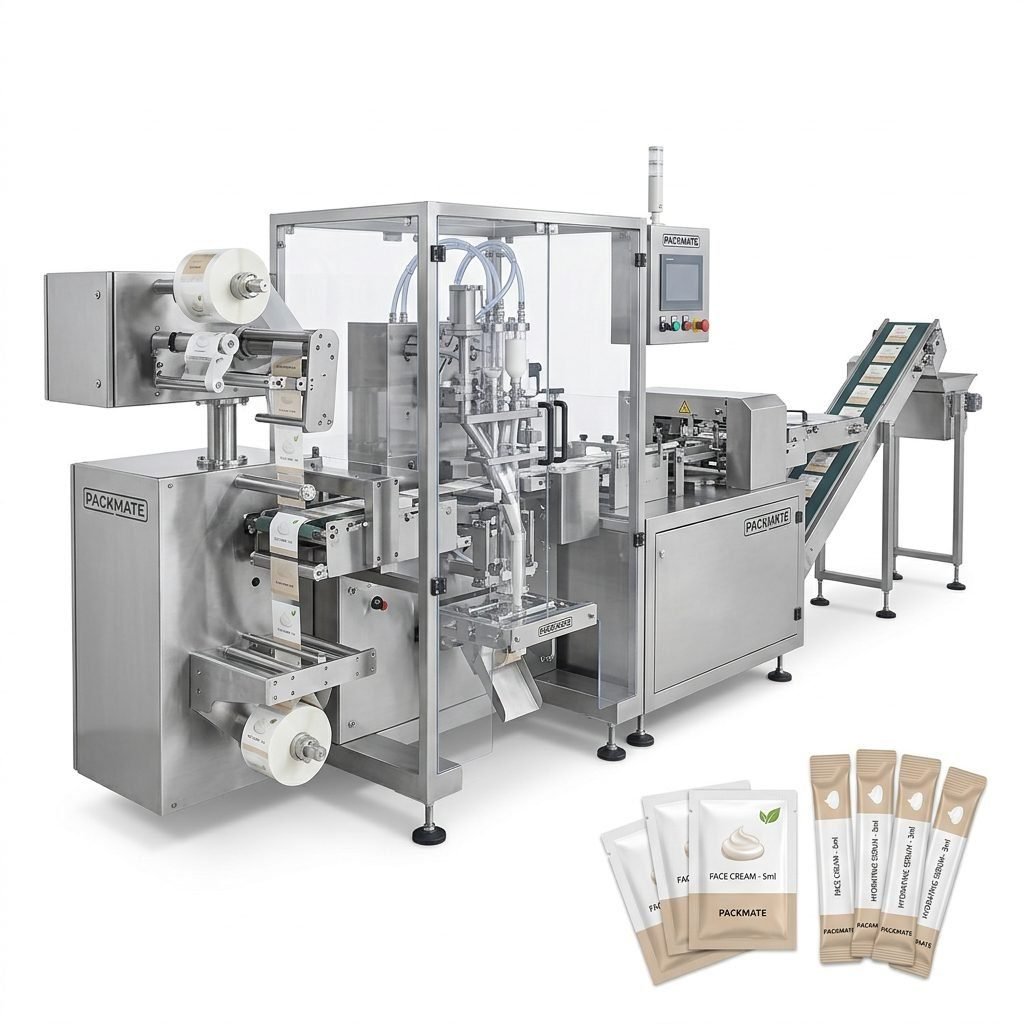
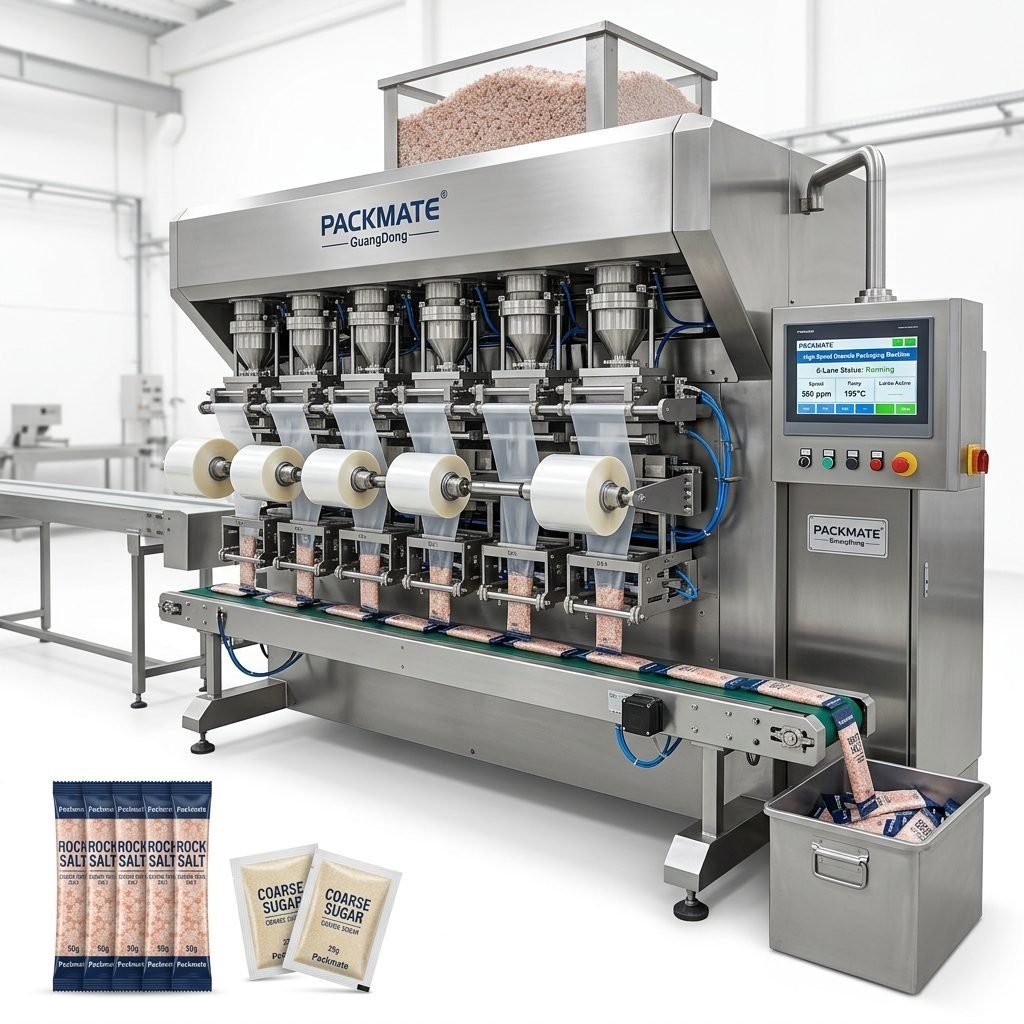
For single-use applications like sample sachets, sheet masks, or pod-based products, FFS machines are key. They form the pouch from a roll of film, fill it with a precise dose of product, and then seal it—all in one continuous operation. This is highly efficient for sachet and stick pack formats common in beauty samples.
Primary Uses and Applications in the Beauty Sector
Each piece of equipment serves a strategic purpose in the production chain.
Enhancing Product Protection: Proper sealing (capping, induction sealing) prevents contamination, preserves active ingredients, and extends shelf life. This is non-negotiable for organic or preservative-free formulations.
Ensuring Dosage Accuracy and Consistency: Precision fillers guarantee every customer receives the exact amount of product promised, which is critical for efficacy and brand trust, especially with high-value serums or treatments.
Elevating Brand Aesthetics and Unboxing Experience: High-quality labeling and decorating create a premium look and feel. The unboxing experience, influenced by perfect label alignment and secure packaging, directly impacts customer perception and social media shareability.
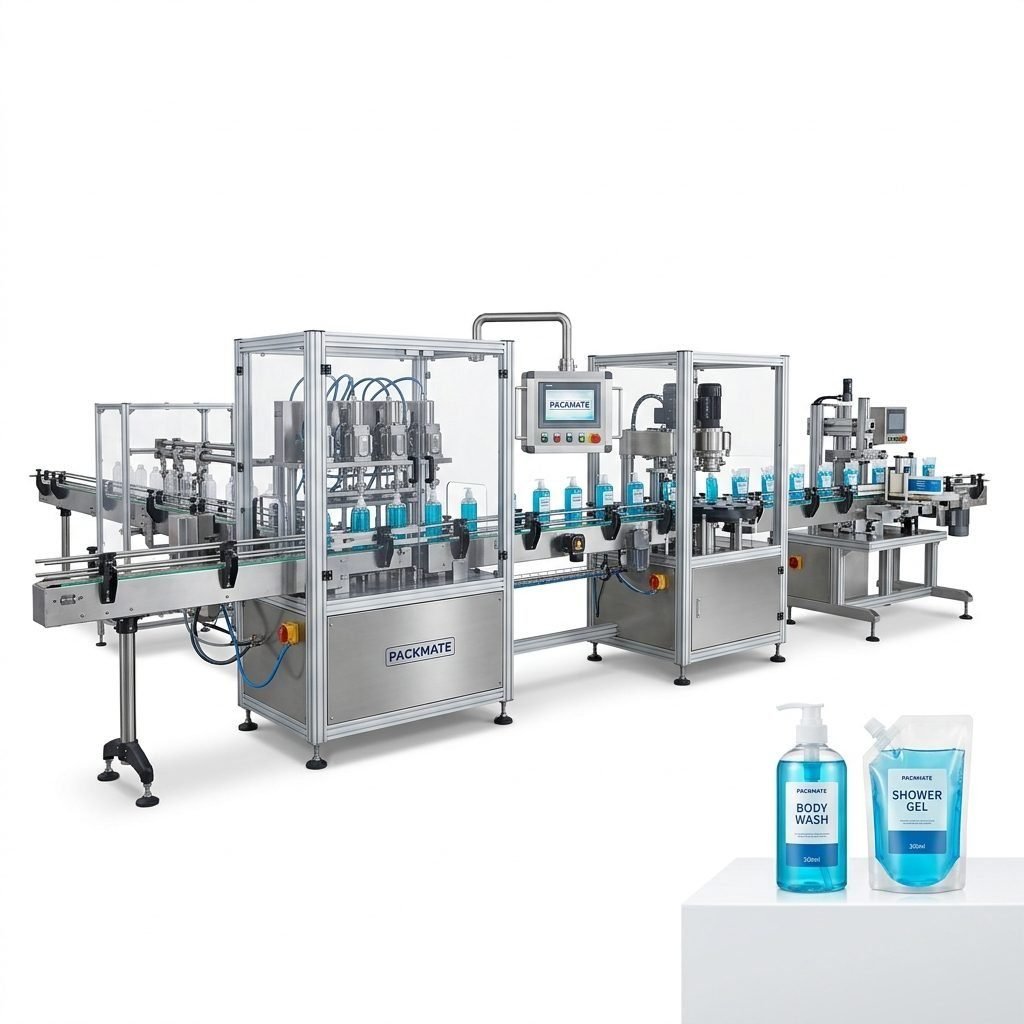
Driving Operational Efficiency and Scalability: Automating manual tasks like filling and capping drastically increases output, reduces labor costs, and minimizes human error. It allows brands to scale production up or down to meet market demand efficiently. For a complete solution, consider integrated filling and packaging lines.
Essential Buying Tips for Your Investment
Choosing equipment is a significant decision. Here are key factors to consider.
1. Analyze Your Product and Production Needs
Start with a clear specification: What is your product’s viscosity? What container types and sizes will you use? What is your target output (units per minute/hour)? Will you need frequent changeovers for different SKUs? Answering these questions narrows down the machine type and required flexibility.
2. Prioritize Machine Quality and Durability
Look for robust construction from materials like stainless steel (especially for parts contacting the product), which ensures hygiene, durability, and easier cleaning. Evaluate the quality of critical components like pumps, sensors, and PLCs. A machine from an established manufacturer like Packmate Machinery, with over 30 years of expertise, often translates to greater reliability and longevity.
3. Evaluate Automation Level and Ease of Use
Determine the right balance between manual, semi-automatic, and fully automatic systems based on your budget and volume. Even for semi-automatic machines, prioritize user-friendly interfaces, simple changeover procedures, and clear maintenance instructions to reduce downtime and training time.
4. Consider Hygiene, Safety, and Compliance
The equipment must be easy to clean and sanitize to meet Good Manufacturing Practice (GMP) standards, crucial for cosmetics. Safety features like guards, emergency stops, and compliance with machinery safety directives (like CE in Europe) are mandatory to protect operators.
5. Assess Supplier Support and Service
The relationship with your supplier is critical. Inquire about installation, training, warranty, and the availability of spare parts. A supplier with a strong global service network can provide invaluable support. Reviewing a supplier’s project cases can offer insights into their experience and capability.
Frequently Asked Questions (FAQs)
What is the most important factor when choosing a filling machine for beauty products?
The most critical factor is matching the machine’s filling technology to your product’s specific viscosity and characteristics (e.g., abrasive, foamy, shear-sensitive). An auger filler is excellent for creams and powders, while a piston filler is better for most liquids. An incorrect match will lead to inaccuracy, waste, and production issues.
Can one machine handle multiple different product types and container sizes?
Many machines offer changeover capabilities, but the ease and speed vary. Look for “quick-change” features on parts like filling nozzles, capping heads, and label applicators. While versatile machines exist, highly frequent or complex changeovers can impact efficiency; dedicated lines are often better for very high volumes of a single SKU.
How do I ensure my packaging line meets industry hygiene standards?
Select equipment with a hygienic design: easy-to-clean stainless steel surfaces, minimal crevices, and CIP (Clean-in-Place) capabilities where possible. The layout should facilitate smooth workflow and prevent cross-contamination. Always follow validated sanitation protocols.
What is the typical lead time for receiving and installing packaging equipment?
Lead times can vary widely from 8 to 20+ weeks depending on the machine’s complexity, customization level, and the manufacturer’s backlog. Standard models have shorter lead times than fully custom, integrated lines. Always confirm the timeline, including delivery, installation, and commissioning, with your supplier during the quoting process.
Is it worth investing in fully automatic equipment for a startup beauty brand?
For a true startup with very low volumes and frequent product iterations, semi-automatic equipment is often a more practical and cost-effective starting point. It requires a lower capital investment and offers greater flexibility. The transition to full automation becomes worthwhile when production volumes become consistently high and standardized, justifying the investment for greater speed and lower per-unit labor cost.