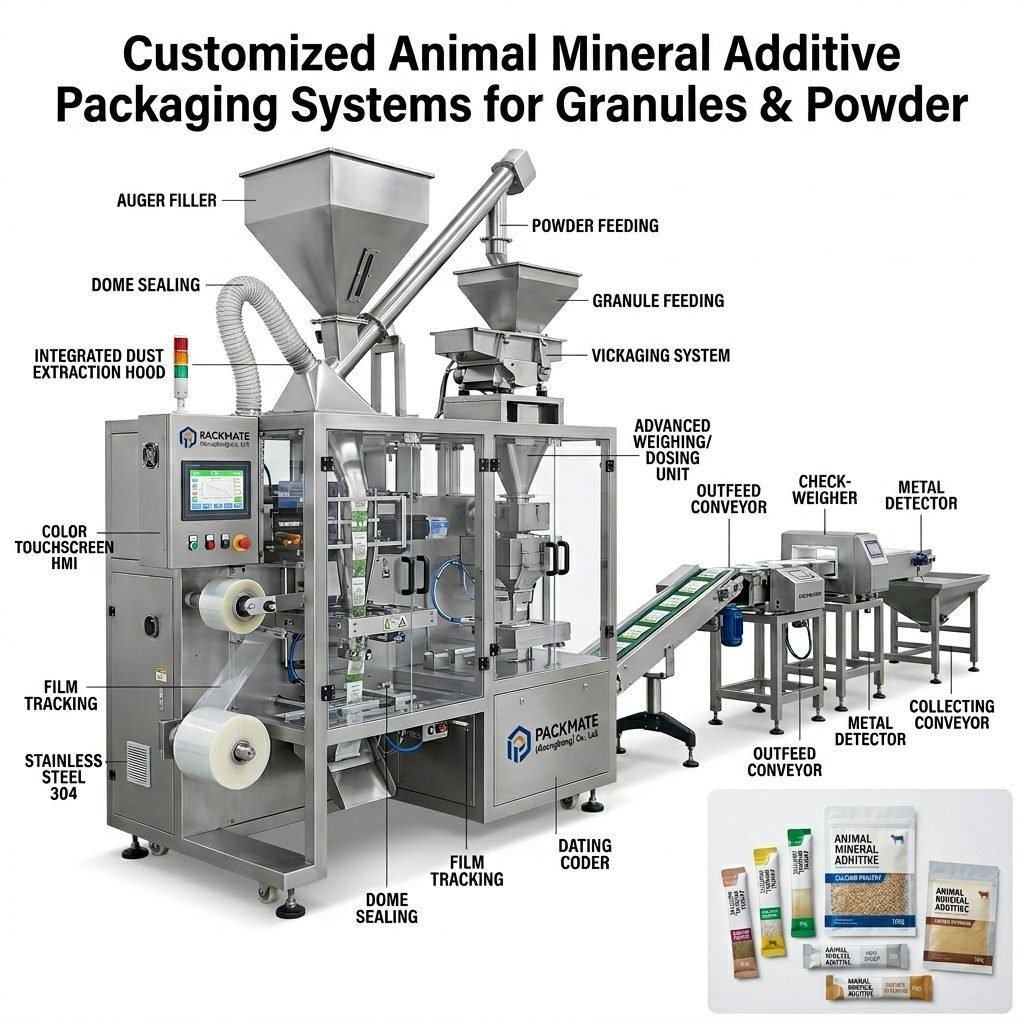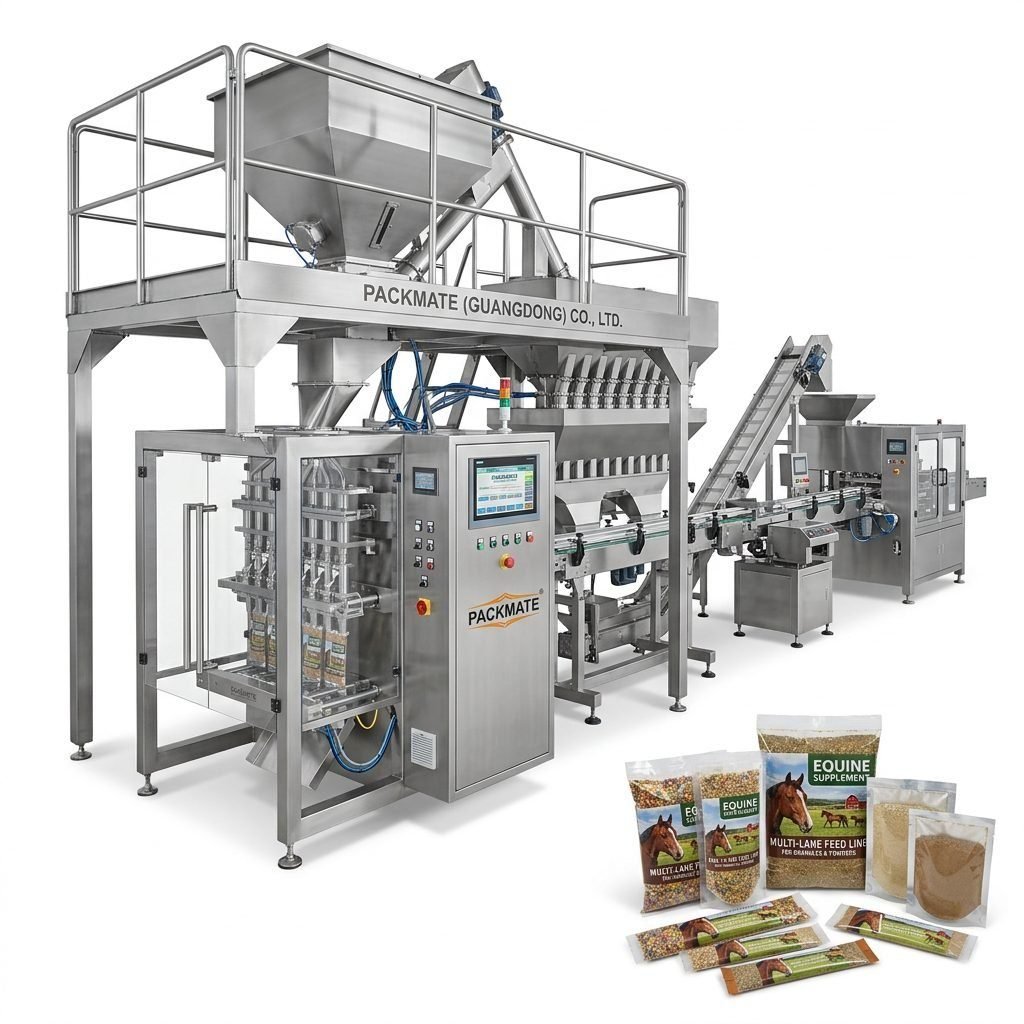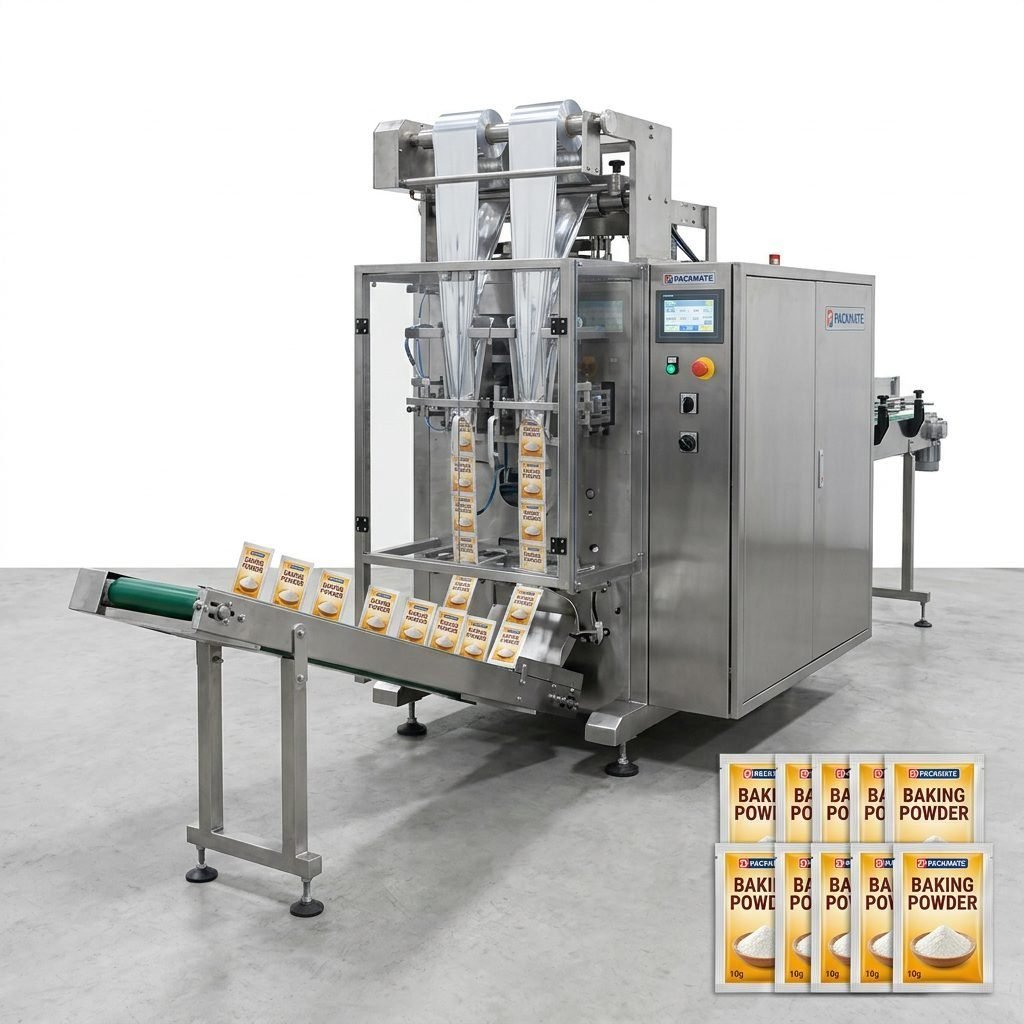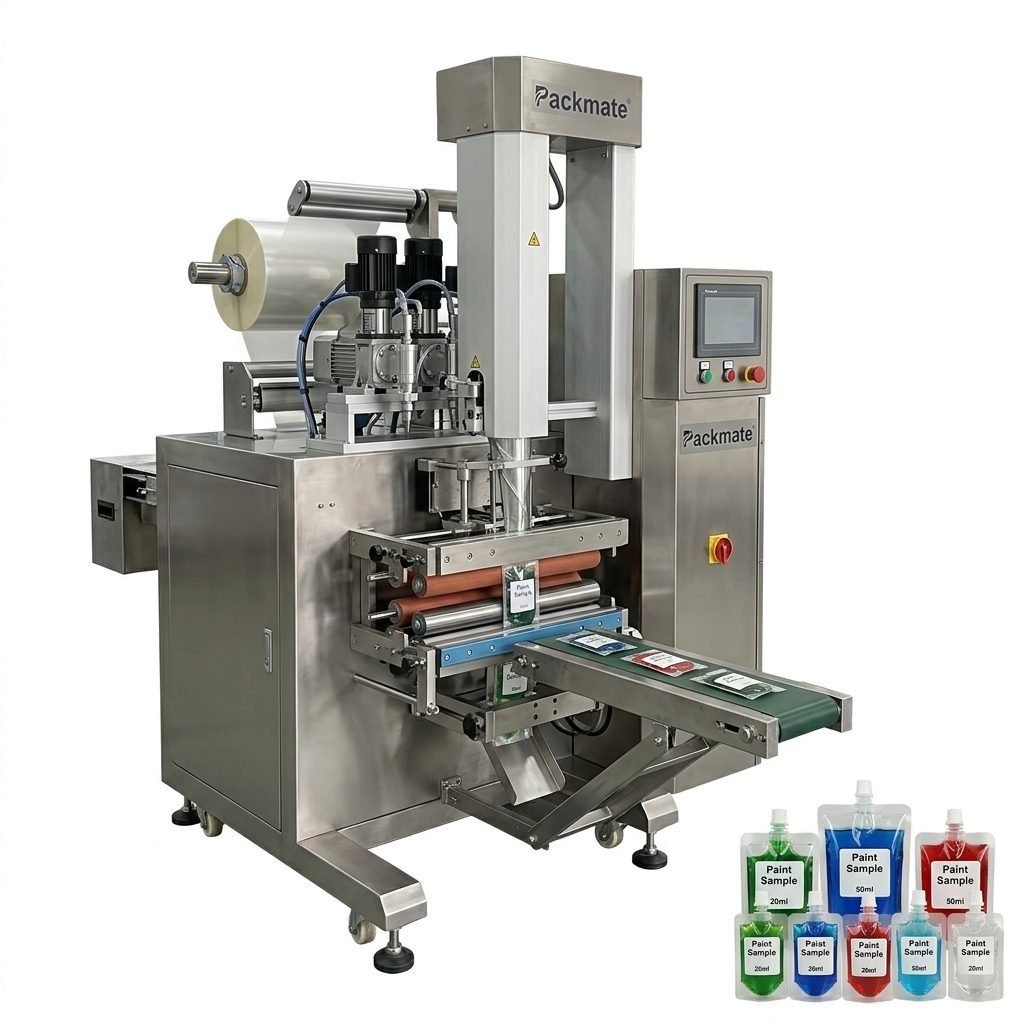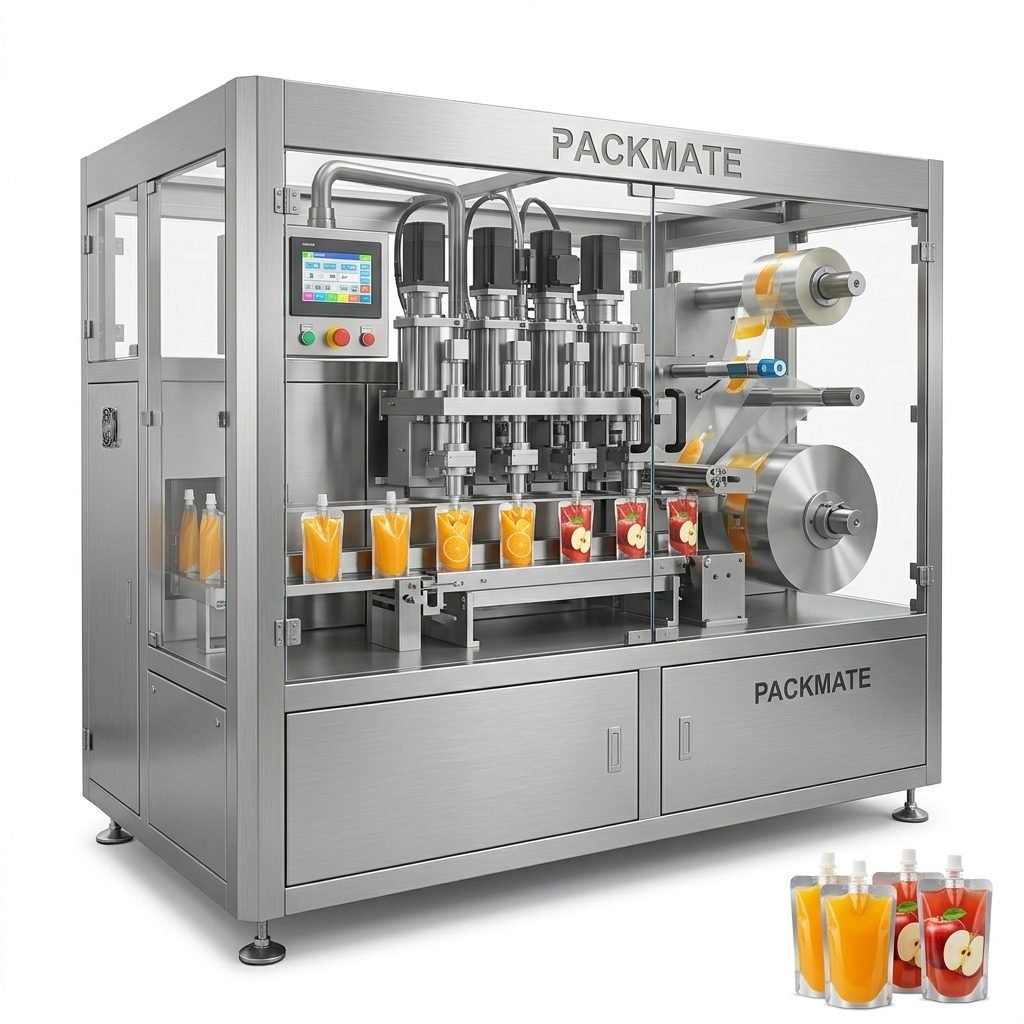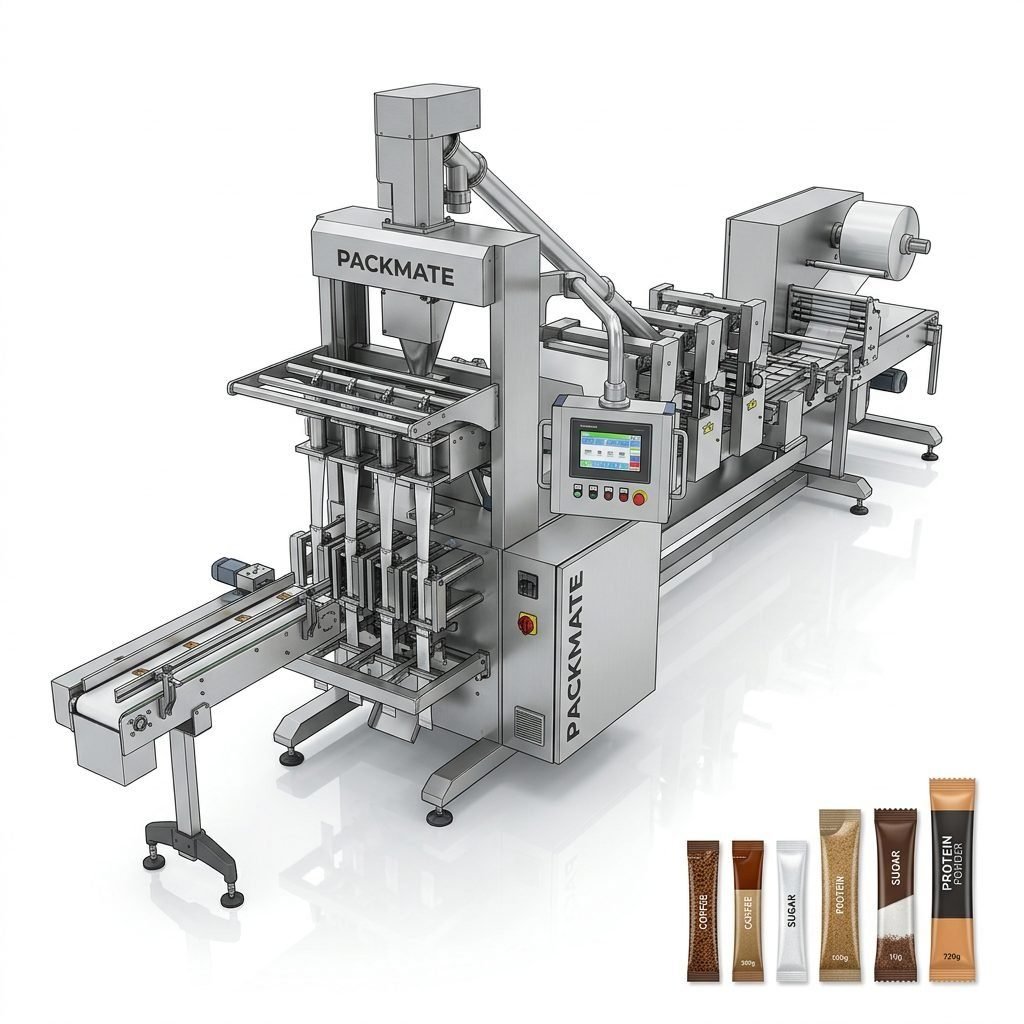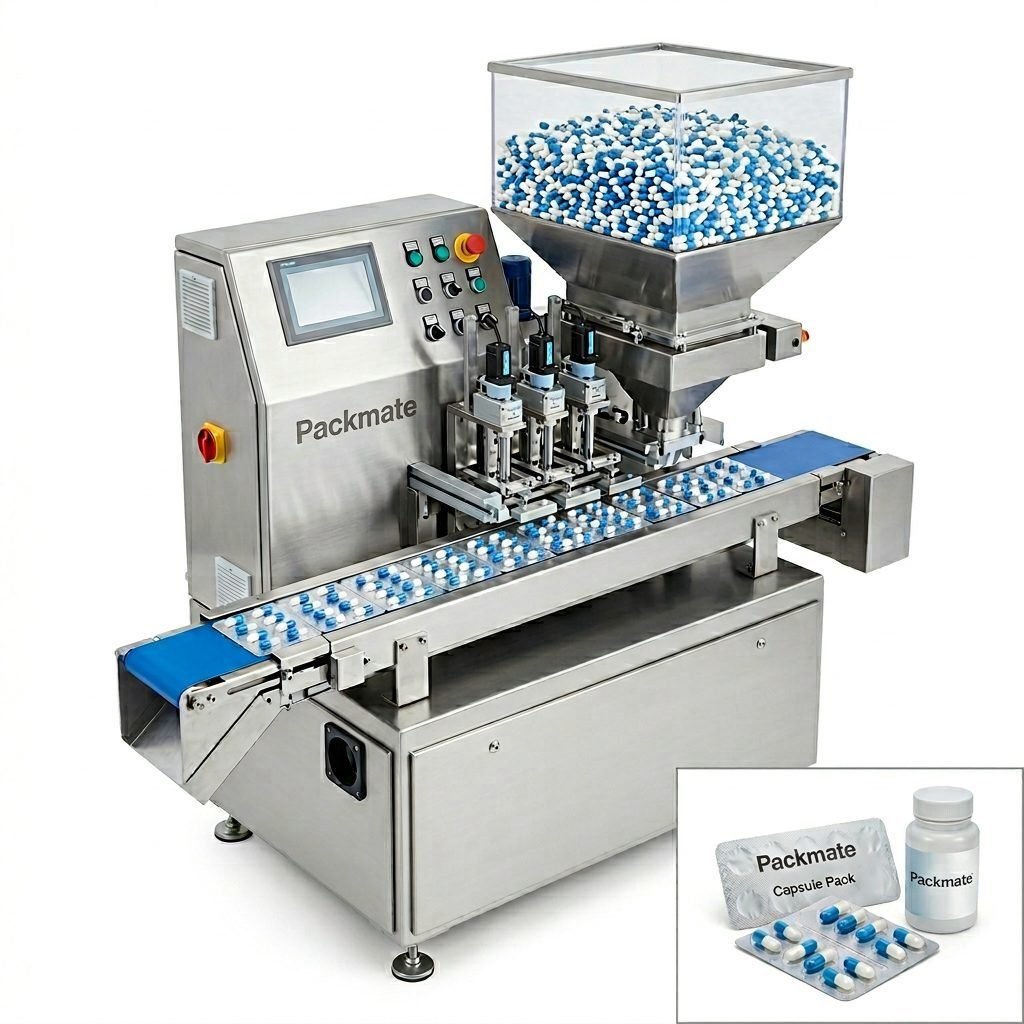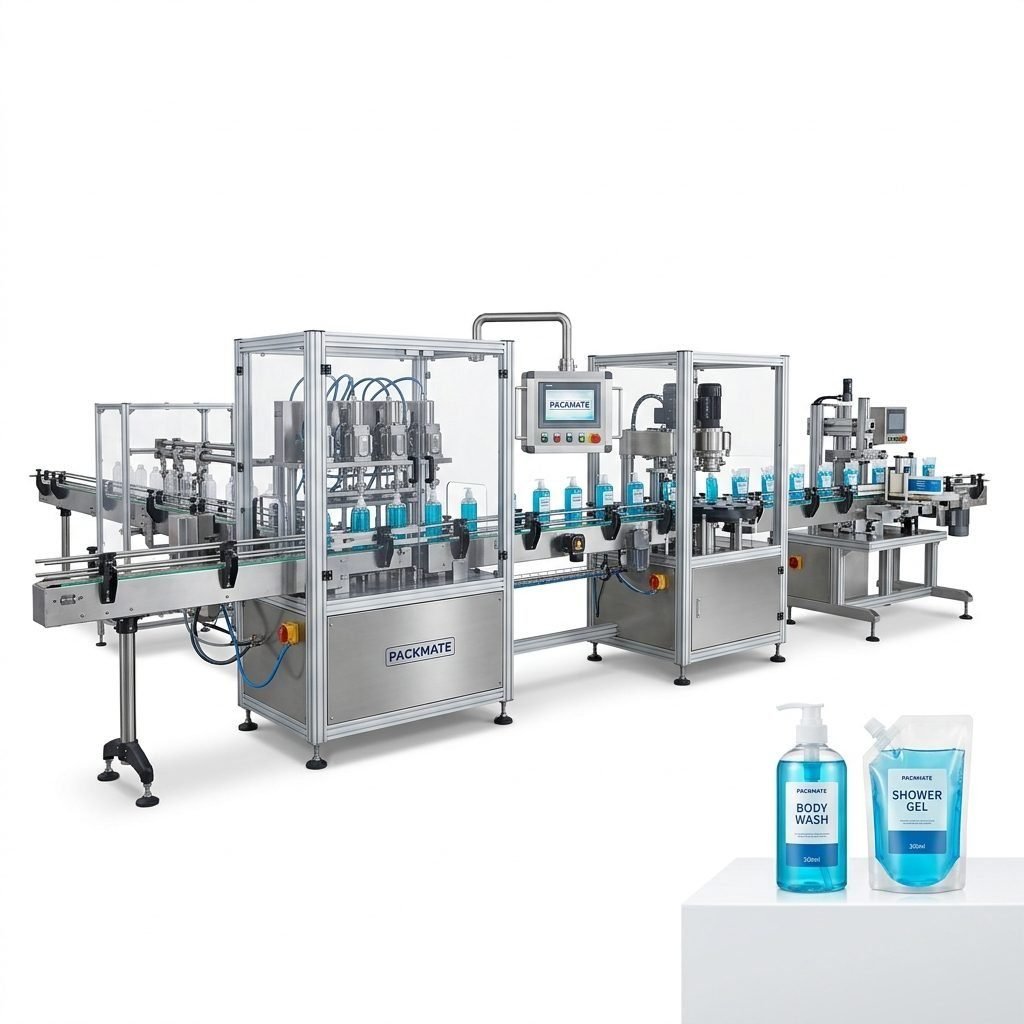
In today’s competitive market, efficiency and brand presentation are paramount. For businesses dealing with products ranging from food and pharmaceuticals to health supplements, the packaging process is not just a final step—it’s a critical component of operations, marketing, and customer satisfaction. Off-the-shelf packaging equipment often falls short of addressing the unique challenges of specific products, production volumes, or brand aesthetics. This is where the strategic advantage of Customized Packaging Machines becomes undeniable. Tailored solutions are engineered to fit your exact business needs, ensuring seamless integration, optimal performance, and a significant return on investment.
Understanding Customized Packaging Solutions
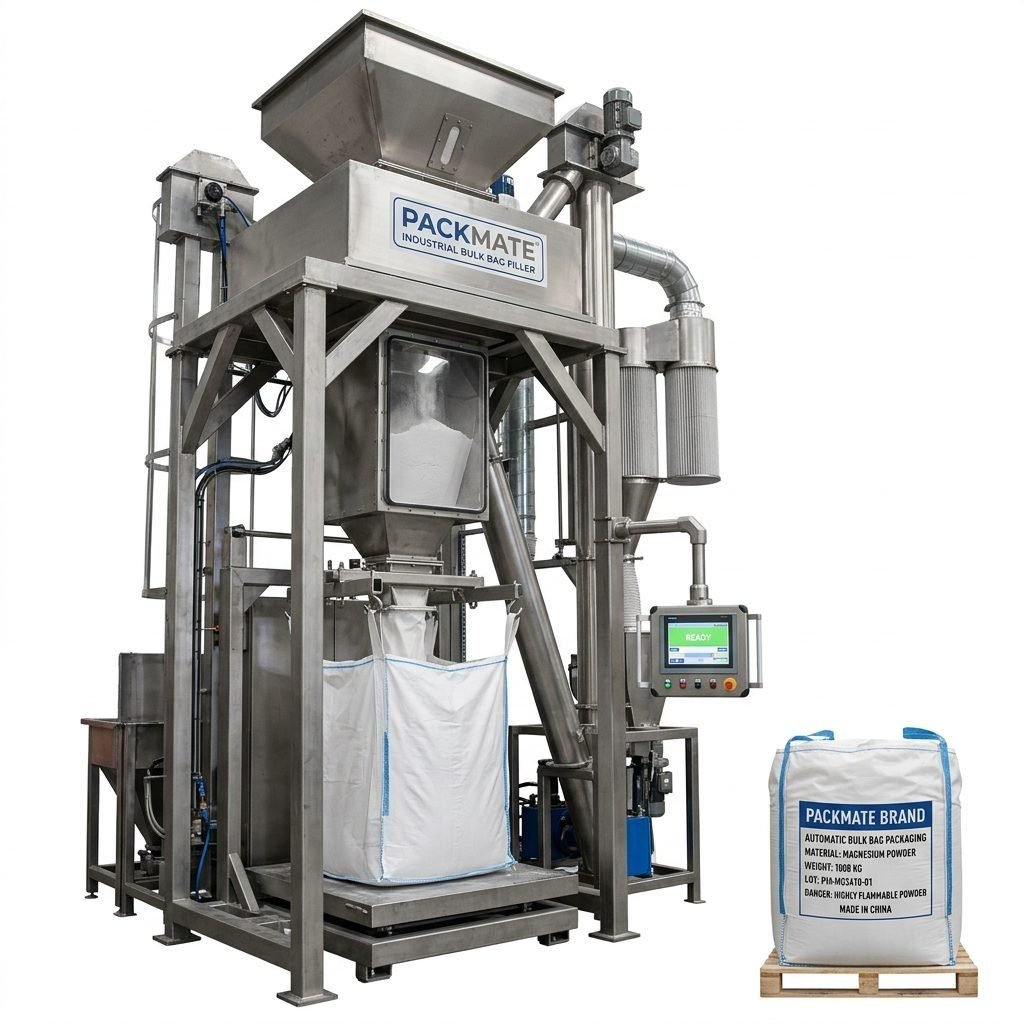
Customization in packaging machinery goes beyond simple adjustments. It involves a collaborative process where manufacturers like Packmate Machinery work closely with clients to design, engineer, and build equipment that addresses precise requirements. This could mean modifying machine dimensions to fit a constrained factory layout, integrating specific weighing and filling systems for unusual product viscosities like thick pastes or fine powders, or creating unique sealing mechanisms for specialized pouch shapes.
Key Takeaway:
A truly customized machine is not a modified standard model. It is a purpose-built system conceived from the ground up to solve your specific packaging challenge, enhancing both productivity and product integrity.
Core Areas of Customization
The scope for customization is vast, typically focusing on several core operational areas:
- Product Handling & Filling: Precision is non-negotiable. Machines can be tailored for exact fill weights, whether for granular sugar, volatile liquids, or abrasive powders. Specialized nozzles, augers, or pumps ensure accuracy and minimize waste.
- Packaging Material Compatibility: Whether you use recyclable mono-material films, high-barrier laminates for coffee, or child-resistant pouches for pharmaceuticals, the machine’s forming, sealing, and cutting mechanisms are adapted accordingly.
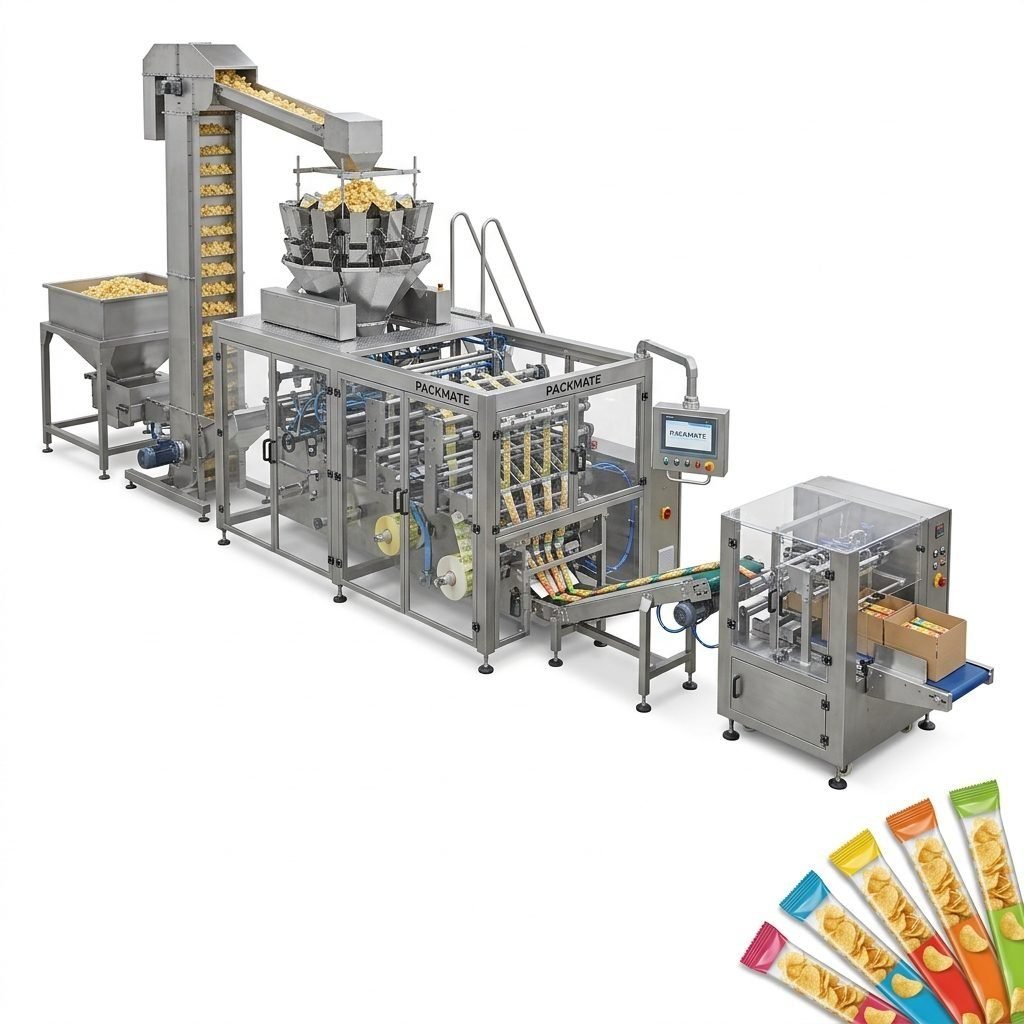
- Output Speed & Automation Level: From semi-automatic benchtop units for startups to fully automated, high-speed packaging lines with robotic integration, the machine’s throughput is designed to match your production targets.
- Control Systems & Data Integration: Modern customization includes IoT-ready control panels, recipe memory for quick changeovers, and connectivity for data collection to monitor Overall Equipment Effectiveness (OEE).
The Tangible Benefits for Your Business
Investing in a custom solution yields measurable advantages across your entire operation.
Maximized Operational Efficiency
Custom machines eliminate bottlenecks. They are designed to work in harmony with your upstream and downstream processes. This synchronization reduces downtime, accelerates changeovers between different product runs, and ensures a smooth, continuous flow. The result is a higher output with lower operational costs and less manual intervention.
Enhanced Product Quality and Safety: A perfect seal for a moisture-sensitive product, gentle handling for fragile items, or an inert gas flushing system for oils—these are not luxuries but necessities ensured by customization. It directly protects your product’s shelf life, potency, and safety, which is especially critical in the pharmaceutical and food industries.
Brand Differentiation Through Packaging: Your packaging is a silent salesman. Custom machinery allows you to implement unique pouch shapes, tear-notches, hang-holes, or printing registration marks for high-quality graphics. This level of distinctive branding is impossible to achieve with standard equipment and can be a powerful tool on crowded retail shelves.
Scalability and Future-Proofing
A well-designed custom machine considers future growth. Modular designs allow for the addition of more lanes (e.g., moving from a 4-lane to an 8-lane stick pack machine) or integration with new automation technologies. This foresight protects your investment and provides a clear path for scaling production without the need for a completely new system.
Why Partner with an Experienced Manufacturer?
The journey to a perfect custom machine hinges on the expertise of your manufacturing partner. With over 30 years of deep industry knowledge, companies like Packmate bring invaluable insight to the table. Their experience across diverse sectors—from food and nutraceuticals to pharmaceuticals—means they have likely already solved a challenge similar to yours.
This partnership begins with a thorough consultation to understand your product, volumes, constraints, and goals. It moves into collaborative design, followed by rigorous testing, often using your actual product and packaging materials in their facility. Comprehensive training and after-sales support ensure a successful deployment. You’re not just buying a machine; you’re gaining a long-term technical partner invested in your success.
The Packmate Advantage: A Case in Point
Founded on a vision for automation and reliability, Packmate (GuangDong) Co., Ltd. exemplifies the dedicated custom solution provider. Operating from a modern 20,000㎡ facility, their team transforms specific client needs into reliable, intelligent equipment. Their portfolio of over 50 machine models, developed over two decades, serves as a foundation upon which truly bespoke systems are built. This commitment to innovation and collaborative problem-solving ensures that each custom project, whether for a delicate herbal powder or a viscous sauce, meets the highest standards of performance and durability.
Making the Decision: Is Customization Right for You?
While the benefits are clear, customization is a strategic decision. It is particularly compelling for businesses that:
- Handle products with unique physical characteristics (e.g., extremely fine, abrasive, or sticky).
- Require packaging formats not available on standard machines.
- Face strict regulatory or hygiene standards that demand specific machine finishes or construction.
- Have achieved a production scale where inefficiencies of standard equipment become costly.
- Use packaging as a core element of their brand identity and market differentiation.
The initial investment in a custom machine is often offset by the long-term savings in material waste, labor, downtime, and the premium commanded by a superior, consistently packaged product.
Frequently Asked Questions (FAQs)
1. How long does it take to develop and deliver a custom packaging machine?
The timeline varies significantly based on complexity. A project can range from 3-4 months for modifications to an existing platform to 9-12 months or more for a ground-up, fully automated line. A detailed project plan with milestones is established during the initial feasibility study.
2. Is the cost of a custom machine prohibitively high compared to standard models?
While the upfront cost is higher, the Total Cost of Ownership (TCO) is often lower. Custom machines reduce product giveaway, increase throughput, minimize changeover time, and lower maintenance costs. A detailed ROI analysis is a crucial part of the procurement process.
3. Can you service and provide spare parts for a custom machine in the long term?
Reputable manufacturers like Packmate maintain detailed documentation and build machines using standardized, high-quality components where possible. They keep a record of all custom parts and typically stock critical spares or have the manufacturing drawings to produce them as needed, ensuring long-term support.
4. What if my product or packaging needs change in the future?
This is a key consideration in the design phase. A well-planned custom machine will have a degree of flexibility or modularity built-in. Discuss future potential changes with your manufacturer early on so the design can accommodate foreseeable adaptations, protecting your investment.
5. What is the first step in exploring a custom packaging solution?
The process begins with a detailed consultation. Be prepared to share product samples, packaging materials, desired output speeds, factory layout details, and any specific challenges you face. Manufacturers will then conduct a feasibility study and provide a preliminary proposal outlining the approach, specifications, timeline, and investment.